NEST Kitchen & Taphouse
NEST Kitchen & Taphouse on Brick Kiln Boulevard sits within Newport News's mid-tier dining corridor, where gastropub formats have gradually pushed out chain mediocrity. The kitchen-and-taphouse model positions it between neighborhood bar and serious food destination, a pairing that the Virginia Peninsula has embraced as dining expectations rise. For visitors and locals tracking where Newport News eats well, NEST is part of that conversation.
Pearl is the En Primeur Club membership app — saves, bookings, and concierge access live there. Same editors, same standards.
- Address
- 1003 Brick Kiln Blvd, Newport News, VA 23602
- Phone
- +17579888585
- Website
- breakfasttobeer.com
 Saves & bookings on Pearl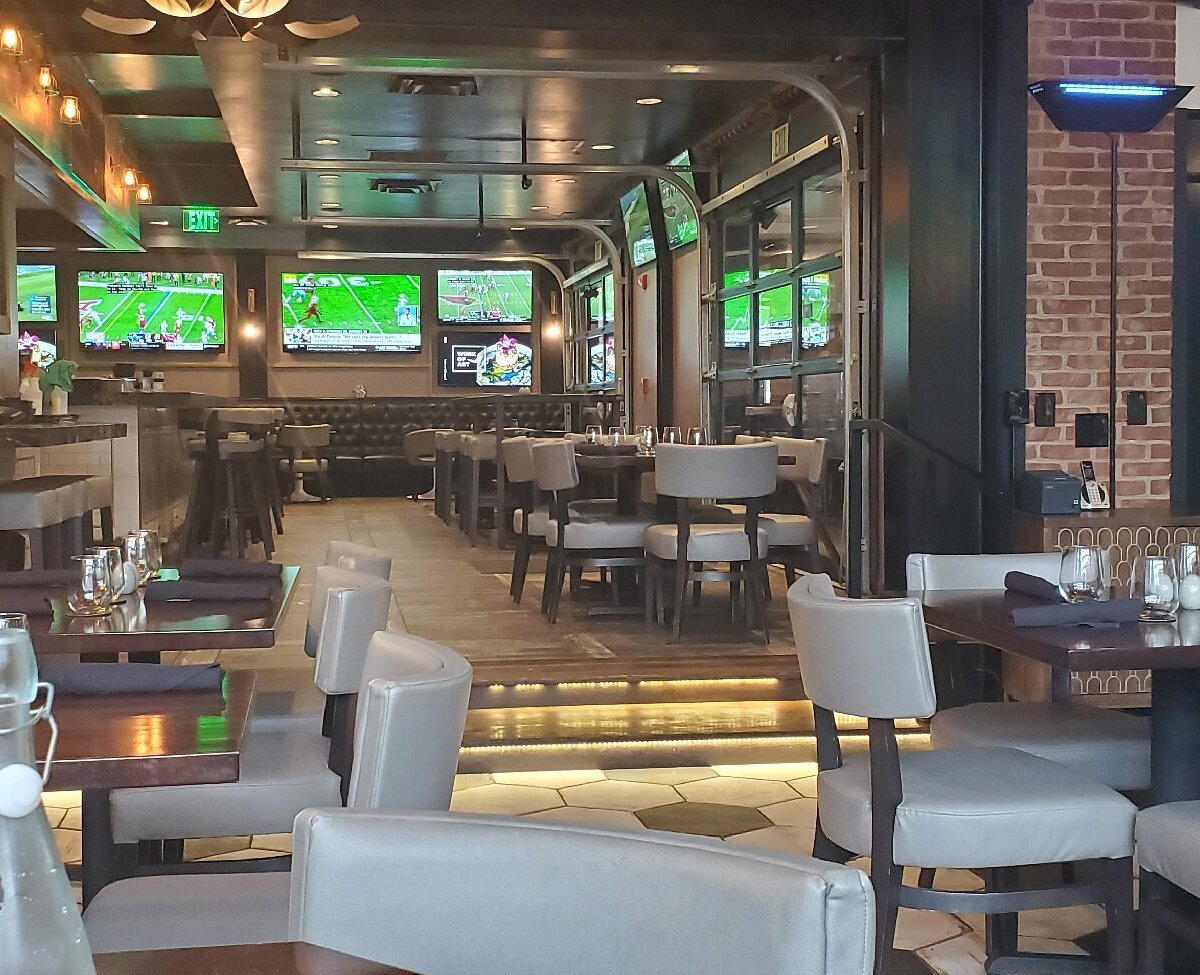
Where Brick Kiln Boulevard Meets the Kitchen-Taphouse Format
NEST Kitchen & Taphouse is a Contemporary American Gastropub in Newport News, Virginia, with a price point around $30 per person. The kitchen-and-taphouse model, part serious food program, part curated draft list, arrived here the same way it arrived across mid-sized American cities: as a corrective to the chain-dining monotony that had long defined suburban Virginia corridors. NEST Kitchen & Taphouse at 1003 Brick Kiln Blvd sits squarely inside that movement, occupying a format that rewards sourcing discipline and rotating tap selections over brand consistency.
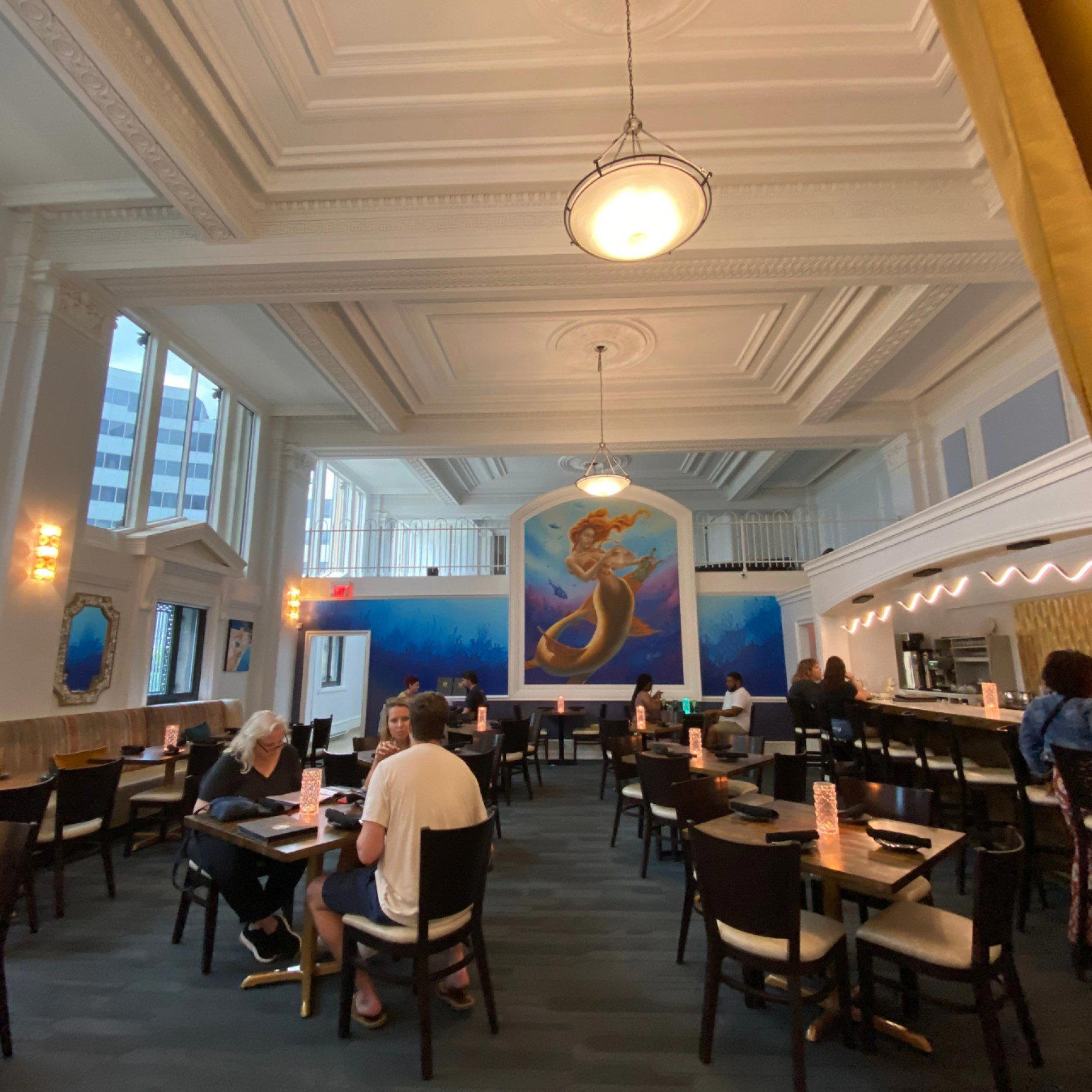
The physical approach along Brick Kiln prepares you for something functional rather than theatrical. This is not a destination built around Instagram geometry or a dining room designed for press photography. What the kitchen-and-taphouse category has consistently delivered in similar American markets is a more honest transaction: the room is there to serve the food and the beer, not the other way around. That priority shift is, increasingly, what a certain segment of the Newport News dining public is asking for.
The Sourcing Logic Behind the Kitchen-Taphouse Approach
Ingredient provenance matters most when assessing a venue branded as a kitchen rather than simply a restaurant or bar. The kitchen designation carries an implied promise: that the food is made here, from identifiable sources, with some degree of intentionality about what enters the supply chain. Virginia is well-positioned to support that kind of program. The state's agricultural corridor runs from the Shenandoah Valley through the Piedmont, and the Chesapeake Bay system gives coastal and near-coastal kitchens access to shellfish, finfish, and blue crab that no amount of freight logistics can replicate for a landlocked operator.
Newport News kitchens that take sourcing seriously benefit from proximity to watermen operating out of the Hampton Roads area, where the catch is often same-day or next-morning. Restaurants along the Peninsula have used that access to distinguish themselves from Richmond or Northern Virginia peers who pay a premium for the same product with an extra leg of transport. Guests quickly notice whether a kitchen truly commits to local sourcing.
The taphouse side of the equation has its own sourcing logic. Virginia's craft brewing industry has expanded substantially since the state liberalized its brewery laws, and the Hampton Roads area now has enough regional producers to populate a draft list without reaching outside the Commonwealth. Choosing to build a tap list around proximity rather than prestige signals something about how an operator thinks about the whole program. It is the same instinct that drives sourcing decisions in the kitchen: origin matters, and shorter supply chains tend to produce better product.
Newport News and the Mid-Tier Dining Shift
Newport News is not a city that has historically generated much national dining attention. The restaurant conversation in Virginia has centered on Richmond's food media moment, the wine-country draw around Charlottesville, and the Northern Virginia proximity to Washington D.C. talent. But the Peninsula has its own dining evolution underway, and the kitchen-taphouse format has been one of its more visible expressions.
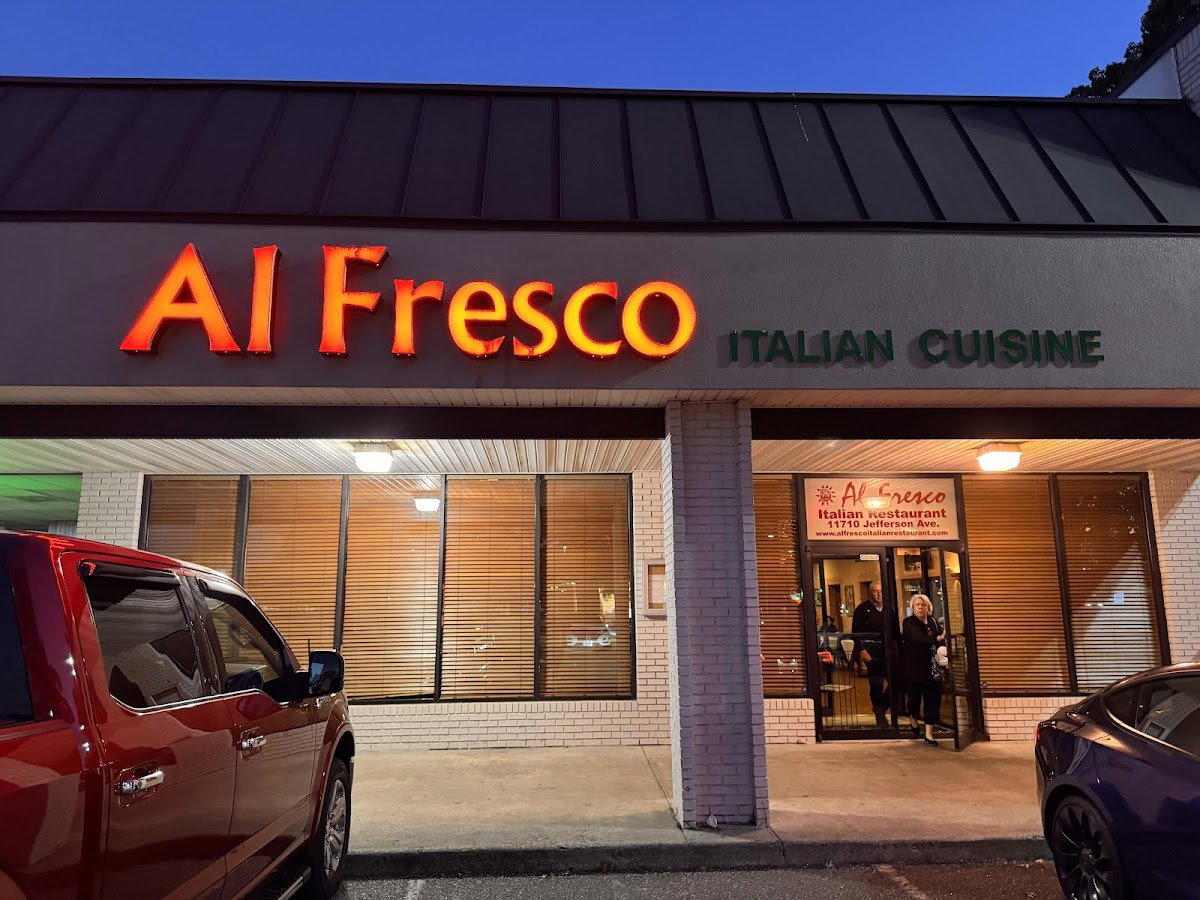
The city's dining options have been reorganizing around a few distinct tiers. At the casual end, venues like Choice Korean Food, Chicken & Cafe bring focused, cuisine-specific programming that punches above its price point. At the ingredient-led mid-tier, Fin Seafood has anchored the local seafood conversation, leaning into the same Chesapeake proximity that any serious kitchen here should be using. Sage Kitchen occupies the contemporary American space with a tighter, more refined format. And the taphouse-adjacent category has its own representative in Craft 60 Taphouse & Grill, which gives NEST a direct peer for benchmarking purposes. Outdoor dining options like Al Fresco round out a local scene that is more varied than its national profile suggests.
Against that comparable set, NEST's position is clearer: it sits in the overlap between the food-serious and the beer-serious, a format that works when the kitchen and the tap list are calibrated to complement rather than compete with each other. The risk in the kitchen-taphouse model is that one side of the equation pulls resources from the other, either the bar becomes the real operation and the food is an afterthought, or the kitchen ambitions outrun what the format can support. When the balance is right, it produces some of the most reliable everyday dining in a mid-sized American city.
Framing Newport News Against the National Picture
It is useful, occasionally, to hold the local against the national to understand what the local is actually doing. The farm-to-table sourcing discipline that now animates kitchens like Blue Hill at Stone Barns in Tarrytown or the ingredient-driven precision of Single Thread Farm in Healdsburg represents one end of a spectrum where provenance is the entire editorial point of the meal. At that level, sourcing is not a supporting detail, it is the menu. Further along the national range, places like The French Laundry in Napa, Le Bernardin in New York City, or Providence in Los Angeles have made ingredient sourcing a cornerstone of their critical identity, with Alinea in Chicago and Atomix in New York City extending those standards into more conceptually ambitious formats. Internationally, venues like 8 1/2 Otto e Mezzo Bombana in Hong Kong demonstrate how ingredient fidelity translates across culinary traditions. Closer to home, The Inn at Little Washington has built a Virginia institution around a similar sourcing ethos, and Emeril's in New Orleans and Lazy Bear in San Francisco show how regional identity can be channeled into distinct dining formats. Addison in San Diego rounds out a national set where the sourcing conversation has moved far beyond a menu footnote.
The kitchen-taphouse format is operating at a different register than any of those addresses. What it borrows from the national sourcing conversation is the principle: that knowing where your ingredients come from produces a better product and a more honest hospitality exchange. The scale and the price point are different, but the underlying logic is transferable.
Planning a Visit
NEST Kitchen & Taphouse is located at 1003 Brick Kiln Blvd, Newport News, VA 23602, in a part of the city that is most practically reached by car. Current hours, reservations, and pricing are 8 AM to 9 PM daily, reservations are recommended, and the price point is around $30 per person. Newport News is accessible via Interstate 64, and for visitors arriving from outside Hampton Roads, Newport News/Williamsburg International Airport (PHF) sits within easy driving distance. For a broader picture of where NEST fits in the city's dining options, see our full Newport News restaurants guide.
Side-by-Side Snapshot
Comparable venues nearby, for context on price, style, and recognition.
| Venue | Cuisine | Price | Awards | Notes |
|---|---|---|---|---|
| NEST Kitchen & TaphouseThis venue — the venue you are viewing | Contemporary American Gastropub | $$ | , | |
| Craft 60 Taphouse & Grill | American Grill & Craft Beer Taphouse | $$ | , | Newport News |
| Sage Kitchen | Farm-to-Table American Cafe | $$ | , | Jefferson Ave area |
| Schlesinger's Steakhouse | Classic Steakhouse & Seafood | $$$$ | , | Port Warwick |
| Al Fresco | Classic Italian | $$ | , | Jefferson Ave area |
| Fin Seafood | Modern Seafood | $$$ | , | Port Warwick |
Continue exploring
More in Newport News
Restaurants in Newport News
Browse all →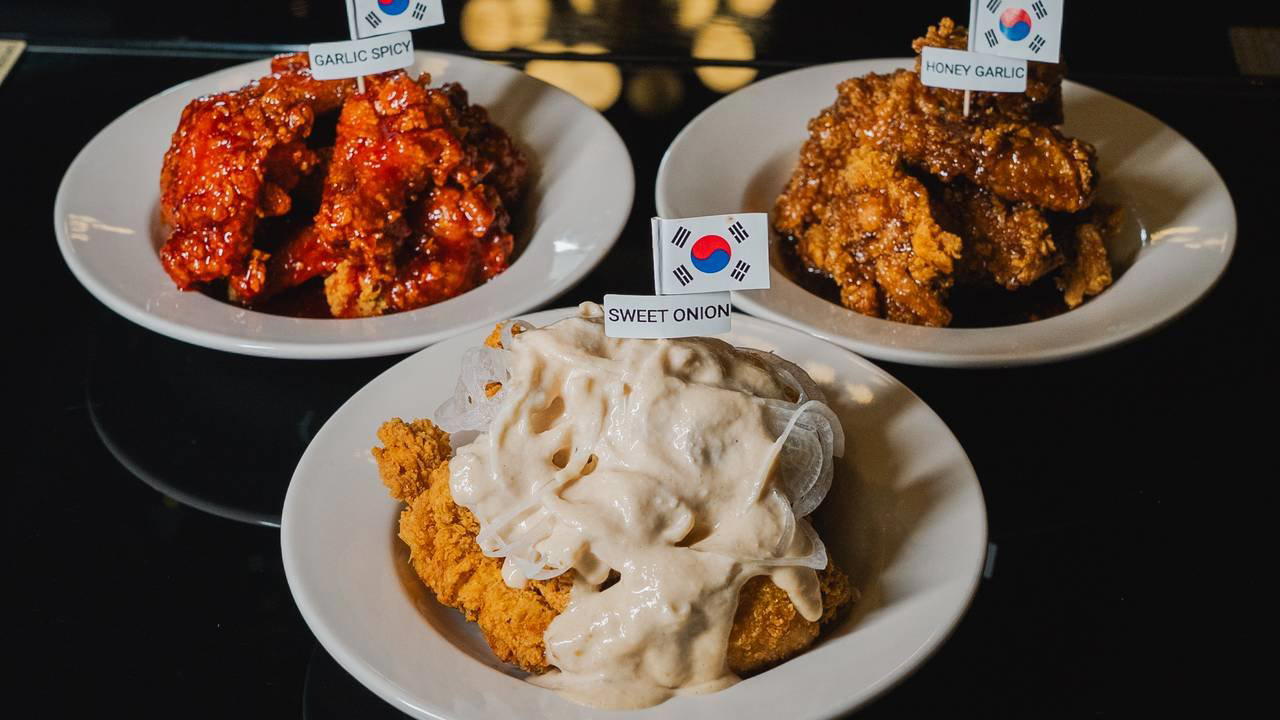
Bars in Newport News
Browse all →
Hotels in Newport News
Browse all →
At a Glance
- Lively
- Modern
- Casual
- Brunch
- Casual Hangout
- Group Dining
- After Work
- Standalone
- Craft Cocktails
- Beer Program
Casual elegant atmosphere with a lively, community-focused energy throughout the day from breakfast through evening service.