Natürlich Büttners
Our verdict
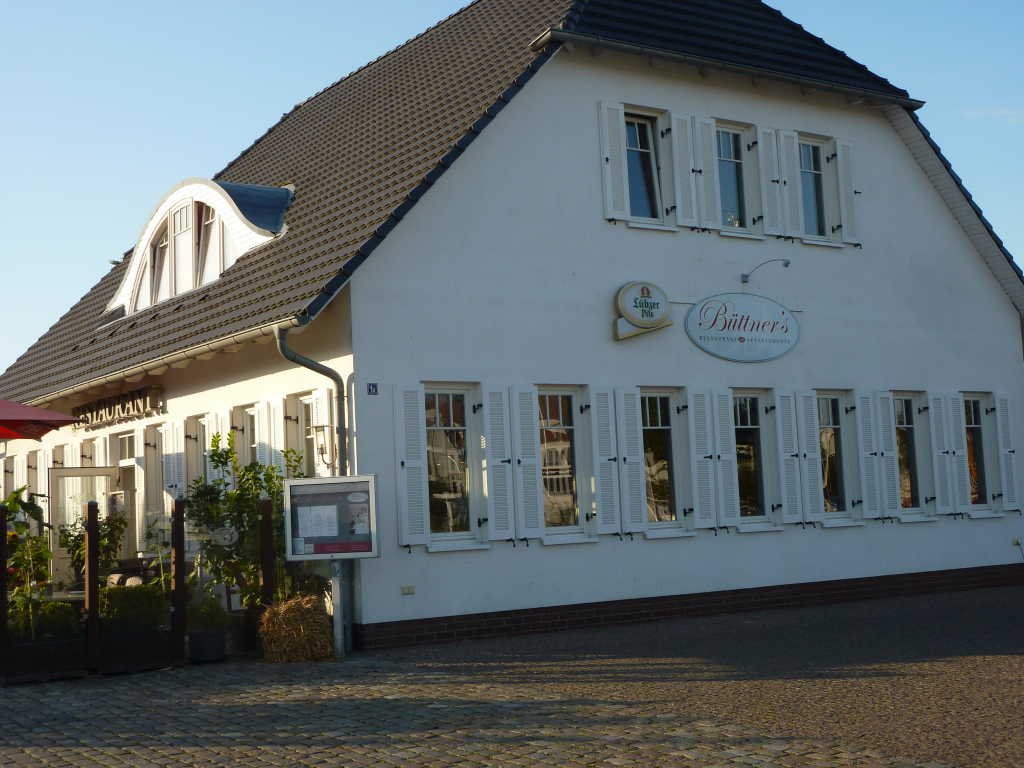
In Greifswald's compact dining scene, Natürlich Büttners on Rakower Strasse positions itself around ingredient provenance at a moment when northeast Germany's farm and coastal supply chains are drawing serious attention. The restaurant operates in a city better known for its medieval university than its restaurants, which makes its presence as a sourcing-led address all the more notable. For visitors tracing the Baltic coast's emerging food culture, it warrants a place on the itinerary.

Pearl is the En Primeur Club membership app, where members save venues, book tables and use the concierge.
The menu
What to order
- Marinierter Thunfisch mit Wasabimousse
- Ei Benedikt
A Baltic Pantry at the Table
Greifswald sits close enough to the Bodden coastline and the agricultural flatlands of Mecklenburg-Vorpommern that provenance-led cooking here is less a philosophical stance and more a practical inheritance. The region's smokehouses, small-scale fisheries, and grain farms have supplied local tables for centuries, and the restaurants that take that supply chain seriously are, in this city, the ones worth tracking down. Natürlich Büttners, at Rakower Str. 9, occupies that position in Greifswald's modest but coherent dining scene, offering a menu framework oriented around what the surrounding landscape can actually deliver rather than what a broad import network might supply.
Northeast Germany's food culture is undergoing a slow but documented reassessment. The same sourcing rigour that redefined Copenhagen's restaurant economy in the 2010s has been moving south and west along the Baltic rim, and cities like Greifswald, Stralsund, and Rostock are beginning to attract cooks who see the region's ingredients, Baltic herring, rye, root vegetables, freshwater fish from the Ryck and Peene rivers, dairy from small Vorpommern farms, as a serious working vocabulary rather than a rustic fallback. Natürlich Büttners fits that emerging pattern. Its name signals intent: natürlich meaning natural or of course, with the double reading deliberate enough to function as a statement of kitchen philosophy without requiring a manifesto on the menu.
What Ingredient-Led Cooking Looks Like in Greifswald
In cities with deep fine-dining infrastructure, Hamburg's Restaurant Haerlin, the multi-Michelin world of Schwarzwaldstube in Baiersbronn, or the technically demanding work at Aqua in Wolfsburg, ingredient sourcing is one layer of a complex operation involving brigade size, tasting menu architecture, and international press attention. In a university city of roughly 60,000 people, the dynamic is different. Sourcing-led cooking in Greifswald is less about competitive positioning within a national fine-dining tier and more about serving a local population with access to genuinely good raw materials. The result, when it works, is a kind of cooking that feels less performed and more applied.
That distinction matters because it changes what you come looking for. At addresses like Vendôme in Bergisch Gladbach or Victor's Fine Dining by Christian Bau in Perl, the sourcing narrative is one thread inside a much larger production. At a place like Natürlich Büttners, the sourcing is closer to the whole story, which makes the execution of individual dishes carry proportionally more weight. When the supply chain is the argument, every plate is a data point.
Greifswald's Dining Scene in Context
Greifswald does not have the restaurant density of a major German city, and it does not try to replicate it. The city's eating and drinking culture clusters around the old market square and the streets running toward the harbour district, with a mix of student-facing cafes, traditional German restaurants, and a smaller number of addresses with more considered food programs. Tischlerei is among the restaurants worth pairing with a visit to Natürlich Büttners if you are spending more than a single evening in the city. For a fuller map of where to eat across Greifswald's neighbourhoods, the EP Club Greifswald restaurants guide covers the current picture in detail.
The broader German fine-dining circuit runs through cities and small towns with very different profiles, the creative intensity of CODA Dessert Dining in Berlin, the Bavarian precision of JAN in Munich, the Moselle-adjacent classicism of Schanz in Piesport, the southern German ambition of ES:SENZ in Grassau and AUGUST in Augsburg. Natürlich Büttners does not compete in that national conversation. Its frame of reference is the northeast, and its value proposition is regional specificity rather than technical comparison with three-star peers.
Internationally, the provenance-driven model Natürlich Büttners seems to embody has parallels at a much higher price tier: Le Bernardin in New York City built its identity around a single-ingredient argument (the sea), and Atomix, also in New York, uses Korean agricultural heritage as the foundation of a globally recognised tasting menu. In both cases, the sourcing premise gave the kitchen a discipline that translated into long-term credibility. The question for smaller regional addresses like Natürlich Büttners is whether that same discipline holds at a more accessible price point and a less scrutinised scale.
Planning a Visit
Greifswald is reachable by train from Berlin in roughly two and a half hours, with direct regional services running via Stralsund. The city is compact enough that Rakower Strasse is walkable from the central train station. Given the limited data currently available on Natürlich Büttners' hours and reservation policy, contacting the restaurant directly before visiting is the practical approach, particularly for weekend evenings when Greifswald's smaller dining rooms tend to fill earlier than visitors expect. The address is Rakower Str. 9, 17489 Greifswald. Visitors staying overnight have a small but reasonable set of hotel options in the old town, with the cathedral quarter providing a logical base for anyone eating across multiple evenings. For context on the wider restaurant circuit in this part of northern Germany, addresses like Bagatelle in Trier, Waldhotel Sonnora in Dreis, ammolite - The Lighthouse Restaurant in Rust, and ATAMA by Martin Stopp in Sankt Ingbert show the range of regional ambition operating outside Germany's major urban centres.
Frequently asked questions
Is Natürlich Büttners child-friendly?
Greifswald's dining culture draws a broad mix of students, academics, and families, and restaurants on Rakower Strasse tend to reflect that demographic range. Natürlich Büttners, positioned within this neighbourhood context, is unlikely to be a strict adults-only environment.
Is Natürlich Büttners better for a quiet night or a lively one?
Greifswald is a university city of around 60,000 people, and its restaurant rooms typically settle into a conversational rather than high-energy register, animated on weekend evenings, calmer mid-week. Natürlich Büttners, at Rakower Str. 9, sits within that rhythm. Expect a setting more suited to unhurried conversation than to a celebratory night out.
Does Natürlich Büttners reflect the food traditions of Mecklenburg-Vorpommern specifically?
The restaurant's name, Natürlich, meaning 'naturally', and its location in Greifswald, within one of Germany's most clearly defined regional food corridors, suggest a menu shaped by the surrounding Bodden coastline and the flat agricultural hinterland of Mecklenburg-Vorpommern. This part of northeast Germany has a distinct pantry: freshwater and coastal fish, root vegetables, rye, and game. Whether the kitchen works exclusively within that tradition or draws more broadly on German seasonal cooking is best confirmed with the venue directly.
What's the must-try dish at Natürlich Büttners?
Verified menu data for Natürlich Büttners is not available at time of publication, so no specific dish can be named with confidence. The restaurant's name and its Greifswald address, deep within Mecklenburg-Vorpommern's agricultural and coastal supply network, point toward a kitchen that changes its offer with the season. Asking the kitchen what arrived that week is the most reliable approach.
Side-by-Side Snapshot
Comparable venues nearby, for context on price, style, and recognition.
| Venue | Cuisine | Price | Notes |
|---|---|---|---|
| Natürlich BüttnersThis venue (the venue you are viewing) | Modern Regional German Bistro | $30–50 | Not listed |
| Tischlerei | Modern German Bistro | $30–50 | Yachthafen |
| Ambiance | Contemporary German Fine Dining | Not listed | Ostseebad Sellin |
| Fleischerei | Modern German Meat Cuisine | $30–50 | Prenzlauer Berg |
| Grosz | Classic German/French Brasserie | Not listed | Charlottenburg |
| BlauHaus | Modern German Regional | $20–30 | Herzberg (Elster) |
Continue exploring
More in Greifswald
Details
- Cozy
- Modern
- Rustic
- Date Night
- Casual Hangout
- Historic Building
- Local Sourcing
- Farm To Table
- Street Scene
- A La Carte
- Set Menu
- Vegetarian Friendly
- Vegan Options
- Gluten Free Options
Current opening hours
- Monday
- Closed
- Tuesday
- Closed
- Wednesday
- Closed
- Thursday
- Closed
- Friday
- 12–10 PM
- Saturday
- 12–10 PM
- Sunday
- 9:30 AM–6 PM
Hours can change for holidays and private events. Hours as of .
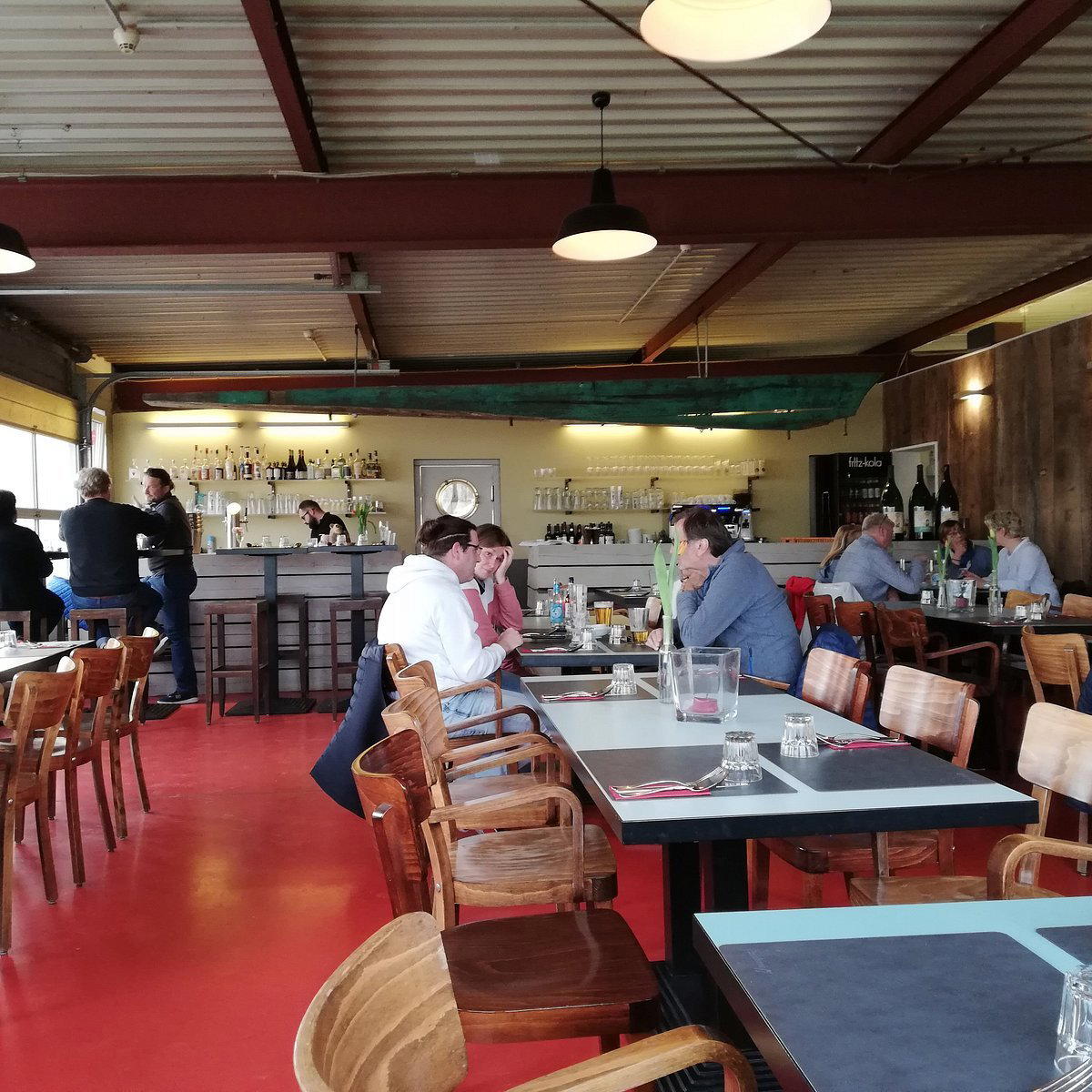
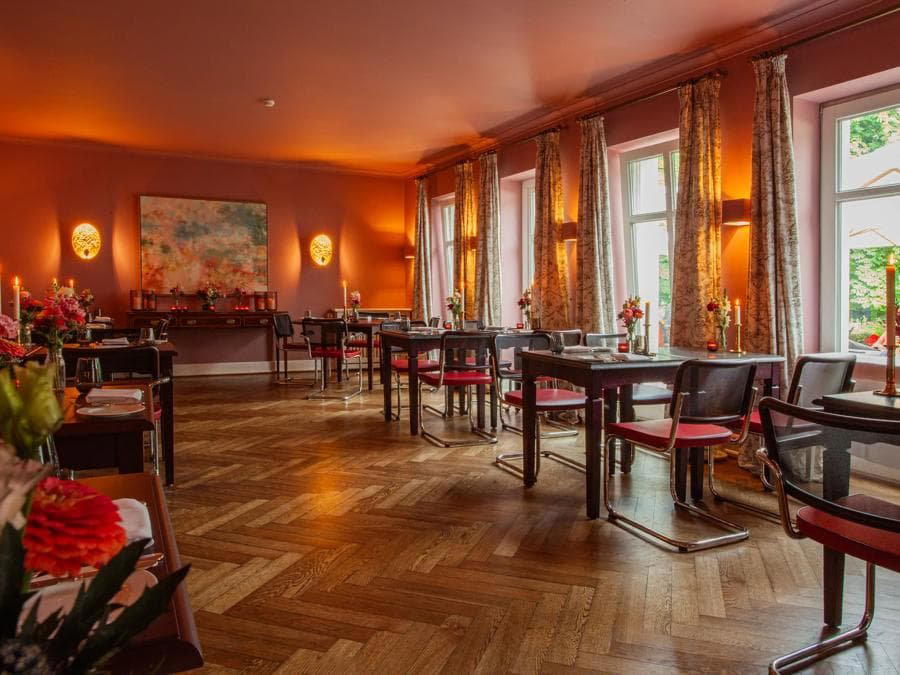
Helles, klares Ambiente with a simple, beautiful setting.