Gutshaus Stolpe

Gutshaus Stolpe occupies a historic manor estate in Stolpe an der Peene, a small town in the Mecklenburg lake district where agricultural tradition and river landscape define the character of the table. The setting places it within a growing pattern of rural German dining that draws its identity from the land immediately around it, rather than from urban fine-dining conventions. Expect an experience shaped by region before it is shaped by technique.
Pearl is the En Primeur Club membership app — saves, bookings, and concierge access live there. Same editors, same standards.
- Address
- Peenstraße 33, 17391 Stolpe an der Peene, Germany
- Phone
- +4949397215500
- Website
- gutshaus-stolpe.de
- Directions
- Get directions
 Saves & bookings on Pearl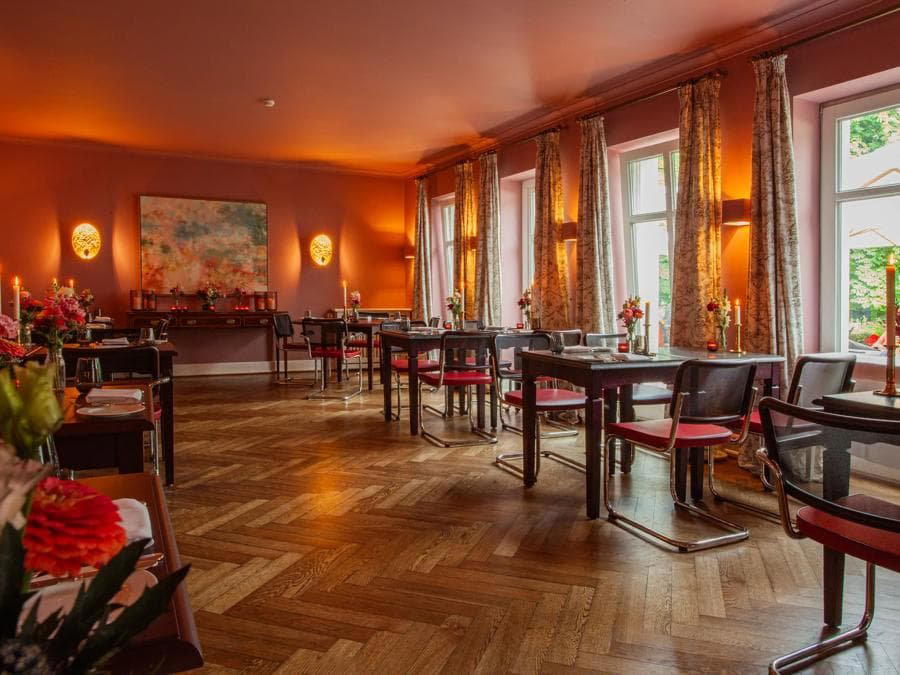
Land Before Technique: Dining in the Mecklenburg Countryside
Gutshaus Stolpe is a restaurant in Stolpe an der Peene, Germany, serving modern regional German with French technique and priced around $105 per person. The manor estate format carries its own logic of sourcing and seasonality that predates the farm-to-table vocabulary now common in urban dining rooms. Here, the proximity to the source is architectural as much as culinary: the estate sits within the landscape it draws from, rather than importing that landscape into a city kitchen.
This is a pattern found across the northeastern German countryside, where restored Gutshäuser have become a specific category of destination hospitality. The model contrasts sharply with the urban fine-dining tier represented by venues like Restaurant Haerlin in Hamburg or the technically elaborate programs at Aqua in Wolfsburg. The rural estate format is not a simplified version of those experiences, it operates on a different logic entirely, where the growing calendar of the surrounding region sets the agenda more directly than a chef's creative program.
What the Peene Valley Puts on the Table
Mecklenburg-Vorpommern is one of Germany's most agricultural states, and the Peene valley in particular sits within a zone known for freshwater fish, game, grain, and dairy production that has supplied regional tables for centuries. The river itself supports eel, pike, and perch populations that have defined the local diet long before those fish appeared on any tasting menu. The broader region produces rye, rapeseed, and pork under conditions that differ significantly from intensively farmed western German equivalents, lower population density means lower pressure on land use, and the organic and near-organic farming that results has made Mecklenburg ingredients increasingly attractive to serious kitchens across northern Germany.
This sourcing geography is relevant context for any estate dining format in the area. When the kitchen of a Gutshaus draws on its immediate agricultural surroundings, it is working with raw material that has genuine regional distinction. That is a different claim from the generalised local-sourcing language that now appears on menus across Germany's urban restaurant market. In the Peene valley, local sourcing is a geographic reality before it is a marketing position.
For wider reference on how German kitchens at different price points approach sourcing, the programs at JAN in Munich and ES:SENZ in Grassau illustrate how regional ingredient identity can anchor a fine-dining format. The rural estate model at Gutshaus Stolpe approaches the same question from a different starting point: the land is the given, and the kitchen works outward from it.
The Estate Setting
Arriving at Peenstraße 33, the estate address in Stolpe an der Peene, you encounter the built character of northeastern German agricultural heritage: the proportions, the materials, and the orientation of a working manor adapted for hospitality. This type of property in Germany's northeast tends toward understated grandeur, the architecture is substantial without the baroque ornamentation common to southern German estates. The surrounding range of the Peene river valley reinforces that restraint, with flat river meadows and mixed forest replacing the dramatic terrain of the Alpine or Rhineland south.
The contrast with destination restaurants that occupy purpose-built or highly designed urban spaces is pronounced. Venues like CODA Dessert Dining in Berlin or Vendôme in Bergisch Gladbach exist within their environments as deliberate design statements. A Gutshaus format works the other way: the environment precedes the hospitality program, and the building's history gives the experience its frame. That historical weight is either part of the appeal or a complication, depending on what a visitor is looking for.
Travellers considering Gutshaus Stolpe as part of a broader exploration of the region will find Kurt (German Coastal) as a directly comparable local reference point.
Rural German Fine Dining in a National Context
Germany's dining scene concentrates heavily in urban centres and in specific rural corridors, the Black Forest, the Moselle valley, and the Bavarian Alps, where tourism and gastronomy have long reinforced each other. Schwarzwaldstube in Baiersbronn and Waldhotel Sonnora in Dreis represent that established rural fine-dining model, where a hotel or estate setting has accumulated recognition over decades. The northeastern coast, by contrast, remains less represented in Germany's formal dining hierarchy despite the quality of its raw ingredients.
That gap creates both an opportunity and a context for properties like Gutshaus Stolpe. The Mecklenburg coastline and its interior lake and river districts have attracted growing interest from the German travel market since the reunification period, but the dining infrastructure has developed more slowly than the accommodation offer. Estate properties that invest in their kitchen programs are working within a less established critical framework than their counterparts in the south and west, which means recognition, when it comes, tends to arrive more slowly, but also that competition for serious diners in the region is lower.
For international visitors building a German itinerary that extends beyond the recognised fine-dining corridors, the Peene valley area is worth including alongside stops at awarded venues such as Schanz in Piesport, Victor's Fine Dining by Christian Bau in Perl, or ammolite in Rust. The contrast in setting and sourcing logic is part of the value of that itinerary construction. Those planning a broader European dining trip can also cross-reference the ingredient-sourcing approaches at Le Bernardin in New York City or the precision of Atomix in New York City to understand how differently regional identity can be expressed across formats and geographies.
Planning a Visit
Stolpe an der Peene sits in the district of Vorpommern-Greifswald, roughly equidistant between Greifswald and Anklam on the B110 road, and is most practically reached by car from either Rostock or Szczecin across the Polish border. Train access exists via Anklam, though onward transport to the estate requires a taxi or private arrangement. Given the estate's rural position, visitors planning a meal should expect to either stay in the immediate vicinity or build in a return journey to one of the regional towns. Reservations are essential. The seasonal character of northeastern Germany's agricultural calendar means that spring through autumn represents the period when the sourcing case for a visit is strongest, game season extending that window through October and November.
Side-by-Side Snapshot
Comparable venues nearby, for context on price, style, and recognition.
| Venue | Cuisine | Price | Awards | Notes |
|---|---|---|---|---|
| Gutshaus StolpeThis venue — the venue you are viewing | Modern Regional German with French Technique | $$$$ | Not listed | Not listed |
| Wirtshaus Stolper Fährkrug | Traditional Mecklenburg-Vorpommern & regional German inn cuisine | $$ | Not listed | Stolpe an der Peene |
| Kurt | Modern Regional German Fine Dining | $$$$ | Michelin Plate | Stolpe an der Peene |
| Kochzimmer | New Prussian Cuisine | $$$$ | Not listed | Neuer Markt |
| Ambiance | Contemporary German Fine Dining | $$$ | Not listed | Ostseebad Sellin |
| Restaurant 22 Stufen | Modern German-European with Lake View | $$$ | Not listed | Griebnitzsee |
Recognition history
Dated appearances from independent guides and award organizations, with the underlying list record or original source where available.
Michelin Plate
Michelin
Continue exploring
More in Stolpe an der Peene
Restaurants in Stolpe an der Peene
Browse all →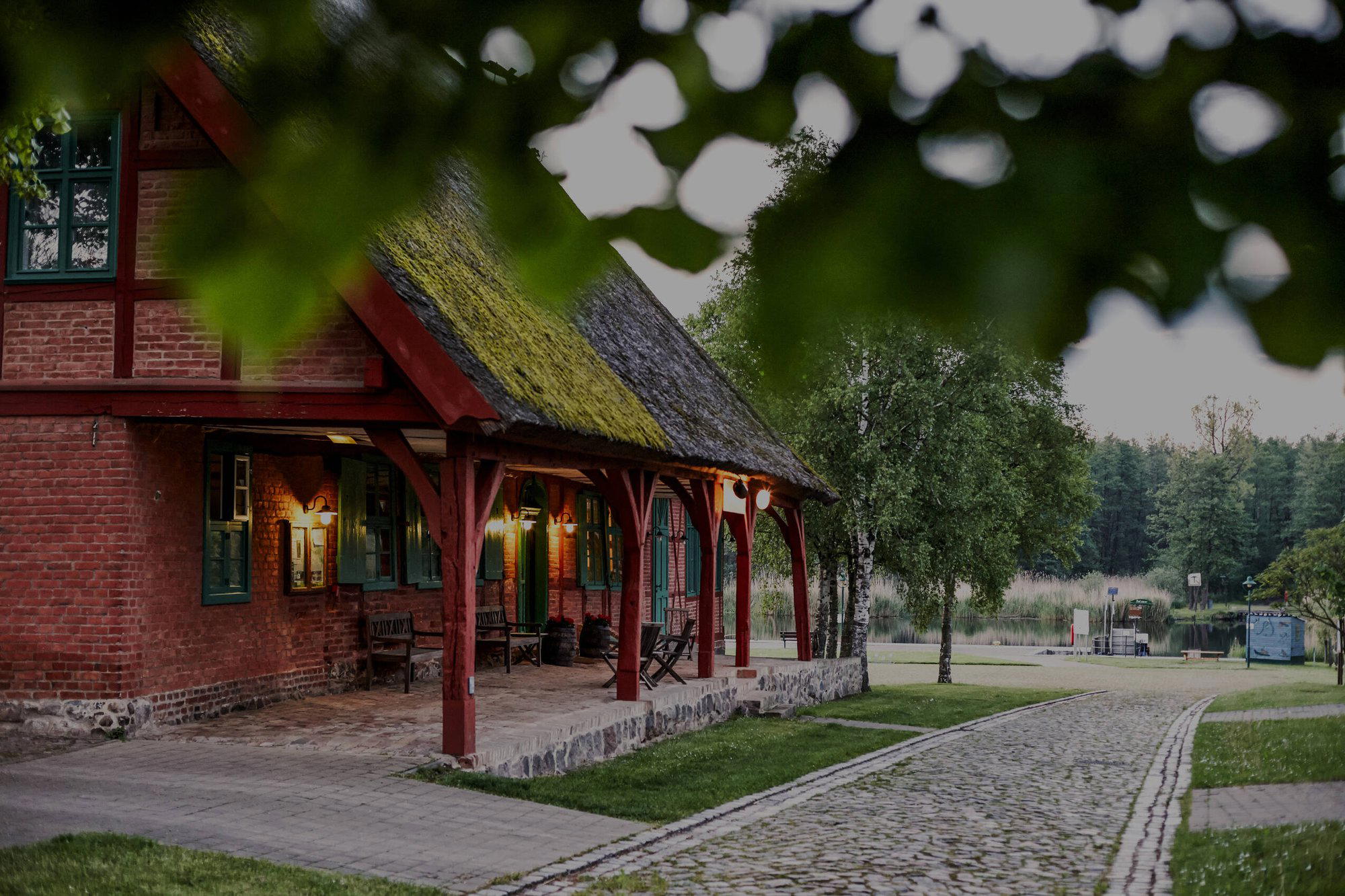
Hotels in Stolpe an der Peene
Browse all →
At a Glance
- Romantic
- Elegant
- Scenic
- Classic
- Sophisticated
- Cozy
- Date Night
- Special Occasion
- Celebration
- Business Dinner
- Terrace
- Garden
- Historic Building
- Hotel Restaurant
- Design Destination
- Sommelier Led
- Local Sourcing
- Farm To Table
- Garden
- Waterfront
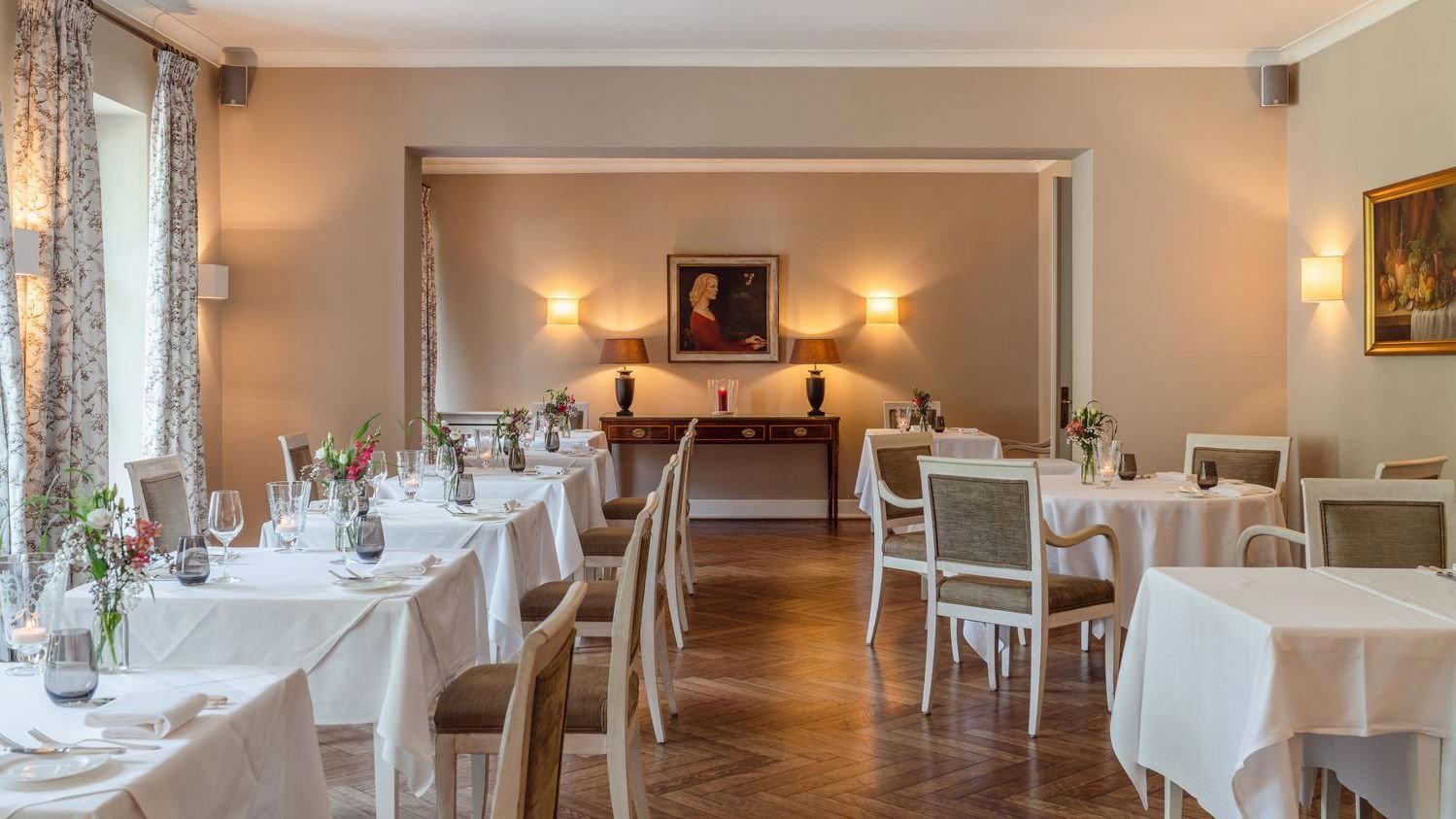
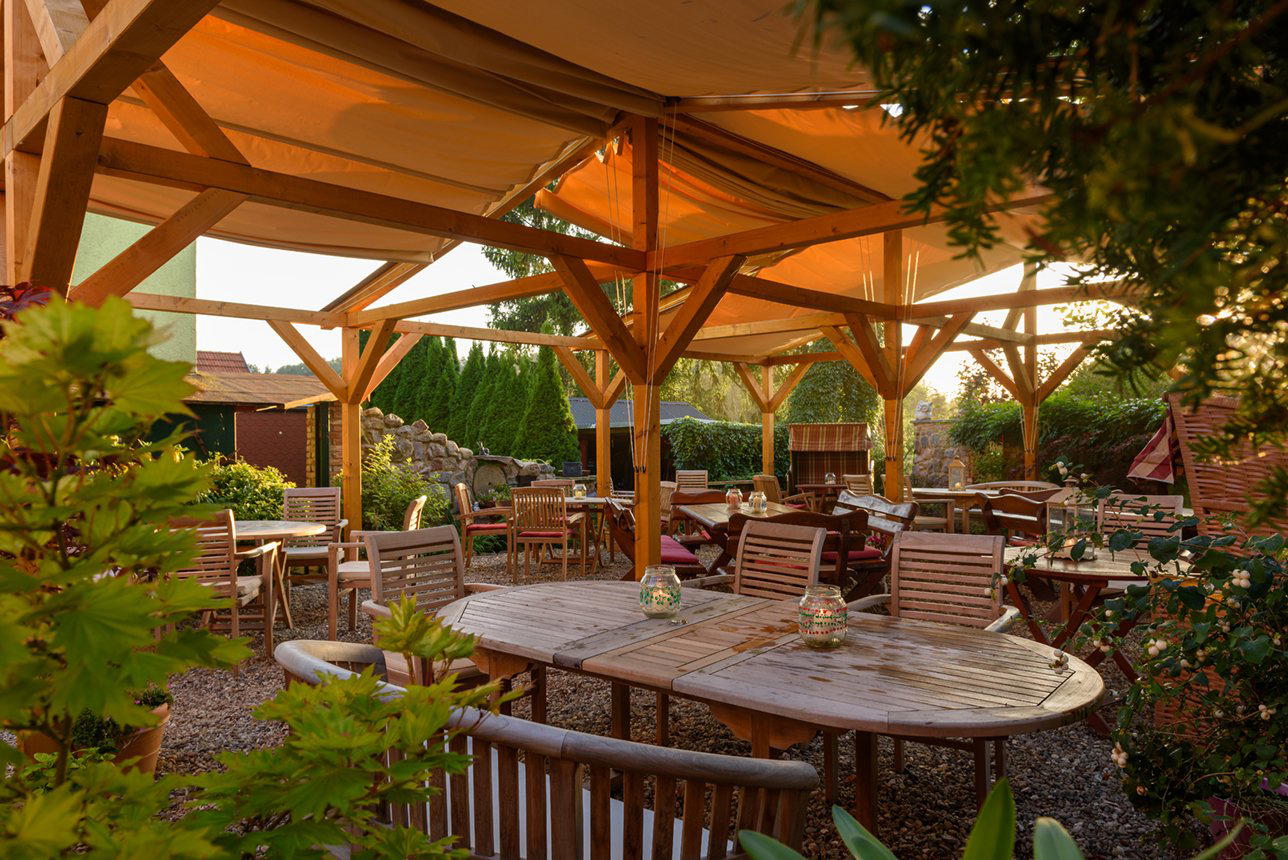
Grand yet intimate, with contemporary design seamlessly integrated into classically elegant decor; summer terrace overlooks manicured estate grounds with historic monastery ruins.