Our verdict
BlauHaus sits at Badstraße 29 in Herzberg (Elster), a small city in Brandenburg that sits well outside Germany's established fine-dining circuits. Venue data is limited at this stage, but the address places it within a region where ingredient-led regional cooking is increasingly defining a quieter, less-celebrated tier of German gastronomy. Travellers passing through eastern Brandenburg will want to investigate before visiting.

Pearl is the En Primeur Club membership app, where members save venues, book tables and use the concierge.
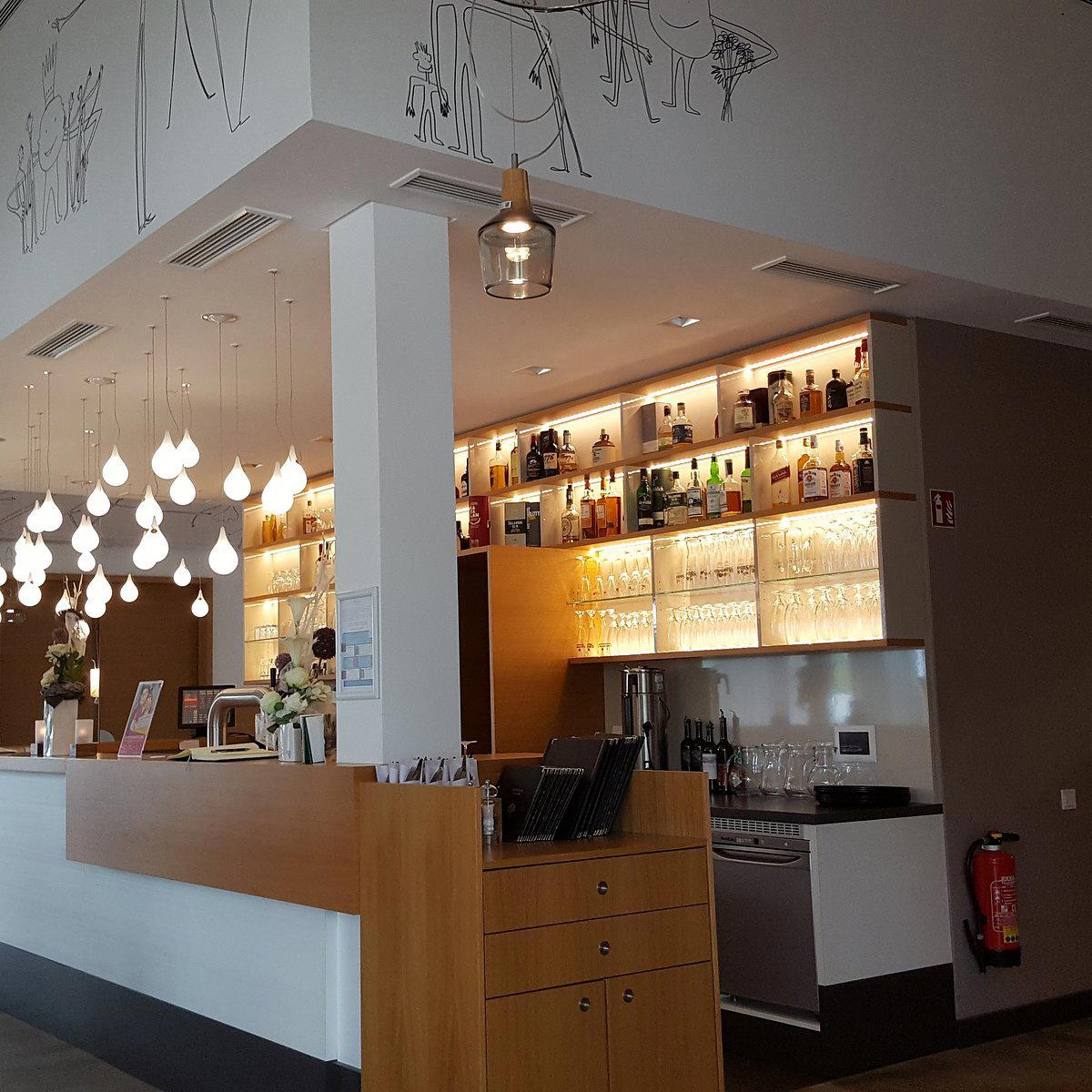
The menu
What to order
- Wiener schnitzel
- Fillet steak
- Risotto
Herzberg (Elster) and the Eastern Brandenburg Dining Question
Germany's most-discussed restaurant tables are concentrated in a familiar arc: Munich, Hamburg, Cologne's surrounding Bergisch Gladbach, the Moselle, and a handful of destination addresses in Baden-Württemberg. The eastern states, Brandenburg included, occupy a different register entirely. Cities like Herzberg (Elster), a modest town in the southern corner of the region, rarely surface in the same conversations as Schwarzwaldstube in Baiersbronn or Aqua in Wolfsburg. That distance from the critical mainstream is not necessarily a deficit. In practice, it can mean lower price pressure, stronger ties to local agricultural supply chains, and a kitchen culture shaped more by what grows nearby than by what earns column inches.
BlauHaus, at Badstraße 29 in Herzberg, exists within that context. Confirmed venue data is sparse, which itself tells part of the story: this is not a restaurant marketing itself toward the awards circuit or the international food press. What draws attention here is the address and the town it sits in, a combination that raises genuine questions about what a serious kitchen in this part of Germany looks like and where it sources from.
Brandenburg's Supply Chain and What It Means on the Plate
Brandenburg encircles Berlin without fully sharing its culinary momentum. The state is, however, one of Germany's significant agricultural regions, producing substantial quantities of pork, freshwater fish from the Spreewald and surrounding lakes, asparagus from the sandy soils around Beelitz and the Elbe-Elster district, and root vegetables that define the traditional cooking of the area. Herzberg sits within the Elbe-Elster district specifically, a range of river flatlands and pine forest that has historically supplied regional markets rather than restaurant kitchens further afield.
The shift happening across Germany's less prominent dining cities is that a younger cohort of cooks is treating this kind of regional supply as a genuine asset rather than a limitation. At the higher end of the national market, addresses like JAN in Munich and Vendôme in Bergisch Gladbach operate with access to premium imported produce alongside domestic sourcing. A kitchen in Herzberg, operating in a town of roughly 15,000 people, works from a narrower but potentially more coherent supply geography. When the sourcing radius is tighter, the seasonal logic of a menu tends to be more visible and more honest.
What the regional context does support is an expectation that any kitchen operating at a meaningful level in Elbe-Elster will be engaging with local fish, pork, and seasonal vegetables simply because those are the ingredients that define the area's food culture. The question is not whether those ingredients exist, but how rigorously a given kitchen commits to them.
Where BlauHaus Sits in the German Dining Tier
Germany's restaurant market has a long and well-documented middle tier: family-run addresses, former Gasthäuser that have been modernised, and newer openings that operate without the infrastructure of a major city but with genuine ambition. This tier sits below the Michelin three-star addresses that attract international travel, places like Victor's Fine Dining by Christian Bau in Perl or ES:SENZ in Grassau, and operates instead within a local and regional logic.
That places it in the category of venues that EP Club monitors for emergence rather than confirmed standing. The German fine-dining circuit has a history of producing notable addresses from unexpected towns. Schanz in Piesport is a useful parallel: a destination kitchen in a small Moselle village that built its reputation over years before wider recognition followed. The same pattern has played out in the Black Forest corridor and, more recently, in parts of Bavaria.
For comparison, the creative end of Germany's recognised dining scene, venues like CODA Dessert Dining in Berlin or Waldhotel Sonnora in Dreis, represents a different ambition and a different price tier. BlauHaus, based on address alone, is not positioning against that cohort. It belongs to the broader, more geographically distributed layer of German dining that serves its immediate community first and attracts outside attention second, if at all.
Getting to Herzberg and Planning Around a Visit
Herzberg (Elster) is accessible by rail from Berlin via the Falkenberg (Elster) junction, a journey that takes approximately two hours depending on connection timing. The town is not served by high-speed rail, so travellers arriving by ICE will change to regional services. By road, the A13 and connecting routes place Herzberg within reasonable reach of Dresden and Leipzig, both of which have their own developing dining scenes worth incorporating into a broader itinerary. Visitors planning around a meal at BlauHaus should build in time for the travel logistics: this is not a stopover city but a deliberate destination, and the journey requires planning accordingly.
For those building a longer eastern Germany itinerary, Jante in Hanover and Restaurant Haerlin in Hamburg represent the northern anchors of the recognised circuit, while Bagatelle in Trier, L.A. Jordan in Deidesheim, and GästeHaus Klaus Erfort in Saarbrücken anchor the southwest. Herzberg sits outside both of those gravitational fields, which is precisely what makes it of interest to readers who have already covered the established itinerary. For the broader Herzberg picture, see our full Herzberg restaurants guide.
International visitors who have covered Germany's headline addresses and are now looking at the less-documented regional tier might also consider Ösch Noir in Donaueschingen as a point of comparison for what serious cooking looks like in a similarly sized German town. The contrast between that southern address and what Herzberg offers is itself instructive about the range of ambition distributed across the country's geography.
For international context on ingredient-led cooking at the highest tier, Le Bernardin in New York City and Lazy Bear in San Francisco demonstrate how sourcing discipline and format clarity can define a kitchen's identity across very different scales and markets.
Frequently asked questions
Is BlauHaus okay with children?
Nothing in the available record for BlauHaus at Badstraße 29 indicates a adults-only policy. Herzberg (Elster) operates predominantly as a small regional town where family dining is the norm, so a call ahead to confirm practicalities, high chairs, early sittings, is the sensible step before arriving with young children.
Is BlauHaus a practical dining stop when travelling between Berlin and Leipzig?
Herzberg (Elster) sits in southeastern Brandenburg, reachable by rail from Berlin via Falkenberg (Elster) in approximately two hours, placing it geographically between the two cities. BlauHaus at Badstraße 29 is one of the town's listed dining addresses, making it a potential stop on that corridor. Travellers routing through this part of Germany will find the regional options here operate on a different scale from the restaurant scenes in either Berlin or Leipzig.
What's the signature dish at BlauHaus?
Brandenburg is one of Germany's more active agricultural regions, so locally sourced produce is a reasonable contextual expectation at regional addresses here, but confirming what BlauHaus specifically places at the centre of its menu requires contacting the venue directly.
What's BlauHaus's location?
BlauHaus is located at Badstraße 29, 04916 Herzberg (Elster), Germany, Herzberg.
Is BlauHaus reservation-only?
For a regional address in a smaller Brandenburg town, availability may be more flexible than at city-centre restaurants, but contacting BlauHaus directly before visiting is advisable.
Fast Comparison
| Venue | Cuisine | Price | Awards | Notes |
|---|---|---|---|---|
| BlauHausThis venue (the venue you are viewing) | Modern German Regional | $20–30 | Not listed | Not listed |
| Schwarzwaldstube | Modern French Fine Dining | $150–200 | 3 Michelin Stars · World's 50 Best #47 | French, Classic French |
| Aqua | Contemporary German, Italian/Japanese, Creative | Not listed | Michelin 3 Star | Not listed |
| Vendôme | Modern German Haute Cuisine | $200–300 | 2 Michelin Stars · World's 50 Best #47 | Modern European, Creative |
| CODA Dessert Dining | Dessert-Inspired Fine Dining | $200–300 | 2 Michelin Stars · World's 50 Best #79 | Creative |
| Tantris | Modern French Fine Dining | $300–500 | 2 Michelin Stars · World's 50 Best #73 | Modern French, French Contemporary |
Continue exploring
More in Herzberg
Restaurants in Herzberg
All restaurants in Herzberg →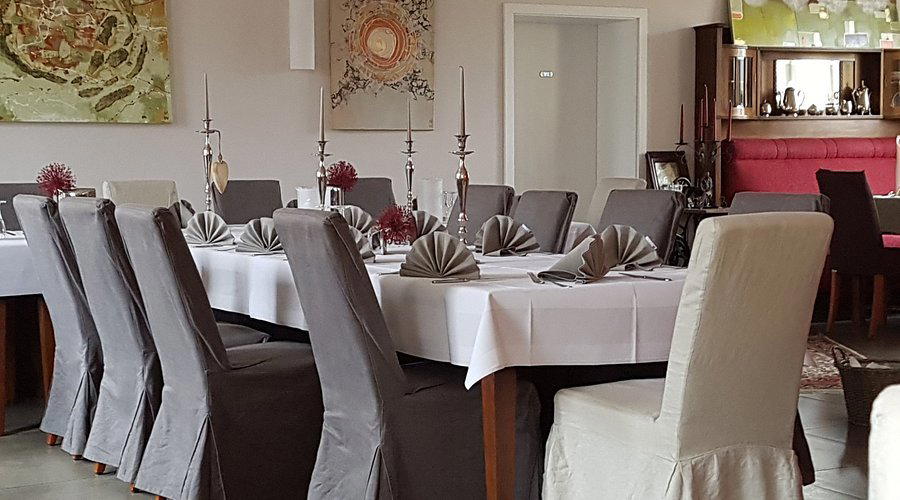

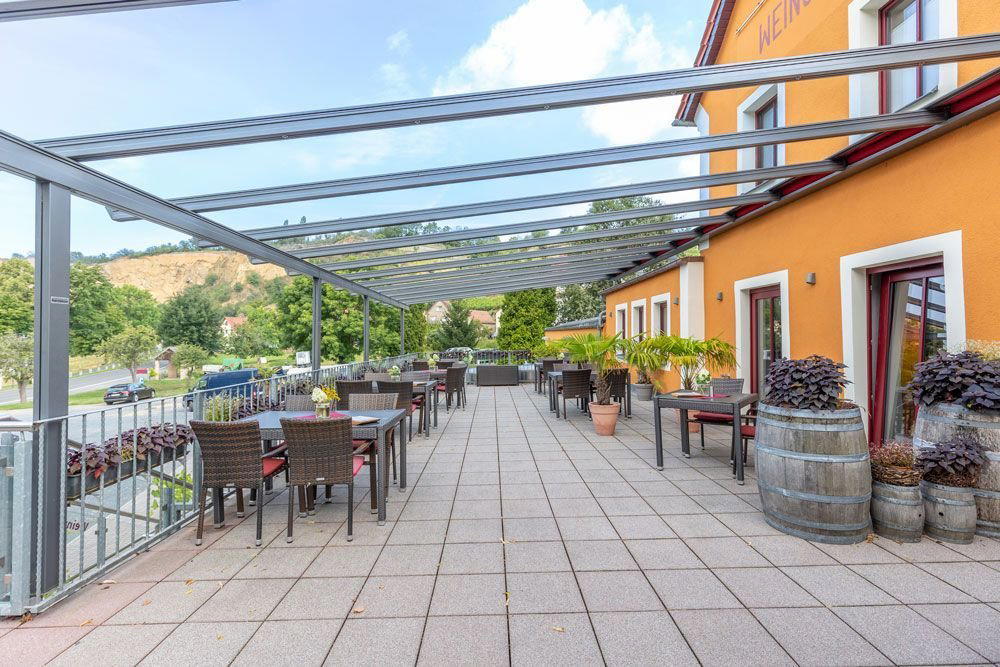
Details
- Modern
- Cozy
- Sophisticated
- Date Night
- Special Occasion
- Standalone
- Local Sourcing
- Farm To Table
- Waterfront
- A La Carte
- Vegetarian Friendly
- Vegan Options
Current opening hours
- Monday
- 4–9 PM
- Tuesday
- Closed
- Wednesday
- 4–9 PM
- Thursday
- Closed
- Friday
- 4–10 PM
- Saturday
- 12–10 PM
- Sunday
- 11 AM–7 PM
Hours can change for holidays and private events. Hours as of .
Modern interior with a clean, welcoming feel and special inclusive vibe.