Native
Native at the Netherwood Estate in Worcestershire represents a strand of British fine dining that has moved decisively away from urban restaurant culture, anchoring itself instead to a working farm in the Teme Valley. The format places the agricultural calendar at the centre of the meal, with produce drawn from the surrounding estate shaping what arrives at the table from one visit to the next.
Pearl is the En Primeur Club membership app — saves, bookings, and concierge access live there. Same editors, same standards.
- Address
- Netherwood Estate, Pensons Farm, Tenbury Wells WR15 8RT, United Kingdom
- Phone
- +441885410333
- Website
- nativerestaurant.co.uk
- Directions
- Get directions
 Saves & bookings on Pearl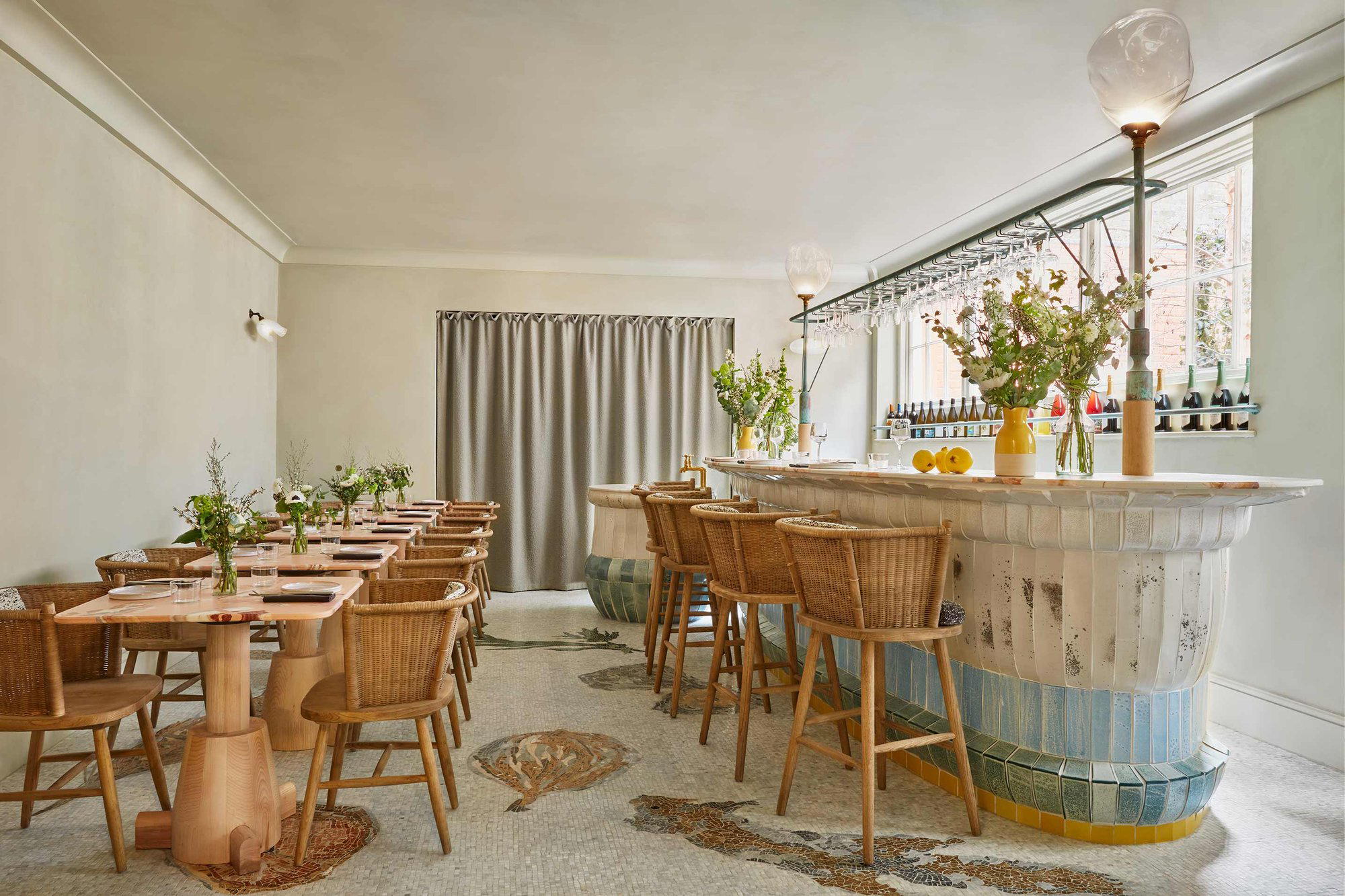
A Different Kind of Distance
Native is a restaurant at Netherwood Estate, Pensons Farm, Tenbury Wells WR15 8RT, United Kingdom, serving Sustainable British Foraged Fine Dining at about $85 per person. Native at the Netherwood Estate, outside Tenbury Wells in Worcestershire, sits within that same tradition of destination dining built around place rather than postcode. The estate address, Pensons Farm, signals immediately that this is not a restaurant that happens to have a garden. The farm is the premise.
As London's upper-tier tables, CORE by Clare Smyth, The Ledbury, Sketch, The Lecture Room and Library, have concentrated on technical refinement within a metropolitan frame, a countermovement has pulled ambitious cooking out toward the land itself. Native belongs to the latter current: a format where the ingredient story is not a menu note but a structural fact, where what grows or grazes nearby determines what you eat.
Arrival and Setting
Tenbury Wells sits in the Teme Valley on the Worcestershire-Shropshire border, roughly equidistant from Worcester, Ludlow, and Leominster. The Netherwood Estate occupies agricultural land that reads as distinctly English in the way that national parks do not, working, textured, without amenity infrastructure. Arriving at Pensons Farm means arriving at a landscape that is doing something beyond staging a meal, which is exactly the point. The approach establishes the meal's terms before a dish has been placed.
This physical grammar, estate first, dining room as extension of it, places Native in a small peer group that includes Gidleigh Park in Chagford and Le Manoir aux Quat'Saisons in Oxford, both of which have long positioned their grounds as a first course before the first course. Where those properties have developed extensive hotel infrastructure around the dining proposition, Native at the Netherwood Estate keeps the focus closer to the agricultural source.
The Progression of the Meal
Estate-anchored restaurants that take their sourcing seriously tend to structure the meal as a sequence that moves through the farm's range rather than building around a single hero ingredient. The logic follows the estate itself: early passes lean on preserved, foraged, or cured elements that carry the character of the previous season; mid-meal courses shift to the immediate present, featuring what the kitchen harvested or butchered recently; the close tends toward richness drawn from aged, ripened, or long-fermented materials.
This arc differs structurally from the urban tasting menu format practiced at, say, Restaurant Gordon Ramsay or Dinner by Heston Blumenthal, where the progression is built around technique escalation and flavour intensity curves calibrated to a stable, year-round supply chain. At an estate-format restaurant, the menu's arc is ultimately the farm's arc, what has just become available, what is at its peak, what the kitchen has been aging or curing since the last season closed. The meal tells a story that is genuinely contingent on the date of your visit, not one that is rehearsed and refined to identical precision across hundreds of covers.
That contingency is a deliberate choice and, for some diners, the entire point. The same dish is structurally impossible to repeat six weeks later if the ingredient has passed. Restaurants built on this model accept lower repeatability in exchange for higher fidelity to place and time, a trade that venues operating at city-centre volumes cannot practically make.
Where Native Sits in the British Fine Dining Spectrum
The British countryside fine dining tier has diversified considerably. The Waterside Inn in Bray and Le Manoir represent one lineage: classical French technique transplanted to the English countryside, with the grounds as atmosphere rather than active supply. A second current, running through Midsummer House in Cambridge and hide and fox in Saltwood, uses regional produce as a starting point but remains primarily technique-driven. A third strand, the contemporary, places the farm or estate at the structural centre of the operation. Native sits in this third group.
The international comparison is instructive. Progressive tasting menu restaurants in other markets, from Atomix in New York City to Le Bernardin in New York City, solve the provenance question through supplier relationships and precision sourcing rather than direct land ownership. The estate model Native operates within is rarer and more structurally committed: the kitchen's constraints are the estate's constraints, not a supply chain preference that can be adjusted when a preferred ingredient becomes unavailable.
Native occupies a distinct position, with the agricultural estate functioning as both kitchen garden and conceptual framework.
Among the Hand and Flowers in Marlow-style venues that have built identity around a single creative voice, Native takes a different tack: the estate's seasonal output is the authorial voice, with the kitchen acting as interpreter rather than protagonist.
Planning a Visit
The Netherwood Estate address, Pensons Farm, Tenbury Wells WR15 8RT, is specific enough to navigate to directly. Allow for the final stretch of rural road to take longer than mapping software suggests.
| Venue | Setting | Distance from London | Booking Lead Time |
|---|---|---|---|
| Native (Netherwood Estate) | Working estate farm, Worcestershire | Approx. 140 miles | Not confirmed, check direct |
| L'Enclume | Village restaurant, Cumbria | Approx. 265 miles | Months in advance typical |
| Le Manoir aux Quat'Saisons | Country house hotel, Oxfordshire | Approx. 60 miles | Weeks to months depending on season |
| Gidleigh Park | Country house hotel, Devon | Approx. 200 miles | Book well ahead for weekends |
A Tight Comparison
Comparable venues nearby, for context on price, style, and recognition.
| Venue | Cuisine | Price | Notes |
|---|---|---|---|
| NativeThis venue — the venue you are viewing | Not listed | $$$ | Not listed |
| Whiteley’s Kitchen | Bayswater, Vegetable-led Modern British | $$$$ | Not listed |
| Whiteleys Kitchen | Bayswater, Hyper-seasonal modern British | $$$$ | Not listed |
| Paradise by way of Kensal Green | West Kilburn, Modern British Gastropub | $$$ | Not listed |
| Ivy Kensington Brasserie | Not listed | $$$ | Kensington Palace Gardens, Modern British Brasserie |
| Caxtons | Westminster, Modern British Grill | $$$ | Not listed |
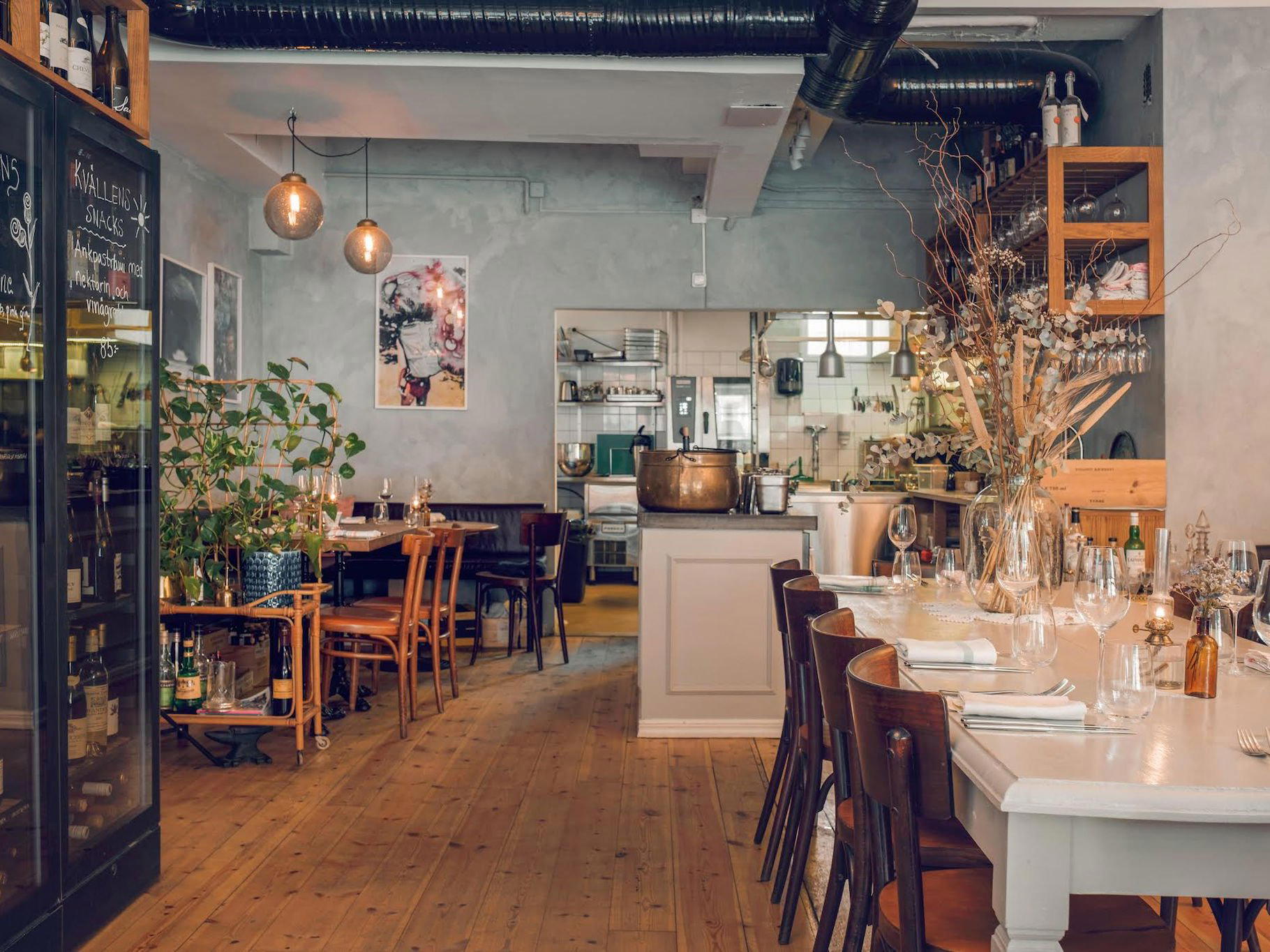
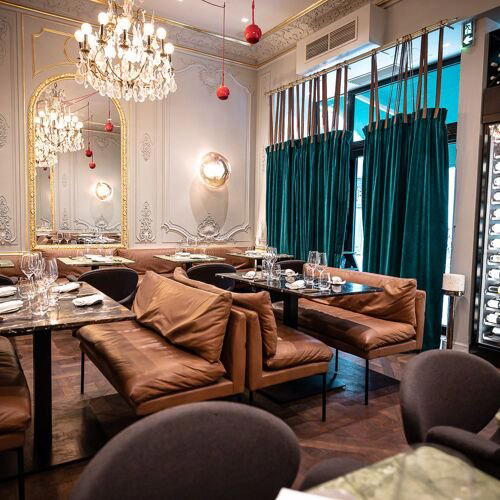
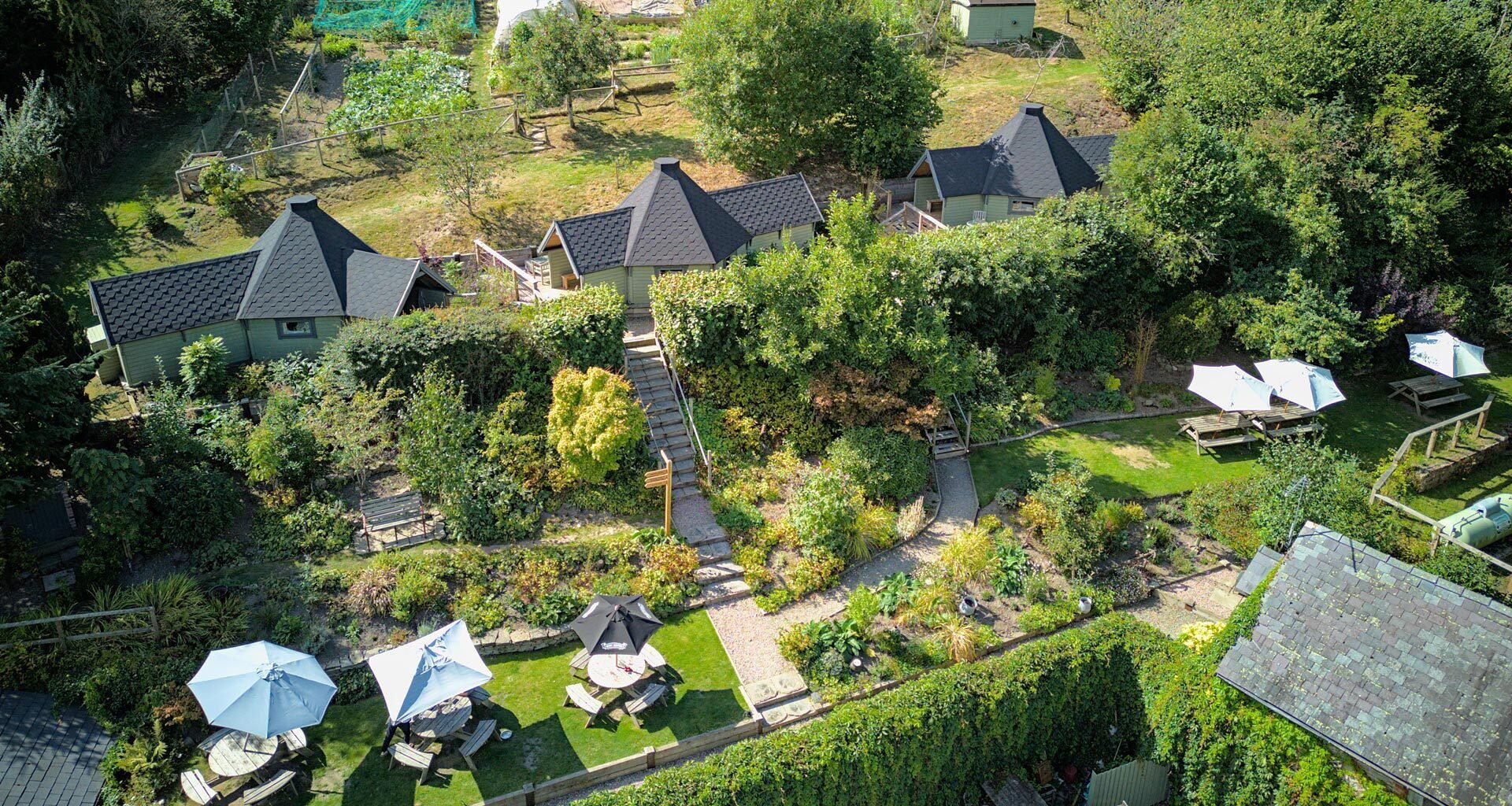
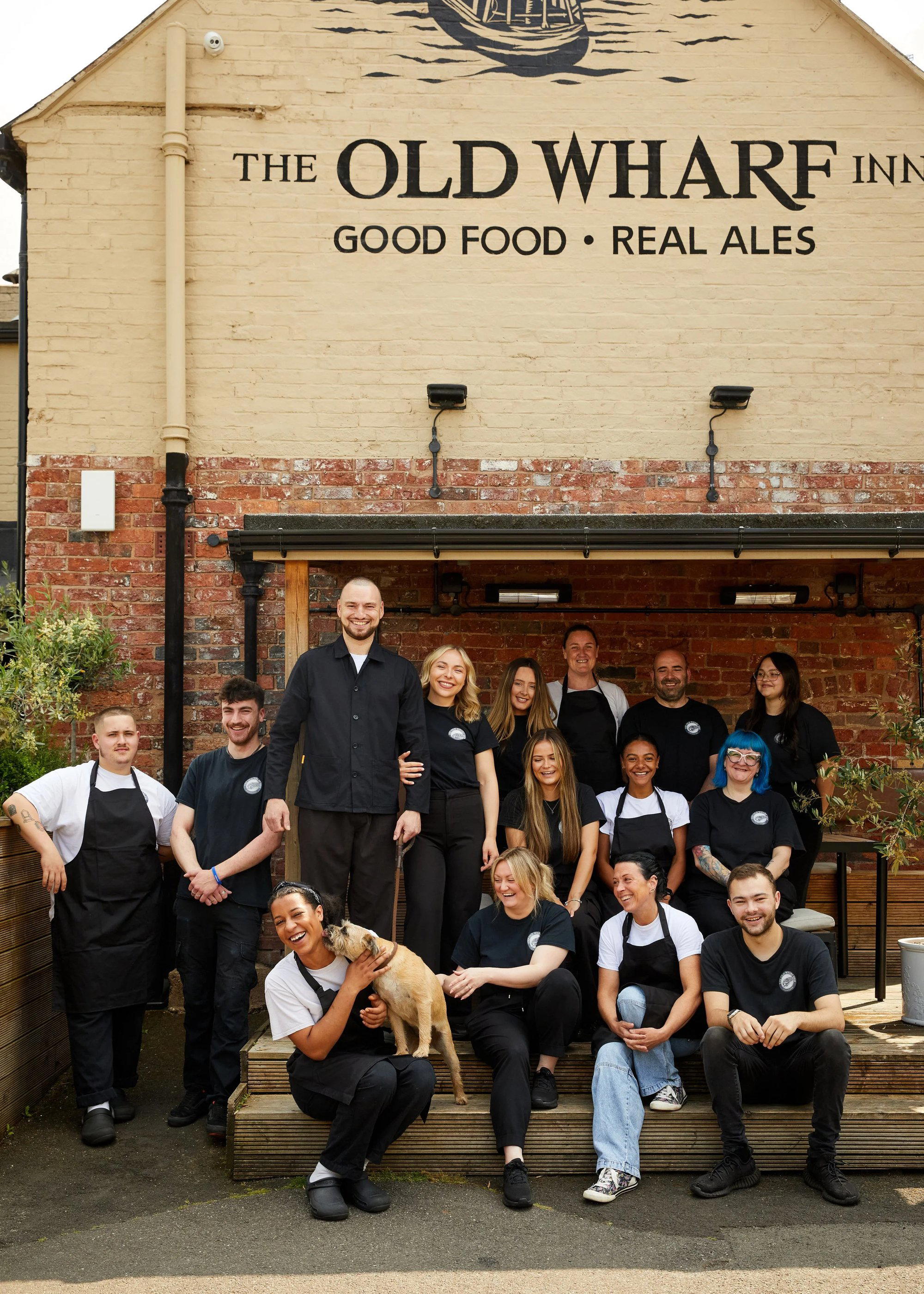
At a Glance
- Cozy
- Elegant
- Trendy
- Sophisticated
- Date Night
- Special Occasion
- Celebration
- Open Kitchen
- Courtyard
- Garden
- Chefs Counter
- Farm To Table
- Local Sourcing
- Zero Waste
- Organic
- Garden