Paradise by way of Kensal Green
A West London pub that has carved its own place in the neighbourhood dining scene, Paradise by way of Kensal Green sits on Kilburn Lane in W10 and draws a crowd that arrives as much for the atmosphere as the food. The address puts it squarely in a part of the city where independent operators have long traded on local loyalty rather than destination footfall. comparable set: neighbourhood dining pubs in inner West London.
Pearl is the En Primeur Club membership app — saves, bookings, and concierge access live there. Same editors, same standards.
- Address
- 19 Kilburn Ln, London W10 4AE, United Kingdom
- Phone
- +44 20 8969 0098
- Website
- belvederebar.co.uk
- Directions
- Get directions
 Saves & bookings on Pearl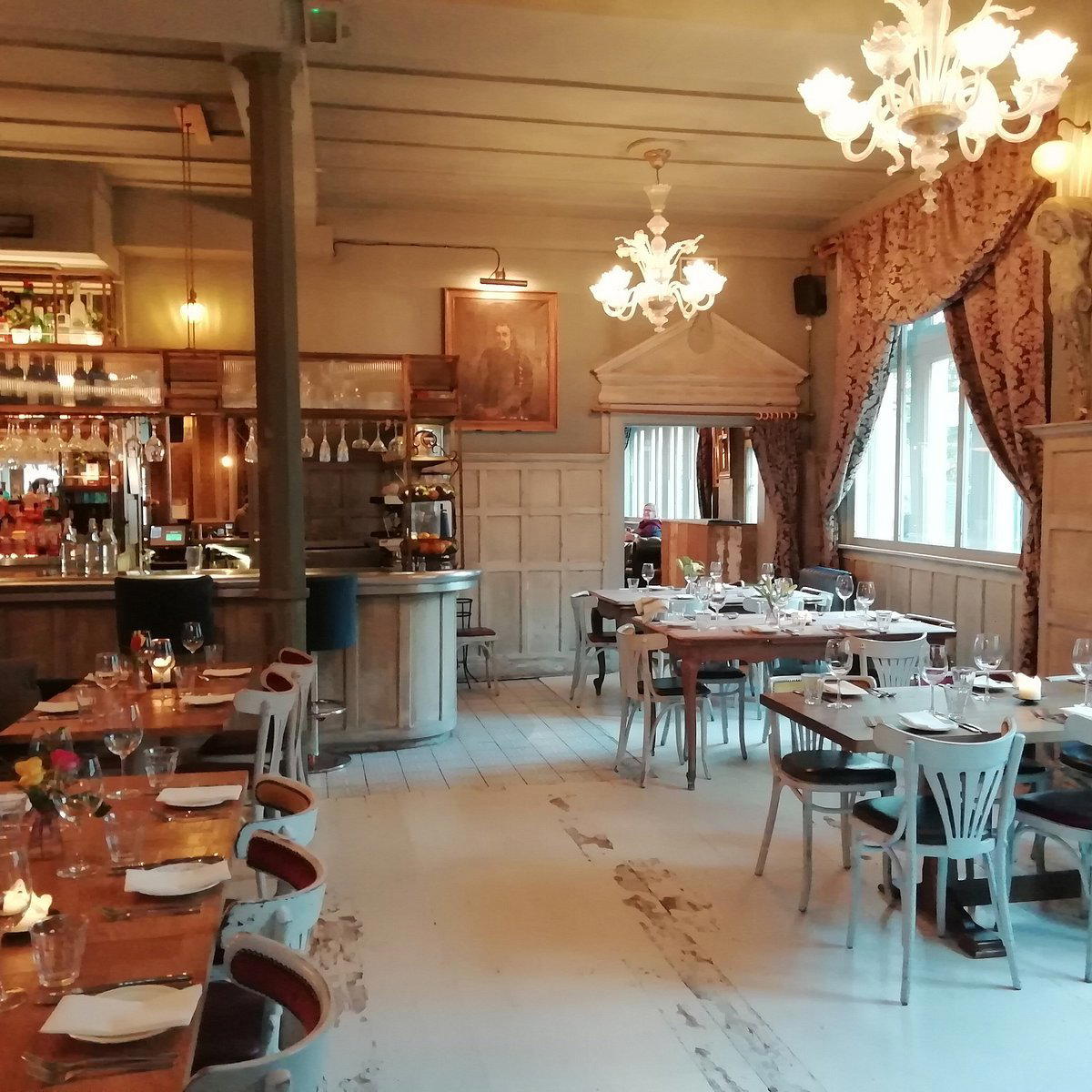
West London's Pub Dining Shift, Read Through a Kilburn Lane Address
The gastropub category in London has fractured over the past decade into at least three distinct tiers. At one end sit the white-tablecloth operations that use a pub shell as a rent-efficient wrapper for serious cooking, venues that compete on the same terms as CORE by Clare Smyth or The Ledbury in culinary ambition, if not in format or price. At the other end are the estate-managed locals where the kitchen is secondary to the licence. In between sits a category that London does better than most cities: the neighbourhood pub that takes food and sourcing seriously without converting itself into a restaurant that happens to serve beer. Paradise by way of Kensal Green, on Kilburn Lane in W10, belongs to that middle tier, and in a city where that tier is genuinely crowded, its longevity in the neighbourhood says something about how it has held its ground.
Kensal Green itself sits in a part of West London that resists easy categorisation. The postcode abuts Notting Hill to the south and the more industrial stretches of Harlesden to the north, which means the local dining room pulls from a mix of long-term residents, younger renters priced out of W11, and a creative-sector crowd that tends to prioritise provenance and atmosphere over formality. That audience has raised the bar for what a neighbourhood pub needs to deliver on the food and drink side, and it has also made ethical sourcing a competitive differentiator rather than a marketing add-on.
The Case for Ethical Sourcing in Pub Kitchens
Across London's mid-tier dining pub scene, the venues that have built durable reputations tend to share a specific operational logic: they treat the kitchen as a genuine department rather than a cost centre, and they apply sourcing standards that you would more commonly associate with tasting-menu operations. The Michelin-recognised end of British fine dining, Dinner by Heston Blumenthal, Restaurant Gordon Ramsay, Sketch, The Lecture Room and Library, can justify farm-direct relationships at scale. For a neighbourhood pub kitchen, the same commitment involves proportionally higher cost and tighter margin management. The venues that sustain it do so because the local audience notices and returns accordingly.
The sustainability argument in a pub context is also inseparable from waste. A pub kitchen running both a bar menu and a full dining service generates waste pressure across two service rhythms simultaneously. Operators who address this tend to do so through tight menu cycling, nose-to-tail and root-to-leaf preparation, and purchasing relationships that allow for whole-animal or whole-produce delivery rather than pre-portioned commodity supply. These are not novel ideas, L'Enclume in Cartmel and Moor Hall in Aughton have built their reputations in part on this logic, but applying them in a neighbourhood pub format, at accessible price points, is a different operational challenge.
Atmosphere and Format at Kilburn Lane
The pub's address on Kilburn Lane places it in a stretch of W10 that has none of the polish of the Portobello Road corridor and all of the texture of a working neighbourhood that has shifted gradually rather than been repositioned overnight. That context matters for how the room reads. The interior has the accumulated character of a pub that has been used continuously rather than renovated into a facsimile of itself, a quality that is increasingly rare as private equity consolidation has pushed many London pubs toward a standardised heritage aesthetic.
Format is pub-first: the bar is functional, the room accommodates drinkers who are not eating, and the food offer sits alongside rather than on top of the drink. That structural choice puts it in a different competitive conversation from destination dining rooms elsewhere in the city. If you are calibrating your West London evening against Gidleigh Park in Chagford or Hand and Flowers in Marlow for sheer culinary ambition, those are different propositions entirely. Paradise operates on a different register, one where the social architecture of the pub is part of what the kitchen is expected to support.
Where This Address Sits in London's Wider Dining Map
For a reader calibrating London's dining scene from the outside, the relevant geography here is inner West London's neighbourhood dining corridor, which runs from the more recognised addresses of Notting Hill and Ladbroke Grove through to the less-covered stretches of W10 and NW10. The venues in this corridor that have built lasting reputations tend to have done so without the Michelin scaffolding that underwrites destination travel to addresses like The Fat Duck in Bray or Le Manoir aux Quat' Saisons in Great Milton. They survive on repeat local custom, which is a harder quality test in some respects than critical recognition.
Internationally, the neighbourhood pub-dining model is genuinely difficult to translate. Visitors from cities where restaurant and bar are categorically separate, New York's Le Bernardin or Atomix represent the opposite end of format discipline, often find that the British pub dining format rewards a particular kind of unhurried evening. The expectation is not a tasting menu's sequential logic but a meal that can stretch or contract around conversation and drink.
For further context on where Paradise fits within the broader West London and London-wide dining picture, the full London restaurants guide maps the scene across price tiers and neighbourhoods. The London bars guide, London hotels guide, London wineries guide, and London experiences guide cover the broader planning picture for a West London visit.
Planning Your Visit
| Venue | Format | Price tier | Booking approach | Neighbourhood |
|---|---|---|---|---|
| Paradise by way of Kensal Green | Neighbourhood pub with dining | Mid (pub pricing) | Walk-in or advance recommended for dining | Kensal Green, W10 |
| The Ledbury | Fine dining restaurant | ££££ | Advance booking essential | Notting Hill, W11 |
| CORE by Clare Smyth | Fine dining restaurant | ££££ | Advance booking essential | Notting Hill, W11 |
| Dinner by Heston Blumenthal | Full-service restaurant | ££££ | Advance booking recommended | Knightsbridge, SW1 |
Style and Standing
Comparable venues nearby, for context on price, style, and recognition.
| Venue | Cuisine | Price | Notes |
|---|---|---|---|
| Paradise by way of Kensal GreenThis venue — the venue you are viewing | Modern British Gastropub | $$$ | Not listed |
| Claridge's Bakery | Modern British bakery & café | $$$ | Mayfair |
| Plane Food | Modern British Airport Dining | $$$ | Longford |
| Restaurant Michael Nadra | Modern European Brasserie | $$$ | Primrose Hill |
| The Bingham | Modern British | $$$ | Richmond |
| Pidgin | Modern British Tasting Menu | $$$ | Dalston |
Continue exploring
More in London
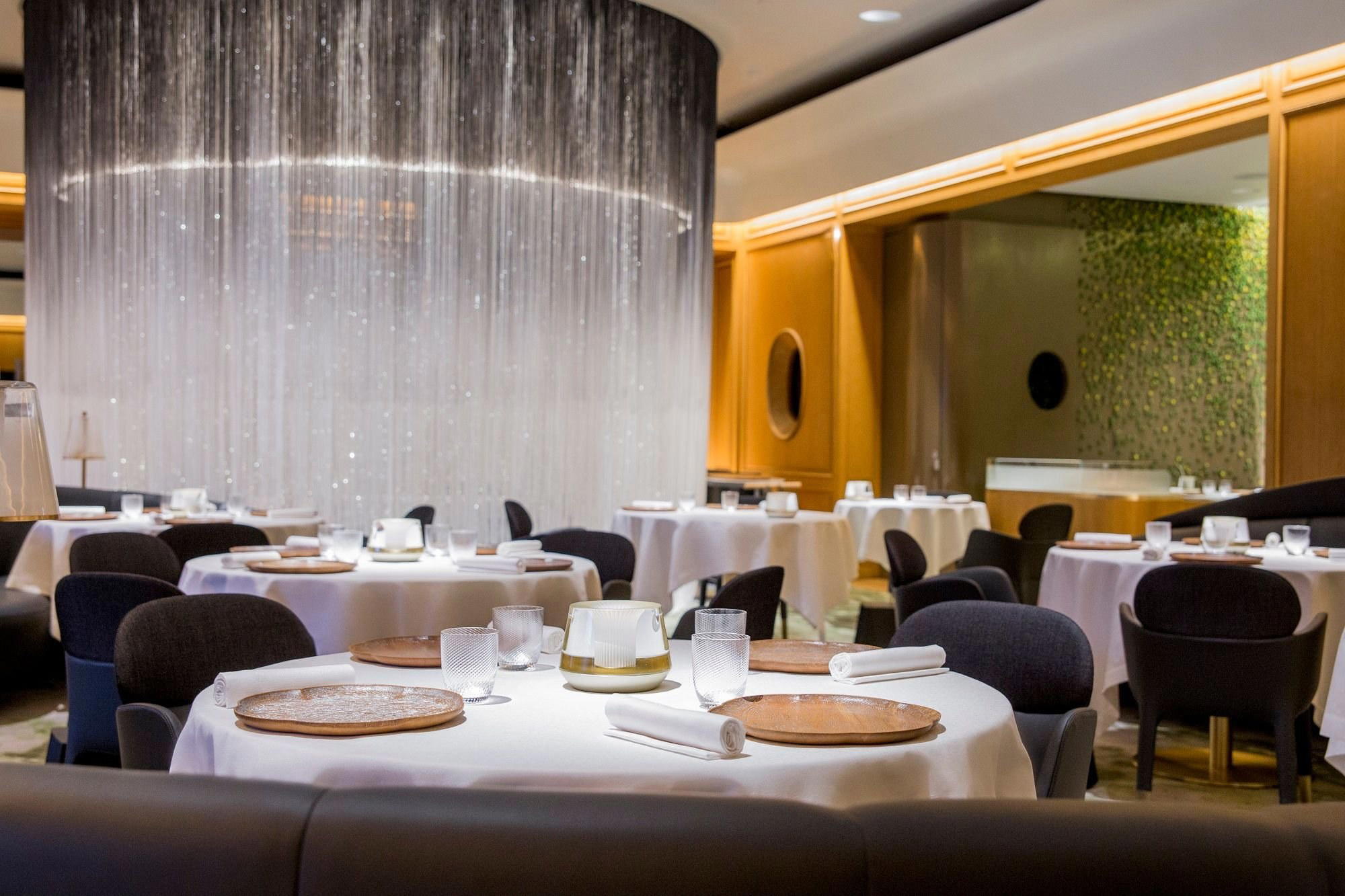
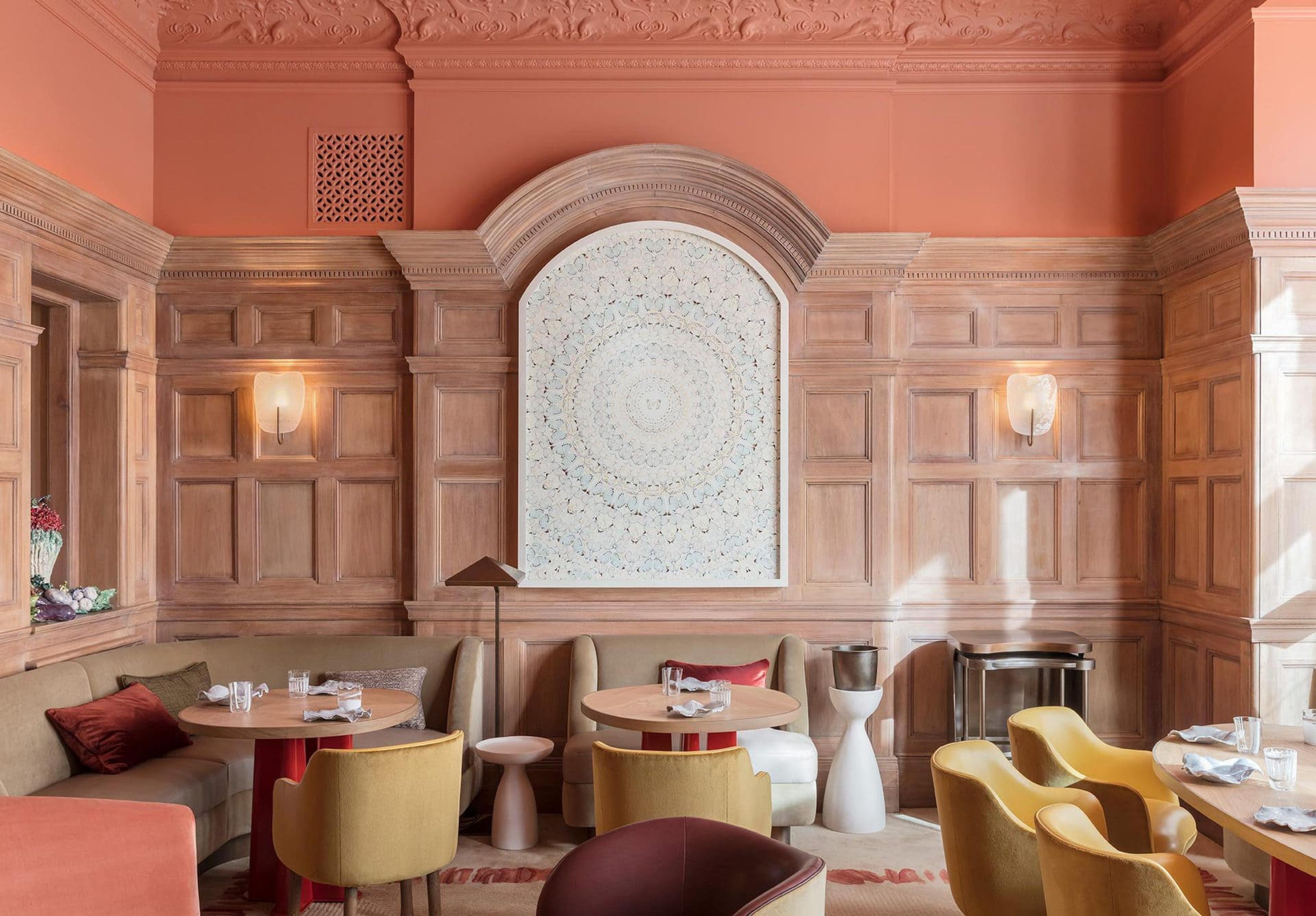
Restaurants in London
Browse all →
Bars in London
Browse all →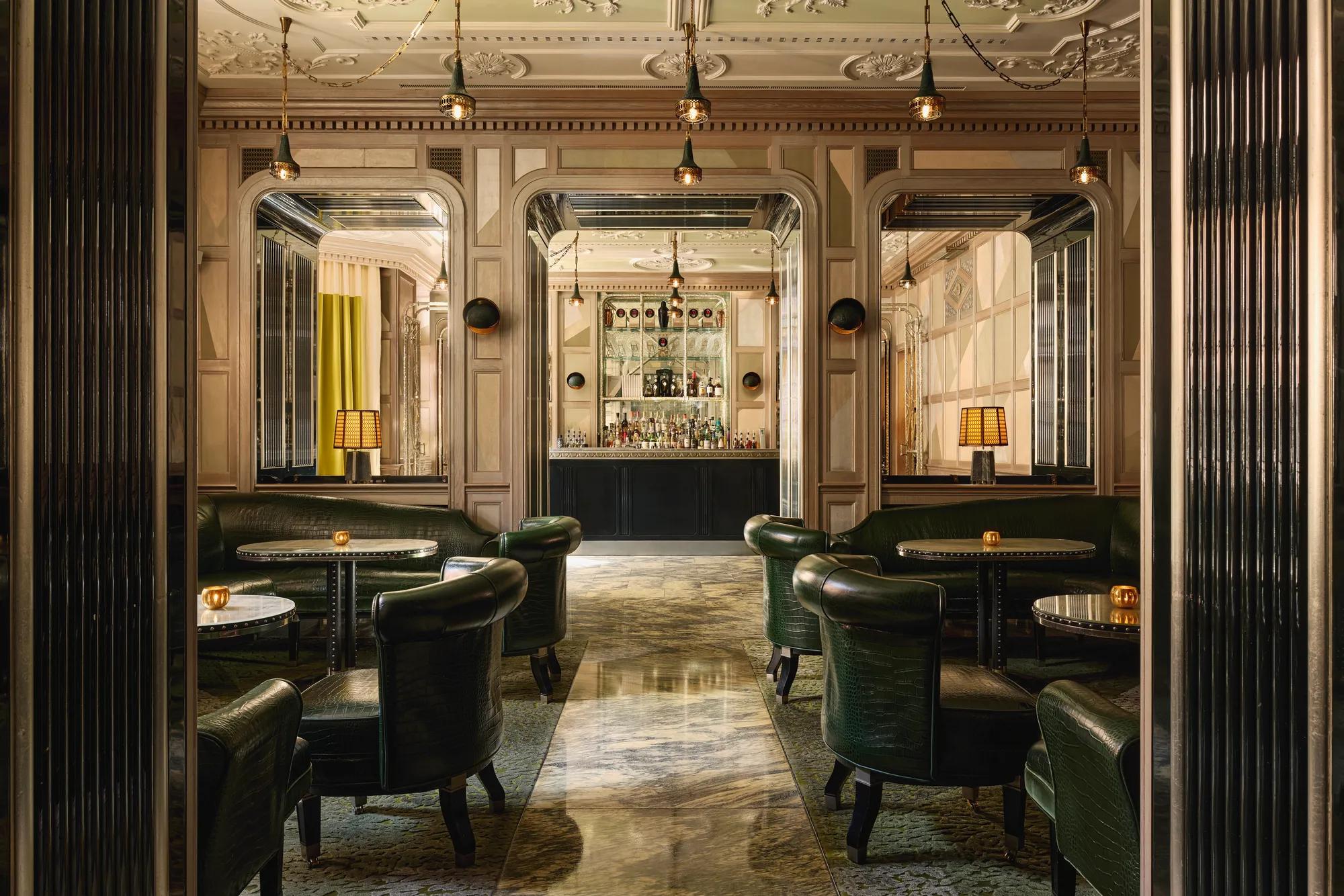
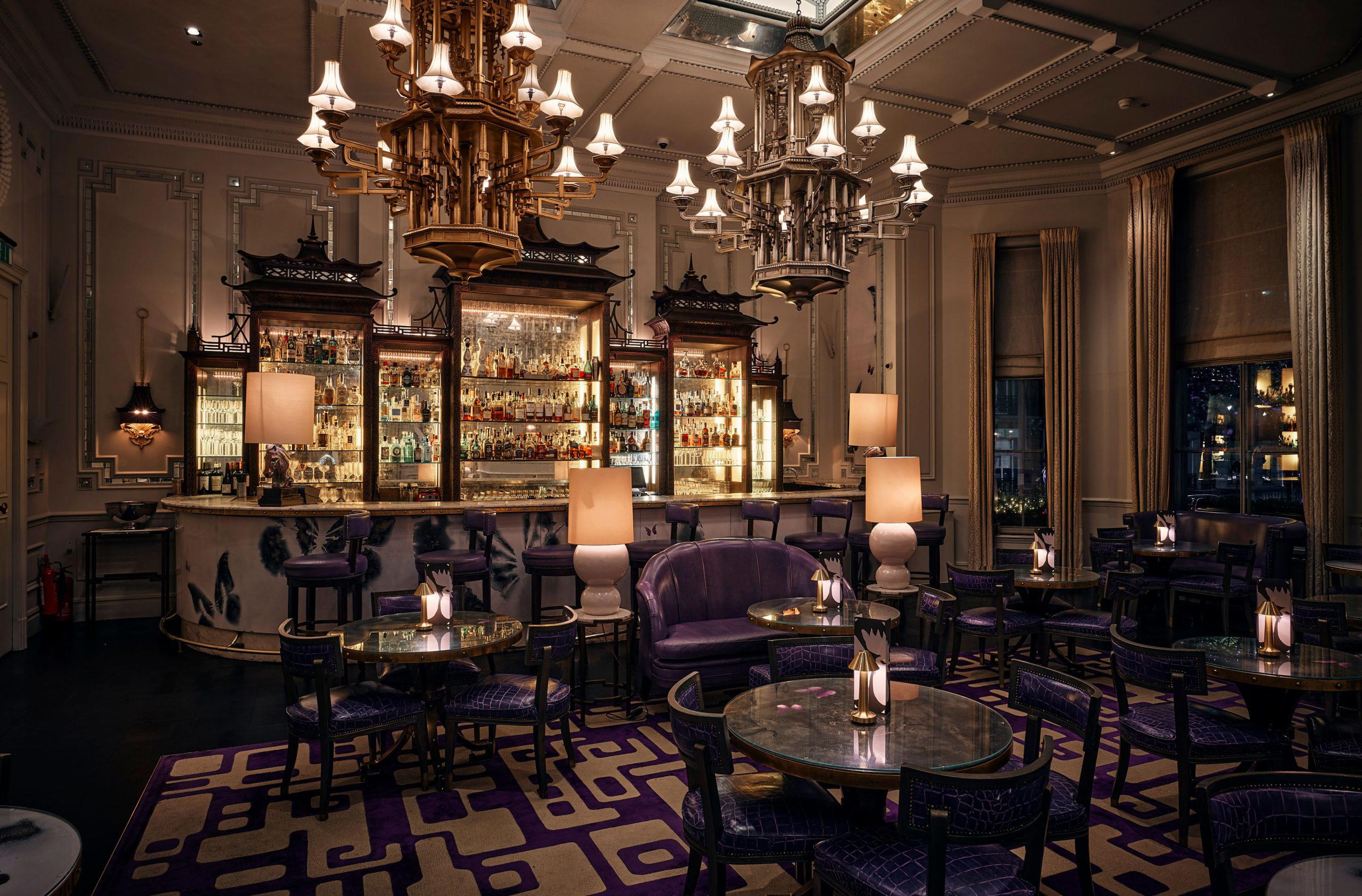
Hotels in London
Browse all →

At a Glance
- Lively
- Elegant
- Bohemian
- Whimsical
- Romantic
- Date Night
- Group Dining
- Celebration
- Special Occasion
- Brunch
- Private Event
- Live Music
- Private Dining
- Terrace
- Historic Building
- Design Destination
- Extensive Wine List
- Craft Cocktails
Current opening hours
- Monday
- Closed
- Tuesday
- Closed
- Wednesday
- 4–10 PM
- Thursday
- 4–10 PM
- Friday
- 12 PM–1:30 AM
- Saturday
- 12 PM–1:30 AM
- Sunday
- 12–9:30 PM
Hours can change for holidays and private events. Last verified .
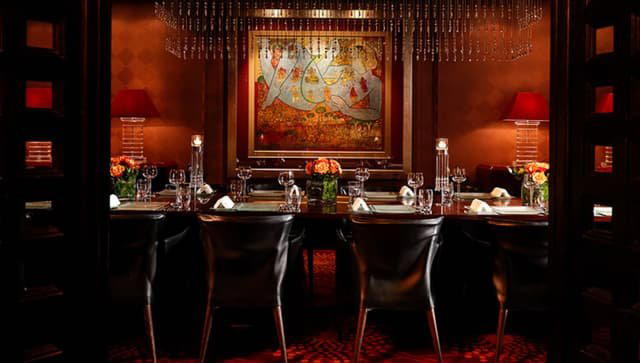
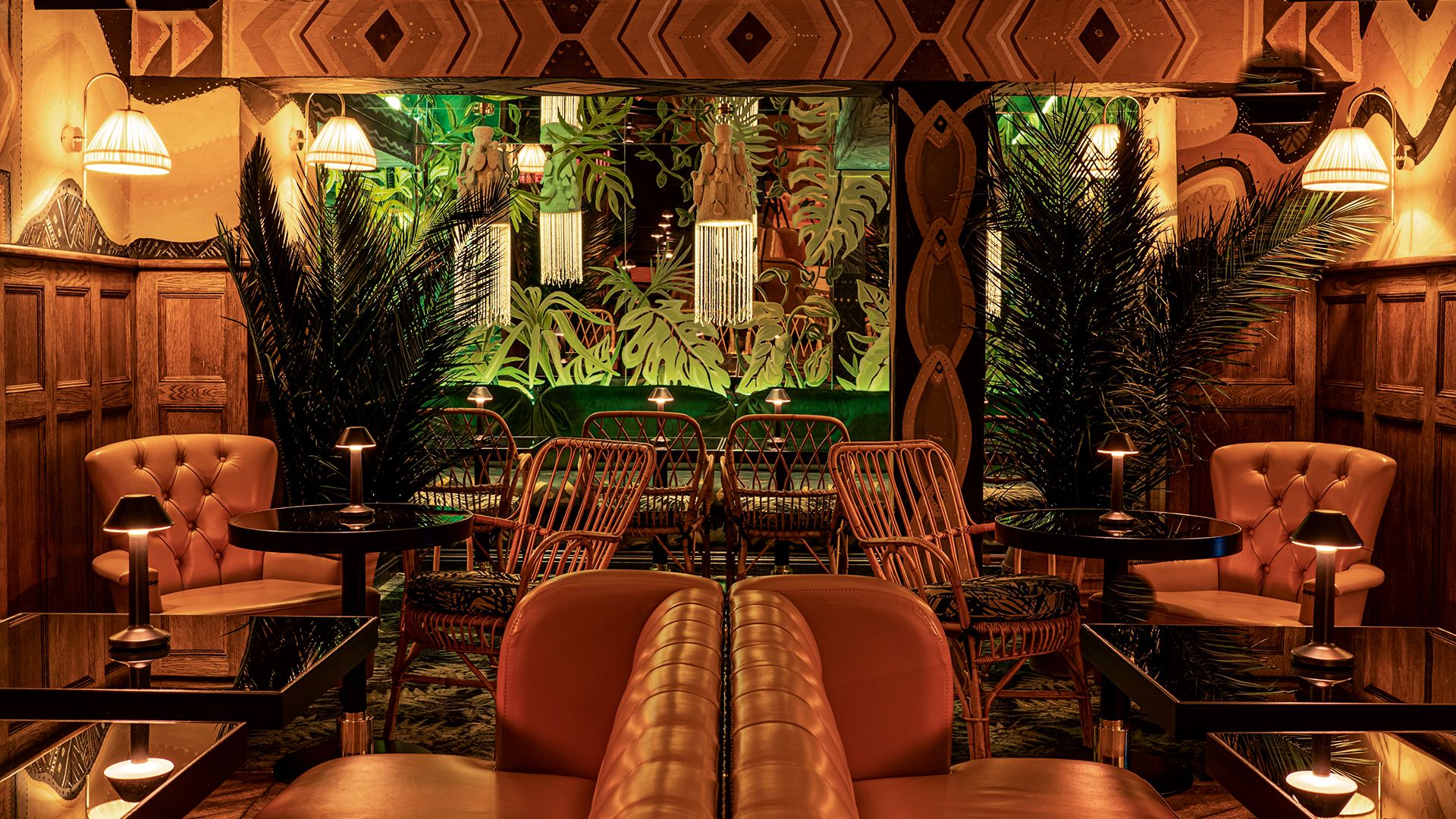
Atmospheric dining room with chandeliers, candles, oil paintings, and creative gothic-inspired decor; transitions from intimate candlelit dinner setting to lively bar and dance floor with DJ.