
Napul gives Hiroshima’s pizza scene a serious, ingredient-led address outside the central tourist circuit. Its 2025 Tabelog Pizza 100 selection, fish-forward notes, wine and cocktails, and table-only 22-seat format point to a compact pizzeria built around sourcing rather than spectacle.
Pearl is the En Primeur Club membership app — saves, bookings, and concierge access live there. Same editors, same standards.
- Address
- 2 Chome-8-7 Kusatsushinmachi, Nishi Ward, Hiroshima, 733-0834, Japan
- Phone
- +81 82-276-5223
- Website
- instagram.com
 Saves & bookings on Pearl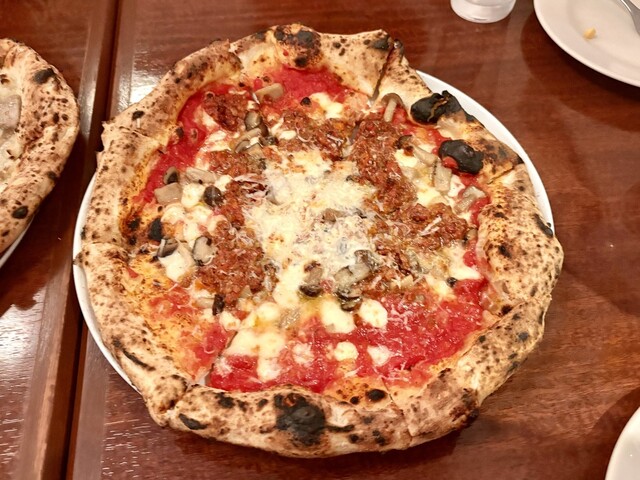
The approach to Napul shifts Hiroshima’s dining register away from the city’s central okonomiyaki heat and into a quieter Nishi Ward rhythm. This is not the theatre of a counter grill or the polished hush of a tasting-menu room; it belongs to the Japanese pizzeria category that treats dough, oven work, and sourcing as a disciplined craft. In a city where casual eating often means speed, smoke, and sauce, a small pizza room with table seating asks for a different pace.
That matters because pizza in Japan has become one of the country’s sharper imported-food traditions. The serious end of the genre is no longer defined by novelty or Neapolitan mimicry alone. It is judged by how the kitchen handles fermentation, heat, seafood, dairy, vegetables, and alcohol pairings within a format that remains accessible. Napul’s selection for Tabelog Pizza 100 in 2025 places it inside that national conversation, not as a luxury dining room but as a pizzeria with enough craft credibility to register beyond Hiroshima.
Hiroshima pizza with a sourcing argument
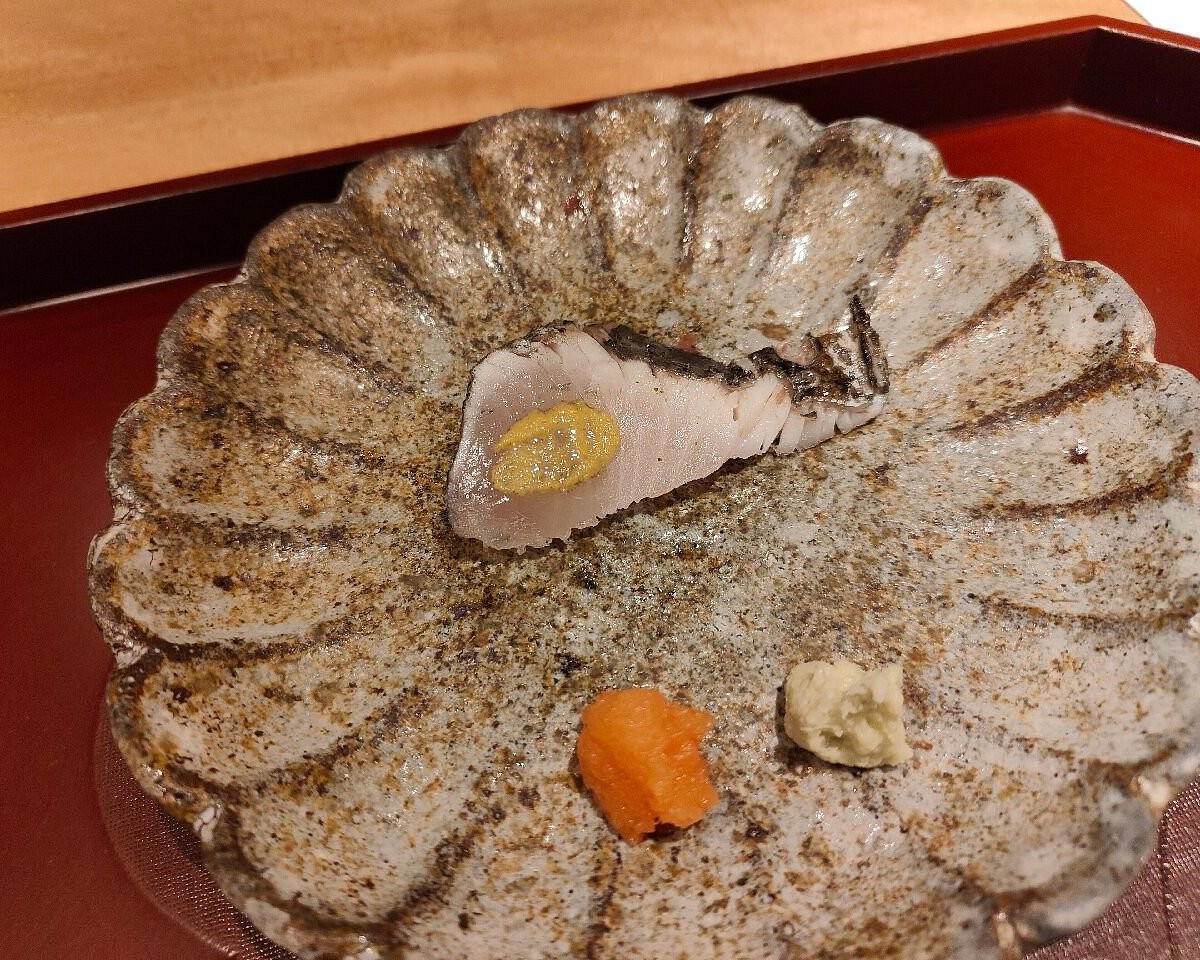
One useful way to read Napul is through ingredients rather than décor or personality. The publicly listed food note emphasizes fish, an important signal in Hiroshima, where the Seto Inland Sea shapes everyday eating as much as oysters and okonomiyaki shape visitor expectations. Pizza here sits in conversation with local seafood culture rather than apart from it. That does not turn the restaurant into a seafood house; it suggests a pizzeria attentive to the region around it.
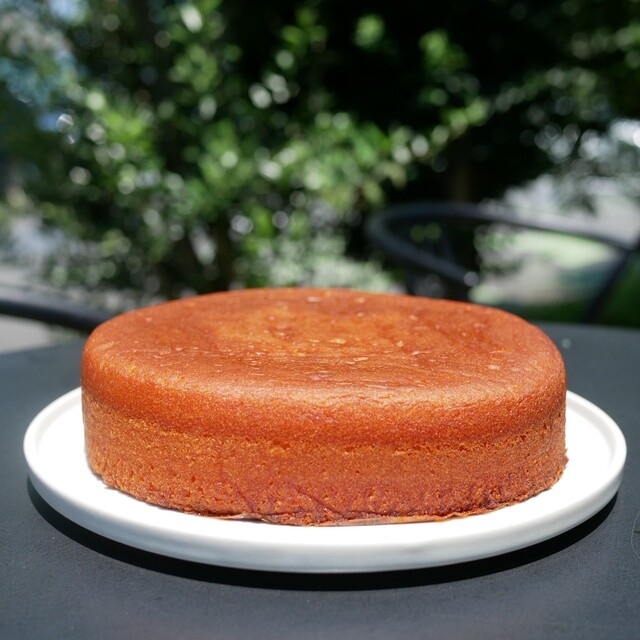
Hiroshima’s higher-interest dining map is not one category. Creative cuisine at Akai (Creative Cuisine), European baking culture at ANDERSEN, sake-led Japanese dining at Bishu Bikou Hamai, and the city’s cake traditions at Butter Cake no Nagasaki Do all show how imported and local forms get absorbed here without losing their structure. Napul fits that pattern: Italian form, Japanese ingredient discipline, Hiroshima context.
The comparison with local peers is useful. Itsukaichi Hassho sits closer to the city’s everyday okonomiyaki economy, while Tenko Honten represents a Japanese dining lane rather than an imported-dough tradition. ル・ジャルダン グルマン, Tenyoshi, and 野趣 拓 occupy other parts of the city’s special-occasion map. Napul’s point is narrower: a compact pizza specialist whose recognition comes from performance within a single category. That kind of focus is often more revealing than breadth.
A small-room format, not a grand-occasion script
Japan’s serious pizza rooms often work because they refuse the sprawl of the family restaurant. Napul’s scale is small, with 22 table seats, and that keeps the experience closer to a neighborhood specialist than a destination dining production. The absence of private rooms reinforces the format: this is a shared-room pizzeria, not a cloistered celebration space. Take-out is also listed, which places it closer to daily-use dining than to a rigid tasting-menu model.
The drinks signal is equally telling. Wine and cocktails are listed, which is not a throwaway detail in a pizzeria with award recognition. In Japan, the better pizza rooms increasingly treat drinks as part of the meal’s architecture rather than an afterthought. Beer can carry the casual end of the category, but wine gives dough, char, tomato, cheese, and seafood a broader register. Cocktails add another route for diners who do not want a formal bottle.
Napul’s price band also keeps it in a practical tier for Hiroshima dining. It is not competing with the city’s high-spend tasting counters; it is competing for diners who want a focused meal with enough craft to justify planning around it. That is a different value proposition from central tourist dining, where convenience often drives the decision. Here, the reward is specificity: pizza as a chosen meal, not a fallback.
Where it fits in a Hiroshima itinerary
For travelers building a food-focused Hiroshima trip, Napul is strongest as a counterweight to the city’s expected signatures. Okonomiyaki deserves its place, but repeating the same category across a short stay can flatten the city. A pizzeria with national category recognition adds range without abandoning Hiroshima’s ingredient logic. Pair it with a more formal local dinner, a bakery stop, and a bar crawl, and the city starts to look less like a single-dish destination.
The location also changes the decision. This is not the easiest add-on between Peace Memorial Park and the station; it asks diners to leave the obvious path. That suits the meal. Hiroshima rewards small detours, especially when they reveal how local dining works outside visitor-heavy corridors. For the broader map, use Our full Hiroshima restaurants guide, then widen the trip with Our full Hiroshima hotels guide, Our full Hiroshima bars guide, Our full Hiroshima wineries guide, and Our full Hiroshima experiences guide.
Within Japan’s wider dining field, Napul is a reminder that category depth is not confined to Tokyo, Osaka, or Kyoto. A traveler tracking specialist restaurants might move from beef sukiyaki at -Grilled beef Sukiyaki- KAMAKURA TANUKIAN 鎌倉 たぬき庵 in Kamakura to tuna and charcoal cooking at. 鮪と炭火焼き うお炭 秋葉原店 in Tokyo, café culture at.cafe in Osaka, contemporary dining at.know in Kumamoto, Vietnamese cooking at (Shoku) Vietnam in Kawasaki, or curry specialization at [Curry Senmon Ten] Maruyama Kyoju. in Sapporo. Outside Japan, the same specialist logic appears at Jōdo Saké Bar in Los Angeles and Onigiri Time in Pasadena. The point is not similarity of cuisine; it is the discipline of a narrow format handled with intent.
Napul’s editorial case is clear: go for Hiroshima pizza when the itinerary needs precision rather than another broad survey meal. The Tabelog Pizza 100 selection supplies the external trust signal, the fish-oriented note roots the kitchen in its region, and the small table-only room keeps the experience grounded. It is a specialist meal, and that is its appeal.
A Quick Peer Check
Comparable venues by cuisine and price in the same metro.
| Venue | Cuisine | Price | Notes |
|---|---|---|---|
| Napul | Neapolitan Pizza & Italian | $$ | Nishi |
| ピッツァリーヴァ | Neapolitan Pizza | $$ | Nishi |
| pizza juicy | Italian Pizza Restaurant | $$ | Naka |
| 和牛lab K | Japanese Lab | Not listed | Nishi |
| イプシロン | Italian Trattoria | $$$ | Naka |
| Horumon Ryori Senmonjo Toneya | Traditional Hiroshima horumon & yakiniku | $$ | Naka |
Recognition history
Dated appearances from independent guides and award organizations, with the underlying list record or original source where available.
Tabelog 100 #29 · No. 29
Tabelog · Tabelog 100 - Pizza - 2025
Continue exploring
More in Hiroshima
Restaurants in Hiroshima
Browse all →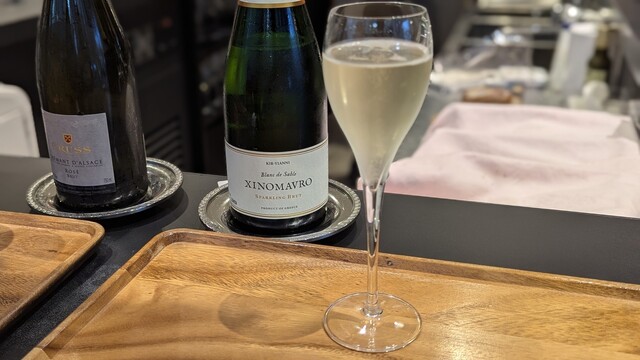
Bars in Hiroshima
Browse all →
At a Glance
- Cozy
- Lively
- Intimate
- Casual Hangout
- Family
- Group Dining
- Date Night
- After Work
- Standalone
- Extensive Wine List
- Beer Program
Current opening hours
- Monday
- Closed
- Tuesday
- Closed
- Wednesday
- 11:30 AM–1:30 PM, 6:30–8:50 PM
- Thursday
- 11:30 AM–1:30 PM, 6:30–8:50 PM
- Friday
- 11:30 AM–1:30 PM, 6:30–8:50 PM
- Saturday
- 11:30 AM–1:50 PM, 6:30–8:50 PM
- Sunday
- 11:30 AM–1:50 PM, 6:30–8 PM
Hours can change for holidays and private events. Last verified .
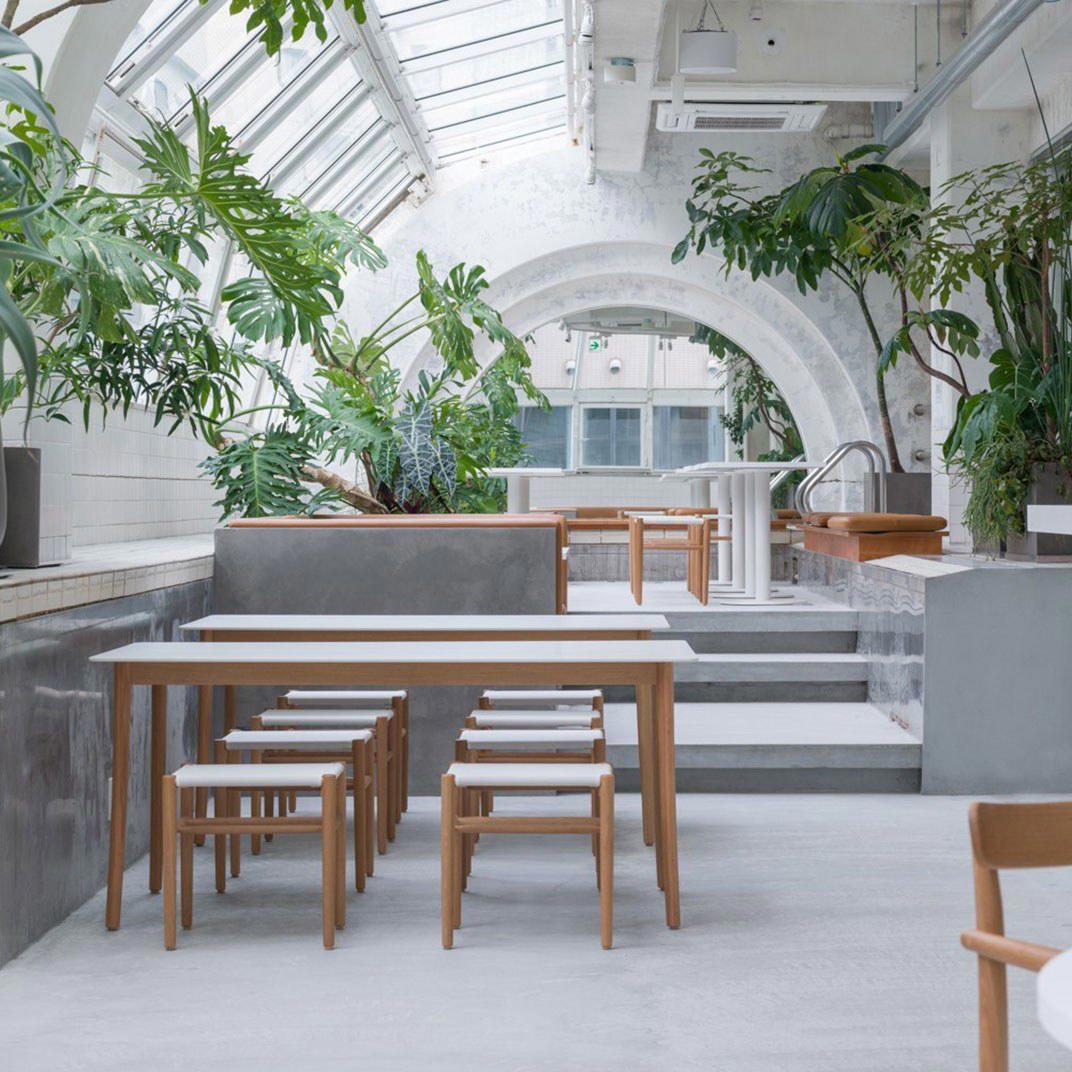
Warm, intimate, and casual pizzeria atmosphere with a neighborhood feel; reviews highlight a small, cozy dining room where freshly baked Neapolitan-style pizzas and wine create a relaxed but lively setting for both couples and families.