NaiYaRa Thai & Sushi Miami
On Miami Beach's quieter Bay Road corridor, NaiYaRa occupies a space where Thai cooking and Japanese sushi share a menu without the forced fusion theatrics common elsewhere in South Florida. The room's design does much of the editorial work, pulling diners away from the Ocean Drive noise toward something more considered. It sits in a Miami Beach dining tier that prizes intimacy over spectacle.
- Address
- 1854 Bay Rd, Miami Beach, FL 33139
- Phone
- +1 786 275 6005
- Directions
- Get directions
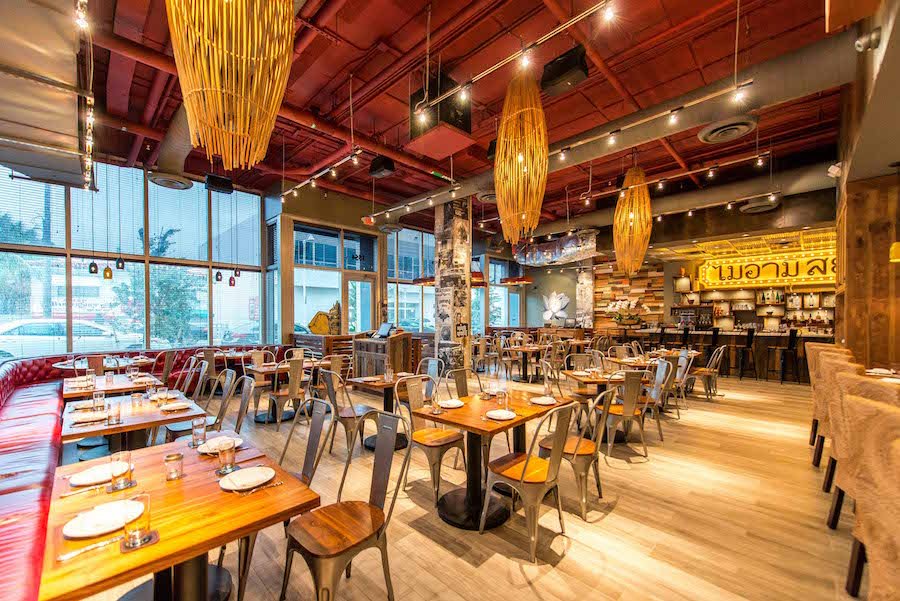
Bay Road, After the Noise Dies Down
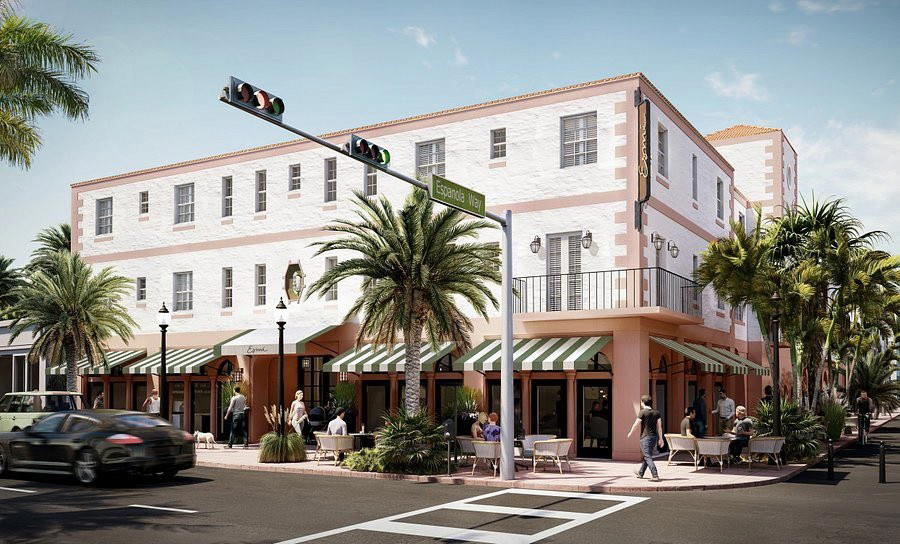
Miami Beach has a geography of dining ambition that most visitors misread. The loudest rooms cluster along Ocean Drive and Collins Avenue, where square footage is priced for visibility and the food is secondary to the scene. Move west toward Biscayne Bay, and the dynamic shifts. Bay Road, a residential stretch running parallel to Alton Road, hosts a different category of restaurant: smaller, lower-key, and oriented toward a neighborhood clientele that returns on weekday evenings rather than flooding in on Saturday nights. NaiYaRa Thai & Sushi Miami sits at 1854 Bay Road, Miami Beach, and the address itself communicates something about the room before you walk through the door. It is a Thai Street Food & Sushi restaurant at about $60 per person.
The broader Miami Beach dining pattern is worth understanding as context. South Beach's central grid has, over the past decade, split between high-volume concept restaurants backed by hospitality groups and a smaller tier of independent operations that survive on repeat business and word-of-mouth. NaiYaRa belongs to the second category. Its position on Bay Road places it closer to the residential west side of the island than to the tourist corridor, and that geography shapes both the room's atmosphere and its customer base.
The Physical Container
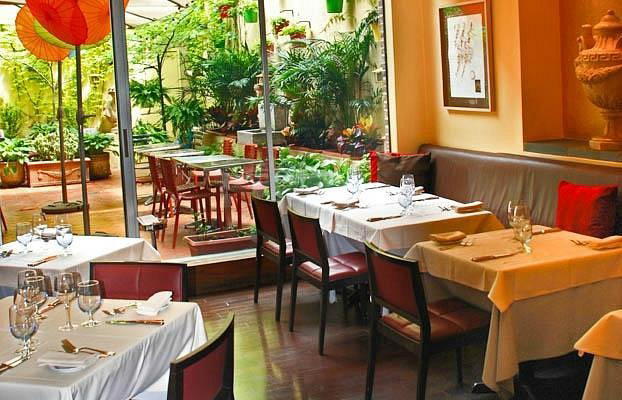
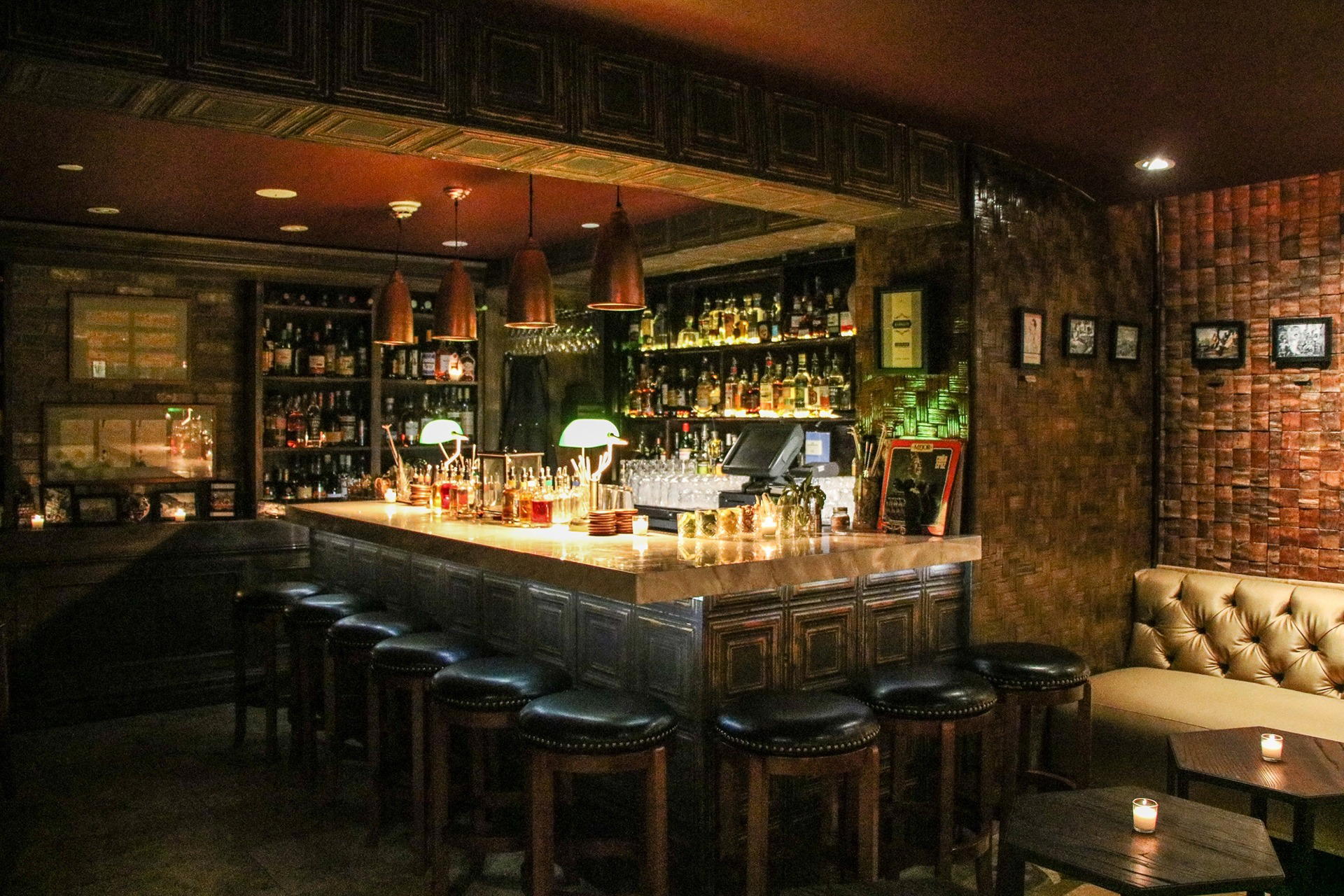
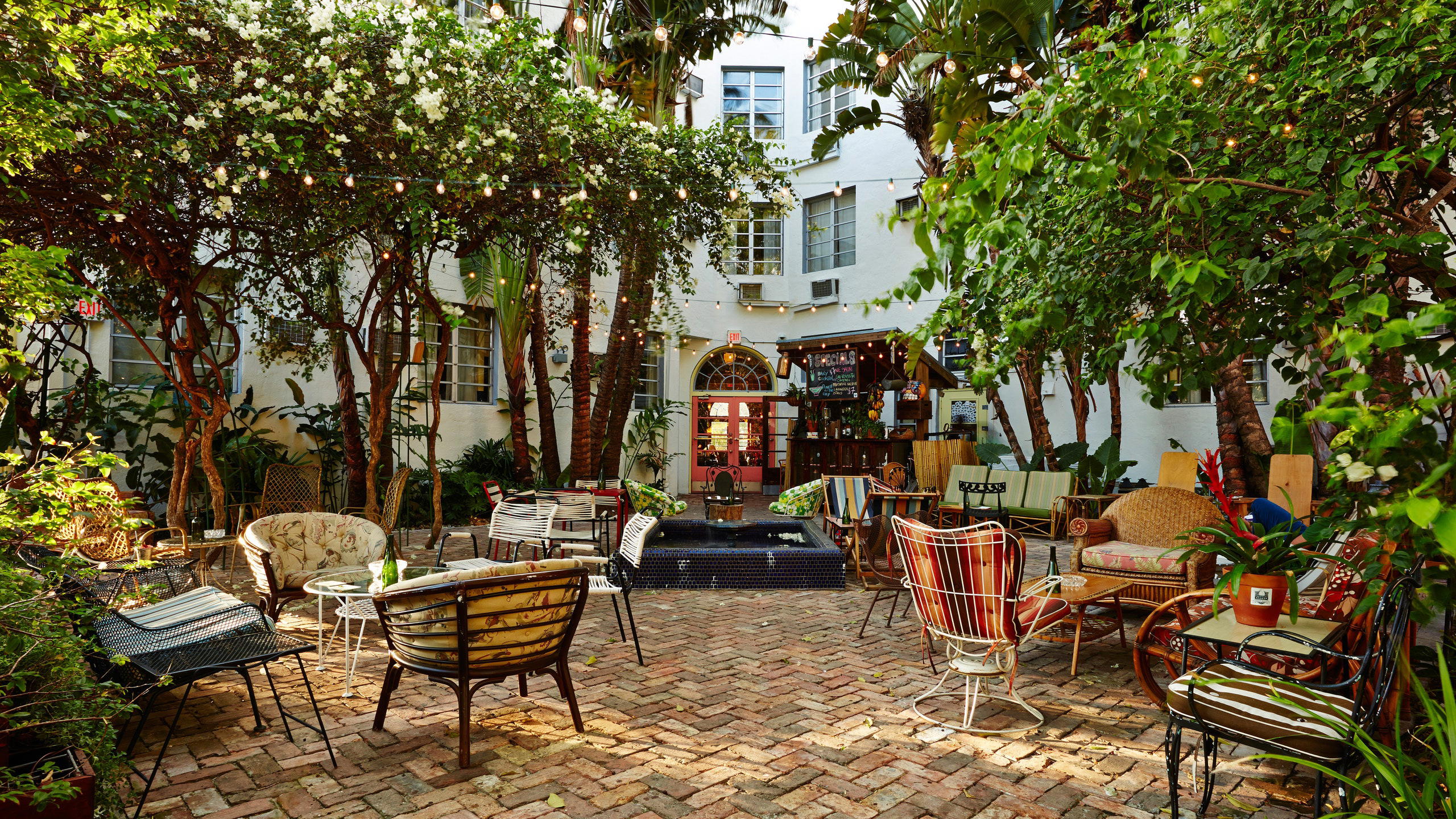
In a city where restaurant design often announces itself aggressively, oversized chandeliers, Instagram-engineered accent walls, lighting calibrated for content creation rather than conversation, the design approach at smaller Bay Road venues tends toward restraint. Spaces of this type in the neighborhood typically work with limited square footage, which forces decisions about seating density, material choices, and the relationship between the interior and any outdoor or semi-outdoor component. Miami's climate makes covered outdoor seating viable for most of the year, and restaurants in this corridor often extend their effective footprint through a terrace or garden arrangement that softens the boundary between inside and street.
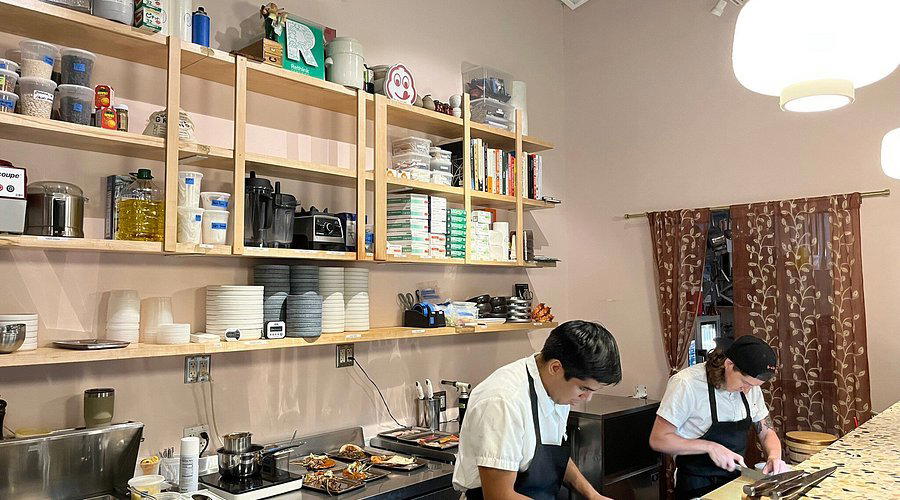
The name NaiYaRa itself signals a Thai-primary identity with a Japanese second register, a format that has become its own Miami Beach sub-category. Several restaurants in South Florida pair these two cuisines under one roof, but the approach varies considerably: some treat the combination as a marketing convenience, others build menus where both sides of the kitchen operate at the same level of seriousness. The physical layout of the kitchen and the seating arrangement often reveal which category a restaurant belongs to. A dedicated sushi counter, if present, signals that the Japanese side of the menu is more than an afterthought; an open or partially visible kitchen signals confidence in the cooking on both ends.
Thai and Sushi as a Miami Beach Pairing
The Thai-sushi format has particular traction in South Florida, where a large and diverse dining population has normalized cross-cultural menus that would read as incongruous in more culinarily conservative cities. Miami's restaurant culture has historically absorbed Caribbean, Latin American, and Southeast Asian influences in combinations that reflect the actual composition of its population rather than any fixed idea of culinary purity. This is a city where you can find Japanese omakase on the same block as Haitian griot, and the market accepts both without forcing a hierarchy.
What distinguishes the better dual-format restaurants in this tier is the sourcing and preparation discipline applied to each side of the menu independently. Thai cooking at its most serious involves layered aromatic bases, balance between heat, acid, and sweetness, and proteins that absorb rather than just carry those flavors. Sushi at the same level requires rice temperature and seasoning discipline, fish quality and aging decisions, and knife work that isn't visible in the finished plate but is entirely present in the texture. Restaurants that do both well are operating two distinct kitchens in one space, and the seating arrangement and service flow reflect that complexity.
For visitors calibrating where NaiYaRa sits in the broader Miami Beach picture, the useful comparison set is not the high-volume Ocean Drive operations, nor the Michelin-recognized fine dining rooms found in other American cities. Properties like Le Bernardin in New York City, The French Laundry in Napa, Blue Hill at Stone Barns in Tarrytown, Smyth in Chicago, or Providence in Los Angeles operate in a formally recognized tier defined by tasting menus, seasonal sourcing programs, and critical infrastructure. NaiYaRa occupies a different tier entirely: the neighborhood-anchored independent, where the room is modest, the menu covers multiple formats, and the regular clientele is the business model.
Within Miami Beach specifically, the relevant comparable set includes other independent restaurants that have built their audience through the residential west-side corridor rather than the tourist-facing east. For a sense of the broader neighborhood dining range, venues like 11th Street Diner, A Fish Called Avalon, A La Folie, a'Riva, and Alma Cubana map the range of formats and price points that the area sustains. Our full Miami Beach restaurants guide covers the complete picture.
Planning a Visit
Bay Road's residential character means parking is more available than on the main commercial corridors, and the atmosphere skews toward relaxed rather than performative. For restaurants in this category on Miami Beach, walk-in availability tends to be better mid-week, while weekends draw a broader audience including visitors staying nearby. Guests coming from outside the neighborhood should plan ahead, as reservations are recommended. Dress code is smart casual, and Bay Road is not a dressed-up destination in the way that some of the hotel-anchored South Beach rooms require.
For diners who have been working through the recognized top tier of American dining, including Lazy Bear in San Francisco, Single Thread Farm in Healdsburg, Addison in San Diego, Atomix in New York City, Emeril's in New Orleans, The Inn at Little Washington, or Atelier Moessmer Norbert Niederkofler in Brunico, NaiYaRa represents something orthogonal to that circuit. It is a neighborhood restaurant in a city that has, more than any other American beach destination, learned to sustain serious cooking in informal formats.
The Short List
Comparable venues nearby, for context on price, style, and recognition.
| Venue | Cuisine | Price | Notes |
|---|---|---|---|
| NaiYaRa Thai & Sushi MiamiThis venue — the venue you are viewing | Sunset Harbour, Thai Street Food & Sushi | $$$ | Not listed |
| Españolita Miami | South Beach, Spanish Seafood & Tapas | $$$ | Not listed |
| Santorini by Georgios | Not listed | $$$ | South of Fifth, Authentic Greek Mediterranean |
| Moshi Moshi | South Beach, Japanese Izakaya & Sushi | $$$ | Not listed |
| Local House | Not listed | $$$ | South of Fifth, Coastal Seafood with Italian Influences |
| Tropezón | South Beach, Andalusian Spanish Tapas | $$$ | Not listed |
Continue exploring
More in Miami Beach
Restaurants in Miami Beach
Browse all →
Bars in Miami Beach
Browse all →

At a Glance
- Trendy
- Lively
- Modern
- Date Night
- Casual Hangout
- Group Dining
- Open Kitchen
- Craft Cocktails
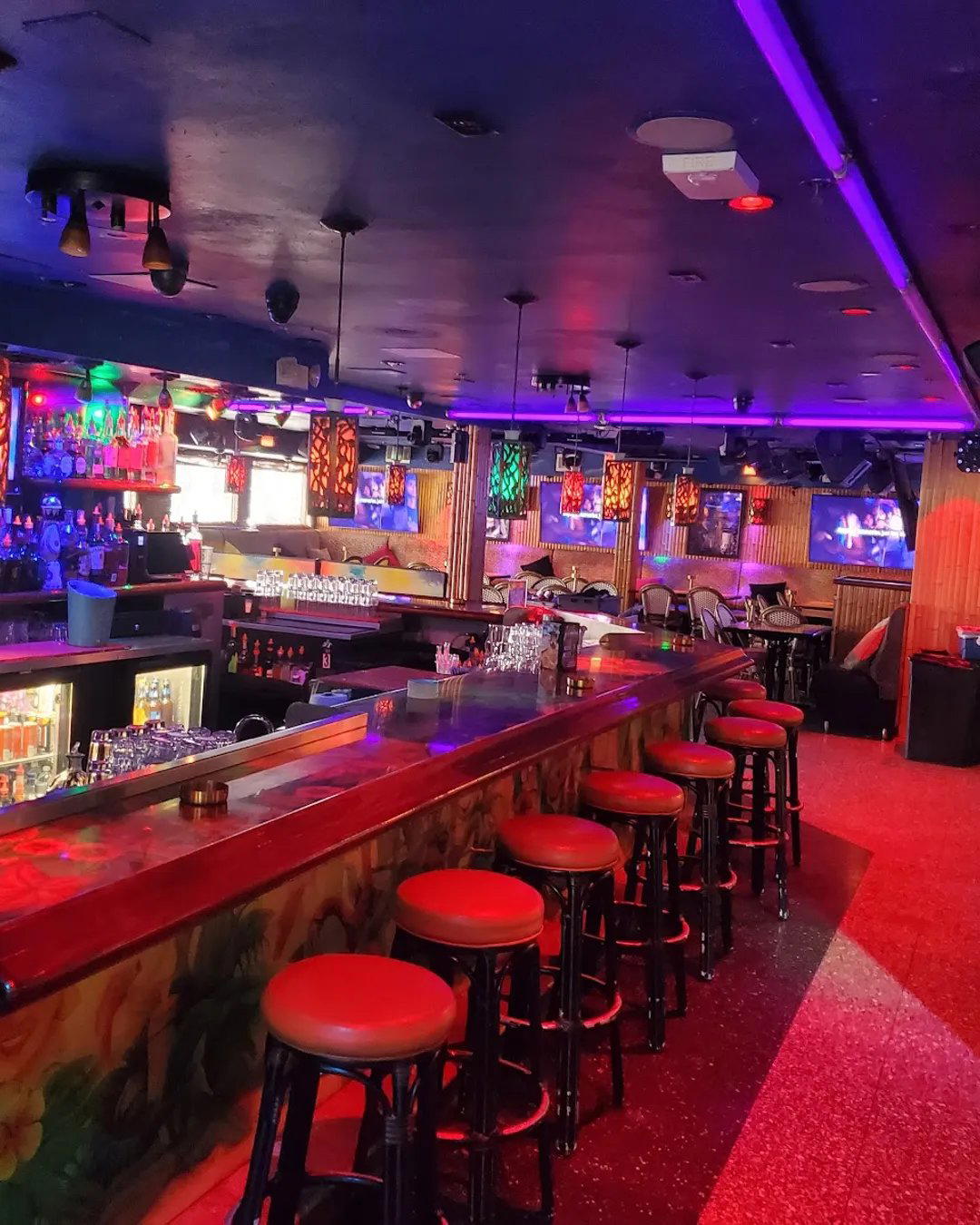
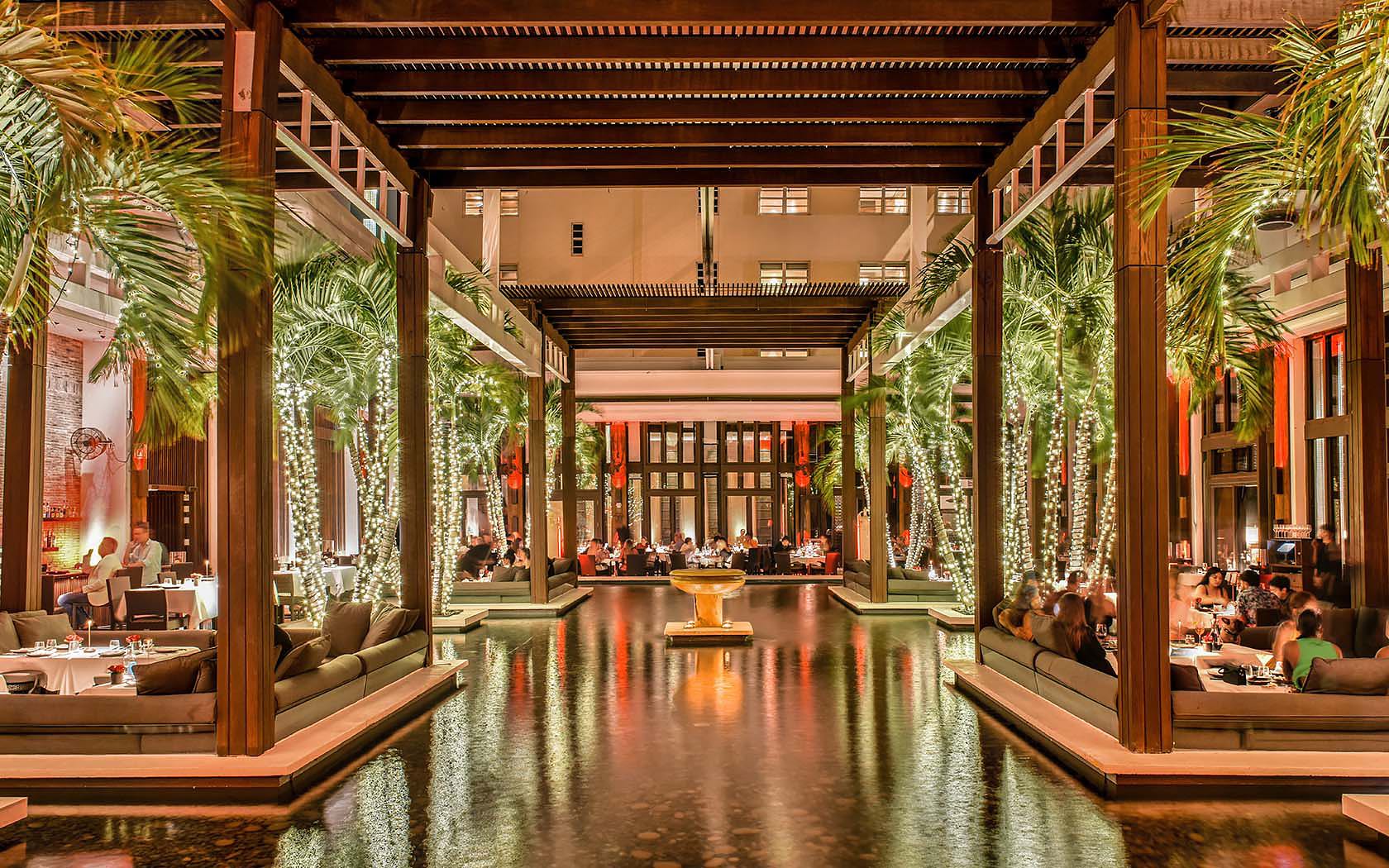
Lively and stylish with zinc bar, Indonesian teak tables, fishing basket decor, and lively atmosphere.