Moshi Moshi
On Washington Avenue in the heart of Miami Beach's South of Fifth corridor, Moshi Moshi occupies a stretch of the city where Japanese dining traditions meet Florida's sourcing culture. The address places it steps from the area's coastal energy, making it a reference point for those tracking how Japanese formats are adapting to the American South's ingredient calendar and environmental priorities.
Pearl is the En Primeur Club membership app — saves, bookings, and concierge access live there. Same editors, same standards.
- Address
- 1448 Washington Ave, Miami Beach, FL 33139
- Phone
- (844) 466-6744
- Website
- moshimoshi.fun
- Directions
- Get directions
 Saves & bookings on Pearl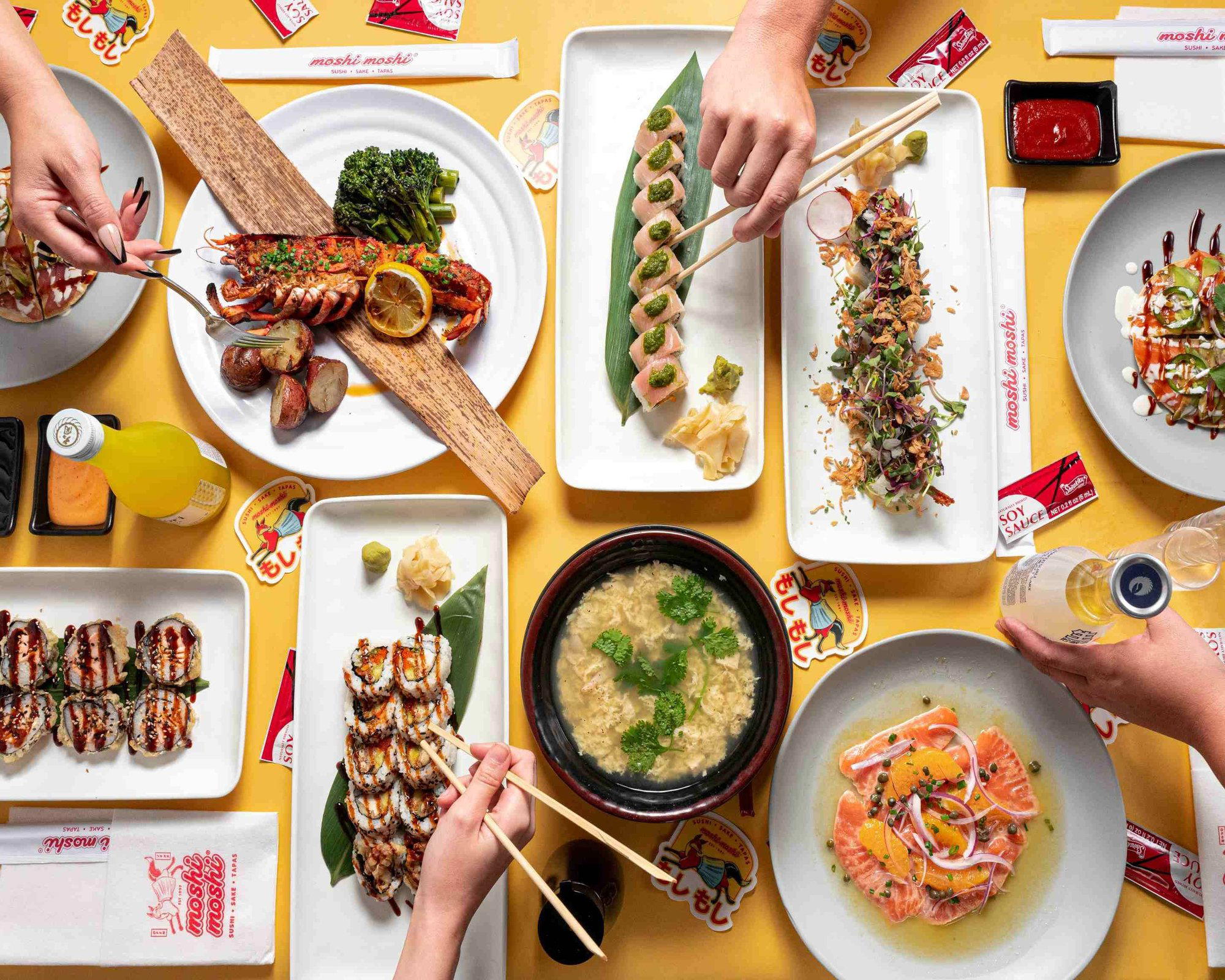
Washington Avenue and the Japanese Dining Conversation in Miami Beach
Washington Avenue at the South Beach end runs a different course from the hotel-restaurant complexes further north. The blocks near 1448 sit closer to the residential grain of South of Fifth, where the dining crowd tends to skew local and the turnover of concepts is slower than on Ocean Drive. It is in this context that a Japanese-named address on Washington Avenue carries some weight: Miami Beach has never had a particularly deep Japanese dining scene, and the few addresses that hold ground here do so against a backdrop of Latin-inflected kitchens, seafood houses, and the kind of all-day American diners exemplified by the 11th Street Diner nearby. The competition for the attention of a returning diner is genuine.
Japanese dining in American coastal cities has followed a reasonably predictable arc over the past two decades. The sushi bar format fragmented into omakase counters at the high end and casual roll-focused operations in the middle. Miami's version of that split has played out in Brickell and Midtown more than on Miami Beach proper, which means that a Washington Avenue operation occupies a somewhat uncrowded position. Whether that position is held with the rigour of the category's leading addresses, such as Atomix in New York City, is a question the venue's own execution ultimately answers.
Sustainability as Operating Logic, Not Marketing Position
The broader conversation in American fine dining has shifted over the past several years from sustainability as a stated value to sustainability as a structural operating decision. The clearest examples sit at the farm-integration end of the spectrum: Blue Hill at Stone Barns in Tarrytown built its entire format around a working farm, while Single Thread Farm in Healdsburg runs its own agricultural operation as a direct supply chain for the kitchen. These are expensive and structurally complex commitments that most urban restaurants cannot replicate. What urban restaurants can do is make sourcing decisions that reflect the same underlying logic: shorter supply chains, seasonal discipline, relationships with regional producers, and waste reduction built into prep and service rather than bolted on as an afterthought.
For a Japanese-format kitchen in Miami Beach, this logic intersects with Florida's fishing calendar in ways that are worth understanding. The Gulf and Atlantic waters off Florida's coasts produce a range of species that appear on few Japanese menus nationally, because the national conversation around Japanese fish sourcing in the United States has historically defaulted to bluefin tuna from Tokyo's Toyosu market or farmed Japanese species. A kitchen that takes Florida's own waters seriously, working with local snapper, grouper, or amberjack in a Japanese technique register, is making a different kind of claim than one importing its fish identity wholesale. This kind of sourcing decision is increasingly visible at the calibre of kitchen associated with addresses like Providence in Los Angeles, which has built its reputation partly on the intersection of Japanese technique and California's coastal catch.
Miami Beach's restaurant culture has also had to contend with the supply chain realities of a barrier island, where ingredient delivery logistics add costs and complexity that mainland kitchens do not face. Those operational pressures create an indirect incentive toward tighter sourcing relationships, since proximity and reliability become more valuable when you are separated from the distribution networks that serve larger urban centres. The kitchens on Washington Avenue and Collins Avenue that have lasted more than a few years tend to have resolved this equation, one way or another.
Where Moshi Moshi Sits in the Miami Beach Dining Picture
Miami Beach's dining scene in 2024 is more layered than it was a decade ago. The seafood-and-ceviche tradition represented by addresses like A Fish Called Avalon and the Latin kitchen represented by venues like Alma Cubana remain reference points, but a second tier of more format-specific restaurants has grown around them. This includes Italian-leaning addresses such as a'Riva and Amalia, which between them illustrate how European dining formats have found a durable audience on the Beach. Japanese formats occupy a smaller share of that second tier, which gives an address like Moshi Moshi a degree of categorical breathing room that it would not have in, say, Midtown Manhattan or West Hollywood.
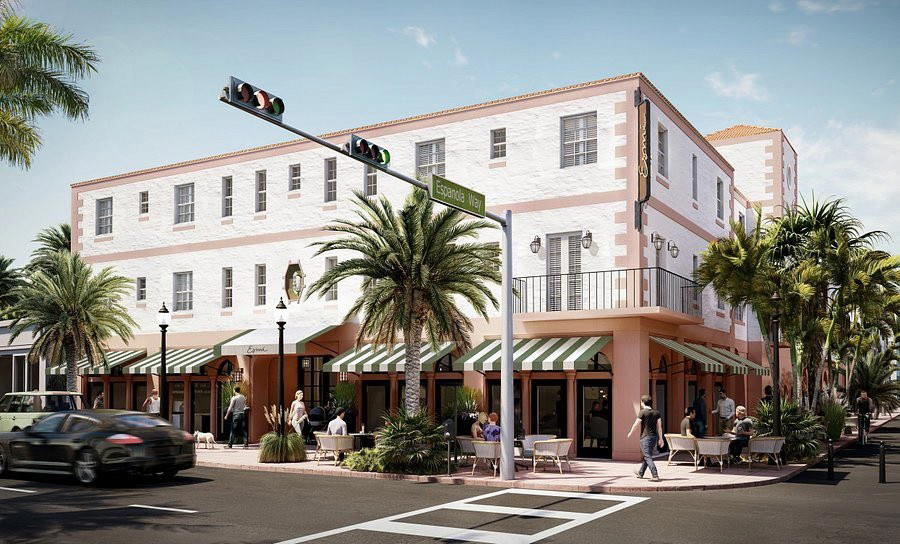
The 1448 Washington Avenue address also places the venue within walking distance of South Beach's evening traffic without being directly inside the loudest part of it. The blocks between 14th and 16th on Washington run through a corridor that includes residential buildings and lower-key retail, which tends to produce a slightly more composed dining crowd than the addresses closer to Lincoln Road or the beachfront hotels. This is not a location that fills on the strength of foot traffic alone; it is one that builds a return audience or relies on reservation-driven covers.
For context on how rigorous Japanese technique formats are holding at the summit of the national market, the reference set includes places like Le Bernardin in New York City, which has defined the upper boundary of fish-focused precision dining in America for decades, and Alinea in Chicago, where technique itself became the editorial argument. Moshi Moshi, operating at a Washington Avenue address without confirmed award recognition in the available record, is working in a different register, but the category pressures are the same: diners who eat Japanese food seriously have a broad reference set, and kitchens are compared against it.
Planning Your Visit
The restaurant operates at 1448 Washington Ave, Miami Beach, FL 33139, in a stretch of South Beach that is accessible by foot from the central hotel corridor and by rideshare from anywhere on the Beach. Washington Avenue parking on weekends competes with the broader South Beach nightlife draw, so arriving by rideshare or on foot from a nearby hotel is the more reliable option.
What It’s Closest To
Comparable venues nearby, for context on price, style, and recognition.
| Venue | Cuisine | Price | Notes |
|---|---|---|---|
| Moshi MoshiThis venue — the venue you are viewing | Japanese Izakaya & Sushi | $$$ | Not listed |
| Lucky Cat Miami | Modern Pan-Asian Fusion with Japanese Robata & Sushi | $$$$ | South of Fifth |
| Osteria Positano | Amalfi Coast Italian Trattoria | $$$ | South Beach |
| YUCA 105 | Cuban-Peruvian Fusion | $$$ | South Beach |
| Zaytinya | Modern Eastern Mediterranean Mezze | $$$ | South Beach |
| A Fish Called Avalon | Modern American Seafood with Tropical Influences | $$$ | South Beach |
Continue exploring
More in Miami Beach
Restaurants in Miami Beach
Browse all →
Bars in Miami Beach
Browse all →
At a Glance
- Cozy
- Trendy
- Lively
- Date Night
- Late Night
- Casual Hangout
- Open Kitchen
- Sake Program
Current opening hours
- Monday
- 12 PM–5 AM
- Tuesday
- 12 PM–5 AM
- Wednesday
- 12 PM–5 AM
- Thursday
- 12 PM–5 AM
- Friday
- 12 PM–5 AM
- Saturday
- 12 PM–5 AM
- Sunday
- 12 PM–5 AM
Hours can change for holidays and private events. Last verified .
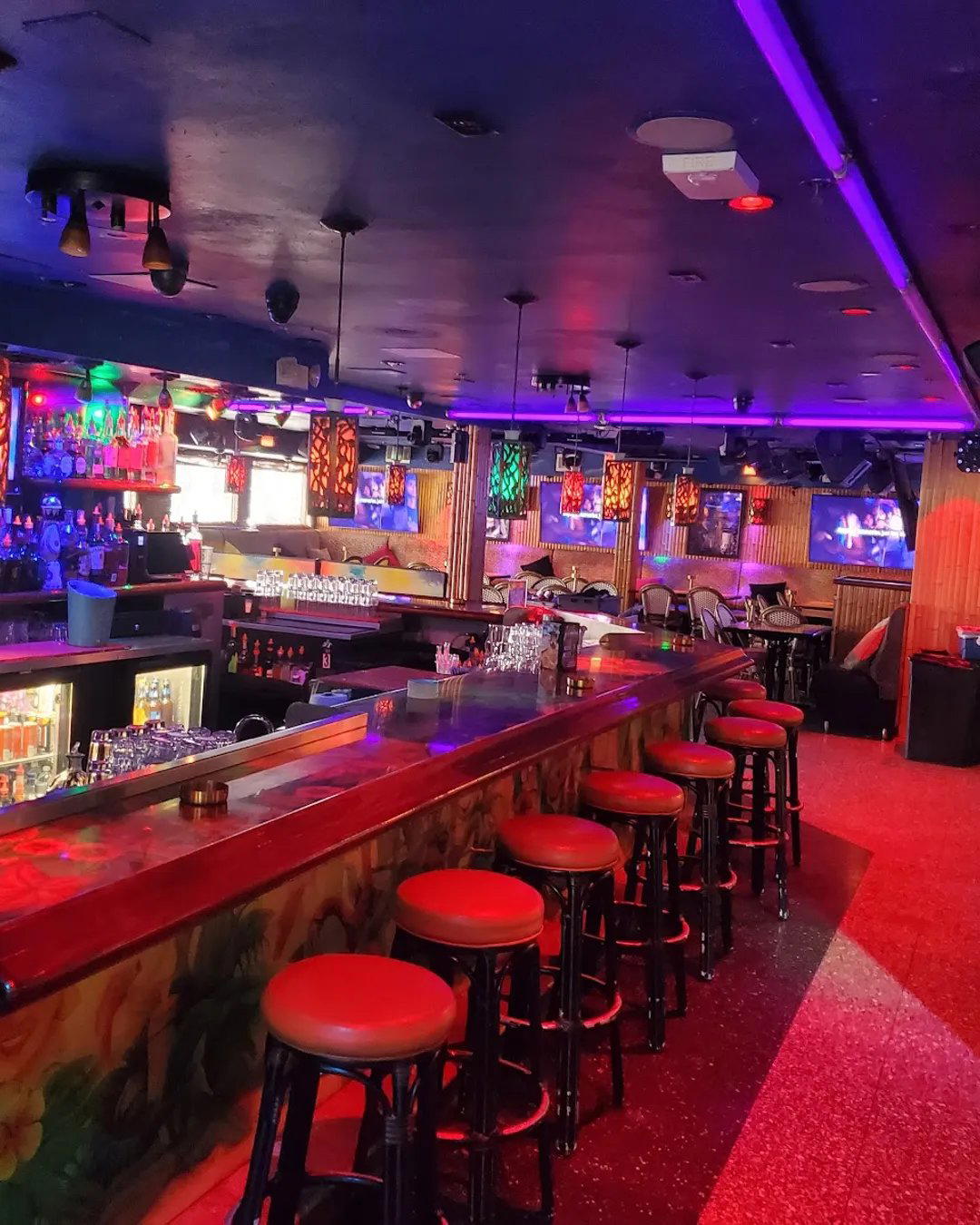
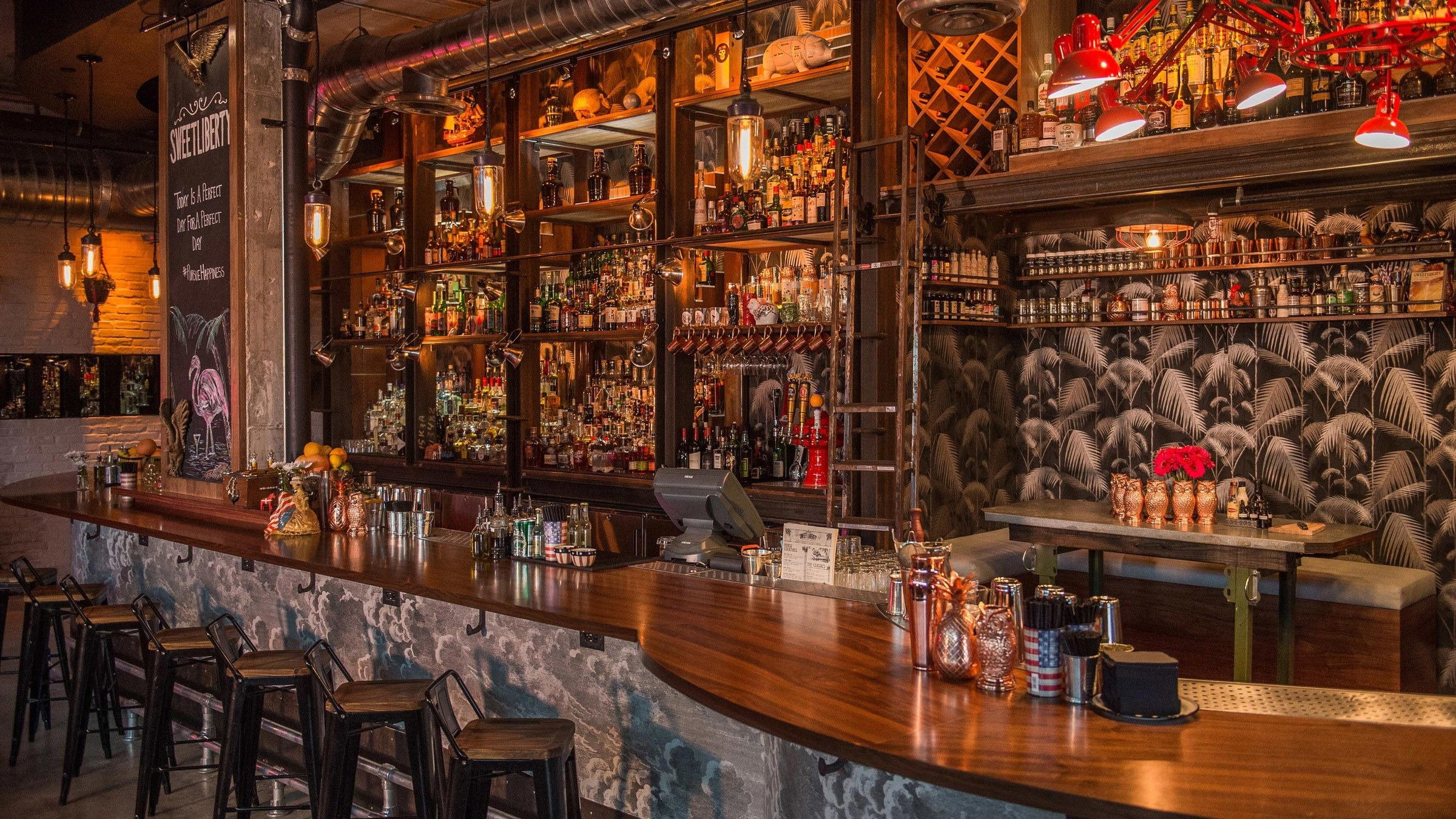
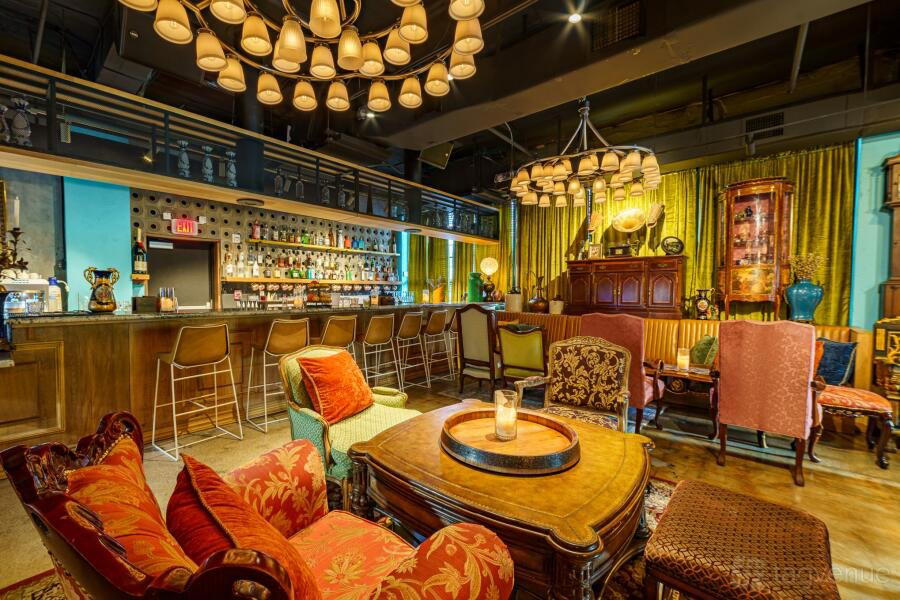
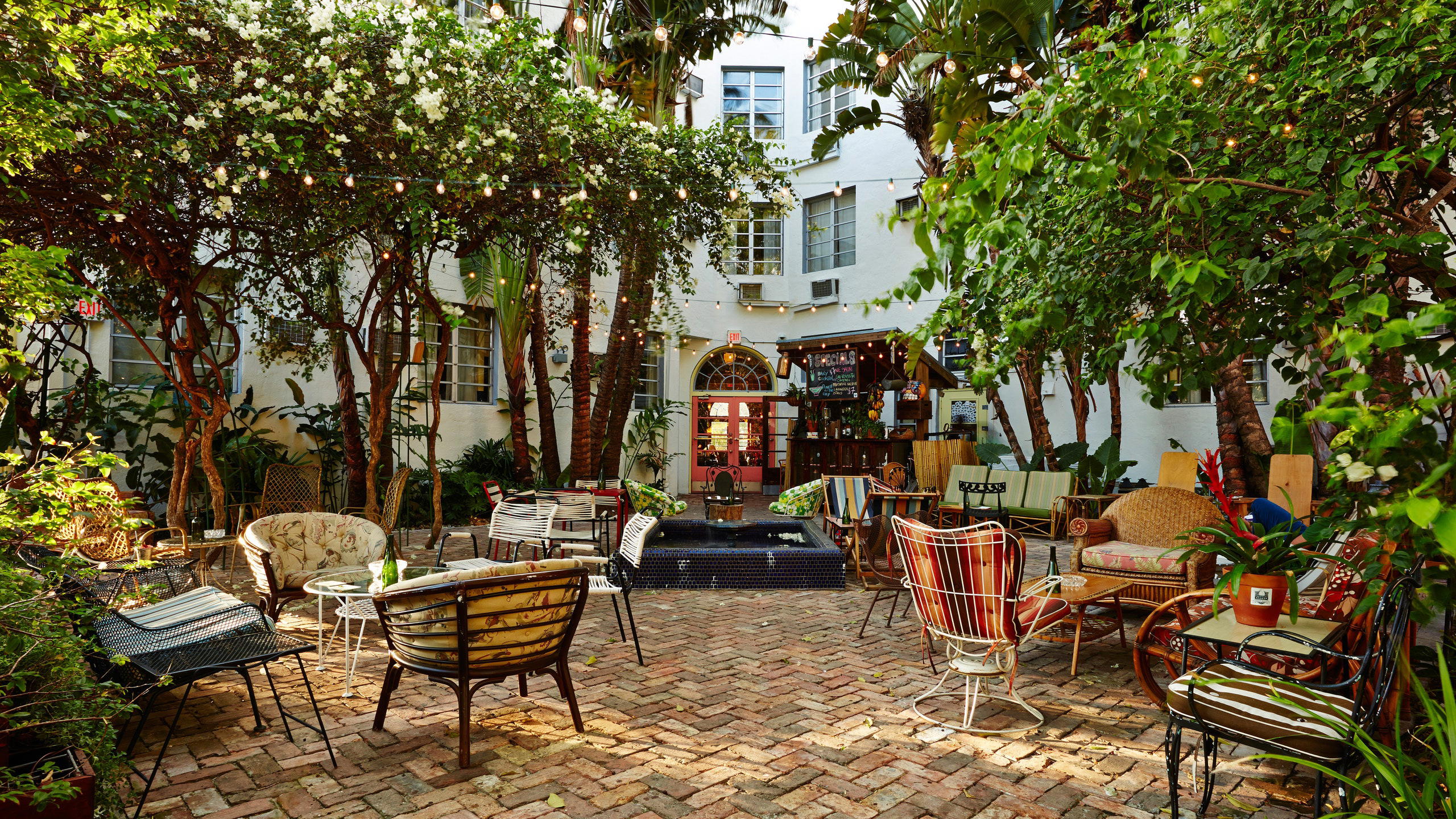
Cozy and inviting with a welcoming atmosphere blending elegance and laid-back charm.