Nagomi
Nagomi occupies a quiet stretch of Bismarckstraße in central Düsseldorf, positioning itself within a city that already hosts one of Europe's most concentrated Japanese dining communities. The address alone signals intent: this is a neighbourhood where Japanese restaurants compete on specificity, not novelty. For milestone meals and considered evenings, the room and its location offer a particular kind of occasion-ready gravity.
Pearl is the En Primeur Club membership app — saves, bookings, and concierge access live there. Same editors, same standards.
- Address
- Bismarckstraße 53, 40210 Düsseldorf, Germany
- Phone
- +4921141658988
- Website
- nagomi.de
- Directions
- Get directions
 Saves & bookings on Pearl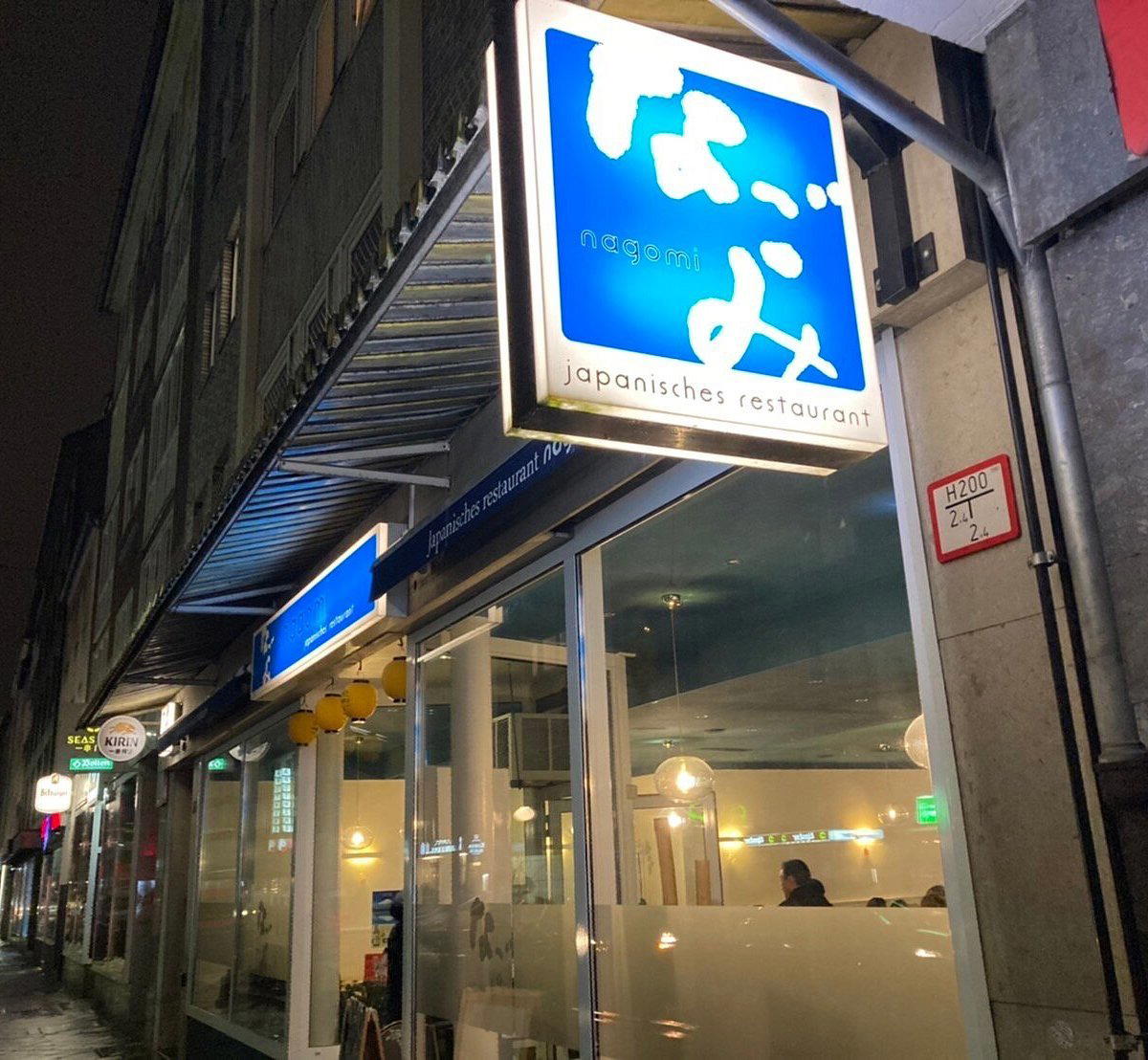
Düsseldorf's Japanese Quarter and the Weight of Occasion
Düsseldorf holds a distinction that most German cities cannot match: it is home to the largest Japanese expatriate community in continental Europe, a fact that has shaped its restaurant culture over decades rather than years. The city's Immermannstraße corridor and the streets radiating from it have produced a concentration of Japanese dining that competes seriously with London and Paris in terms of authenticity and range. Within that context, a restaurant named Nagomi — the Japanese word for harmony or tranquility — is making a deliberate statement about register and intention before a single dish arrives. The name sets an expectation of composure, of a meal that proceeds at its own pace rather than one shaped by table-turn pressure.
Bismarckstraße 53 sits in the western fringe of Düsseldorf's central district, close enough to the main Japanese dining corridor to benefit from its reputation, but removed enough to carry a slightly quieter character. In a city where the occasion-dining infrastructure runs from casual ramen counters up through formal kaiseki formats, that positioning matters. It is the kind of address that draws people who have already decided the evening is about more than convenience.
The Case for Japanese Dining at Milestone Moments
Japanese cuisine, across its formal registers, has become one of the most reliable frameworks for occasion dining in European cities over the past decade. The reasons are structural: omakase and kaiseki formats impose a natural rhythm on an evening, removing the decision fatigue of à la carte ordering and replacing it with a progression that the kitchen controls. That progression, from lighter preparations through richer, more sustained dishes, mirrors the arc of a significant meal in a way that few Western formats replicate as consistently.
For anniversaries, significant birthdays, or dinners where the conversation is the point and the food should support rather than interrupt it, Japanese restaurants operating in that register offer something specific: a shared experience without competing choices across a table. Everyone eats the same thing, at the same pace, in the same order. It is a format that enforces presence in a way that large à la carte menus do not. Düsseldorf's depth of Japanese dining means that this kind of occasion has real options at multiple price points, from the accessible to the serious, and a restaurant named for harmony suggests it understands which end of that spectrum it is addressing.
Germany's broader fine dining scene, tracked through venues like Aqua in Wolfsburg, JAN in Munich, and Schwarzwaldstube in Baiersbronn, has long demonstrated that the country's appetite for precision and formality at the table is deep. Japanese cuisine, in its most considered forms, aligns well with those expectations. The comparison is not coincidental: both traditions reward attention to sourcing, technique, and the management of detail at scale.
What the Address Tells You
Central Düsseldorf's dining scene has diversified considerably over the past several years. The city now supports everything from fast-format Turkish döner at places like Alanya Döner to the wine-and-cheese specificity of Amuni Wein- und Käsebar, Italian-leaning rooms at Anfora and Arca Alacati, and American-format burger operations like 3h's burger & chicken. That range signals a city with a mature and pluralistic dining culture, one where different formats have found stable audiences rather than competing for the same crowd.
Nagomi's placement on Bismarckstraße puts it in a part of the city that draws residents as much as visitors, which is a relevant signal for occasion dining. Restaurants that survive on local repeat business in a competitive Japanese dining market tend to maintain more consistent standards than those relying on tourist traffic. Düsseldorf's Japanese community has high expectations and a broad reference point, they know what the format should feel like, and they return to places that deliver it without compromise.
Comparing Formats Across the Occasion Spectrum
The occasion-dining tier in Germany spans a wide range of approaches. At the international end, venues like Victor's Fine Dining by Christian Bau in Perl, Vendôme in Bergisch Gladbach, and Waldhotel Sonnora in Dreis operate at the highest Michelin-recognized level, drawing on French classical foundations. More conceptually adventurous formats, such as CODA Dessert Dining in Berlin or ES:SENZ in Grassau, push at what an occasion meal can mean structurally. Japanese cuisine in Düsseldorf operates in a distinct lane from all of these: it is occasion-ready without being formally European, which gives it a particular appeal for diners who want the weight of a considered evening without the codes of classical French service.
For international reference points, the trajectory of Japanese-influenced precision dining at venues like Atomix in New York City illustrates how seriously this format has been received at the highest global level, while the technical discipline of seafood-focused restaurants like Le Bernardin in New York City shares a certain sensibility with Japanese cooking's emphasis on product integrity over intervention. Closer to home, Restaurant Haerlin in Hamburg and Schanz in Piesport represent the northern German take on occasion dining, though neither operates within a Japanese framework.
Planning a Visit
Nagomi is located at Bismarckstraße 53, 40210 Düsseldorf, within walking distance of the central station and the main Japanese quarter around Immermannstraße. For anyone planning around Düsseldorf's trade fair calendar, the city runs some of Europe's largest industry fairs, which compress hotel and restaurant availability significantly, securing a reservation well in advance is a practical necessity rather than a preference. Outside of those periods, Düsseldorf's dining scene is accessible with reasonable lead time. For a broader view of what the city offers across formats and price points, the full Dusseldorf restaurants guide maps the range from casual to formal across all major neighbourhoods.
How Nagomi Düsseldorf compares with similar nearby venues.
| Venue | Cuisine | Price |
|---|---|---|
| Yoshi by Nagaya | Japanese | €€€€ |
Continue exploring
More in Düsseldorf
Restaurants in Düsseldorf
Browse all →
Bars in Düsseldorf
Browse all →
Hotels in Düsseldorf
Browse all →
Wineries in Düsseldorf
Browse all →
At a Glance
- Quiet
- Classic
- Business Dinner
- Casual Hangout
- Open Kitchen
Current opening hours
- Monday
- 6–10:30 PM
- Tuesday
- 6–10:30 PM
- Wednesday
- 6–10:30 PM
- Thursday
- 6–10:30 PM
- Friday
- 6–10:30 PM
- Saturday
- 5–10:30 PM
- Sunday
- Closed
Hours can change for holidays and private events. Last verified .
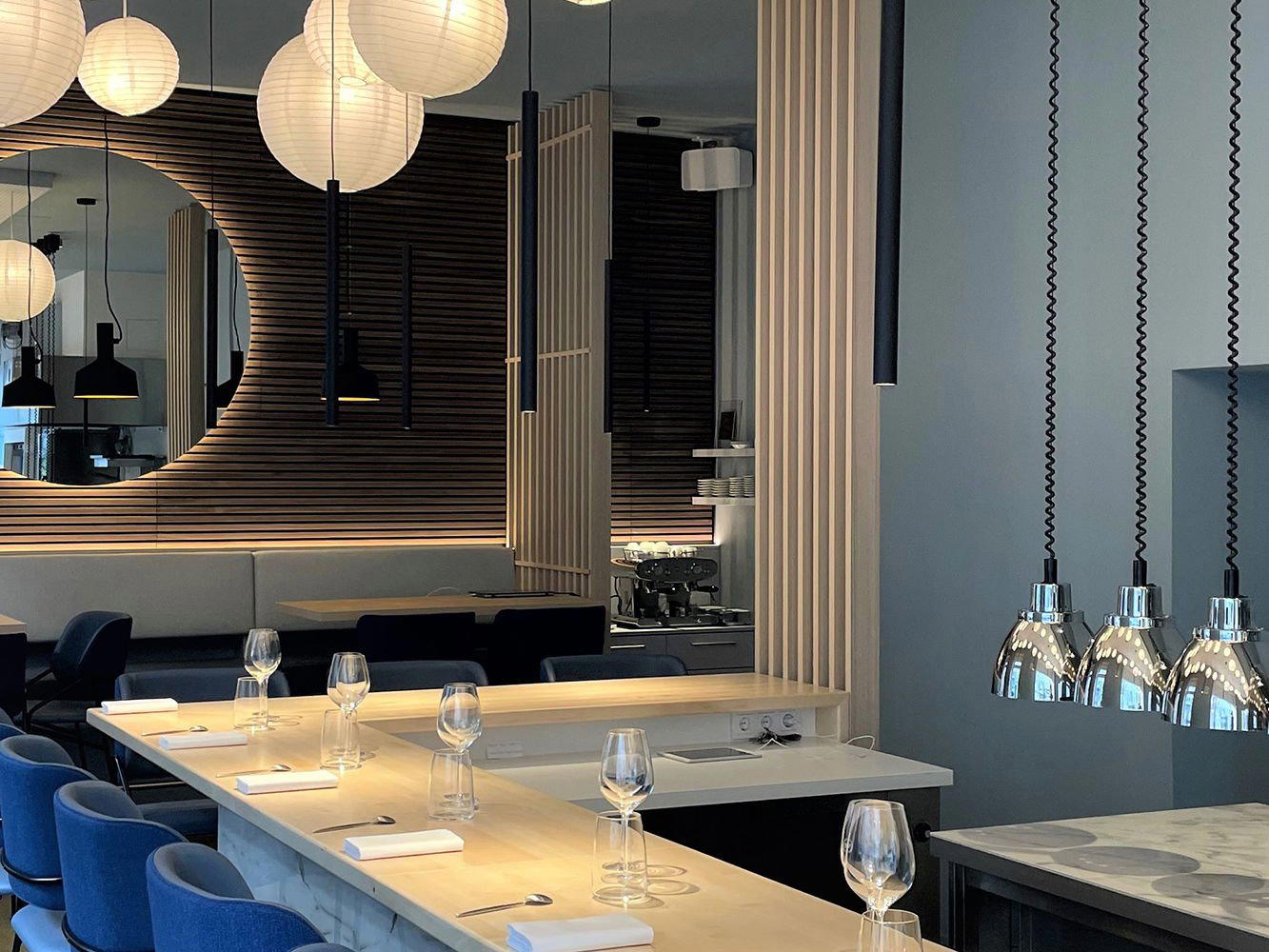
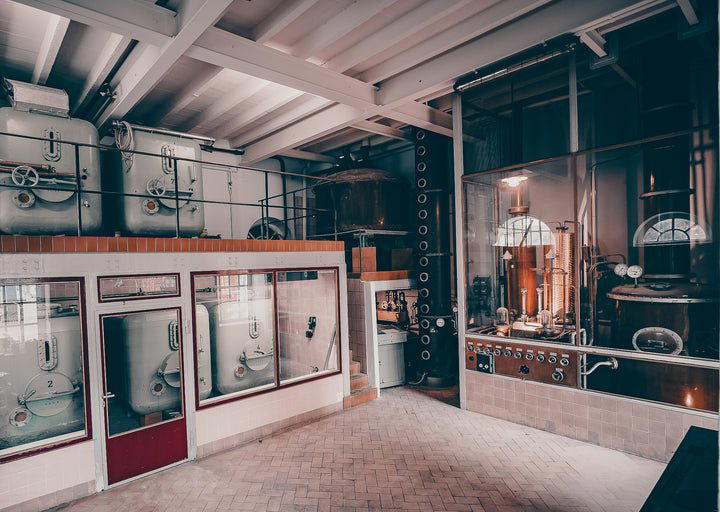
Bright and friendly with a somewhat sterile, canteen-like atmosphere; quiet but can be noisy when crowded.
Know Before You Go
- Getting there
- Bismarckstraße 53, 40210 Düsseldorf, Germany