Nagareyama Suzuki

Nagareyama Suzuki treats soba as a sourcing-led craft rather than a quick noodle stop, with homemade 100% buckwheat noodles and sake in a compact Chiba dining room. Its selection for Tabelog 100 Soba EAST 2025 places it within Japan’s serious soba conversation, while the Nagareyama setting keeps the experience grounded in a suburban rhythm rather than destination-dining theatre.
Pearl is the En Primeur Club membership app — saves, bookings, and concierge access live there. Same editors, same standards.
- Address
- 3 Chome-1-17 Nishihatsuishi, Nagareyama, Chiba 270-0121, Japan
- Phone
- +81 4-7152-3528
- Website
- m.facebook.com
- Directions
- Get directions
 Saves & bookings on Pearl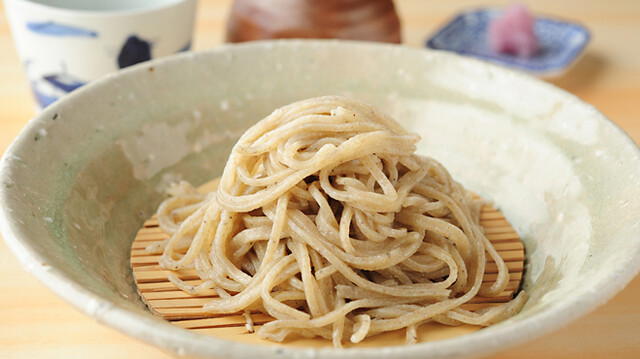
Approaching a serious soba room in suburban Chiba differs from entering a Ginza counter or Kyoto kaiseki house. The tempo is lower, the signals quieter, and the meal depends less on spectacle than on careful buckwheat handling before it reaches the bowl. In Nagareyama, that restraint matters. Soba is a cuisine of narrow margins: grain quality, milling, water, kneading, cutting and timing show quickly, especially when the noodle itself is asked to carry the meal.
Nagareyama Suzuki belongs to that tradition. Its public identity is rooted in soba, a style rewarding diners who care about ingredient character and texture as much as sauce or garnish. Buckwheat noodles can be direct and unforgiving, so the appeal is not excess luxury but precision: the grain brought forward without richness hiding poor handling. That is why the restaurant’s Tabelog Hyakumeiten 2025 recognition carries weight. In Japan’s soba category, recognition follows consistency more than novelty, and visibility on a soba list suggests a kitchen working in a demanding, repeat-customer genre.
Soba puts the ingredient under pressure
Buckwheat is unforgiving. Unlike ramen, where broth, tare, fat and toppings can dominate, soba leaves fewer places to hide. The grain must carry aroma and structure; the kitchen must manage moisture and temperature; the diner meets the noodle with little mediation. That makes soba a useful test of seriousness, especially outside the capital’s more performative dining districts.
The sourcing angle is not romantic agrarian language. In soba, grain selection changes the meal. Japanese diners read soba through season, region and milling style, and a good room treats the noodle as the central object, not a base for abundance. Nagareyama Suzuki’s place in a recognised soba category places it within that technical frame. The award is not a luxury tasting-menu signal; it points to category credibility, especially for an approachable, not ceremony-heavy, format.
Nagareyama’s dining character helps. The city sits in Chiba’s commuter belt, with local food culture shaped by everyday repeat visits as much as special-occasion travel. The soba standard differs from a tourist district: a restaurant must satisfy regulars who understand what they eat, not only visitors chasing a name. For a wider view, Our full Nagareyama restaurants guide is the natural companion, while nearby alternatives such as The Noodles & Saloon Kiriya and LES TEMPS PLUS Honten show how the city’s casual dining range moves across noodles, sweets and everyday spending tiers.
Suburban Chiba gives soba a different kind of seriousness
Tokyo often teaches visitors to read Japanese dining through scarcity: tiny counters, reservation windows, and a fast-rising price ladder. Soba around Chiba works differently. The meal can be modest in cost yet exacting in craft, with value in repetition rather than theatrical exclusivity. A local soba room is not necessarily imitating a metropolitan chef’s counter. It reflects Japanese everyday dining, where families, friends and regulars can share a technically specific cuisine without turning the meal into an event.
That distinction helps travellers building a Nagareyama day rather than a single restaurant pilgrimage. The city’s hospitality infrastructure is quieter than Tokyo’s, so planning often means thinking across food, transport and residential Chiba’s slower rhythm. Our full Nagareyama hotels guide, Our full Nagareyama bars guide, Our full Nagareyama wineries guide and Our full Nagareyama experiences guide frame that broader decision. The point is not treating soba as a Tokyo detour, but seeing how regional commuter cities preserve serious everyday food cultures often less visible to international visitors.
The comparison set clarifies the choice. In Nagareyama, The Noodles & Saloon Kiriya sits in another casual noodle register, while LES TEMPS PLUS Honten works in a sweets and café register. Nagareyama Suzuki is the more ingredient-specific soba choice: not necessarily flashier, but built around buckwheat as primary craft. It suits diners wanting to understand a Japanese staple at a category-recognised address, not simply fill a gap between trains.
How to read the meal without over-ordering
Soba rewards restraint from the diner as much as discipline from the kitchen. Think in categories: cooler preparations for direct texture and aroma, warmer preparations for comfort, and a pace that lets the noodle remain central.
Payment, timing and seating customs matter, even when unglamorous. Many serious local restaurants in Japan remain compact in feel, and soba houses can operate to the rhythm of freshly prepared noodles rather than a long, flexible service window. Travellers should treat the meal with the respect given to a reservation counter, even if the room is informal: arrive with time, avoid assuming late availability, and understand that a kitchen built around fresh noodles has limits.
For readers mapping a broader Japan itinerary, this soba stop pairs well with other category-specific meals rather than another high-ceremony restaurant. The contrast is useful: compare it with other everyday dining rooms, casual counters, cafés, drinking places and regional specialists across Japan or abroad. Seen that way, Nagareyama’s soba becomes part of a larger question: where does Japanese food show its craft most clearly, and when does modesty tell the sharper story?
How It Stacks Up
Comparable venues by cuisine and price in the same metro.
| Venue | Cuisine | Price | Notes |
|---|---|---|---|
| Nagareyama Suzuki | Traditional Soba Noodle Shop | $$ | : Nishi Hatsuishi |
| The Noodles & Saloon Kiriya | Specialty Ramen Shop | $ | Nishi-Hatsuishi |
| LES TEMPS PLUS Honten | French Patisserie | $$ | Nagareyama Centralpark |
| 蕎麦処 そばの実 | Togakushi Handmade Soba | $$ | Togakushi |
| 和風レストラン 青葉の庄 | Traditional Japanese Washoku Set Meals | $$ | 宇陀市 |
| いこま寿司 | Traditional Edomae Sushi | $$ | Setagaya (Umegaoka) |
Recognition history
Dated appearances from independent guides and award organizations, with the underlying list record or original source where available.
Tabelog 100 #40 · No. 40
Tabelog · Tabelog 100 - Soba - EAST - 2025
Continue exploring
More in Nagareyama
Restaurants in Nagareyama
Browse all →



Bars in Nagareyama
Browse all →



At a Glance
- Cozy
- Classic
- Quiet
- Solo
- Family
- Casual Hangout
- Group Dining
- After Work
- Standalone
Current opening hours
- Monday
- 11:30 AM–3 PM, 6–8 PM
- Tuesday
- 11:30 AM–3 PM
- Wednesday
- Closed
- Thursday
- Closed
- Friday
- 11:30 AM–3 PM, 6–8 PM
- Saturday
- 11:30 AM–3 PM, 6–8 PM
- Sunday
- 11:30 AM–3 PM, 6–8 PM
Hours can change for holidays and private events. Last verified .
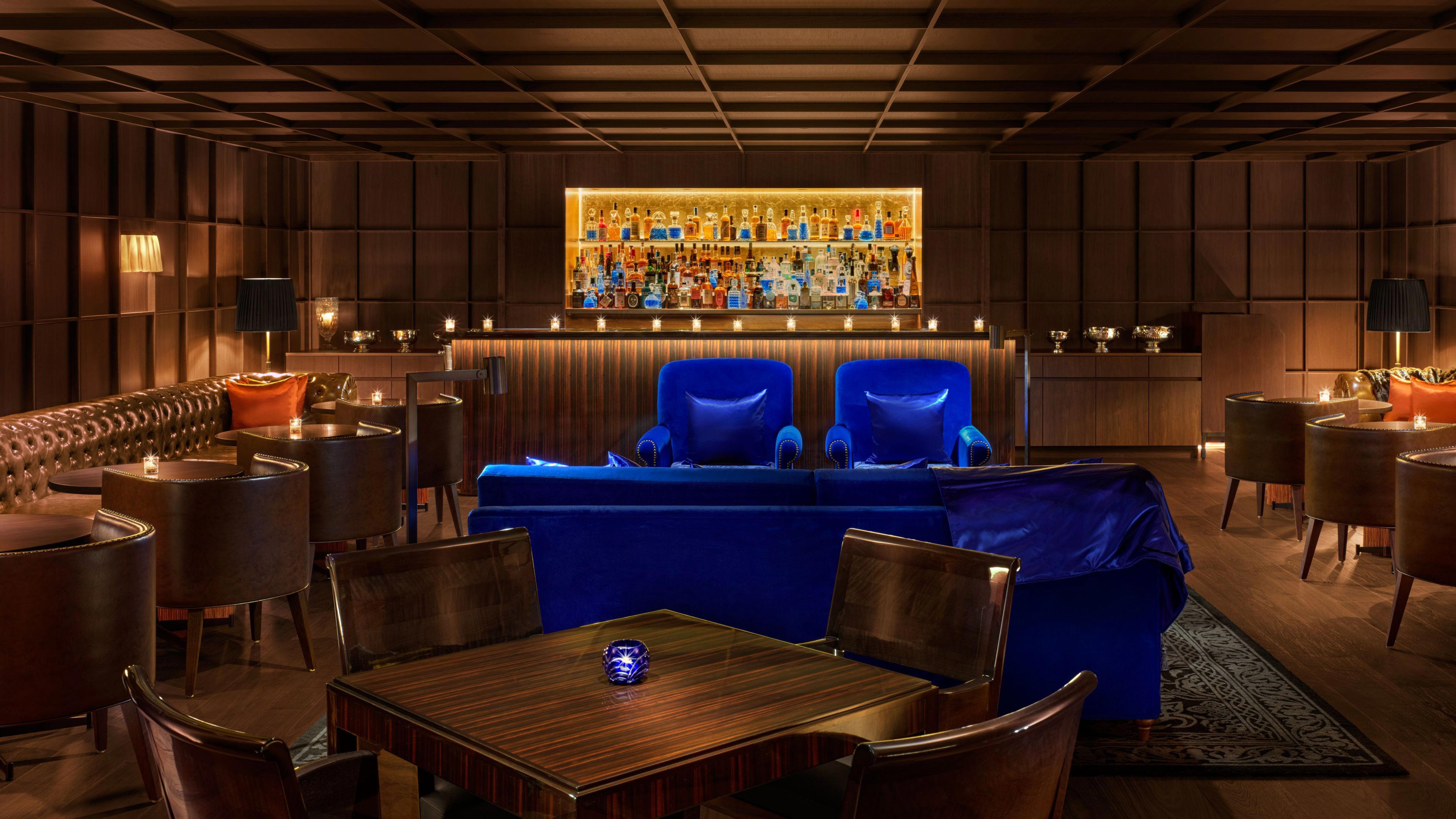
A modest, traditional Japanese soba restaurant with a calm, everyday neighborhood feel and simple, functional decor suited to solo diners, families, and small groups.
Know Before You Go
- Reservations
- Walk in friendly
- Dress code
- Casual
- Getting there
- 3 Chome-1-17 Nishihatsuishi, Nagareyama, Chiba 270-0121, Japan