
Yakiniku Horumon Uchida belongs to Osaka’s late-night grill culture rather than the polished steakhouse lane: tables, smoke, offal, beef, and a meal paced by the diner’s own tongs. Its 2025 Tabelog 100 selection for Yakiniku West gives it a clear signal in a crowded category, especially for visitors weighing Umeda’s casual meat rooms against higher-spend beef counters.
Pearl is the En Primeur Club membership app — saves, bookings, and concierge access live there. Same editors, same standards.
- Address
- 大阪府大阪市北区堂山町17-3 イーグルビル 1F
- Phone
- +81643973002
- Website
- tabelog.com
 Saves & bookings on Pearl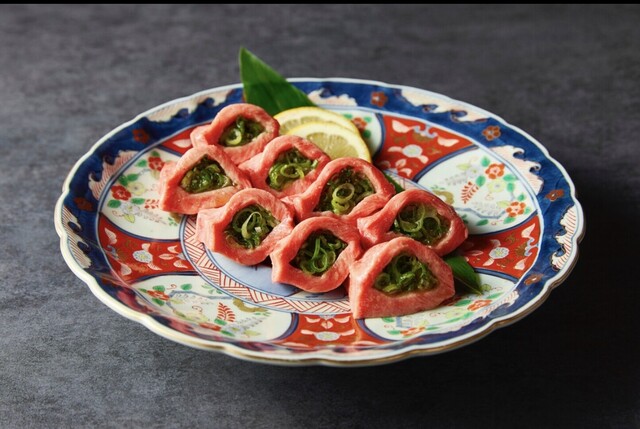
Doyamacho is not Osaka at its most restrained. The approach to Yakiniku Horumon Uchida runs through Umeda’s after-dark grid, where grill restaurants, izakaya, karaoke signs, and late trains set the rhythm. That matters because yakiniku is social ritual before luxury format: diners order in waves, cook quickly, talk over heat, and set the pace themselves. Here, the meal belongs to the table rather than the kitchen pass.
Osaka has long been comfortable with beef in democratic settings. Kobe may own the export mythology, but Osaka’s strength is the practical pleasure of the grill: shared plates, cuts chosen for texture as much as fat, and a room that moves from early dinner to post-work second round without changing costume. Yakiniku Horumon Uchida sits in that tradition with a focus on yakiniku and tripe, closer to the city’s offal-and-char culture than to the ceremonious wagyu tasting room.
Osaka yakiniku as a table ritual, not a chef's performance
The defining feature of yakiniku is control. Diners watch meat change, adjust heat by instinct, and learn that a good table is a sequence, not a single order. Leaner beef, richer cuts, and horumon need different timing; pleasure comes from managing that progression together. In Osaka, yakiniku is unusually elastic: a date, group dinner, salaryman finish to the night, or meat-focused stop before Umeda bars.
That elasticity explains why price alone does not define the category. In the Osaka comparison set, Dontaku occupies a lower-spend lane, Niku Ryori PINE sits in a casual middle bracket, and Goichi moves higher-spend. Yakiniku Horumon Uchida reads differently: not bargain-only room, not splurge temple, but a recognized Umeda grill drawing on beef, horumon, and late-evening usability. The 2025 Tabelog 100 selection for Yakiniku West gives that position weight, especially where grill restaurants compete on repeat local use as much as destination dining.
Horumon changes the meal’s logic. Offal cookery rewards confidence, and Kansai diners treat texture as part of the point. Chew, char, fat, and sauce need balance. For visitors used to steakhouse language, this is the adjustment: the prized moment is not always the largest or softest cut. It may be the piece that needs attention, a quick turn, and a table willing to share the last portion without ceremony.
Recognition in a crowded Umeda meat scene
A Tabelog 100 selection in the Yakiniku West category is a useful filter because the field is dense. Osaka has countless grill rooms, from neighborhood counters to polished beef specialists, and the difference between good and memorable often lies in consistency rather than spectacle. Selection on the 2025 list places the restaurant among a narrower regional group: not a claim of formal luxury, but a signal of attention within a category where locals scrutinize value, cut quality, and atmosphere closely.
The room format reinforces the meal’s social character. With a compact seating plan built around table service, this is not counter omakase translated into beef. It is a group-friendly grill room where the table remains the stage. That distinction matters for travelers planning Osaka meals: sushi and kaiseki often demand silence and surrender; yakiniku rewards participation. Arrive with a small party that eats broadly, orders progressively, and treats the grill as shared responsibility.
Umeda shapes the timing. As transport hub and nightlife corridor, yakiniku here works differently from a destination restaurant in a quieter residential ward. The meal can anchor a night out rather than consume it. For a broader read on the city’s dining range, pair this listing with Our full Osaka restaurants guide, then map the evening through Our full Osaka bars guide or the wider planning notes in Our full Osaka hotels guide. Fuller itineraries can also scan Our full Osaka experiences guide and Our full Osaka wineries guide, though Osaka’s strongest drinks culture sits closer to bars and izakaya than vineyard travel.
How to place it in an Osaka eating day
Yakiniku makes most sense when the day leaves room for smoke, fat, and appetite. Osaka rewards grazing, but too many heavy stops before a grill dinner dull the point. A lighter morning around bread or coffee, then a meat-led evening in Umeda, is sharper. For contrast, nearby editorial references such as.cafe, 52CHO-ME BAKERY, and 551 Horai (551蓬莱) show how broad Osaka’s casual-food bandwidth can be before dinner turns grill-focused.
The city’s restaurant culture is not only Japanese, which matters when comparing formats. 99 Pizza Napoletana Gourmet and a canto (Italian) sit in a different dining grammar, where dough, pasta, and wine replace the tactile work of table cooking. Yakiniku is more physical and less linear. It asks diners to pay attention without requiring tasting-menu reverence.
For travelers comparing Japanese meat traditions beyond Osaka, reference points broaden quickly: -Grilled beef Sukiyaki- KAMAKURA TANUKIAN 鎌倉 たぬき庵 in Kamakura points toward sukiyaki’s sweeter, simmered register, while. 鮪と炭火焼き うお炭 秋葉原店 in Tokyo frames charcoal through a broader izakaya lens. The wider EP Club map also includes.know in Kumamoto, (Shoku) Vietnam in Kawasaki, [Curry Senmon Ten] Maruyama Kyoju. in Sapporo, [ki:] in Kyoto, Jōdo Saké Bar in Los Angeles, and Onigiri Time in Pasadena, reminders that Japanese dining culture travels through format as much as ingredients.
The case for the restaurant is clearest for diners who want Osaka’s grill culture without making the evening a formal beef ceremony. Its reputation rests on a recognized yakiniku-and-tripe format in Umeda, a district suited to the meal’s pace: direct, social, and built around heat at the table. Go for the ritual, not a chef biography. In Osaka, that distinction is the point.
Compact Comparison
Comparable venues in the metro at similar price points.
| Venue | Cuisine | Price | Notes |
|---|---|---|---|
| Yakiniku Horumon UchidaThis venue — the venue you are viewing | Not listed | $$$ | Not listed |
| Sushi Minoki | Kita, Intimate Omakase Sushi Counter | $$$ | Not listed |
| Tempura nuu nuu | Kita, Seasonal Tempura Omakase | $$$ | Not listed |
| Unagiya Unagi | Not listed | $$$ | Yodogawa, Traditional Kansai-style unagi (eel) counter |
| Yakiniku Katsuragi | Not listed | $$$ | Kita Ward, Sakai City, Traditional Osaka Yakiniku Counter |
| Torisho Ishii Hina | Minami-Azabu, Modern Yakitori Omakase | $$$ | Not listed |
Recognition history
Dated appearances from independent guides and award organizations, with the underlying list record or original source where available.
Tabelog 100 #8 · No. 8
Tabelog · Tabelog 100 - Yakiniku - WEST - 2025
Continue exploring
More in Osaka
Restaurants in Osaka
Browse all →




Bars in Osaka
Browse all →




Hotels in Osaka
Browse all →



Wineries in Osaka
Browse all →
At a Glance
- Lively
- Cozy
- Modern
- Elegant
- Energetic
- Late Night
- After Work
- Group Dining
- Date Night
- Casual Hangout
- Celebration
- Standalone
- Beer Program
- Local Sourcing
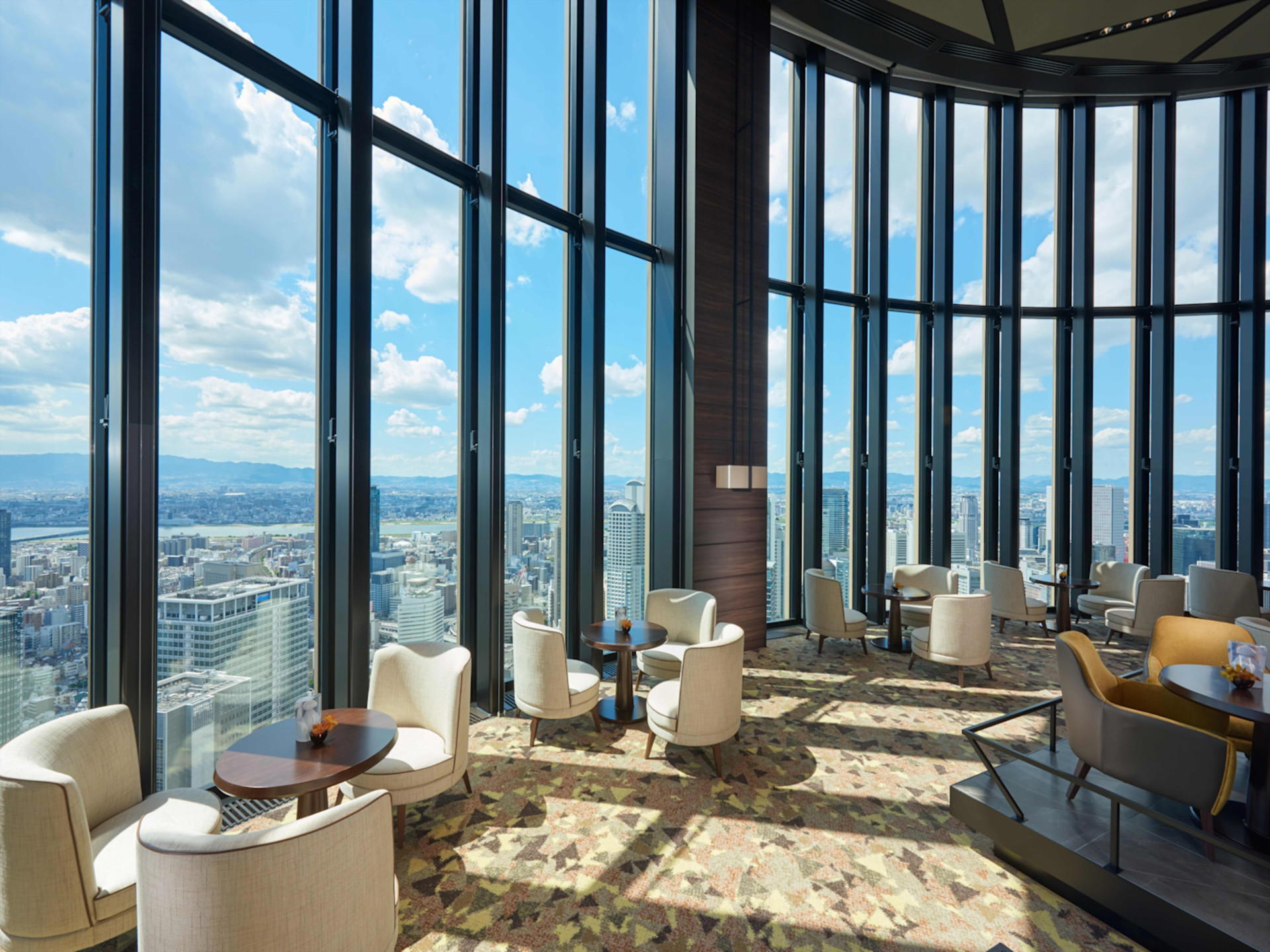
A casual yet slightly elegant modern Japanese yakiniku dining room with seven four‑top tables, warm lighting, and a friendly atmosphere suited to dates, small gatherings, and late‑night drinking parties.