
Skip to Main Content
← Collection
LocationChicago, United States
Michelin

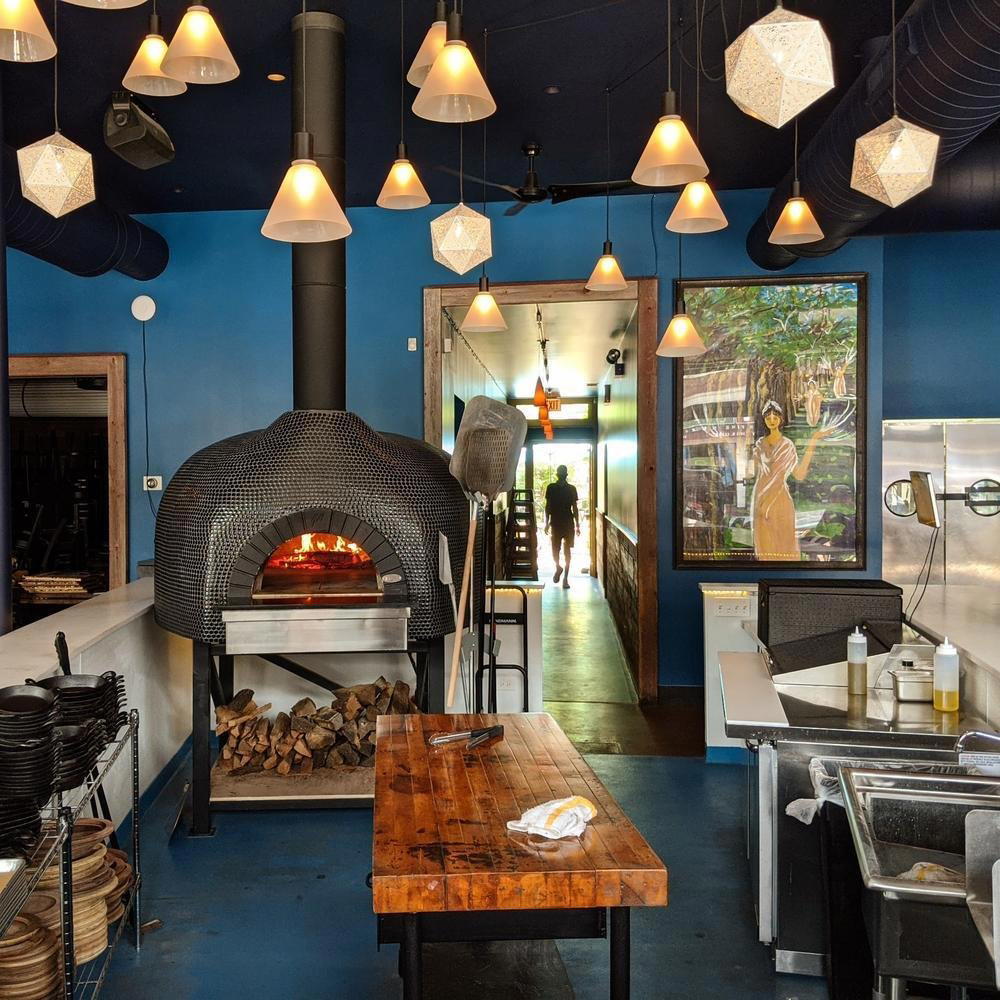
From the chef behind critically recognized Indienne, Nadu brings contemporary regional Indian cooking to Lincoln Park at 2518 N. Lincoln Ave. The format is communal and convivial, with sharing plates spanning vegetarian and non-vegetarian preparations rooted in specific regional traditions. Walk-ins can anchor at the full-service bar; reservations are advised for the dining room.

Nadu restaurant in Chicago, United States
About

A Second Act with Regional Depth

Lincoln Park's dining corridor has absorbed a lot of concept restaurants over the years, many of them built around a single dramatic idea that fades once the novelty does. Nadu arrives with a different kind of credibility. It is the follow-up project from the chef behind Alinea-adjacent critical circles in Chicago, specifically from Chef Sujan Sarkar, whose earlier restaurant Indienne earned sustained attention from the city's food press as one of the more serious attempts to reframe Indian cooking for a fine-dining audience. Nadu is the next move, and it leans in a different direction: less formal, more regional, and deliberately convivial in format.

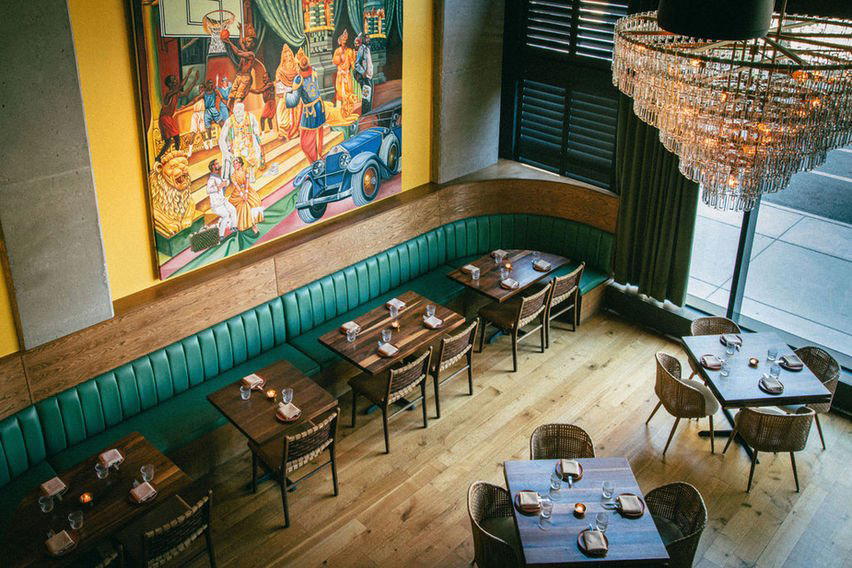
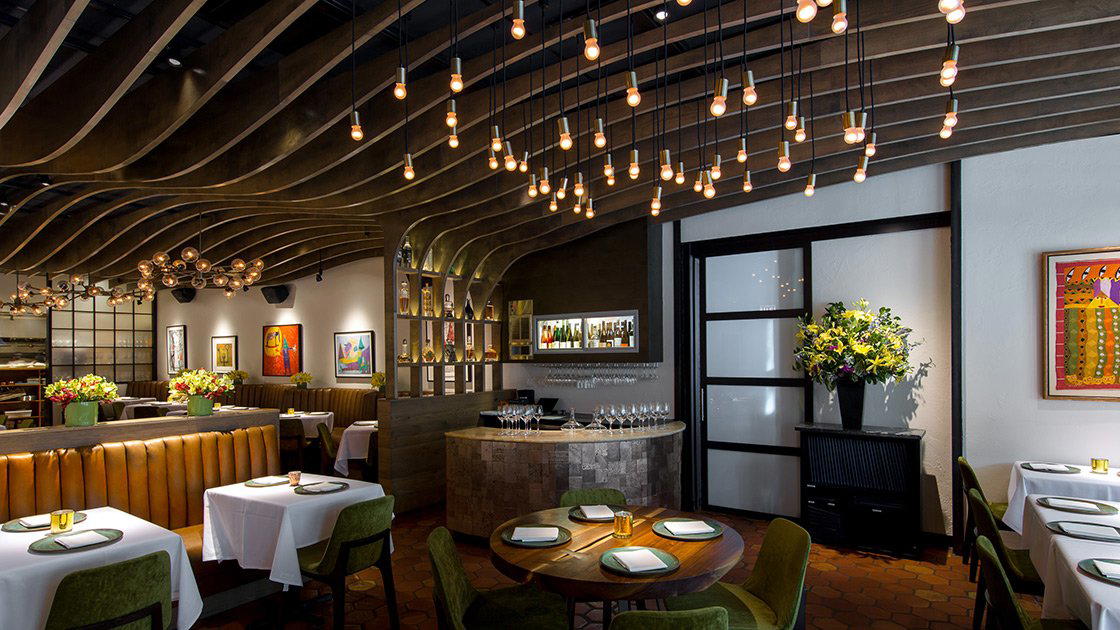
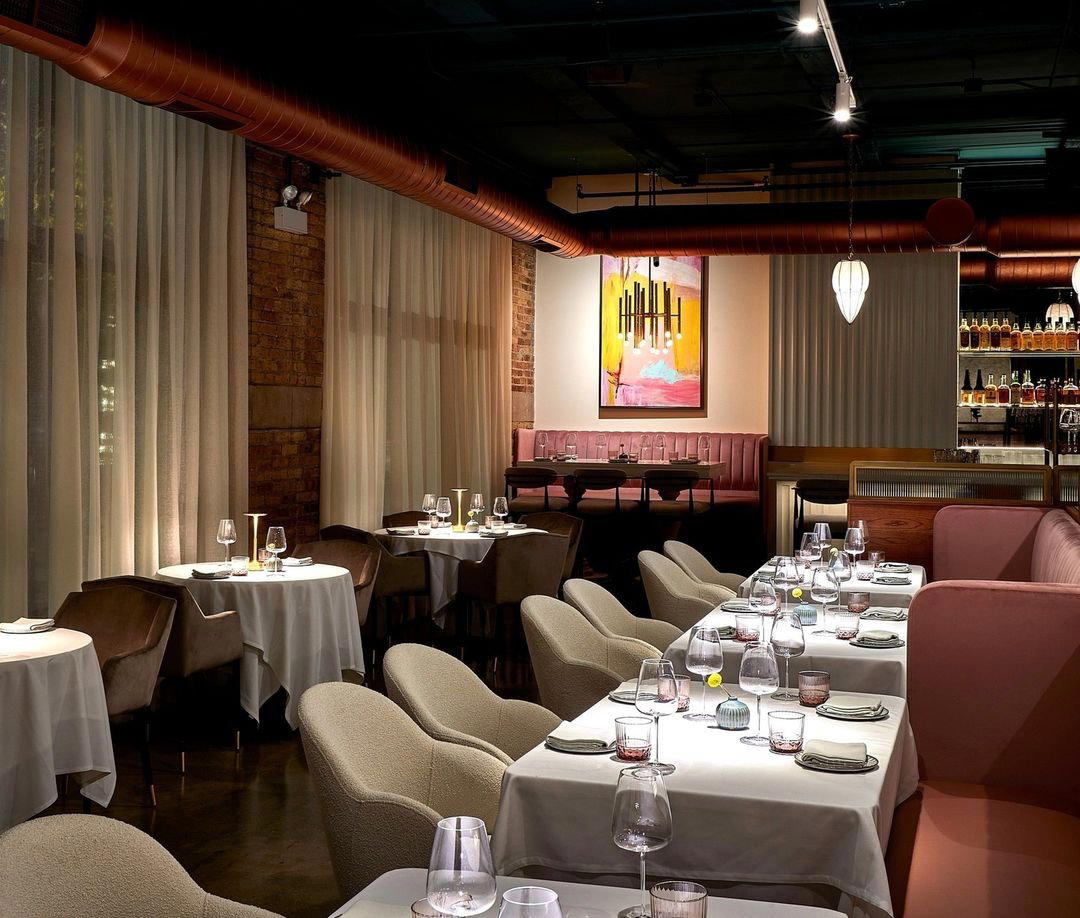
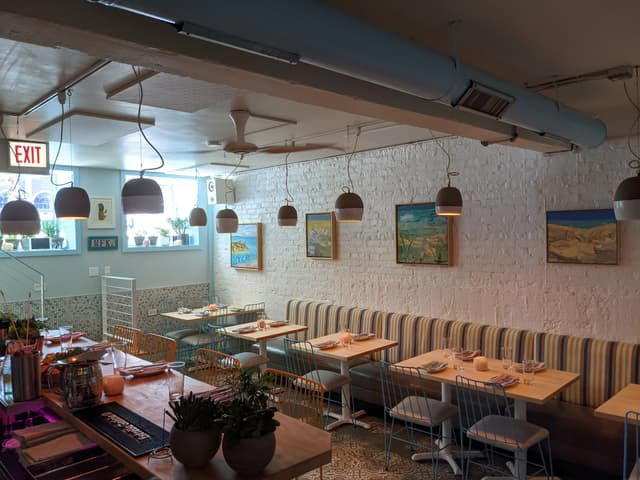
The address is 2518 N. Lincoln Ave., a stretch that sits comfortably between neighborhood fixture and destination, which is exactly the register Nadu appears to be targeting. The room reads warm rather than austere, which signals something about the intent. Where Indienne positioned itself in the refined-tasting-menu conversation alongside places like Smyth and Oriole, Nadu pulls the format back toward the table, toward sharing, and toward the kind of ordering that generates conversation rather than silence.

The Regional Indian Argument Chicago Needed

Indian cuisine in American cities has spent decades being flattened into a single generic register, usually north Indian, usually buffet-adjacent, occasionally refined but rarely specific about where dishes come from. The shift toward regional specificity is real and accelerating, and it mirrors what happened to Chinese and Mexican cooking in the previous decade as serious chefs began insisting on geographic precision. Nadu positions itself inside that shift.

The menu draws on regional traditions rather than a pan-Indian greatest-hits approach. Meen gassi, a coastal fish curry built around coconut, tamarind, dried chilies, turmeric, and curry leaves, is the kind of dish that signals geographic intent. Walleye, a freshwater fish common to the Great Lakes region, appears in that preparation, which is a meaningful editorial choice: the dish acknowledges where it is being cooked, not just where the recipe originated. That kind of thinking connects Nadu to what chefs at places like Kasama have done with Filipino cooking in Chicago, grounding a diaspora cuisine in its specific traditions while making room for local context.

Vegetable moilee, a coconut curry that runs lighter and more fragrant than its tamarind-heavy coastal cousins, appears alongside ghee bhat and naan as natural accompaniments. The vegetarian menu is not an afterthought here; it functions as a parallel track with its own internal logic, which is consistent with the regional southern and coastal Indian traditions Nadu is drawing from, where vegetable cookery carries as much technical weight as meat and fish preparations.

Critical Reception and What It Implies

Nadu's reputation rests significantly on the credibility transferred from Indienne, which itself became a reference point in Chicago's conversation about serious Indian cooking. In a city where the highest-profile restaurant recognition tends to cluster around progressive American formats at places like Next Restaurant, a chef who has built critical standing in a different cuisine category carries meaningful weight. The willingness to follow a lauded fine-dining project with something more informal and regionalist is a deliberate creative choice, not a retreat.

That trajectory matters when you place it against what's happening in the broader national conversation about Indian cooking. Restaurants in New York, Los Angeles, and San Francisco have spent the last several years making the case that regional Indian cuisine deserves the same critical apparatus applied to French or Japanese cooking. Internationally, the standard has been set by places like 8 1/2 Otto e Mezzo Bombana and Alain Ducasse at Louis XV, which demonstrate what happens when a cuisine is treated with full technical and curatorial seriousness over time. The Indian cooking conversation in America is at an earlier stage of that same process, and Nadu is one of the Chicago restaurants making the argument locally.

For comparison, consider what Lazy Bear did for California communal dining, or what Providence has done for seafood in Los Angeles: establishing a credible, specific point of view that accumulates critical recognition over time. Nadu is early in that arc, but the foundation, chef track record, regional specificity, and a format built for repeat visits rather than one-time occasions, is structured for accumulation.

Format, Mood, and How to Eat Here

The sharing-plate format is not incidental. It shapes the entire experience, including pacing, group dynamics, and ordering strategy. Dishes designed for the table rather than the individual plate mean that a group of three or four will eat more broadly and more satisfyingly than a pair who plays it conservative. Order across both vegetarian and non-vegetarian columns, let the meen gassi anchor the table, and let the moilee provide contrast in weight and flavor. Dessert, specifically an apricot preparation that has drawn early attention, functions as a proper conclusion rather than an obligatory gesture.

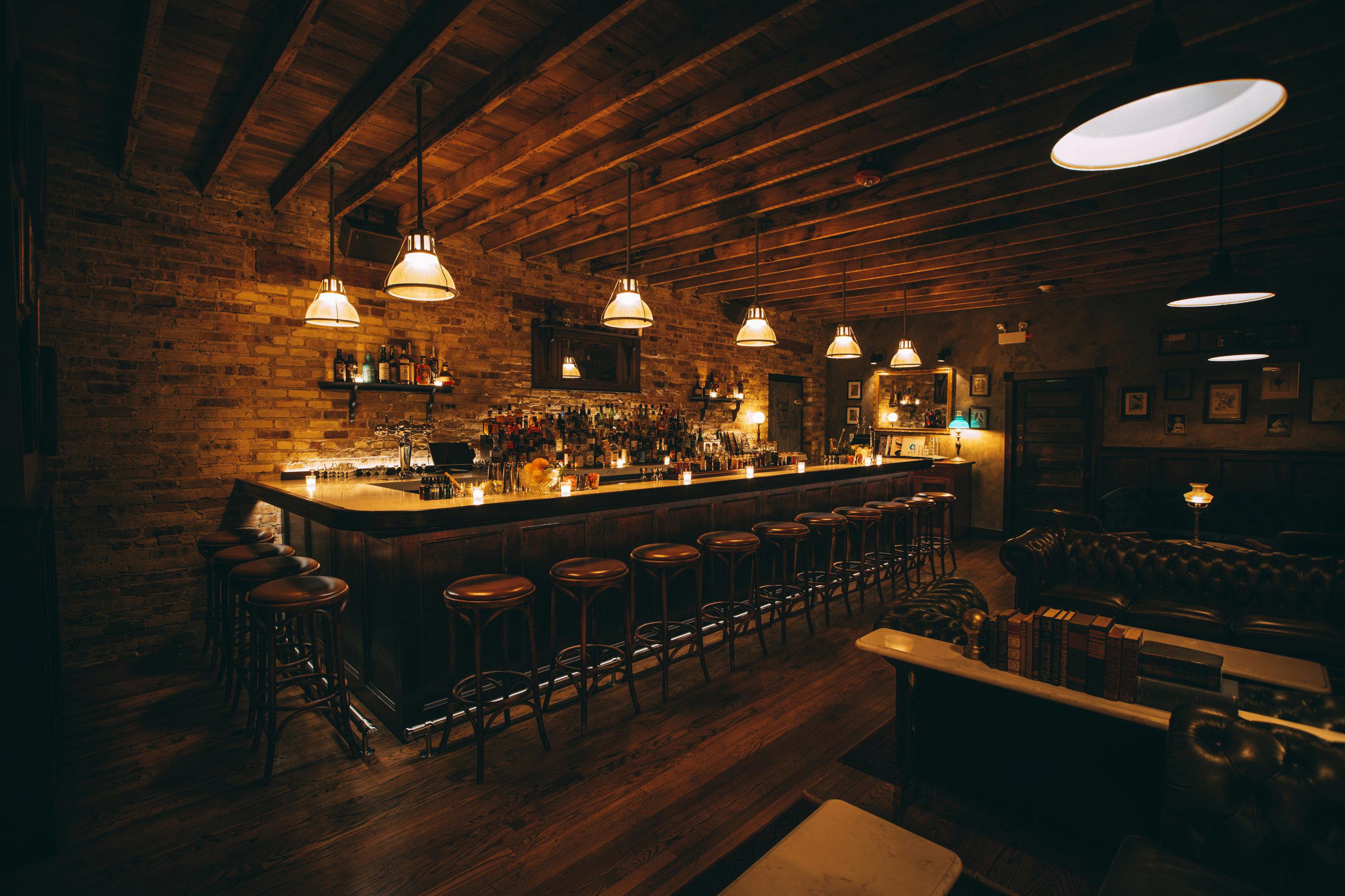
The full-service bar accommodates walk-ins, which gives Nadu a flexibility that few restaurant-category peers in Chicago maintain. Reservations are advised for the dining room, particularly as word from Indienne's audience continues to migrate over. Lincoln Park draws a mix of neighborhood regulars and destination diners, and Nadu's pricing and format are calibrated to serve both without sacrificing seriousness. For those planning a broader Chicago evening, the city's bar scene offers strong options nearby, and Chicago's hotel options cover the full range from neighborhood boutique to downtown landmark.

Placing Nadu in the Chicago Dining Map

Chicago's restaurant culture has a long tradition of absorbing immigrant cuisines and eventually elevating the conversation around them, from the city's storied Polish and Mexican traditions to the more recent critical attention paid to Filipino cooking. Indian cuisine has historically been underleveraged in that critical conversation relative to its depth and regional variety. Nadu represents a deliberate effort to shift that, using the chef's established credibility and a format that invites broad ordering rather than cautious sampling.

For readers building a Chicago itinerary around serious eating, the full Chicago restaurants guide maps the city's range from progressive tasting-menu formats to neighborhood-led specialists. Nadu occupies a specific and useful position in that map: it is the place to go when you want cooking with real regional specificity and the freedom to eat the way Indian cuisine is designed to be eaten, across many dishes, at a shared table, without the ceremony of a tasting-menu format. That is a different proposition from what The French Laundry or Single Thread offer, and it is a different proposition from Indienne. It is, in that sense, its own argument, and it is one Chicago's dining scene has been waiting for someone to make seriously.

For broader trip planning beyond restaurants, EP Club's Chicago experiences guide and Chicago wineries guide cover the city's wider cultural and beverage programming. Comparisons to nationally recognized peers like Le Bernardin in New York or Emeril's in New Orleans are useful for calibrating expectation: Nadu is not in the white-tablecloth formality register, but it is operating with comparable intentionality about cuisine and sourcing.

Frequently Asked Questions

Would Nadu be comfortable with kids?
The communal sharing format and warm, upbeat room make Nadu more family-adaptable than a tasting-menu restaurant. The mood skews convivial rather than hushed, which tolerates younger diners better than Chicago's formal fine-dining tier. That said, the menu's regional Indian flavors, including spiced fish curries and coconut-based preparations, may be more interesting to adventurous young eaters than picky ones.
Is Nadu better for a quiet night or a lively one?
Nadu runs on a lively register by design. Sharing plates, a full-service bar, and a room described as consistently upbeat mean this is not the place for an intimate, low-key dinner. If you want that in Chicago, the tasting-menu formats at Smyth or Oriole deliver a quieter, more choreographed experience. Nadu is the better choice when the occasion calls for energy and communal eating.
What's the signature dish at Nadu?
Meen gassi draws the most attention: walleye in a coconut and tamarind curry built with dried chilies, turmeric, and curry leaves. It is rooted in coastal Indian tradition and adapted with a locally sourced fish, which reflects the broader editorial intent behind the chef's approach to regional Indian cooking. Vegetable moilee is the vegetarian counterpart worth ordering alongside it.
Do I need a reservation for Nadu?
Reservations are advised for the dining room. The chef's track record with Indienne means Nadu is drawing from an established audience in addition to new visitors, and demand is likely to build as critical recognition accumulates. The bar accommodates walk-ins, which gives you a fallback if the dining room is full, but planning ahead is the more reliable approach.
What's Nadu leading at?
Regional specificity. The menu draws on southern and coastal Indian traditions with the kind of geographic precision that is rare in Chicago's Indian restaurant category. The chef's credibility, established at Indienne, transfers here in the form of sourcing decisions and flavor discipline. If you want to understand what regional Indian cooking can look like when it is treated with the same seriousness applied to French or Japanese cuisine in this city, Nadu is currently the most credible place to make that argument on Lincoln Avenue.

Peer Set Snapshot

A quick peer list to put this venue’s basics in context.

Collector Access

Need a table?

Our members enjoy priority alerts and concierge-led booking support for the world's most difficult tables.

Get Exclusive Access