On 9th Avenue in San Francisco's Inner Sunset, Nabe occupies a neighbourhood position that rewards those willing to move away from the downtown fine-dining corridor. The restaurant draws on Japanese nabe tradition, a format built around communal hot-pot cooking that makes menu structure and table-side ritual the central experience. It sits in a tier of the city's dining scene where intimacy and format discipline carry more weight than square footage or awards count.
Pearl is the En Primeur Club membership app — saves, bookings, and concierge access live there. Same editors, same standards.
- Address
- 1325 9th Ave, San Francisco, CA 94122
- Phone
- (628) 224-8388
- Website
- nabesf.com
- Directions
- Get directions
 Saves & bookings on Pearl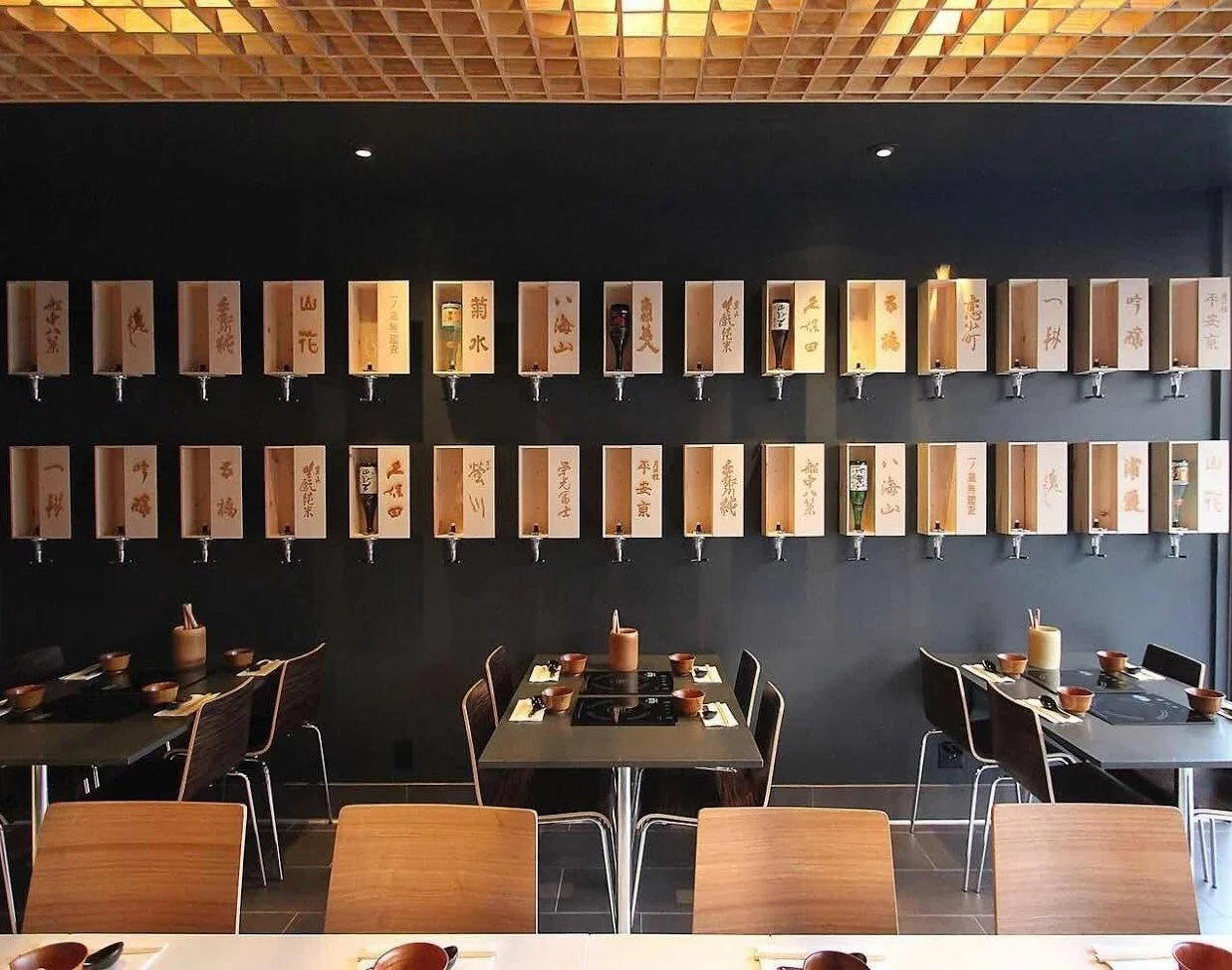
Inner Sunset, Outer Orbit: Where Nabe Sits in San Francisco's Dining Map
San Francisco's premium restaurant corridor runs predictably through SoMa, the Financial District, and Hayes Valley. The Inner Sunset operates on different logic. The fog rolls in earlier off the Pacific, the avenues are quieter, and the restaurants along 9th and Irving tend to earn loyalty from residents rather than from reservation-hunting visitors. Nabe, at 1325 9th Ave, belongs to that neighbourhood register: a restaurant whose address alone signals something about its intended relationship with its guests.
That geographic positioning matters because it shapes expectations before you walk through the door. You are not arriving at a venue designed around the theatre of a downtown tasting counter. The Inner Sunset has historically housed some of the city's most consistent Japanese and Japanese-influenced cooking, and Nabe draws directly on that context.
The Logic of the Nabe Format
The word nabe refers to the Japanese hot-pot tradition, a format that is communal by design and sequential by necessity. Unlike tasting menus at Quince or Saison, where a kitchen's pacing and plating dictate the rhythm of the meal, the nabe format distributes some of that control to the table. Ingredients arrive raw or lightly prepared, broth simmers at the centre, and the meal unfolds through conversation and collective timing rather than through a brigade's choreography.
This structural decision is not casual. In Japan, nabe is a cold-weather format, the kind of meal eaten when the temperature drops and a shared pot of dashi becomes the anchor for the evening. Transplanting that logic to San Francisco's Inner Sunset, where the microclimate genuinely earns its foggy reputation, is an alignment that feels intentional rather than coincidental. The format suits the neighbourhood's temperature and its pace.
What the menu architecture of a nabe restaurant reveals is a set of editorial choices that differ fundamentally from à la carte or tasting-menu formats. The kitchen must select a broth that works as a sustained backdrop, a neutral dashi, a richer chicken paitan, a tonkotsu base, and then build the rest of the menu around ingredients that will cook and transform in that liquid. The sequence moves from lighter proteins to richer cuts, from delicate vegetables to starchier additions, each addition changing the flavour of the broth as the meal progresses. By the end of a well-constructed nabe meal, the broth has absorbed the residue of everything cooked in it, and the final course of zosui (rice porridge cooked in the enriched stock) or ramen noodles closes the loop. It is a menu format with a clear beginning, middle, and end that does not require a printed tasting-menu card to communicate its arc.
Compared to the hyper-composed formats at places like Alinea in Chicago or Le Bernardin in New York City, nabe places the emphasis on transformation over composition, on process over presentation. The aesthetic is different, and the value proposition is different: you are paying for ingredients, broth quality, and the architecture of the sequence, not for plate-level artistry.
San Francisco's Japanese Dining Context
The Bay Area has a Japanese food culture that is both older and more geographically dispersed than most American cities. Japantown in the Western Addition holds institutional restaurants and grocery infrastructure that has served the community for generations. The Richmond and Sunset districts carry the bulk of the city's neighbourhood-level Japanese cooking, from ramen shops to izakayas to the kind of small specialist restaurants that exist without marketing departments. Internationally, the nabe format sits in a competitive frame that includes deeply established specialists, a point worth making when comparing San Francisco options to venues like 8 1/2 Otto e Mezzo Bombana in Hong Kong, where Asian culinary traditions operate at a different scale of cultural density.
Within San Francisco, a Japanese hot-pot specialist occupies a niche that the city's Michelin-focused fine-dining tier does not directly address. The restaurants that hold starred recognition, including those in the full San Francisco restaurants guide, tend toward Western or fusion formats. A nabe-focused restaurant operates in a separate competitive set, closer to the city's neighbourhood Japanese dining tradition than to the tasting-menu corridor, and that positioning defines both its audience and its pricing logic.
How Nabe Compares in the City's Broader Scene
| Venue | Format | Price Tier | Booking Lead Time |
|---|---|---|---|
| Nabe (Inner Sunset) | Japanese hot-pot, communal | Mid-range (est.) | Low to moderate |
| Lazy Bear | Progressive American tasting | $$$$ | Weeks to months |
| Benu | French-Chinese tasting | $$$$ | Months |
| Atelier Crenn | Modern French tasting | $$$$ | Months |
| Saison | Progressive Californian tasting | $$$$ | Weeks to months |
The comparison makes the positioning clear. Nabe operates outside the tasting-menu tier that dominates the city's premium dining press coverage, which means a format that welcomes groups rather than couples or solo diners optimizing for countertop access. For visitors constructing an itinerary that includes a night at The French Laundry in Napa or a meal at Single Thread Farm in Healdsburg, Nabe represents a contrasting register: informal, communal, and neighbourhood-anchored rather than destination-driven.
Planning a Visit
The Inner Sunset is accessible from downtown San Francisco by the N Judah Muni line, with stops near 9th Avenue. The neighbourhood's dining density means parking is easier than in SoMa or the Financial District, and the area rewards an early evening arrival when the fog is already in and the logic of a hot-pot meal makes immediate sense. Reservations are recommended.
For visitors already planning tasting-menu nights at venues like Providence in Los Angeles or Addison in San Diego, building a San Francisco itinerary that includes a nabe night creates a useful contrast in format and pace. The meal is slower, the table is louder, and the finish is typically a bowl of fortified broth rather than a petits-fours tray, a different kind of close, and a satisfying one.
Cuisine Context
Comparable venues nearby, for context on price, style, and recognition.
| Venue | Cuisine | Price | Notes |
|---|---|---|---|
| NabeThis venue — the venue you are viewing | Japanese Hotpot (Shabu Shabu & Sukiyaki) | $$ | Not listed |
| The Roll | Authentic Japanese Sushi and Futomaki | $$ | South of Market |
| Tokyo Express Restaurant | Japanese Sushi & Teriyaki | $$ | Chinatown |
| Mamanoko | Japanese Izakaya & Sushi | $$ | Marina |
| Sanraku | Authentic Japanese Sushi | $$ | Nob Hill |
| Sushi On North Beach | Authentic Japanese Sushi | $$ | North Beach |
Continue exploring
More in San Francisco
Restaurants in San Francisco
Browse all →
Bars in San Francisco
Browse all →
Hotels in San Francisco
Browse all →
At a Glance
- Cozy
- Modern
- Group Dining
- Casual Hangout
- Open Kitchen
- Sake Program
Current opening hours
- Monday
- Closed
- Tuesday
- Closed
- Wednesday
- 4:30–9:30 PM
- Thursday
- 4:30–9:30 PM
- Friday
- 4:30–9:30 PM
- Saturday
- 4:30–9:30 PM
- Sunday
- 4:30–9:30 PM
Hours can change for holidays and private events. Last verified .
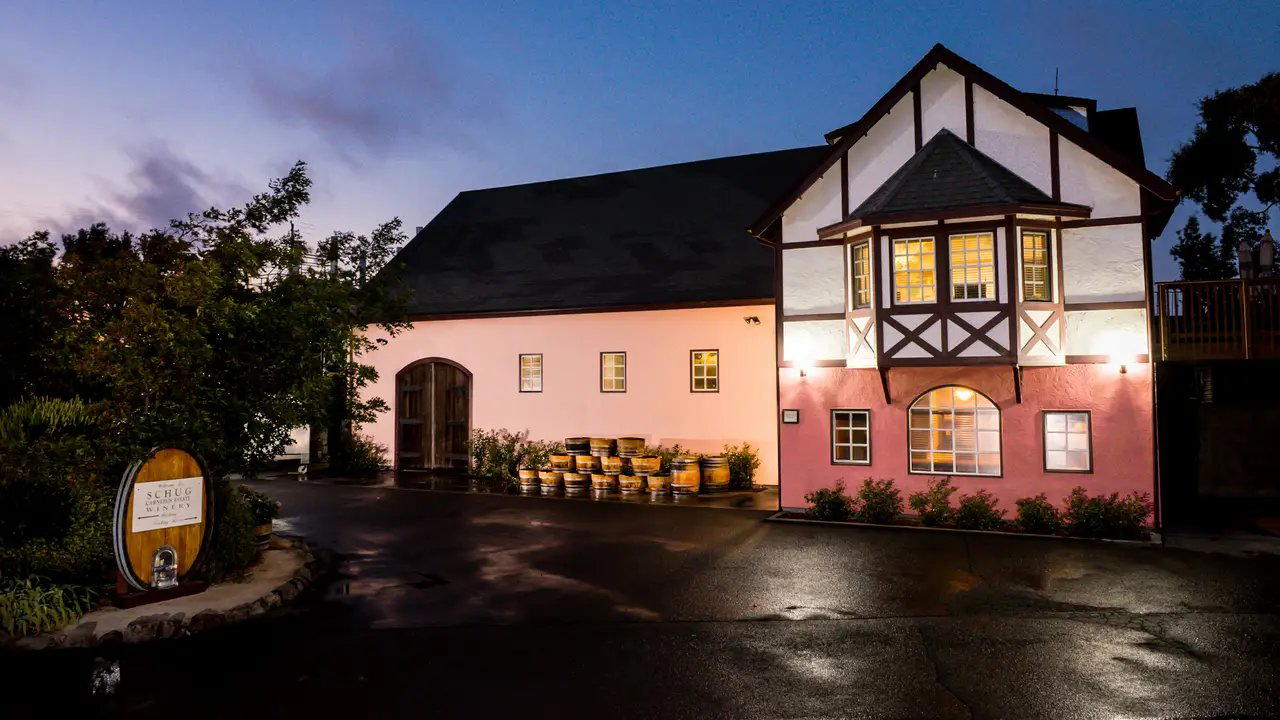
Cozy atmosphere with steam-filled windows, communal tables, and walls lined with artisanal sake bottles creating a warm, modern hotpot environment.