My Sushi Sensei
Our verdict
My Sushi Sensei brings Japanese-influenced cuisine to Post Falls, Idaho, a market where serious fish work sits outside the obvious metropolitan circuits. Located on East Horsehaven Avenue, the restaurant occupies a tier of its own within the Inland Northwest's limited sushi offering, drawing diners who want more than supermarket-grade cuts in a region better known for steak and potatoes.

Pearl is the En Primeur Club membership app, where members save venues, book tables and use the concierge.
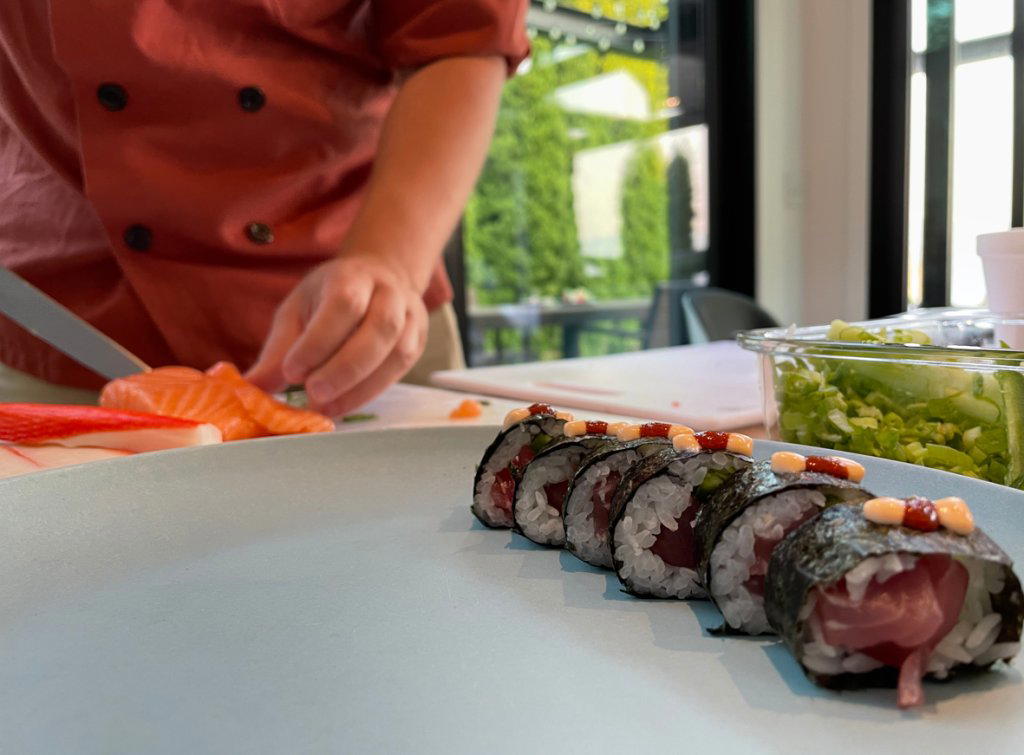
Sushi in the Inland Northwest: What the Setting Actually Means
Post Falls sits at the eastern edge of Washington State's border, inside a corridor of Idaho communities that have grown fast enough to develop real dining ambition but remain outside the gravitational pull of West Coast fish markets and Japanese import networks. That geography matters when evaluating any sushi restaurant in this zip code. The sourcing calculus for a counter in Spokane Valley or Coeur d'Alene is genuinely different from the one facing, say, ITAMAE in Miami or Le Bernardin in New York City, where proximity to port and established Japanese supplier networks compress the distance between water and plate. Here, every piece of quality fish represents a deliberate logistical commitment rather than a given.
My Sushi Sensei, at 3758 East Horsehaven Avenue, operates within that constraint and, by local account, works within it seriously. The Horsehaven corridor is commercial rather than atmospheric, strip retail, surface parking, the functional architecture of a fast-growing Idaho suburb, and the restaurant does not pretend otherwise. What matters at this address is what arrives on the plate and where it came from, not the street-level theatre.
The Sourcing Question in a Landlocked Market
American sushi's quality ceiling is now set by a handful of coastal counters: the omakase rooms in Manhattan's Midtown, the Nikkei-influenced kitchens at addresses like Causa in Washington, D.C., and farm-to-table-adjacent operations such as Single Thread Farm in Healdsburg, where sourcing is both a culinary strategy and a public commitment. For sushi specifically, that ceiling is defined by access: daily Tsukiji-aligned imports, relationships with domestic aquaculture operations, and the cold-chain discipline to move product from Pacific waters to a temperature-controlled counter without compromise.
Inland markets face a version of this challenge in miniature. The honest answer is that a restaurant in Post Falls, Idaho cannot replicate the supply pipeline of a Manhattan omakase counter or the Peruvian-Japanese hybrid sourcing model at a Miami coastal address. What it can do is be deliberate about what it sources, transparent about provenance where possible, and technically precise in its handling. Those three qualities, selectivity, transparency, and technique, are the meaningful variables for any sushi operation outside a major port city, and they separate the restaurants worth attention from the ones coasting on the cuisine's aesthetic appeal without doing the underlying work.
For readers accustomed to dining at Blue Hill at Stone Barns in Tarrytown or The French Laundry in Napa, where provenance documentation is woven into the menu itself, the expectation should be recalibrated for a suburban Idaho context. The benchmark here is regional, not national.
Where My Sushi Sensei Sits in the Local Tier
The Coeur d'Alene and Post Falls dining market has matured considerably over the past decade, with restaurant density and ambition tracking the area's population growth. Within that market, Japanese cuisine remains a relatively thin category. Most sushi operations in the region anchor to a familiar mid-tier model: maki rolls with cream cheese, tempura prawn, and avocado, served in a casual setting with a broad menu built for volume rather than depth. That format serves a market, but it is a different offer from a kitchen with genuine technical focus.
My Sushi Sensei's name signals an orientation toward instruction and mastery rather than pure casual throughput, a positioning choice that suggests at minimum an aspiration toward the more disciplined end of its local category. Without confirmed awards, published critical reviews, or verified tasting notes in the, it would be inaccurate to place it against national references like Atomix in New York City or Alinea in Chicago. The relevant comparison set is regional: what the Inland Northwest's sushi category actually offers, and where this address sits within that narrower field.
For a broader map of what Post Falls currently offers across categories, our full Post Falls restaurants guide provides the category context. Readers looking at the wider Western food scene might also note how sourcing ambition plays out at very different scales at Addison in San Diego, Providence in Los Angeles, or Lazy Bear in San Francisco, each of which treats ingredient origin as a structural part of the dining proposition rather than an afterthought.
Planning a Visit: What to Expect Logistically
The Horsehaven Avenue address is accessible by car from central Post Falls in under ten minutes and sits near major retail corridors, which means parking is uncomplicated. The surrounding streetscape is suburban commercial rather than a destination dining district, so arrival on foot or by transit is not the natural mode here. Visitors arriving from Coeur d'Alene, roughly eight miles to the east, or from Spokane across the state line, should plan accordingly. Readers interested in how booking depth works at a fully documented regional operation might look at Frasca Food and Wine in Boulder as a point of reference for what advance planning looks like at a serious independent in a comparable non-coastal market.
Sushi in suburban Idaho markets generally runs below coastal urban pricing for equivalent formats, but that generalisation should be confirmed directly before budgeting a group visit. The absence of published pricing data is itself a signal to check current menus before arrival. Other Western restaurants worth tracking for comparison on price-to-ambition ratios include Brutø in Denver and Bacchanalia in Atlanta, both of which operate at a considered independent tier outside the coastal major-market system. For a look at how fine dining sourcing translates internationally, 8½ Otto e Mezzo Bombana in Hong Kong and The Inn at Little Washington offer a contrasting scale of operation. And Emeril's in New Orleans remains a useful reference point for how regional identity and sourcing narrative intersect at a well-documented American independent.
Frequently asked questions
Does My Sushi Sensei work for a family meal?
Post Falls skews toward casual, family-accessible dining, and a venue with 'Sensei' in the name signals an educational, approachable angle rather than a formal counter experience. Sushi restaurants in mid-sized American markets typically offer both counter and table seating, which broadens the family fit.
What is the atmosphere like at My Sushi Sensei?
The Horsehaven Avenue address places the restaurant in a retail-adjacent corridor in Post Falls, which tends to produce accessible, neighbourhood-focused environments rather than hushed fine-dining rooms. Post Falls diners in this corridor generally expect a relaxed setting.
Is My Sushi Sensei the only dedicated sushi restaurant in Post Falls, ID?
The Coeur d'Alene and Post Falls corridor has relatively sparse Japanese restaurant representation compared to coastal metro markets, and My Sushi Sensei at 3758 E Horsehaven Ave occupies a specific niche in that gap. Checking local directories alongside this listing gives the most accurate picture of the competitive set.
What's the best thing to order at My Sushi Sensei?
What the Inland Northwest sushi market rewards, broadly, is freshness management from landlocked suppliers, making fish rotation and sourcing transparency worth asking about when you arrive. The staff at 3758 E Horsehaven Ave are the right source for current recommendations.
Where do I go for My Sushi Sensei?
My Sushi Sensei is located at 3758 E Horsehaven Ave, Post Falls, ID 83854, Post Falls.
Should I book My Sushi Sensei in advance?
For a sushi-focused restaurant in a growing market like Post Falls, walk-in availability can vary significantly on weekends. Arriving early or contacting the restaurant directly at the Horsehaven Avenue location before a weekend visit is the lower-risk approach.
What's My Sushi Sensei best at?
Without documented awards, a named chef, or a confirmed cuisine breakdown, the strongest claim comes from context: My Sushi Sensei holds a specific sushi-focused position in a Post Falls dining market that has matured considerably over the past decade but still has limited Japanese restaurant density. That positioning makes it a reference point for the area rather than a destination you'd cross state lines for without more information in hand.
Comparison Snapshot
Comparable venues nearby, for context on price, style, and recognition.
| Venue | Cuisine | Price | Notes |
|---|---|---|---|
| My Sushi SenseiThis venue (the venue you are viewing) | Interactive Sushi Experience | Not listed | Not listed |
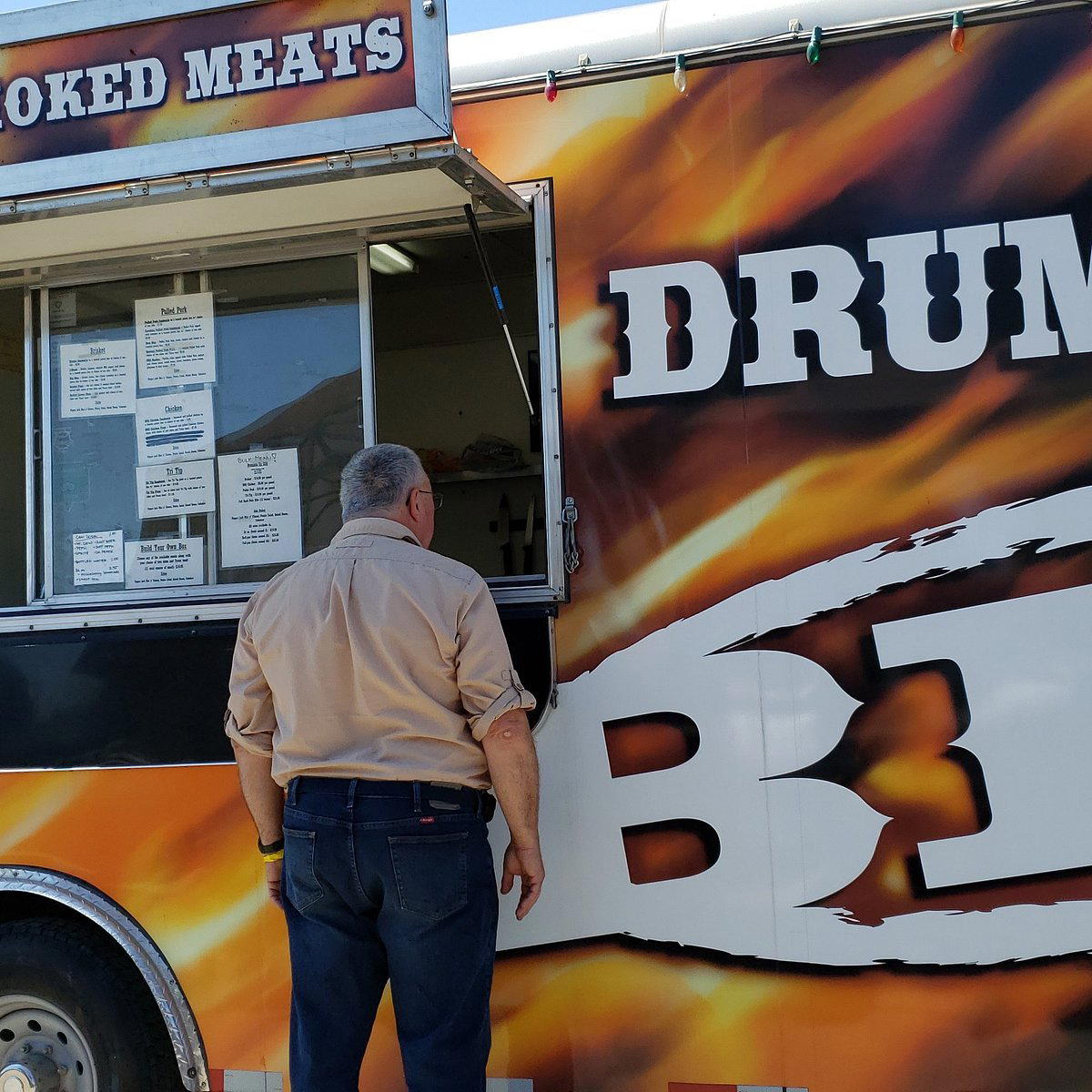
| Drummin Up BBQ | Competition BBQ | $10–20 | N Government Way |
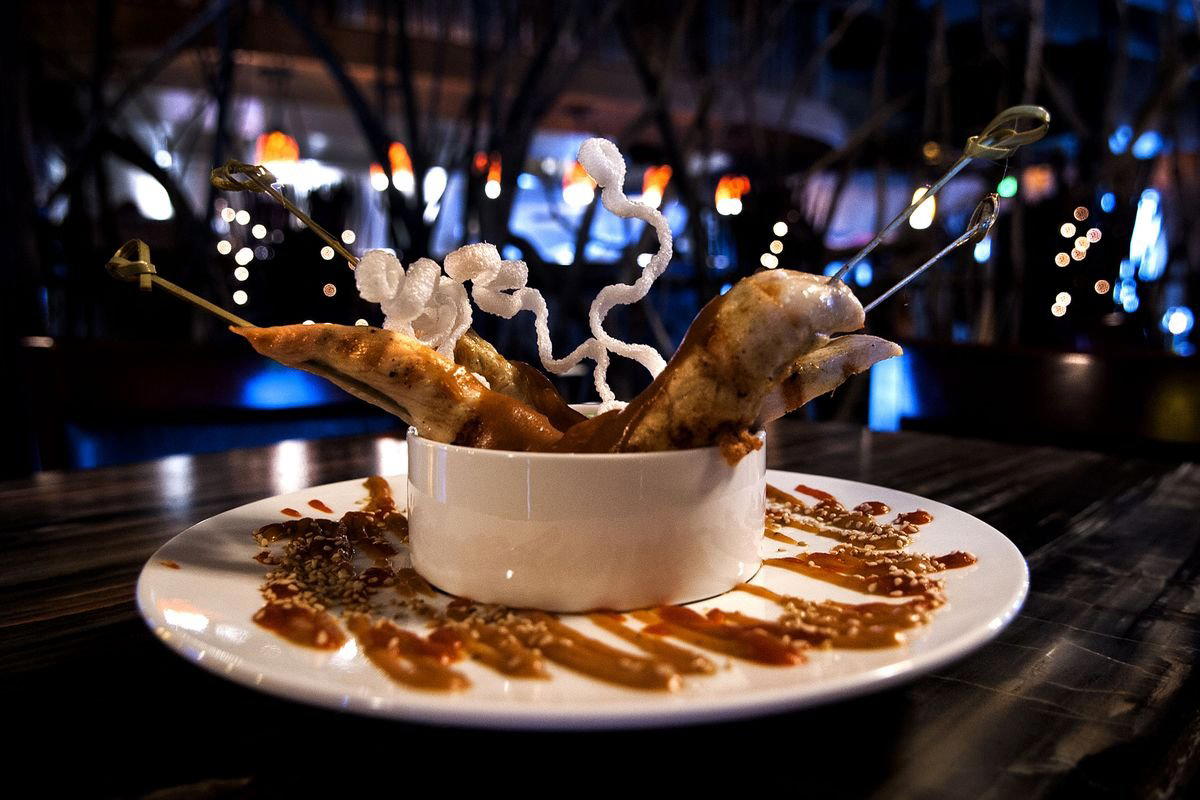
| Satay Bistro | American Fusion Bistro | $30–50 | Coeur d'Alene |
| Epi's A Basque Restaurant | Authentic Basque Cuisine | $30–50 | Downtown Meridian |
| Yen Ching | Mandarin, Hunan & Sichuan Chinese | $20–30 | Downtown |
| Cascadia Pizza Co. | Neapolitan-Inspired Wood-Fired Pizza | $20–30 | Coeur d'Alene |
Continue exploring
More in Post Falls
Restaurants in Post Falls
All restaurants in Post Falls →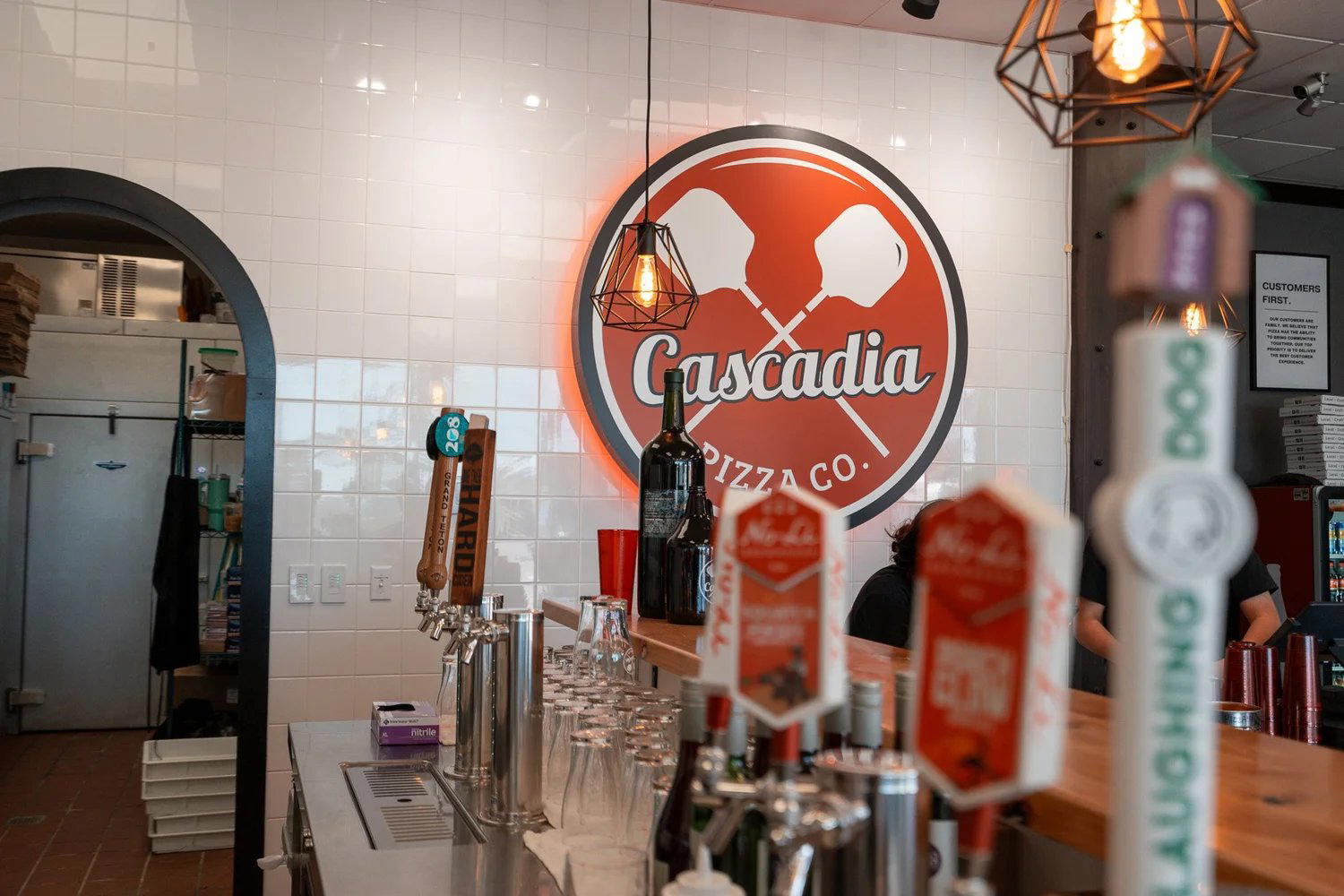
Bars in Post Falls
Browse all →


Hotels in Post Falls
Browse all →
Details
- Lively
- Trendy
- Family
- Casual Hangout
- Open Kitchen
- Sake Program
- A La Carte
Current opening hours
- Monday
- Closed
- Tuesday
- 11 AM–7 PM
- Wednesday
- 11 AM–7 PM
- Thursday
- 11 AM–7 PM
- Friday
- 11 AM–7 PM
- Saturday
- 11 AM–7 PM
- Sunday
- 11 AM–3 PM
Hours can change for holidays and private events. Hours as of .
Lively and immersive atmosphere focused on fun, engaging sushi-making classes suitable for families.