Satay Bistro
Our verdict
Satay Bistro on North 4th Street brings Southeast Asian-inflected cooking to Coeur d'Alene's north side, a part of the city where ingredient-forward casual dining has been quietly taking hold. The name signals a specific culinary commitment: satay as a tradition rooted in charcoal, marinade, and sourcing decisions that define the dish long before it reaches the grill. For the broader Coeur d'Alene dining scene, it represents a category of cooking that rewards attention.

Pearl is the En Primeur Club membership app, where members save venues, book tables and use the concierge.
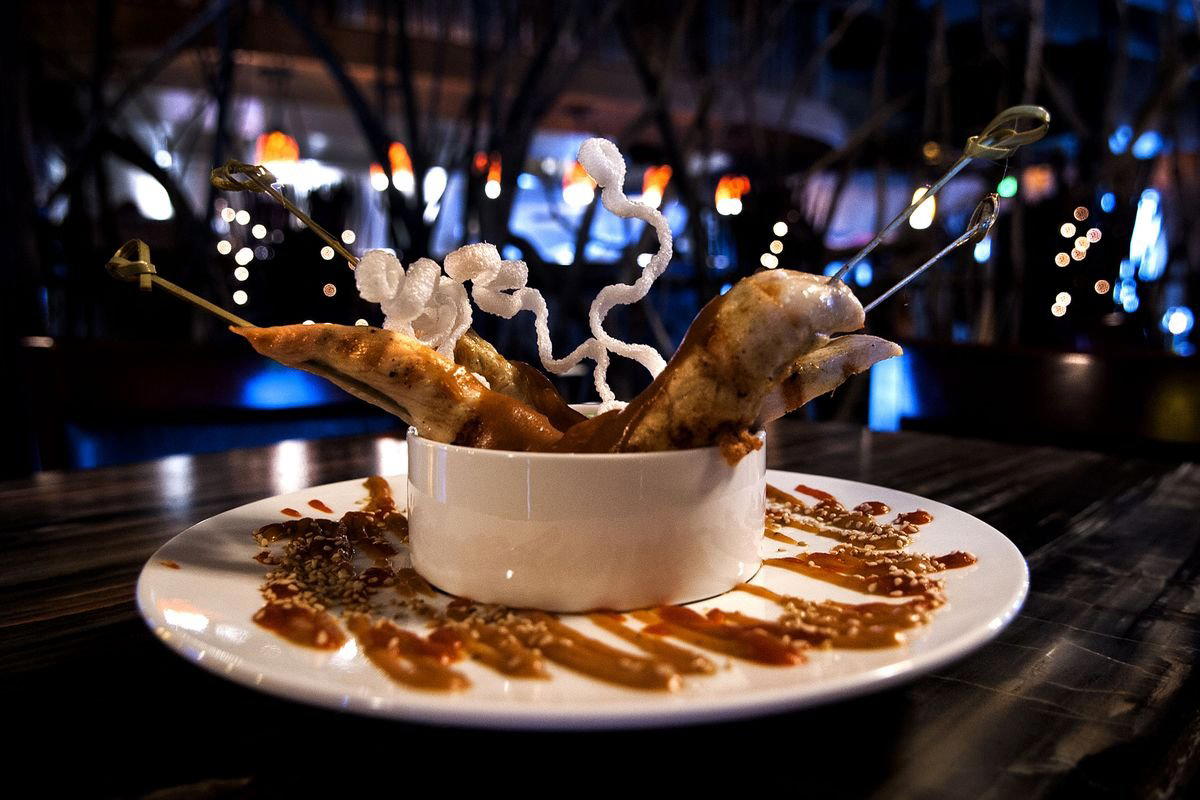
The menu
What to order
- Chinook Salmon Chowder
- Tenderloin Meatloaf & Tiger Prawns
- Georgia Peanut Butter Fudge Cake
Where North 4th Street Meets Southeast Asian Tradition
Coeur d'Alene's dining identity has long been shaped by its geography: a lakeside resort city in the Idaho Panhandle, surrounded by timber country and agricultural valleys, with a food culture that has historically leaned toward the familiar. The north side of the city, anchored by corridors like North 4th Street, tells a slightly different story. This is where independent operators with specific culinary commitments tend to land, away from the tourist-facing waterfront and closer to the everyday rhythms of a working neighborhood. Satay Bistro at 2501 N 4th St sits inside that pattern.
The name itself carries editorial weight. Satay is one of Southeast Asia's most ingredient-dependent preparations: the marinade, the protein, the skewer material, and the heat source each shape the final result in ways that distinguish a considered version from a generic one. In a city where Southeast Asian cooking has limited representation, a restaurant that orients its identity around that dish is making a specific claim about sourcing and technique before a single plate arrives at the table.
The Sourcing Logic Behind Southeast Asian Cooking in the Inland Northwest
The broader argument for ingredient-sourcing matters more acutely in inland cities than it does in coastal ones. In Portland or Seattle, proximity to Asian specialty importers, Pacific fisheries, and dense agricultural infrastructure makes it easier for Southeast Asian kitchens to work with the right raw materials. In Coeur d'Alene, the supply chain requires more deliberate choices. Operators who get this right typically maintain relationships with specialty distributors, import key aromatics and fermented condiments, and source proteins with an eye toward the marinade's demands rather than generic commodity supply.
This is the context in which the ingredient-sourcing angle at Satay Bistro becomes meaningful. The Pacific Northwest's agricultural corridor, running through eastern Washington and northern Idaho, offers access to quality proteins and some produce, but the pantry requirements of Southeast Asian cooking, including lemongrass, galangal, turmeric root, shrimp paste, palm sugar, and specific chili varieties, typically require supply decisions that go beyond what a general-purpose distributor can provide. Restaurants in this category that take those decisions seriously tend to reflect it in the depth and consistency of their flavor profiles.
For comparison, the sourcing discipline that defines destination-level farm-to-table operations like Single Thread Farm in Healdsburg or Blue Hill at Stone Barns in Tarrytown operates on a different scale and with different resources. But the underlying principle, that the provenance of ingredients shapes the integrity of a dish, applies across price tiers and culinary traditions. In an inland city context, a Southeast Asian kitchen making considered sourcing choices is operating in the same spirit, if not the same bracket.
Coeur d'Alene's Casual Dining Register
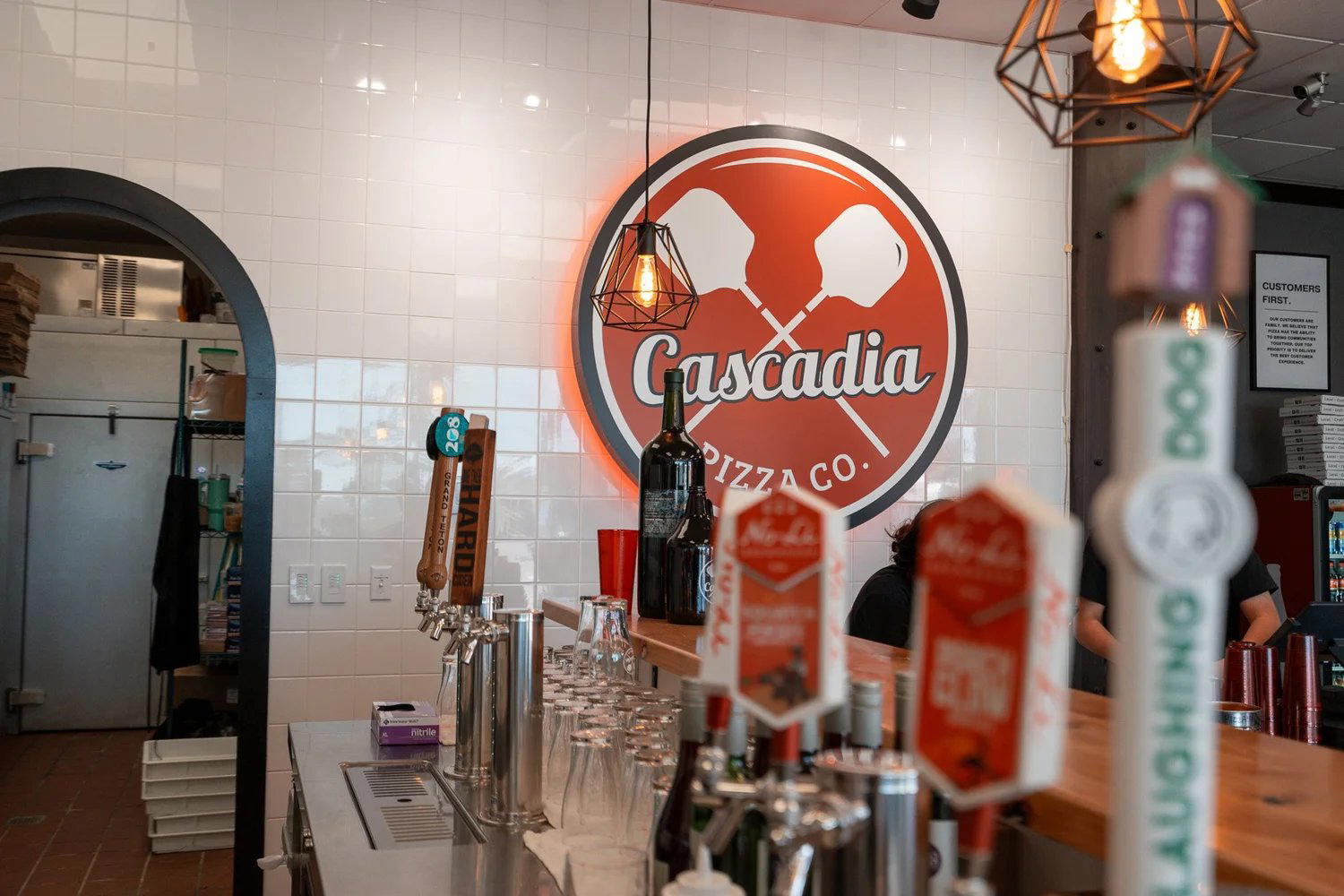
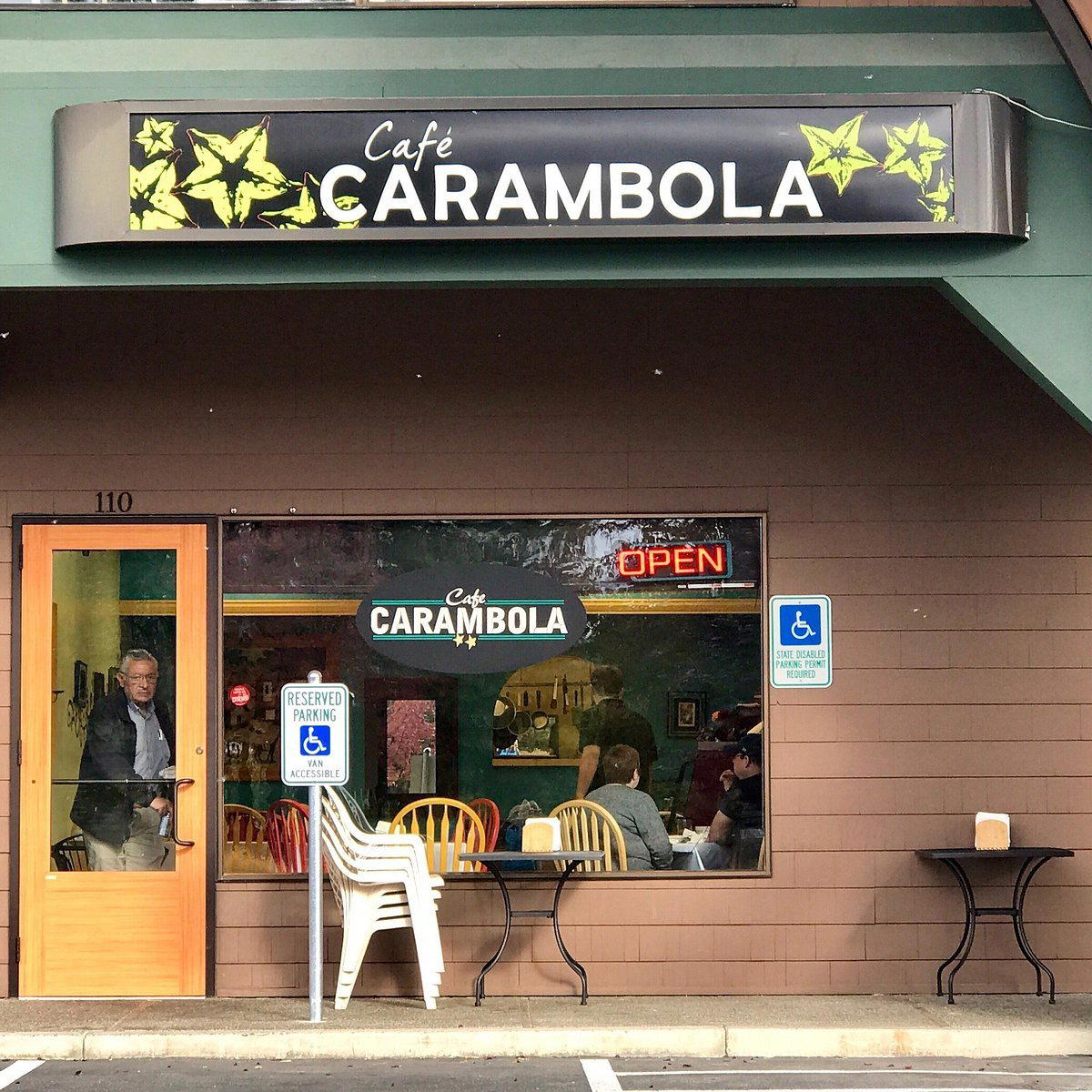
Most of what gets written about Coeur d'Alene dining focuses on the waterfront and the resort corridor. The independent casual scene is less documented but no less active. Venues like Café Carambola and Cascadia Pizza Co. occupy different positions within that tier, as does Drummin Up BBQ, which anchors a different flavor tradition entirely. What these operators share is a commitment to a specific culinary identity rather than a broad, crowd-pleasing menu designed to absorb maximum tourist traffic.
Satay Bistro fits that cohort. A restaurant whose name anchors it to a single Southeast Asian preparation is not trying to be everything. It is staking out a position. In a casual dining market where differentiation is often limited to price point or portion size, that kind of specificity is worth noting. The full Coeur d'Alene restaurants guide maps this scene in more detail, including how the north side's independent operators compare to the waterfront's more commercial offerings.
How Satay Bistro Sits Within a National Conversation
Southeast Asian cooking has been moving through a significant reappraisal in American restaurant culture over the past decade. At the high end, operations like Atomix in New York City have demonstrated how Asian culinary traditions can anchor destination-level dining. At the mid-market level, the same traditions have been gaining ground in cities where they were previously underrepresented, including inland mountain-west and Pacific Northwest cities.
The satay format specifically, skewered and grilled protein with a marinade-forward profile, has demonstrated staying power in this environment because it translates clearly across familiarity levels. A diner new to Southeast Asian food can engage with the format through texture and grilled flavor; a more experienced diner reads the marinade's spice hierarchy and the dipping sauce's balance as markers of sourcing and technique quality. That dual legibility makes it a strong anchor for a restaurant in a market like Coeur d'Alene, where the audience spans both ends of that spectrum.
For reference, the kind of ingredient precision that drives tasting-menu-level cooking at places like The French Laundry in Napa, Alinea in Chicago, or Le Bernardin in New York City operates from a different structural position. But the sourcing argument, that provenance and preparation method are inseparable, runs through all of them, and it runs through a well-executed satay just as directly.
Planning a Visit
Satay Bistro is located at 2501 N 4th St in Coeur d'Alene, on the city's north side rather than the tourist-facing waterfront district. Given the neighborhood's character, walk-in dining is likely the standard format, though confirming ahead for larger groups is a reasonable precaution during peak Idaho summer season, when the city's overall dining traffic increases substantially.
The north-side location also means this is a more local-facing visit than a waterfront excursion. Pairing it with other independent operators in the area, rather than treating it as part of a resort-district itinerary, is the more useful frame for getting the most out of the neighborhood.
Frequently asked questions
Is Satay Bistro suitable for children?
The bistro format on N 4th St points toward a relaxed, casual setting rather than a formal dining room, which typically reads as family-accessible. Southeast Asian menus often include grilled proteins and rice dishes that work across age groups. For specific seating arrangements or menu accommodations for children, check directly with the restaurant before visiting.
Is Satay Bistro formal or casual?
The name and format signal a casual register. Satay Bistro sits on the north side of Coeur d'Alene at 2501 N 4th St, away from the resort-corridor restaurants that tend to run dressier. Expect counter or bistro-style seating rather than white-tablecloth service.
Is Satay Bistro the only Southeast Asian restaurant in Coeur d'Alene?
Coeur d'Alene's independent dining scene is not heavily documented, and the North 4th Street address places Satay Bistro outside the waterfront and resort corridors where most coverage concentrates.
What should I eat at Satay Bistro?
The name points directly to satay as the kitchen's anchor, grilled, skewered meat served with sauce is the format the restaurant has built its identity around. Southeast Asian menus in this vein typically extend to rice plates, noodle dishes, and accompaniments that frame the skewers.
What's the address for Satay Bistro?
Satay Bistro is located at 2501 N 4th St, Coeur d'Alene, ID 83814, Coeur D Alene.
Can I walk in to Satay Bistro?
No reservations policy is documented for Satay Bistro, and the casual bistro format at 2501 N 4th St in Coeur d'Alene suggests walk-ins are likely accommodated. That said, peak weekend evenings in a city with a compressed independent dining scene can fill small rooms quickly.
What's the defining dish or idea at Satay Bistro?
Satay, skewered, charcoal- or flame-grilled meat served with peanut or other dipping sauces, is the organising principle the restaurant names itself after. In Southeast Asian cooking, satay functions as both street food and the centrepiece of a shared table, which aligns with the bistro's casual format. The concept brings a regional cooking tradition to Coeur d'Alene's largely resort-oriented dining scene.
Comparable Spots, Quickly
Comparable venues nearby, for context on price, style, and recognition.
| Venue | Cuisine | Price | Awards | Notes |
|---|---|---|---|---|
| Satay BistroThis venue (the venue you are viewing) | American Fusion Bistro | $30–50 | Not listed | Not listed |
| Drummin Up BBQ | Competition BBQ | $10–20 | Not listed | N Government Way |
| Cascadia Pizza Co. | Neapolitan-Inspired Wood-Fired Pizza | $20–30 | Not listed | Coeur d'Alene |
| Café Carambola | Authentic Latin American | $10–20 | Not listed | Not listed |
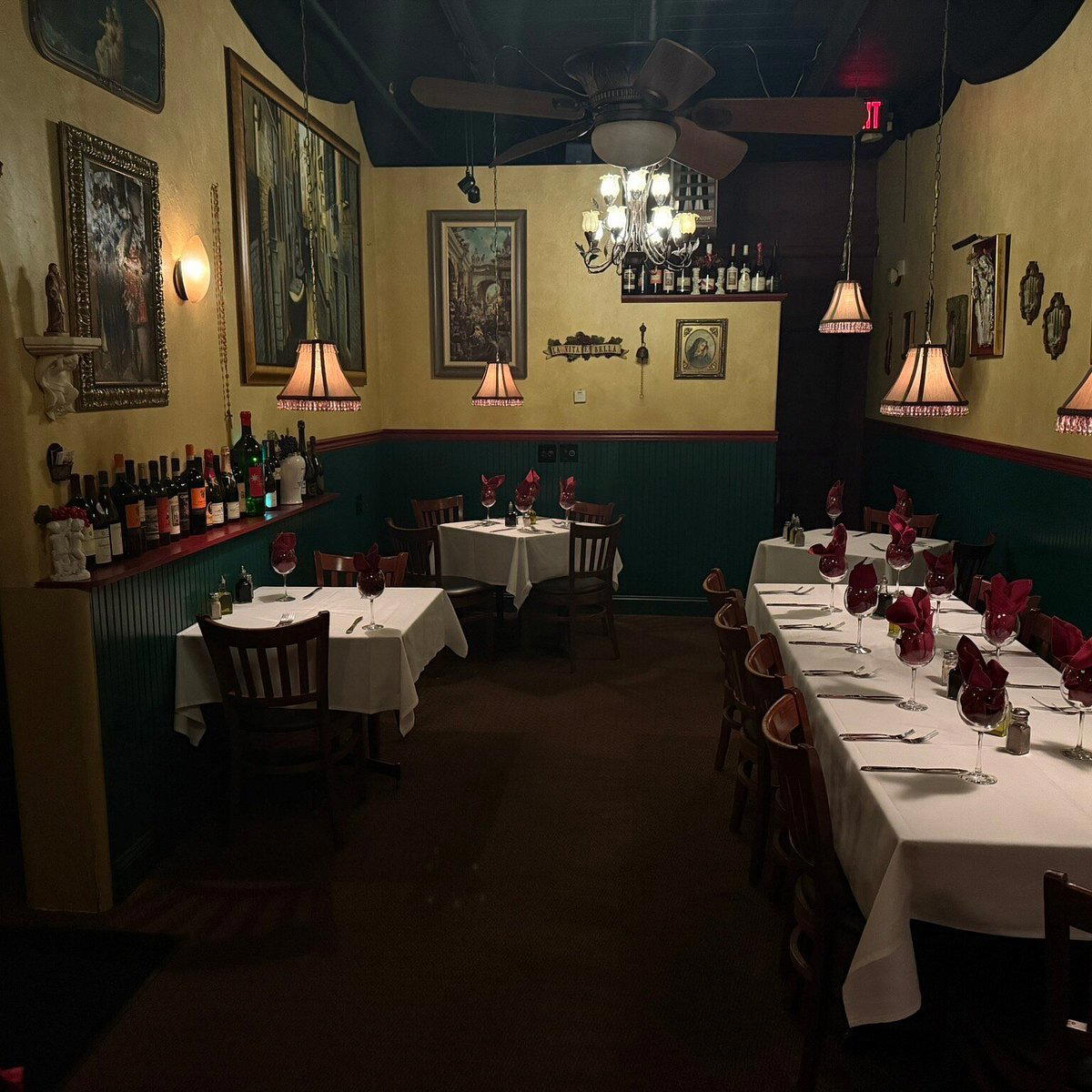
| Angelo’s Ristorante | Authentic Italian Trattoria | $30–50 | World's Best Wine Lists Awards WBWL 1-Star | Coeur d'Alene |
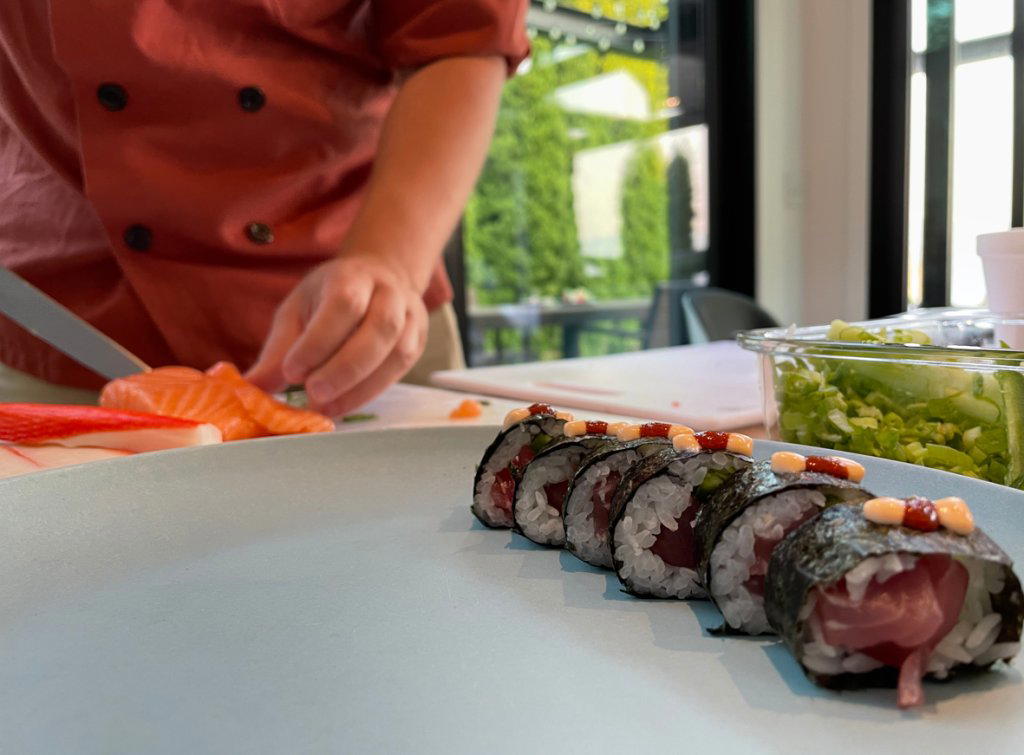
| My Sushi Sensei | Interactive Sushi Experience | Not listed | Not listed | Post Falls |
Continue exploring
More in Coeur d'Alene
Restaurants in Coeur d'Alene
All restaurants in Coeur d'Alene →
Hotels in Coeur d'Alene
Browse all →
Details
- Cozy
- Elegant
- Intimate
- Date Night
- Special Occasion
- Wine Cellar
- Private Dining
- Open Kitchen
- Craft Cocktails
- A La Carte
- Vegetarian Friendly
- Gluten Free Options
- Vegan Options
Current opening hours
- Monday
- 4–9 PM
- Tuesday
- 4–9 PM
- Wednesday
- 4–9 PM
- Thursday
- 4–9 PM
- Friday
- 4–10 PM
- Saturday
- 4–10 PM
- Sunday
- 4–9 PM
Hours can change for holidays and private events. Hours as of .
Warm, inviting, cozy atmosphere with low lighting and appealing noise level.