Music Corner occupies a Songshan District address on Bade Road Section 3, placing it within reach of Taipei's mid-city dining corridor. The venue sits in a neighbourhood where local eating culture runs deep and ingredient provenance tends to matter more than kitchen theatrics. For visitors mapping Taiwan's broader food geography, it offers a foothold in a part of the city that rewards unhurried exploration.
Pearl is the En Primeur Club membership app — saves, bookings, and concierge access live there. Same editors, same standards.
- Address
- No. 34號, Section 3, Bade Rd, Songshan District, Taipei City, Taiwan 105
- Phone
- +886 2 2504 3688
- Website
- facebook.com
- Directions
- Get directions
 Saves & bookings on Pearl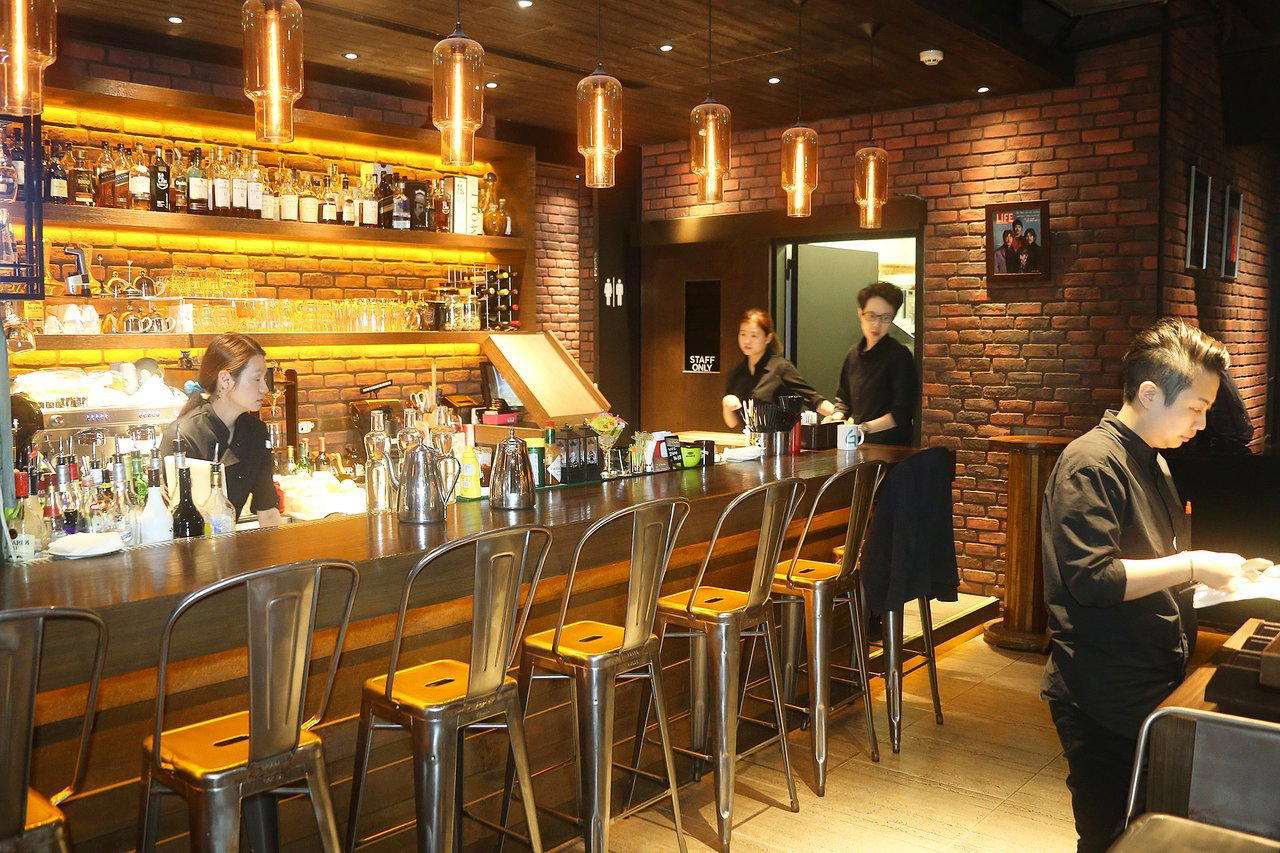
Songshan District and the Logic of Where You Eat in Taipei
Taipei's dining geography rewards attention to district before restaurant. The city has a habit of concentrating particular styles of eating into particular corridors, and Songshan is one of the districts where that logic plays out clearly. Bade Road Section 3, where Music Corner sits at No. 34, runs through a stretch of the city that mixes older neighbourhood commerce with the kind of mid-scale eating culture that Taipei does well. The area is not the city's trophy dining strip, but it carries a different kind of credibility, the kind that comes from serving the same local population for years rather than chasing visiting critics.
Understanding where a venue sits in that geography matters because Taipei's food culture is, at its core, a sourcing culture. From the pre-dawn markets at Dongmen and Nanmen to the supplier relationships that define what appears on any given table, the city's kitchens, at every price point, tend to be judged first on the quality and provenance of their ingredients. That priority shapes the entire spectrum of Taipei eating, from the Cantonese precision of Le Palais at the summit tier to the neighbourhood spots that anchor streets like Bade Road.
Ingredient Culture in a City That Takes Sourcing Seriously
Taiwan's agricultural geography is among the more compressed in Asia. Within a few hours of Taipei, producers grow everything from high-altitude oolongs and subtropical fruits to cold-water seafood pulled from the Pacific shelf east of Yilan. That proximity creates a supply-chain advantage that kitchens across the price spectrum have learned to exploit. At the higher end, restaurants like Taïrroir and logy have built reputations specifically around translating Taiwanese produce through fine-dining technique. At the neighbourhood level, that same ingredient awareness tends to express itself more directly: fewer interventions, shorter distances between field or sea and plate.
The Songshan District sits close enough to the city's wholesale infrastructure that local venues have consistent access to daily-arriving produce. Bade Road, as a commercial artery, has long supported the kind of food business that depends on regular supplier relationships rather than event-driven foot traffic. That structural reality tends to produce a different kind of eating culture than you find in destination-dining corridors: less performative, more contingent on what arrived fresh that morning.
For context on how that model compares at the regional level, it is worth noting that similar sourcing-first philosophies animate some of Taiwan's most recognised kitchens outside the capital, JL Studio in Taichung, GEN in Kaohsiung, and A Xia in Tainan all locate their identities partly in their relationship to regional Taiwanese produce. The capital's neighbourhood venues operate on a smaller scale but within the same cultural logic.
The Songshan Approach to a Meal
Eating in Songshan does not follow the same ritual as booking months ahead for a counter omakase seat or arriving in a hotel dining room for a set-menu progression. The district's food culture is more improvisational, shaped by what is available rather than what has been pre-specified. That improvisation is a feature rather than a limitation: it produces meals that feel contingent on season and supply in a way that fixed menus rarely do.
For visitors accustomed to the structured formality of places like L'Atelier de Joël Robuchon or the architectural precision of Molino de Urdániz, a Songshan neighbourhood meal operates by different rules. The pace is set by the kitchen, not the occasion. That informality is, in its own way, a more direct line to what Taipei's food culture actually values: freshness, specificity, and the credibility that comes from knowing your suppliers.
The broader Taiwan food circuit beyond Taipei is worth factoring into any serious visit. Venues like GARDENh in Yonghe District and Volcanic Rock in Zhubei City demonstrate how the sourcing-first approach extends into the satellite communities around the capital. Further afield, Chenggong Douhua and venues in Hengshan and Hsinchu show the same philosophy operating at a regional scale across the island.
Placing Music Corner in Its Competitive Set
Music Corner cannot be placed in a specific tier against Taipei's benchmarked fine-dining circuit. Its Songshan address places it within a neighbourhood dining culture rather than the trophy-restaurant tier occupied by venues holding Michelin recognition or appearing on Asia's 50 Best lists. That distinction is not a criticism, Taipei's neighbourhood venues carry a different kind of authority, one rooted in consistent local patronage and ingredient relationships rather than critical accolade cycles.
The city's most interesting eating rarely clusters exclusively around its award-winning addresses. Some of the restaurants that matter most to Taipei's food culture operate below the visibility threshold of international critics, sustained instead by the same local regulars who have been eating there across seasons and years. Songshan's food corridor, including Bade Road, belongs to that category of the city's dining life.
Planning Your Visit
The restaurant is located at No. 34, Section 3 of Bade Road in Songshan District. The area is easy to navigate on foot once you arrive, given the density of eating options along the main road and its side streets. The restaurant is open daily from 11:30 AM to midnight, and reservations are recommended. For context on how Taipei's dining calendar operates: the months between October and April tend to bring cooler temperatures and a shift toward more substantial, warming preparations across the city's kitchens, which influences what appears on neighbourhood menus during that window.
Peers in This Market
Comparable venues nearby, for context on price, style, and recognition.
| Venue | Cuisine | Price | Notes |
|---|---|---|---|
| Music CornerThis venue — the venue you are viewing | Western Live Music Restaurant | $$ | Not listed |
| 韓川館 | 平價韓式料理 | $$ | 信義區 |
| Wistaria Tea House | Traditional Taiwanese Tea House | $$ | Longpo |
| Coffee Sweet | Specialty Coffee Shop | $$ | Zhengde |
| The Master Spicy Noodle (大師兄銷魂麵舖) | Modern Taiwanese Spicy Noodles | $$ | Da'an District |
| 小李子清粥小菜 | Taiwanese Congee and Small Dishes | $$ | Da'an |
Continue exploring
More in Taipei
Restaurants in Taipei
Browse all →
Bars in Taipei
Browse all →
Hotels in Taipei
Browse all →

Wineries in Taipei
Browse all →
At a Glance
- Lively
- Cozy
- Energetic
- Casual Hangout
- Group Dining
- Late Night
- Live Music
Current opening hours
- Monday
- 11:30 AM–12 AM
- Tuesday
- 11:30 AM–12 AM
- Wednesday
- 11:30 AM–12 AM
- Thursday
- 11:30 AM–12 AM
- Friday
- 11:30 AM–12 AM
- Saturday
- 11:30 AM–12 AM
- Sunday
- 11:30 AM–12 AM
Hours can change for holidays and private events. Last verified .
Cozy, medium-sized space with infectious energy from live performances, warm lighting, and patrons dancing in place amid a nostalgic atmosphere.