Our verdict
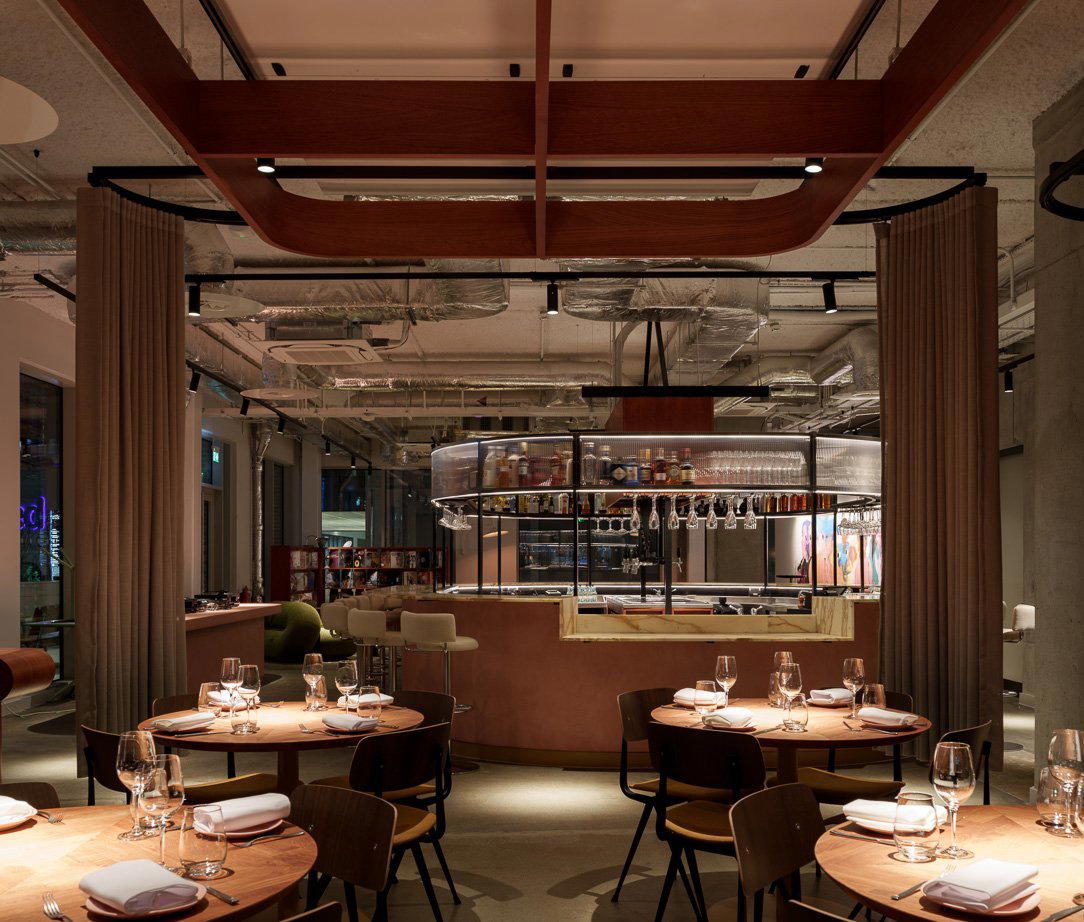
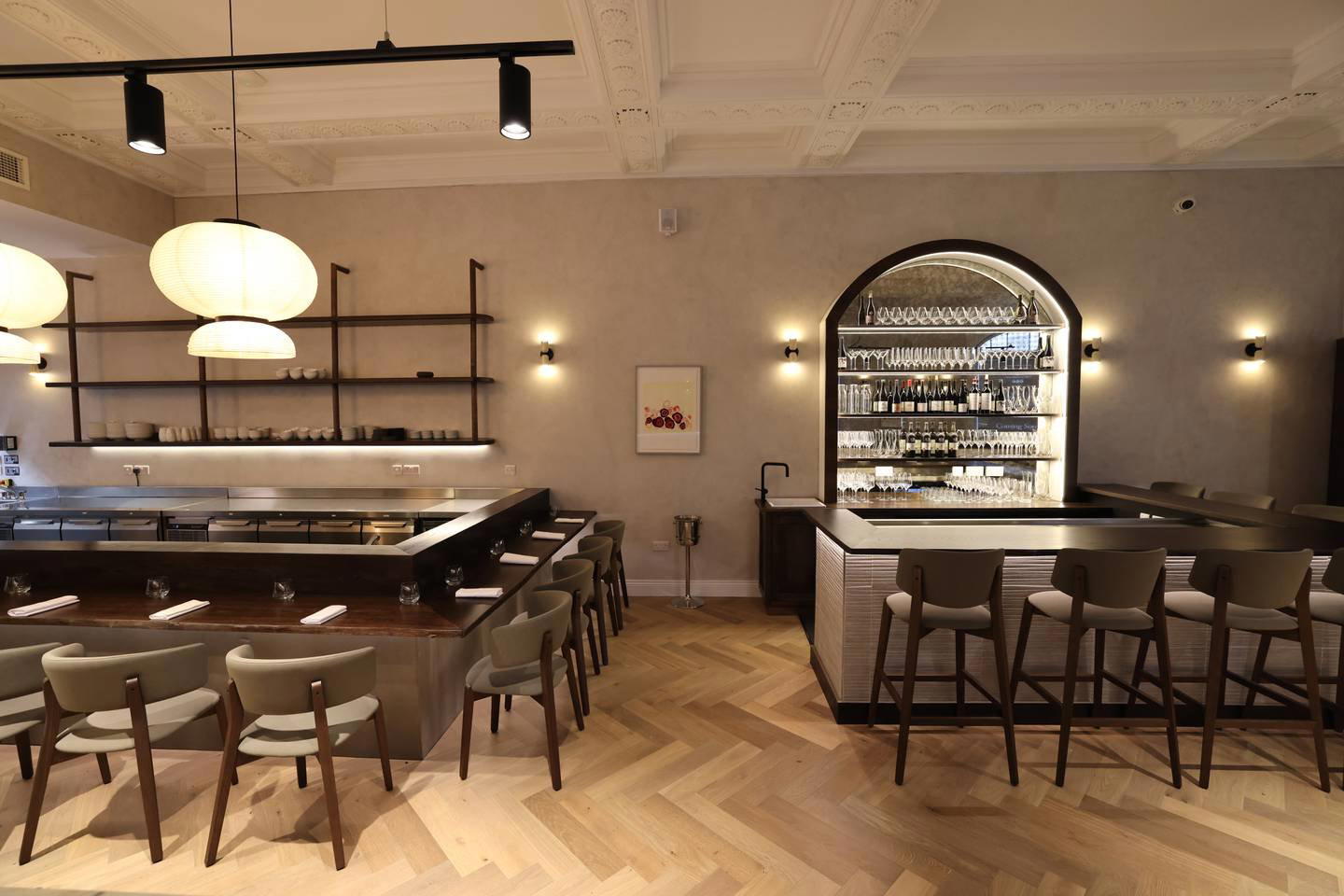
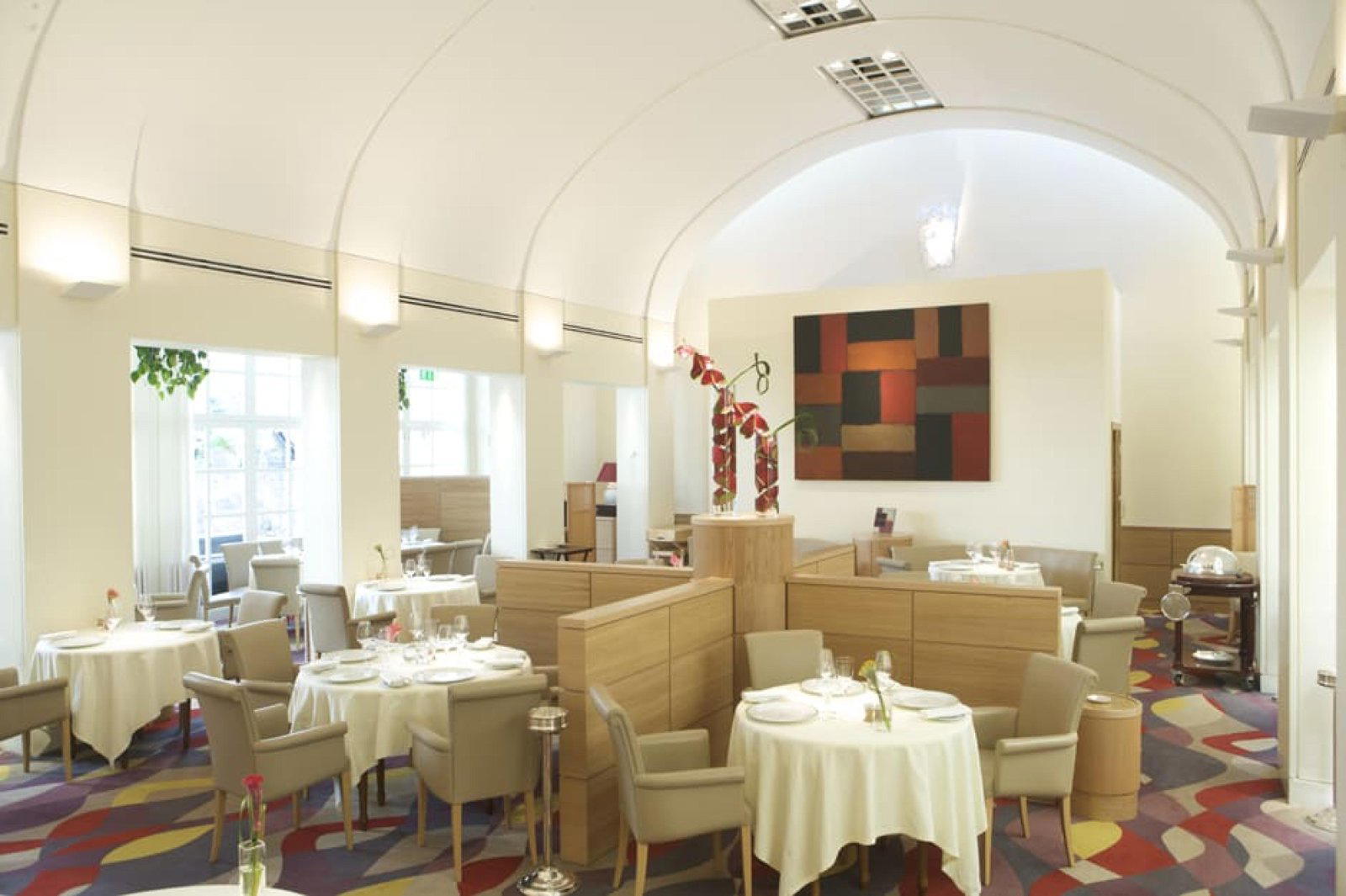
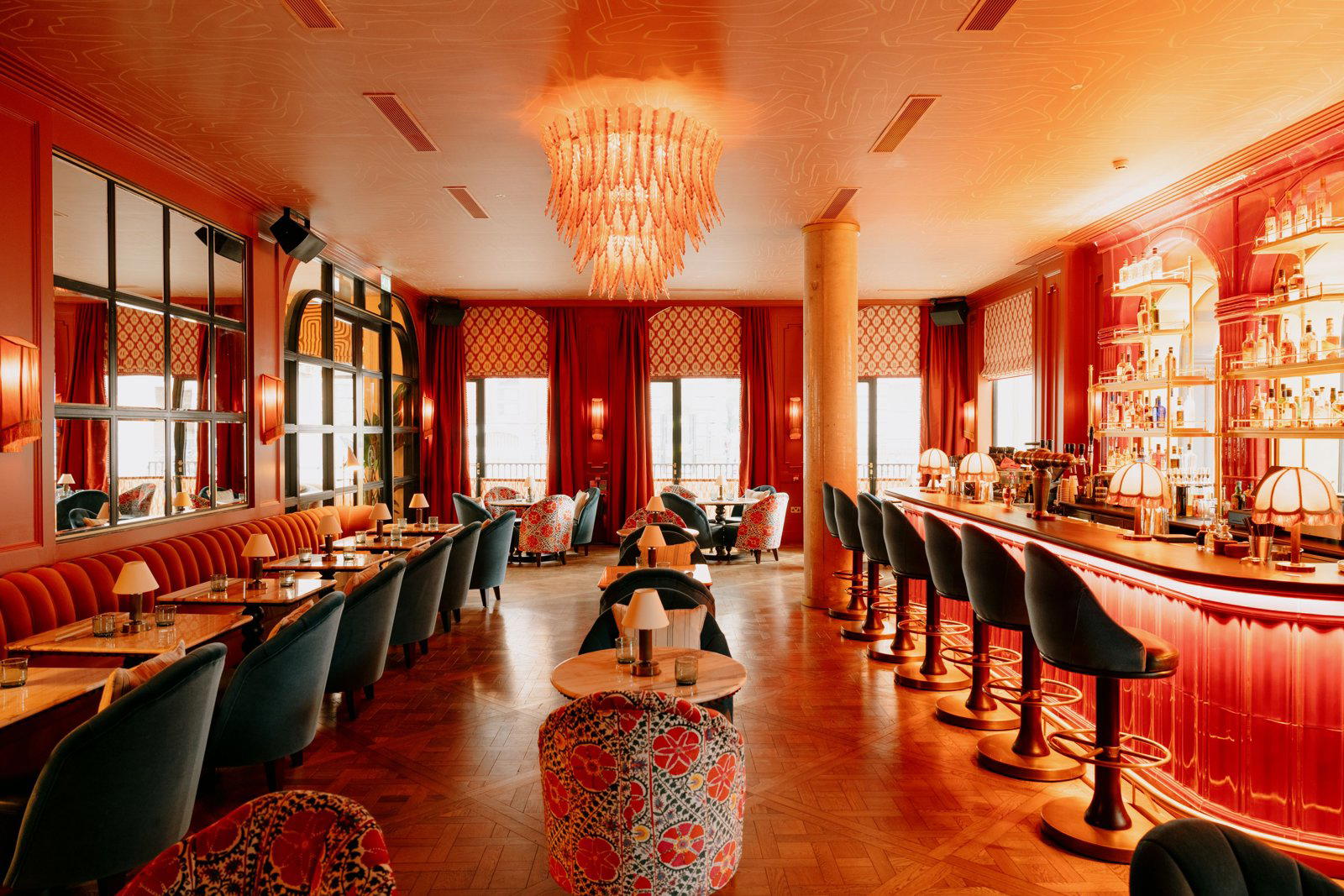
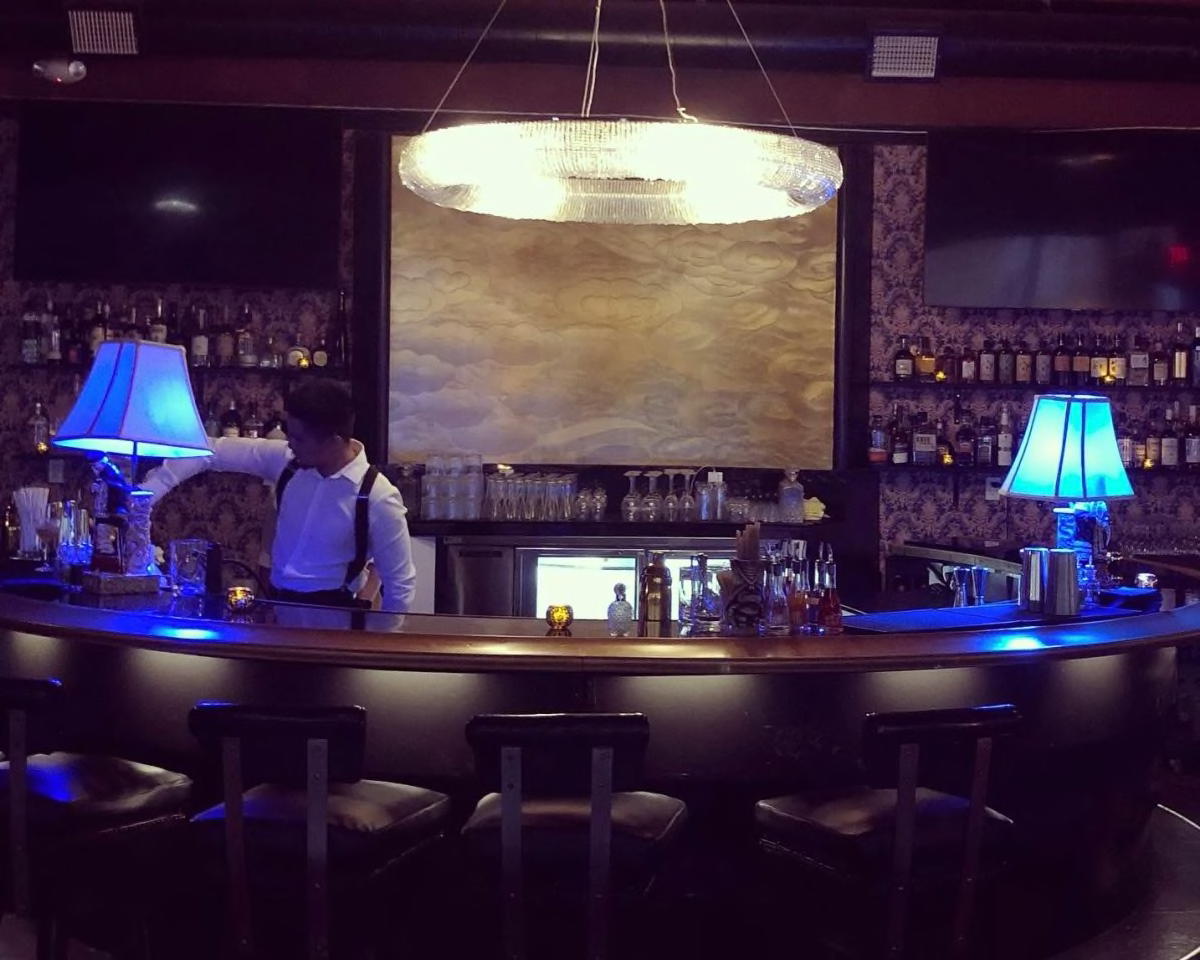
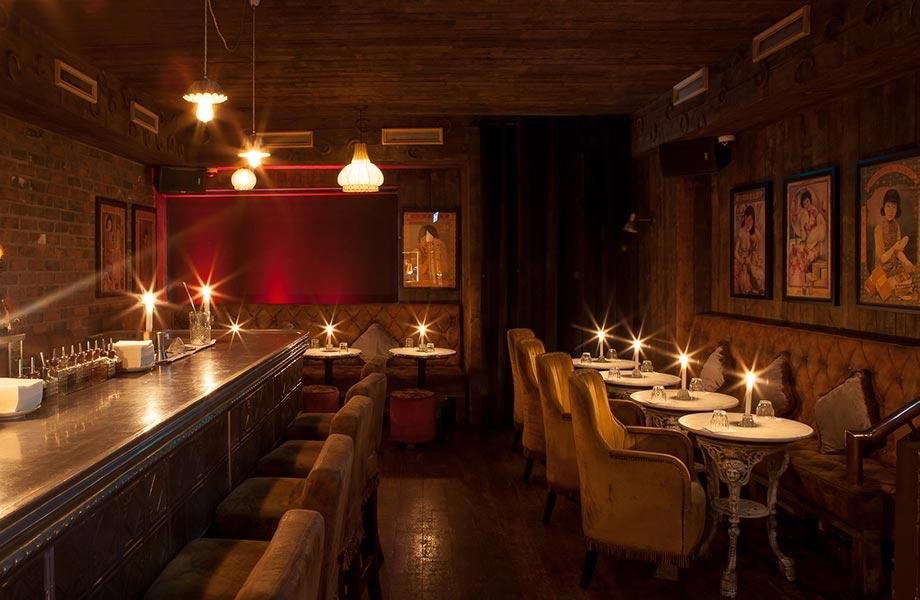
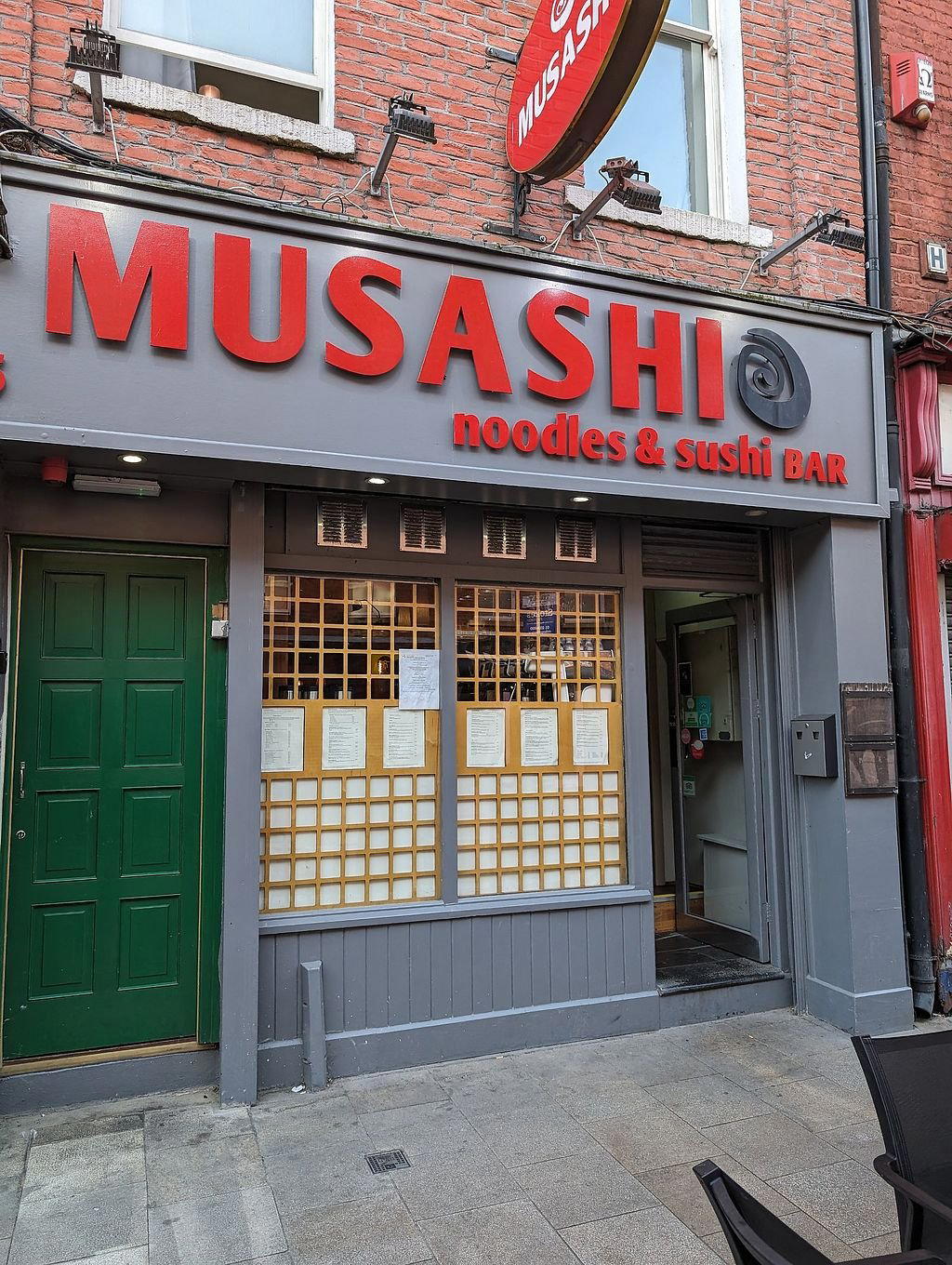
Musashi - IFSC serves casual Japanese sushi and ramen at Custom House Square, with Ebi Gyoza, Sushi Platter, and Ramen on a standard-paced, conversational floor.

Pearl is the En Primeur Club membership app — saves, bookings, and concierge access live there. Same editors, same standards.
- Address
- Custom House Square, Burton Hall, Unit 2 Mayor Street Lower, International Financial Services Centre, Dublin 1, D01 W6F2, Ireland
- Phone
- +35315557373
- Hours
- Daily 12–10 PM
- Website
- musashidublin.ie
- Directions
- Get directions
- Booking
- Book on the venue's website
Japanese in the Docklands: What the IFSC Setting Tells You
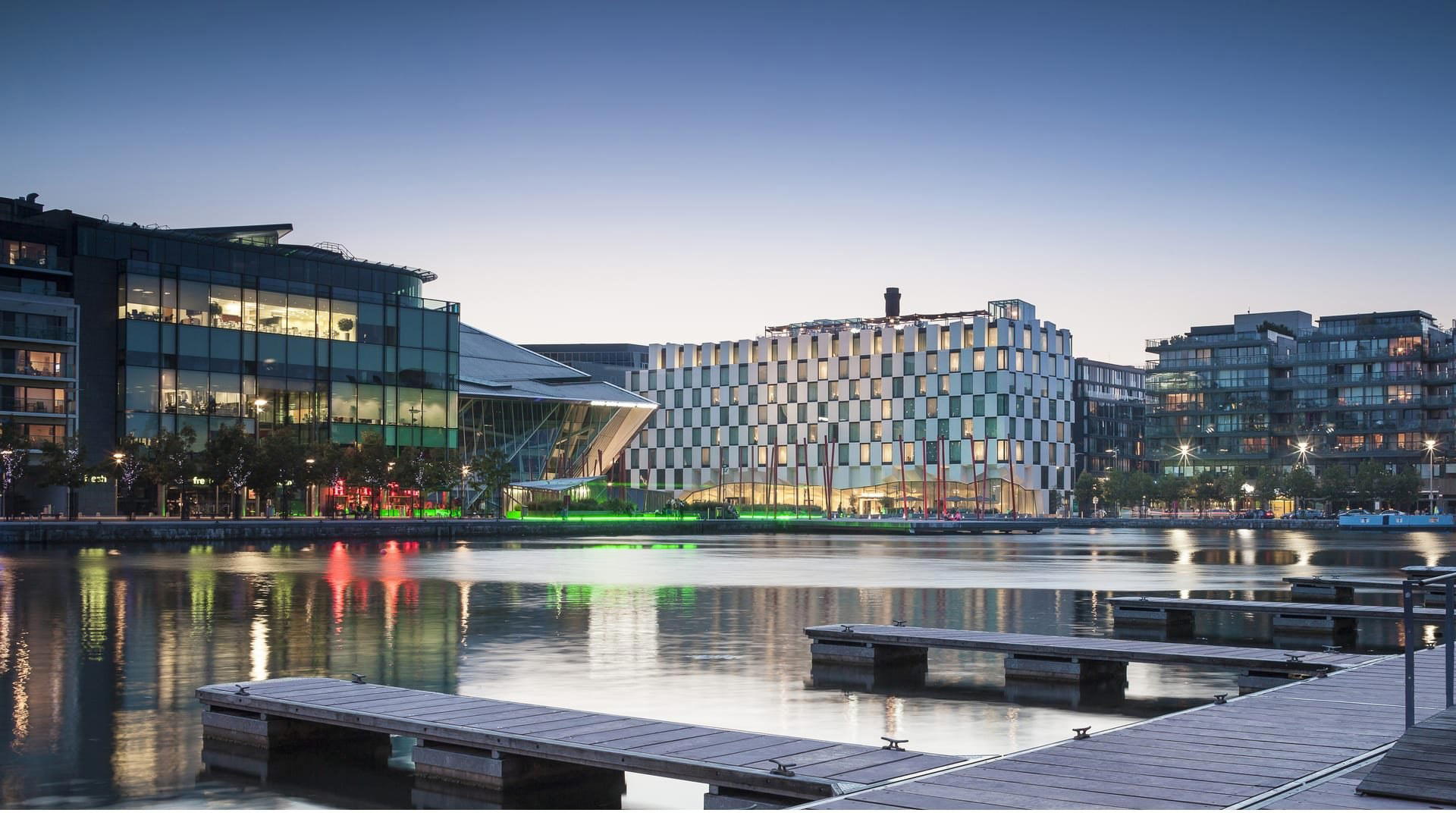
Custom House Square sits at the edge of Dublin's financial district, where Georgian civic architecture gives way to glass-fronted office blocks and the Liffey opens toward the port. The area fills at predictable intervals: commuters at breakfast, suits at lunch, a quieter drift of residents and visitors in the evening. It is a neighbourhood shaped by its working population, which means restaurants here operate on a different clock than those in Rathmines or Ranelagh. Musashi's IFSC outpost reads that rhythm clearly. The format and footfall patterns of Docklands dining produce a lunch-dinner divide more pronounced than in most Dublin postcodes, and the Japanese kitchen is well-suited to serving both ends of that divide without compromise.
Japanese cuisine in Dublin has moved well past novelty. The city now hosts a range of formats, from conveyor-belt casual through to the kind of considered Japanese-European crossover appearing in tasting menus at places like Chapter One by Mickael Viljanen. Musashi operates in a distinct middle register: accessible enough for a working lunch, structured enough to anchor a dinner occasion. That positioning has kept it relevant in a part of the city where the competition for midday trade is intense and evening options remain thinner than in the city centre.
The Lunch-Dinner Divide at the IFSC
Docklands lunch has its own logic. The window is compressed, the expectation is efficiency, and value is measured against the alternatives within a ten-minute walk. Japanese food, with its clearly defined formats, portion discipline, and fast kitchen rhythm, fits this context more naturally than, say, the kind of slow-paced modern Irish cooking you encounter at Bastible or the formal Franco-Irish register at Patrick Guilbaud. A bowl of ramen, a bento format, or a sushi set can be ordered, delivered, and finished inside the kind of lunch break a Docklands professional can realistically take.
The evening shift changes the register. Once the office buildings empty and the commuter tide has turned, the IFSC quietens faster than most Dublin neighbourhoods. Those who do stay tend to be residents of the surrounding apartment blocks or visitors staying nearby, and the expectation shifts from speed to something more considered. Dinner here benefits from the relative calm. Tables that ran on a tight lunchtime rotation have breathing room, and a kitchen built around Japanese precision can take that room seriously. The gap between midday and evening service at this kind of venue mirrors a wider truth about Docklands dining: it is a place that rewards knowing which version of a restaurant you are booking into.
For comparison, the dinner-only register of Japanese cuisine at its most considered appears at places like Atomix in New York City, where the kaiseki-influenced tasting format removes time pressure entirely. That is a different proposition and a different price point. What Musashi at the IFSC offers is the more practical version: a kitchen format that works across both services without collapsing into either pure speed-food or event dining.
Japanese Cuisine in the Irish Context
Ireland's relationship with Japanese food has developed through a mix of urban immigration, the influence of Japanese tech and pharmaceutical companies on local business communities, and a domestic appetite for precision-driven cooking that grew alongside the broader fine-dining movement. The wave of Michelin attention given to Irish kitchens over the past decade, from Aniar in Galway to Liath in Blackrock, has raised the baseline expectation for technical cooking across the country, and that expectation has carried into casual and mid-range categories as well.
Japanese cuisine benefits from this context because it is a tradition that prizes technical exactness at every price tier, not just at the leading. The discipline visible in a properly made dashi or a correctly prepared sushi rice is legible to a dining public that now eats seriously across a range of formats. Dublin diners who have eaten at Glovers Alley or D'Olier Street on occasion, and at a neighbourhood Japanese restaurant on others, bring a level of cross-category attention that pushes even accessible venues to maintain standards. That pressure is one reason why the better Japanese spots in Dublin tend to run tighter, more focused menus than comparable venues in cities where Japanese food is less seriously regarded.
The broader Irish food scene provides useful comparisons. Precision-led kitchens operating outside Dublin, including Chestnut in Ballydehob, Bastion in Kinsale, and Campagne in Kilkenny, have established that serious cooking is not confined to the capital. This has had the effect of normalising high standards across formats, which ultimately benefits casual and mid-market venues in Dublin that might otherwise face less informed scrutiny. For a fuller map of where Dublin dining sits, the EP Club Dublin restaurants guide provides a structured overview by neighbourhood and price tier.
The IFSC Within Dublin's Dining Map
The International Financial Services Centre sits physically close to the city centre but operates with a different social rhythm. It is not a destination neighbourhood in the way that Portobello or Rathmines have become for evening dining, and it is not a cultural quarter in the way that the area around dede in Baltimore or Terre in Castlemartyr anchors a wider visitor experience. It is a working district that happens to have a resident population and a steady stream of visitors using nearby hotels. Restaurants that succeed here tend to do so by serving both the nine-to-five economy and the quieter evening trade without pitching exclusively at either.
Japanese formats, because they are modular and scalable in a way that tasting-menu-led kitchens are not, handle this duality well. A kitchen that can produce a disciplined set lunch and a more composed evening menu is structurally better suited to the IFSC than one committed to a single long-form service. That is the operating logic behind Musashi's presence here, and it explains why the venue has a different character at noon than it does at eight in the evening. Elsewhere in the Irish dining circuit, comparable adaptability appears at venues like Homestead Cottage in Doolin and House in Ardmore, which also operate against strong seasonal and timing pressures rather than a stable, uniform demand.
Musashi at the IFSC is clearly not in that bracket, nor does it try to be. Its value is in occupying the middle ground with consistency, in a neighbourhood where consistency is harder to maintain than in more densely competitive dining corridors.
Know Before You Go
| Detail | Information |
|---|---|
| Address | Custom House Square, Burton Hall, Unit 2 Mayor Street Lower, IFSC, Dublin 1 |
| Neighbourhood | International Financial Services Centre (Docklands) |
| Leading for lunch | Weekday midday service; efficient, structured formats suit the working-week pattern |
| Leading for dinner | Quieter evenings Thursday to Saturday when Docklands foot traffic drops |
| Getting there | DART to Connolly Station, then a short walk north along the quays; also accessible via Luas Red Line |
| Booking |
Frequently asked questions
Where is Musashi - IFSC located?
Musashi - IFSC is located at Custom House Square, Burton Hall, Unit 2 Mayor Street Lower, International Financial Services Centre, Dublin 1, D01 W6F2, Ireland, Dublin.
Is Musashi IFSC suitable for a business lunch in Dublin's financial district?
The Custom House Square address places Musashi directly inside the International Financial Services Centre, making it one of the few sit-down Japanese options within walking distance of the major IFSC office blocks. The format suits a structured midday meal between meetings, though the compressed lunch window means timing matters. Reserving a table in advance is the straightforward approach for groups.
What dish is Musashi - IFSC famous for?
Musashi is a Japanese restaurant in Dublin's IFSC, and the format centres on the kind of sushi and Japanese dishes that define the Musashi group's presence in the city. The Custom House Square location draws heavily from a lunch trade shaped by the surrounding financial district, where rice-based and noodle dishes tend to anchor the midday offer.
Do I need a reservation for Musashi - IFSC?
The IFSC location sits inside a compressed lunch window driven by the surrounding office population, which means midday covers fill quickly on weekdays. Booking ahead for lunch, particularly Thursday and Friday, is the practical approach. Evening service at Custom House Square operates at a different pace and may allow more walk-in flexibility, though this has not been confirmed in venue data.
What's the defining dish or idea at Musashi - IFSC?
The defining idea at this Dublin 1 address is Japanese food calibrated to a working financial district, where efficiency and value against nearby alternatives shape the offer as much as the cuisine itself. Musashi positions Japanese cooking within a Docklands context that has few direct competitors in the same format. The result is a restaurant that reads as a daily-use venue for the IFSC crowd rather than a destination dining occasion.
A Credentials Check
Comparable venues nearby, for context on price, style, and recognition.
| Venue | Cuisine | Price | Notes |
|---|---|---|---|
| Musashi - IFSCThis venue — the venue you are viewing | Casual Japanese Sushi and Ramen | $20–30 | Not listed |
| Musashi Parnell Street | Japanese Sushi and Ramen | $20–30 | Rotunda B |
| Musashi Noodle & Sushi Bar | Japanese Noodles & Sushi | $20–30 | North City |
| Kyodai Izakaya | Japanese Izakaya | $20–30 | North City |
| Mackenzie's | Modern American | $20–30 | South Dock |
| Saba | Thai & Vietnamese | $30–50 | Pembroke West C |