Kampar
Our verdict
Kampar at 611 S 7th St in South Philadelphia represents a focused approach to Southeast Asian cooking that positions it outside Philadelphia's broader New American mainstream. Where many of the city's celebrated tables lean toward European technique and local-ingredient narratives, Kampar draws from the Chinese-Malay culinary tradition of Kampar, a town in Malaysia's Perak state. The result is a restaurant that reads as genuinely specific in a city still building its Southeast Asian dining depth.
- Address
- 611 S 7th St, Philadelphia, PA 19147
- Phone
- (215) 989-2202
- Website
- kamparphilly.com
- Directions
- Get directions
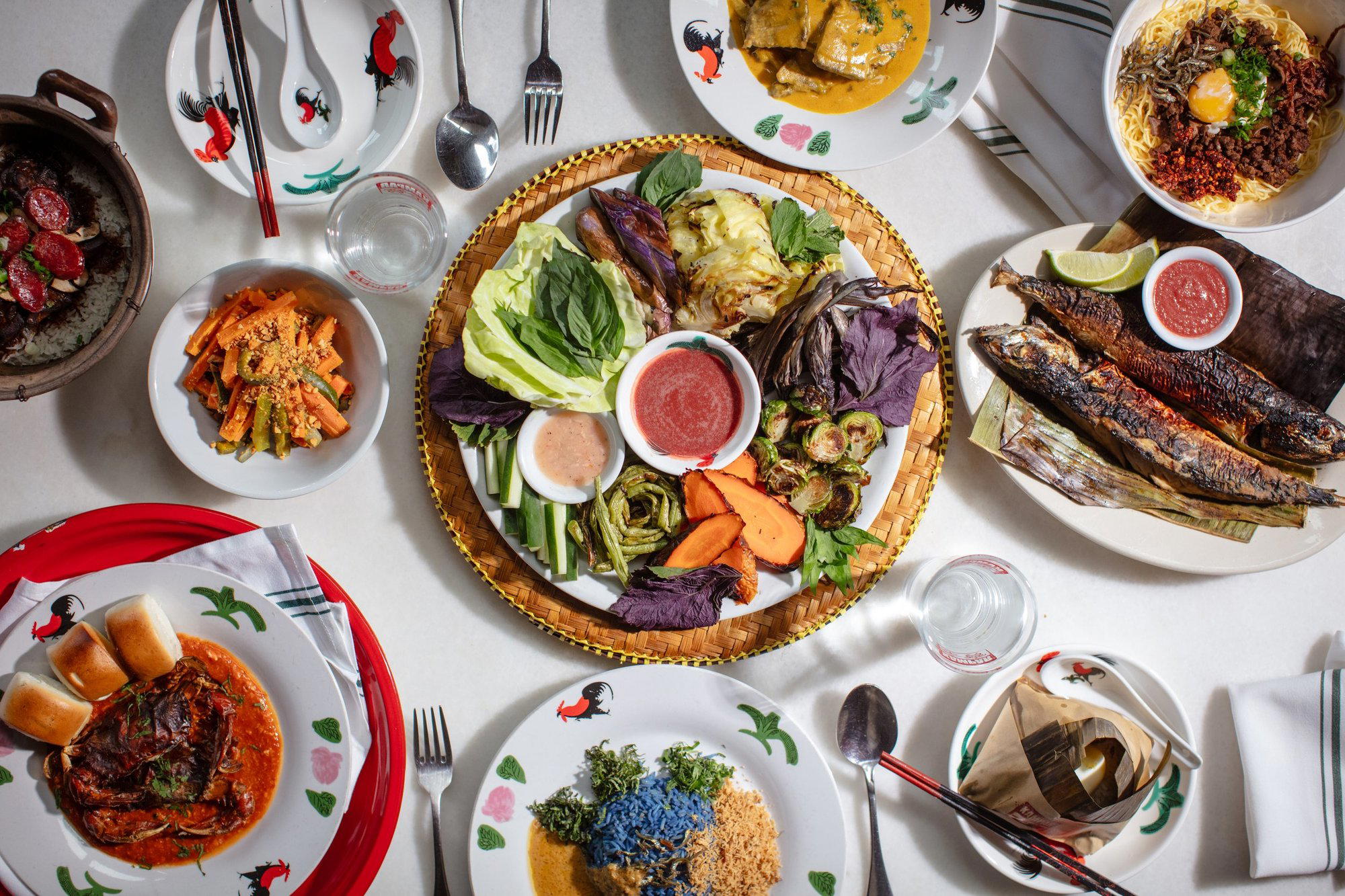
The menu
What to order
- Ramly burger
- Nasi lemak
- Roti canai
South Philly's Southeast Asian Counter-Argument
Philadelphia's South 7th Street corridor has long operated as a low-key alternative to the city's more theatrical dining addresses. Fewer tasting menus, less design spectacle, and a denser concentration of immigrant-rooted kitchens than you find on Rittenhouse Square or in Fishtown. Kampar, at 611 S 7th St, arrives in that context as something the neighborhood's dining scene has rarely offered at a focused, sit-down register: cooking grounded in the Chinese-Malay traditions of Kampar, a town in Malaysia's Perak state that gave the restaurant its name.
Philadelphia's Southeast Asian dining has historically clustered around Vietnamese and Thai formats, with a handful of pan-Asian addresses filling the middle ground. Kampar operates in narrower territory, drawing from Peranakan and Malaysian-Chinese culinary traditions that most American diners encounter, if at all, in larger immigrant-dense cities like San Francisco or New York. That specificity is editorial in itself. At a moment when many of the city's most-discussed restaurants, including Fork and Friday Saturday Sunday, are refining their New American frameworks, Kampar pulls in a different direction entirely.
What the Menu Structure Tells You
The most revealing thing about a Southeast Asian menu designed for an American dining room is often how it handles familiarity. Some kitchens front-load accessible dishes, moving the more technically demanding or ingredient-specific preparations to the back of the menu or off it entirely. Others organize around region or occasion, the way a Malaysian household would think about feeding a table, with shared dishes, rice anchors, and layered condiments rather than the Western progression of appetizer, main, dessert.
Malaysian-Chinese cooking in particular operates through a logic of contrast and complexity at the condiment level: sambal, belacan, and fermented preparations do work that European sauces accomplish through reduction and fat. A menu built honestly around these traditions should read differently from the French-influenced or farm-to-table menus that dominate Philadelphia's critical conversation. Whether Kampar leans into that structural difference or softens it for its South Philly audience is the core question the restaurant poses to any serious diner approaching it for the first time.
Compared to Kalaya, which has positioned itself as Philadelphia's most ambitious Thai address and earned significant critical attention in doing so, Kampar occupies adjacent but distinct territory. Both restaurants ask Philadelphia diners to engage with Southeast Asian culinary grammar on its own terms rather than through a fusion lens. The difference is that Kampar draws from Chinese-Malay cooking specifically, a tradition with its own set of preserved, fermented, and braised preparations that don't map cleanly onto the Thai framework Kalaya has made legible to local critics and diners.
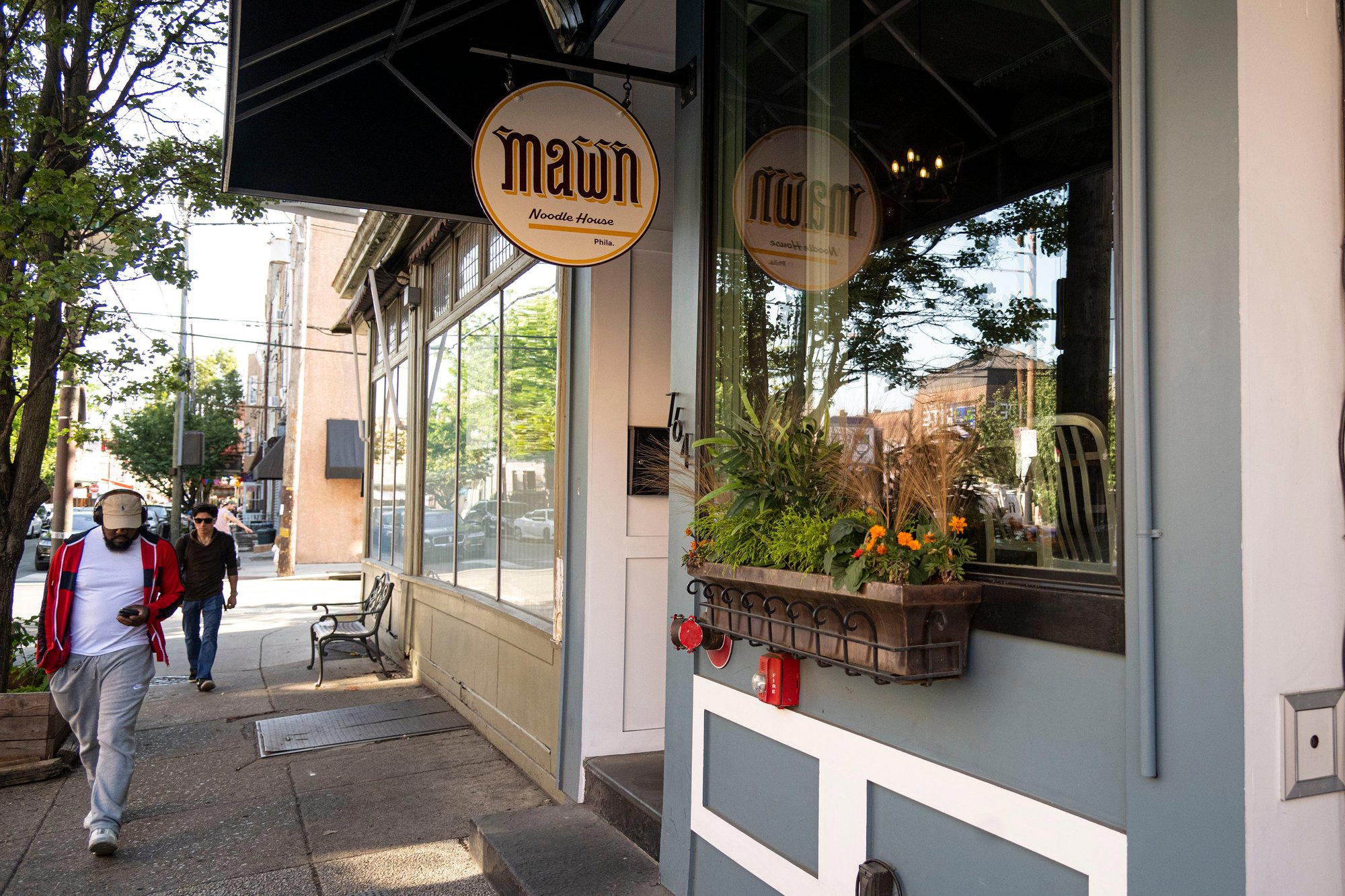
For readers tracking Philadelphia's broader pan-Asian dining depth, Mawn offers a useful comparison point from the Cambodian side of the spectrum, demonstrating how the city's Southeast Asian dining has begun to fragment into more specific, less generalizing formats over the past several years.
How This Fits the Philadelphia Dining Argument
Philadelphia's dining identity has spent roughly a decade being reassessed. The city's food press, which once framed it primarily in relation to New York, has increasingly argued for a distinct local character, one rooted in neighborhood-scale operations, chef-owner formats, and a preference for directness over ceremony. That argument holds most convincingly in neighborhoods like South Philly, where the density of independent, often immigrant-origin kitchens gives the city a dining texture that resists easy comparison to Boston or Washington.
Kampar fits that argument as evidence rather than exception. The address at S 7th St places it in a stretch of South Philadelphia where dining decisions are still shaped by community anchors rather than destination dining economics. That's a different operating environment than the one facing My Loup with its French-inspired tasting format, or the major-investment kitchens that define destination dining in cities like Chicago, where Alinea sets a very different register, or in San Francisco, where Lazy Bear operates within a communal format that still commands significant critical and booking attention.
At the high-concept end of the American dining spectrum, restaurants like Single Thread Farm in Healdsburg, The French Laundry in Napa, Blue Hill at Stone Barns in Tarrytown, and Addison in San Diego define a tier of American fine dining built around European-origin techniques applied to local ingredients. Kampar's project is structurally different: it's asking what happens when a specific Asian culinary tradition, rather than a European one, becomes the organizing logic for a serious American restaurant. That's a question Atomix in New York City has answered at the Korean fine dining level with notable critical success, and one that Providence in Los Angeles approaches from a different angle through seafood-forward California cooking.
For readers whose frame of reference extends to international addresses, 8 1/2 Otto e Mezzo Bombana in Hong Kong offers a useful counterpoint: Italian fine dining transferred to an Asian dining culture, which is essentially the reverse of what Kampar attempts in Philadelphia. The fact that the European-to-Asia transfer has become a recognized format at the top of the market while the Asia-to-America transfer still reads as a smaller, more specialized proposition says something about where the center of gravity in American restaurant culture currently sits.
Planning Your Visit
Kampar's address at 611 S 7th St places it in South Philadelphia, accessible from Center City by a short drive or via public transit on SEPTA. Given the limited publicly available operational data for the restaurant, prospective visitors should confirm hours, reservation availability, and current menu format directly. For broader context on where Kampar sits within Philadelphia's dining ecosystem, EP Club's full Philadelphia restaurants guide maps the city's dining by neighborhood, cuisine type, and occasion. Readers planning a multi-day visit who want to anchor around Southeast Asian cooking specifically should consider Kampar alongside Kalaya and Mawn, which together give a reasonable cross-section of what the city currently offers in that category. Also relevant for the South Philly dining picture: James Beard Foundation recognition has touched Philadelphia's dining scene at multiple points, signaling that the city's neighborhood-scale restaurants have begun attracting the kind of institutional attention once reserved for larger markets.
Frequently asked questions
What part of town is Kampar in?
Kampar is located at 611 S 7th St, Philadelphia, PA 19147, Philadelphia.
How does Kampar fit into Philadelphia's broader Southeast Asian dining scene?
Philadelphia's Southeast Asian restaurant presence has historically concentrated in neighborhoods like Chinatown and parts of South Philly, but Kampar on South 7th Street operates in a corridor that leans toward independent, chef-driven projects rather than community-anchor spots. That positioning places it in a conversation with the city's reassessed dining identity, which over the past decade has moved away from framing Philadelphia purely as a secondary market relative to New York.
What's the must-try dish at Kampar?
Kampar's kitchen is rooted in Southeast Asian cooking, and the menu is designed to reward repeat visits rather than hinge on a single signature item. South 7th Street regulars tend to order widely rather than anchor to one plate.
Is Kampar reservation-only?
For a South Philadelphia address at this scale, walk-in availability tends to vary sharply by day of week, so contacting the restaurant directly before visiting is the practical step.
What's the defining dish or idea at Kampar?
The defining idea at Kampar is a Southeast Asian menu calibrated for an American dining room without flattening its source material. Located on South Philadelphia's 7th Street corridor, the kitchen positions itself against the city's more theatrical tasting-menu addresses by keeping the format grounded and the cooking direct.
Can Kampar handle vegetarian requests?
Southeast Asian cooking at this register typically draws on a pantry that includes fermented shrimp paste, fish sauce, and meat-based stocks, which means vegetarian accommodation depends on the specific dish rather than a blanket policy. Checking with Kampar directly at 611 S 7th St before arrival will give you a clearer picture of what the kitchen can adjust.
The Quick Read
Comparable venues nearby, for context on price, style, and recognition.
| Venue | Cuisine | Price | Notes |
|---|---|---|---|
| KamparThis venue — the venue you are viewing | Malaysian | Not listed | Not listed |
| Noord | Dutch and Northern European Bistro | Not listed | East Passyunk Crossing, Dutch and Northern European Bistro |
| KINTO Cozy & Authentic Georgian Restaurant | Georgian | $20–30 | Fishtown, Georgian |
| Puyero Venezuelan Flavor | Venezuelan Street Food | $20–30 | South Street, Venezuelan Street Food |
| Abe Fisher | Modern Jewish Diaspora | $50–100 | Rittenhouse Square, Modern Jewish Diaspora |
| Baby's Kusina + Market | Modern Filipino | Not listed | Brewerytown, Modern Filipino |