Baby's Kusina + Market
Our verdict
Baby's Kusina + Market occupies a corner of West Philadelphia's Brewerytown corridor at 2816 W Girard Ave, where Filipino home cooking and a retail market format meet in a neighborhood better known for its corner stores and evolving dining scene. The combination of restaurant and market under one roof places it in a small cohort of Philadelphia spots doing double duty as both community anchor and dining destination.

Pearl is the En Primeur Club membership app — saves, bookings, and concierge access live there. Same editors, same standards.
- Address
- 2816 W Girard Ave, Philadelphia, PA 19130
- Hours
- Mon 7 AM–3 PM, 5–9 PMTue–Wed ClosedThu 7 AM–3 PM, 5–9 PMFri 7 AM–3 PM, 5–10 PMSat 9 AM–3 PM, 5–10 PMSun 9 AM–3 PM
- Website
- babysphl.com
- Directions
- Get directions
- Booking
- Book on OpenTable
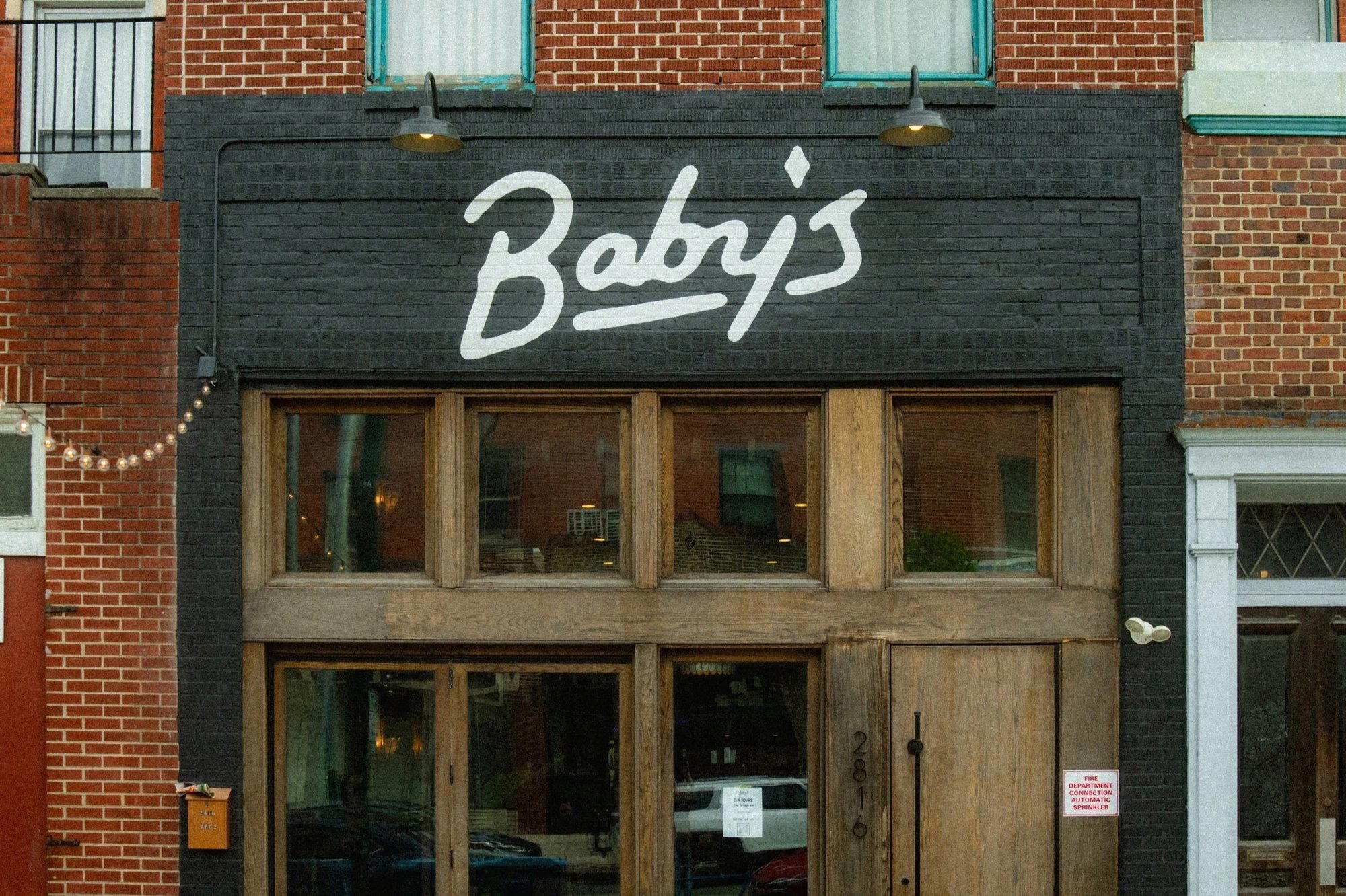
West Girard and What It Signals
The stretch of West Girard Avenue running through Brewerytown and into Strawberry Mansion is one of Philadelphia's more telling corridors. It is not a restaurant row in any conventional sense. The blocks around 2816 W Girard hold hardware stores, barbershops, and the kind of corner infrastructure that predates any dining scene by decades. When a restaurant and market combination appears in that context, it says something specific: this is not a place positioning itself for foot traffic from a pre-existing dining crowd. It has to build its own.
Baby's Kusina + Market sits in that position. The "kusina" in the name is Tagalog for kitchen, and the dual format, part restaurant, part retail market, is a format with precedent in Filipino communities across the United States, where the sari-sari store tradition of combining provisions with prepared food has long served as a social and commercial anchor. On West Girard, that tradition lands in a neighborhood that has seen considerable demographic change over the past decade, and the result is a venue that reads differently depending on who is walking through the door.
The Filipino Dining Scene in Philadelphia
Filipino cuisine occupies an interesting position in Philadelphia's restaurant geography. The city has a smaller Filipino-American community than cities like Los Angeles, San Francisco, or Chicago, which means the cuisine has had less institutional presence in the dining scene. That is shifting nationally: Filipino food has moved from being categorized as an emerging trend to establishing specific regional expressions in several American cities. In Philadelphia, venues like Mawn have demonstrated that Southeast Asian cooking with serious intent can find a Philadelphia audience willing to engage with it on its own terms, rather than as a novelty category.
Baby's Kusina + Market approaches the same geography from a different angle. Where fine-dining-adjacent Filipino concepts in other cities have emphasized tasting menus and chef credentials, the kusina format implies something closer to home cooking in a communal register. The word "baby" in Filipino familial contexts often signals affection and informality rather than diminutive scale, and the market component reinforces that the experience is structured around provision and everyday nourishment rather than occasion dining. That positioning places it in a different competitive set than Philadelphia's higher-ticket options like Friday Saturday Sunday or Fork, which operate in the New American fine dining tier. It is also a different register from South Philly Barbacoa, which has built its reputation around a single, rigorously executed Mexican tradition.
The Market Format as Editorial Statement
In American cities, the combination of restaurant and retail under one roof tends to follow one of two models. The first is the upscale provisions shop with an attached cafe, common in wealthier urban neighborhoods. The second is the community-facing model, where the retail component stocks goods that reflect the cuisine's cultural sourcing and the restaurant produces food from the same pantry. The latter model has real precedent in cities with large Filipino-American populations: combinations of Filipino grocery, prepared food counter, and casual seating have existed in Los Angeles and the Bay Area for years, serving both as cultural anchors and as the most accessible entry point into the cuisine for visitors unfamiliar with it.
Baby's Kusina + Market in Brewerytown applies that logic to a neighborhood where Filipino provisions are not otherwise easy to find. The market component implies that the cooking operates from a specific pantry: the fermented, vinegared, and slow-braised flavor architecture that distinguishes Filipino home cooking from other Southeast Asian traditions. Adobo, sinigang, kare-kare, and similar preparations depend on ingredients that require deliberate sourcing in a city without a large Filipino grocery infrastructure. A venue that stocks those ingredients alongside its kitchen is making a statement about self-sufficiency and authenticity that a restaurant-only format cannot.
Nationally, the community-market-restaurant model has attracted serious attention. Venues like Blue Hill at Stone Barns and Single Thread Farm in Healdsburg have built reputations on kitchen-to-source integration, albeit at the opposite end of the price spectrum. The principle, that what you stock determines what you can cook, applies across price tiers.
Neighborhood Context and the Reader Decision
For visitors arriving in Philadelphia from outside the city, Brewerytown requires a specific decision. It is not Center City, and it is not a neighborhood that appears on most tourism itineraries. Getting to West Girard from downtown Philadelphia means either a rideshare or engaging with the SEPTA bus network, which serves Girard Avenue directly but requires some comfort with the city's transit system. The neighborhood itself is in an ongoing period of change: longtime residents and newer arrivals occupy the same commercial strip, and the dining scene reflects that layering rather than resolving it neatly.
That context matters for how you experience Baby's Kusina + Market. This is not a venue you stumble across while walking between other destinations. It requires intent. Visitors who make the trip will find a format with real specificity, one that reflects a culinary tradition, a community function, and a neighborhood position simultaneously. Philadelphia's most compelling dining moments often happen at that intersection: think of how My Loup uses its Spring Garden location to position itself against Center City convention, or how South Philly Barbacoa built its audience in a part of South Philadelphia that visitors had to seek out.
For a broader view of where Baby's Kusina + Market sits within Philadelphia's dining geography, see our full Philadelphia restaurants guide.
Know Before You Go
Planning Details
- Address: 2816 W Girard Ave, Philadelphia, PA 19130
- Neighborhood: Brewerytown / West Girard corridor
- Format: Restaurant and retail market combined
- Cuisine: Filipino home cooking tradition (kusina format)
- Hours: Confirm directly before visiting; hours are at time of publication
- Getting there: SEPTA bus routes serve Girard Avenue directly; rideshare is a practical alternative from Center City
- Price range:; the market-and-kitchen format typically positions below fine dining tiers
Frequently asked questions
Is Baby's Kusina + Market suitable for children?
The kusina format, rooted in home cooking and community provision, is generally well-suited to family visits. Philadelphia's casual, neighborhood-facing dining spots tend to be more accommodating than the city's occasion-dining tier. If you are traveling with children, the market component also offers the kind of browsing experience that translates well to curious younger visitors.
What is the atmosphere like at Baby's Kusina + Market?
Brewerytown's West Girard strip is not a polished dining corridor, and Baby's Kusina + Market does not read as a venue designed for that context. The kusina-and-market format carries an inherent informality: this is the model of a neighborhood kitchen that feeds its community first. Philadelphia's most interesting casual spots, across all price points, tend to derive atmosphere from specificity of place rather than designed ambiance. Expect something grounded in the neighborhood rather than insulated from it.
What should I order at Baby's Kusina + Market?
What the kusina format implies, based on the tradition it references, is a menu built around Filipino home-cooking preparations: slow-braised, vinegar-forward, and fermented-pantry-dependent dishes that require sourcing infrastructure the market component provides.
What is the ideal way to book Baby's Kusina + Market?
Check for current contact details and any reservation requirements before visiting, particularly on weekends when community-facing spots in evolving Philadelphia neighborhoods tend to draw their strongest attendance.
Does Baby's Kusina + Market stock Filipino grocery items alongside the restaurant?
The "market" in the name indicates a retail component operating alongside the kitchen, which is consistent with the sari-sari-influenced model common in Filipino-American community venues across the United States. This format typically means that the pantry ingredients used in the cooking, fermented pastes, vinegars, and shelf-stable provisions specific to Filipino home cooking, are also available for purchase.
For comparison across Philadelphia's broader dining spectrum, EP Club covers venues across formats and price tiers including Mawn, Friday Saturday Sunday, and Fork. Nationally, the conversation around community-rooted dining formats spans venues from Emeril's in New Orleans to Atomix in New York City, Lazy Bear in San Francisco, Providence in Los Angeles, Smyth in Chicago, Addison in San Diego, The Inn at Little Washington, Le Bernardin in New York City, and Atelier Moessmer Norbert Niederkofler in Brunico, each operating at the intersection of place, sourcing, and culinary tradition in ways that resonate with what Baby's Kusina + Market is doing at a community scale in Philadelphia. See The French Laundry in Napa and My Loup for further context on how sourcing philosophy shapes identity across tiers.
Credentials Lens
Comparable venues nearby, for context on price, style, and recognition.
| Venue | Cuisine | Price | Notes |
|---|---|---|---|
| Baby's Kusina + MarketThis venue — the venue you are viewing | Modern Filipino | Not listed | Not listed |
| KINTO Cozy & Authentic Georgian Restaurant | Georgian | $20–30 | Fishtown |
| Noord | Dutch and Northern European Bistro | Not listed | East Passyunk Crossing |
| Little Walter's | Modern Polish | $30–50 | East Kensington |
| Buena Onda | Baja-Style Mexican Taqueria | $20–30 | Logan Square |
| Byblos | Authentic Lebanese & Mediterranean | $30–50 | Rittenhouse Square |
Continue exploring
More in Philadelphia
Restaurants in Philadelphia
Browse all →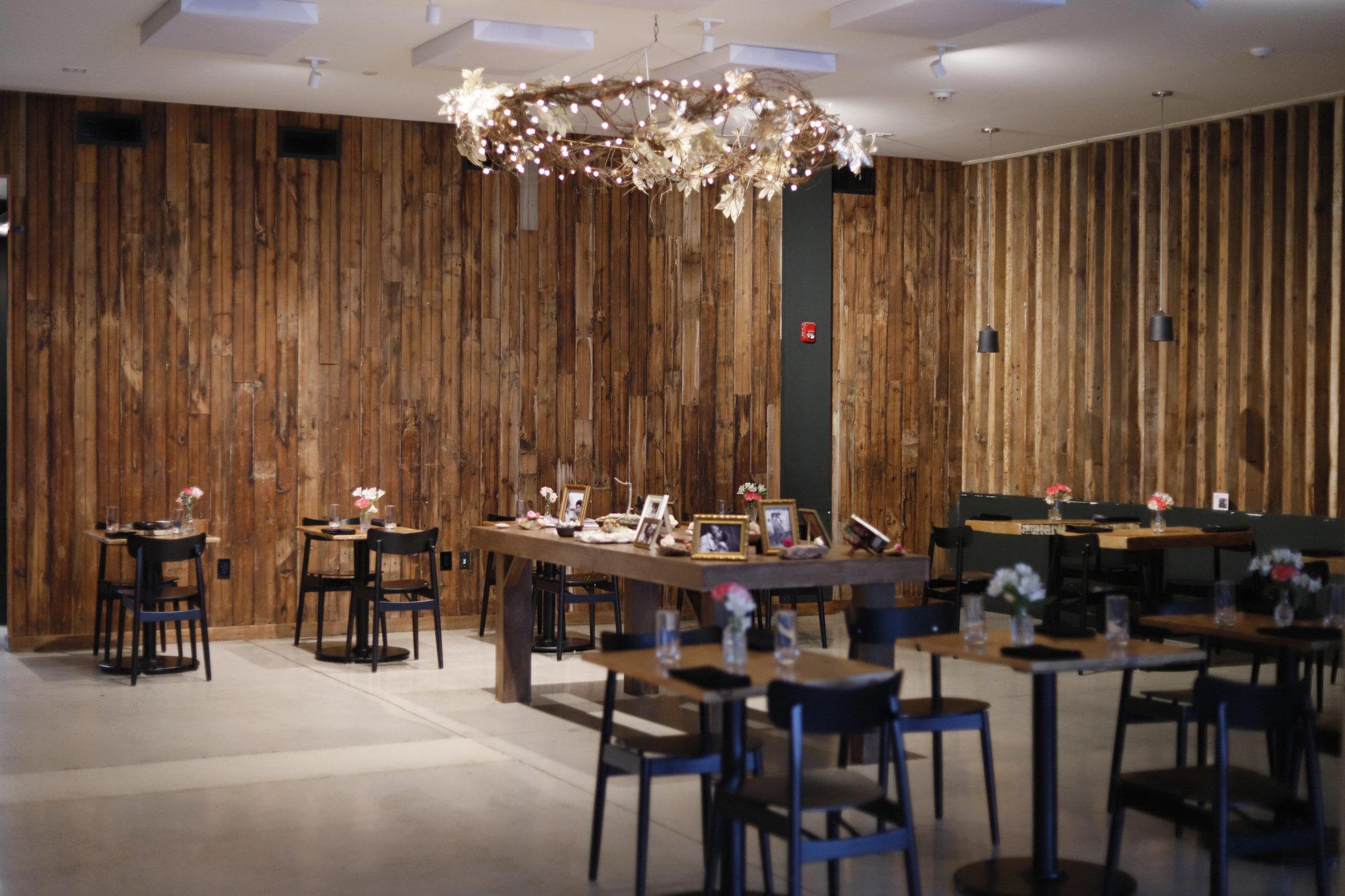
Bars in Philadelphia
Browse all →



Details
- Cozy
- Trendy
- Modern
- Casual Hangout
- Brunch
- Family
- Open Kitchen
- Byob
- A La Carte
- Small Plates
- Vegetarian Friendly
- Gluten Free Options
Current opening hours
- Monday
- 7 AM–3 PM, 5–9 PM
- Tuesday
- Closed
- Wednesday
- Closed
- Thursday
- 7 AM–3 PM, 5–9 PM
- Friday
- 7 AM–3 PM, 5–10 PM
- Saturday
- 9 AM–3 PM, 5–10 PM
- Sunday
- 9 AM–3 PM
Hours can change for holidays and private events. Last verified .
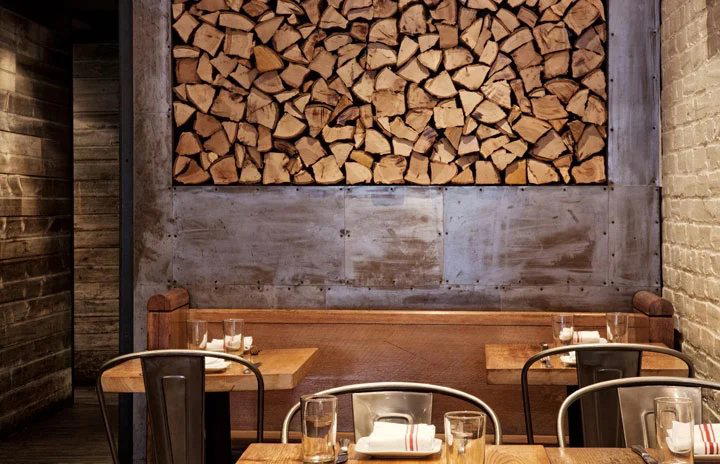
Warmly decorated industrial space with lush plants, exposed-brick walls, cozy seating including a mezzanine balcony, and a lively, inviting atmosphere.