KINTO Cozy & Authentic Georgian Restaurant
Our verdict
On Frankford Avenue in Fishtown, KINTO brings Georgian home cooking to a Philadelphia dining scene that has few reference points for the cuisine. The menu draws on the Caucasus region's layered spice traditions and communal table format, positioning KINTO as a rare fixed point for Georgian food in a city more accustomed to South Asian and Southeast Asian immigrant cooking.

Pearl is the En Primeur Club membership app — saves, bookings, and concierge access live there. Same editors, same standards.
- Address
- 1144 Frankford Ave, Philadelphia, PA 19125
- Phone
- (267) 857-9500
- Hours
- Mon–Thu 4–10 PMFri 4–11 PMSat 11 AM–11 PMSun 11 AM–10 PM
- Website
- kintophilly.com
- Directions
- Get directions
- Booking
- Book on OpenTable
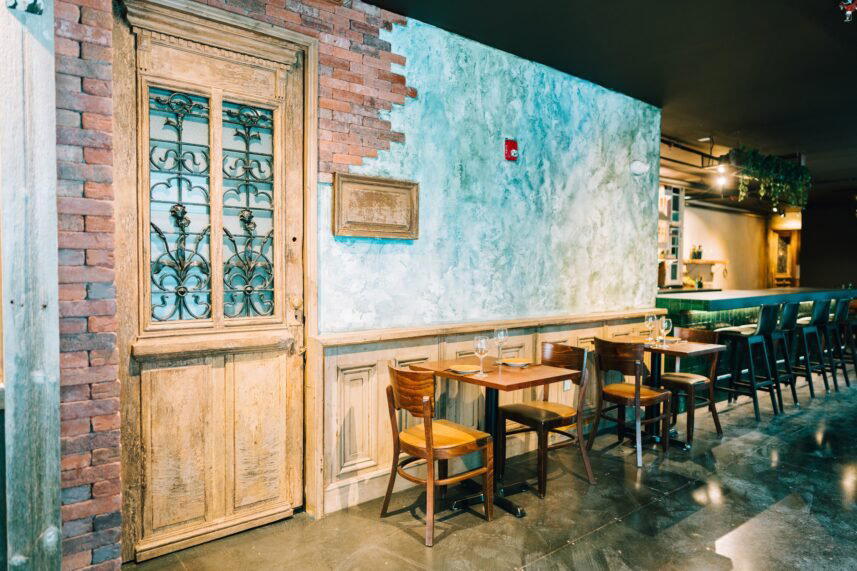
A Caucasus Table on Frankford Avenue
Fishtown's dining corridor on Frankford Avenue has become one of the more interesting stretches in Philadelphia for tracking how immigrant and diaspora cooking enters the mainstream. The block sits within walking distance of South Philly's denser ethnic restaurant clusters but operates at a different register: smaller rooms, independent ownership, and cuisines that rarely get a second restaurant in the same zip code. Georgian cooking fits that profile almost exactly. Outside of a handful of cities with established post-Soviet diaspora communities, Caucasus-region restaurants are sparse in the American Northeast, which makes KINTO, at 1144 Frankford Ave, an unusual data point for a city that has built its recent dining reputation around Thai, Cambodian, and New American formats.
The physical approach to KINTO is consistent with the block's character: a low-key storefront without the marquee signage of the city's higher-profile openings. That restraint is not incidental. Georgian hospitality culture, rooted in the concept of tamada (the toast-master tradition of shared feasting), does not typically perform itself loudly from the outside. It organizes itself around the table. What you encounter entering a Georgian restaurant shaped by that tradition is a density of small plates, communal bread, and a drinking culture built around amber wines and chacha (grape marc brandy) rather than cocktail programs.
What Georgian Cuisine Actually Is
For readers encountering Georgian food for the first time, a geographic note matters: Georgia sits at the intersection of Eastern Europe, the Middle East, and Central Asia, and its cuisine reflects all three. The result is a cooking tradition that uses walnut pastes where a French kitchen might use cream, layers fenugreek and blue fenugreek (utskho suneli) into spice blends, and relies on flatbreads as the structural center of the table rather than as an aside. The most referenced Georgian dishes in Western food writing are khachapuri (cheese-filled bread, with the Adjaran boat-shaped version being the most visually distinctive), khinkali (soup dumplings sealed at the leading and eaten by hand), and badrijani nigvziani (fried eggplant rolled around walnut paste). These are not approximations of other traditions; they are genuinely distinct preparations that share few close analogs elsewhere.
Philadelphia has developed real depth in several Southeast Asian cuisines. Kalaya built a national profile for Thai cooking, and Mawn has done similar work for Cambodian and Pan-Asian traditions. Georgian food sits at a different point on the city's map: less established, less written-about, and consequently more dependent on a single operator to carry the entire category's local reputation. That is a fragile position, but it also means KINTO operates without direct competition in its cuisine type within the city.
The Communal Format and What It Means for How You Eat
Georgian dining is structurally different from most Western restaurant experiences in ways that are worth understanding before you book. Meals are designed around multiple shared plates arriving gradually, with bread as the constant. The pacing is slower than an American tasting menu and less regimented; dishes arrive when ready rather than in choreographed courses. Drinking is integrated into the meal rather than separated into pre-dinner and wine-with-food categories. If Georgian amber wine is on the list, it is worth ordering: the country's 8,000-year winemaking tradition, which uses extended skin contact in clay vessels called qvevri, produces wines that are categorically different from European amber wine styles and pair differently with food.
For comparison, the dining format at places like Fork or Friday Saturday Sunday runs on tighter American service rhythm. My Loup gestures toward French communal pacing. Georgian communal dining at KINTO's scale is something different again: it asks the table to eat together across time rather than work through individual portions. Groups of three or four are better positioned to sample the menu's range than solo diners or pairs.
Planning Your Visit
KINTO sits in Fishtown, accessible by the Market-Frankford Line (Girard station places you within a short walk) or by car with street parking typically available on adjacent residential blocks. The cozy qualifier in the name is not decorative: a smaller room means fewer covers per service and a tighter margin for last-minute seats.
Visitors with dietary restrictions should contact KINTO in advance. Georgian cooking uses walnut extensively, often in preparations where it is not immediately visible as an allergen, and dairy features heavily in bread and dumpling fillings. Neither of these is easily substituted without fundamentally altering the dish. Getting clarity before arrival is a practical step, not an edge case.
For a broader orientation to where KINTO sits within Philadelphia's dining categories, our full Philadelphia restaurants guide maps the city's scene across price tiers and cuisine types. The national context, for readers calibrating Georgian food against higher-profile dining experiences, includes very different formats: Le Bernardin in New York City, Alinea in Chicago, The French Laundry in Napa, and Atomix in New York City represent the formal, tasting-menu end of American dining. KINTO operates in a different register entirely, where the value is in culinary specificity and cultural access rather than production scale or tasting-menu architecture. Blue Hill at Stone Barns, Lazy Bear in San Francisco, Single Thread Farm in Healdsburg, Providence in Los Angeles, Addison in San Diego, The Inn at Little Washington, Emeril's in New Orleans, and 8½ Otto e Mezzo Bombana in Hong Kong are reference points for readers tracking how formal dining operates at scale globally. The Georgian table is a different proposition, measured by authenticity to tradition rather than by production value.
Frequently asked questions
What dish is KINTO Cozy & Authentic Georgian Restaurant famous for?
What is the ideal way to book KINTO Cozy & Authentic Georgian Restaurant?
What is the standout thing about KINTO Cozy & Authentic Georgian Restaurant?
What if I have allergies at KINTO Cozy & Authentic Georgian Restaurant?
Is a meal at KINTO Cozy & Authentic Georgian Restaurant worth the investment?
Is KINTO a good option for larger groups, and how does the communal format work in practice?
Comparable Spots
Comparable venues nearby, for context on price, style, and recognition.
| Venue | Cuisine | Price | Notes |
|---|---|---|---|
| KINTO Cozy & Authentic Georgian RestaurantThis venue — the venue you are viewing | Georgian | $20–30 | Not listed |
| Little Walter's | Modern Polish | $30–50 | East Kensington |
| Puyero Venezuelan Flavor | Venezuelan Street Food | $20–30 | South Street |
| Bourbon & Branch | American Gastropub | $20–30 | Northern Liberties |
| Tomo Sushi & Ramen | Japanese Sushi & Ramen | $20–30 | Old City |
| New Harmony Vegetarian Restaurant | Vegan Chinese | Not listed | Old City |
Continue exploring
More in Philadelphia
Restaurants in Philadelphia
Browse all →
Bars in Philadelphia
Browse all →
Details
- Cozy
- Rustic
- Intimate
- Date Night
- Group Dining
- Family
- Casual Hangout
- Standalone
- Byob
- A La Carte
- Family Style
- Byob
- Vegetarian Friendly
- Vegan Options
Current opening hours
- Monday
- 4–10 PM
- Tuesday
- 4–10 PM
- Wednesday
- 4–10 PM
- Thursday
- 4–10 PM
- Friday
- 4–11 PM
- Saturday
- 11 AM–11 PM
- Sunday
- 11 AM–10 PM
Hours can change for holidays and private events. Last verified .
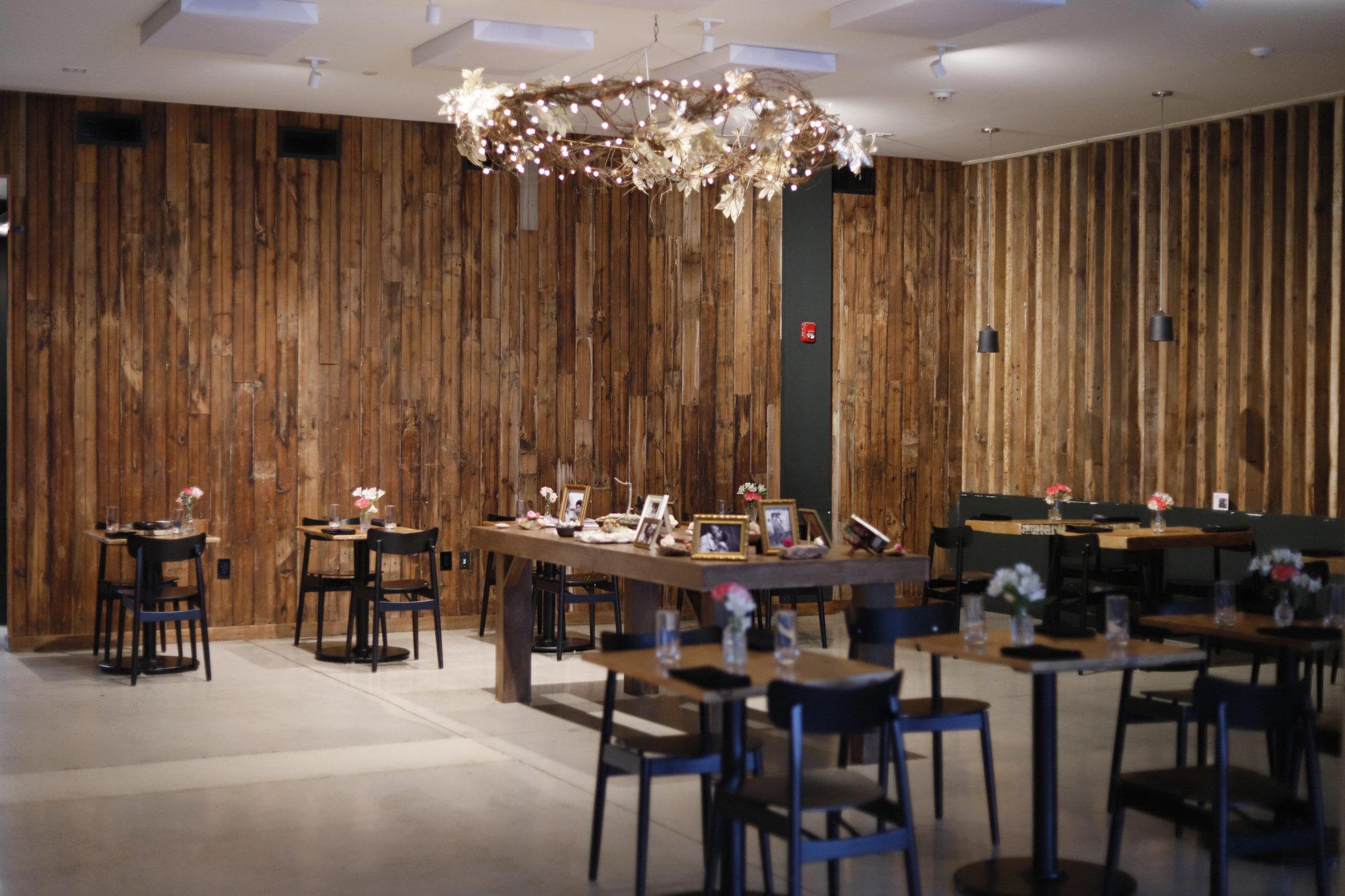
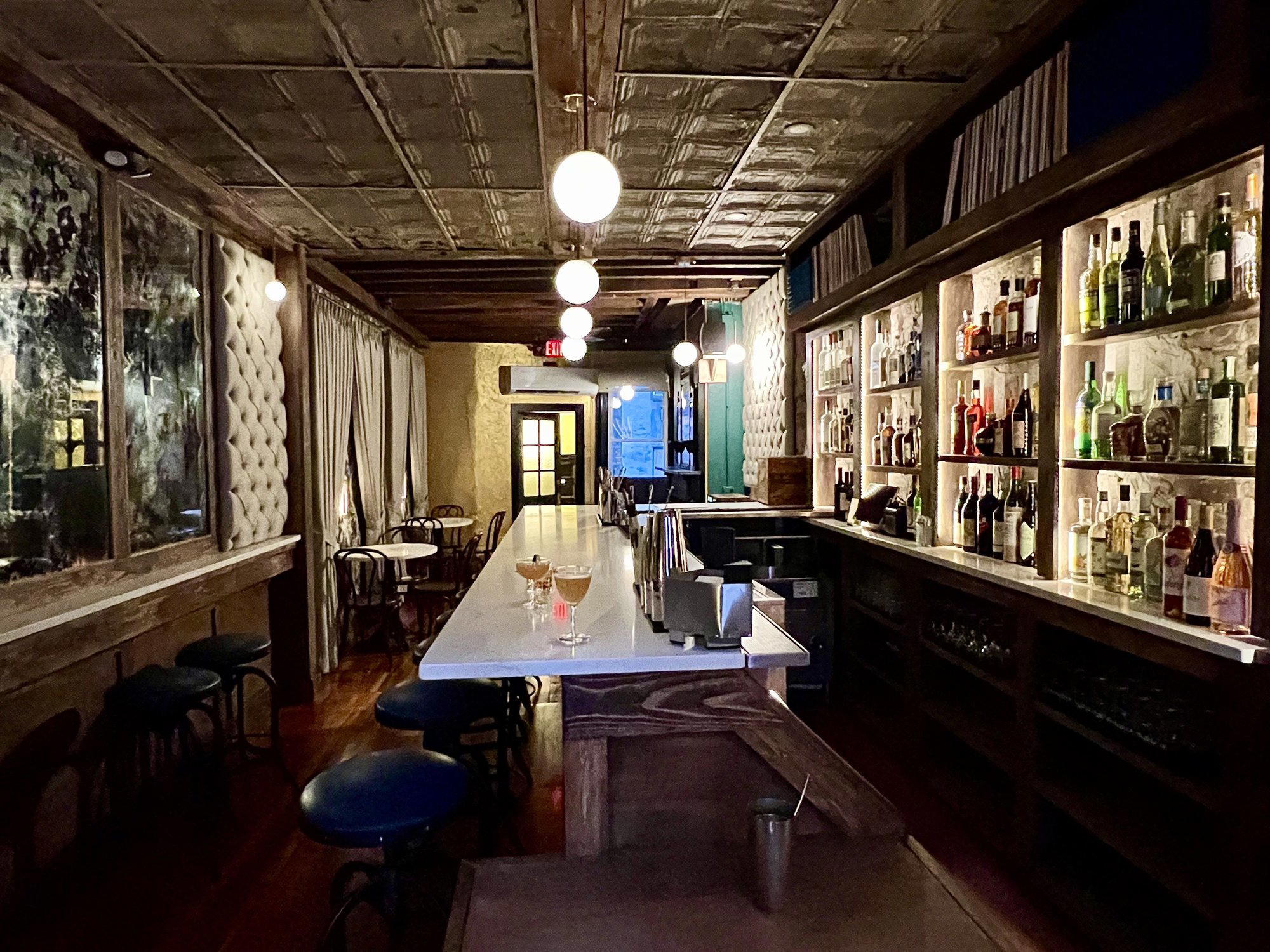
Cozy and rustic with traditional Georgian décor creating an inviting, warm atmosphere well-suited for intimate gatherings.