Abe Fisher

Our verdict
On Sansom Street in Philadelphia's Rittenhouse corridor, Abe Fisher applies Israeli and broader Jewish diaspora culinary tradition to an American dining format. It occupies a specific niche in Philadelphia's mid-tier dining scene that few kitchens attempt.

Pearl is the En Primeur Club membership app, where members save venues, book tables and use the concierge.

The menu
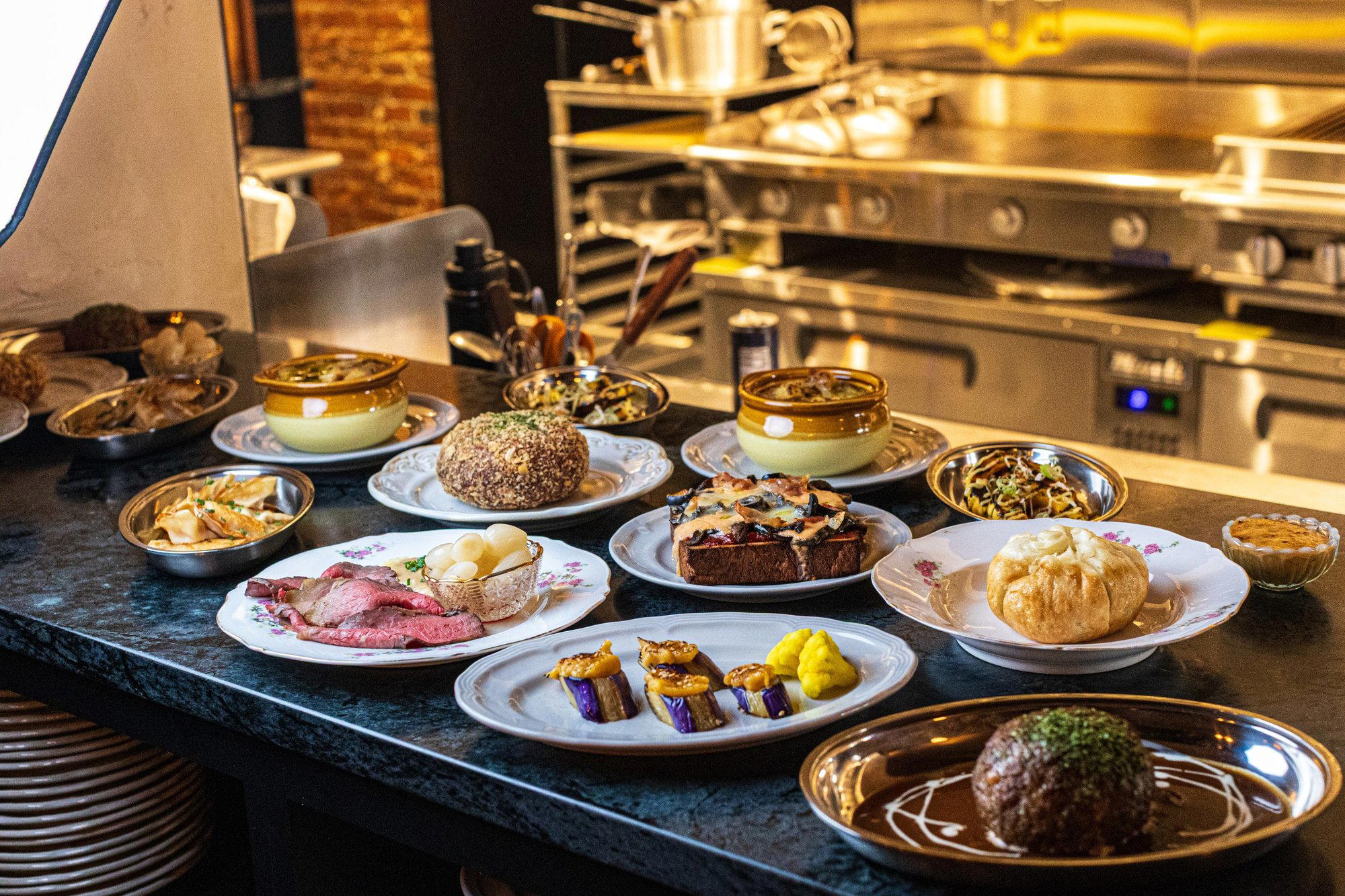
What to order
- Montreal short ribs
- Chicken liver mousse
- Borscht tartare
Where Sansom Street Meets the Jewish Diaspora Table
The block of Sansom Street between 16th and 17th in Philadelphia's Rittenhouse Square corridor carries a particular density of mid-format restaurants that reward repeat visits more than single occasions. Abe Fisher sits in that stretch, and from the outside it signals something specific: this is not a deli, not a modern Israeli pop-up, and not a European-style bistro. The format borrows from all three traditions and commits to none of them fully, which is exactly the point. Jewish diaspora cooking, as a culinary category, has rarely found a stable home in American restaurant formats, and Abe Fisher represents one of the more considered attempts to give it one.
The Israeli Kitchen in an American City
Israeli cuisine, or more precisely, the cooking that has emerged from Israeli food culture over the past three decades, draws from Levantine, North African, Eastern European, and Yemenite traditions simultaneously. It is not a single technique or a single ingredient but a negotiation between influences, shaped by waves of immigration and by geography that places the country at the intersection of multiple food cultures. In American cities, that tradition has been interpreted with varying degrees of authenticity and ambition. At the casual end of the spectrum, hummus bars and shakshuka brunch spots are now common from Brooklyn to Los Angeles. The more serious interpretations, like Abba Telavivian Kitchen in Miami, attempt to work with the full range of that tradition rather than selecting its most accessible export flavors.
Abe Fisher operates in that more serious register while maintaining the pricing and atmosphere of a neighborhood restaurant. The 2023 Opinionated About Dining Casual North America Recommended designation places it in a peer group defined less by formality than by seriousness of intent, a category that recognizes kitchens where the cooking reflects genuine knowledge of a tradition rather than surface-level interpretation. OAD's casual list in North America is selective enough that inclusion signals something substantive about the kitchen's approach.
Philadelphia's Dining Position and Where Abe Fisher Fits
Philadelphia's restaurant scene has consolidated around a recognizable set of strengths over the past decade. The city's New American restaurants, places like Fork and Friday Saturday Sunday, represent a well-developed upper tier with critical recognition to match. At the casual and mid-format level, the city also supports a range of immigrant-tradition kitchens, from South Philly Barbacoa's Mexican cooking to Mawn's Cambodian and pan-Asian kitchen. My Loup holds a distinct position in the French-inspired tier. Abe Fisher sits in a gap that most of these restaurants do not occupy: the space between comfort-driven Jewish-American food and the more technique-forward Israeli restaurant format that has emerged in major coastal cities over the past decade.
That positioning is not incidental. Rittenhouse Square's dining corridor attracts a clientele with enough culinary curiosity to support a kitchen that asks something of its audience, namely, some familiarity with, or at least openness to, flavor profiles that do not default to the familiar American-European axis.
The Culinary Tradition Behind the Menu
What makes Israeli-influenced cooking genuinely interesting as a restaurant format is its relationship to time. Many of the foundational preparations, the slow-cooked braises, the fermented and pickled accompaniments, the spice blends built from multiple regional traditions, require patience that fast-casual formats cannot accommodate. At the table, that time investment shows in depth of flavor rather than in complexity of presentation. The food tends to look simpler than it tastes, which is the opposite of the plating-first approach that has defined much of American tasting-menu culture. Compared to the technically elaborate formats practiced at places like Alinea in Chicago or the agricultural-narrative menus at Single Thread Farm in Healdsburg, Abe Fisher operates in a different register entirely, one where the argument is made through flavor rather than through theater.
The Jewish diaspora element adds another layer. Unlike, say, the French classical tradition, which informs kitchens from Le Bernardin in New York City to The French Laundry in Napa, Jewish diaspora cooking does not have a single canonical source. It is defined by displacement and adaptation, which means that any given dish on the menu at a place like Abe Fisher may draw simultaneously from Ashkenazi, Sephardic, and Mizrahi traditions. That intellectual richness is also a marketing challenge: it requires more explanation than a cuisine with a single geographic identity, and it rewards curiosity more than it rewards casual ordering.
A Kitchen That Earns Repeat Visits
The practical reality of Abe Fisher is that it functions as a neighborhood restaurant that happens to be doing something more specific than most neighborhood restaurants attempt. High-profile kitchens in cities like San Francisco, where something like Lazy Bear has built a following around a very specific format, often trade on first-visit spectacle. Consistency across a broader audience at a casual price point is a different kind of discipline. Emeril's in New Orleans and Antler Room in Kansas City both demonstrate how regional American kitchens can build durable reputations outside the coastal fine-dining spotlight, Abe Fisher belongs to a similar conversation in Philadelphia.
For visitors building a Philadelphia itinerary, Abe Fisher works well understood as a complement to the city's stronger New American and immigrant-tradition restaurants rather than a replacement for them. The full picture of what Philadelphia's mid-format dining scene can do requires moving between those categories. EP Club's full Philadelphia restaurants guide covers the broader range. For those building a longer stay, the Philadelphia hotels guide, bars guide, wineries guide, and experiences guide cover the surrounding infrastructure.
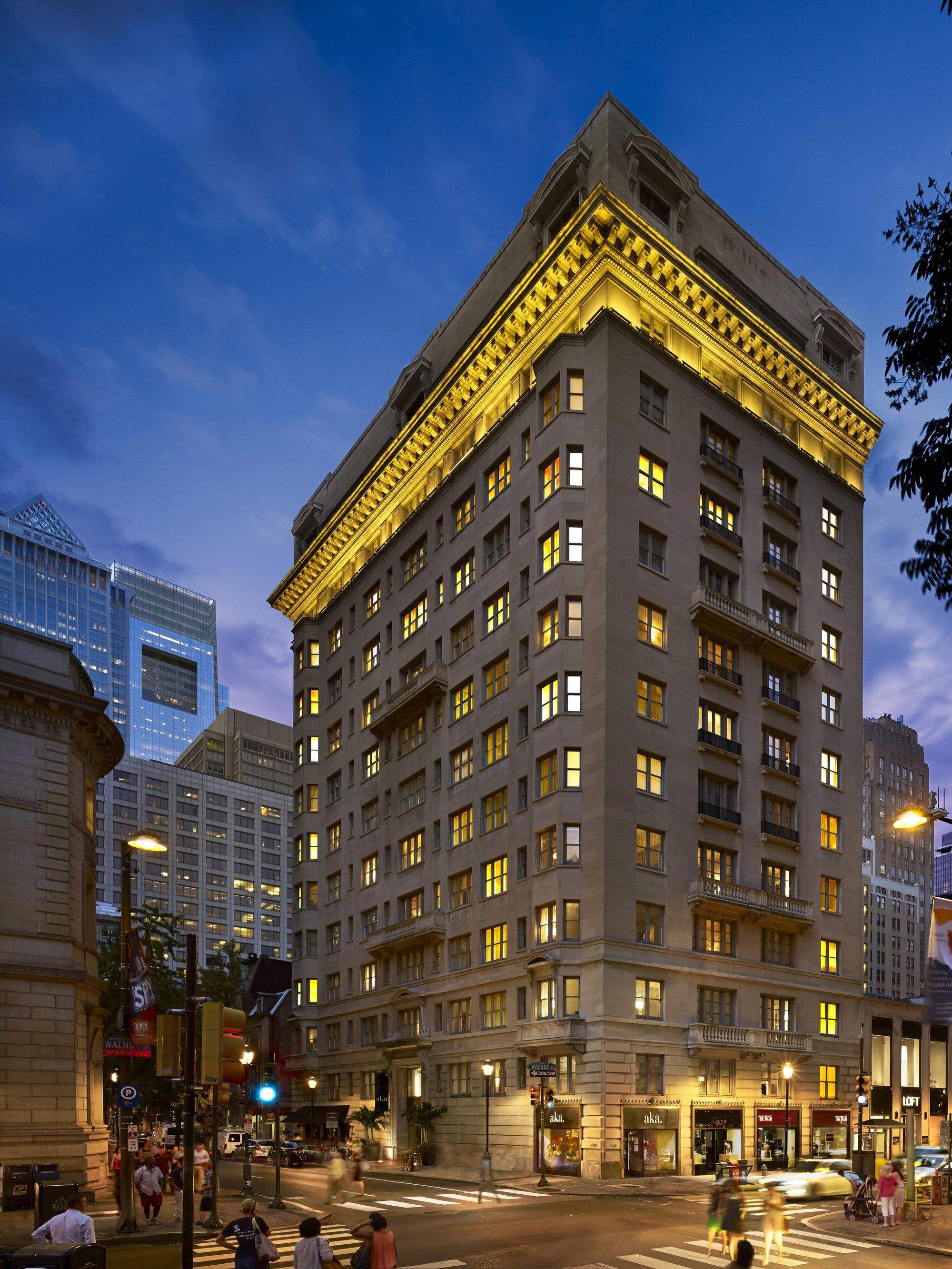
Abe Fisher is located at 1625 Sansom St, Philadelphia, PA 19103, within easy walking distance of Rittenhouse Square.
Frequently asked questions
What distinctions does Abe Fisher have?
Abe Fisher has received recognition including: Opinionated About Dining Casual in North America Recommended (2023).
What do regulars order at Abe Fisher?
The menu draws from Israeli and broader Jewish diaspora cooking traditions, meaning the recurring strengths lie in preparations with deep roots: slow-cooked proteins, pickled and fermented vegetables, and grain-forward dishes tied to Levantine and Eastern European technique. Opinionated About Dining recognized Abe Fisher in its 2023 Casual North America recommendations, which reflects consistent kitchen output rather than one-off showpieces. The Sansom Street address puts it squarely in the Rittenhouse Square corridor, where regulars return for the kind of cooking that rewards familiarity with the tradition behind each dish.
What's the address for Abe Fisher?
Abe Fisher is located at 1625 Sansom St, Philadelphia, PA 19103, United States, Philadelphia.
Comparison Snapshot
Comparable venues nearby, for context on price, style, and recognition.
| Venue | Cuisine | Price | Awards | Notes |
|---|---|---|---|---|
| Abe FisherThis venue (the venue you are viewing) | Modern Jewish Diaspora | $50–100 | Not listed | Not listed |
| Noord | Dutch and Northern European Bistro | Not listed | Not listed | East Passyunk Crossing |
| Saloon Restaurant | Classic Italian Steakhouse | $50–100 | OpenTable Top 100 Restaurants | Bella Vista |
| Amá | Modern Mexican | $50–100 | James Beard Award Semi Finalist · Resy Best of the Hit List | Olde Kensington |
| Rice & Sambal | Modern Indonesian | $100–150 | Not listed | East Passyunk Crossing |
| La Famiglia | Classic Italian Fine Dining | $50–100 | Wine Spectator Best of Award of Excellence | Old City |
Recognition history
Dated appearances from independent guides and award organizations, with the underlying list record or original source where available.
Opinionated About Dining Casual in North America Recommended
Opinionated About Dining
Continue exploring
More in Philadelphia
Restaurants in Philadelphia
All restaurants in Philadelphia →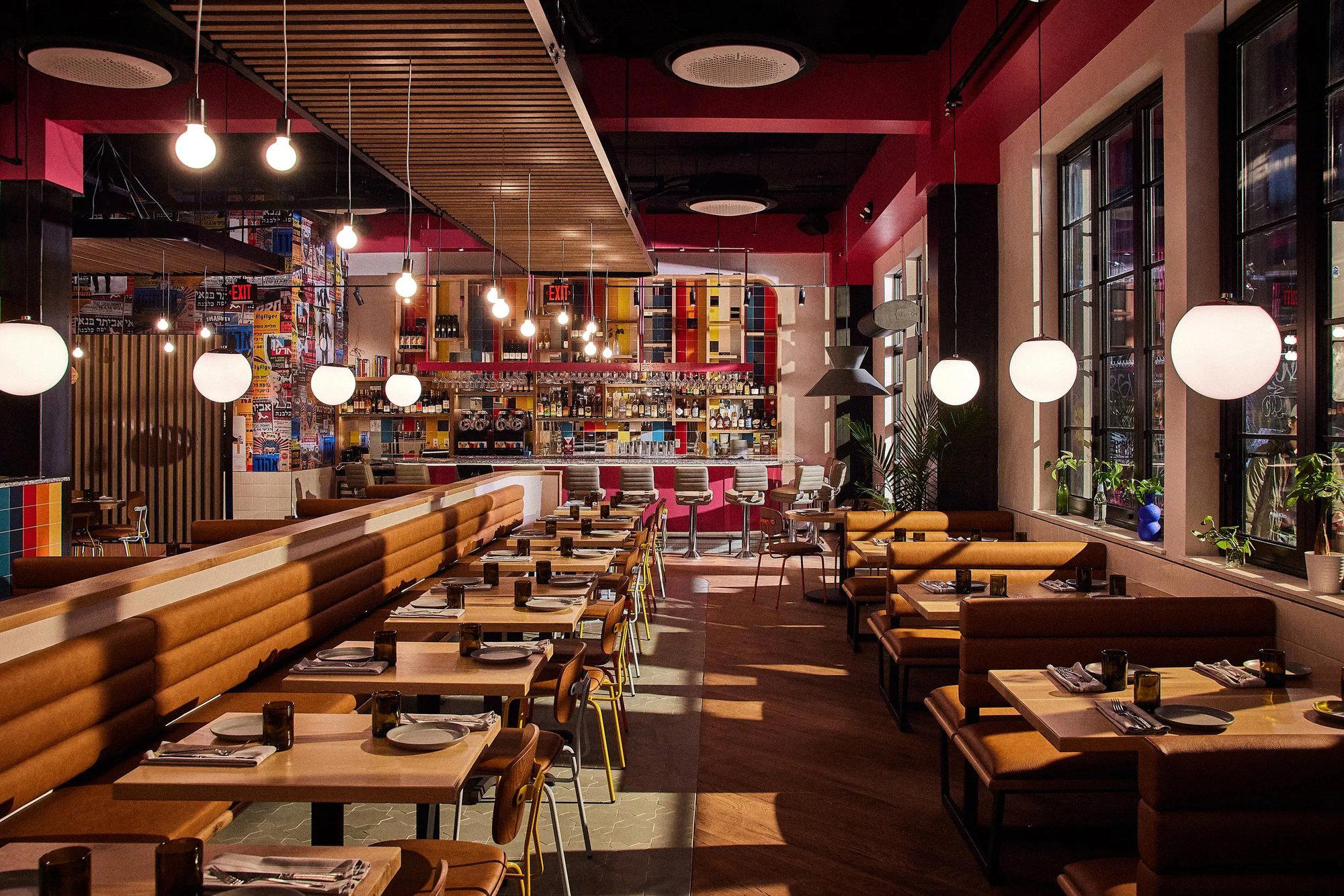
Bars in Philadelphia
All bars in Philadelphia →
Details
- Cozy
- Trendy
- Retro
- Date Night
- Group Dining
- Celebration
- Special Occasion
- Open Kitchen
- Craft Cocktails
- Corkage Allowed
- Small Plates
- Prix Fixe
- Vegetarian Friendly
Current opening hours
- Monday
- 11 AM–9 PM
- Tuesday
- 11 AM–9 PM
- Wednesday
- 11 AM–9 PM
- Thursday
- 11 AM–9 PM
- Friday
- 11 AM–10 PM
- Saturday
- 11 AM–10 PM
- Sunday
- 11 AM–9 PM
Hours can change for holidays and private events. Hours as of .
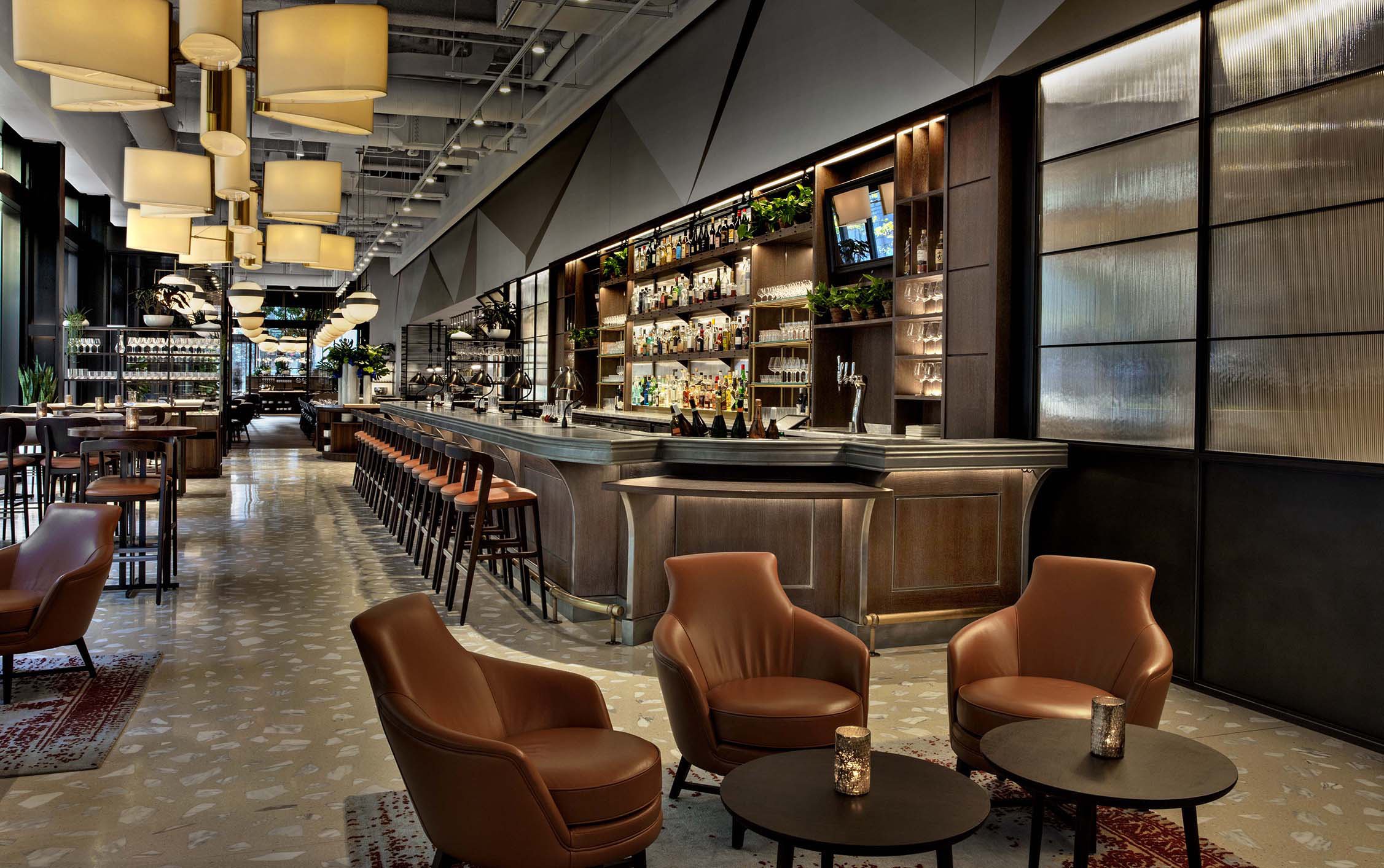
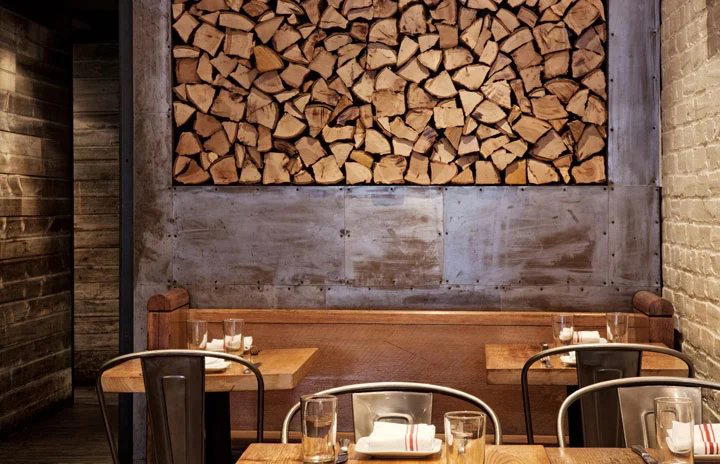
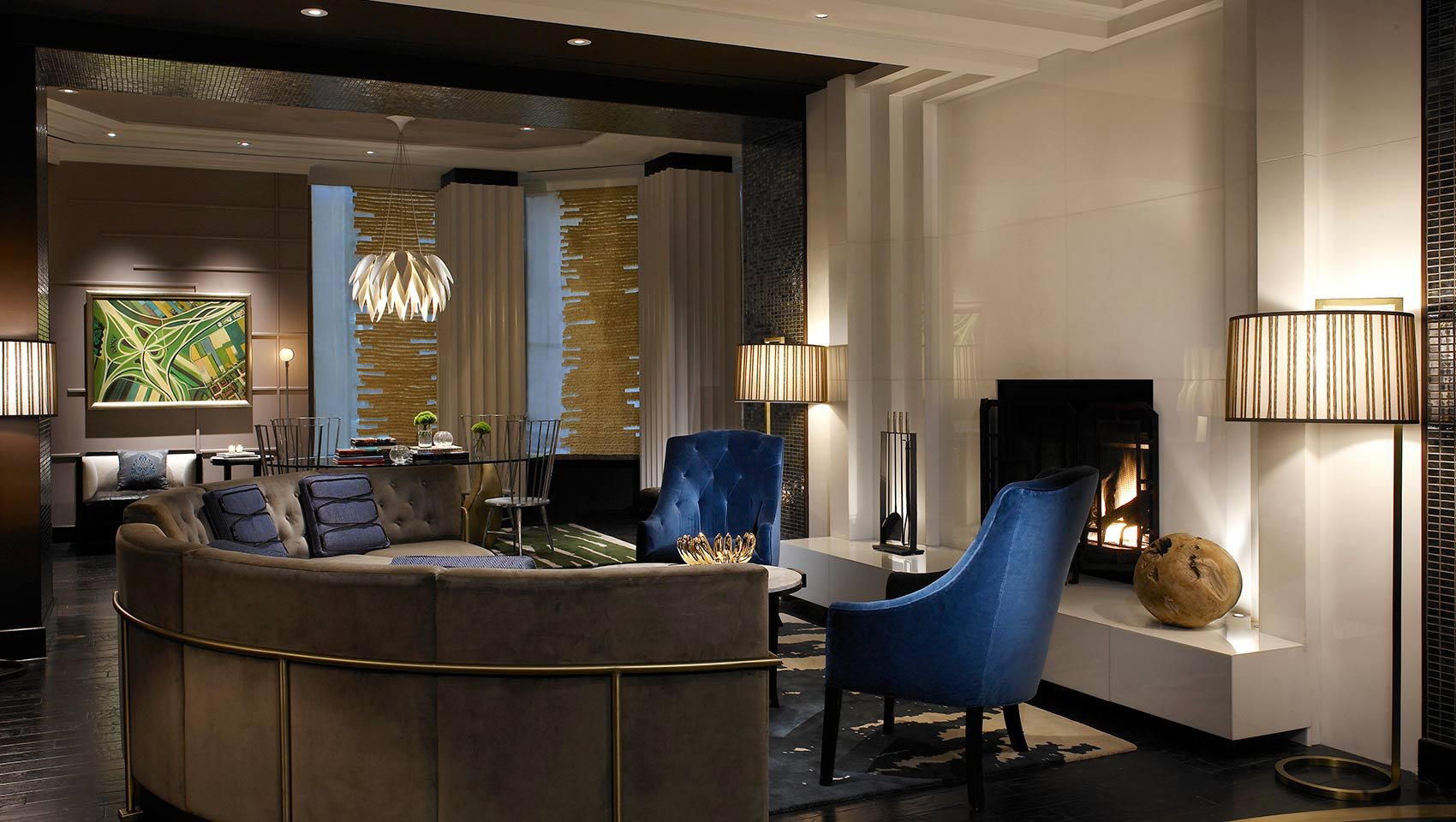
Laid-back buzzy atmosphere with vintage-inspired black and white tile floors and a lively bar scene.