Mühle




2 Michelin Stars · La Liste Top Restaurants · Falstaff Restaurant - 93 Falstaff Points
Our verdict
A Michelin-starred Modern French restaurant in the Black Forest village of Schluchsee, Mühle holds one Michelin star in 2025 and ranks 275th on the Opinionated About Dining Classical Europe list. Chef Niclas Nussbaumer anchors French technique in the produce and landscape of the surrounding region, making it one of the more compelling arguments for fine dining outside Germany's major urban centres.

Pearl is the En Primeur Club membership app, where members save venues, book tables and use the concierge.
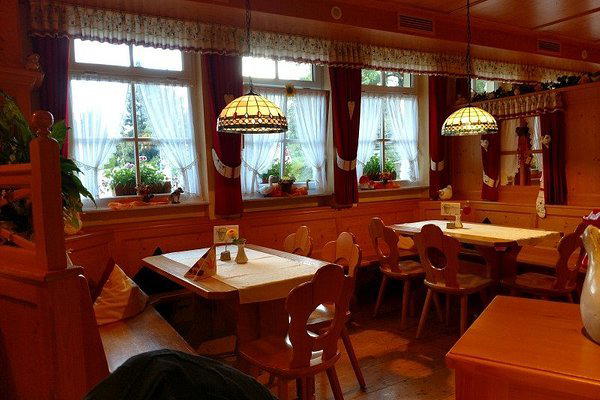
Fine Dining at the Edge of the Black Forest
The Black Forest has long sustained a strand of serious French-influenced cooking that sits apart from Germany's urban fine dining circuit. The region's altitude, cold-water streams, and dense woodland create conditions that shape what ends up on the plate, the same logic that has made neighbouring Baiersbronn home to some of the country's most-decorated restaurants, including the long-established Schwarzwaldstube. Schluchsee, a lake town in the southern Black Forest at roughly 930 metres above sea level, belongs to the same culinary geography, even if it sits further from the beaten trail of gastronomic tourism. Mühle, on Unterer Mühlenweg, operates in that tradition: a Michelin-starred Modern French kitchen drawing on the terrain that immediately surrounds it.
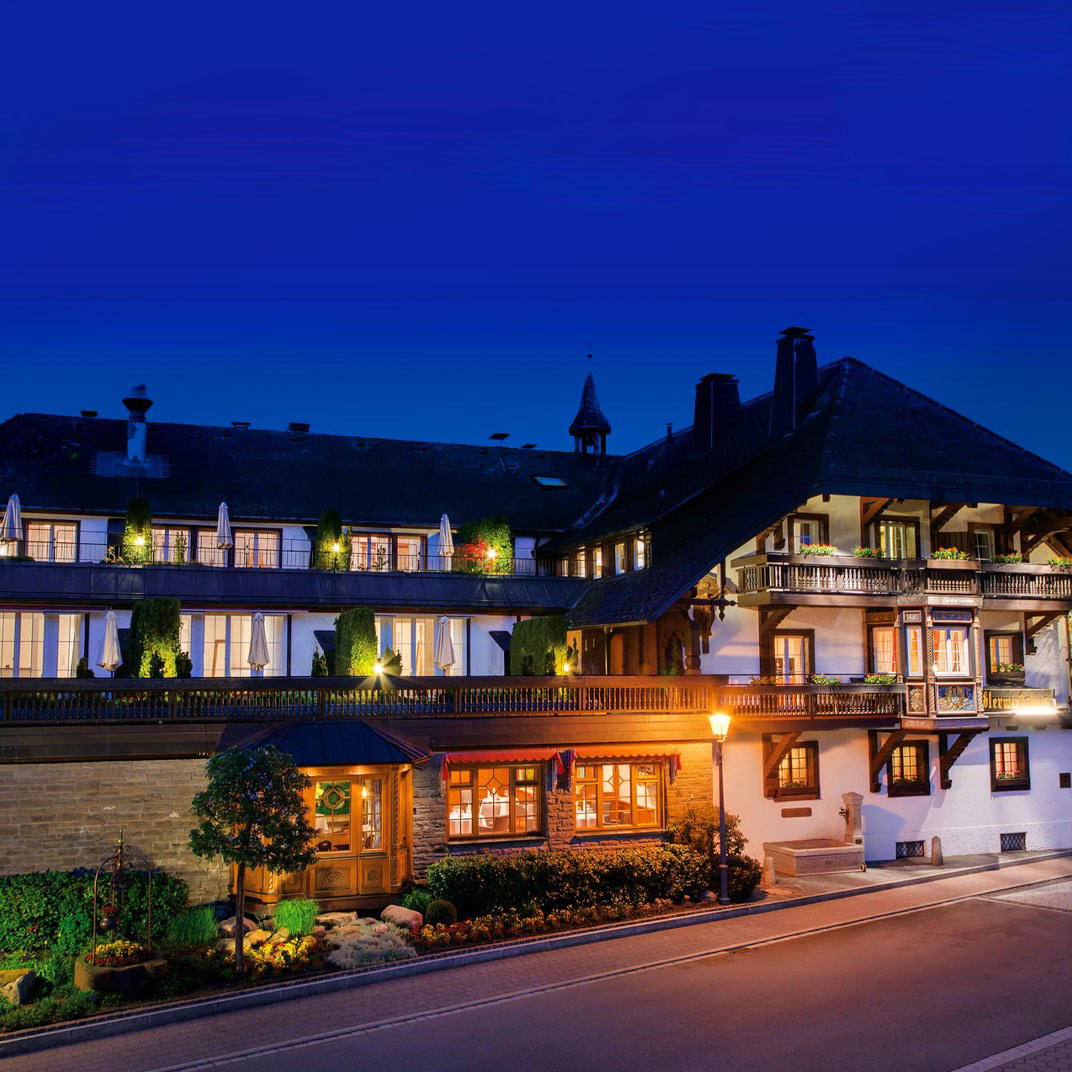
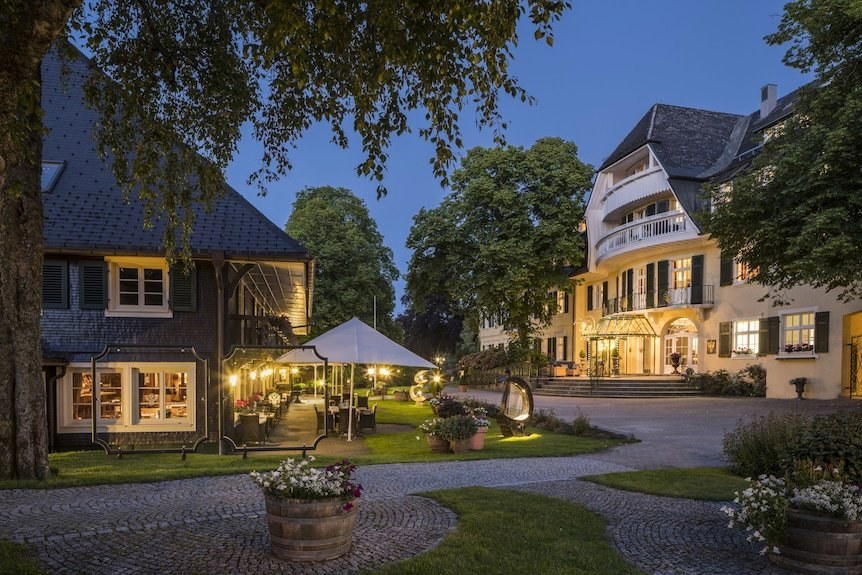
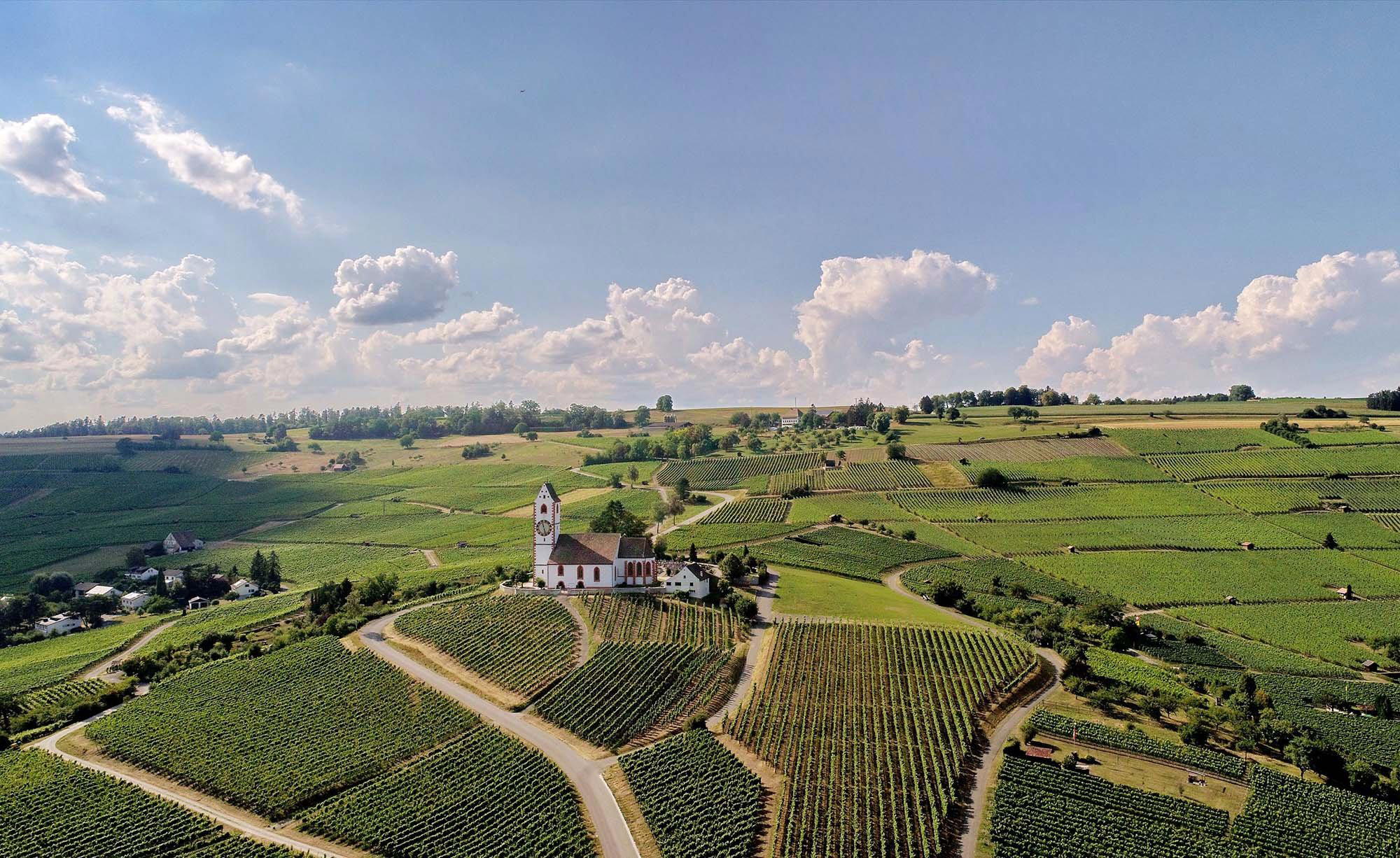
Approaching the address, the setting registers before the food does. The southern Black Forest at this altitude has a specific quality of stillness, conifer-dense, lake-proximate, removed from the suburban sprawl that cushions many celebrated restaurants elsewhere in Germany. That physical remoteness is part of what the experience asks of you. Guests arrive having made a deliberate journey, which shapes expectations differently than an urban tasting menu where the taxi drop-off is part of the choreography.
Provenance as the Structural Logic
Modern French cooking, as practised across Europe's better regional restaurants, increasingly uses classical technique as a frame for local ingredient stories rather than as an end in itself. The Black Forest provides a particularly coherent larder for this approach: game, freshwater fish from cold-water lakes and rivers, forest forage, dairy from highland farms. These are not decorative regional gestures, they are the raw material that justifies locating a serious kitchen in a village of this size in the first place.
Chef Niclas Nussbaumer's kitchen at Mühle sits within this tradition. The restaurant holds one Michelin star as of the 2025 guide, a step down from the two stars it carried in the 2024 edition, a change in rating that the Michelin process treats as a recalibration rather than a verdict on quality, though it is a data point worth noting for readers benchmarking against peer restaurants. On the Opinionated About Dining Classical in Europe list, the restaurant ranked 275th in 2025, up from 318th the year prior, which indicates sustained critical engagement from the survey's European specialist voter base. La Liste placed it at 78 points in its 2026 rankings. Taken together, these signals position Mühle inside the tier of recognised regional French kitchens operating at serious technical level, comparable in positioning (if not in style or geography) to places like JAN in Munich or ES:SENZ in Grassau, both working in the premium Modern French register in southern German contexts.
Where Mühle Sits in the German Fine Dining Map
Germany's fine dining distribution is more geographically dispersed than in comparable European countries. Serious two- and three-star cooking exists in rural wine regions, forest towns, and mid-sized cities in ways that have no direct French or British equivalent. This matters for understanding Mühle's position. The restaurant is not a city destination that happens to be in a small place; it is a regional kitchen whose identity depends on its location. That distinction separates it from urban-format tasting menus such as CODA Dessert Dining in Berlin or Restaurant Haerlin in Hamburg, where the city itself is the context.
The better comparators are restaurants like Waldhotel Sonnora in Dreis or Schanz in Piesport, kitchens embedded in German rural or semi-rural settings, where the journey is part of the proposition and the surrounding region contributes directly to the cooking's identity. In that company, Mühle's combination of Black Forest terroir and classical French technique reads as coherent rather than incongruous. For readers who have tracked the Modern French format across European capitals, including Sketch's Lecture Room and Library in London or Alex Dilling at Hotel Café Royal, Mühle offers a structurally different experience: less urban theatre, more environmental specificity.
The Practical Shape of a Visit
Mühle's hours are worth reading carefully before planning. The restaurant operates Thursday through Monday, with Tuesday and Wednesday closed, a pattern common to serious tasting-menu kitchens that concentrate service days to maintain kitchen discipline. The price range sits at the top tier (€€€€), consistent with peer Michelin-starred restaurants operating in the Classical French register at this level in Germany. Guests planning around a stay in Schluchsee or the southern Black Forest region will find the schedule dictates the visit's architecture; a long weekend beginning Thursday or ending Sunday works most naturally. The Schluchsee hotels guide covers accommodation options in the area, and for readers building a fuller itinerary, the Schluchsee restaurants guide, bars guide, and experiences guide map the surrounding offer. The Schluchsee wineries guide is also relevant for those interested in regional wine alongside the meal.
That signal aligns with the Opinionated About Dining upward movement and suggests consistent execution rather than occasional brilliance.
The Editorial Case for the Detour
Germany's most-decorated regional French restaurants often require the same cost-of-access calculation: distance from a major hub, overnight stay, advance booking. Victor's Fine Dining by Christian Bau in Perl and Vendôme in Bergisch Gladbach both operate under the same logic. For the reader already planning time in the Black Forest, or willing to build an itinerary around the southern German highlands, Mühle represents a kitchen that has earned sustained critical recognition across multiple independent rating systems. The OAD improvement year-over-year, the La Liste placement, and the Michelin single-star designation as of 2025 together indicate a restaurant that the specialist critical community continues to take seriously.
The broader case for this kind of destination restaurant is not about prestige alone. It is about what happens when a technically accomplished kitchen is physically embedded in its ingredient geography rather than importing that geography as a concept. The Black Forest is not a marketing backdrop for Mühle; it is the supply chain, the climate, and the reason the restaurant exists where it does rather than in Freiburg or Stuttgart. That coherence between place and plate is what distinguishes the most compelling regional French kitchens from those that apply the same template regardless of postcode.
For readers building a fine dining tour of southern Germany, Bagatelle in Trier and Aqua in Wolfsburg offer points of comparison at different ends of the German geographic spread, though neither shares Mühle's specific Black Forest context.
Frequently asked questions
Would Mühle be comfortable with kids?
Mühle is a Michelin-starred Modern French restaurant operating at the €€€€ price point, a format that prioritises extended tasting menus and a considered dining pace. That context makes it a poor fit for young children. Older teenagers with an interest in serious cooking are a different matter, though it is worth contacting the restaurant directly before booking.
What's the vibe at Mühle?
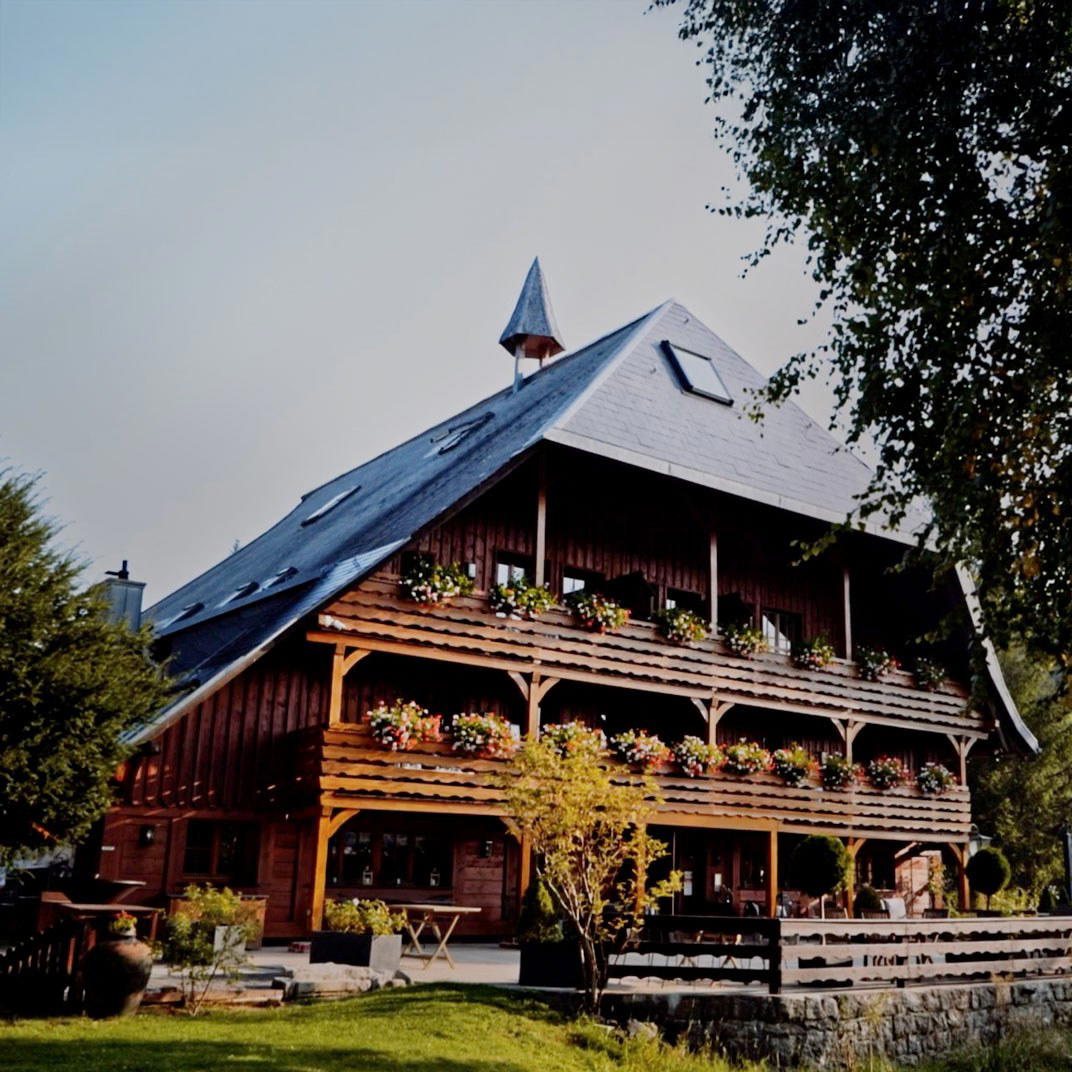
The setting is a working mill building on Unterer Mühlenweg in Schluchsee, which places the restaurant in a rural Black Forest context rather than a city dining room. Ranked by both Michelin (currently one star, previously two) and Opinionated About Dining's Classical in Europe list, the tone is one of regional seriousness: a destination you plan around, not a drop-in. Expect a focused, quiet atmosphere weighted toward the food.
Does Mühle have a Michelin star or similar recognition?
Mühle has received recognition including: La Liste Top Restaurants (2026): 78pts; Opinionated About Dining Classical in Europe Ranked #275 (2025); Michelin 1 Star (2025); Opinionated About Dining Classical in Europe Ranked #318 (2024); Michelin 2 Stars (2024).
What do people recommend at Mühle?
Specific dish recommendations are not something EP Club publishes without current firsthand documentation, and menus at this level change with season and sourcing. What the record does show is consistent recognition for chef Niclas Nussbaumer's Modern French approach, La Liste scored Mühle 78 points in its 2026 ranking, and OAD has placed it twice on its Classical in Europe list. The cooking, not any single dish, is the consistent draw.
How much does it cost to eat at Mühle?
Pricing at Mühle is listed as €€€€.
What are the operating hours at Mühle?
Hours at Mühle: Hours: Monday Open 24 hours Tuesday Closed Wednesday Closed Thursday Open 24 hours Friday Open 24 hours Saturday Open 24 hours Sunday Open 24 hours.
| Venue | Cuisine | Price | Awards | Notes |
|---|---|---|---|---|
| MühleThis venue (the venue you are viewing) | Modern European Fine Dining | $150–200 | 2 Michelin Stars · La Liste Top Restaurants | Not listed |
| Schwarzwaldstube | Modern French Fine Dining | $150–200 | 3 Michelin Stars · World's 50 Best #47 | French, Classic French |
| Aqua | Contemporary German, Italian/Japanese, Creative | Not listed | Michelin 3 Star | Not listed |
| CODA Dessert Dining | Dessert-Inspired Fine Dining | $200–300 | 2 Michelin Stars · World's 50 Best #79 | Creative |
| Tantris | Modern French, French Contemporary | Not listed | Michelin 2 Star | Not listed |
| Vendôme | Modern German Haute Cuisine | $200–300 | 2 Michelin Stars · World's 50 Best #47 | Modern European, Creative |
Recognition history
Dated appearances from independent guides and award organizations, with the underlying list record or original source where available.
Michelin 2 Stars
Michelin
La Liste Top Restaurants
La Liste
Falstaff Restaurant - 93 Falstaff Points
Falstaff
Opinionated About Dining Classical in Europe Ranked #275
Opinionated About Dining
Full recognition history (7 entries)
Michelin 1 Star
Michelin
Michelin 2 Stars
Michelin
Opinionated About Dining Classical in Europe Ranked #318
Opinionated About Dining
Continue exploring
More in Schluchsee
Restaurants in Schluchsee
All restaurants in Schluchsee →
Bars in Schluchsee
Browse all →

Details
- Quiet
- Elegant
- Cozy
- Scenic
- Rustic
- Date Night
- Special Occasion
- Historic Building
- Hotel Restaurant
- Extensive Wine List
- Local Sourcing
- Garden
- Tasting Menu
- Vegetarian Friendly
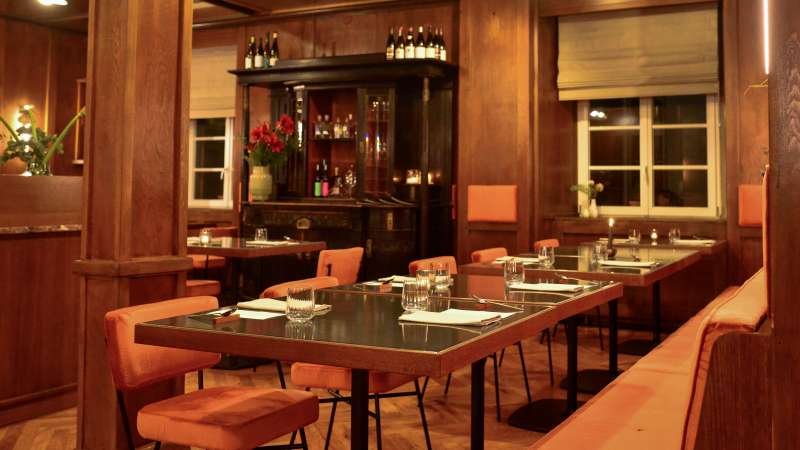
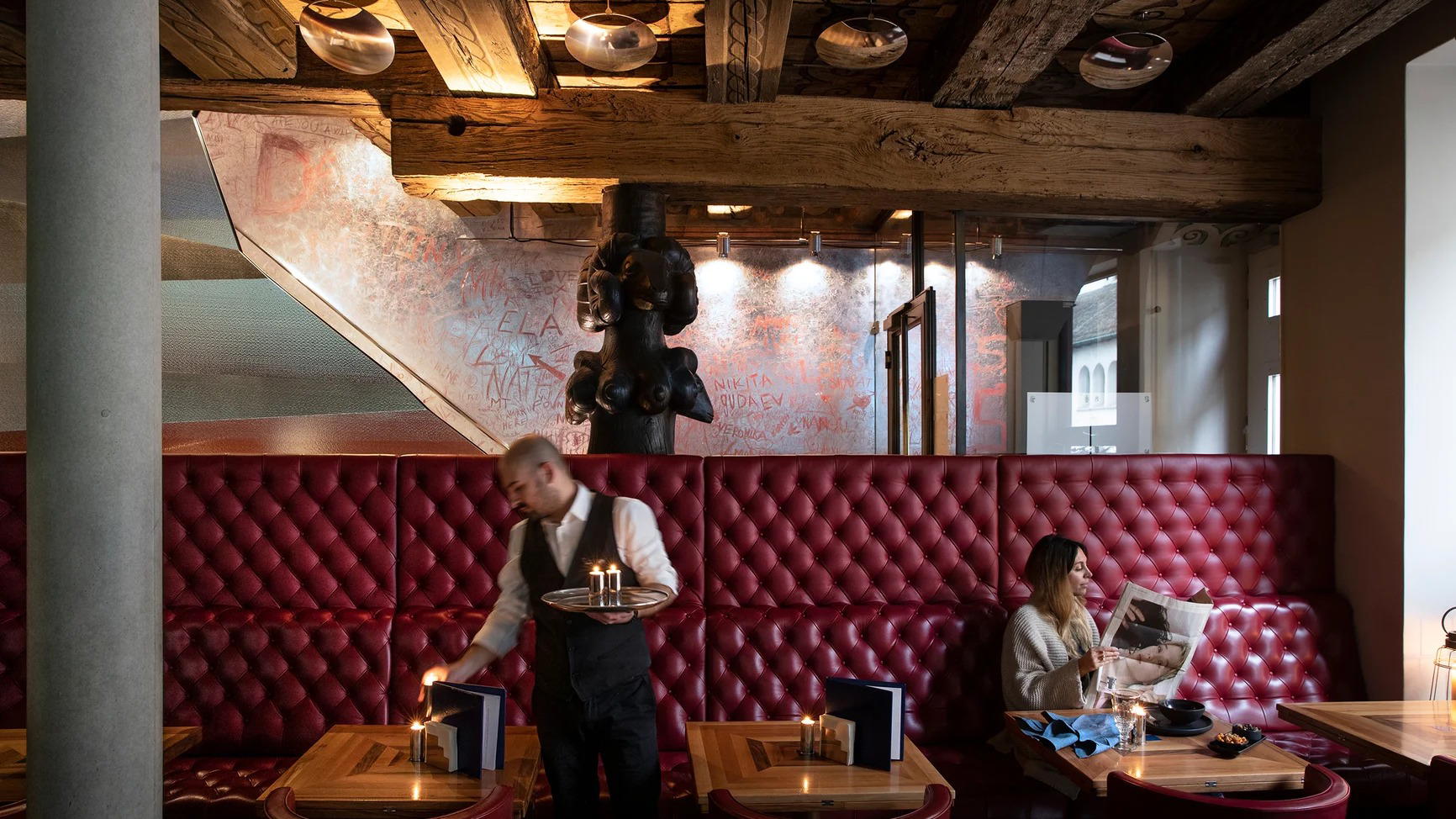
Relaxed and cozy atmosphere in a lovingly refurbished historic space with simple wooden tables, warm lighting, and a serene park-like setting radiating quiet and relaxation.