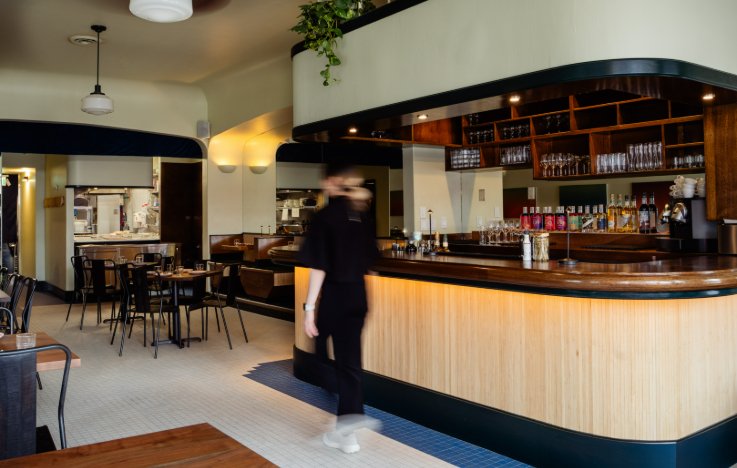
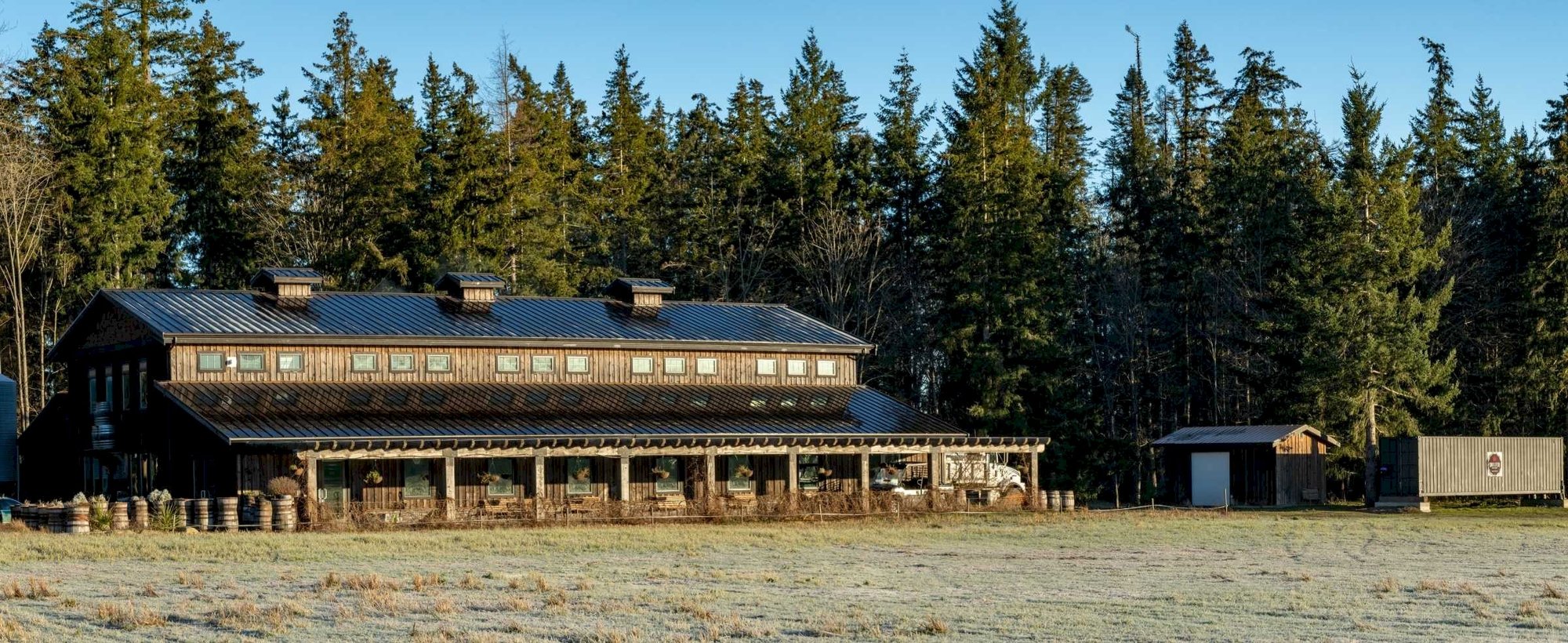
Mrs. Riches Restaurant on Fraser Street sits within Nanaimo's neighbourhood dining circuit, a city where Vancouver Island's agricultural and coastal supply chains shape what ends up on local plates. With limited public data available, the restaurant occupies a position in the broader fabric of mid-city Nanaimo dining, where sourcing proximity and community character tend to define a room's identity more than formal accolades.
 Discover on Pearl
Nanaimo's Neighbourhood Table: Where the Island's Supply Chain Meets the Plate
Fraser Street in Nanaimo doesn't draw the kind of foot traffic that Victoria's Government Street commands, or the design-led attention that Vancouver's Gastown dining corridor attracts. That's partly the point. Restaurants along this stretch of the city tend to operate on a different logic: lower visibility, higher reliance on repeat custom, and a direct relationship with the kind of ingredient sourcing that Vancouver Island makes unusually accessible. Vancouver Island sits in one of Canada's most productive food-growing corridors, with farms in the Cowichan Valley, fisheries along the Georgia Strait, and foragers working the temperate rainforest interior. That supply geography doesn't only benefit the white-tablecloth rooms. It filters down into neighbourhood restaurants, which — when they're paying attention — can serve food with a provenance story that comparable price-point dining in landlocked Canadian cities simply cannot replicate.
Mrs. Riches Restaurant, at 199 Fraser St, sits inside that neighbourhood context. The address places it in a residential-commercial zone of Nanaimo, away from the downtown harbourfront where the tourist-oriented dining trade concentrates. That positioning is worth noting because it shifts the likely audience: this is a restaurant drawing from the surrounding community rather than from the ferry-day visitor trade that rolls through the downtown core. For the reader approaching Nanaimo's dining scene through our full Nanaimo restaurants guide, Fraser Street represents a category of local dining that the harbour strip doesn't fully capture.
What Island Sourcing Actually Means at This Price Point
The case for ingredient-led dining on Vancouver Island rests on geography as much as philosophy. The island's food producers , small-scale vegetable farms, artisan cheesemakers, shellfish growers in Baynes Sound, salmon and halibut fisheries in local waters , operate within a supply radius that makes freshness a structural advantage rather than a marketing claim. Restaurants that engage with this network, even informally, are working with ingredients that restaurants in, say, Rimouski or Kenora would need to ship significant distances to access. The contrast is meaningful: Narval in Rimouski has built a clear identity around St. Lawrence sourcing in a similar regional-specificity play, and Busters Barbeque in Kenora operates in a landlocked northern Ontario context where the sourcing calculus looks entirely different.
For a neighbourhood restaurant on Vancouver Island, the relevant question isn't whether it can compete with the tasting-menu tier , with rooms like Alo in Toronto or Tanière³ in Quebec City operating at a completely different structural level , but whether it's doing something honest with the access it has. British Columbia's neighbourhood dining circuit contains plenty of rooms that ignore local supply chains entirely, importing commodity proteins and produce when Pacific salmon, Fanny Bay oysters, and Salt Spring Island lamb are available within the same regional economy. When a local room does engage with that supply geography, the gap between what's on the plate and what's theoretically possible shrinks considerably.
The Fraser Street Room: What the Address Signals
Dining rooms on residential-adjacent streets in mid-sized Canadian cities tend to occupy a specific social role. They're not destination restaurants in the way that Eigensinn Farm in Singhampton functions as a deliberate journey, or that Fogo Island Inn Dining Room in Joe Batt's Arm commands as part of a broader remote-hospitality proposition. Fraser Street restaurants serve the people who live nearby, which creates a different kind of accountability. A room that gets the sourcing wrong, or the pricing wrong, or the atmosphere wrong, loses its regulars quickly in a way that a tourist-facing dining room further downtown can absorb and compensate for with fresh visitor traffic each season.
That dynamic shapes what neighbourhood restaurants in Nanaimo tend to look like: modest in format, consistent in output, and reliant on a local following that makes repeat visits rather than one-off pilgrimages. Compare the neighbourhood-restaurant model to what's happening at the higher end of BC dining , AnnaLena in Vancouver and Cafe Brio in Victoria both represent a more polished, formally considered version of West Coast ingredient sourcing , and the distinction is mostly one of intention and investment level, not underlying access to quality raw material. The island's larder is available to all of them.
Specific operational details for Mrs. Riches Restaurant , hours, current menu format, pricing, and booking method , are not confirmed in our current data. Visitors planning a trip to Fraser Street are advised to verify these details directly before travel, as neighbourhood restaurants in this category can shift seasonally or with ownership.
Placing Mrs. Riches in the Broader Canadian Dining Conversation
Canada's most discussed restaurants operate in a different register entirely. Restaurant Pearl Morissette in Lincoln has built a national reputation through rigorous sourcing discipline and wine program depth. Jérôme Ferrer - Europea in Montreal anchors the upper end of Montréal's formal dining tier. At the other end of the price spectrum but not the quality spectrum, rooms like Charlene's Family Restaurant in Inverness and Cat's Fish & Chips in Ottawa demonstrate that Canadian dining's most honest sourcing stories often come from rooms that don't advertise them. The same pattern applies to seafood-forward rooms: Catch22 Lobster Bar in Moncton and Chafe's Landing Restaurant in Division No 1 both make geographic proximity to their primary ingredient the organizing principle. On Vancouver Island, that same logic , work with what's close, work with it honestly , is available to any kitchen willing to engage with it.
Internationally, the sourcing-as-story framework has reached its formal apex at rooms like Le Bernardin in New York City, where seafood provenance is managed at an institutional level, or Lazy Bear in San Francisco, where the communal format reinforces the idea that food comes from specific places and people. Those rooms operate with resources and intent that neighbourhood dining on Fraser Street doesn't match. But the underlying argument , that where ingredients come from matters to what ends up on the plate , holds at every price point, and Vancouver Island's geography makes it an argument any local kitchen can make credibly.
Side-by-Side Snapshot
These are the closest comparables we have in our database for quick context.
| Venue | Cuisine | Price | Awards | Notes |
|---|---|---|---|---|
| Mrs. Riches Restaurant | This venue | |||
| Alo | Contemporary | $$$$ | Michelin 1 Star | Contemporary, $$$$ |
| Sushi Masaki Saito | Sushi, Japanese | $$$$ | Michelin 2 Star | Sushi, Japanese, $$$$ |
| The Pine | Chinese | $$$$ | Michelin 1 Star | Chinese, $$$$ |
| Aburi Hana | Kaiseki, Japanese | $$$$ | Michelin 1 Star | Kaiseki, Japanese, $$$$ |
| AnnaLena | $$$$ · Contemporary | $$$$ | Michelin 1 Star | $$$$ · Contemporary, $$$$ |
Continue exploring