Jacques-Imo's
Jacques-Imo's on Oak Street has anchored the Carrollton neighborhood's dining identity for decades, translating the Louisiana pantry into a loud, lived-in room that feels nothing like the white-tablecloth Creole of the French Quarter. The kitchen draws on the same Gulf and bayou sourcing traditions that define the city's character, served in a format that prizes generosity over refinement.
Pearl is the En Primeur Club membership app — saves, bookings, and concierge access live there. Same editors, same standards.
- Address
- 8324 Oak St, New Orleans, LA 70118
- Phone
- +15048610886
- Website
- jacques-imos.com
- Directions
- Get directions
 Saves & bookings on Pearl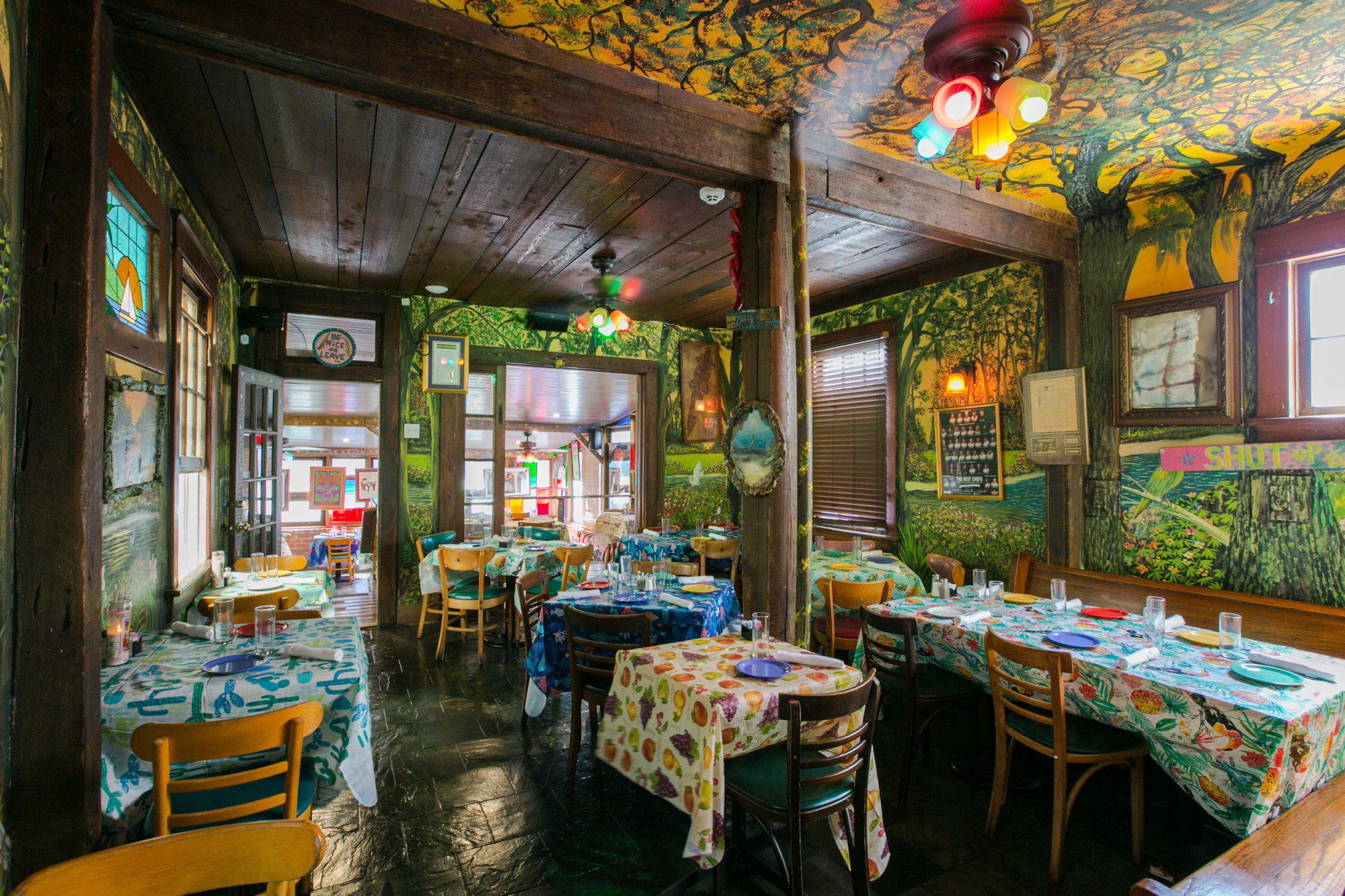
Oak Street After Dark
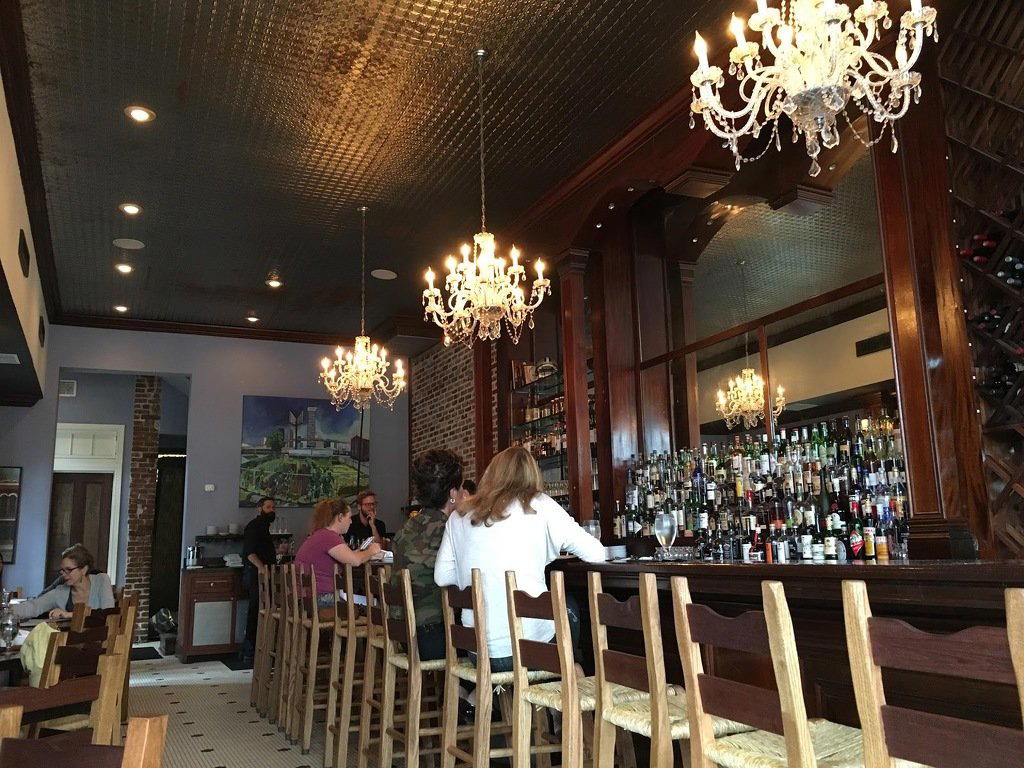
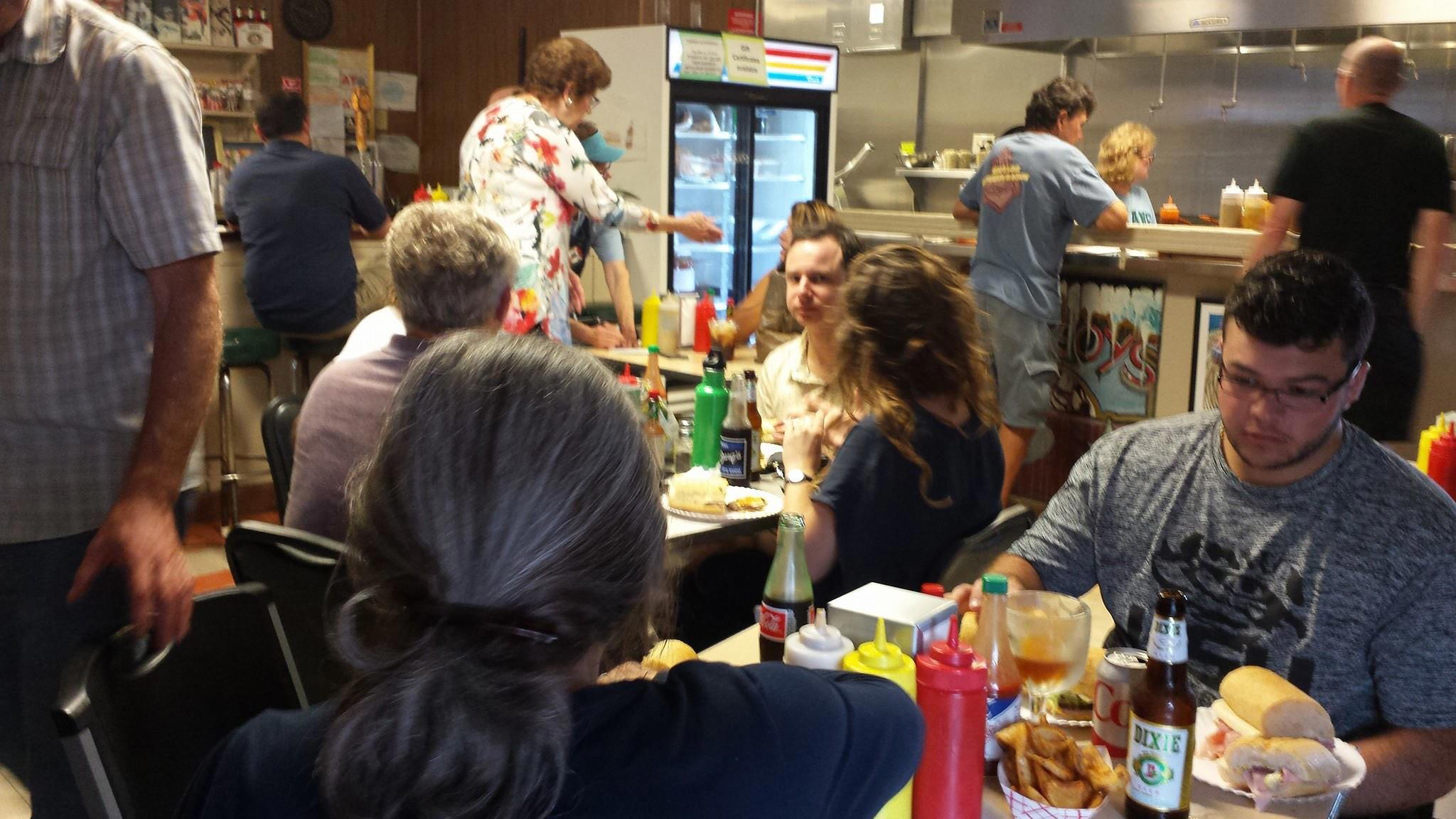
By the time the sun drops over the Carrollton neighborhood, Oak Street has already shifted registers. The streetcar line runs a few blocks away; the foot traffic on the avenue is local, purposeful, and mostly heading somewhere specific. Jacques-Imo's at 8324 Oak St operates in that context: a casual New Orleans Cajun & Creole restaurant with a recommended reservation policy and an average price of about $35 per person, a room that announces itself through screen doors, uneven floorboards, and a queue of diners who already know what they came for. The walls accumulate years of decoration without apparent curatorial intent, and the noise level by 7 p.m. suggests everyone at every table arrived with something to celebrate, even if they didn't know it before they sat down. This is the Uptown dining vernacular at its most concentrated.
The Louisiana Pantry as Organizing Principle
New Orleans cuisine has always been an argument about sourcing. The French Quarter's grande dame institutions, Commander's Palace among them, built their reputations partly on the claim that Louisiana's specific geography, its brackish estuaries, its Gulf shallows, its rice country interior, produced ingredients that couldn't be replicated elsewhere. Jacques-Imo's operates from the same premise but with a different register: the emphasis is on cooking that absorbs those ingredients rather than displaying them. Gulf seafood, local andouille, bayou crawfish, and the deep allium backbone of the Creole holy trinity appear not as featured stars but as structural material.
That distinction matters when you compare the Uptown approach to the more technically ambitious addresses elsewhere in the city. Restaurants like Saint-Germain or Re Santi e Leoni apply contemporary technique to similar regional pantries; Jacques-Imo's positions itself at the other pole, where the cooking tradition is the technique. The sourcing intelligence is embedded in the recipes rather than narrated on a menu card.
Where the Ingredients Come From and Why That Shapes the Plate
Louisiana's ingredient geography is unusually compressed. The Gulf Coast provides shrimp, oysters, and fin fish within commercial-scale proximity of the city. The Atchafalaya Basin and surrounding wetlands supply crawfish that move through the local supply chain at a different pace and freshness threshold than the same species shipped north or west. Andouille and tasso come from a smoke tradition rooted in the German Coast communities upriver, with producers like Wayne Jacob's in LaPlace maintaining methods that predate industrial processing. A kitchen that sources within this geography is working with different raw material than one that sources nationally, and the difference shows in dishes built around that smoke, that brine, and that particular sweetness of Gulf crustaceans in peak season.
For diners accustomed to the farm-to-table framing of restaurants like Blue Hill at Stone Barns or Single Thread Farm in Healdsburg, the restaurant version of sourcing specificity reads differently. There is no provenance notation on the menu, no small-producer name-check. The sourcing argument is made through the cooking itself, through the depth of a gumbo or the particular funk of a properly made étouffée, and the diner is expected to know what they're tasting.
Carrollton in Competitive Context
The Uptown and Carrollton corridors represent a different tier of the New Orleans dining conversation than the French Quarter or the Warehouse District. The Quarter supports institutions that operate partly on tourist infrastructure; the Warehouse District has moved toward the kind of ambitious contemporary cooking represented by Emeril's and its successors. Carrollton and the Oak Street stretch are more neighborhood-facing, with a regulars-to-visitors ratio that tilts differently than either.
In that context, the restaurant occupies a specific position: it runs with the energy and informality of a neighborhood room while producing cooking that functions at a higher technical threshold than most neighborhood rooms aspire to. The comparison set is not Bayona or Zasu, both of which operate in more polished registers. It is closer to what happens when a kitchen takes local sourcing seriously inside a format that has no interest in signaling its seriousness.
Planning Your Visit
The restaurant recommends reservations. Diners who arrive before the dinner rush, typically before 6:30 p.m. on weeknights, report shorter waits; weekend evenings run longer. The room fills quickly once service begins, and the noise makes it unsuitable for conversations that require concentration. The restaurant fits within that map as the Carrollton standard-bearer for the kind of Louisiana cooking that measures itself against tradition rather than trend.
The same is true relative to Providence in Los Angeles, Addison in San Diego, Atomix in New York City, Bacchanalia in Atlanta, Lazy Bear in San Francisco, The Inn at Little Washington, or 8 1/2 Otto e Mezzo Bombana in Hong Kong. The value proposition here is not refinement; it is density, the concentrated flavor logic of a cuisine that spent two centuries absorbing French, African, Spanish, and Native American sourcing traditions into a coherent local dialect.
Similar Picks
Comparable venues nearby, for context on price, style, and recognition.
| Venue | Cuisine | Price | Notes |
|---|---|---|---|
| Jacques-Imo'sThis venue — the venue you are viewing | New Orleans Cajun & Creole | $$$ | Not listed |
| Toups Meatery | Contemporary Cajun | $$$ | City Park |
| Vessel NOLA | New American Seafood Bistro | $$$ | Mid-City |
| Ralph's on the Park | Modern Louisiana | $$$ | City Park |
| The Country Club | Italian-French and Creole-Southern | $$$ | Bywater |
| Effervescence bubbles & bites | Sparkling Wine Lounge with Small Plates | $$$ | French Quarter |
Continue exploring
More in New Orleans
Restaurants in New Orleans
Browse all →
Bars in New Orleans
Browse all →
At a Glance
- Lively
- Rustic
- Whimsical
- Well Known
- Group Dining
- Special Occasion
- Celebration
- Open Kitchen
Current opening hours
- Monday
- Closed
- Tuesday
- Closed
- Wednesday
- 5–10 PM
- Thursday
- 5–10 PM
- Friday
- 5–10 PM
- Saturday
- 4–10 PM
- Sunday
- Closed
Hours can change for holidays and private events. Last verified .
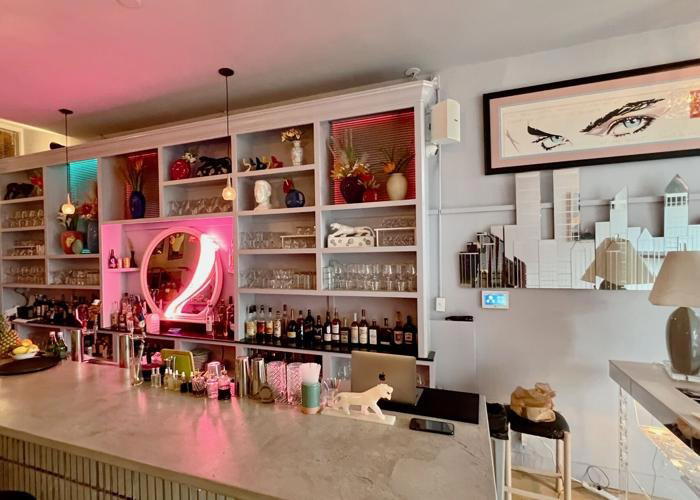
Eclectically designed, low-lit, crowded dining room with a fun, quirky night-time atmosphere.