
Motenashi Kuroki is a compact Asakusabashi ramen counter with Tabelog Ramen TOKYO 100 selections in 2024 and 2025. The draw is not luxury pricing or ceremony, but a small-seat format, fish-focused cooking, sake availability, and a location that puts serious ramen into Taito’s working-east Tokyo rhythm.
Pearl is the En Primeur Club membership app — saves, bookings, and concierge access live there. Same editors, same standards.
- Address
- 1 Chome-28-9 Asakusabashi, Taito City, Tokyo 111-0053, Japan
- Phone
- +81 3-3863-7117
- Website
- x.com
 Saves & bookings on Pearl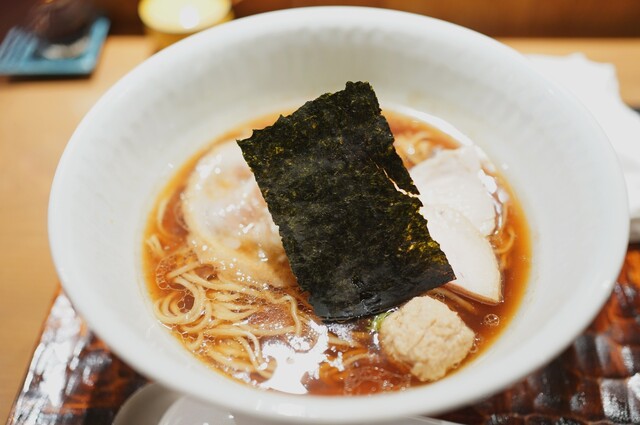
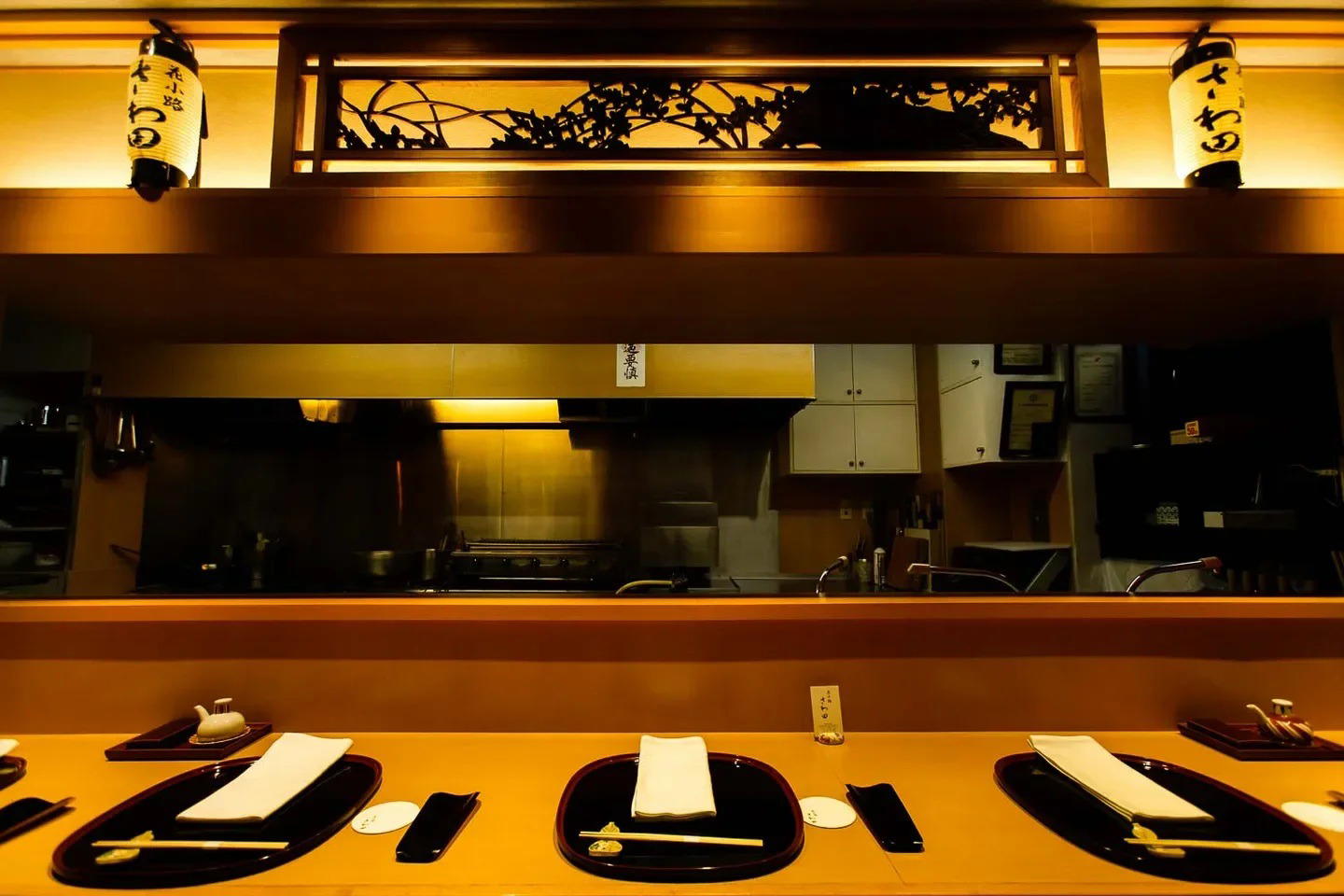
Asakusabashi is not the polished Tokyo of hotel lobbies and tasting-menu choreography. It is an old wholesale district of bead shops, craft suppliers, train noise, and short errand-to-errand walks. Here, ramen reads less as tourist trophy than precise urban meal: fast, repeatable, and subject to local judgment. Motenashi Kuroki fits that grammar with a 10-seat counter, a house-restaurant setting, and a fish-focused kitchen that places it in Tokyo’s modern ramen conversation, not the heavy pork-broth lane behind much postwar noodle mythology.
Tokyo ramen is now a technical field with many dialects. Some counters chase density and animal fat; others work with shellfish, dried fish, soy, salt, or blended stocks borrowing discipline from kappo and soba culture as much as ramen-shop tradition. Read this address through that second category. Fish is explicit in the identity, and sake on the drinks side signals clarity, salinity, and seasoning control over sheer volume. The Tabelog Ramen TOKYO 100 selections in 2024 and 2025 matter because Tokyo ramen is brutally competitive at everyday prices. A counter in the JPY 1,000 to JPY 1,999 band must win through execution, not décor spend.
Fish-led ramen in a city that keeps refining the bowl
The recent Tokyo ramen shift favors specialization. Serious shops increasingly behave like small laboratories: one broth direction, tight seating, and enough repeat local traffic to punish inconsistency. Ramen absorbed Chinese noodle culture, then became Japanese through tare, dashi logic, noodle texture, and regional variation. In Tokyo, sharp contemporary counters use that flexibility to move between global noodle technique and domestic ingredients, especially dried seafood, kelp, soy, and seasonal aromatics when listed by the shop.
Motenashi Kuroki belongs inside that evolution. The point is not rarity, but the discipline of translating fish into a bowl that satisfies in one sitting. The counter-only format matters because pacing, heat, and noodle texture are time-sensitive. A large dining room can soften those edges; a 10-seat counter keeps the transaction close to the kitchen and shortens the distance between assembly and eating.
Against other Tokyo entries supplied for context, the positioning is narrow and clear. Hashimoto belongs to the unagi tradition, a separate craft of freshwater eel and sauce. nôl sits in a contemporary, higher-price restaurant bracket. Stone occupies a similar low-price band, but without the same ramen-category framing here. Gracia’s listed spend rises higher at dinner. This makes the Asakusabashi counter useful for one decision: where to place a serious, award-recognized ramen meal among Tokyo restaurants without turning lunch into a multi-hour event.
Asakusabashi gives the counter its rhythm
The neighborhood is part of the argument. Asakusabashi sits east of central Tokyo’s luxury dining zones, near the craft-and-wholesale fabric of Taito and the transport spine around the station. That geography suits ramen. The meal works between appointments, shopping circuits, and rail transfers; it does not need the theatrical isolation of Ginza sushi or the destination framing of a hotel dining room. The address is a short walk from Asakusabashi Station, within easy reach for travelers moving between Akihabara, Kuramae, Ryogoku, and Ueno.
The room keeps expectations calibrated. This is a no-private-room, no-parking, non-smoking counter, and reservations are unavailable. Payment is cash-oriented: credit cards, electronic money, and QR code payments are not accepted. These are not inconveniences so much as part of the Tokyo ramen contract. Diners trade comfort padding for a focused bowl, limited seats, and daily-meal pricing. Families can manage when school-age children are comfortable with counter seating and compact service; it is less suited to strollers, lingering, or large groups.
29 October 2023 opening date places the restaurant in a useful moment. Tokyo’s ramen field is mature enough that new counters are judged quickly, especially in central and east-side neighborhoods where enthusiasts travel by rail for specific bowls. Consecutive Tabelog ramen-list selection gives the address a signal beyond social-media heat. It also explains why a casual price band does not mean casual demand. Small counters compress capacity, and lunch-focused hours tighten the window.
How to fit it into a Tokyo eating itinerary
For EP Club readers, the smarter use is not comparison with grand restaurants. Place it between categories. A ramen counter like this can anchor an east Tokyo day without competing with dinner, especially if the evening is reserved for yakitori, sushi, kaiseki, or a bar program. It also corrects the idea that Tokyo dining credibility always requires high prices. In ramen, recognition often sits where the format began: a counter, short service, and a bowl that must justify itself immediately.
Those mapping a broader city plan can use Our full Tokyo restaurants guide for dining context, then branch into adjacent categories through Our full Tokyo hotels guide, Our full Tokyo bars guide, Our full Tokyo wineries guide, and Our full Tokyo experiences guide. Nearby and category-adjacent Tokyo options in the wider EP Club index include. 鮪と炭火焼き うお炭 秋葉原店, 12/10 Shinjuku ten, 124. KAGURAZAKA (Yakitori), 2D Cafe, and 3 Chome no Curry Ya San.
For readers extending the Japan food map beyond Tokyo, the same index logic connects regional cooking and casual formats: -Grilled beef Sukiyaki- KAMAKURA TANUKIAN 鎌倉 たぬき庵 in Kamakura.cafe in Osaka.know in Kumamoto, (Shoku) Vietnam in Kawasaki, [Curry Senmon Ten] Maruyama Kyoju. in Sapporo, and [ki:] in Kyoto. Outside Japan, the casual-Japanese thread continues through Jōdo Saké Bar in Los Angeles and Onigiri Time in Pasadena.
The editorial case is clear: a small, fish-led ramen counter in east Tokyo with consecutive Tabelog Ramen TOKYO 100 recognition, low everyday pricing, and logistics that reward planning. It is not a long lunch, private-room meal, or polished luxury setting. It is a focused Tokyo bowl in a neighborhood that suits the form.
- Shio ramen
- Shoyu ramen
- Miso ramen
- Tan-men
- Tsukemen
- Abura soba
- Shumai dumplings
- Drinkable hiyashi chuka with straw-grilled bonito
Cost and Credentials
Comparable venues by category and price.
| Venue | Cuisine | Price | Notes |
|---|---|---|---|
| Motenashi KurokiThis venue — the venue you are viewing | Taitō, Modern Japanese Ramen | $ | Not listed |
| Pelican | Taitō, Traditional Tokyo shokupan bakery | $ | Not listed |
| Kissa Ko | Not listed | $ | Taitō, Traditional Japanese Sweets & Coffee Cafe |
| Koukai Bou | Kōtō, Classic Tokyo ramen & tsukemen | $ | Not listed |
| Kamezawa Do | Not listed | $ | Chiyoda, Japanese Confectionery (Wagashi) |
| Kagaribi | Chūō, Handmade Shoyu Ramen Counter | $ | Not listed |
Recognition history
Dated appearances from independent guides and award organizations, with the underlying list record or original source where available.
Tabelog 100 #75 · No. 75
Tabelog · Tabelog 100 - Ramen - TOKYO - 2025








At a Glance
- Cozy
- Lively
- Well Known
- Solo
- Casual Hangout
- After Work
- Family
- Chefs Counter
- Standalone
- Sake Program
- Local Sourcing
Current opening hours
- Monday
- 11 AM–3 PM
- Tuesday
- 5–8 PM
- Wednesday
- 11 AM–3 PM
- Thursday
- 11 AM–3 PM
- Friday
- 11 AM–3 PM
- Saturday
- 11 AM–3 PM
- Sunday
- Closed
Hours can change for holidays and private events. Last verified .
A tiny counter-only ramen shop near Asakusabashi/Akihabara with a relaxed but energetic atmosphere, focused on precise ramen preparation rather than decor, often busy with guests queueing outside.