Morito Exmouth Market

On a stretch of Clerkenwell that has quietly become one of London's more interesting eating streets, Morito Exmouth Market operates in the smaller, louder, and more informal register of its celebrated neighbour Moro. The menu draws from Spanish, North African, and Middle Eastern traditions, producing a daily-changing repertoire of tapas and small plates best eaten at the counter with a glass from the all-Spanish wine list.
Pearl is the En Primeur Club membership app — saves, bookings, and concierge access live there. Same editors, same standards.
- Address
- 32 Exmouth Market, London EC1R 4QE, United Kingdom
- Phone
- +44 20 7278 7007
- Website
- morito.co.uk
- Directions
- Get directions
 Saves & bookings on Pearl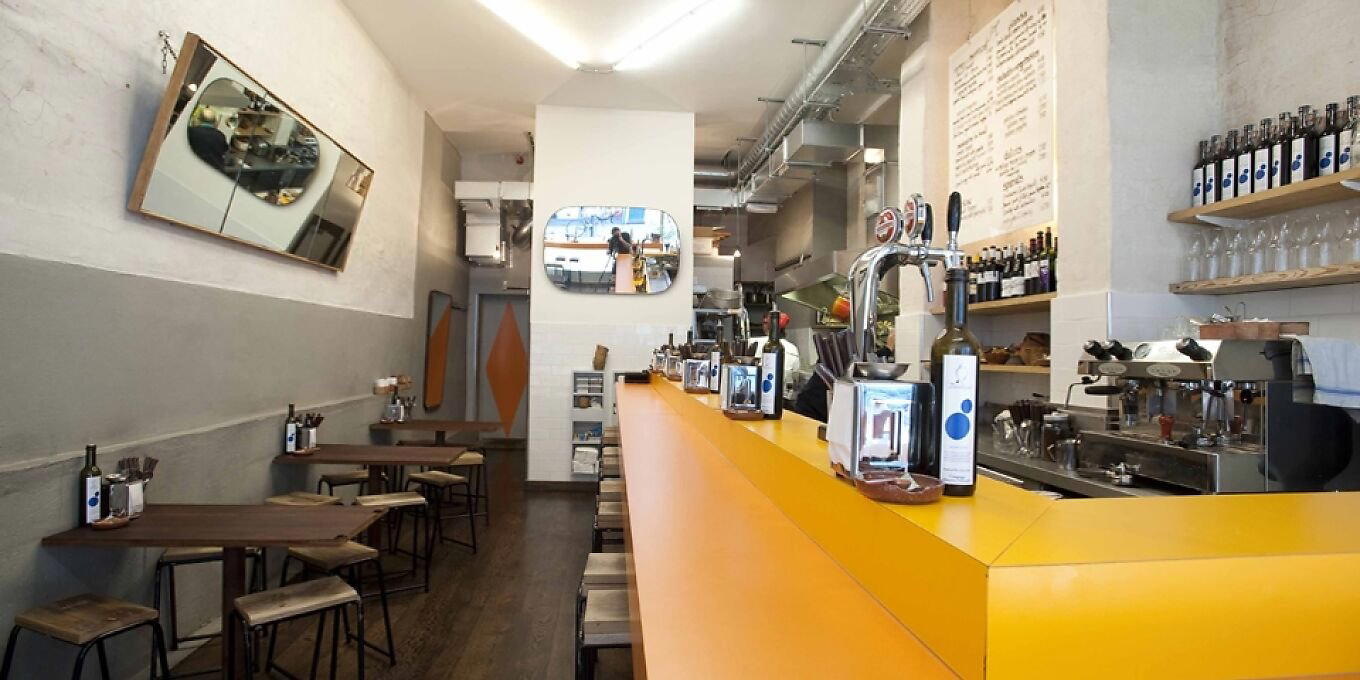
The Room Before the Food
Exmouth Market is the kind of street that rewards the visitor who arrives without a reservation and a little time to spare. The strip runs through EC1R with an unhurried confidence, flanked by independent coffee shops, a small market, and a cluster of restaurants that have made this corner of Clerkenwell worth the detour from more obvious London dining postcodes. At number 32, Morito occupies a slot that would be unremarkable anywhere else: a narrow frontage, a handful of tables visible through the glass, and the kind of noise that escapes through the door each time it opens.
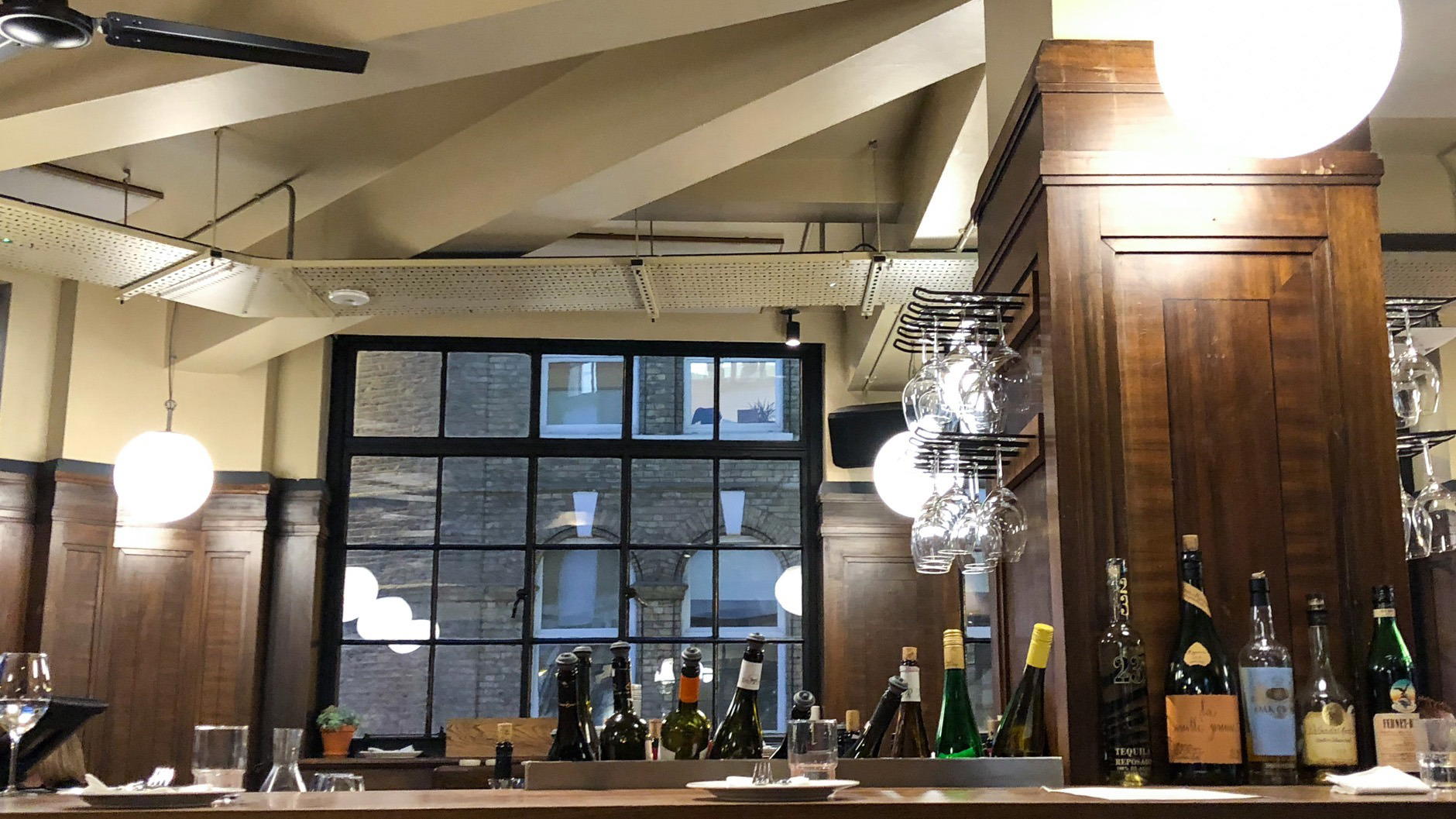
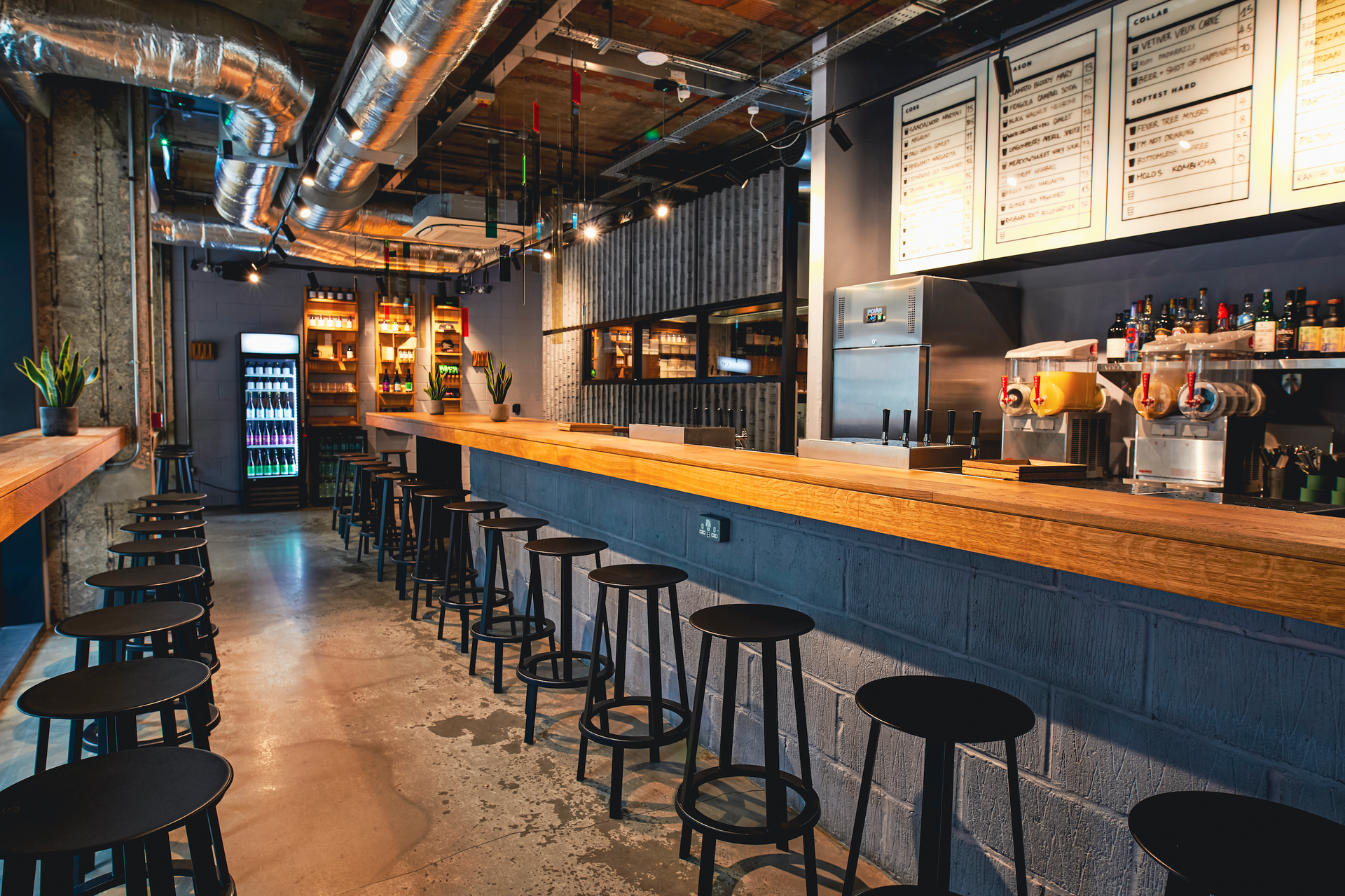
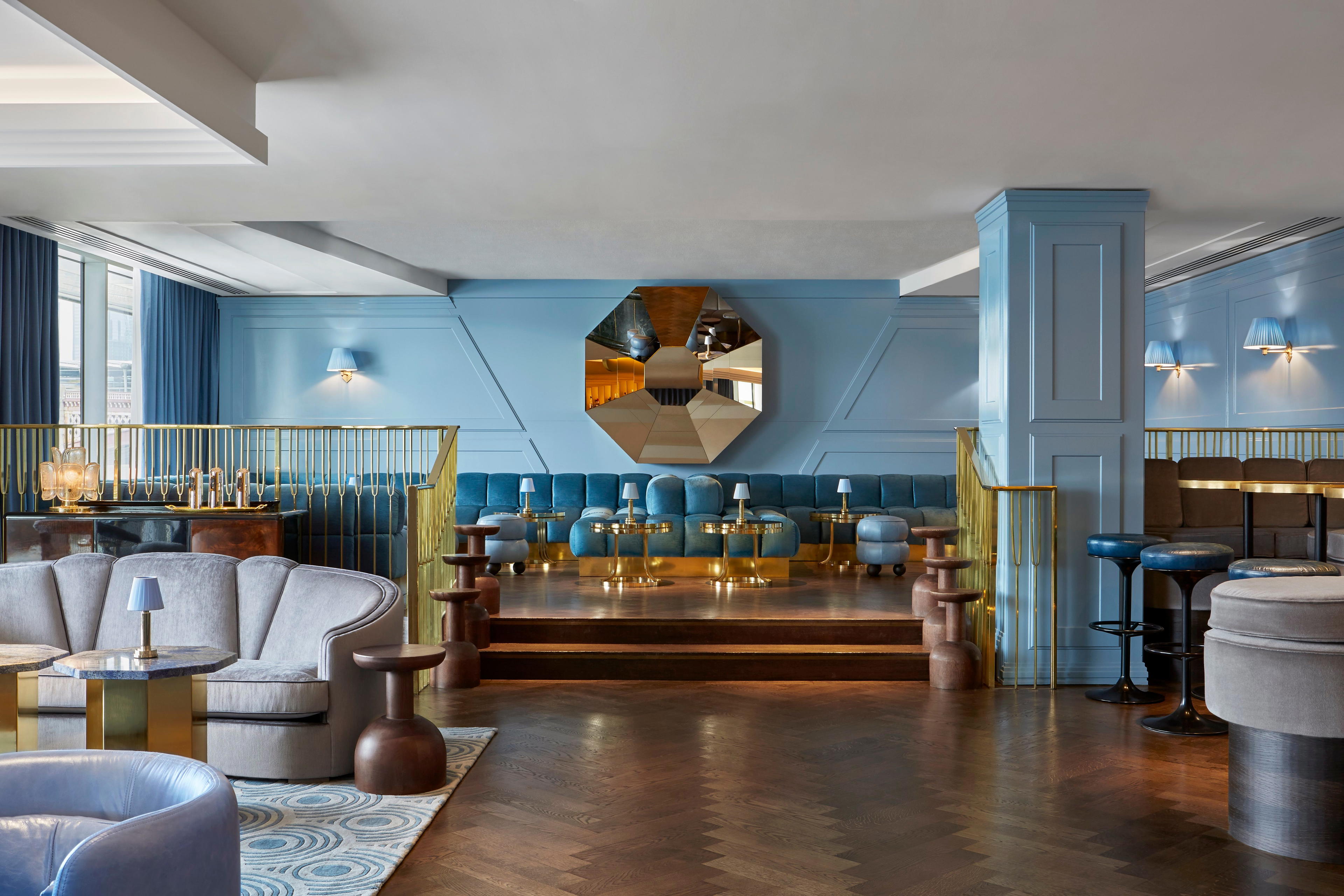
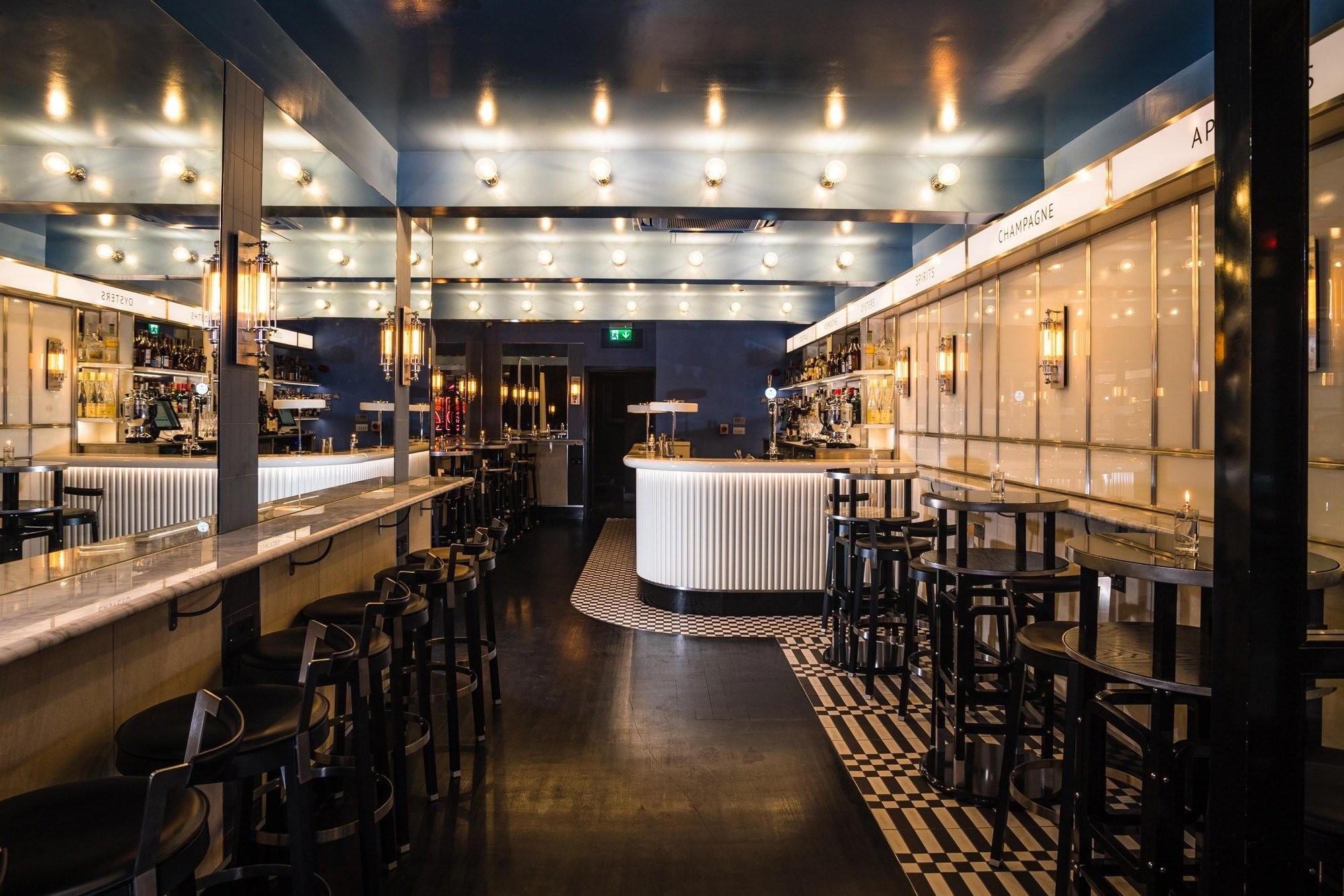
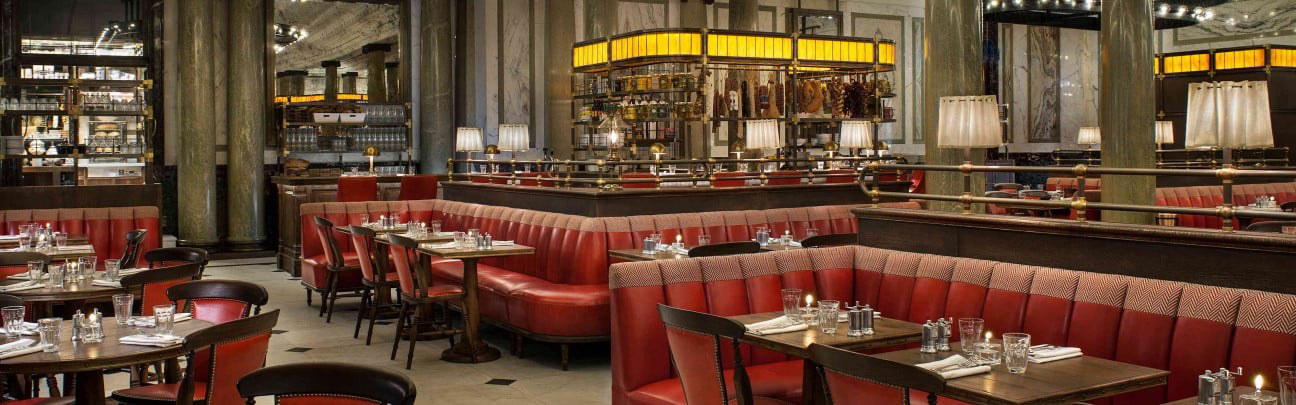
Inside, the dynamic shifts immediately. The room is small enough that every table feels involved in every other table's evening. Seats are tight, elbows compete for space, and the general level of activity from the kitchen and the floor creates a hum that is less ambient background and more the actual texture of the place. This is not an environment designed for quiet business dinners or long contemplative pauses between courses. It is a room built for grazing, conversation, and the kind of sociable eating that loses track of time.
London's Spanish-influenced small-plates scene has expanded considerably over the past decade, with operators across the city drawing on the traditions of Andalusia, the Basque country, and Catalonia at various price points and with varying degrees of authenticity. Morito has occupied a consistent position in that field: informal, counter-friendly, and committed to a menu that pulls as much from North Africa and the Middle East as it does from the Iberian peninsula. That cross-regional approach, now common enough to feel like a genre of its own, was less standard when Moro first established the template next door in the late 1990s.
What the Menu Is Actually Doing
The distinction between a fixed tapas list and a daily-changing repertoire matters more than it might first appear. A static menu calibrates a kitchen for consistency and speed; a repertoire that moves with the market and the season asks cooks to make decisions about what is worth eating right now. Morito operates in the latter mode, with staple dishes anchoring the menu alongside a rotation of specials that reflect what the kitchen is finding interesting at any given moment.
The staples are well-chosen: pan con tomate, boquerones, Padrón peppers. These are dishes with enough regional specificity to function as reference points, and they hold up against the more elaborate plates that share the menu. The specials, drawn from the awards data available, can include asparagus a la plancha with cashew dukkah and chilli butter, monkfish rice with saffron and alioli, or spiced lamb with aubergines, pomegranate, and pine nuts. That last combination places the kitchen firmly in the North African register that differentiates Morito from a more straightforwardly Spanish operation.
Earthenware in which many dishes arrive matters as a sensory signal. Glazed, ethnic-style ceramics read differently from white restaurant porcelain: they imply a particular relationship with the food traditions being drawn on, and they shift the temperature and appearance of what lands on the table. It is a considered choice, not a decorative afterthought.
On the sweet end of the menu, the combination of Malaga raisin and PX sherry ice cream places the kitchen's reference points clearly in southern Spain, while chocolate and olive-oil cake with hazelnuts and sea salt operates in territory that has become common across European restaurants but lands well in this context. Spanish cheese with membrillo and walnuts is the more conservative route and none the worse for it.
Drinking at Morito
The wine list is all-Spanish and available by the glass or carafe, which suits the grazing format well. A bottle commitment feels out of register here; the carafe is the correct unit. Beyond wine, the aperitivo selection runs to spritzes and vermouths, which align with the pre-dinner or early-evening rhythm that the room seems to encourage. This is a place where arriving at six-thirty and eating through until nine requires less effort than making a reservation at a conventional time and sitting down to a structured meal.
For those building a broader London drinking itinerary, the full London bars guide covers the city's more specialist cocktail and wine bar options across different neighbourhoods.
Where Morito Sits in the London Dining Picture
London's restaurant scene in 2024 is stratified more visibly than at any point in the past decade. The upper tier, where CORE by Clare Smyth, The Ledbury, Ikoyi, and Alain Ducasse at The Dorchester operate, is defined by tasting menus, significant wine lists, and price points that reflect the full cost of what ambitious multi-course cooking at this level requires. The The Clove Club occupies a comparable bracket in the creative cooking tier.
Morito belongs to a different conversation entirely, and that is a feature rather than a limitation. The small-plates format, the all-Spanish list, the counter seating, and the daily-changing menu position it in the informal-but-serious register that London does well when it chooses to. The comparison set here is not Michelin-starred tasting rooms but the city's better tapas and mezze operations, against which Morito's Moro lineage and Clerkenwell location give it a clear contextual advantage.
For those planning a broader London eating trip, the full London restaurants guide maps the city's dining options across price tiers, cuisines, and neighbourhoods. And for those extending the trip to the English countryside, L'Enclume in Cartmel, Moor Hall in Aughton, Waterside Inn in Bray, Gidleigh Park in Chagford, Hand and Flowers in Marlow, and hide and fox in Saltwood represent the stronger options at different price points and registers. Further afield, Le Bernardin in New York City and Emeril's in New Orleans anchor the North American end of comparable editorial coverage. London's hotel and experiences guides are also available: London hotels and London experiences.
Know Before You Go
- Address: 32 Exmouth Market, London EC1R 4QE
- Bookings: Limited reservations now accepted throughout the week; walk-ins remain a reliable route, particularly early in the evening
- Payment: Card only, no cash accepted
- Format: Small plates and tapas; order across multiple rounds rather than in a single sweep
- Wine: All-Spanish list; available by the glass or carafe
- Neighbourhood: Exmouth Market, Clerkenwell, accessible from Farringdon station
Comparable Venues
Comparable venues nearby, for context on price, style, and recognition.
| Venue | Cuisine | Price | Notes |
|---|---|---|---|
| Morito Exmouth MarketThis venue — the venue you are viewing | Spanish/Moorish Tapas & Mezze | $$ | Not listed |
| La Vina Leadenhall Market | Authentic Spanish Tapas | $$ | Bishopsgate |
| Barrica | Authentic Spanish Tapas | $$ | Fitzrovia |
| Salt Yard | Spanish & Italian Tapas | $$ | Fitzrovia |
| Miranda Café | Vegan-Friendly Brunch Cafe | $$ | Hornsey |
| The Red Lion & Sun | Modern British Gastropub | $$ | Highgate |
Recognition history
Dated appearances from independent guides and award organizations, with the underlying list record or original source where available.
The Good Food Guide GFG Good
The Good Food Guide
At a Glance
- Lively
- Energetic
- Bohemian
- Trendy
- Casual Hangout
- Group Dining
- After Work
- Open Kitchen
- Terrace
- Craft Cocktails
- Natural Wine
- Local Sourcing
- Street Scene
Current opening hours
- Monday
- 12–3 PM, 5–10:30 PM
- Tuesday
- 12–10:30 PM
- Wednesday
- 12–10:30 PM
- Thursday
- 12–10:30 PM
- Friday
- 12–10:30 PM
- Saturday
- 12–10:30 PM
- Sunday
- 12–9:30 PM
Hours can change for holidays and private events. Last verified .
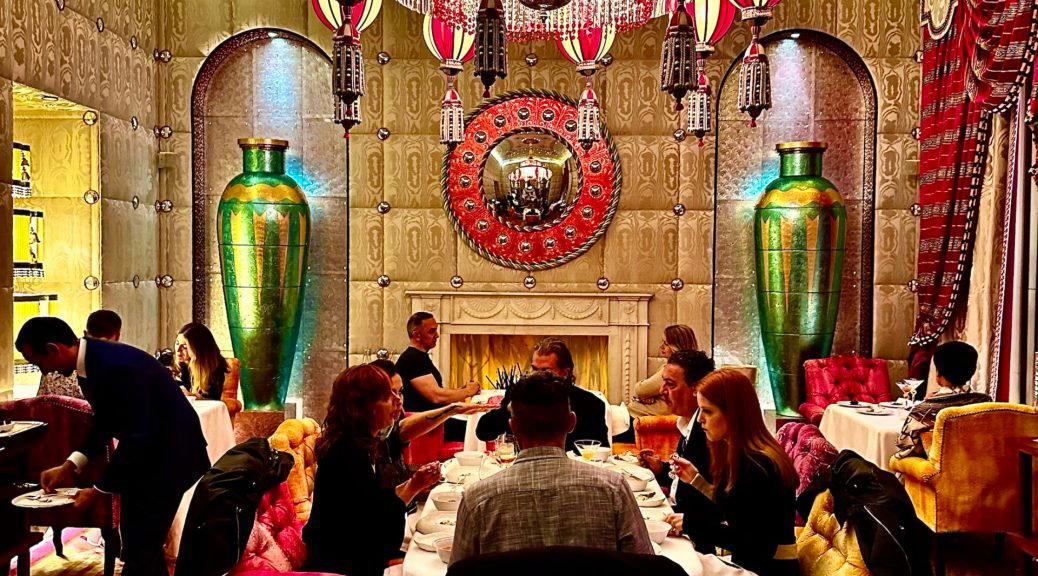
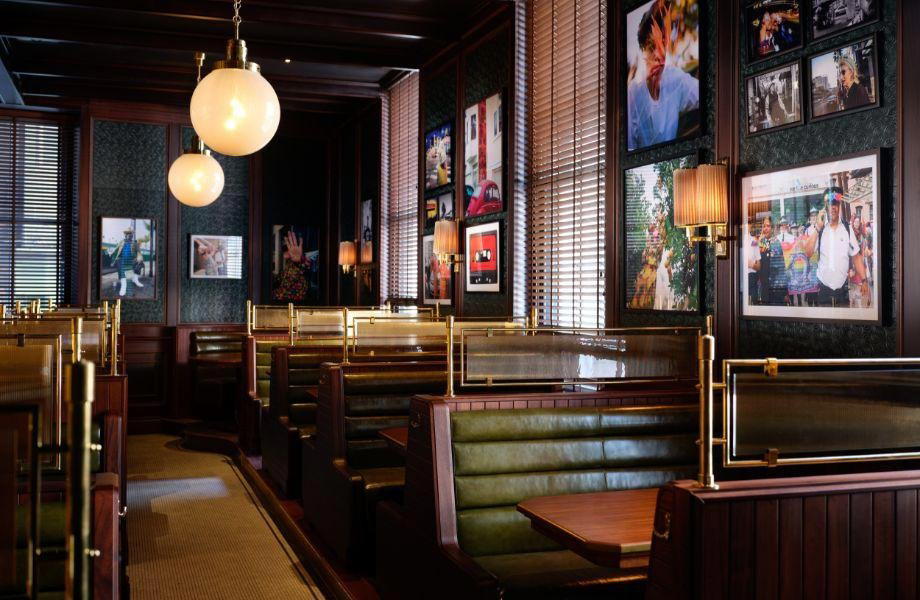
Buzzy and energetic with minimal decor, corridor-like layout with stool seating and open kitchen; intimate and crowded with a rebellious, youthful energy that captures London's urban vibrancy.