
Teuchi Ren belongs to Tokyo’s compact, craft-driven ramen tier rather than the city’s large-format dining circuit. In Sumida’s Morishita area, its Tabelog Ramen TOKYO “Tabelog 100” selections in 2024 and 2025, seven-seat scale, and hand-made process place it in a small-shop tradition where technique matters more than ceremony.
Pearl is the En Primeur Club membership app — saves, bookings, and concierge access live there. Same editors, same standards.
- Address
- 東京都墨田区千歳3-16-2
- Website
- tabelog.com
 Saves & bookings on Pearl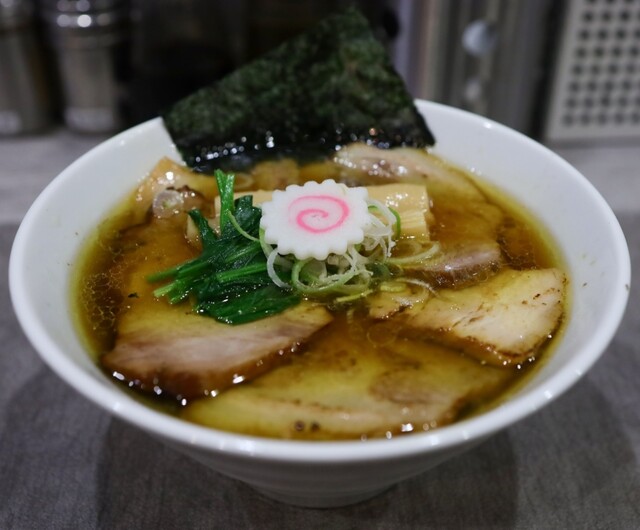
Morishita does not announce itself with Ginza’s polished restaurant theatre or Shinjuku’s late-night density. The eastern Tokyo neighbourhood moves at a quieter, workaday rhythm, close enough to Ryogoku to carry old shitamachi appetite: lunch counters, small specialists, and rooms built for regulars rather than spectacle. Here, ramen reads differently. The point is not destination-dining ritual, but compression: a narrow room, short menu logic, and a bowl that must justify the queue without service choreography.
Tokyo ramen rewards precision at modest prices more ruthlessly than almost any restaurant category in the city. A shop can sit in a casual-lunch budget band yet be judged obsessively on noodle texture, broth clarity, tare balance, and service pace. Teuchi Ren fits the small-scale ramen category where the craft claim is built into the format: the entire process is described as hand-done, and the room has just seven seats. That is not a Western-style luxury signal. In Tokyo, it is a statement of production discipline.
Morishita ramen, away from the central-city performance circuit
Location matters because eastern Tokyo changes the meal’s terms. Around Morishita and Ryogoku, eating often feels less packaged than in visitor-designed districts. The neighbourhood’s appeal is proportion, not anonymity: narrow streets, practical shops, and restaurants that need no elaborate design language to communicate seriousness. For ramen, that helps. The dish thrives where speed and scrutiny coexist, where a counter turns quickly but regulars notice changes in noodle handling or broth weight.
That is the frame for Teuchi Ren. Recognition in Tabelog’s Ramen TOKYO “Tabelog 100” for both 2024 and 2025 places it within a competitive citywide ramen conversation, not just a neighbourhood recommendation. Its Tabelog score of 3.87 is another useful signal in a category where Japanese diners rate conservatively. The shop belongs to Tokyo’s serious ramen map while staying tied to a part of the city where small specialists feel culturally native rather than staged.
The comparison set shows why this part of Tokyo rewards range. Kameido Gyoza Ryougoku shiten sits nearby in a casual bracket, with gyoza rather than ramen as the draw, while Tsuki to Kame occupies a similar everyday price tier in Tokyo. Shiki no Aji Fujiyoshi moves into a far higher spend category, showing how quickly the city’s restaurant grammar changes when a meal shifts from counter specialization to composed dining. Teuchi Ren’s relevance comes from staying in the ramen lane and making the small format carry the argument.
Handwork as the point, not decoration
Ramen is now global shorthand, but Tokyo’s serious end is often defined by choices difficult to photograph: hydration, kneading, cutting, resting, seasoning structure, and timing between noodle and soup. A hand-made process matters because noodles are not a neutral delivery system. They determine chew, heat retention, and how soup clings. When a seven-seat ramen shop builds identity around handwork, the experience is less about variety than repetition under pressure.
This is why small ramen rooms can feel more exacting than restaurants with longer menus. There is little room for a weak course to hide. The counter format turns production into evidence: bowls move quickly from kitchen rhythm to guest, and the room’s scale makes every delay visible. The intimacy is not formal, but it is demanding. Diners treating ramen as a quick snack may miss the discipline. Diners who understand Tokyo counter culture will recognize the quiet severity of a shop built around a narrow promise.
The price tier reinforces the point. Serious ramen in Tokyo can remain accessible by international dining standards while competing on craft. That contrast is part of the city’s appeal: a bowl can be inexpensive beside tasting-menu dining yet judged with intensity usually reserved for far costlier restaurants. The restaurant’s Tabelog 100 selections make sense here. The recognition does not make the meal fine dining; it identifies a small ramen shop performing at a level noticed by Japan’s most active restaurant-reviewing public.
How to place it in a Tokyo food itinerary
For travellers building a Tokyo dining week, this meal works as a counterweight to reservation-heavy restaurants. It belongs with the city’s small-format specialists: curry shops, yakitori counters, gyoza rooms, and focused noodle houses where the format is the editorial point. A day might pair eastern Tokyo history with a concise ramen stop, then move later to a bar or tasting-menu reservation elsewhere. The value is not breadth; it is calibration, seeing how Tokyo’s casual categories can carry the same technical seriousness as its formal ones.
That planning lens matters because Tokyo rewards category hopping. A ramen counter in Sumida does not compete directly with a beef sukiyaki meal in Kamakura or a sake-led room in Los Angeles; it competes with the traveller’s attention and appetite across a dense itinerary. For further city context, EP Club’s Tokyo restaurant coverage includes . 鮪と炭火焼き うお炭 秋葉原店, 12/10 Shinjuku ten, 124. KAGURAZAKA (Yakitori), 2D Cafe, and 3 Chome no Curry Ya San. For the wider city edit, use Our full Tokyo restaurants guide, alongside Our full Tokyo hotels guide, Our full Tokyo bars guide, Our full Tokyo wineries guide, and Our full Tokyo experiences guide.
Useful cross-city contrasts include -Grilled beef Sukiyaki- KAMAKURA TANUKIAN 鎌倉 たぬき庵 in Kamakura.cafe in Osaka.know in Kumamoto, (Shoku) Vietnam in Kawasaki, [Curry Senmon Ten] Maruyama Kyoju. in Sapporo, [ki:] in Kyoto, Jōdo Saké Bar in Los Angeles, and Onigiri Time in Pasadena. Read against those options, the restaurant shows Tokyo’s talent for making a low-ceremony meal carry high technical expectation.
A Minimal
Comparable venues by cuisine and price in the same metro.
| Venue | Cuisine | Price | Notes |
|---|---|---|---|
| Teuchi Ren | Sumida, Handmade ramen shop | $ | Not listed |
| Konohana | Taitō, Japanese Bakery & Bagel Shop | $ | Not listed |
| Menya Ittou | Not listed | $ | Katsushika, Modern Tokyo tsukemen & ramen |
| Matsushimaya | Not listed | $ | Minato, Traditional Japanese wagashi and daifuku shop |
| Kyogashi Misakiya | Not listed | $ | Shibuya, Traditional Japanese Wagashi (Japanese Sweets) |
| Ramen Koike | Setagaya, Modern ramen noodle bar | $ | Not listed |
Recognition history
Dated appearances from independent guides and award organizations, with the underlying list record or original source where available.
Tabelog 100 #91 · No. 91
Tabelog · Tabelog 100 - Ramen - TOKYO - 2025






At a Glance
- Cozy
- Intimate
- Solo
- Casual Hangout
- After Work
- Standalone
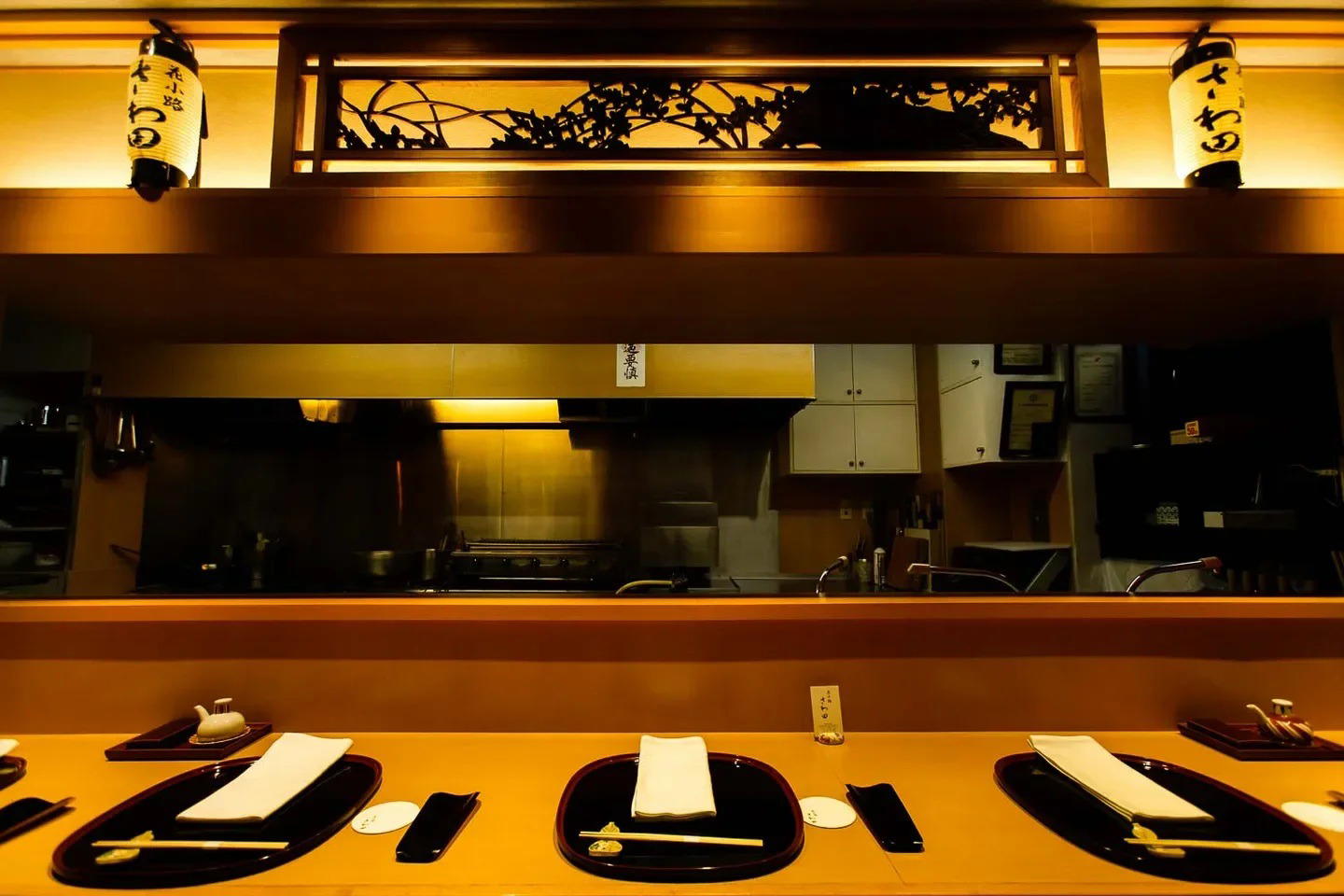
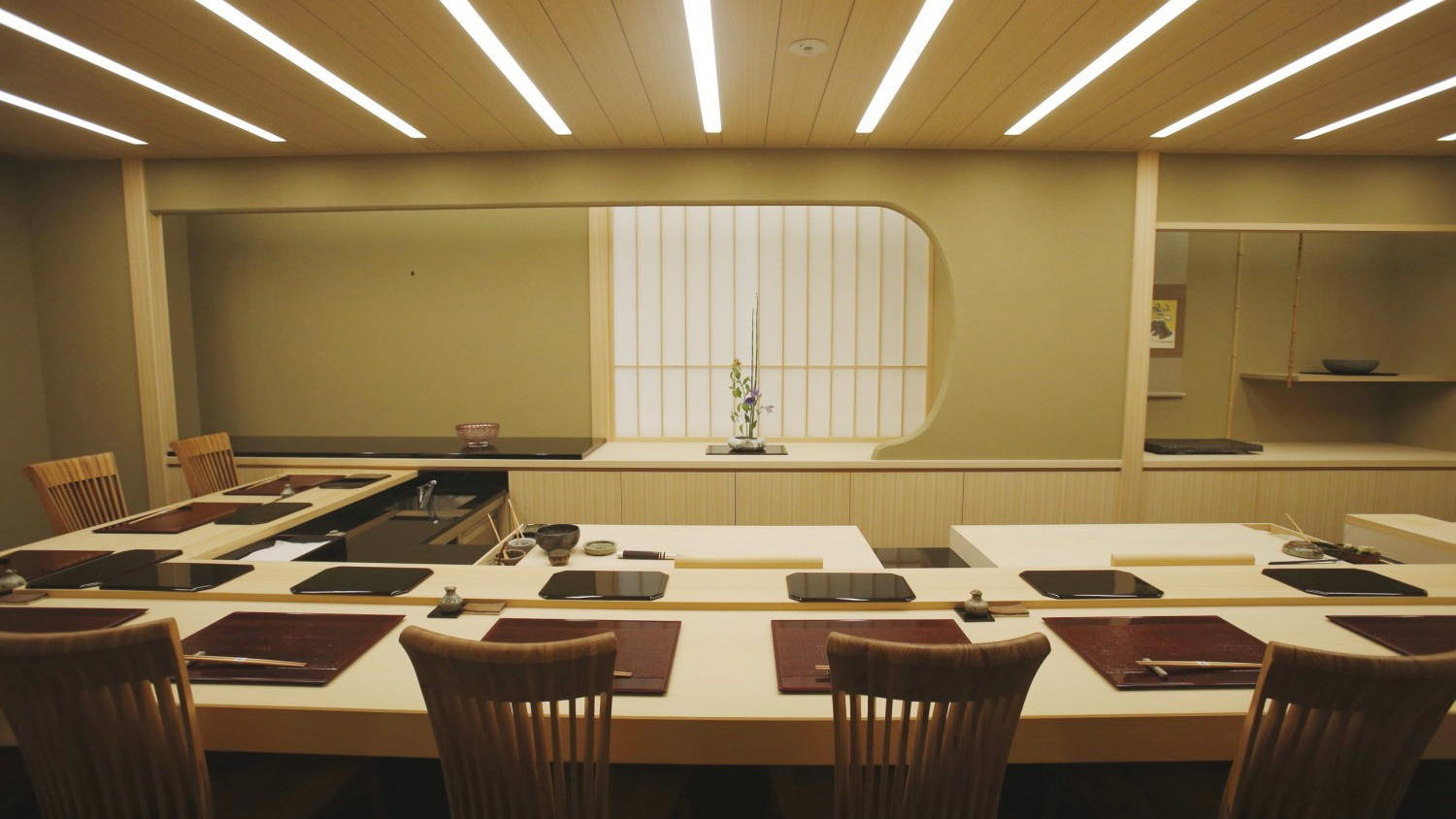
A small, no-smoking ramen counter with only seven seats and a likely lively, bustling feel during service; the focus is on the craftsmanship of the handmade noodles rather than decor, creating a simple, cozy atmosphere for serious ramen fans.