Monica's El Portal
Our verdict
Monica's El Portal occupies a stretch of Rio Grande Blvd NW where the Old Town fringe meets the river bosque, putting it in a neighbourhood that has long anchored Albuquerque's most rooted New Mexican cooking. The address places it within a dining corridor where red and green chile traditions carry more weight than tasting-menu credentials, and where the menu structure itself tends to tell you more about a kitchen's priorities than any award ever could.
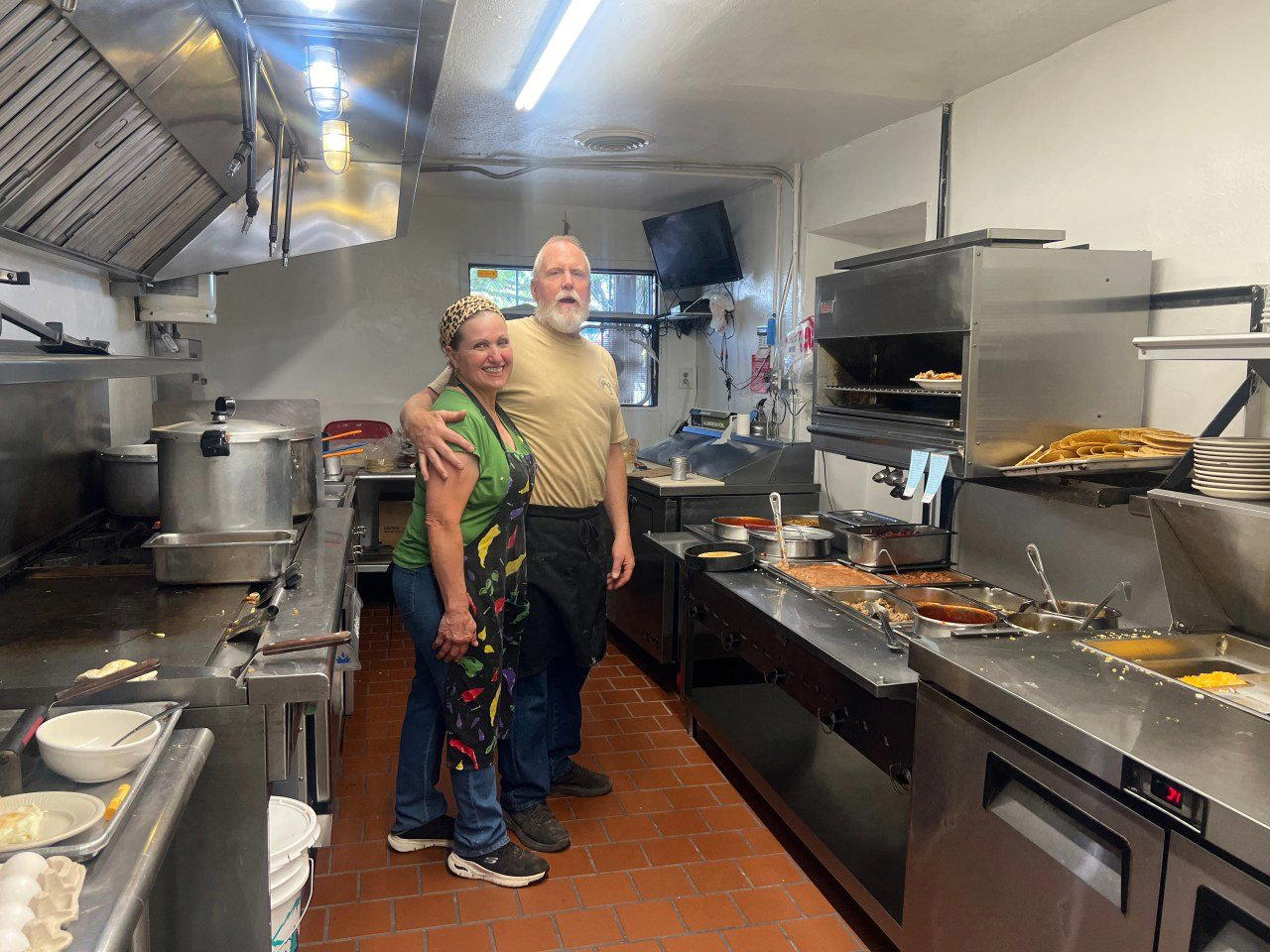
The menu
What to order
- Carne adovada
- Blue corn chicken
Where Rio Grande Blvd Meets Its Kitchen Traditions
The stretch of Rio Grande Boulevard NW that runs south from Old Town Albuquerque operates on a different register than the city's more visible dining corridors. There are no marquee chef names in the windows and no valet lines spilling onto the sidewalk. What the neighbourhood does have is continuity: kitchens that have been feeding the same extended families across multiple generations, menus built around the agricultural logic of the Rio Grande valley, and a local clientele that measures quality by consistency rather than novelty. Monica's El Portal, at 321 Rio Grande Blvd NW, sits inside that tradition rather than at a remove from it.
Arriving on foot or by car along that boulevard, the physical cues are unambiguous. The building reads as a neighbourhood anchor rather than a destination restaurant in the contemporary sense. In a city where the dining conversation increasingly bifurcates between visitor-facing experiences and the places where Albuquerque actually eats, addresses like this one belong firmly to the latter category. That positioning shapes everything about how the kitchen operates, including, most importantly, how the menu is constructed.
Reading the Menu as Architecture
In New Mexican cooking, the menu is rarely a creative document in the way that term is used at, say, Lazy Bear in San Francisco or Smyth in Chicago. It is closer to a constitutional document: a codified declaration of what a kitchen believes, what it knows how to do, and what its community expects of it. The menu architecture at a place like Monica's El Portal reflects the conventions of New Mexican home cooking scaled for a dining room, which means the structure is organised around chile as a primary ingredient category rather than a condiment or finishing element.
In this tradition, the foundational menu decision is not which protein or which technique to feature, but which chile: red or green, or the Christmas combination of both. That binary organises the entire meal from enchiladas to huevos to combination plates, and the kitchen's credibility rests on how those sauces are built. This is a categorically different approach to menu construction than you find at destination restaurants like The French Laundry in Napa or Blue Hill at Stone Barns in Tarrytown, where the menu structure communicates a seasonal argument. Here, the menu communicates a regional identity, and the argument is that regional identity is sufficient on its own terms.
New Mexico's green chile season peaks between August and October, when Hatch Valley harvests drive a statewide roasting ritual that has no real parallel elsewhere in American food culture. Outside of that window, red chile, dried and often sourced from the same Hatch and Chimayó growing regions, carries the menu. A kitchen's reputation in this tradition accumulates not through reinvention but through faithfulness to that agricultural calendar and to the techniques, long simmering, careful layering of dried spices, hand-rolling of tortillas in many cases, that produce depth without complication.
The Neighbourhood Context
Albuquerque's New Mexican dining scene has several recognised anchors, and the Old Town-adjacent corridor is among the more historically dense of them. Places like Cecilia's Cafe, Mary and Tito's, and Indian Pueblo Kitchen operate across a range of formats and price points, from neighbourhood lunch counter to institutional cultural space, but they share a commitment to chile-forward cooking that resists the modernising pressures that have reshaped so much American regional cuisine. Monica's El Portal occupies a position within that ecology.
For visitors arriving from out of state, context is useful. New Mexican cuisine is not Mexican cuisine and is not Tex-Mex. It is a distinct culinary tradition with indigenous, Spanish colonial, and territorial American layers, and its canonical dishes, posole, carne adovada, green chile cheeseburgers, sopapillas, have been continuously refined in kitchens like this one rather than imported from a culinary capital. Albuquerque's broader restaurant offering, which runs from 5 Star Burgers to the more internationally oriented Azuma Sushi and Teppan and the longstanding Afghan Kebab House, reflects a city with genuine culinary range. But for visitors trying to understand what makes Albuquerque specifically itself, the Rio Grande corridor kitchens are the relevant reference point, not the nationally recognised tasting-menu circuit that includes venues like Atomix in New York City, Addison in San Diego, or Providence in Los Angeles.
The Old Town area itself draws a significant tourist volume, given its concentration of galleries, the Albuquerque Museum, and the historic plaza. That traffic means kitchens in the immediate vicinity face a choice between calibrating for visitor expectations or holding to local standards. The address on Rio Grande Blvd NW places Monica's El Portal at a slight remove from the highest-traffic plaza zone, which tends to favour the latter orientation.
Planning a Visit
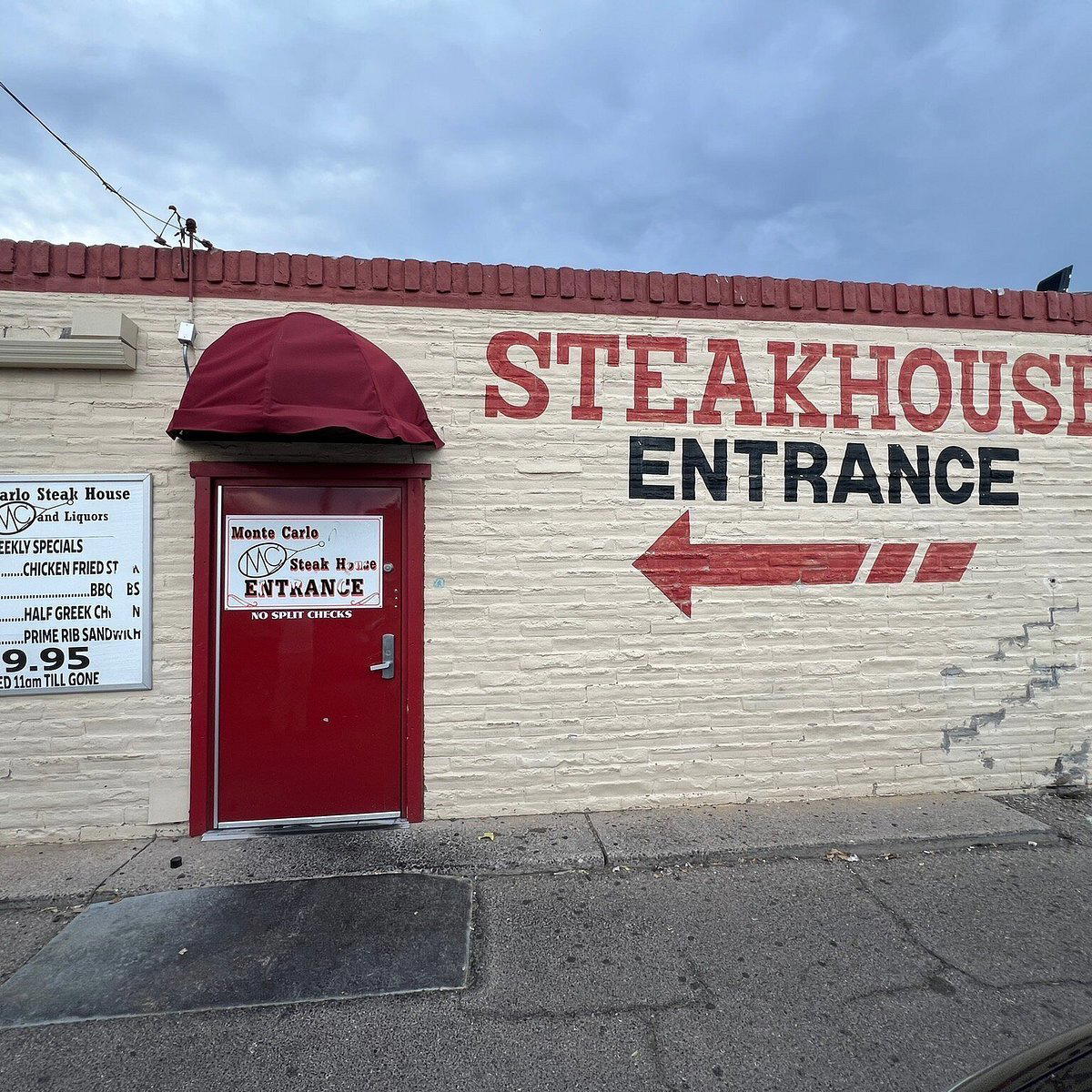
Specific hours, booking policies, and pricing for Monica's El Portal are best confirmed directly, as this category of neighbourhood restaurant often operates on schedules tied to family availability and local demand patterns rather than fixed service windows. For visitors cross-referencing the wider Albuquerque dining picture, the EP Club Albuquerque restaurants guide covers a range of formats and neighbourhoods. Companion stops in the more formal Old Town dining tier include Antiquity Restaurant and Artichoke Cafe, which operate at a different price point and with a different menu logic, useful for building a multi-day itinerary that covers more than one register of the city's cooking. Monte Carlo Liquors and Steak House represents yet another strand of old Albuquerque dining culture worth mapping against the New Mexican tradition.
Among the restaurants in the neighbourhood's reference class, places like Emeril's in New Orleans and The Inn at Little Washington demonstrate how deeply rooted regional cooking can achieve national recognition while remaining legible to the communities that produced them. Whether that kind of recognition reaches the Rio Grande corridor is partly a matter of media geography; American food criticism remains heavily concentrated in coastal cities. What is not in question is that the culinary tradition being maintained in kitchens along this stretch of Albuquerque has as much internal logic and historical depth as any of those celebrated regional cuisines. The menu architecture makes that argument without needing to state it. You read it in what is listed, how it is grouped, and what it takes for granted that you already know.
Frequently asked questions
Where is Monica's El Portal located?
Monica's El Portal is located at 321 Rio Grande Blvd NW, Albuquerque, NM 87104, Albuquerque.
Is Monica's El Portal a good option for experiencing authentic New Mexican food near Albuquerque's Old Town?
Monica's El Portal is located at 321 Rio Grande Blvd NW, placing it directly within Albuquerque's Old Town-adjacent dining corridor, which is among the more historically dense concentrations of New Mexican cooking in the city. That geography alone signals a kitchen working within a long-established regional tradition rather than a contemporary interpretation of it. For visitors orienting around Old Town, the address puts Monica's El Portal within the same neighbourhood fabric as the area's most established dining anchors.
What's the signature dish at Monica's El Portal?
Monica's El Portal sits on Rio Grande Blvd NW in Albuquerque's Old Town-adjacent corridor, a stretch with deep roots in New Mexican cooking where dishes are defined by chile-forward tradition rather than menu novelty.
Is Monica's El Portal reservation-only?
Neighbourhood restaurants in Albuquerque's Old Town corridor frequently operate on a walk-in basis, but policies can shift seasonally, so calling or visiting directly is the most reliable approach.
What's the defining dish or idea at Monica's El Portal?
The Old Town-adjacent stretch of Rio Grande Boulevard NW in Albuquerque has historically been anchored by New Mexican cooking, where the central question is red or green chile, not chef-driven concept. Monica's El Portal operates within that tradition, meaning the menu reads as a record of regional practice rather than individual authorship.
How does Monica's El Portal handle allergies?
No allergen policy is documented for Monica's El Portal. New Mexican cuisine relies heavily on chile, corn, and wheat-based preparations, so diners with specific dietary requirements should contact the restaurant at 321 Rio Grande Blvd NW, Albuquerque before visiting to confirm what accommodations are available.
Reputation Context
A quick peer reference to anchor this venue in its category.
| Venue | Cuisine | Price | Awards |
|---|---|---|---|
| Monica's El PortalThis venue (the venue you are viewing) | Traditional New Mexican | Not listed | Not listed |
| Cecilia's Cafe | Authentic New Mexican | Not listed | Diners, Drive-Ins and Dives Featured Restaurant |
| Gruet Winery & Tasting Room | Sparkling Wine Tasting | $20–30 | Not listed |
| Indian Pueblo Kitchen | Authentic Pueblo Indigenous Cuisine | $20–30 | Not listed |
| Mary & Tito's Cafe | New Mexican | $10–20 | James Beard Award America's Classics |
| Monte Carlo Liquors & Steak House | Classic American Steakhouse | $30–50 | Diners, Drive-Ins and Dives Featured Bar |
Continue exploring
More in Albuquerque
Restaurants in Albuquerque
All restaurants in Albuquerque →

Details
- Cozy
- Classic
- Rustic
- Family
- Casual Hangout
- Historic Building
- Street Scene
- A La Carte
Cozy and homey atmosphere evoking a sense of warmth and familiarity.