Azuma Sushi & Teppan
Our verdict
Azuma Sushi & Teppan on San Mateo Boulevard occupies a distinct space in Albuquerque's dining scene, pairing Japanese sushi tradition with the theatrical heat of teppanyaki in a single sitting. The dual format gives the meal a natural two-act structure: raw precision followed by fire and performance. For a city where Japanese restaurants are sparse relative to its Southwest-leaning dining culture, Azuma represents a considered commitment to both sides of the Japanese table.

Pearl is the En Primeur Club membership app, where members save venues, book tables and use the concierge.
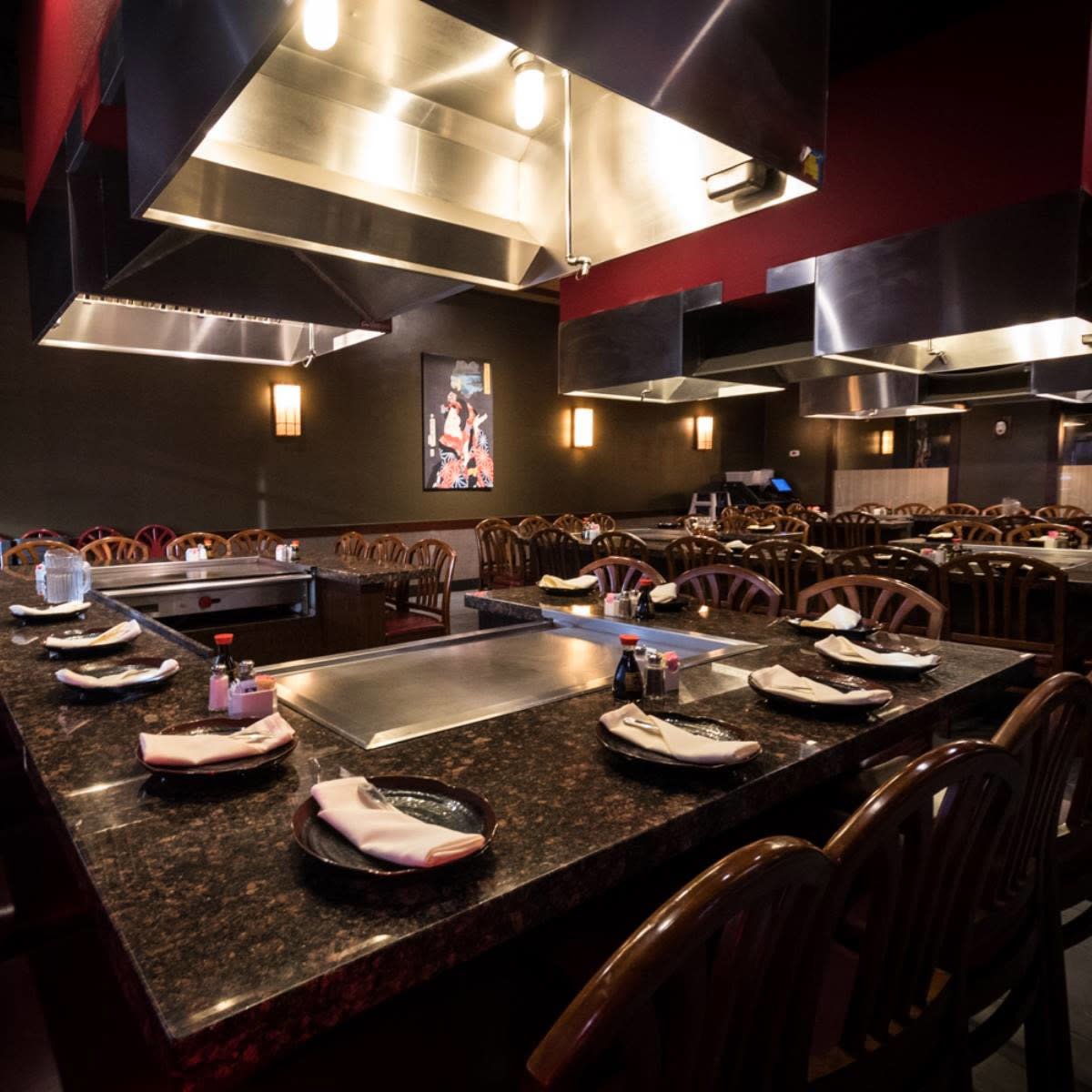
The menu
What to order
- Filet Mignon Teppanyaki
- Dragon Roll
- Cowboy Roll
Where the Meal Has Two Acts
San Mateo Boulevard in northeast Albuquerque is not a destination dining corridor by reputation. It moves through commercial stretches of the city with the pragmatic energy of a working arterial road, anchored by strip plazas and regional chains. What makes Azuma Sushi & Teppan notable in this setting is the format it holds: a restaurant that runs two distinct dining traditions under one roof, sushi counter and teppanyaki grill, asking guests to move through a meal with genuine structural contrast. In a city whose dining identity is shaped primarily by New Mexican cuisine, that commitment to Japanese form carries its own editorial weight.
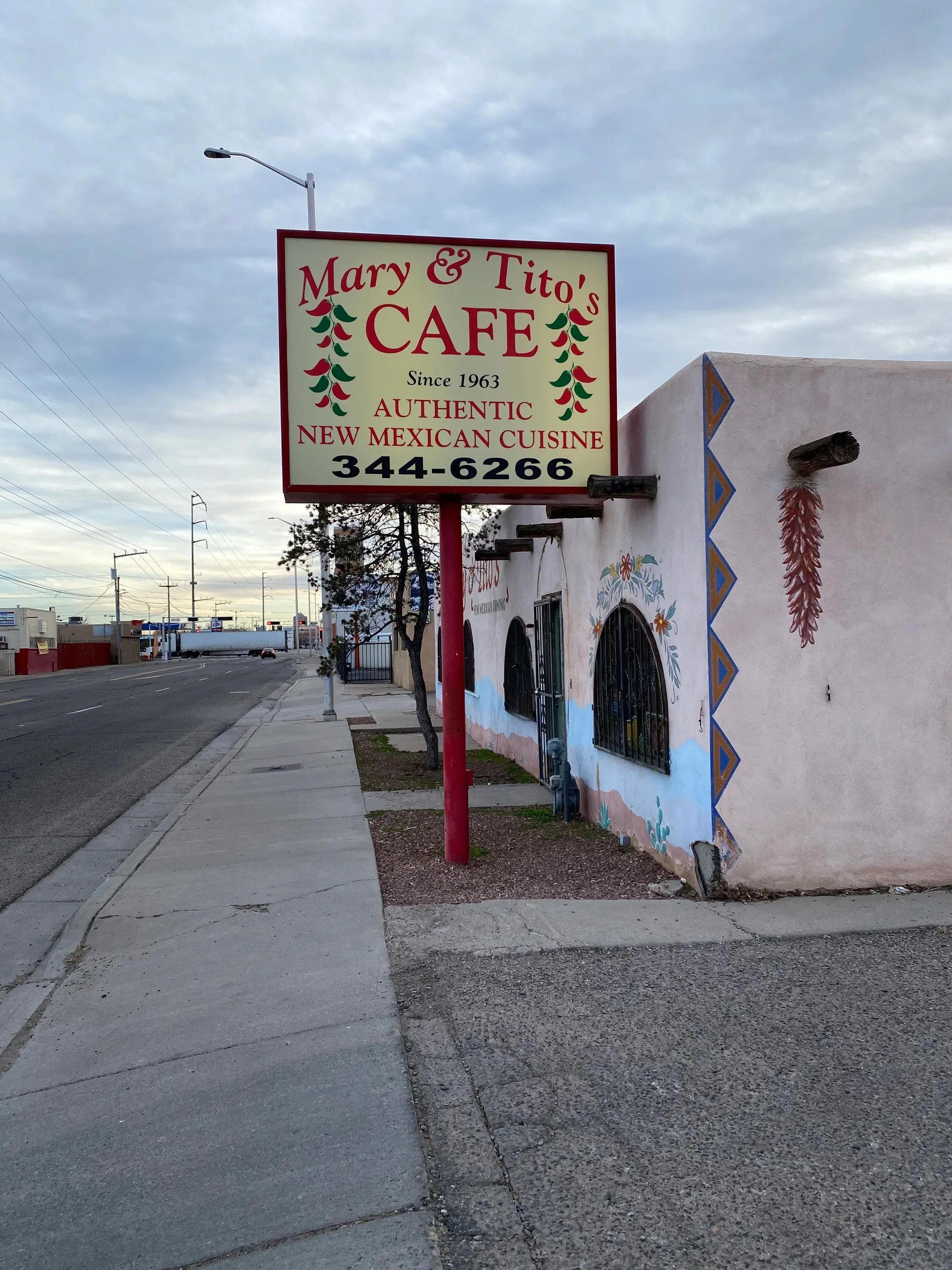
Albuquerque's restaurant scene spans more range than its national profile suggests. Beyond the chile-forward institutions like Mary & Tito's Cafe and Barelas Coffee House, there are pockets of international dining with genuine depth. Japanese restaurants in the Southwest tend to cluster in larger metros; Albuquerque has a smaller cohort, which makes the ones that establish consistent followings worth understanding on their own terms. Azuma, at 4701 San Mateo Blvd NE, sits inside that smaller cohort.
The Structure of the Meal
The most useful frame for understanding what Azuma does is the tasting progression, or more precisely, the two-register experience that the dual format creates. Sushi and teppanyaki are not naturally paired in Japan: sushi is quiet, precise, and demands close attention to temperature and texture; teppanyaki is theatrical, communal, and built around performance at the iron griddle. In the United States, restaurants that combine both formats are making a deliberate market calculation, offering guests the full range of the Japanese restaurant experience rather than a single discipline. The result is a meal that asks you to shift registers mid-way.
In practice, the sequencing matters. Beginning with sushi, where the emphasis falls on the cold, the raw, and the restrained, before moving to teppanyaki's heat and showmanship, follows a logic similar to any well-structured progression: quieter, more intricate courses early; richer, bolder ones as the meal advances. Whether that arc is offered as a literal dinner sequence or as a menu across which guests self-direct depends on the occasion and the group size. Teppanyaki tables tend to seat parties; sushi works for couples and solo diners. The two rooms, by design, attract different social configurations.
This dual format places Azuma in a recognizable American-Japanese restaurant category that has roots in the post-war popularization of Japanese dining in the United States, when teppanyaki chains like Benihana made communal griddle cooking a mainstream entertainment format. Independent restaurants that carry both disciplines into a single space occupy a different position than either dedicated omakase counters or pure teppanyaki chains. They serve a broad audience without committing to the specialist intensity of, say, an eight-seat sushi bar booking three months out. For a reference point on what specialist Japanese formats look like at the extreme end, Atomix in New York City demonstrates how tightly curated a tasting progression can become when the format is stripped to its essentials.
Albuquerque's Dining Context
To place Azuma accurately, it helps to understand where Japanese dining sits within Albuquerque's broader food culture. The city's identity is built around New Mexican cuisine, specifically the red and green chile traditions that underpin everything from breakfast burritos to posole. Restaurants like Antiquity Restaurant and Artichoke Cafe operate in the city's more formal dining tier, while the cultural anchors at Afghan Kebab House and beyond extend the international range. See our full Albuquerque restaurants guide for a wider view of how the scene is structured.
Within this landscape, a restaurant holding both sushi and teppanyaki fills a gap that exists in most mid-size American cities: accessible Japanese dining that doesn't require either a coastal city or a specialist's knowledge base. That accessibility is part of the value proposition. It is a different market position than the high-commitment tasting format restaurants found in larger metros, venues like Lazy Bear in San Francisco or Smyth in Chicago, which require significant pre-planning and price investment. Azuma's format is structured for guests who want the experience of a Japanese dinner without the logistical overhead of a reservation-only counter.
Planning a Visit
Azuma Sushi & Teppan is located at 4701 San Mateo Blvd NE in Albuquerque's northeast quadrant, accessible by car with parking available along the commercial strip. If you are considering a teppanyaki table for a group, booking ahead makes sense for weekend evenings, when communal grill tables at Japanese restaurants in mid-size cities fill faster than solo counter seats. Sushi-only visits may allow more flexibility.
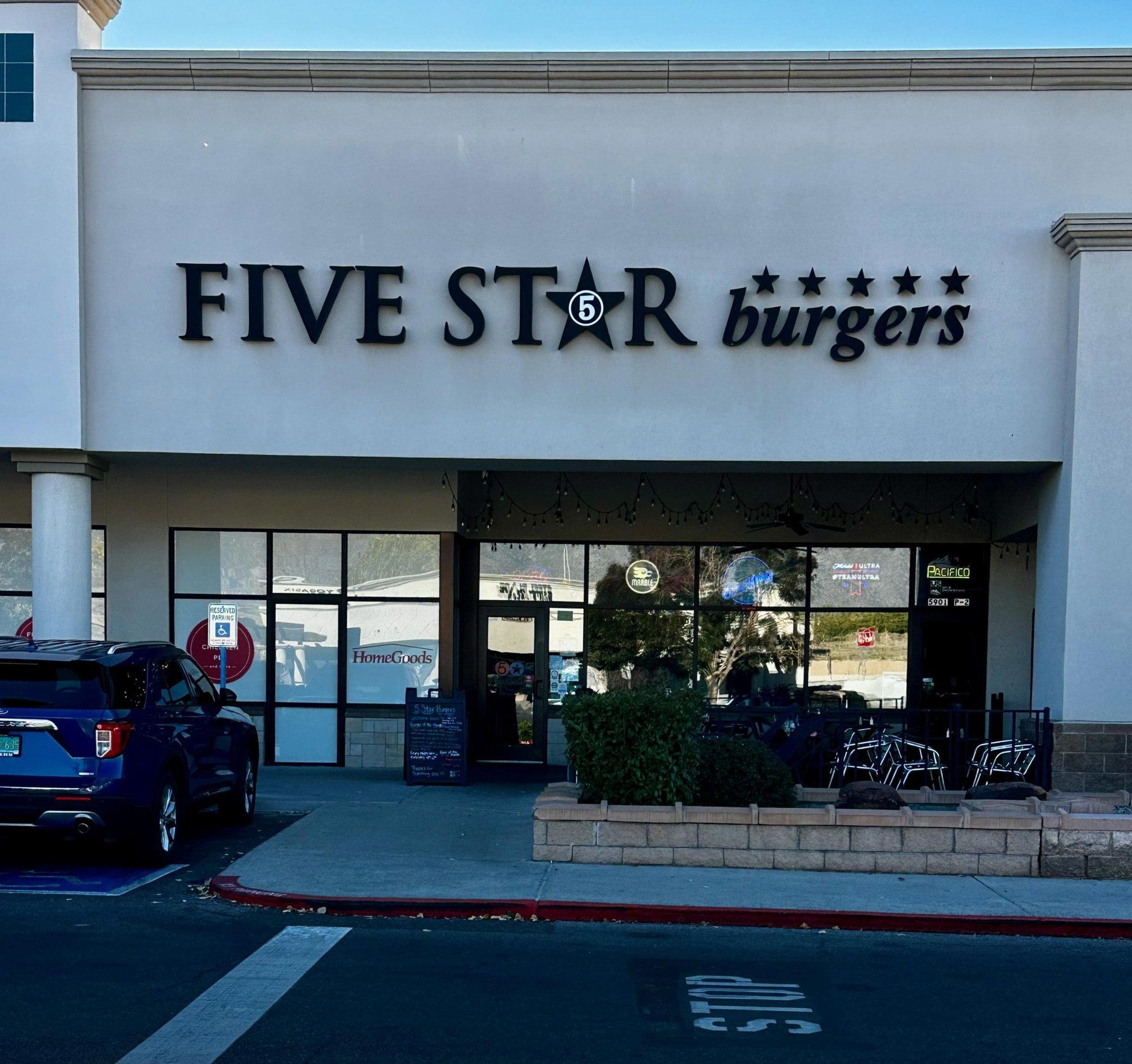
For context on what the wider Japanese dining spectrum can look like at different price and commitment levels, Providence in Los Angeles operates in the premium seafood-forward American market, while Le Bernardin in New York City represents the apex of seafood precision in a Western fine dining frame. Neither is a direct comparison to Azuma, but understanding where the upper end sits clarifies the category distinctions. Closer to Azuma's accessible mid-market position, 5 Star Burgers in Albuquerque illustrates how a city can support strong everyday dining alongside its signature regional traditions.
The broader American tasting-progression conversation, where meals are designed as arcs rather than isolated dishes, runs through restaurants from The French Laundry in Napa to Single Thread Farm in Healdsburg, Blue Hill at Stone Barns in Tarrytown, Addison in San Diego, The Inn at Little Washington, Emeril's in New Orleans, and Atelier Moessmer Norbert Niederkofler in Brunico. Azuma's version of that arc is structurally simpler and more informal, but the underlying instinct, that a meal should move through registers rather than stay static, connects to the same dining logic.
Frequently asked questions
What part of town is Azuma Sushi & Teppan in?
Azuma Sushi & Teppan is located at 4701 San Mateo Blvd NE, Albuquerque, NM 87109, Albuquerque.
Does Azuma Sushi & Teppan in Albuquerque offer both sushi and teppanyaki in the same visit?
Yes, Azuma's defining structural feature is that sushi and teppan exist as two formats within a single restaurant at 4701 San Mateo Blvd NE, Albuquerque. This makes it one of the few Japanese venues in New Mexico where a table can move between raw-fish preparation and live iron-griddle cooking in the same sitting. Whether the kitchen sequences these as separate courses or parallel ordering depends on how the table is configured, so clarifying with staff when booking is advisable.
What should I eat at Azuma Sushi & Teppan?
Azuma operates across two formats, a sushi counter and a teppan grill, so the most direct answer depends on which register you book. The sushi side draws on traditional Japanese preparation; the teppan side delivers the live-cook theatrics of iron-griddle cookery. If it's your first visit to 4701 San Mateo Blvd NE, ordering across both formats gives you the fullest read on what the kitchen does.
How far ahead should I plan for Azuma Sushi & Teppan?
Booking at least a week out for weekend seatings in Albuquerque is a reasonable baseline, with more lead time advisable for larger parties at the teppan grill.
What do critics highlight about Azuma Sushi & Teppan?
What positions it within Albuquerque's Japanese dining conversation is the structural decision to run sushi and teppan as a single, coherent experience rather than two menus awkwardly sharing a dining room, a format choice that sets it apart from most single-style Japanese restaurants in the city.
Can Azuma Sushi & Teppan adjust for dietary needs?
As a practical step, contacting the restaurant directly before arrival, especially for the teppan format, where proteins and sauces are cooked on a shared surface, is the most reliable approach for guests with allergies or restrictions.
Is a meal at Azuma Sushi & Teppan worth the investment?
The dual-format model means you are paying for two distinct culinary disciplines under one roof, which in most markets commands a higher per-head cost than single-concept alternatives.
Recognition Snapshot
A quick snapshot of similar venues for side-by-side context.
| Venue | Cuisine | Price | Awards |
|---|---|---|---|
| Azuma Sushi & TeppanThis venue (the venue you are viewing) | Japanese Sushi & Teppanyaki | $20–30 | Not listed |
| Cecilia's Cafe | Authentic New Mexican | Not listed | Diners, Drive-Ins and Dives Featured Restaurant |
| Gruet Winery & Tasting Room | Sparkling Wine Tasting | $20–30 | Not listed |
| Indian Pueblo Kitchen | Authentic Pueblo Indigenous Cuisine | $20–30 | Not listed |
| Mary & Tito's Cafe | New Mexican | $10–20 | James Beard Award America's Classics |
| Monica's El Portal | Traditional New Mexican | Not listed | Not listed |
Continue exploring
More in Albuquerque
Restaurants in Albuquerque
All restaurants in Albuquerque →
Details
- Lively
- Romantic
- Date Night
- Family
- Group Dining
- Open Kitchen
- Sake Program
- A La Carte
- Counter Dining
- Sake
- Craft Beers
- Vegetarian Friendly
- Gluten Free Options
Current opening hours
- Monday
- 11 AM–9 PM
- Tuesday
- 11 AM–9 PM
- Wednesday
- 11 AM–9 PM
- Thursday
- 11 AM–9 PM
- Friday
- 11 AM–9:30 PM
- Saturday
- 11 AM–9:30 PM
- Sunday
- 11 AM–9 PM
Hours can change for holidays and private events. Last verified .
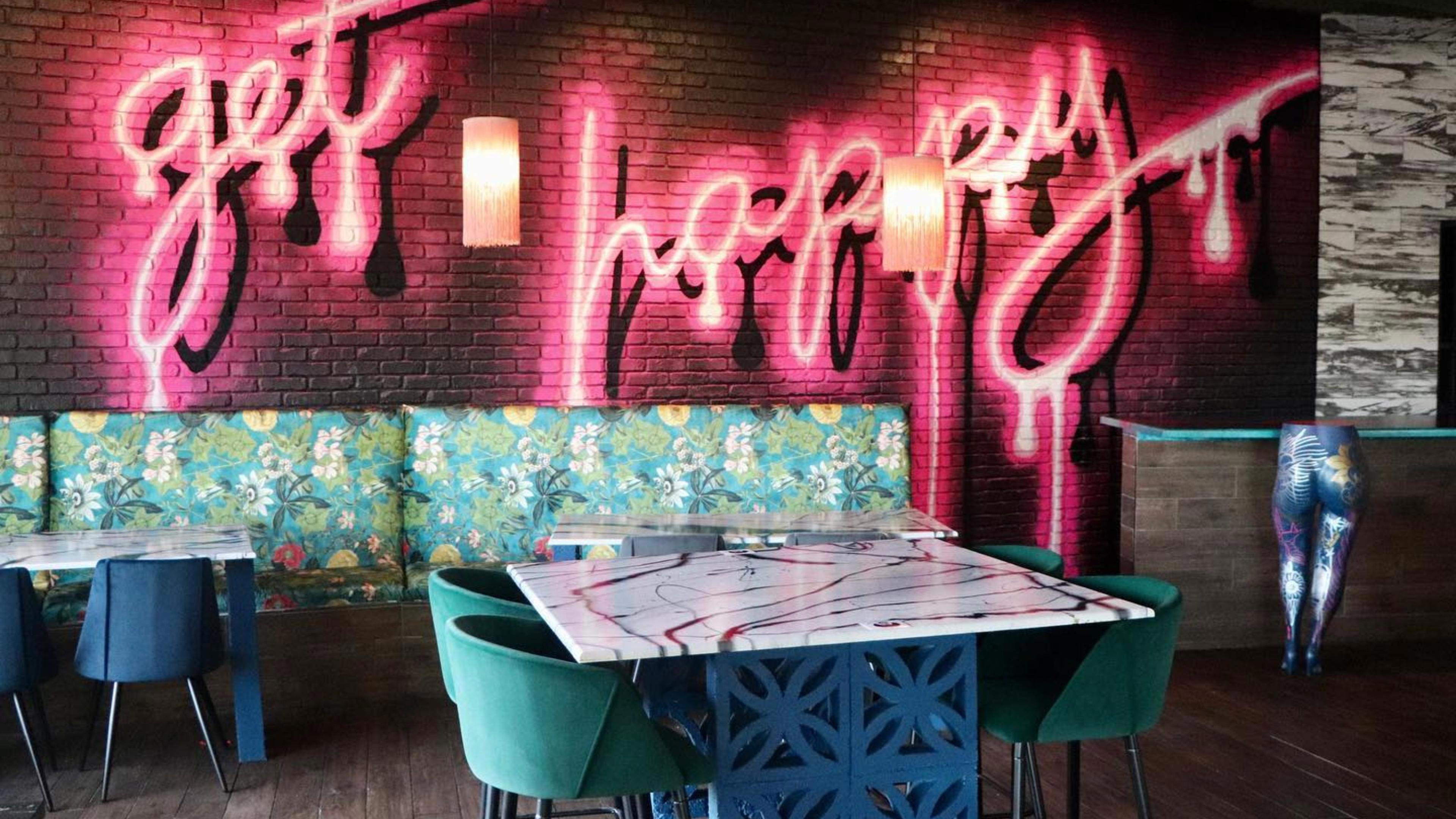
Warm and inviting atmosphere with large teppan grill tables favored by families and friends, and romantic lighting catering to date nights.