Afghan Kebab House
Our verdict
Afghan Kebab House on Gold Avenue SW puts Central Asian grilling traditions on a downtown Albuquerque block more accustomed to New Mexican red chile. The kitchen draws on the charcoal-forward techniques that define Afghan kebab culture, placing it in a different culinary register from the city's Pueblo-influenced dining scene. It is an address for readers interested in how immigrant food traditions take root in mid-sized American cities.

Pearl is the En Primeur Club membership app, where members save venues, book tables and use the concierge.
The menu
What to order
- Burani Badenjan
- Chicken Tikka Kebab
- Bolani
Where Central Asian Charcoal Meets the High Desert
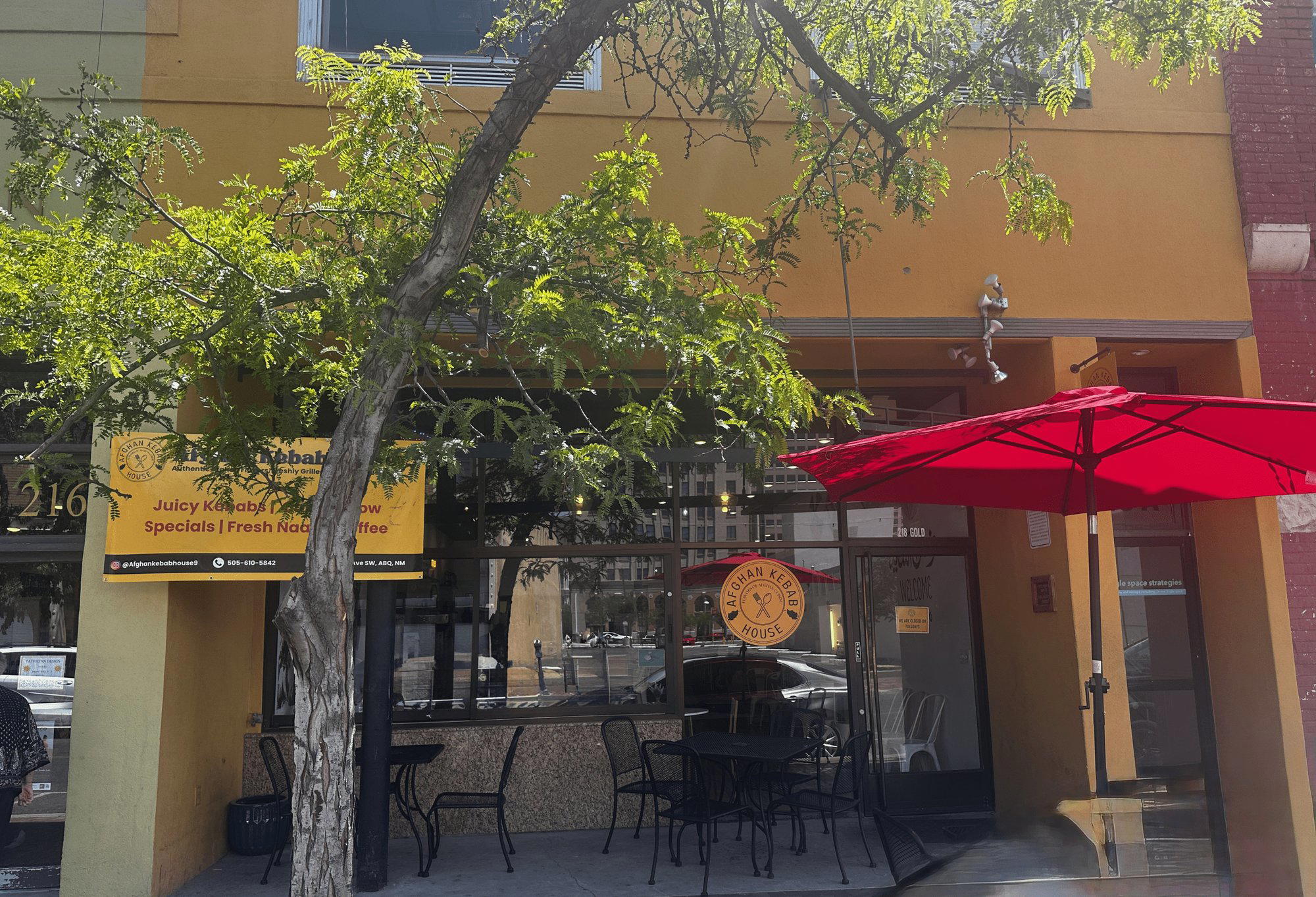
Downtown Albuquerque's Gold Avenue corridor is not the address most visitors associate with depth of international cuisine. The blocks around Civic Plaza skew toward lunch counters, coffee stops, and a handful of New Mexican staples built around the state's chile tradition. Afghan Kebab House sits at 218 Gold Ave SW in that environment, not as a destination engineered for the dining press, but as the kind of address that persists because a neighbourhood actually needs it. That persistence is its own signal.
Afghan cooking sits at a crossroads of Persian, Central Asian, and South Asian culinary traditions, and the kebab is its most legible export. Where the New Mexican kitchen centers on slow-dried chiles and pork-free but fat-rich proteins, the Afghan table organises around charcoal-grilled meats seasoned with cumin, coriander, and dried fruits, served against flatbreads and rice preparations that carry their own complexity. The two traditions share a preference for bold flavour and communal eating but almost nothing else, which makes the coexistence on the same city's dining map genuinely interesting rather than merely incidental.
The Logic of Afghan Kebab in the American Interior
Afghan restaurants in the United States are more concentrated in cities with established Afghan diaspora populations: the Virginia suburbs of Washington D.C. Fremont in California, and parts of New York City. Mid-sized interior cities like Albuquerque represent a different pattern, where a single operator often anchors an entire cuisine's presence for a metro area. In those markets, the dining room carries more cultural weight than it would in a city with ten competitors. The regular clientele tends to include both Afghan families for whom the food is a connection to home and non-Afghan diners for whom it may be an introduction to the cuisine entirely, two audiences with different reference points, both served from the same kitchen.
That dynamic shapes the service rhythm in ways that differ from the high-turnover kebab houses of dense urban centres. There is no assumption that every diner arrives knowing what to order or how a dish is meant to be eaten. The front-of-house, by necessity in these contexts, functions as an education layer as much as an order-taking operation. That collaborative relationship between the kitchen's output and the floor's ability to communicate it is precisely what determines whether a restaurant of this type succeeds or stagnates in a market where it has no direct competition to benchmark against.
Reading the Menu Against the Tradition
The Afghan kebab canon is narrower than the word "kebab" implies to a Western audience. Chapli kebab, a flat, herb-packed patty of minced meat originating in the Pashtun belt, sits in a different register from the seekh kebab of South Asian restaurants or the shish kebab of Turkish grills. Lamb-based preparations and long-marinated chicken skewers are standard across Afghan menus; the differentiation between kitchens comes in the balance of spicing, the heat of the charcoal source, and the quality of the flatbread served alongside. Rice dishes such as qabuli pulao, basmati cooked with lamb, carrots, and raisins, round out a menu that covers more tonal ground than its grilled anchor might suggest.
Verifying current offerings directly with the restaurant before visiting is the sensible approach, particularly for guests with dietary requirements.
Downtown Albuquerque's Broader Dining Frame
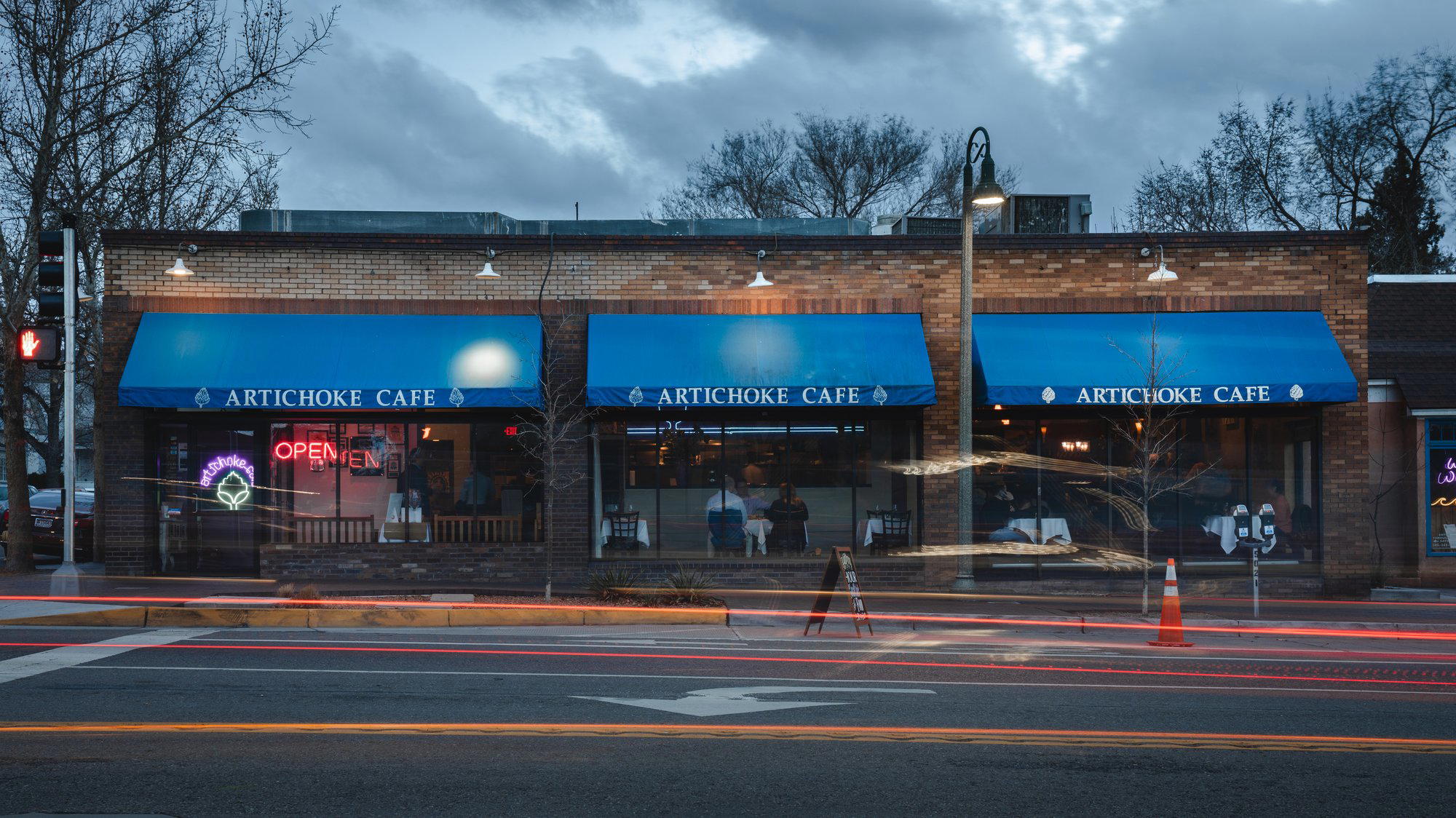
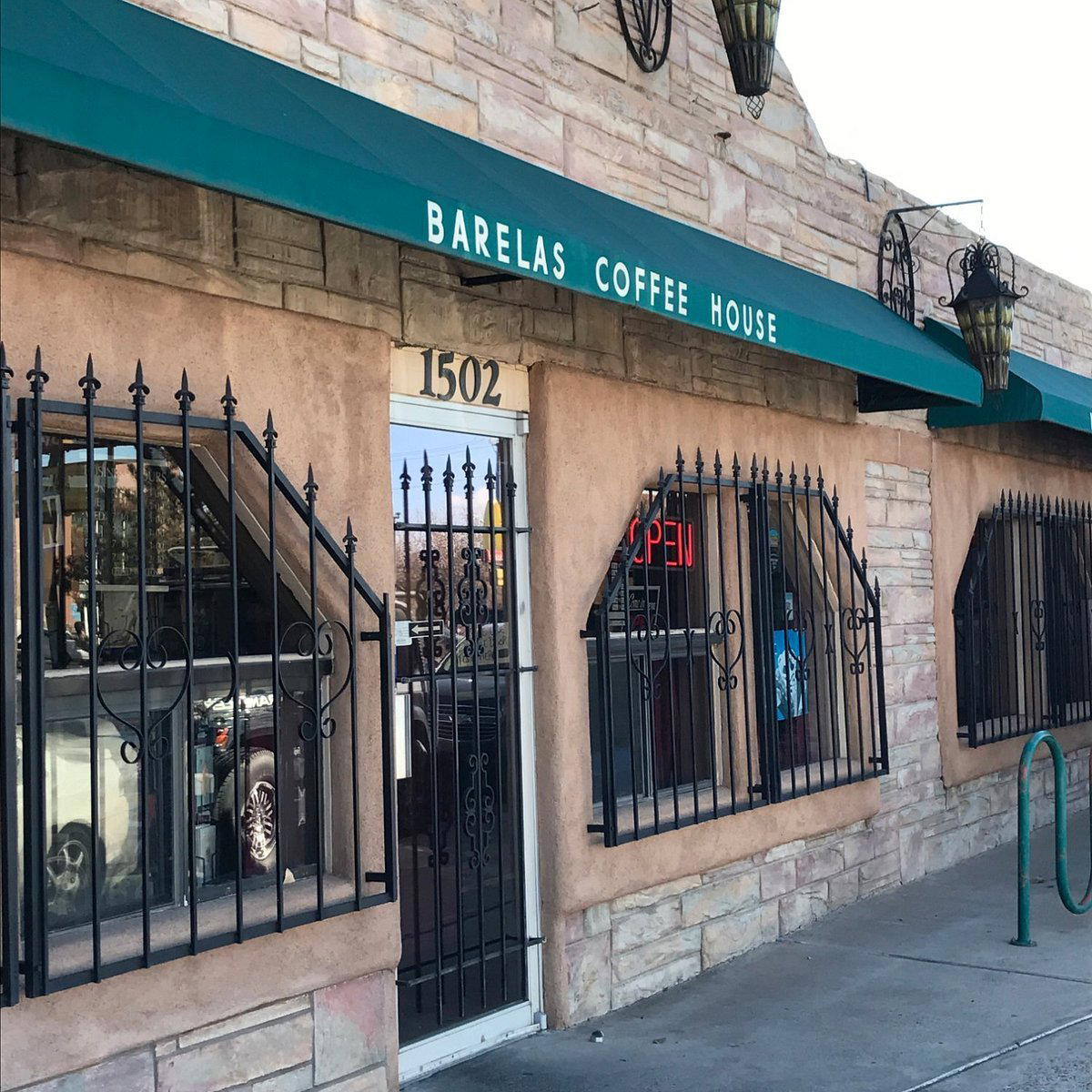
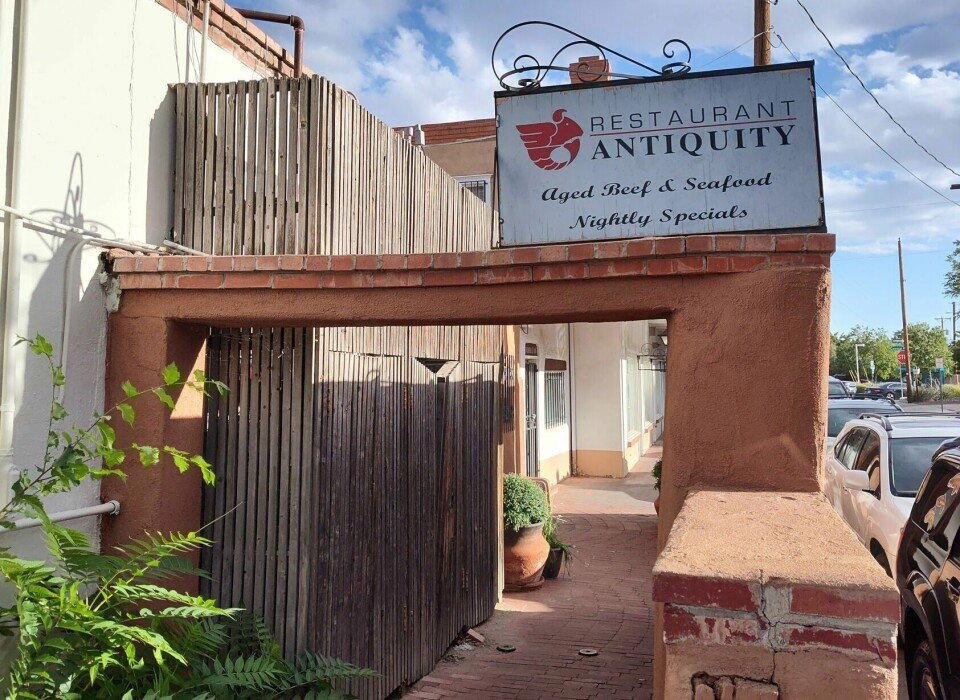
Albuquerque's dining scene is less stratified by price tier than comparably sized American cities, which means the distance between a neighbourhood staple and a recognised destination can be surprisingly small. The city's most discussed addresses span a range of traditions: Artichoke Cafe anchors the upscale New American end of downtown, while Barelas Coffee House represents the deep-rooted New Mexican breakfast and lunch tradition in the Barelas neighbourhood. Antiquity Restaurant holds a long-standing position in the Old Town-adjacent dining corridor, and Azuma Sushi and Teppan covers the Japanese end of the international spectrum. Afghan Kebab House occupies a position in that constellation that none of those addresses do: it represents a culinary tradition that has almost no other local representation, which matters when mapping the city's actual range.
For readers building a multi-day Albuquerque itinerary, 5 Star Burgers covers the casual American end, and our full Albuquerque restaurants guide covers the broader field with more detail on neighbourhood breakdown and booking patterns.
At a national level, the venues that define what serious dining looks like in American cities share a discipline of kitchen-to-floor coordination that Afghan Kebab House's position in its market requires by default. Places like Le Bernardin in New York City, Lazy Bear in San Francisco, Smyth in Chicago, or The French Laundry in Napa operate with entire teams dedicated to that integration. At a neighbourhood Afghan restaurant, the same communication challenge exists at a fraction of the resources, which, when it works, is its own form of operational discipline. Other references in the national dining conversation include Emeril's in New Orleans, Single Thread Farm in Healdsburg, Providence in Los Angeles, Blue Hill at Stone Barns in Tarrytown, Addison in San Diego, The Inn at Little Washington, Atomix in New York City, and Atelier Moessmer Norbert Niederkofler in Brunico, venues at a different scale entirely, but part of the same broader conversation about what hospitality coordination looks like when it is done carefully.
Planning a Visit
Afghan Kebab House is located at 218 Gold Ave SW in downtown Albuquerque, walkable from the city's central transit hub and within a short distance of the Civic Plaza area. This is particularly relevant for guests with allergy requirements or those travelling from outside the city who need to confirm service hours in advance. The downtown location means parking options vary by time of day, with street parking more accessible in the evening than at midday.
Frequently asked questions
What part of town is Afghan Kebab House in?
Afghan Kebab House is located at 218 Gold Ave SW, Albuquerque, NM 87102, Albuquerque.
Is Afghan Kebab House one of the few Central Asian restaurants in New Mexico?
Afghan restaurants are thinly distributed across the American interior, with the densest concentrations in Northern Virginia, the Bay Area, and a handful of other cities with established Afghan diaspora communities. Albuquerque does not appear in that primary tier, making Afghan Kebab House at 218 Gold Ave SW one of the few venues in New Mexico serving this culinary tradition. For diners in the region, this downtown address represents access to a cuisine with limited local competition.
What's the signature dish at Afghan Kebab House?
The Afghan kebab tradition centers on a narrower canon than the word 'kebab' suggests to most Western diners. Chapli kebab, a flat, herb-packed minced meat patty with origins in the Pashtun regions, is among the defining preparations in this culinary tradition. At 218 Gold Ave SW, the menu draws from that same Central Asian charcoal-grill lineage that anchors Afghan restaurants across the country.
How far ahead should I plan for Afghan Kebab House?
Afghan Kebab House is a downtown Albuquerque neighborhood restaurant, not a reservation-driven fine dining counter, so walk-in visits are generally the norm for this category of venue. Lunch hours in the Gold Avenue corridor tend to draw the weekday civic crowd, so midday visits on weekdays may see the fastest turnover. No booking data is documented so arriving early in a service period is the practical approach.
What do critics highlight about Afghan Kebab House?
What makes the venue editorially notable is contextual: Afghan restaurants are rare in the American interior, with most of the established diaspora dining scene concentrated in Northern Virginia and the Bay Area, which makes this Gold Avenue address in Albuquerque an outlier worth attention on geographic grounds alone.
Do they accommodate allergies at Afghan Kebab House?
Afghan cooking commonly incorporates wheat-based flatbreads, meat stocks, and dairy such as yogurt in marinades and sauces, so diners with specific dietary restrictions should confirm directly before visiting. The restaurant is at 218 Gold Ave SW in downtown Albuquerque.
Should I splurge on Afghan Kebab House?
Afghan Kebab House sits in a category where price is rarely the deciding factor: neighborhood kebab houses in this style typically run at accessible price points relative to Albuquerque's dining scene, which is less stratified by tier than comparably sized American cities. No price range is documented but the format suggests this is an everyday-frequency restaurant rather than a special-occasion spend. The case for going is the cuisine itself, not the occasion.
Price Lens
Comparable venues nearby, for context on price, style, and recognition.
| Venue | Cuisine | Price | Awards | Notes |
|---|---|---|---|---|
| Afghan Kebab HouseThis venue (the venue you are viewing) | Afghan Kebabs | $20–30 | Not listed | Not listed |
| Cecilia's Cafe | Authentic New Mexican | Not listed | Diners, Drive-Ins and Dives Featured Restaurant | Downtown, Authentic New Mexican |
| 5 Star Burgers | Gourmet American Burgers with Green Chile | $20–30 | Not listed | Northeast Albuquerque, Gourmet American Burgers with Green Chile |
| Barelas Coffee House | Traditional New Mexican | $10–20 | Not listed | Barelas, Traditional New Mexican |
| Monica's El Portal | Traditional New Mexican | Not listed | Not listed | Old Town, Traditional New Mexican |
| Saigon Restaurant | Authentic Vietnamese | $10–20 | Not listed | San Mateo Blvd area, Authentic Vietnamese |
Continue exploring
More in Albuquerque
Restaurants in Albuquerque
All restaurants in Albuquerque →
Details
- Cozy
- Rustic
- Casual Hangout
- Family
- Standalone
- A La Carte
- Vegetarian Friendly
Current opening hours
- Monday
- 11 AM–9 PM
- Tuesday
- Closed
- Wednesday
- 11 AM–9 PM
- Thursday
- 11 AM–9 PM
- Friday
- 11 AM–9 PM
- Saturday
- 11 AM–9 PM
- Sunday
- 11 AM–9 PM
Hours can change for holidays and private events. Last verified .
Casual and welcoming with focus on traditional Afghan flavors.