Cecilia's Cafe

Diners, Drive-Ins and Dives Featured Restaurant
Our verdict
Episode: "Regional Classics"
The menu
What to order
- Fireman’s Burrito
- Chicharrones
- Blue Corn Enchiladas
- Pablo’s Burger
New Mexico on a Plate: The Case for Albuquerque's Neighbourhood Diners
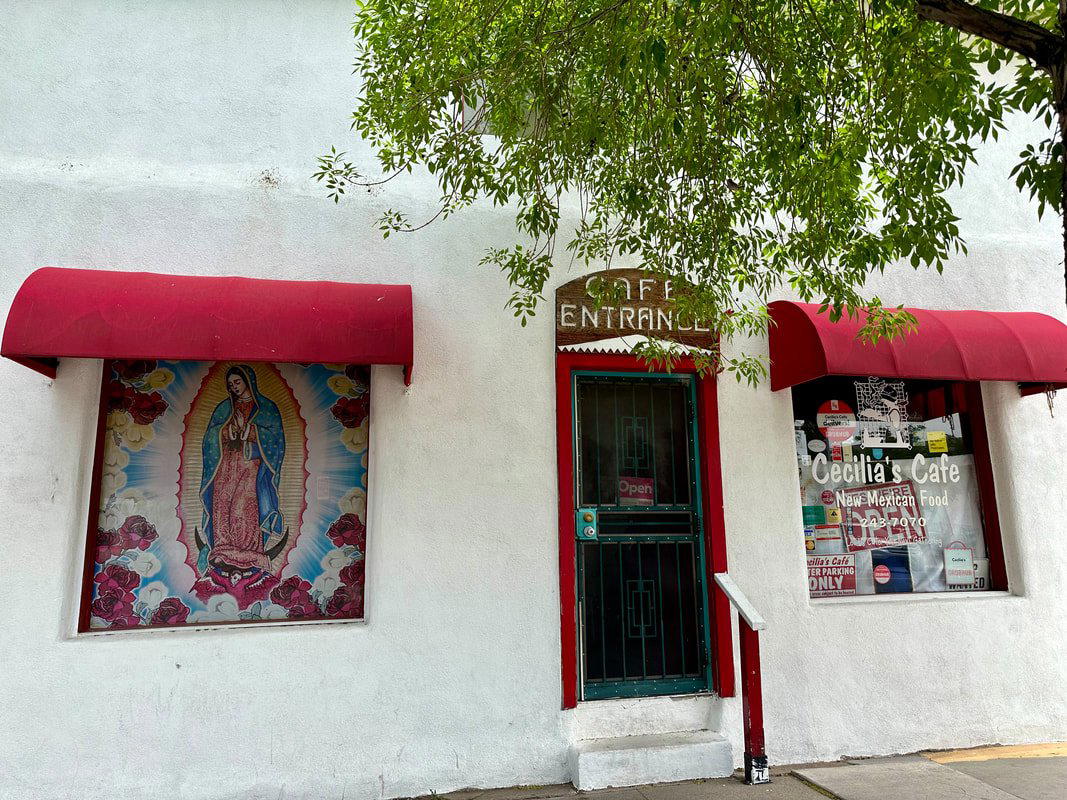
There is a particular quality to the light on 6th Street SW in the morning, before the downtown grid picks up its pace. The sidewalks in this part of Albuquerque carry the residential weight of the Barelas neighbourhood, one of the city's oldest, where the built environment still reflects successive layers of working-class history rather than the renovated surface that tends to follow tourist attention. It is in this context that Cecilia's Cafe sits at 230 6th St SW, occupying a spot that feels less like a dining destination in the marketing sense and more like a fixture of the neighbourhood itself, the kind of place that earns its reputation through repetition and consistency rather than through press cycles.
Albuquerque's dining scene divides more clearly than most mid-sized American cities along lines of origin and authenticity. On one side, you have the newer farm-to-table operations and destination restaurants that draw comparisons, however loosely, to ingredient-driven programmes at places like Blue Hill at Stone Barns in Tarrytown or Single Thread Farm in Healdsburg. On the other, you have a deeper and older stratum: the family-run New Mexican restaurants that have been sourcing from the same regional suppliers, farming communities, and chile-growing valleys for decades without ever framing that practice as a selling point. Cecilia's Cafe belongs to that second category.
New Mexican Cuisine and the Sourcing Tradition That Precedes the Trend
Before ingredient provenance became a marketing framework for fine dining, New Mexican home cooking already operated on a deeply local sourcing model. The cuisine's dependence on New Mexico green and red chiles is not a contemporary farm-to-table affectation; it is a structural reality of the food itself. Hatch and Chimayo chiles, grown in specific microclimates along the Rio Grande valley, produce capsaicin profiles, heat levels, and flavour compounds that cannot be replicated by substitution. At the high end of the national spectrum, chefs at restaurants like Smyth in Chicago and Providence in Los Angeles invest significant effort in sourcing regional specificity because it meaningfully changes what arrives on the plate. That same logic has always applied to New Mexican cuisine; the difference is that the tradition predates the framework by generations.
For restaurants operating in this tradition, the sourcing question is not whether to use local product but which family farms and regional cooperatives supply the chiles, posole corn, and squash that go into dishes prepared the same way they were fifty years ago. The food at a place like Cecilia's Cafe sits within a culinary lineage that connects to the agricultural rhythms of central New Mexico in a way that is structural, not decorative. That connection is precisely why the food reads differently to a visitor than anything produced under the banner of contemporary regional American cooking in more prominent dining cities.
This context matters for understanding where Cecilia's Cafe sits in Albuquerque's overall dining map alongside peers such as Mary and Tito's Cafe and Monica's El Portal, both of which operate in the same tradition of long-running New Mexican family restaurants. These venues occupy a distinct tier from the city's newer arrivals, and the competition between them is not on the axis of innovation but on the axis of consistency, recipe integrity, and the depth of accumulated institutional knowledge. The comparison set for a restaurant like this is not Le Bernardin in New York City or The French Laundry in Napa; it is the handful of generational New Mexican operations that have maintained their standards across decades of changing food culture around them.
Barelas and the Neighbourhood That Shapes the Room
The Barelas neighbourhood has been a working-class residential district since the late nineteenth century, and it retains that character in ways that shape the atmosphere of the restaurants that operate within it. Dining here does not come with the ambient energy of a newly activated food corridor. The room at Cecilia's reflects the neighbourhood: functional, lived-in, without the design self-consciousness that accompanies restaurant openings in areas undergoing active gentrification. The dining experience is oriented around the food and the regulars, not around first impressions for a transient audience.
For visitors arriving from outside Albuquerque, this neighbourhood context is part of what makes the experience substantive. The difference between eating New Mexican food in a tourist-facing Old Town establishment and eating it in a place embedded in a residential community shows up in who is in the room, what they order, and how the kitchen calibrates its output. Barelas, with its proximity to the Rio Grande and its position south of downtown, remains one of the less-trafficked areas for out-of-town diners, which concentrates the regulars and keeps the cooking directed at people who know exactly what they are ordering.
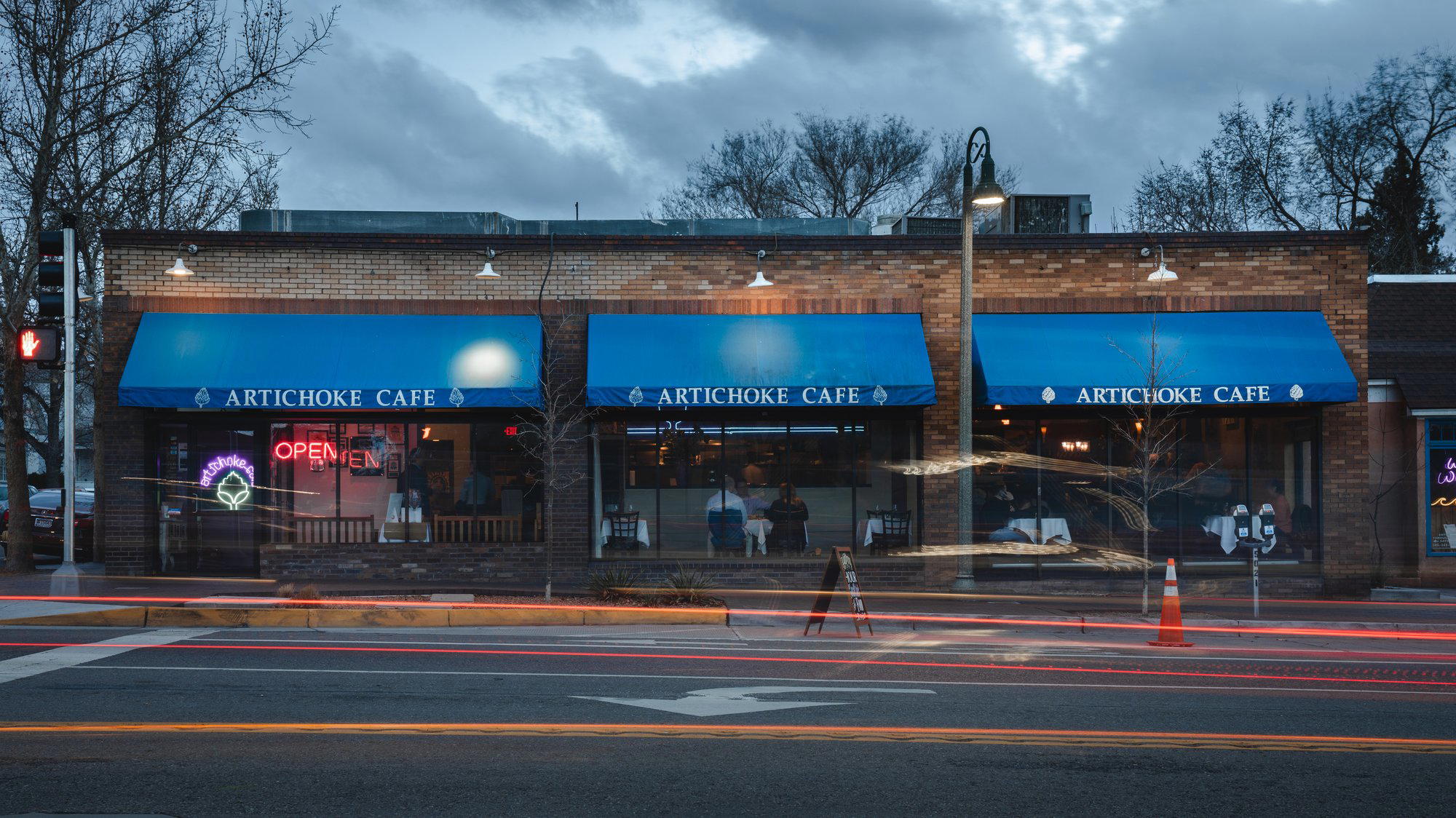
Albuquerque's broader dining scene rewards exploration beyond the central corridors. The city's restaurant character spans from spots like Artichoke Cafe and Antiquity Restaurant in the downtown and Nob Hill zones to international operations such as Afghan Kebab House and Azuma Sushi and Teppan, alongside casual American anchors like 5 Star Burgers. Against that range, the neighbourhood New Mexican category occupies a specific cultural position that no other format in the city replicates. Our full Albuquerque restaurants guide maps the city's dining zones in more detail for visitors planning a broader itinerary.
Planning Your Visit
Cecilia's Cafe at 230 6th St SW is accessible from downtown Albuquerque by a short drive south along 4th Street or 6th Street. The Barelas neighbourhood is southeast of the major freeway interchange, and parking in the surrounding streets is generally manageable outside of peak hours. For visitors combining this with other Albuquerque dining, the surrounding South Valley is worth allocating proper time rather than treating as a quick detour from the central districts. Given that the restaurant operates on a neighbourhood-diner model rather than a reservation-driven format, arriving outside the peak lunch window on weekdays tends to reduce wait times, though specific hours and booking policy should be confirmed directly before visiting as current operational details were not available at the time of writing.
Frequently asked questions
Where do I go for Cecilia's Cafe?
Cecilia's Cafe is located at 230 6th St SW, Albuquerque, NM 87102, Albuquerque.
How does Cecilia's Cafe differ from Tex-Mex restaurants in Albuquerque?
New Mexican cuisine is a distinct regional tradition rooted in centuries of Pueblo, Spanish colonial, and New Mexican agricultural history, and Cecilia's Cafe in Albuquerque's Barelas neighbourhood represents that lineage rather than the Tex-Mex genre. The most visible marker is the chile: Hatch and other New Mexico-grown varieties prepared as red or green sauce, not the processed or blended preparations common to Tex-Mex. The sourcing tradition behind New Mexican home cooking predates the current national focus on ingredient provenance by generations.
What's the signature dish at Cecilia's Cafe?
Cecilia's Cafe is known within Albuquerque's New Mexican dining tradition for chile-forward plates built around red and green chile, the defining preparations of the regional genre. New Mexican cuisine draws a clear line from both Tex-Mex and Mexican-American cooking, and neighbourhood institutions like Cecilia's in the Barelas district are where those distinctions show most plainly on the plate. The chile question, red, green, or Christmas, is the standard opening at any table.
Do they take walk-ins at Cecilia's Cafe?
Neighbourhood New Mexican diners in Albuquerque at this tier have historically operated on a walk-in basis, and Cecilia's Cafe at 230 6th St SW fits that model. Arrival time matters more than reservations: weekday mornings and early lunches typically see shorter waits than weekend midday service. Checking current hours directly before visiting is advisable, as neighbourhood diners in this part of the Barelas district often adjust schedules seasonally.
A Quick Peer Check
| Venue | Cuisine | Price | Awards |
|---|---|---|---|
| Cecilia's CafeThis venue (the venue you are viewing) | Authentic New Mexican | Not listed | Diners, Drive-Ins and Dives Featured Restaurant |
| Gruet Winery & Tasting Room | Sparkling Wine Tasting | $20–30 | Not listed |
| Indian Pueblo Kitchen | Authentic Pueblo Indigenous Cuisine | $20–30 | Not listed |
| Mary & Tito's Cafe | New Mexican | $10–20 | James Beard Award America's Classics |
| Monica's El Portal | Traditional New Mexican | Not listed | Not listed |
| Monte Carlo Liquors & Steak House | Classic American Steakhouse | $30–50 | Diners, Drive-Ins and Dives Featured Bar |
Recognition history
Dated appearances from independent guides and award organizations, with the underlying list record or original source where available.
Diners, Drive-Ins and Dives Featured Restaurant
Diners, Drive-Ins and Dives · 2026 Diners, Drive-Ins and Dives Featured Restaurants
Continue exploring
More in Albuquerque
Restaurants in Albuquerque
All restaurants in Albuquerque →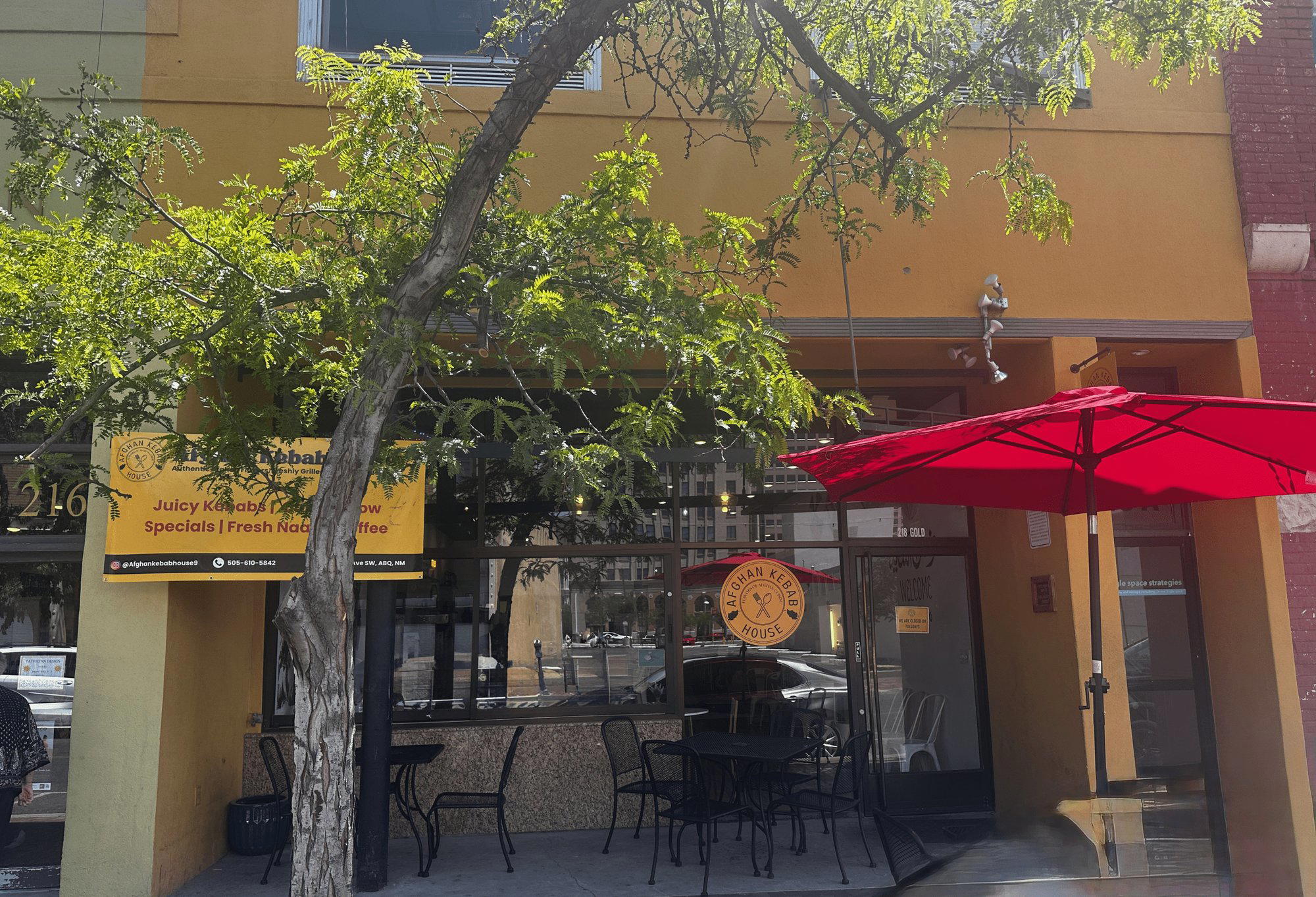

Details
- Cozy
- Rustic
- Classic
- Casual Hangout
- Brunch
- Historic Building
- Local Sourcing
- A La Carte
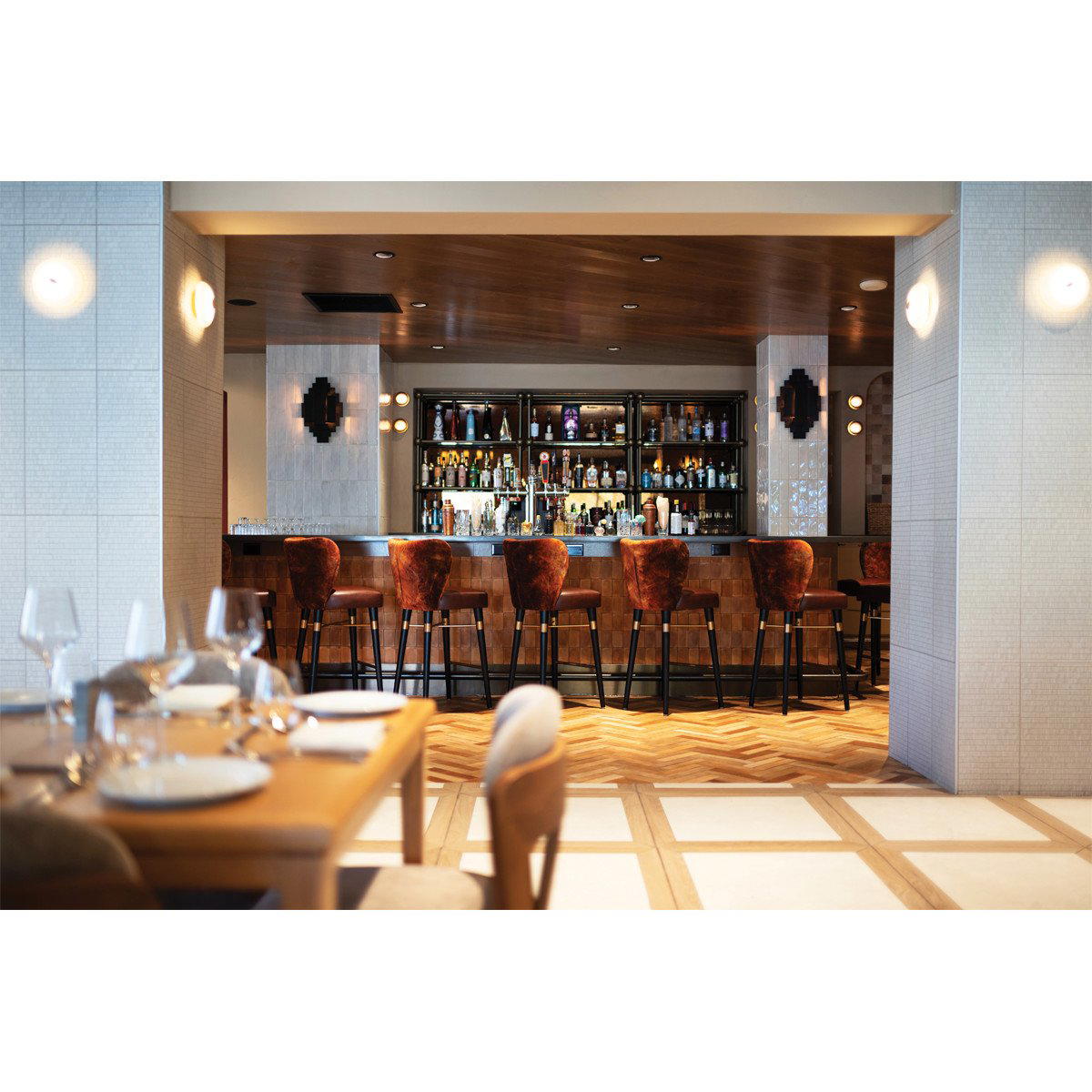
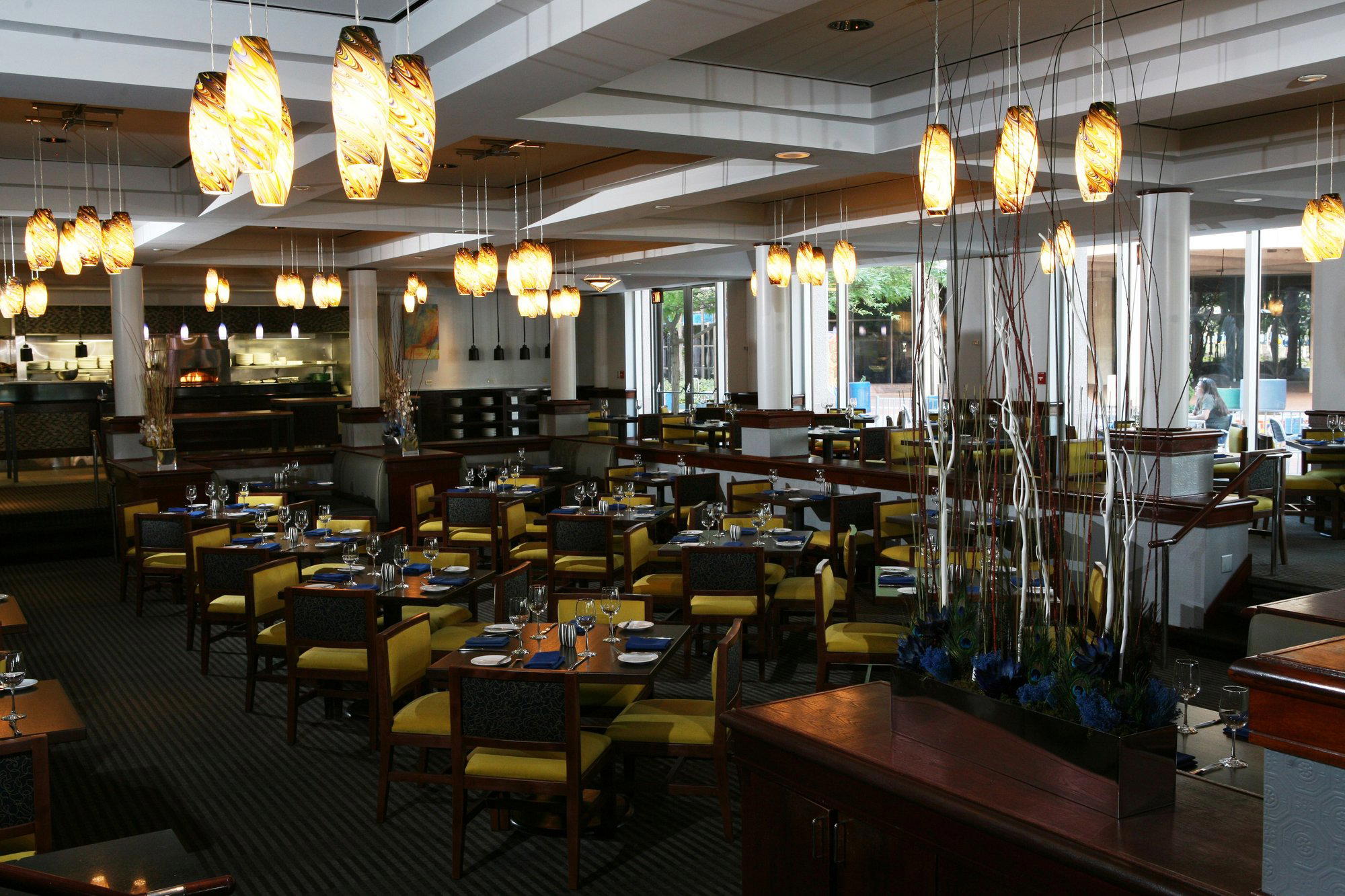
Dark, cozy interior in a historic brick building with bric-a-brac decor and a pellet stove for warmth, creating a nostalgic, homey atmosphere.