Indian Pueblo Kitchen
Our verdict
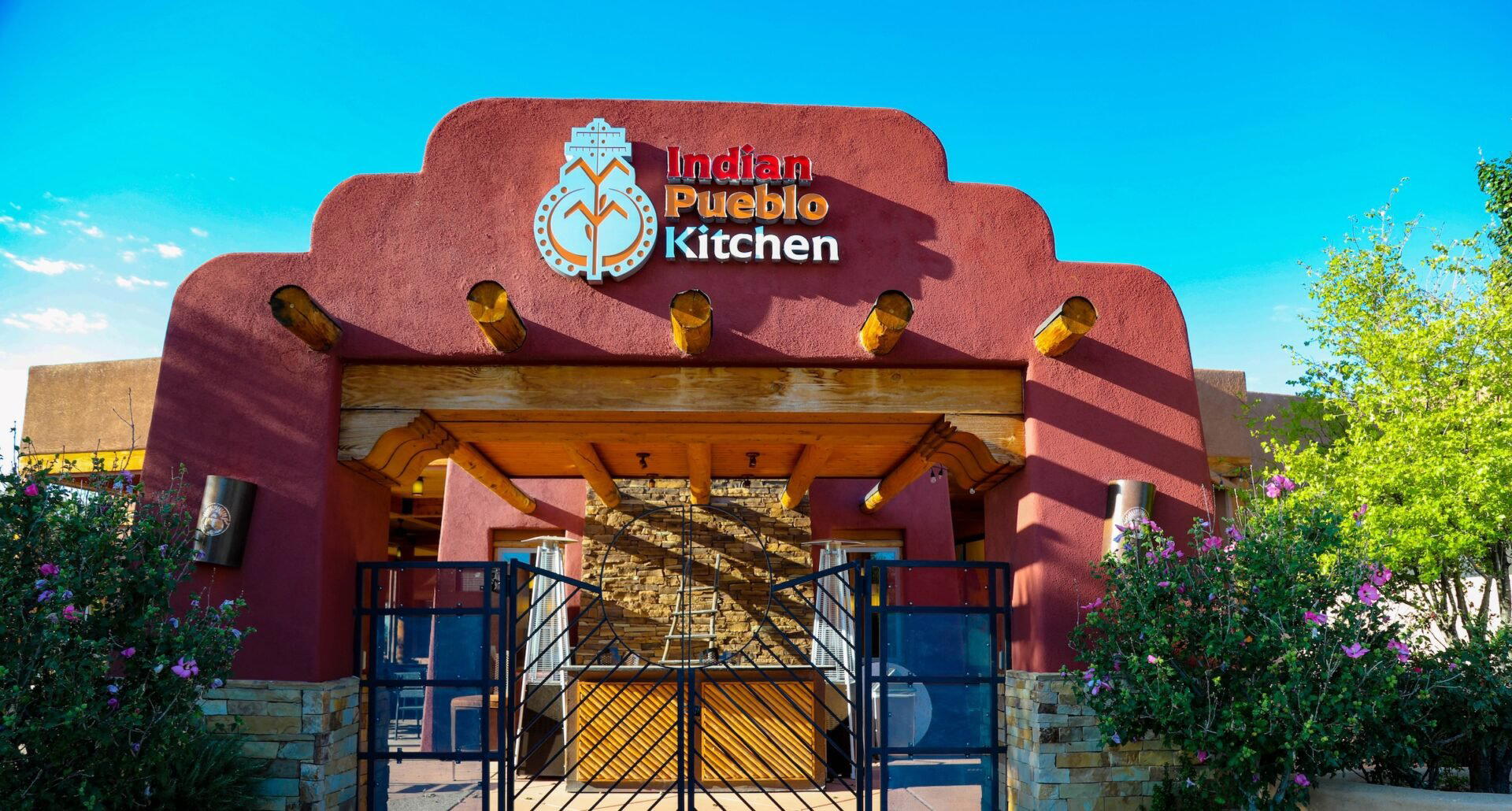
Indian Pueblo Kitchen, located at 2401 12th St NW in Albuquerque, sits inside the Indian Pueblo Cultural Center and brings Indigenous culinary traditions of the American Southwest to a seated dining format. The restaurant draws on the food cultures of New Mexico's 19 Pueblos, offering dishes rooted in corn, chile, and native agriculture rather than Tex-Mex convention. It represents a category of dining that is still rare in the American Southwest: Indigenous-led, culturally grounded, and operating at a scale that allows for serious kitchen work.

Pearl is the En Primeur Club membership app, where members save venues, book tables and use the concierge.
The menu
What to order
- Blue Corn Enchiladas
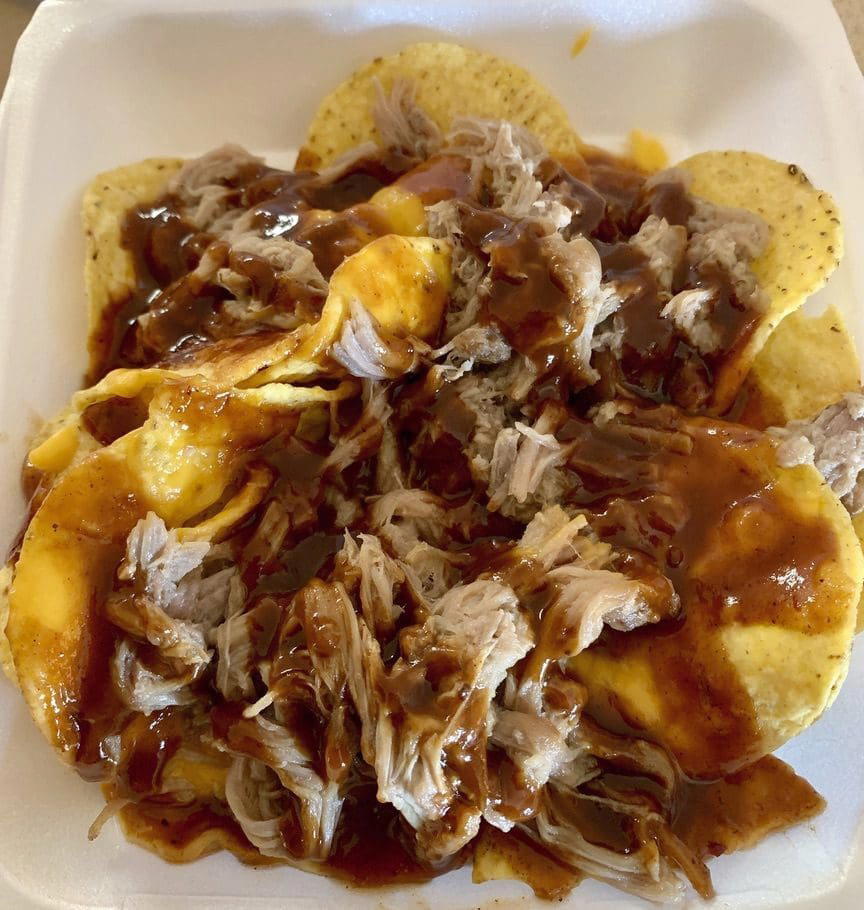
- Indian Taco
- Tribal Trout
- Elk Chili
- Bison Carpaccio
- Blue Corn Onion Rings
- Posole Stew
A Different Kind of Threshold
Arriving at 2401 12th St NW, just north of Old Town Albuquerque, you cross into the Indian Pueblo Cultural Center before you cross into the restaurant. That sequencing matters. Indian Pueblo Kitchen is not a standalone dining room that happens to serve Indigenous food; it is part of a larger institution owned and operated by New Mexico's 19 Pueblo tribes, and the physical and cultural weight of that context arrives before the menu does. The courtyard architecture, the murals, the orientation of the building toward its community mission, all of it frames the meal before the first dish appears. This is a dining environment where the setting does meaningful editorial work.
What the Meal Is Actually About
Indigenous restaurant dining in the United States has long occupied the margins of the country's food conversation, overshadowed by European-lineage fine dining at establishments like Le Bernardin in New York City or farm-to-table formats such as Blue Hill at Stone Barns in Tarrytown. Indian Pueblo Kitchen sits in a different current entirely. The kitchen draws on the agricultural foundations of Pueblo culture, corn in its many dried, ground, and masa forms; chiles from New Mexico's own growing regions; beans, squash, and game that predate Spanish colonization by centuries. This is not fusion or approximation. The culinary logic here is pre-contact, filtered through a contemporary kitchen that understands presentation and pacing.
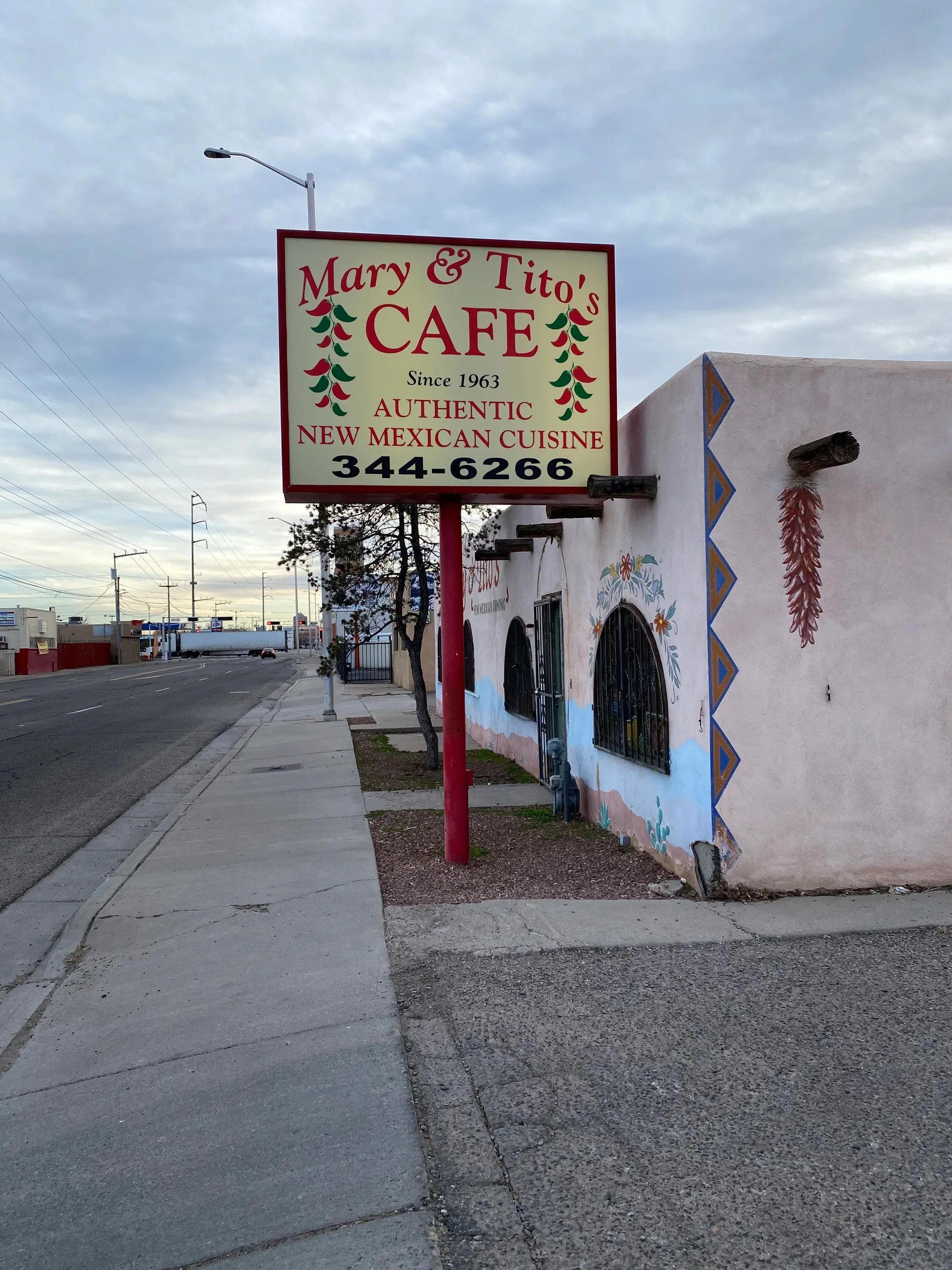
New Mexico's chile culture is its own subject, one that separates the state's food identity sharply from the rest of the American Southwest. The annual question of red or green, which ripeness of New Mexico chile you want on a given dish, functions as a dining ritual in itself, a small initiation for anyone eating in the state for the first time. Indian Pueblo Kitchen operates within that tradition while also moving past it, bringing in ingredients and preparations that reflect Pueblo agricultural knowledge rather than the broader New Mexican vernacular that restaurants like Mary & Tito's Cafe or Monica's El Portal have built their reputations on.
The Ritual of the Table
The EA-GN-04 lens, framing a restaurant through the customs, pacing, and etiquette of the meal, fits Indian Pueblo Kitchen with particular precision, because Indigenous food culture places significant emphasis on the meaning and order of eating. Meals in Pueblo tradition are not purely transactional. Corn, for instance, is not simply an ingredient; it carries ceremonial and agricultural significance that predates the restaurant format by thousands of years. When corn appears in a dish here, whether as a frybread base, a hominy preparation, or a blue-corn component, it carries context that the kitchen has not invented and cannot fully translate, but does not need to. The table becomes a point of contact between a living cultural practice and a dining format that can accommodate it.
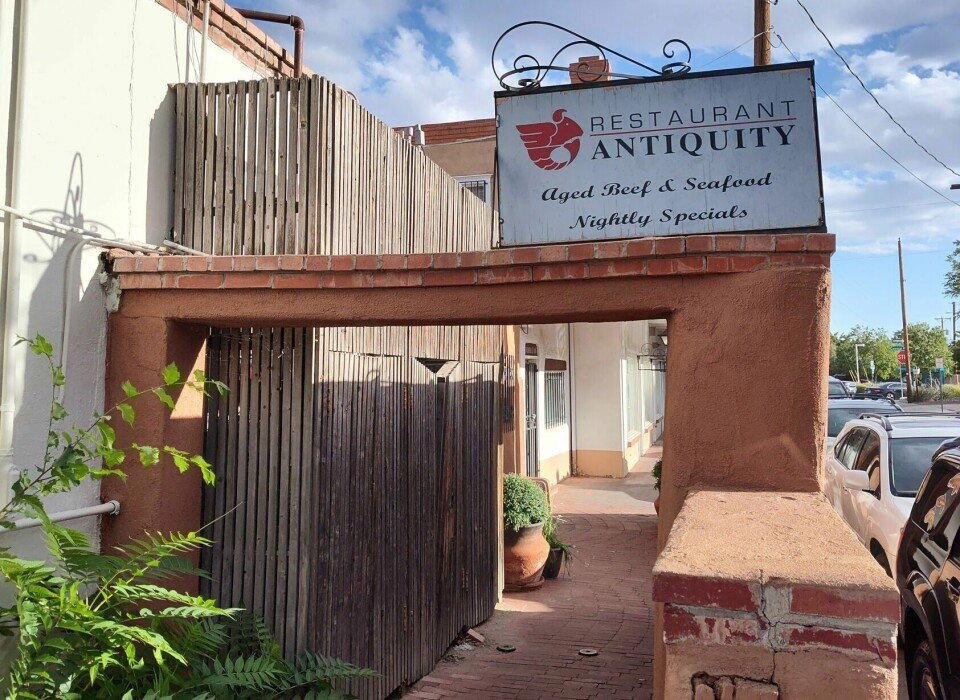
That depth of context is what separates a meal here from the broader Albuquerque dining scene, which ranges from the casual New Mexican comfort of Cecilia's Cafe to the continental formality of Antiquity Restaurant and the contemporary American ambition of Artichoke Cafe. Indian Pueblo Kitchen occupies a category that none of those restaurants enter: a kitchen whose reference points are not European culinary tradition but the land, the calendar, and the agricultural intelligence of the Pueblo peoples themselves.
Where It Sits in the Broader Picture
The American fine dining conversation in 2024 and 2025 has increasingly turned toward questions of Indigenous and regional food identity. Restaurants like Smyth in Chicago, Single Thread Farm in Healdsburg, and Addison in San Diego have built reputations on hyper-regional sourcing and place-specific menus, while internationally, formats like Atelier Moessmer Norbert Niederkofler in Brunico make a case for radical locality as a fine dining position. Indian Pueblo Kitchen does not compete in that tier, it is not structured as a tasting-menu destination with the booking architecture of Atomix in New York City or the national profile of The French Laundry in Napa, but it makes a case that is in some ways more substantive: that place-specific food can be grounded in a living culture rather than a chef's intellectual project.
The institutional ownership model is also worth noting. The Indian Pueblo Cultural Center is tribally owned, which means the restaurant's revenues flow back into the institution and, by extension, into the 19 Pueblos it represents. This is structurally different from a chef-owned concept drawing on Indigenous aesthetics, and that difference has practical and ethical weight for travelers who think carefully about where their spending lands.
Planning the Visit
Indian Pueblo Kitchen is located at 2401 12th St NW, inside the Indian Pueblo Cultural Center in Albuquerque's near North Valley, a short drive from Old Town and roughly ten minutes from Downtown. For visitors already planning time at the Cultural Center's museum, which covers the history, art, and governance of New Mexico's 19 Pueblos, the restaurant makes a logical and substantive extension of that visit rather than a separate excursion. The restaurant's setting within a cultural institution means hours may align with museum programming rather than standard commercial dining schedules.
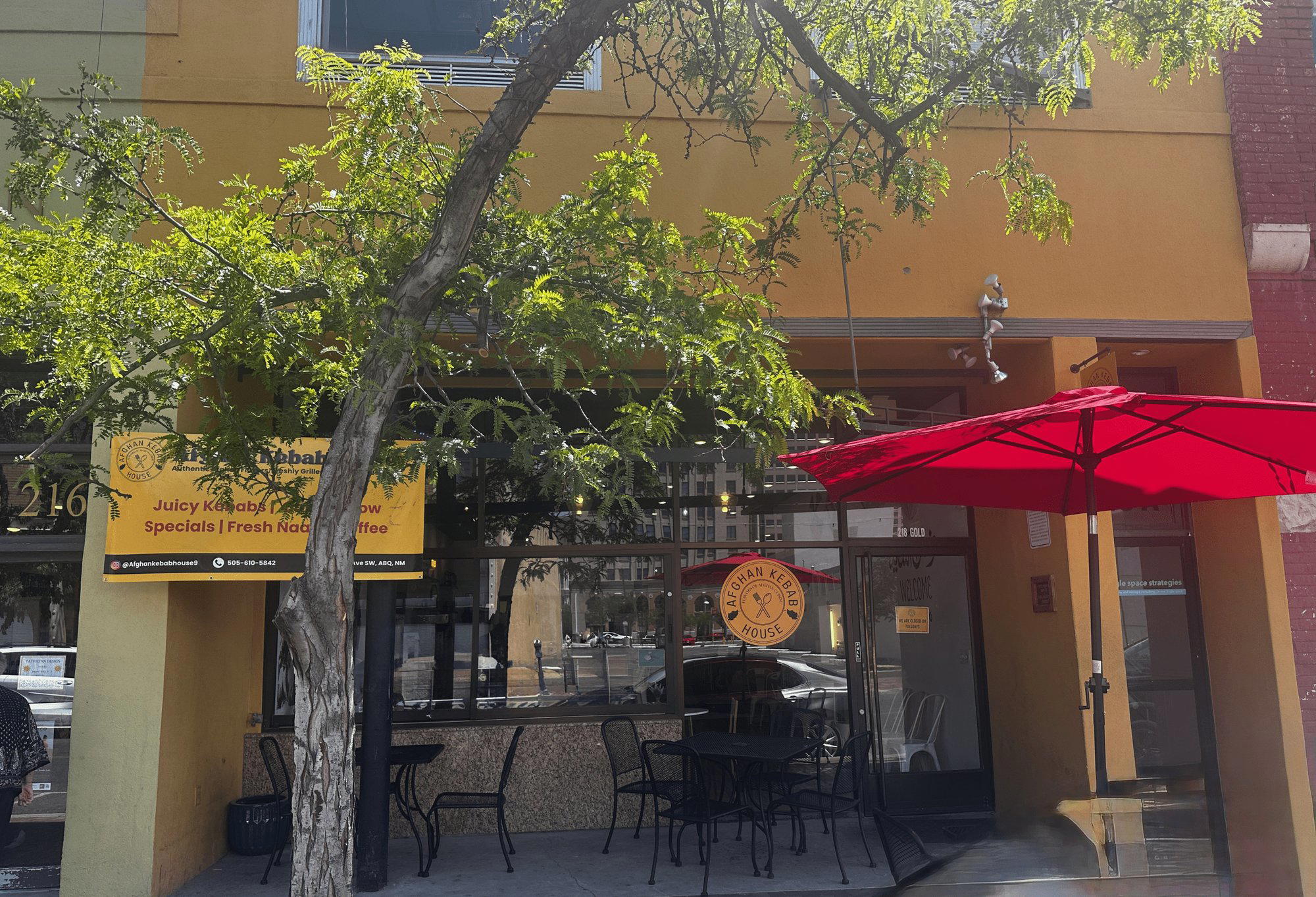
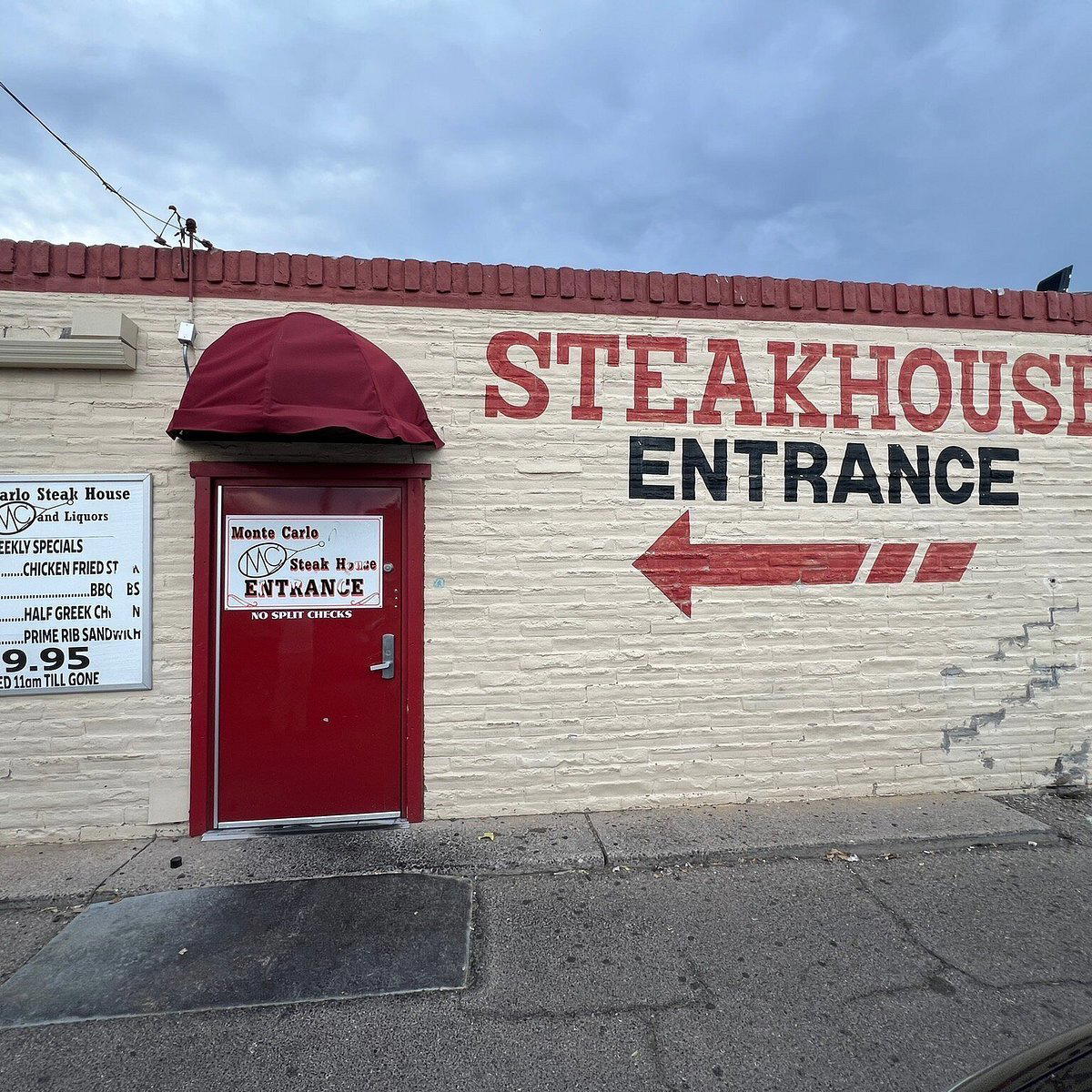
Albuquerque's dining options in the surrounding area are varied. Afghan Kebab House, Azuma Sushi & Teppan, and 5 Star Burgers represent the city's broader range, while Monte Carlo Liquors & Steak House anchors the old-Albuquerque steakhouse category. For full context on the city's dining scene, our full Albuquerque restaurants guide maps the range by neighborhood and category.
Frequently asked questions
Where is Indian Pueblo Kitchen in Albuquerque?
Indian Pueblo Kitchen is located at 2401 12th St NW, Albuquerque, NM 87104, Albuquerque.
Is Indian Pueblo Kitchen a good option for visitors combining a museum visit with lunch in Albuquerque?
It is one of the few restaurants in Albuquerque where the dining experience is directly continuous with the cultural programming around it, the Indian Pueblo Cultural Center at 2401 12th St NW presents the history, art, and governance of the 19 Pueblos, and the kitchen extends that into the meal itself. Visitors to Old Town Albuquerque who plan a Cultural Center visit can treat the restaurant as a substantive part of that itinerary rather than a logistical afterthought. The proximity to Old Town, a short drive away, makes it a practical anchor for a half-day in Albuquerque's near North Valley.
What should I eat at Indian Pueblo Kitchen?
The menu draws directly from the culinary traditions of the 19 Pueblos of New Mexico, meaning ingredients and preparations are tied to Indigenous agricultural and cooking heritage rather than European-lineage fine dining conventions. Dishes center on corn, chile, squash, and proteins native to the Southwest. Because the menu reflects seasonal and cultural rotation, the most reliable approach is to ask staff which dishes represent the current Pueblo tradition being highlighted, that context shapes the meal more than any single item.
Do they take walk-ins at Indian Pueblo Kitchen?
Indian Pueblo Kitchen sits inside the Indian Pueblo Cultural Center at 2401 12th St NW in Albuquerque, a working cultural institution that draws both local and tourist traffic. Walk-in availability depends on the day and season, with the Old Town Albuquerque corridor drawing heavier weekend traffic. Calling ahead or checking the Cultural Center's scheduling is advisable for groups or weekend visits, though the restaurant has historically accommodated daytime visitors arriving with the museum crowd.
What has Indian Pueblo Kitchen built its reputation on?
The restaurant's standing comes from its position as one of the few dining rooms in the United States operating explicitly within an Indigenous cultural institution, the Indian Pueblo Cultural Center, which represents all 19 New Mexico Pueblos. That institutional grounding separates it from restaurants that borrow Indigenous aesthetics without community accountability. In the broader American food conversation of 2024 and 2025, which has increasingly examined Indigenous and regional food identity, Indian Pueblo Kitchen holds a structurally distinct position in Albuquerque's dining scene.
Cuisine and Recognition
Comparable venues nearby, for context on price, style, and recognition.
| Venue | Cuisine | Price | Notes |
|---|---|---|---|
| Indian Pueblo KitchenThis venue (the venue you are viewing) | Authentic Pueblo Indigenous Cuisine | $20–30 | Not listed |
| Slate Street Cafe | Contemporary American Comfort | $20–30 | Downtown |
| Brekki Brekki | American Brunch & Brew Pub | $20–30 | Northeast Heights |
| Range Cafe Downtown | New Mexican Comfort Cafe | Not listed | Downtown |
| The Grove Cafe & Market | New American Farm-to-Table Cafe | $10–20 | East Downtown |
| Artichoke Cafe | New American Fine Dining | $50–100 | Huning Highland Historic District |
Continue exploring
More in Albuquerque
Restaurants in Albuquerque
All restaurants in Albuquerque →

Details
- Cozy
- Rustic
- Well Known
- Family
- Group Dining
- Casual Hangout
- Brunch
- Live Music
- Historic Building
- Private Dining
- Open Kitchen
- Beer Program
- Local Sourcing
- Farm To Table
- Organic
- A La Carte
- Family Style
- Native American Sodas
- Local Beverages
- Vegetarian Friendly
- Vegan Options
- Gluten Free Options
- Allergy Accommodating
Current opening hours
- Monday
- 9 AM–5 PM
- Tuesday
- 9 AM–5 PM
- Wednesday
- 9 AM–5 PM
- Thursday
- 9 AM–5 PM
- Friday
- 9 AM–5 PM
- Saturday
- 9 AM–5 PM
- Sunday
- 9 AM–5 PM
Hours can change for holidays and private events. Last verified .
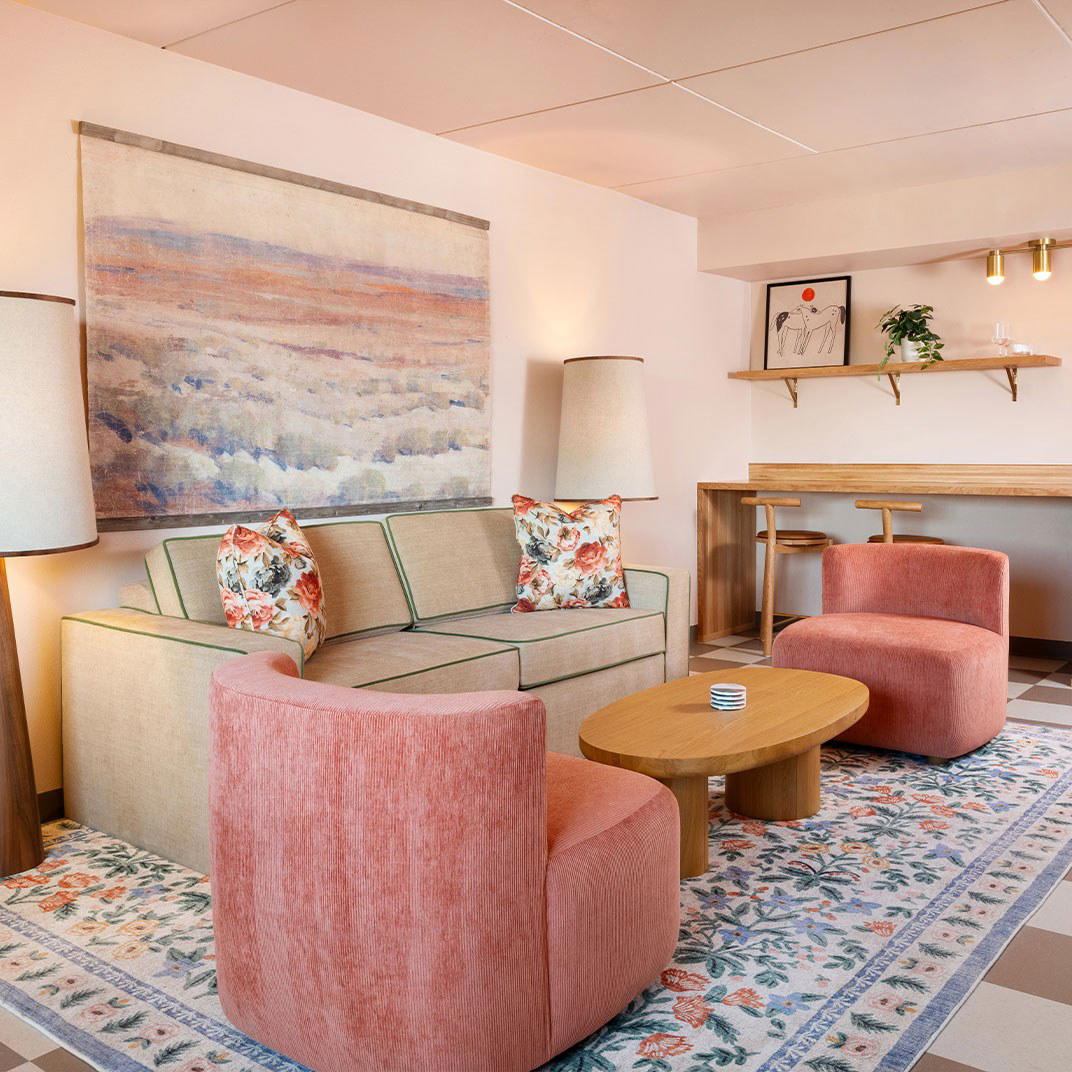
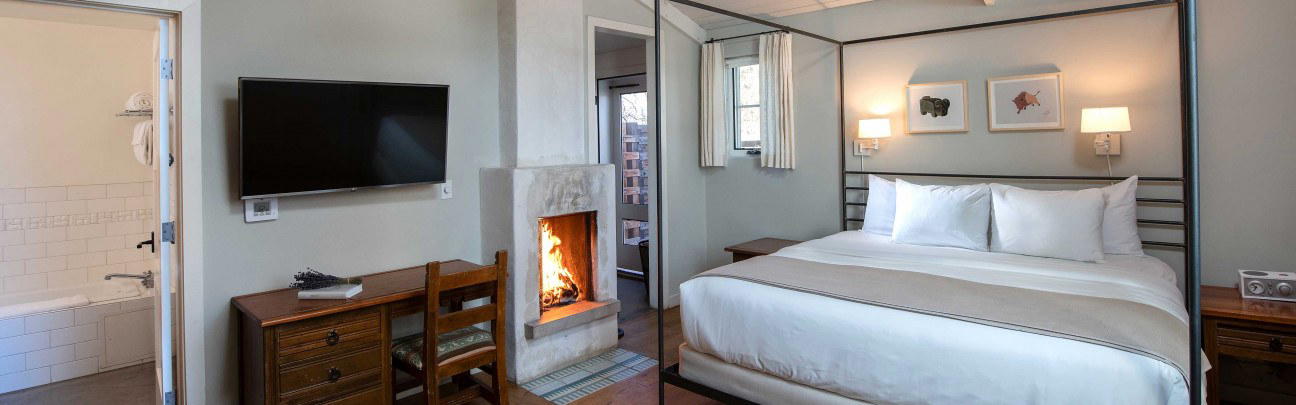
Warm and welcoming with Southwestern décor, stone fireplace, soft Native flute music, colorful murals depicting Pueblo life and customs, airy and attractive space with cultural authenticity.