Ecoventura - Galapagos

Ecoventura operates small-ship, eco-labelled cruises through the Galápagos archipelago from its San Cristóbal base, placing guests within a few steps of wildlife that exists nowhere else on Earth.
Pearl is the En Primeur Club membership app — saves, bookings, and concierge access live there. Same editors, same standards.
- Address
- oficina 060 Avenida Islas Plaza entre, Ave Charles Darwin, Puerto Ayora 200102, Ecuador
- Phone
- +1 305 262 6264
- Website
- menumodo.com
- Directions
- Get directions
 Saves & bookings on Pearl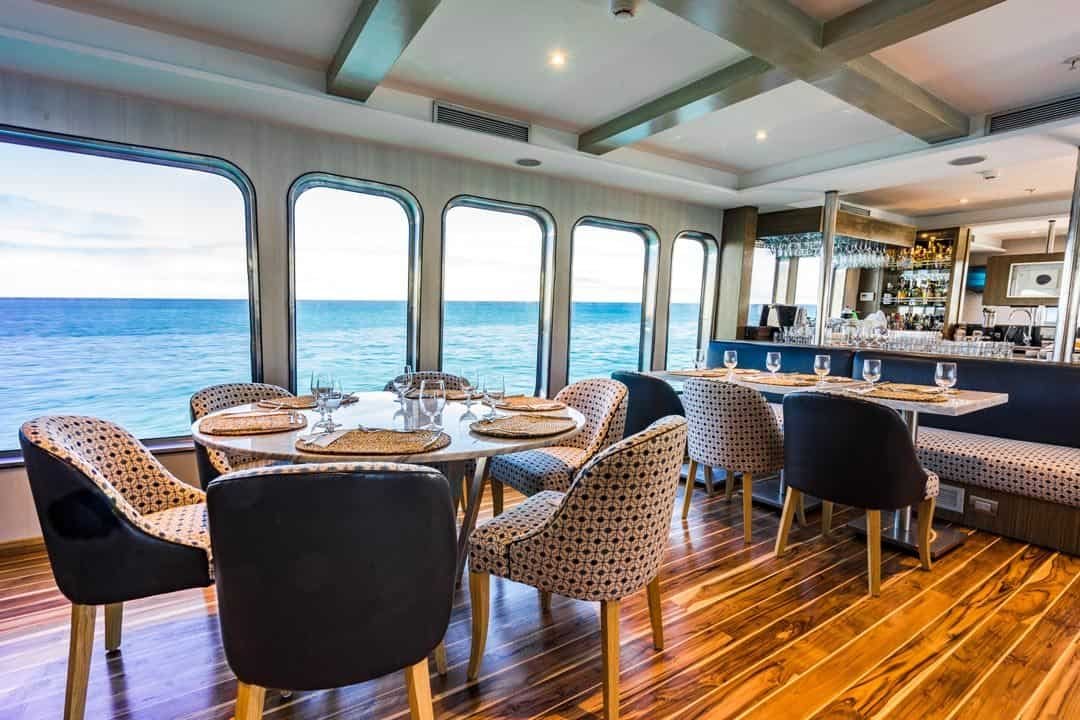
Where the Galápagos Sets the Itinerary
The approach to any Galápagos landing site follows a particular rhythm: a panga ride through water that shifts from deep navy to turquoise in under a minute, a wet landing on black lava rock, and then the sudden, disorienting realisation that the animals do not move. Blue-footed boobies hold their ground. Marine iguanas continue their slow thermoregulation without registering the intrusion. Sea lions occupy the path and expect humans to step around them. This is the operating environment for Ecoventura's fleet, and it is one that rewards the kind of small-group, high-access format the company has built its reputation around. For context on how the broader San Cristóbal area fits into Ecuador's travel circuit, our full San Cristóbal experiences guide maps the wider options.
The Small-Ship Model and Why It Matters in the Galápagos
Galápagos expedition travel splits along a clear fault line. On one side sit large cruise ships carrying hundreds of passengers, constrained by the National Park's group-size regulations to land in rotations, which means more time waiting and less time at each site. On the other side sit small-ship operators whose entire model depends on fitting within the park's most favourable access rules, typically groups of sixteen or fewer at any single visitor site. Ecoventura operates in this smaller, more closely regulated tier. The practical consequence is that its guests spend more time in direct proximity to wildlife and less time queuing, a distinction that sounds marginal in a brochure but becomes obvious on the ground by the second day.
The company's eco-label certification is not decorative. Eco-certification in the Galápagos carries specific operational requirements around waste management, fuel use, and naturalist qualifications that larger vessels have historically found harder to meet at scale. Certification functions here as both a commitment and a differentiator, placing Ecoventura in a peer group defined by environmental compliance rather than vessel size alone.
The Role of the Naturalist Guide
In a destination where every landing site looks like a film set and the temptation is simply to photograph everything in reach, the naturalist guide is what separates a productive expedition from an expensive wildlife photo walk. The Galápagos National Park requires that all visitors are accompanied by certified naturalist guides, but the depth of that certification varies considerably. Ecoventura assigns private naturalist guides, which means the guide-to-guest ratio is structured to allow substantive conversation, question-led exploration, and the kind of species identification and behavioural context that transforms observation into understanding.
Cristian Puente, identified in Ecoventura's records as the chef aboard its vessels, represents the culinary dimension of that expedition format. On a Galápagos liveaboard, the galley is not incidental: guests return from morning landings with salt on their skin and the specific appetite that cold sea air and early starts produce. The food programme on small-ship expeditions at this tier tends to reflect regional sourcing where logistics allow, and the all-inclusive structure means dietary rhythm is built into the expedition rather than negotiated separately. Without verified menu details in the available record, specific dish descriptions sit outside what can be responsibly reported here, but the structural expectation on a vessel of this positioning is food that earns its place in the format rather than competing with it.
Galápagos in the Broader Ecuadorian Food and Travel Context
Ecuador's premium dining circuit is anchored on the mainland, particularly in Quito and Guayaquil. Nuema in Quito and Casa Julián in Guayaquil represent the kind of ingredient-driven, regionally rooted cooking that defines Ecuador's current dining conversation. The Galápagos sits outside that circuit almost entirely, the archipelago's food culture is shaped by supply-chain realities and the logistics of island life rather than by culinary ambition in the mainland sense. What matters out here is provenance and freshness in a different register: fish landed that morning, produce shipped from the continent or grown in the island's agricultural zones, and the cooking discipline required to make all-inclusive dining feel considered rather than institutional.
For those interested in how the Galápagos dining experience fits into a broader Ecuador itinerary, Evolution Restaurant in Galapagos Islands offers a land-based comparison point within the archipelago itself. Internationally, the precision-driven approach to seafood aboard vessels of this kind shares sensibility, if not geography, with kitchens like Le Bernardin in New York City or Aponiente in El Puerto de Santa María, both of which treat marine ingredients with the kind of considered restraint that the Galápagos context demands by default.
Booking, Access, and Practical Positioning
Ecoventura departs from San Cristóbal Island, reached by direct flights from Quito and Guayaquil. GPS coordinates for the San Cristóbal access point are -0.8993, -89.6100, placing it at the southeastern edge of the archipelago, roughly 970 kilometres off Ecuador's Pacific coast. San Cristóbal is one of only four inhabited islands and one of two with commercial airports, making it one of the standard entry points for expedition operators. The office address, Avenida Islas Plaza entre, Ave Charles Darwin, Puerto Ayora, is in Puerto Ayora on Santa Cruz Island, the archipelago's administrative and tourism hub, which is where most inter-island logistics for Galápagos operators are coordinated.
The all-inclusive structure means the primary booking decision is itinerary and departure date rather than managing daily spend aboard. Galápagos expedition slots, particularly on smaller vessels, tend to book several months in advance during peak season (June to August and December to January), when wildlife behaviour is at its most active and visitor demand is highest. For those planning a broader San Cristóbal itinerary, our guides to restaurants, hotels, bars, and wineries in San Cristóbal cover the land-side options in detail.
In the specialist expedition tier, where the comparable set includes operators like Pikaia Lodge and comparable small-ship companies, that rating places Ecoventura at the higher end of the assessed group. For further context on how other precision-led, small-format dining and hospitality operations earn their reputations, the programmes at Atomix in New York City, Lazy Bear in San Francisco, and Alinea in Chicago all demonstrate how constrained-capacity formats build guest trust through consistency rather than scale.
Quick Comparison
Comparable venues nearby, for context on price, style, and recognition.
| Venue | Cuisine | Price | Notes |
|---|---|---|---|
| Ecoventura - GalapagosThis venue — the venue you are viewing | Modern Ecuadorian Fine Dining with Seafood Focus | $$$$ | Not listed |
| Casa Julián | Fine Dining Ecuadorian | $$$$ | Parque Histórico Guayaquil / Samborondón |
| The Grill (Silver Origin) | Ecuadorian Seafood Grill | $$$$ | Galapagos Islands |
| Casa Gangotena | Modern Ecuadorian Mestizo Cuisine | $$$$ | San Francisco Plaza |
| Capitan&Co. | Modern Ecuadorian Seafood | $$ | Cuenca Canton |
Recognition history
Dated appearances from independent guides and award organizations, with the underlying list record or original source where available.
Relais Chateaux Award
Relais Chateaux
Relais Chateaux Award
Relais Chateaux
Continue exploring
More in San Cristóbal
Restaurants in San Cristóbal
Browse all →
Bars in San Cristóbal
Browse all →

At a Glance
- Elegant
- Sophisticated
- Scenic
- Modern
- Special Occasion
- Waterfront
- Open Kitchen
- Craft Cocktails
- Local Sourcing
- Organic
- Sustainable Seafood
- Waterfront
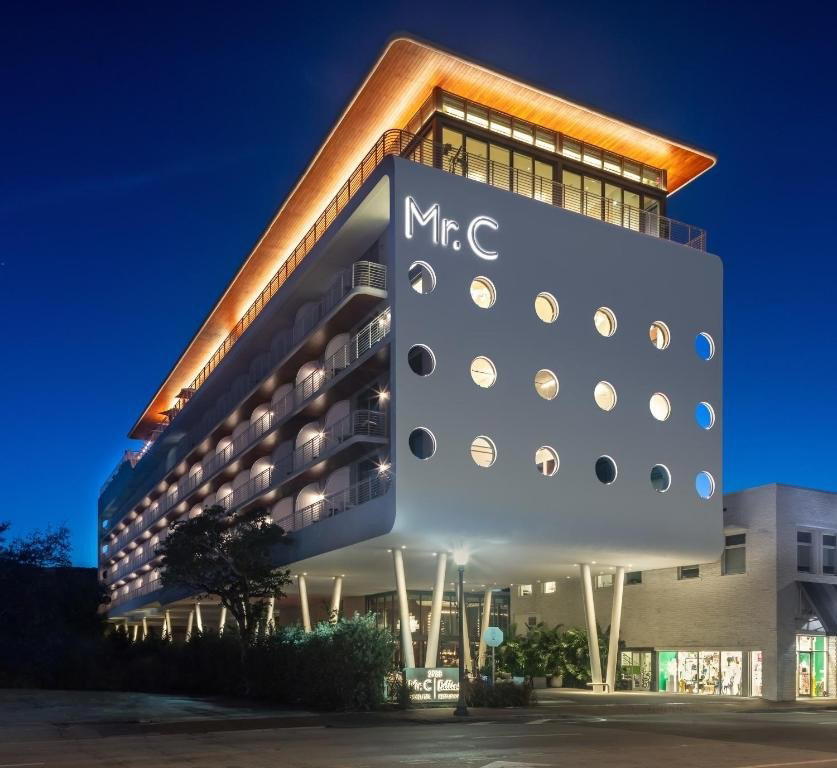
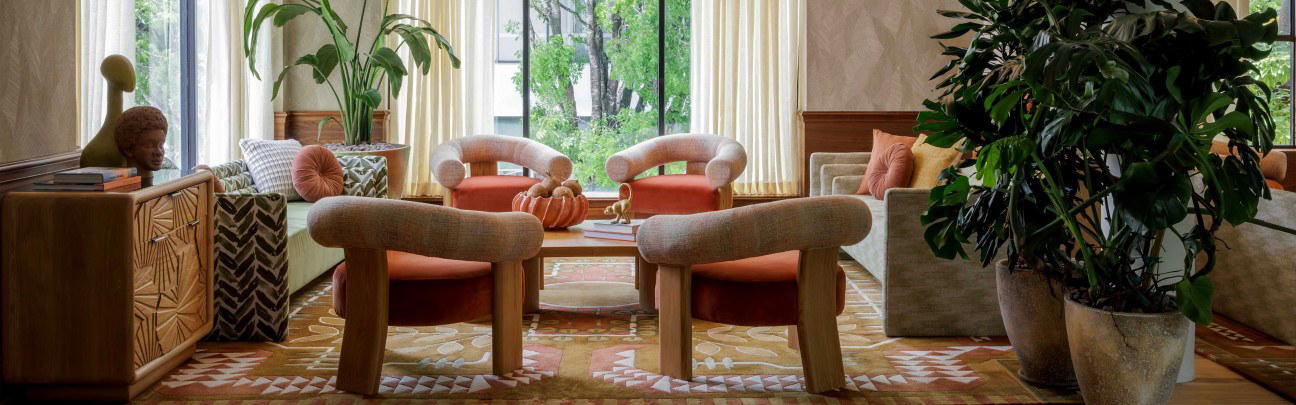
Chic, stylish, and modern with comfortable indoor spaces and ample outdoor decks for scenic relaxation amid the Galapagos wilderness.