Andare Kitchen & Bar
Andare Kitchen & Bar occupies a mid-city address on Howell Street in Seattle's downtown corridor, positioning itself within a dining scene where Pacific Northwest ingredients increasingly meet globally trained technique. The restaurant sits in a tier of Seattle dining that rewards advance planning, particularly for visitors cross-referencing the city's broader kitchen-and-bar format with its comparable set across the Pacific coast.
Pearl is the En Primeur Club membership app — saves, bookings, and concierge access live there. Same editors, same standards.
- Address
- 808 Howell St, Seattle, WA 98101
- Phone
- (206) 859-6777
- Website
- hyatt.com
- Directions
- Get directions
 Saves & bookings on Pearl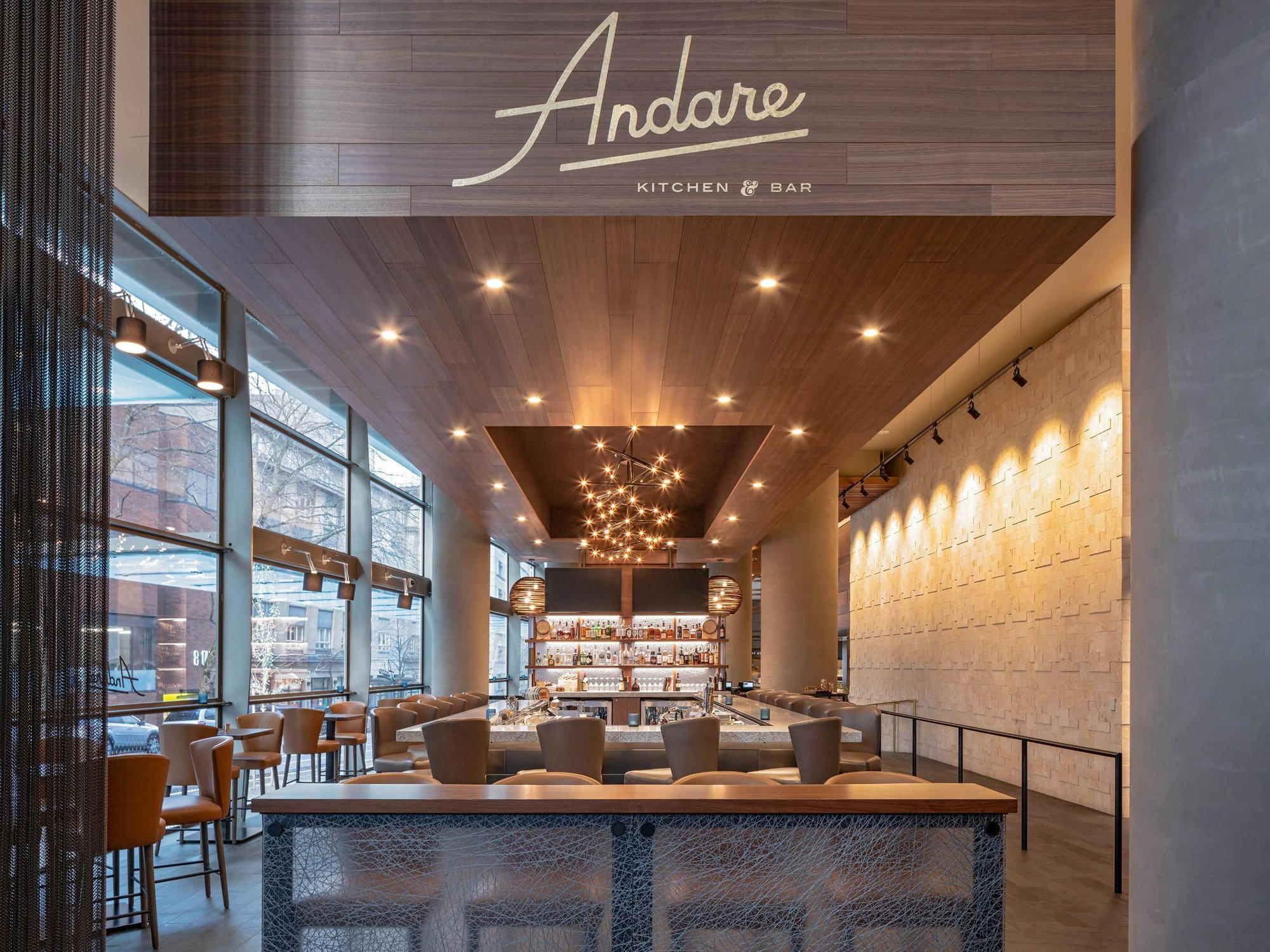
Where Seattle's Downtown Dining Tier Meets the Pacific Northwest Pantry
Howell Street sits at the edge of Seattle's downtown hotel and convention district, a block sequence that has historically served transient traffic more than it has local dining culture. That context matters when reading Andare Kitchen & Bar, because restaurants that succeed in this corridor tend to do so by offering something the surrounding hotel-lobby dining does not: a committed kitchen program that treats the address as incidental rather than definitional. The question worth asking of any restaurant at 808 Howell St is whether it orients itself toward the city's ingredient-led tradition or toward the safer geometry of all-day hotel dining.
Seattle's kitchen-and-bar format has proliferated across the last decade, partly as a response to the city's growth as a tech-economy destination and partly as a reflection of a broader national pattern in which the line between bar program and restaurant kitchen has dissolved. The format rewards venues that can execute across both sides of the equation, and in Seattle that execution increasingly means a commitment to the regional larder: Dungeness crab, geoduck, Skagit Valley grains, Yakima-grown produce, and the cold-water fish species that define the Pacific Northwest table. Kitchens in this city that ignore those materials tend to read as interchangeable with their counterparts in Dallas or Denver. Those that engage with them, even partially, anchor themselves to a place.
The Local-Ingredient, Global-Technique Question
The tension that defines Seattle's current mid-tier dining scene is not between fine dining and casual, that binary has largely collapsed, but between kitchens applying genuine technical precision to local materials and those performing the aesthetic of it. Restaurants like Canlis (New American) and Joule (New Asian) represent different answers to the same underlying question: what does it mean to cook in Seattle rather than simply to cook in a building that happens to be located there? Canlis has answered it through decades of ingredient sourcing discipline and room design that frames the Lake Union view as a compositional element. Joule answers it through a Korean-inflected lens applied to Pacific Northwest proteins and produce, a genuinely cross-cultural method that produces dishes you cannot easily find elsewhere.
Andare Kitchen & Bar enters this conversation from a downtown address that places it physically closer to the conference-center dining circuit than to the neighborhood-driven kitchens that have shaped Seattle's culinary reputation. That proximity is not a disqualification, Le Bernardin in New York City and The French Laundry in Napa both demonstrate that location within a commercial corridor need not dilute kitchen ambition, but it does mean the room carries a different set of guest expectations than a destination-driven address would.
Across the American West Coast, the restaurants that have most successfully merged imported technique with indigenous product tend to share a few structural commitments: sourcing relationships with named farms and fishing operations, kitchen training that draws on European or Asian classical foundations, and a menu architecture that allows the ingredient to remain legible rather than buried under procedure. Lazy Bear in San Francisco, Single Thread Farm in Healdsburg, and Providence in Los Angeles each demonstrate this in different registers.
Seattle's Competitive Set and What It Implies
The Seattle restaurant market in 2024 is stratified more sharply than it was five years ago. At the leading, a small cluster of reservation-driven tasting-menu or omakase-format rooms competes on the same criteria as their counterparts in Chicago or New York. Smyth in Chicago, Atomix in New York City, and Addison in San Diego all operate in a tier where booking windows of six to eight weeks are standard and where a single awards cycle can materially shift demand. Below that, the mid-market kitchen-and-bar tier is dense and competitive, with venues differentiated less by price than by the clarity of their culinary point of view.
For a restaurant at the Howell Street address, the relevant comparable set is not the city's tasting-menu rooms but the broader cohort of downtown Seattle kitchens serving a mix of hotel guests, convention visitors, and local diners who want a committed meal without the formality of a reservation-required room. That cohort includes addresses across First Avenue and the Pike Place adjacency corridor. 1415 1st Ave and 1744 NW Market St both illustrate how Seattle's mid-tier can anchor itself to neighborhood identity even when the surrounding blocks are commercially mixed.
Further afield, the ambition to apply classical training to regional product is a pattern that appears across the country's most discussed kitchen programs. Blue Hill at Stone Barns in Tarrytown, The Inn at Little Washington, and Atelier Moessmer Norbert Niederkofler in Brunico each represent a version of the farm-to-technique commitment at its most resolved. They share a willingness to let the sourcing argument become the menu argument, which is a harder editorial position to maintain in a kitchen-and-bar format where the bar program and the kitchen program must share equal billing.
The guide also covers addresses like 2963 4th Ave S, which illustrates how Seattle's culinary geography extends well beyond the downtown core.
Planning a Visit
Walk-in availability tends to be higher on weekday lunch and early dinner service, when the convention-center calendar drives demand unpredictably. Weekend evenings in peak season, particularly between June and September when Seattle's leisure tourism peaks, compress availability across the downtown tier.
Know Before You Go
- Address: 808 Howell St, Seattle, WA 98101
- Neighbourhood: Downtown Seattle, adjacent to the convention center corridor
- Booking: Reservations are recommended.
- Price range: About $30 per person.
- Hours: Mon to Sun, 6:30 AM to 9:30 PM.
Cost Snapshot
Comparable venues nearby, for context on price, style, and recognition.
| Venue | Cuisine | Price | Notes |
|---|---|---|---|
| Andare Kitchen & BarThis venue — the venue you are viewing | Belltown, Italian Trattoria | $$ | Not listed |
| Mamma Melina | Not listed | $$ | University District, Authentic Italian Ristorante & Pizzeria |
| World Pizza | Chinatown, Vegetarian Pizza | $$ | Not listed |
| Willmott's Ghost | Not listed | $$ | Denny Triangle, Roman-Style Italian Pizza |
| Limoncello Belltown | Belltown, Italian Pasta & Pizza | $$ | Not listed |
| Roma Roma | Broadway, Roman-Style Pizza al Taglio | $$ | Not listed |
Continue exploring
More in Seattle
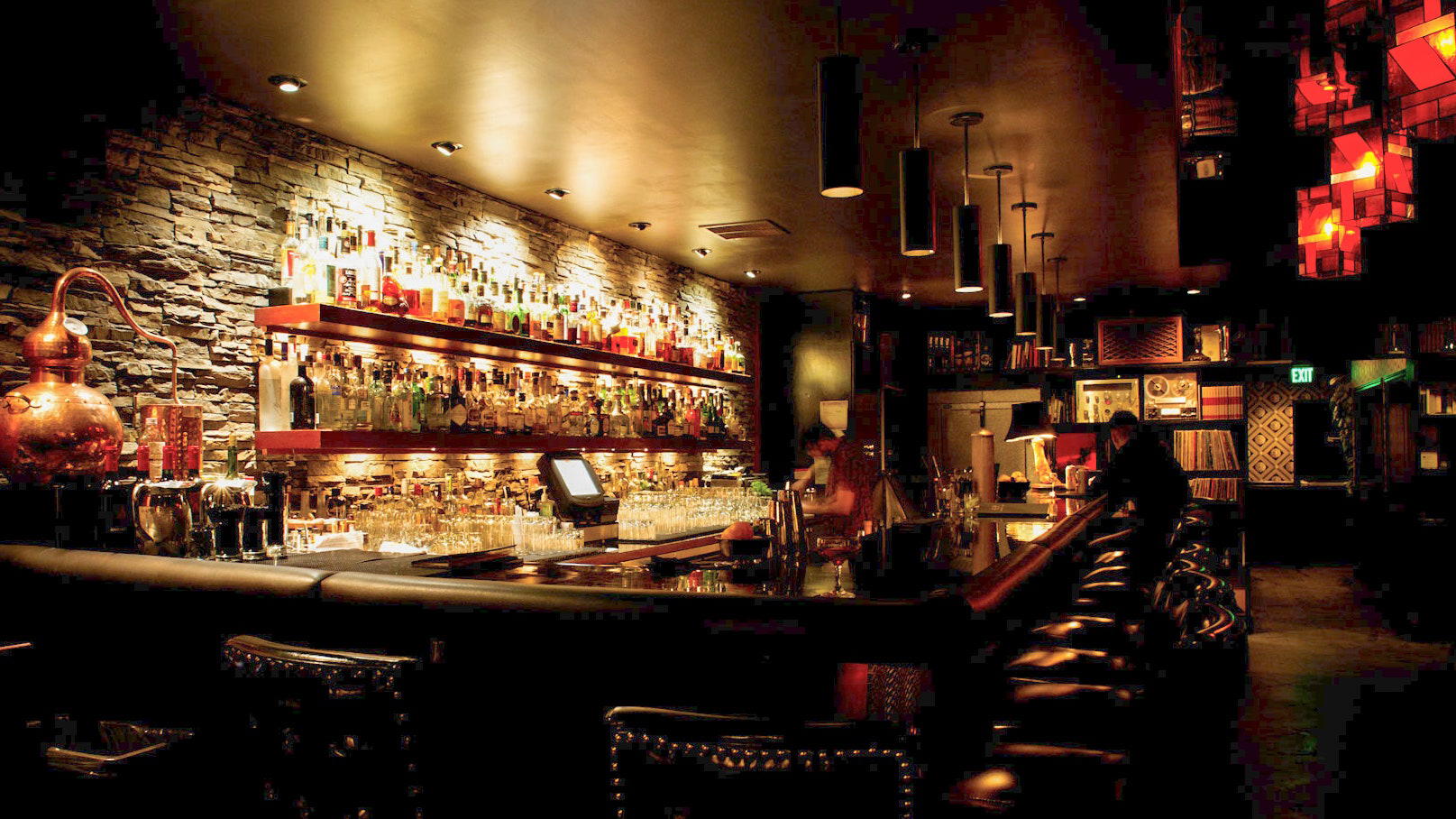
Restaurants in Seattle
Browse all →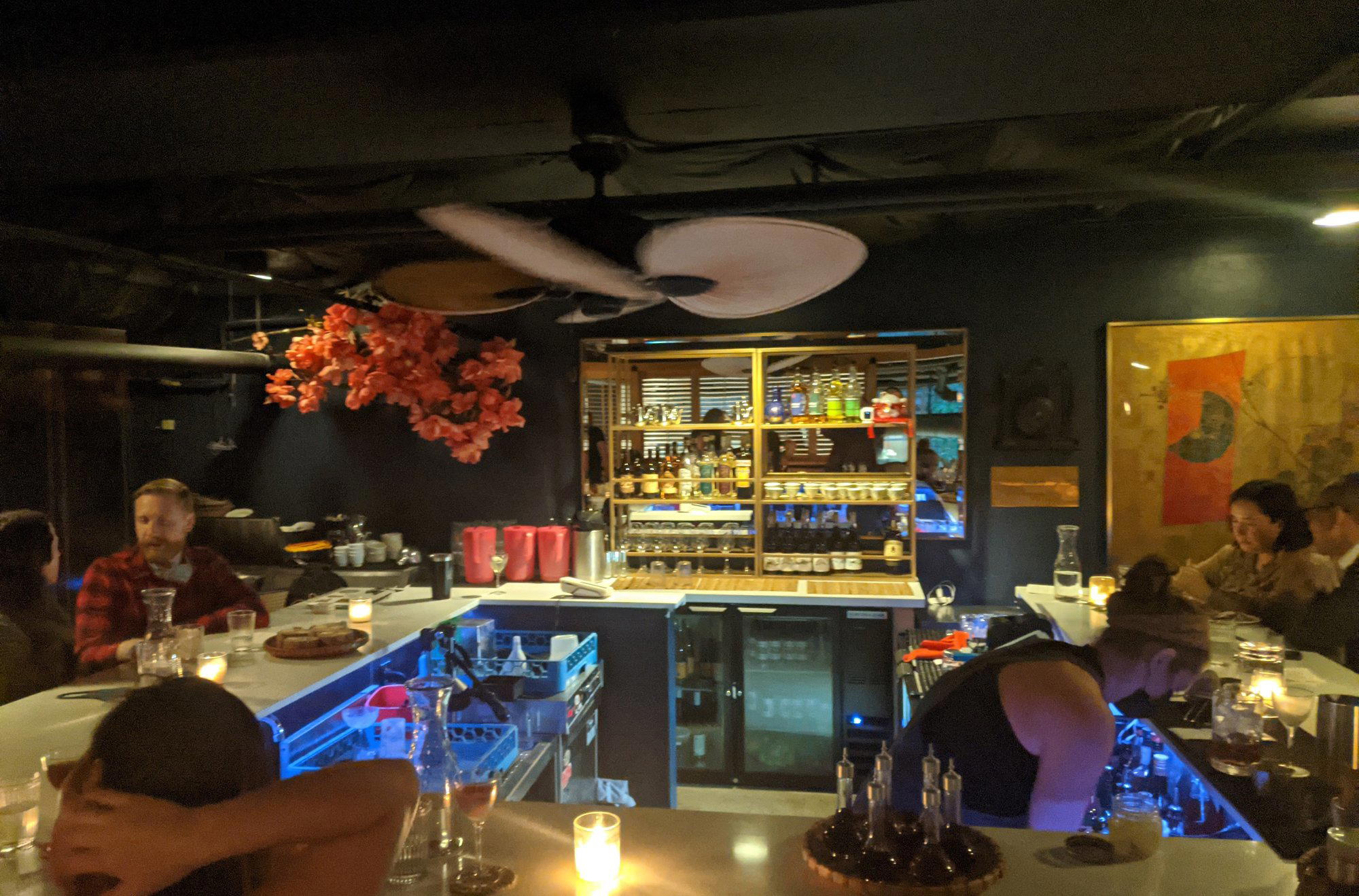
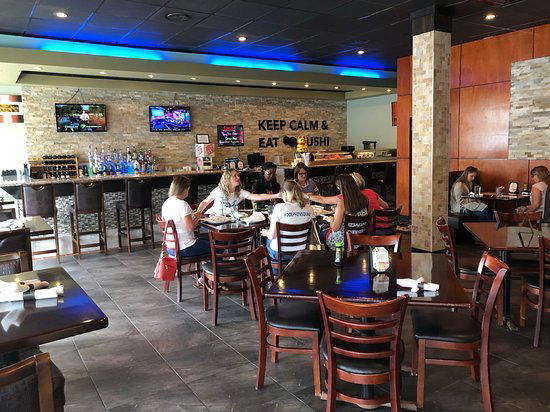
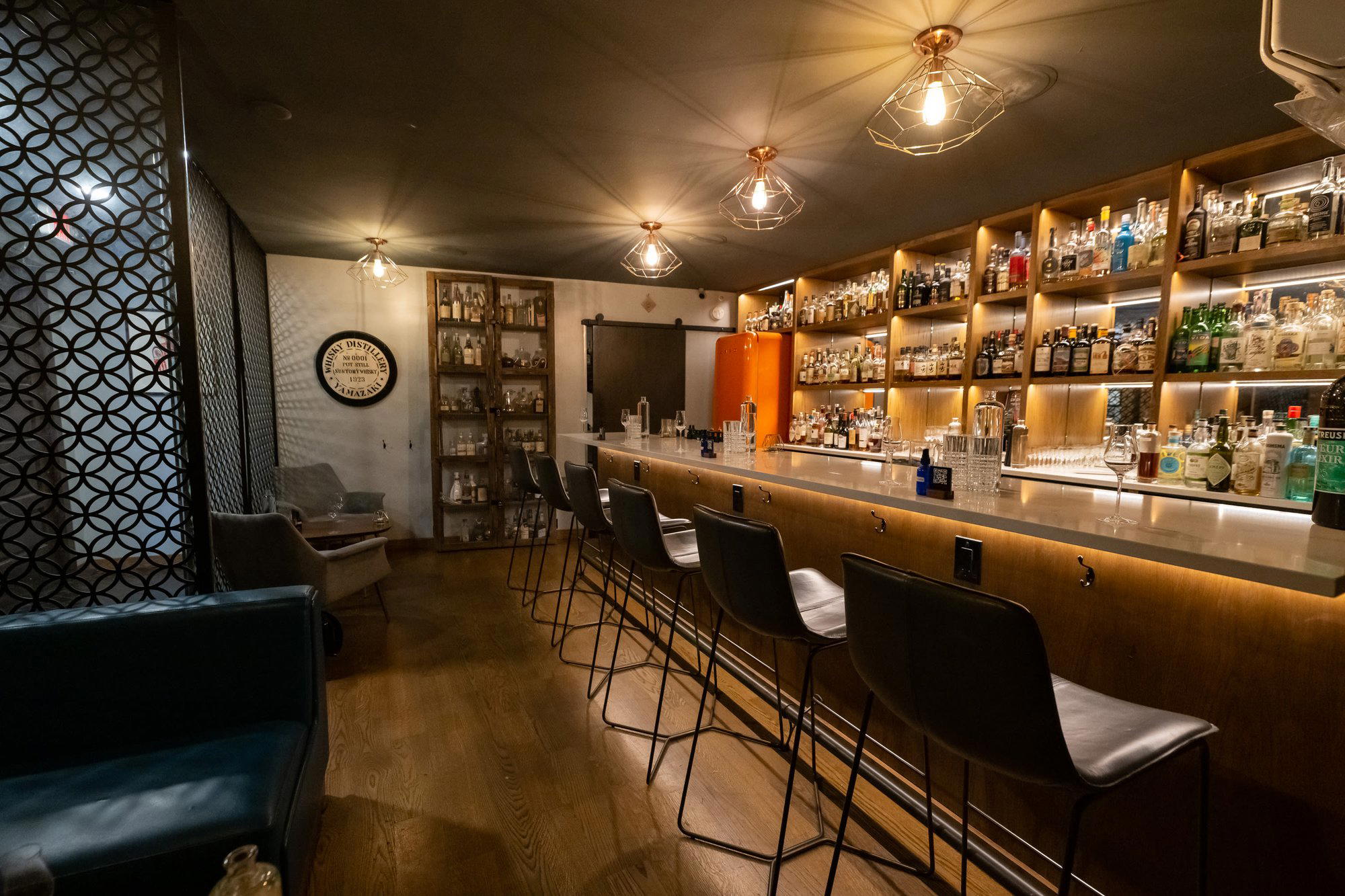
Bars in Seattle
Browse all →
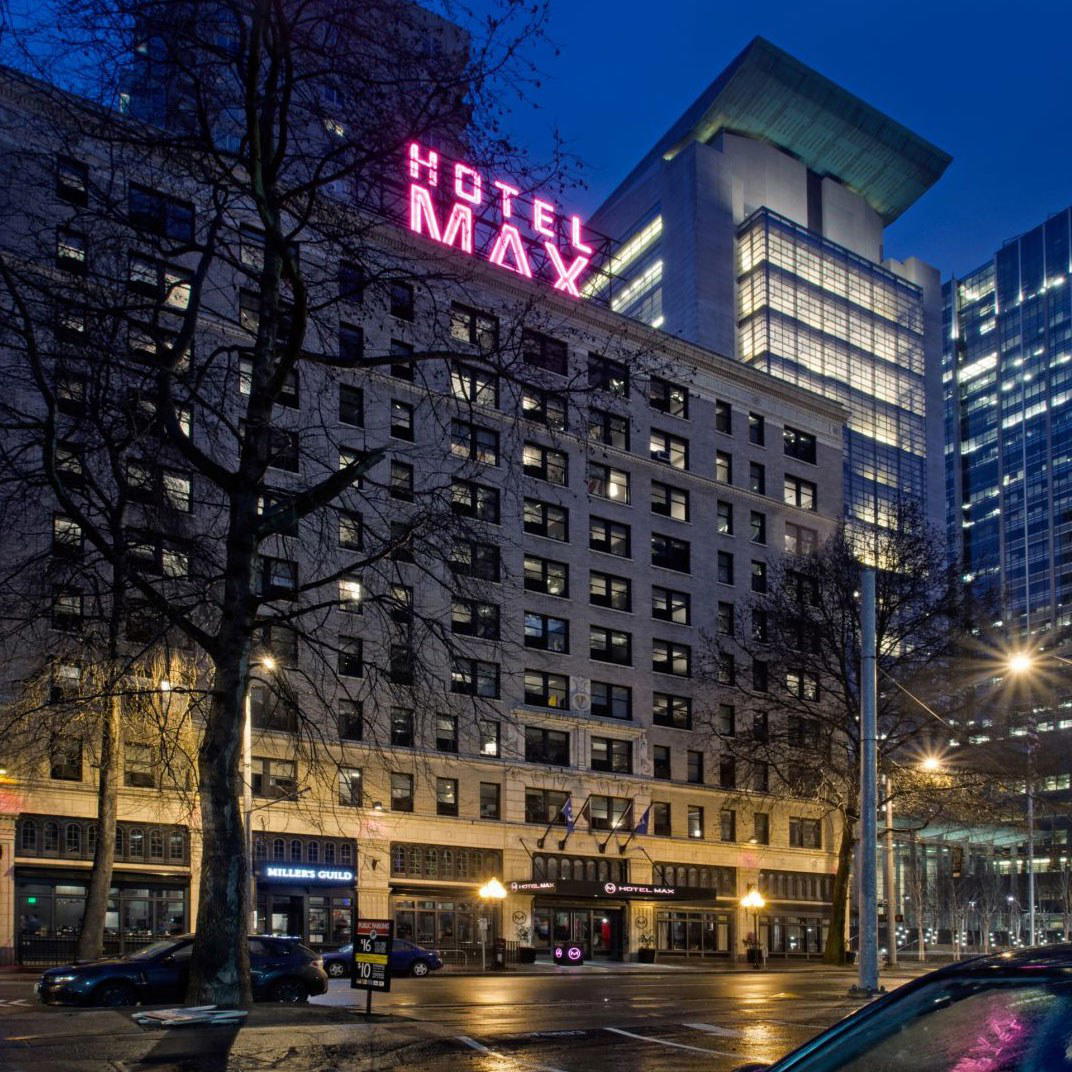
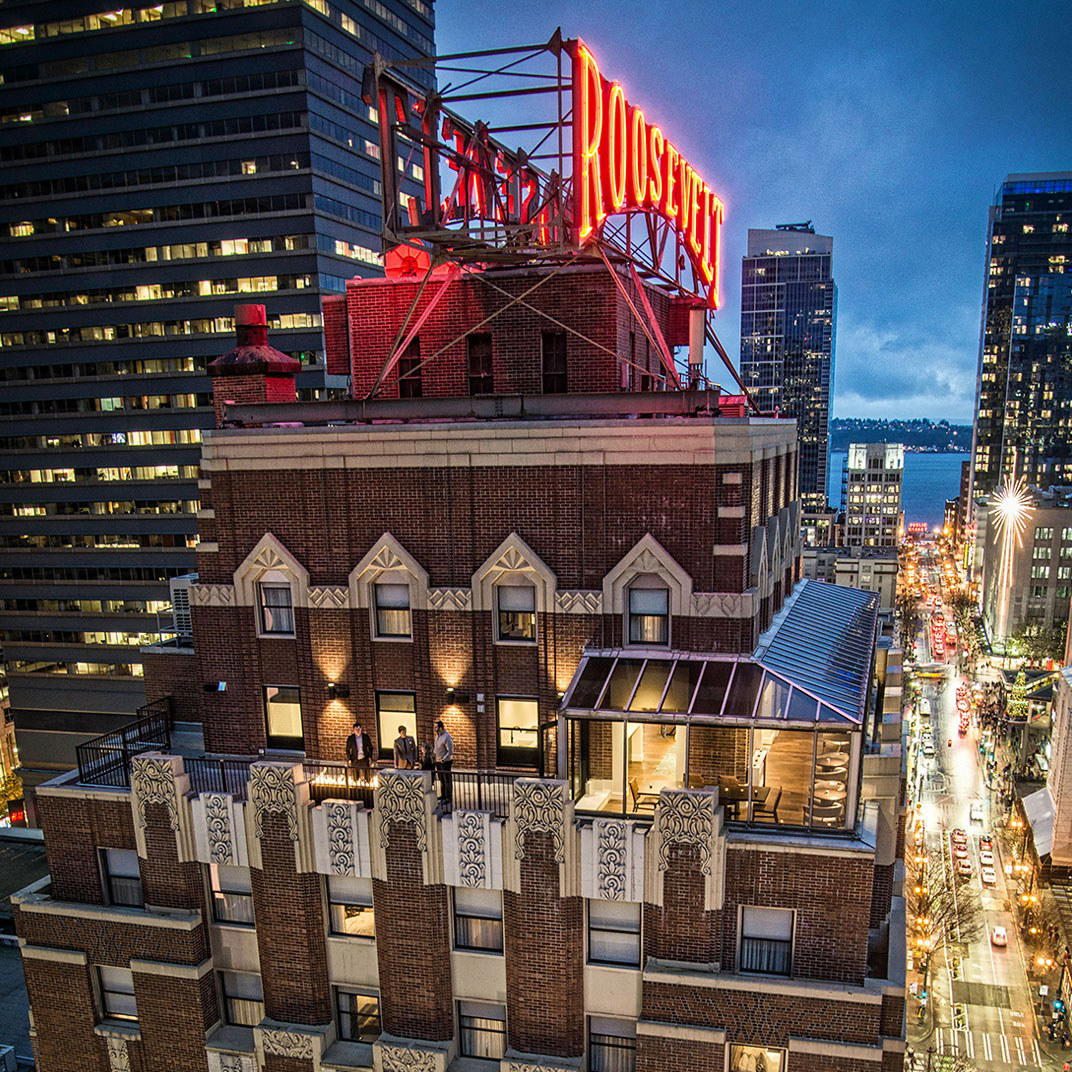
Hotels in Seattle
Browse all →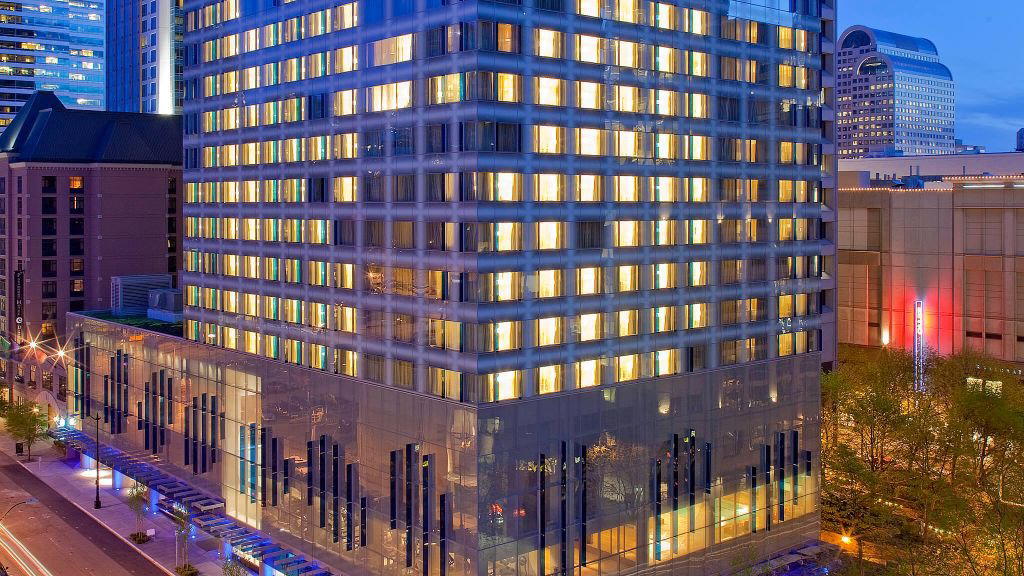
At a Glance
- Modern
- Lively
- Casual Hangout
- Business Dinner
- Group Dining
- Hotel Restaurant
- Open Kitchen
- Craft Cocktails
- Local Sourcing
Current opening hours
- Monday
- 6:30 AM–9:30 PM
- Tuesday
- 6:30 AM–9:30 PM
- Wednesday
- 6:30 AM–9:30 PM
- Thursday
- 6:30 AM–9:30 PM
- Friday
- 6:30 AM–9:30 PM
- Saturday
- 6:30 AM–9:30 PM
- Sunday
- 6:30 AM–9:30 PM
Hours can change for holidays and private events. Last verified .
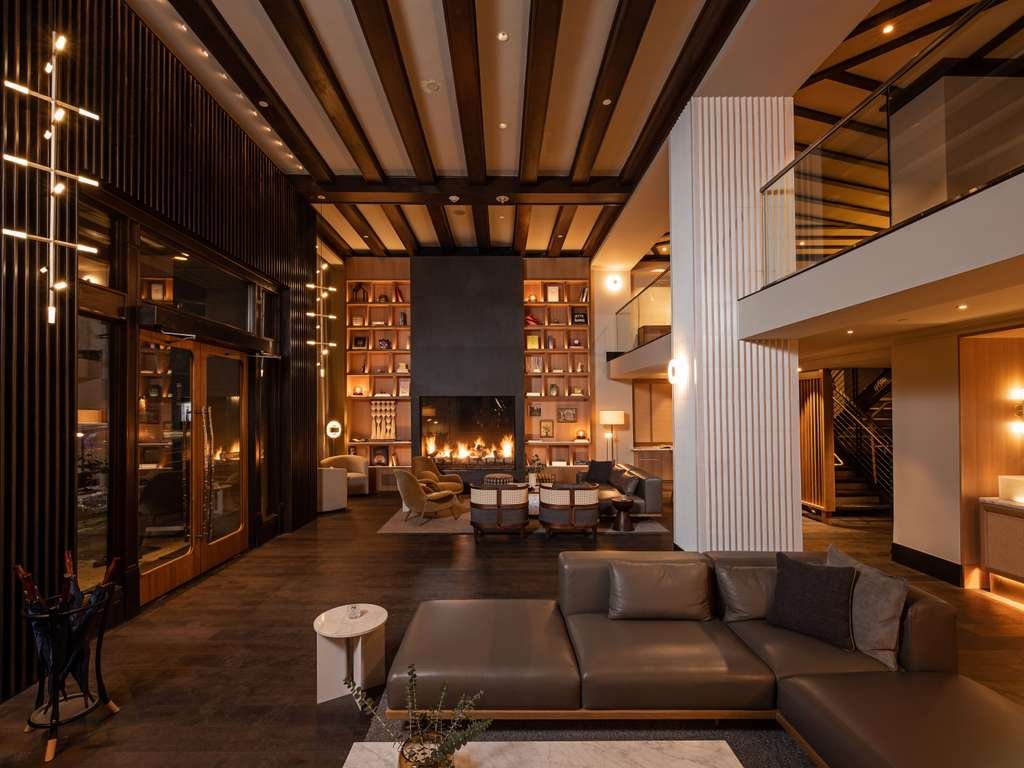
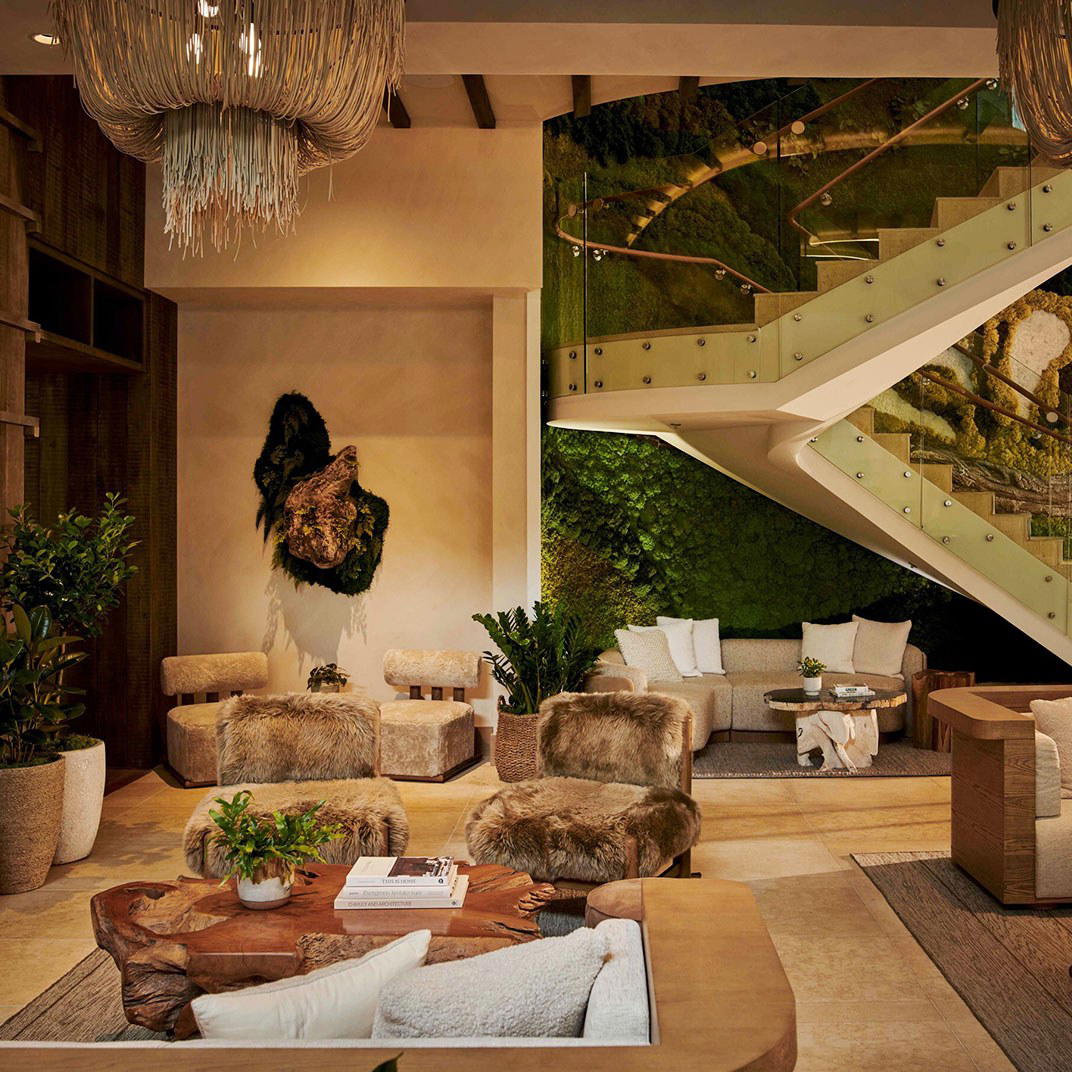
Welcoming hotel lobby atmosphere with lively, casual trattoria style dining.