Guay Tiew
Guay Tiew brings Thai street noodle culture to Portland, with boat noodles and wok-fired soups that trace their lineage to Bangkok's canal-side hawker stalls. In a city where Thai dining has largely meant sit-down curry houses, this format occupies a different register: faster, more specific, and anchored to a single bowl tradition with real depth. It sits comfortably alongside Portland's more ambitious Southeast Asian addresses.
Pearl is the En Primeur Club membership app — saves, bookings, and concierge access live there. Same editors, same standards.
- Address
- Portland, United States
- Directions
- Get directions
 Saves & bookings on Pearl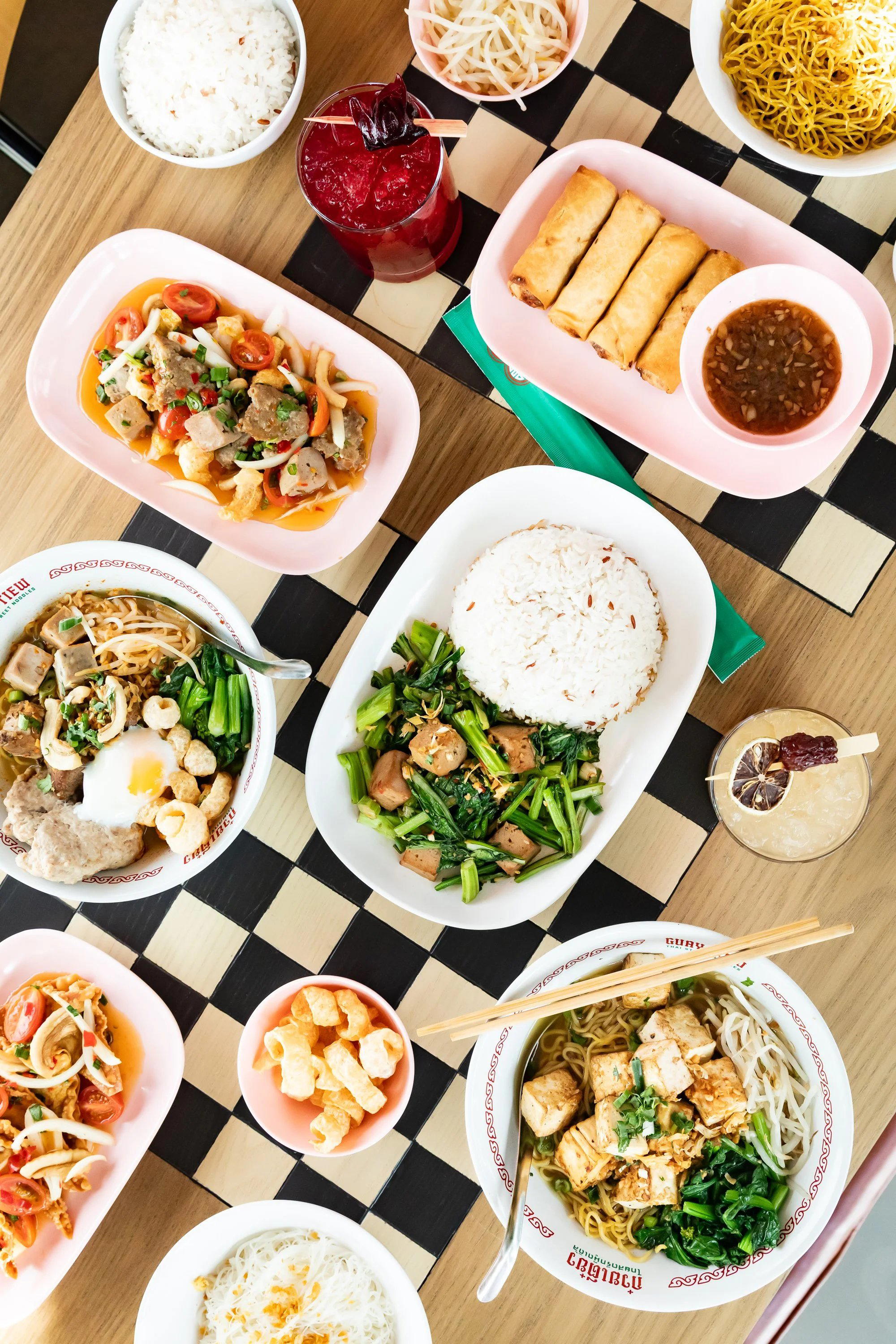
Portland's Noodle Bowl Tradition and Where Boat Noodles Fit
Guay Tiew is a Portland restaurant serving Thai Boat Noodles, with a casual dress code and walk-in-friendly service. The Thai dining scene here reflects that tendency. Where many American cities settled for a broad Thai repertoire, a smaller tier of Portland addresses has narrowed its focus: Langbaan occupies the tasting-menu end of that spectrum, running a ticketed, reservation-only format that draws from royal and regional Thai cooking. Guay Tiew operates at the other end of that register, in the hawker-stall tradition of the guay tiew noodle shop, where the bowl itself is the entire proposition.
That distinction matters more than it might seem. Thai street noodle culture is not a simplified version of Thai restaurant cooking; it is a parallel tradition with its own hierarchy of technique, broth construction, and protein selection. The boat noodle, or kuay tiew reua, originates from Bangkok's canal vendors who cooked in small pots over charcoal on floating vessels, serving tiny, intensely flavored portions meant to be ordered in multiples. The broth is darker and more fermented than most noodle soups found outside Thailand, traditionally including pork blood as a thickener and carrying a depth that a quick simmer cannot replicate. In Portland, that tradition is worth understanding before you sit down.
The Wok Station and the Logic of High Heat
The editorial angle that connects the restaurant to Portland's broader dining conversation is the role of the wok station: the philosophical and practical center of any serious Thai noodle operation. High-heat stir-frying over an open flame, known in Thai kitchens as wok hei, produces a char and smokiness that cannot be replicated on a standard commercial range. The same principle governs pad thai and pad see ew, two dishes that Portland's Thai restaurants have historically treated as default menu items rather than as the precision exercises they are when cooked correctly.
Pad thai, done properly, requires a screaming-hot wok, rice noodles with enough residual moisture to absorb tamarind and fish sauce without going sticky, and a finishing technique that keeps the egg in distinct strands rather than a scrambled coating. Pad see ew demands even more heat: the wide sen yai noodles need direct flame contact to develop the slight char that differentiates the dish from a simple stir-fry. When these dishes are mediocre, it is almost always a problem of heat management. When they are good, the wok station is doing the work that no amount of seasoning can substitute for. The restaurant, as a format grounded in the hawker tradition, inherits that wok-station logic as a baseline rather than an aspiration.
For context on how Portland's dining community has approached other precision-driven international formats, the Vietnamese tasting work at Berlu and the Haitian cooking at Kann both demonstrate how the city's more focused addresses use technique and specificity as their primary argument. The noodle-soup format at the restaurant is making a related argument, just within a different tradition.
The Boat Noodle Format: What It Requires of the Diner
Eating at a boat noodle shop in the Bangkok tradition is an interactive format. Portions are intentionally small, the broth is concentrated, and condiment adjustability is part of the experience. A table set with fish sauce, dried chilies, sugar, and vinegar-soaked peppers is not a casual gesture; it is an instruction to season your bowl to your preference before you eat, not after. That condiment station is also a trust signal: kitchens that provide it understand the tradition they are working in.
The broader noodle-soup category in Portland does not have the same depth of representation as, say, ramen or pho. That relative scarcity means the restaurant occupies a specific position in the city's dining map, one where the format itself carries weight independent of any individual dish performance. For the reader planning a Thai-focused eating day in Portland, the practical advice is to position this stop alongside rather than instead of Langbaan: they are different arguments about the same cuisine, and both are worth making time for.
Portland's Casual Dining Register and the Artisan Parallel
Portland's dining culture has always made room for high-execution casual formats alongside its more formal addresses. Ken's Artisan Pizza and Nostrana both built serious reputations around formats that elsewhere might be considered workaday: wood-fired pizza in a neighborhood setting, served without ceremony but with real technical discipline behind the dough. The boat noodle shop belongs to the same logic. The format is simple; the execution is the differentiator.
That positioning also explains why Portland is a reasonable city for this kind of specialist address to exist. The dining public here has a demonstrated appetite for depth within narrow categories, whether that is doughnuts at Blue Star, natural wine at a dozen bottle shops, or wood-fired baking across multiple neighborhoods. A Thai noodle shop that commits entirely to a specific broth tradition has an audience here that it might not find in cities where casual Thai dining is expected to cover every regional variation on a single menu.
Planning Your Visit
Arriving early in a service period is generally the more reliable strategy than attempting to book ahead for this format.
Those planning cross-city comparisons might find it useful to see how Portland's focused, technique-driven casual addresses compare to similar precision formats at Lazy Bear in San Francisco or the more formal end of the American dining spectrum at The French Laundry in Napa, Alinea in Chicago, or Le Bernardin in New York City. Additional reference points include Providence in Los Angeles, Blue Hill at Stone Barns in Tarrytown, Addison in San Diego, The Inn at Little Washington, Atomix in New York City, Single Thread Farm in Healdsburg, Emeril's in New Orleans, and 8 1/2 Otto e Mezzo Bombana in Hong Kong for a sense of what technical commitment looks like across different formats and price tiers.
A Pricing-First Comparison
Comparable venues nearby, for context on price, style, and recognition.
| Venue | Cuisine | Price | Notes |
|---|---|---|---|
| Guay TiewThis venue — the venue you are viewing | Pearl District, Thai Boat Noodles | $$ | Not listed |
| Khao San | Pearl, Thai Street Food | $$ | Not listed |
| Yaowarat | Not listed | $$ | Montavilla, Thai-Chinese Bangkok Chinatown |
| The Paladins League | Cully, American Board Game Comfort Food | $$ | Not listed |
| Top Burmese | Nob Hill, Authentic Burmese | $$ | Not listed |
| Paadee | Kerns, Modern Thai Comfort Food | $$ | Not listed |
Continue exploring
More in Portland
Restaurants in Portland
Browse all →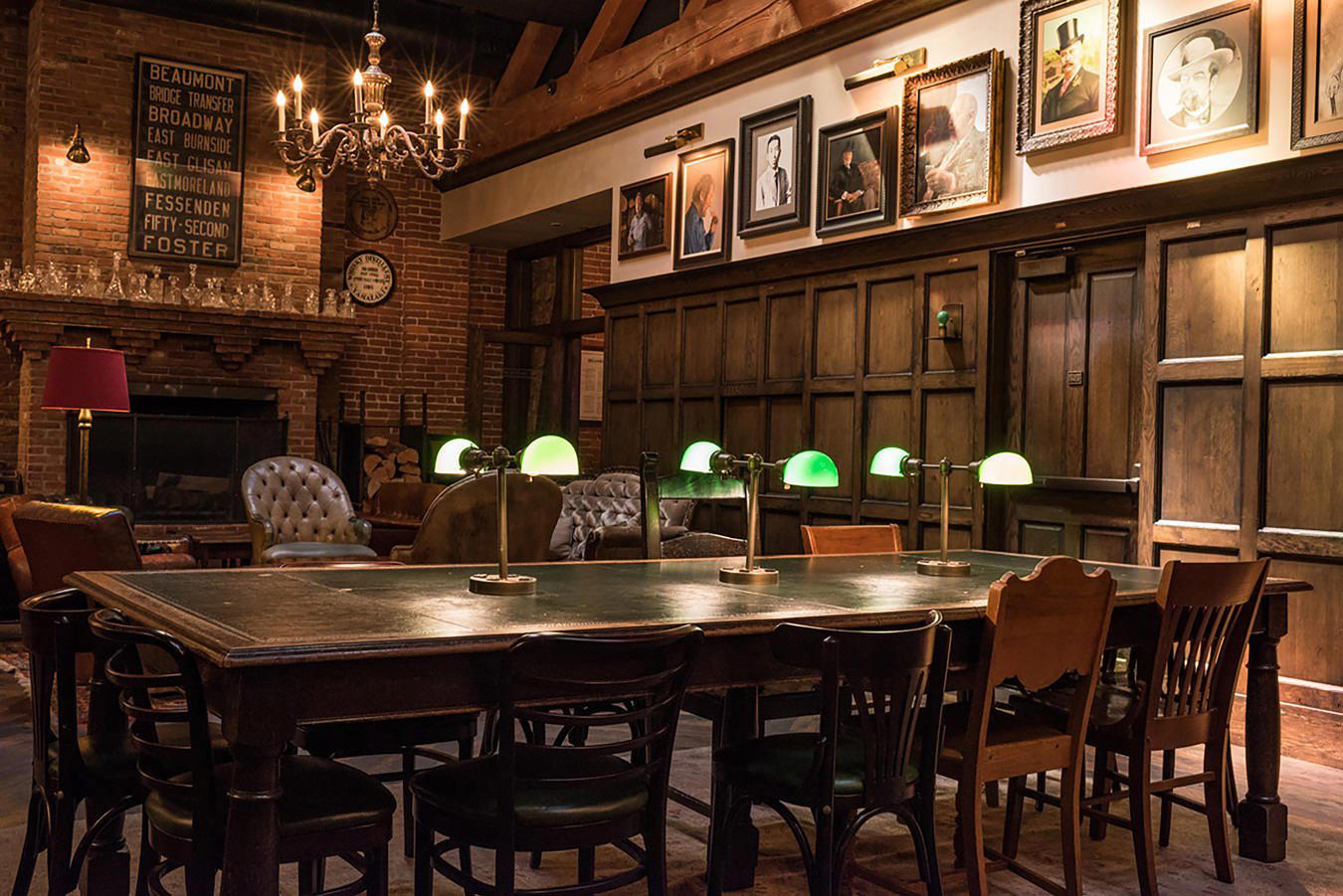
Bars in Portland
Browse all →
Hotels in Portland
Browse all →
At a Glance
- Lively
- Trendy
- Energetic
- Casual Hangout
- After Work
- Open Kitchen
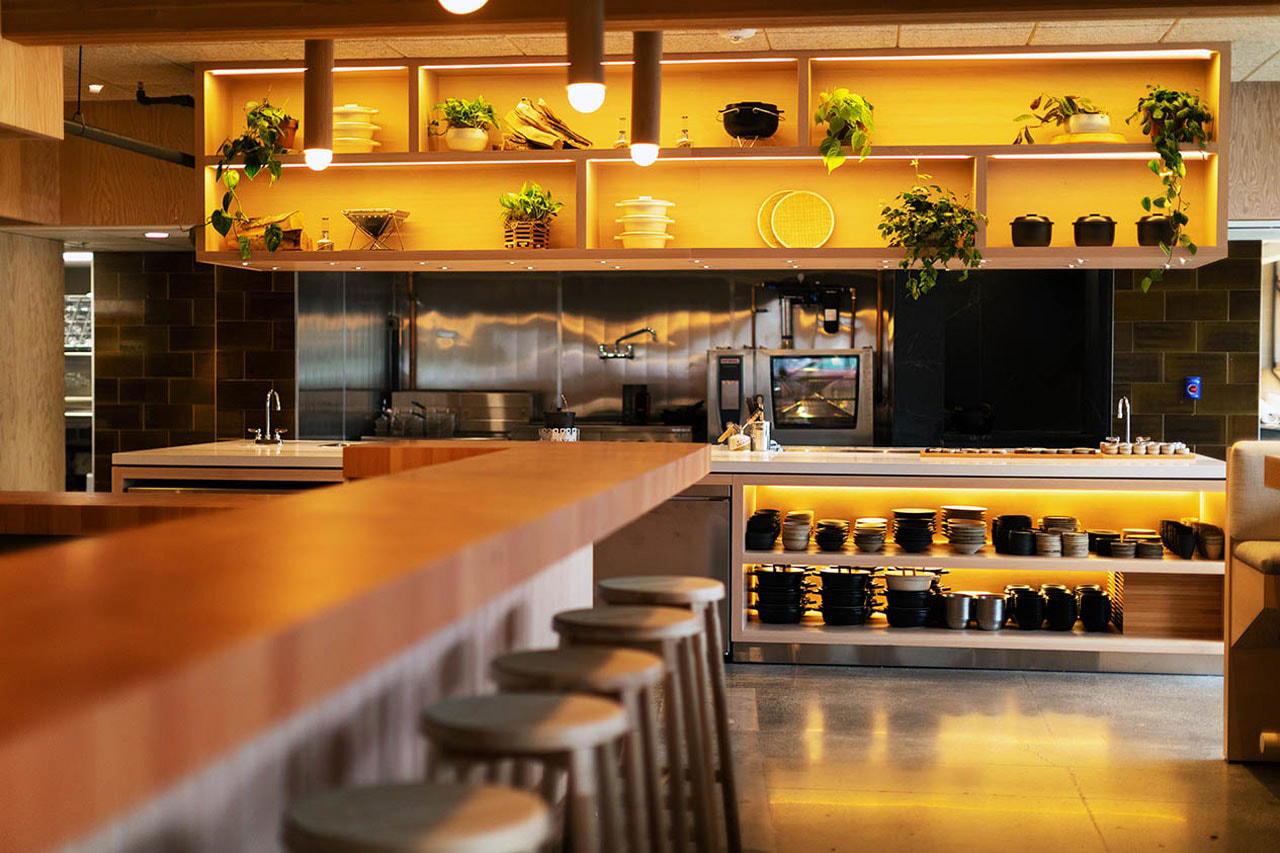
Lively atmosphere with striking red neon signage creating a lively night market feel; efficient counter-service ordering with prompt food delivery.