The Arc of the Meal
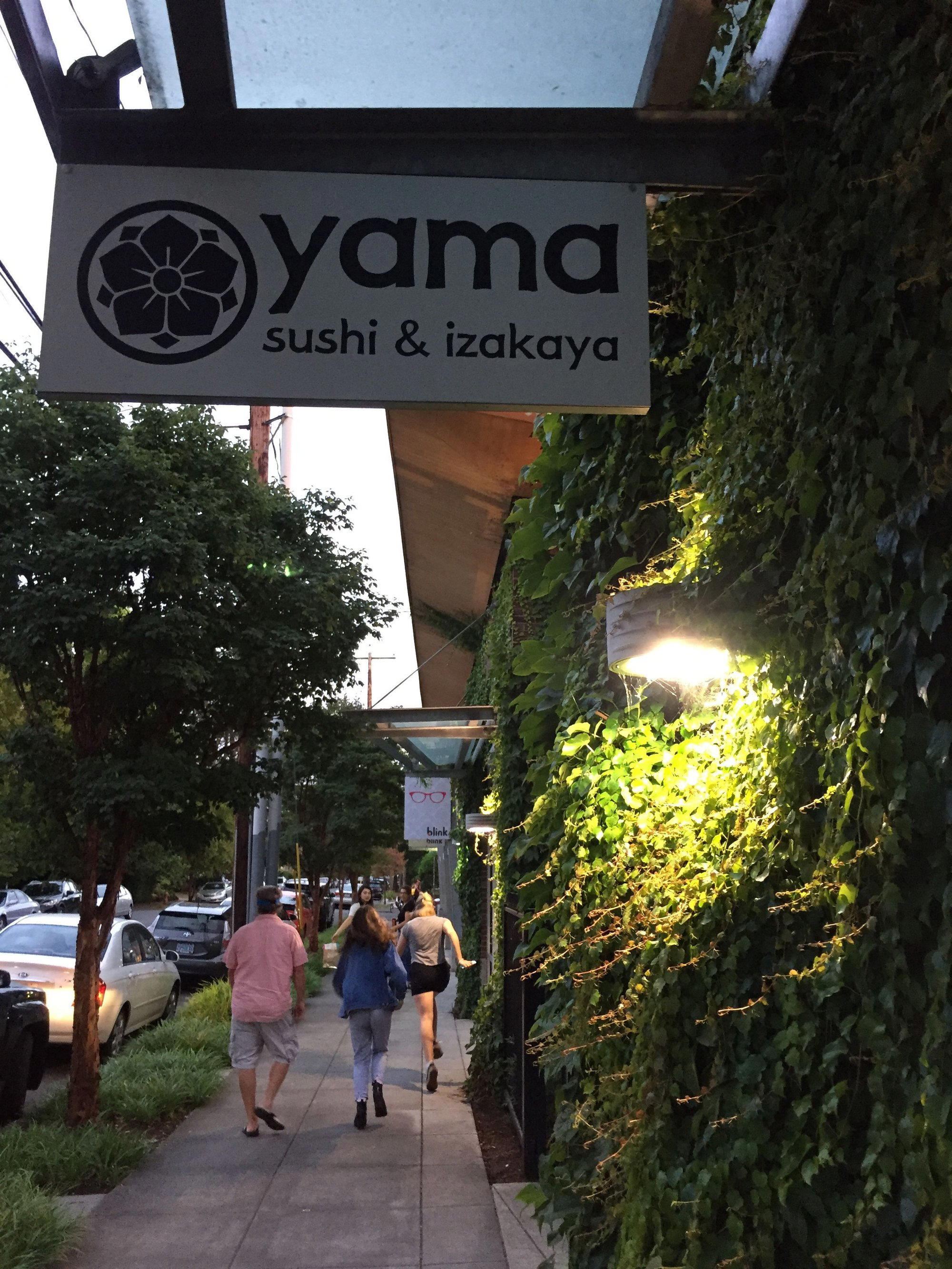
The sushi-izakaya format implies a particular meal structure that differs from both the omakase counter and the full-service Japanese restaurant. At venues like Yama, the progression tends to move from lighter, more delicate preparations toward richer, more assertive small plates, a sequence that rewards ordering in stages rather than all at once. This is how izakaya dining works at its most coherent: sake or beer arriving first, cold preparations following, then grilled or fried items deepening the flavor register as the evening extends.
West Coast version of this format typically draws on California's proximity to Pacific seafood supply chains, which gives sushi programs here access to fish that arrives faster than it does in landlocked cities. Portland specifically benefits from Oregon's own coastal fisheries alongside the broader Pacific Rim sourcing that characterises serious West Coast Japanese programs. The category it occupies on Clinton Street positions it within a neighbourhood where sourcing transparency has become a baseline expectation rather than a differentiator.
For diners who approach the menu as a linear experience rather than a single order, the izakaya section typically offers greater range. In Japanese pub tradition, small plates serve as punctuation, punctuating the drinks, punctuating the conversation, shifting the palate before the next round. Bringing that logic to a Portland neighbourhood restaurant, where the pace is rarely rushed, produces a meal format that suits the city's dining tempo well. Compare this to the more compressed, chef-controlled sequencing at formats like Langbaan or the structured tasting arc at Lazy Bear in San Francisco, and the izakaya model reads as the more permissive, guest-driven end of the progression spectrum.
Portland's Broader Japanese Dining Context
Portland's Japanese restaurant population punches above what the city's size would predict. The city has long had a Japanese-American community presence that predates the current dining boom, and that foundation shows in the depth of the category. The inner southeast alone holds several Japanese and Japanese-adjacent addresses that attract steady neighbourhood traffic without functioning as destination restaurants in the tourism sense.
In the upper tier of Portland's current dining conversation, restaurants like Berlu and Kann demonstrate that the city can sustain ambitious, technique-forward programs at the neighbourhood scale. Yama operates in a different register, the accessible, repeatable dining tier that most cities need more of and fewer restaurants actually occupy well. That tier is harder to sustain than it looks; it requires consistent execution without the reservation pressure that drives high-end kitchens, and it asks the kitchen to serve a regular customer base that will notice when something is off.
For readers calibrating where Yama sits against national reference points: the sushi-izakaya format it represents is several tiers removed from the omakase counters at Atomix in New York or the ultra-formal seafood programs at Le Bernardin. It is not competing in that space. The more useful comparison set is the neighbourhood Japanese restaurant that a local returns to twice a month, a format where consistency, value, and the pleasure of the familiar matter more than novelty or prestige.
The Neighbourhood Logic
SE Clinton Street's dining identity is partly shaped by what it is not: it is not the Pearl District, not the Mississippi Avenue strip, not the Division Street corridor that attracted national food press attention in the early 2010s. That relative quietness is part of its appeal. Restaurants here built audiences through word of mouth and repeat custom rather than review cycles. That pattern tends to produce a different kind of operator: one calibrated to the community rather than to a media moment.
The practical implication for visitors is that SE Clinton functions better as a neighbourhood evening than as a standalone dining destination. Pair a meal at Yama with a walk through the surrounding blocks, or build it into a wider inner southeast evening. The area rewards unhurried exploration rather than point-to-point efficiency.
Planning Your Visit
The venue is located at 2038 SE Clinton St, Portland, OR 97202, inner southeast. Hours run daily from 11:30 AM to 2:30 PM and 5 to 10 PM, and reservations are recommended.