Mol
On the waterfront of Veli Lošinj, Mol sits where the Kvarner Gulf's fishing culture and Croatia's emerging fine-dining ambitions intersect. The address alone, a working harbour edge on Rovenska, signals the kitchen's orientation toward the sea. For a small island town with a serious restaurant scene developing around it, Mol carries the kind of quiet confidence that doesn't need to announce itself.
Pearl is the En Primeur Club membership app — saves, bookings, and concierge access live there. Same editors, same standards.
- Address
- Ul. Rovenska 1, 51551, Veli Lošinj, Croatia
- Phone
- +38551236008
- Directions
- Get directions
 Saves & bookings on Pearl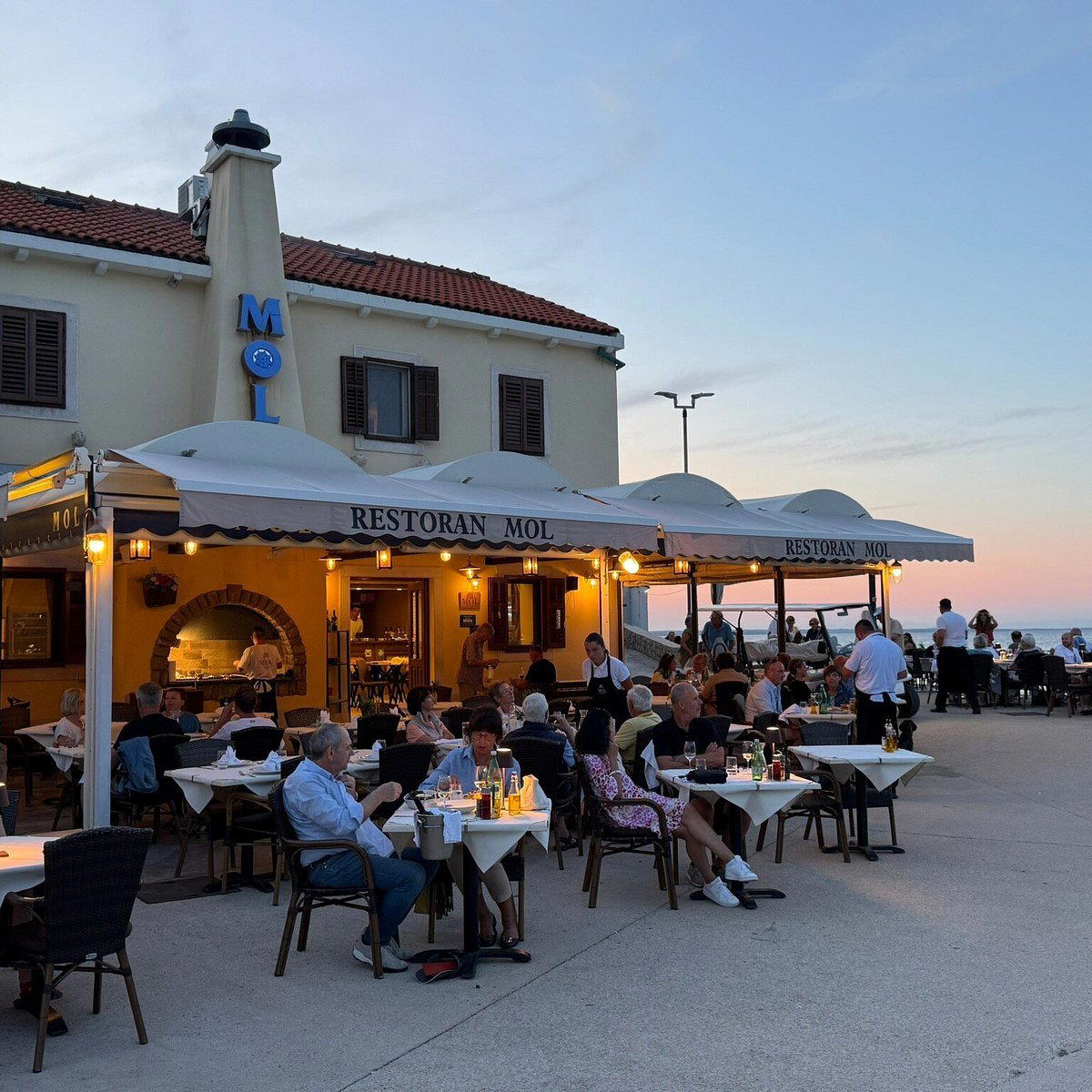
Where the Harbour Dictates the Menu
The Kvarner Gulf produces some of the Adriatic's most compelling seafood, and Veli Lošinj sits near the centre of that supply chain. The island's waters run cold and clean through much of the year, supporting species that larger coastal cities have to import from further afield. Restaurants here operate in a different relationship with their ingredients than their counterparts in Dubrovnik or Split: proximity to the source isn't a marketing claim, it's a logistical fact. Mol is a restaurant serving Traditional Croatian Seafood at Ul. Rovenska 1 in Veli Lošinj, Croatia. It sits inside that supply geography in a way that shapes what the kitchen can reasonably offer and how it chooses to offer it.
Rovenska itself is a quieter inlet than Veli Lošinj's main port, which means the approach to Mol carries a particular character. The water is close, the boats are close, and the distance between what was caught this morning and what reaches a table tonight is measurably short. In Croatian coastal dining, that proximity has become an increasingly serious editorial distinction. At the high end of the Adriatic market, where venues like Pelegrini in Sibenik and Restaurant 360 in Dubrovnik have built reputations on sourcing discipline alongside technique, the conversation has shifted: the question is no longer whether a restaurant uses local fish, but how specifically and how transparently it does so.
Ingredient Sourcing as the Defining Variable
Croatia's island restaurant scene has matured considerably over the past decade, and the Kvarner archipelago has emerged as one of its more interesting chapters. Lošinj's position in that archipelago gives kitchens here access to a supply chain that combines local small-boat fishing, island-grown produce, and the broader agricultural tradition of the Kvarner hinterland. The island has historically been associated with medicinal herbs and aromatic plants, a legacy of its mild microclimate, and that botanical depth has begun to inform how kitchens approach garnishes, infusions, and seasonings beyond what arrives from the sea.
For a venue positioned on the Rovenska waterfront, ingredient sourcing isn't an abstract virtue, it's the operational logic of the kitchen. What the morning's catch provides determines what the menu can be. This is meaningfully different from how urban Croatian restaurants work, even accomplished ones like Dubravkin Put in Zagreb or Nebo by Deni Srdoč in Rijeka, where sourcing involves logistics and supplier relationships rather than direct harbour access. Island kitchens operate under a productive constraint: you cook what the sea and the land provide today, not what the distribution system can guarantee tomorrow.
That constraint, applied consistently, tends to produce menus with genuine seasonal rhythm. Croatian coastal cooking at its most considered moves through the year in ways that parallel Adriatic fishing seasons: the lighter, more delicate species of spring and early summer giving way to richer, oilier fish through autumn. Herbs shift accordingly. The Kvarner Gulf's scampi, among the more prized crustaceans in the northern Adriatic, follow their own seasonal logic that local restaurants are positioned to respond to in real time in ways that mainland venues simply cannot.
Veli Lošinj's Restaurant Moment
Veli Lošinj is a small town by any measure, but its dining ambition has grown beyond what the population size would suggest. The island draws a European clientele with specific expectations, particularly through the summer months, and a number of its restaurants have responded by building programs with more technical depth than the terrace-and-grilled-fish default that dominates much of the Dalmatian coast. This positions Lošinj in an interesting middle tier of Croatian fine dining: more considered than a typical tourist-season operation, but without the full critical infrastructure of a Michelin-circuit city venue.
For comparison, the island's neighbour Mali Lošinj has developed its own recognized dining presence, with Alfred Keller in Mali Lošinj representing the kind of European-trained precision that the archipelago can now sustain. Across the broader Croatian coast, the comparable set for serious island dining includes Boskinac in Novalja on Pag, where estate-grown ingredients define the format, and LD Restaurant in Korčula, which has operated at a high technical level for years. Mol's address in Veli Lošinj places it within that emerging archipelago conversation, where geography and sourcing discipline matter as much as technique and presentation.
It is also worth situating Veli Lošinj in the broader Croatian island dining context. Islands like Brač, where BioMania Bistro Bol in Bol takes a specifically ingredient-led approach, and Pag, where Bodulo in Pag draws on the island's distinctive cheese and lamb traditions, each reflect the way Croatian island cooking has developed its own sourcing identities. Lošinj's identity is defined by its water, its microclimate, and its aromatic plant history, a different terroir profile from Pag or Brač, and one that a waterfront kitchen like Mol is physically well-placed to express.
Planning a Visit
Veli Lošinj is accessible by ferry from the mainland ports of Rijeka and Zadar, with Rijeka representing the more direct northern approach for travellers coming from the direction of Opatija or Crikvenica. The island's season peaks sharply between June and September, when summer visitors significantly increase demand across all restaurants on the island. Visiting in May or early October places you in quieter conditions with higher likelihood of availability and, more interesting supply from the surrounding waters. The Rovenska address is at the harbour edge of the town, making orientation direct on foot once you are on the island. Reservations are recommended.
For travellers building a broader Croatian coastal itinerary that includes Lošinj, the natural circuit runs through the Kvarner Gulf before extending south along the Dalmatian coast, where venues like Krug in Split and Agli Amici Rovinj in Rovinj represent different points on the technique and sourcing spectrum.
A Quick Peer Check
Comparable venues nearby, for context on price, style, and recognition.
| Venue | Cuisine | Price | Notes |
|---|---|---|---|
| MolThis venue — the venue you are viewing | Traditional Croatian Seafood | $$$ | Not listed |
| Kornat | North Dalmatian Fine Dining Seafood | $$$ | Zadar Seafront |
| Taverna Bota Sare | Traditional Dalmatian Seafood & Oysters | $$$ | Mali Ston |
| Niko | Traditional Adriatic Seafood | $$$ | Puntamika |
| Tu Tamo | Mediterranean Seafood | $$ | Moscenice |
| Zlatna ribica | Mediterranean Seafood | $$$ | Brodarica |
Continue exploring
More in Veli Losinj
Restaurants in Veli Losinj
Browse all →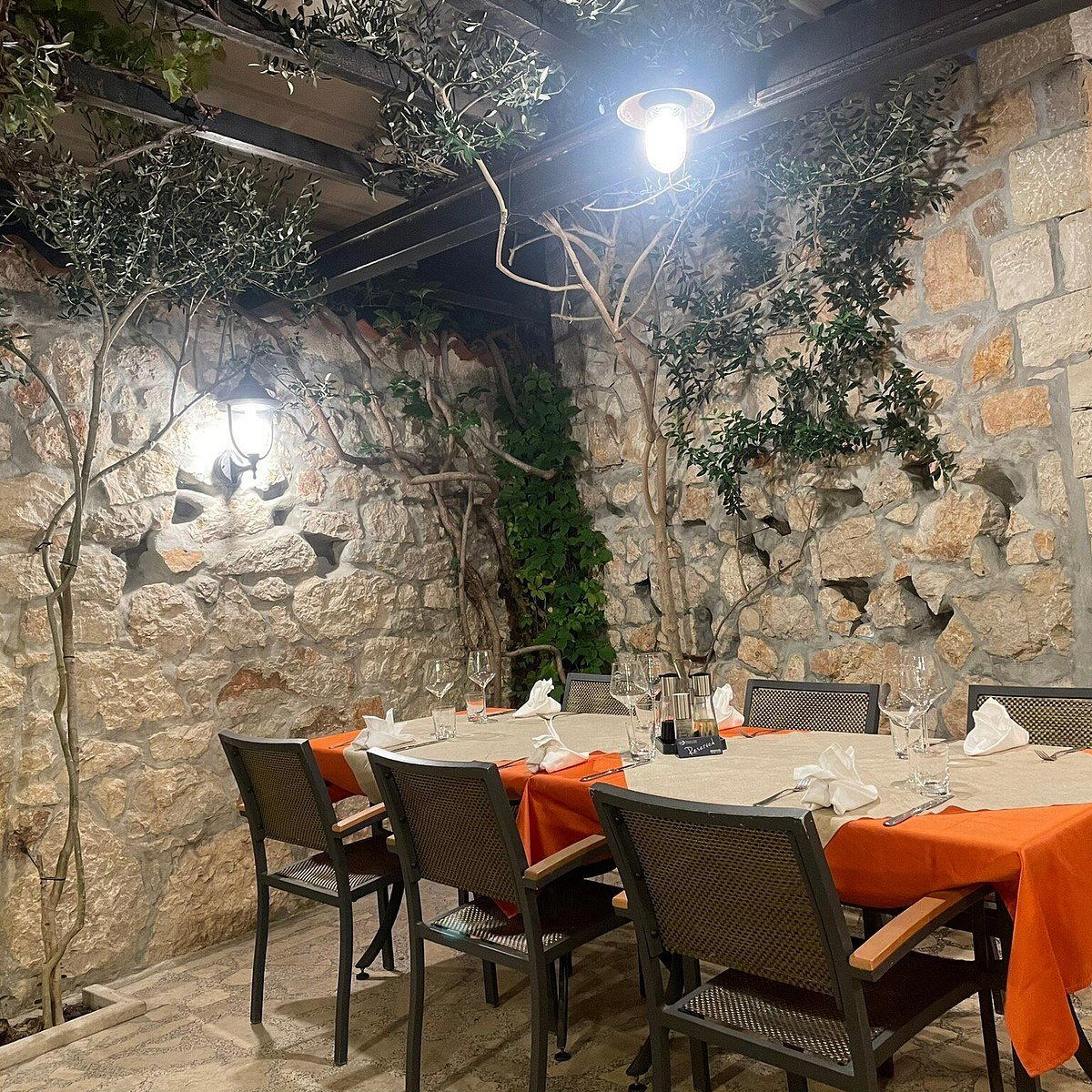
Bars in Veli Losinj
Browse all →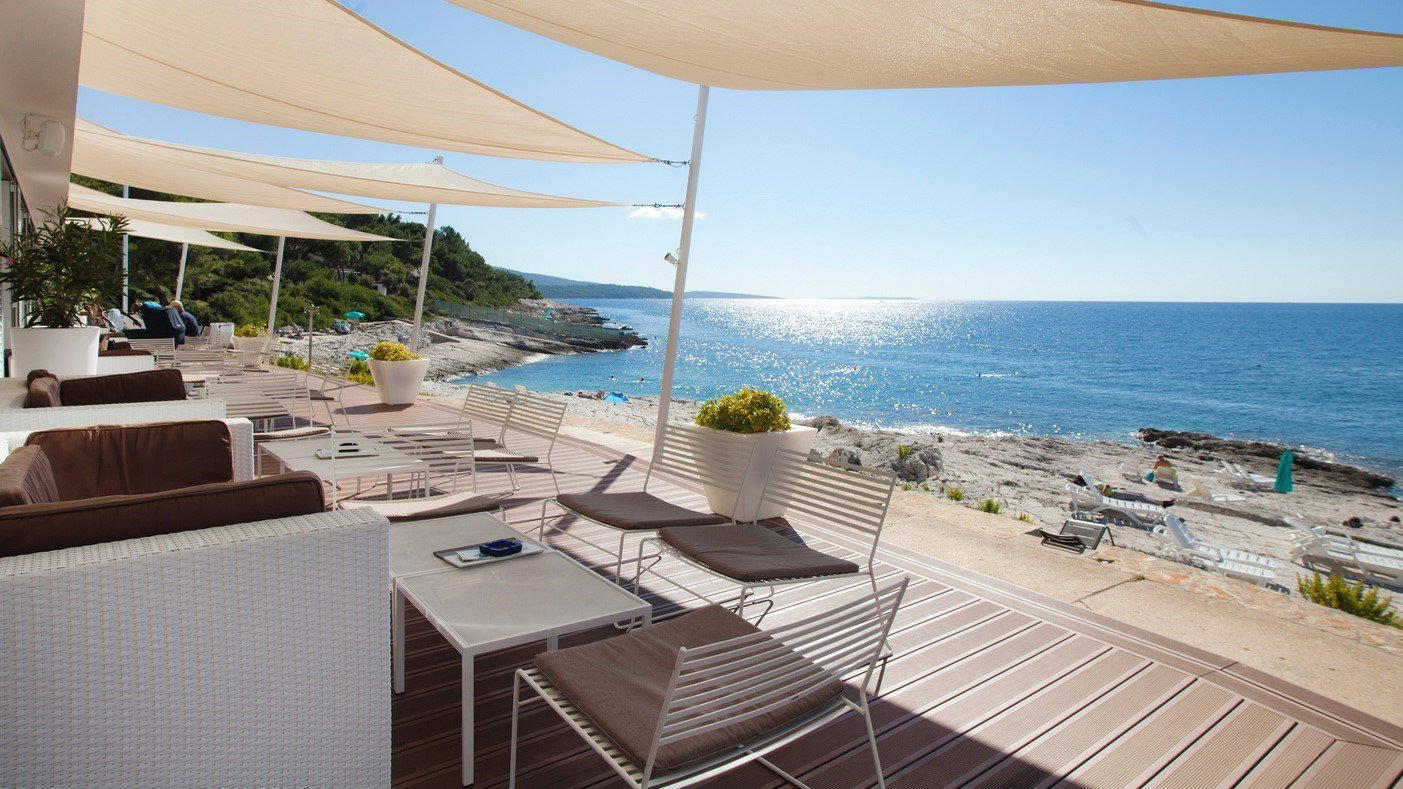
Hotels in Veli Losinj
Browse all →
Wineries in Veli Losinj
Browse all →
At a Glance
- Scenic
- Romantic
- Cozy
- Date Night
- Family
- Celebration
- Waterfront
- Terrace
- Extensive Wine List
- Local Sourcing
- Waterfront
Current opening hours
- Monday
- 10 AM–11 PM
- Tuesday
- 10 AM–11 PM
- Wednesday
- 10 AM–11 PM
- Thursday
- 10 AM–11 PM
- Friday
- 10 AM–11 PM
- Saturday
- 10 AM–11 PM
- Sunday
- 10 AM–11 PM
Hours can change for holidays and private events. Last verified .
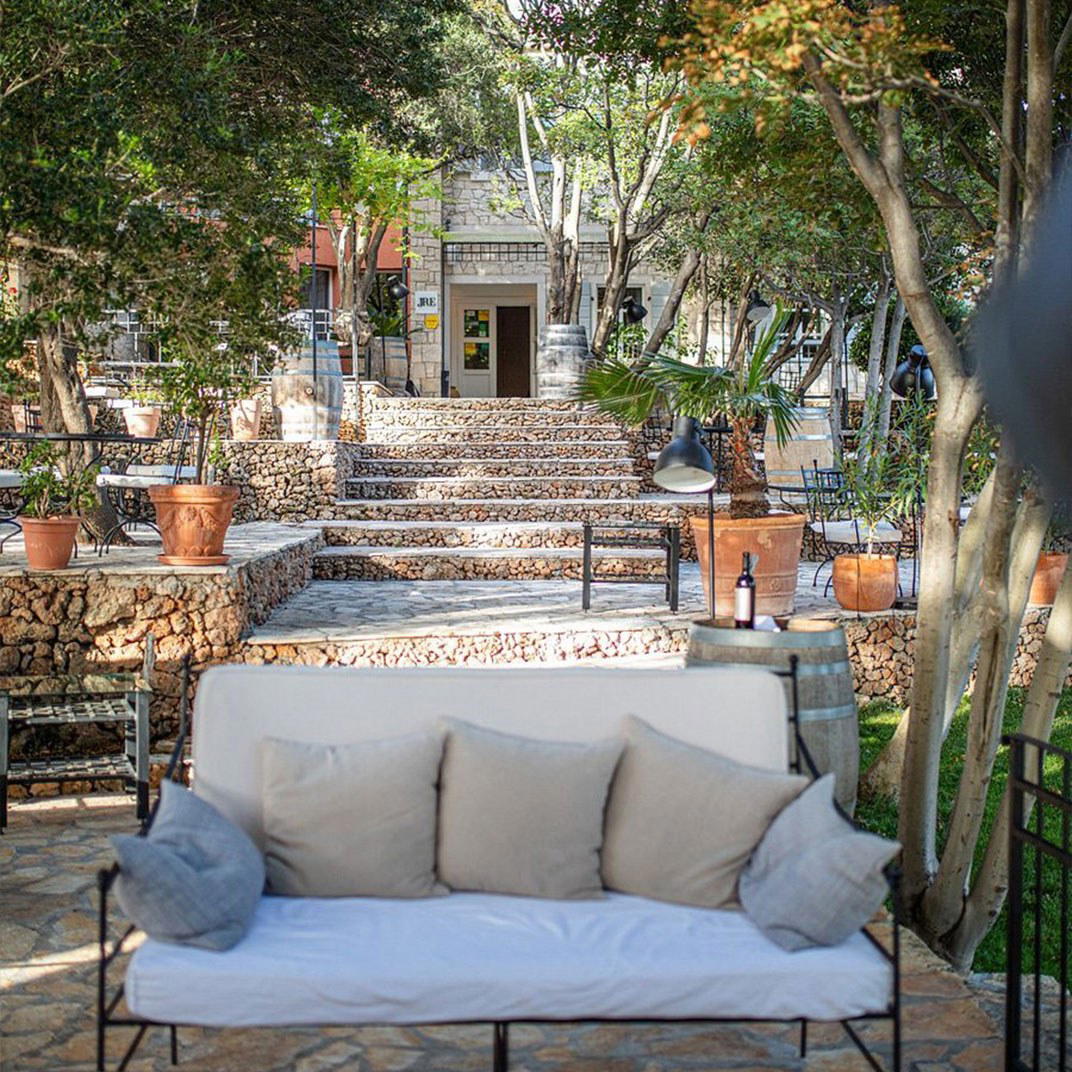
Relaxed seaside atmosphere with tables right on the water, warm family service, and scenic bay views.