On Carrer d'Enric Granados, one of Eixample's most pleasant pedestrian corridors, Mizzica brings Sicilian cooking to a Barcelona neighbourhood better known for modernista architecture than southern Italian tradition. The kitchen operates within a wider city-wide shift toward sourcing discipline and reduced waste, placing it in a growing cohort of European restaurants where ingredient provenance shapes the menu as much as technique does.
Pearl is the En Primeur Club membership app — saves, bookings, and concierge access live there. Same editors, same standards.
- Address
- Carrer d'Enric Granados, 9, Eixample, 08007 Barcelona, Spain
- Phone
- +34933658846
- Website
- mizzica.es
- Directions
- Get directions
 Saves & bookings on Pearl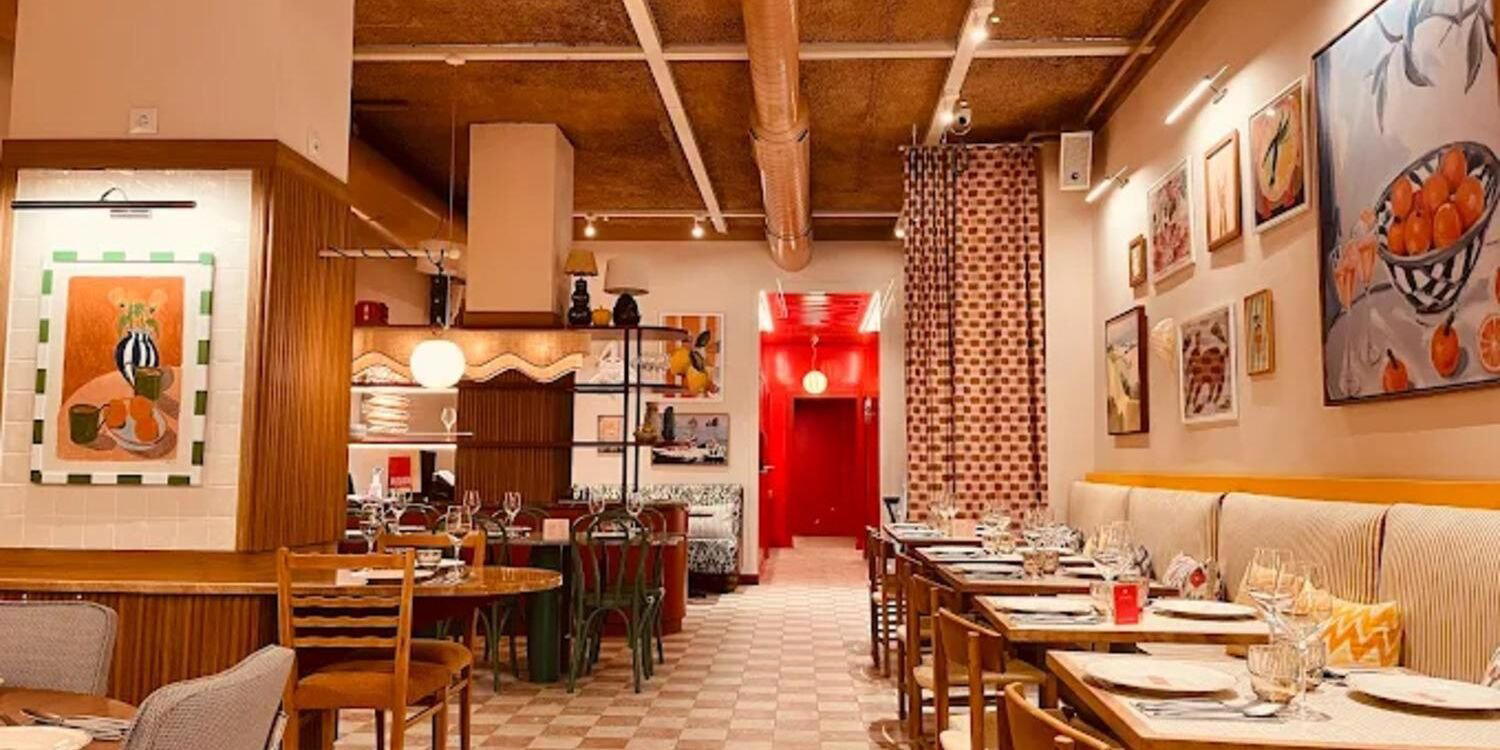
Eixample's Sicilian Outlier
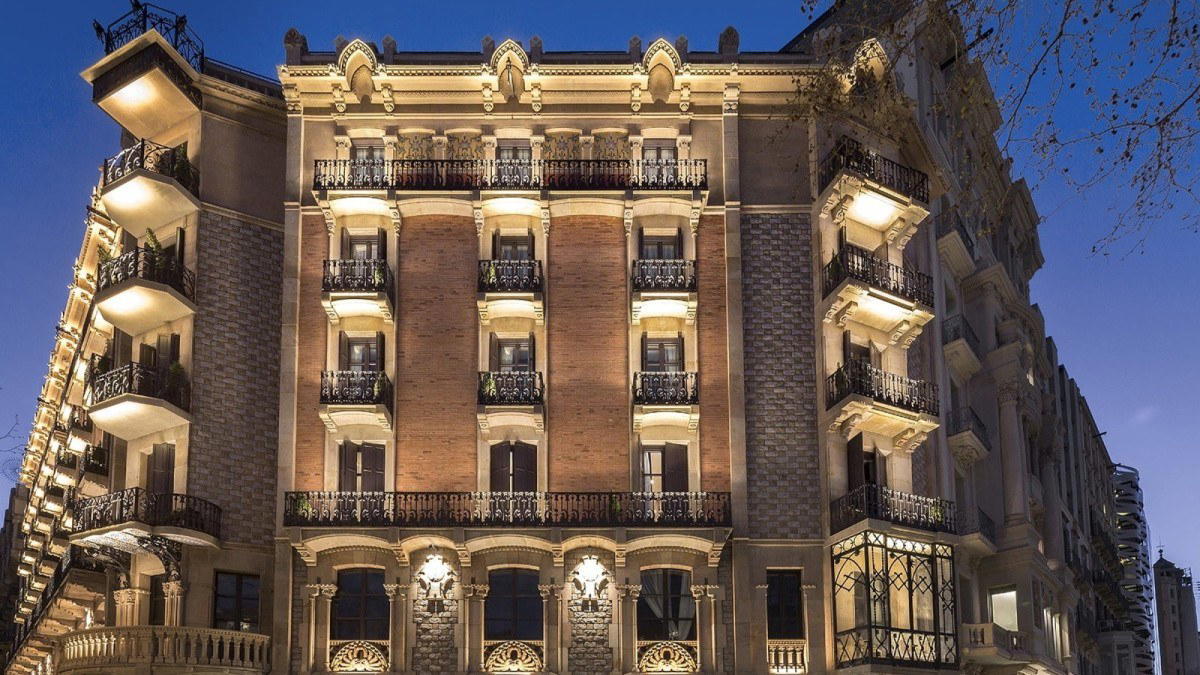
Carrer d'Enric Granados functions as one of Barcelona's more civilised dining streets: a pedestrianised rambla cutting through the Eixample grid, lined with terrace tables that catch the afternoon light without the exhaust and noise of the city's main thoroughfares. The architecture is Catalan modernista; the clientele tends toward locals rather than tour groups. It is, in other words, an address that rewards a certain kind of restaurant: one confident enough in its own register that it does not need footfall from the Rambla to survive.
Mizzica occupies that address with a Sicilian proposition, which is a specific and somewhat underrepresented offer in a city whose foreign-cuisine scene tilts heavily toward Japanese, Peruvian, and pan-Mediterranean rather than the granular regional cooking of southern Italy. Sicily as a culinary tradition is built on Arabic, Norman, and Greek layering accumulated over centuries: sweet-sour agrodolce preparations, legumes used with the seriousness of protein, fish treated simply because simplicity was historically the point. Bringing that tradition to Eixample means working in deliberate contrast to Barcelona's dominant creative-tasting-menu format, where venues like Disfrutar (Progressive, Creative), ABaC (Creative), and Cocina Hermanos Torres (Creative) define the high end of the category.
Sourcing as Structure
The broader story in European mid-market dining over the past decade has been a gradual repositioning of sourcing from a marketing detail to a structural kitchen decision. At its weakest, this manifests as menu language: a cheese listed with its farm, a fish flagged with its port. At its more considered, sourcing logic shapes what is ordered, what is used in full, and what reaches the table in what form.
Sicilian cooking is well-suited to this kind of discipline. The tradition was historically built on scarcity-driven ingenuity: offal preparations, bread-based thickeners, seasonal vegetables that shifted week to week based on what the land produced. Caponata, for instance, is not a simple aubergine dish; it is a preservation technique adapted to the hot southern summer, one that extends shelf life while converting surplus into something more complex than its raw components. That same logic, applied to a contemporary setting, produces a kitchen that wastes less by design rather than by policy.
Spain's most sustainability-conscious fine-dining operations have pursued similar principles in more codified ways. Azurmendi in Larrabetzu has built its environmental credentials into its physical infrastructure as well as its sourcing chain. Aponiente in El Puerto de Santa María has made marine by-catch and overlooked sea ingredients central to its menu logic. These are Michelin-decorated operations working at a different scale and price point than a neighbourhood Sicilian restaurant in Eixample, but the underlying orientation shares a common thread: ingredient selection as an editorial act, not a procurement afterthought.
Where This Sits in Barcelona's Dining Structure
Barcelona's restaurant market has a pronounced upper tier, anchored by the creative tasting-menu format that has made the city one of Europe's most-visited dining destinations. Lasarte (Progressive Spanish, Creative) and Enigma (Creative) operate at the far end of that register, where the meal itself is the experience and the price reflects it. Below that layer, the city's mid-market is large, competitive, and unevenly mapped by international audiences who tend to concentrate recommendations at the leading and bottom of the price range.
A Sicilian restaurant on Enric Granados occupies the mid-market layer, where the differentiation question is sharper. The comparison set is not the three-Michelin-star counter but the Italian neighbourhood restaurant in its various forms across the city, and the growing number of regional-European kitchens that have moved into Barcelona's gentrified corridors. In that competitive context, specificity of regional focus is a genuine distinguishing factor. A kitchen committed to Sicilian rather than generically Italian has made a culinary argument that can be assessed on its own terms.
For reference against Spain's broader fine-dining scene, the regional-specificity argument appears at multiple price points: El Celler de Can Roca in Girona is deeply Catalan in its material references even at three-star level; Ricard Camarena in València grounds its creative output in Valencian produce logic. Regional rootedness, in other words, is not a limitation at any price tier; it is a credibility signal.
The Eixample Context
The Eixample Esquerra, where Enric Granados runs, has developed a dining character distinct from the tourist-heavy Gothic Quarter or the design-conscious El Born. Restaurants here serve a mixed clientele of local professionals, residents of the surrounding apartment blocks, and visitors who have moved past the obvious itinerary. The street's pedestrian format means terrace dining is a practical option rather than a premium add-on, and the pace of the neighbourhood allows for longer meals without the sense of being turned over for a second sitting.
This sets a particular kind of expectation: casual in format but attentive in content, the kind of meal where the sourcing and the cooking are the point rather than the setting. It is a format that suits a regionally specific kitchen that does not need theatrical presentation to justify its position.
Spain and Italy in Context
The placement of Sicilian cooking in Barcelona is also worth reading against Spain's own southern-Mediterranean tradition. Andalusian cooking and Sicilian cooking share structural similarities rooted in Arab agricultural influence: almonds, saffron, citrus, the sweet-sour balance that both traditions use with more confidence than the rest of Europe. A Barcelona diner familiar with the southern Spanish register has a reasonable frame for reading Sicilian food, which is not true of every foreign cuisine that lands in the city.
This makes Mizzica's proposition less exotic and more legible than it might first appear. It is not asking the diner to cross a wide cultural gap; it is asking them to make a lateral move within a Mediterranean tradition they probably already know in one of its variants. Internationally, the same sourcing and tradition-driven approach shows up in different formats: Le Bernardin in New York City treats fish with a similar restraint-first philosophy, and Atomix in New York City applies a similarly rigorous regional-specificity logic to Korean cooking. The principle, if not the price point, connects across categories.
Cuisine Lens
Comparable venues nearby, for context on price, style, and recognition.
| Venue | Cuisine | Price | Notes |
|---|---|---|---|
| MizzicaThis venue — the venue you are viewing | Authentic Sicilian Italian | $$ | Not listed |
| Pizzeria Av. Corrientes | Argentine Pizzeria | $$ | la Maternitat i Sant Ramon |
| Eatmosfera | Authentic Neapolitan Pizza & Italian Cuisine | $$ | el Parc i la Llacuna del Poblenou |
| De Gustibus Italiae | Italian with Sicilian and Southern-Italian influences | $$ | Sant Gervasi - la Bonanova |
| Parking Pizza | Modern Italian Pizza | $$ | Sant Gervasi - Galvany |
| Delias Pizza | Greek-Italian Pizza | $$ | Sant Antoni |
Continue exploring
More in Barcelona
Restaurants in Barcelona
Browse all →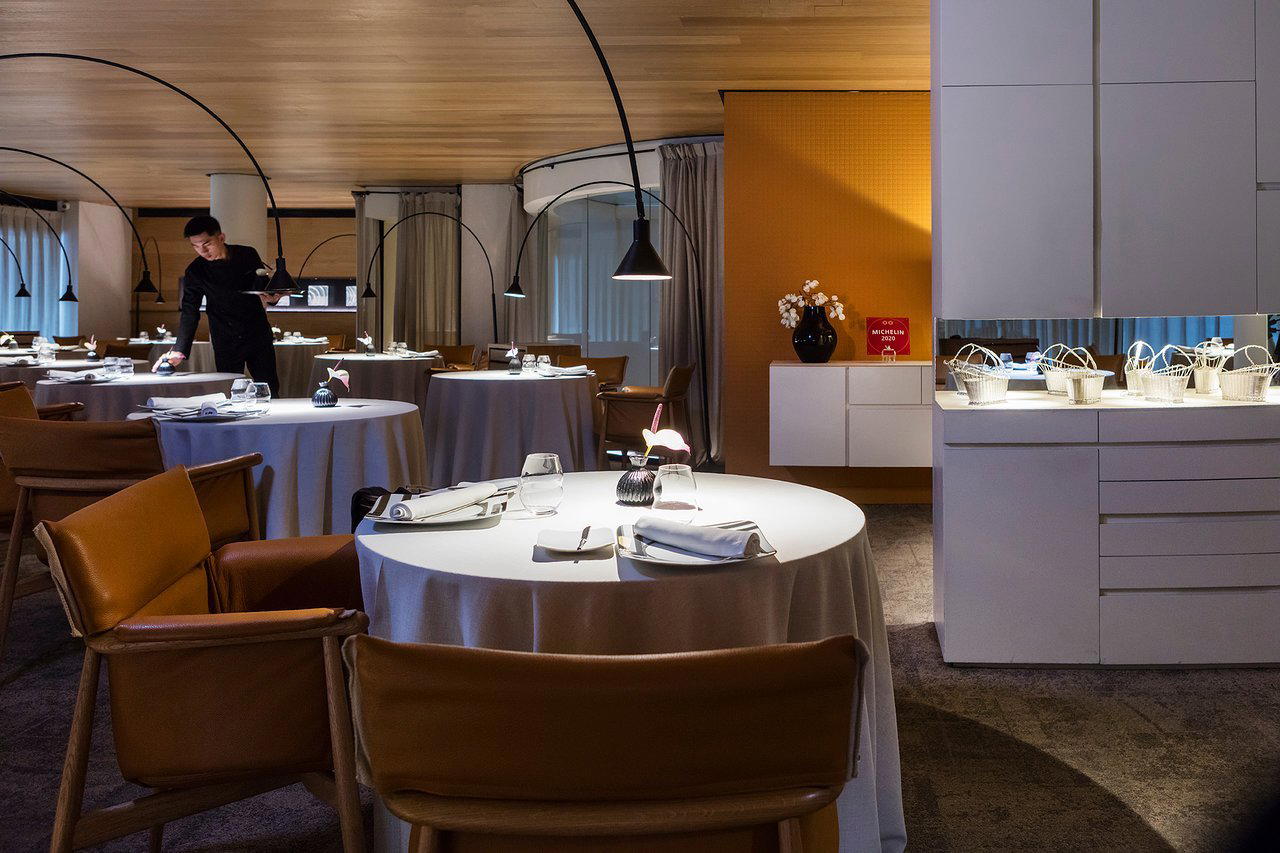
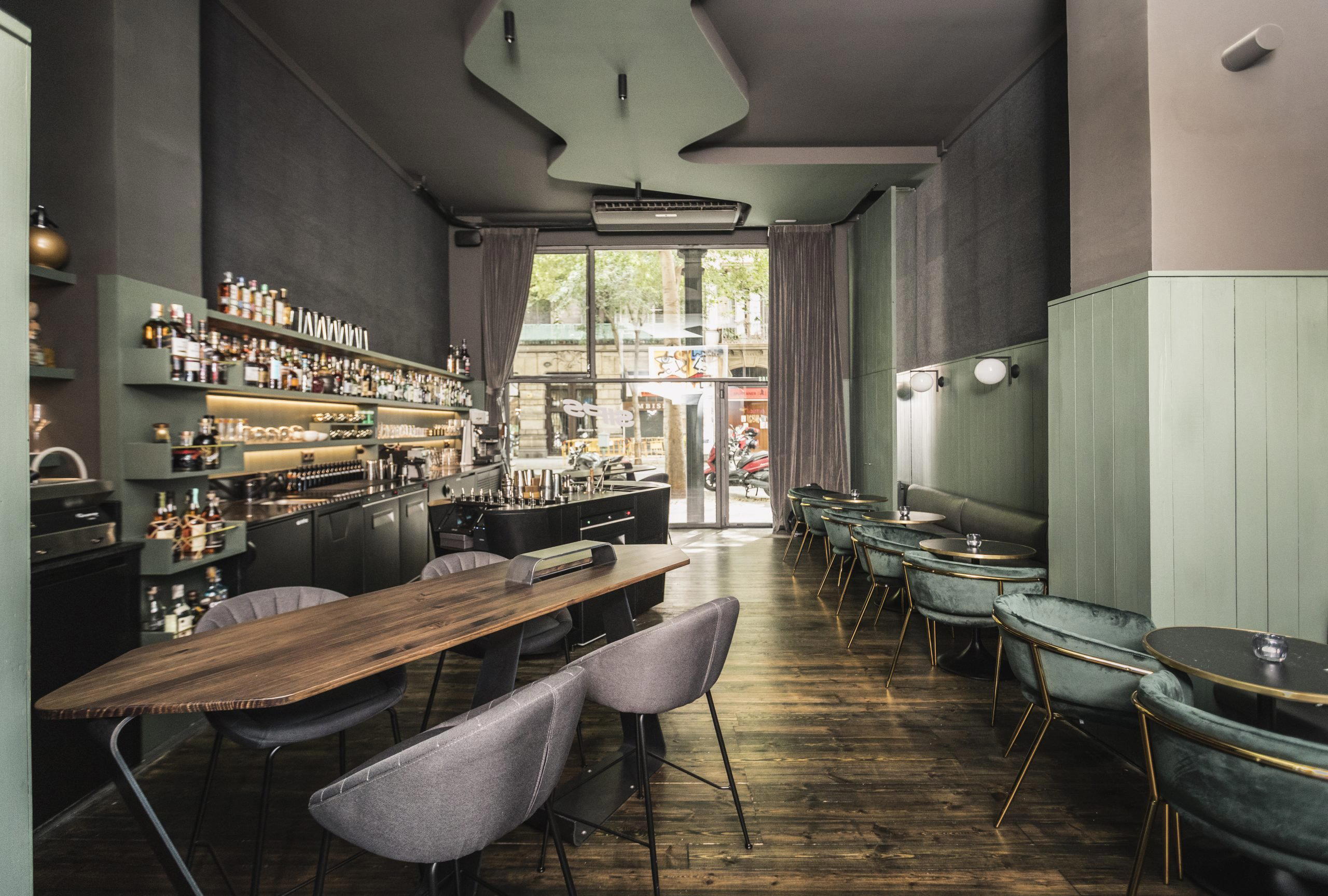
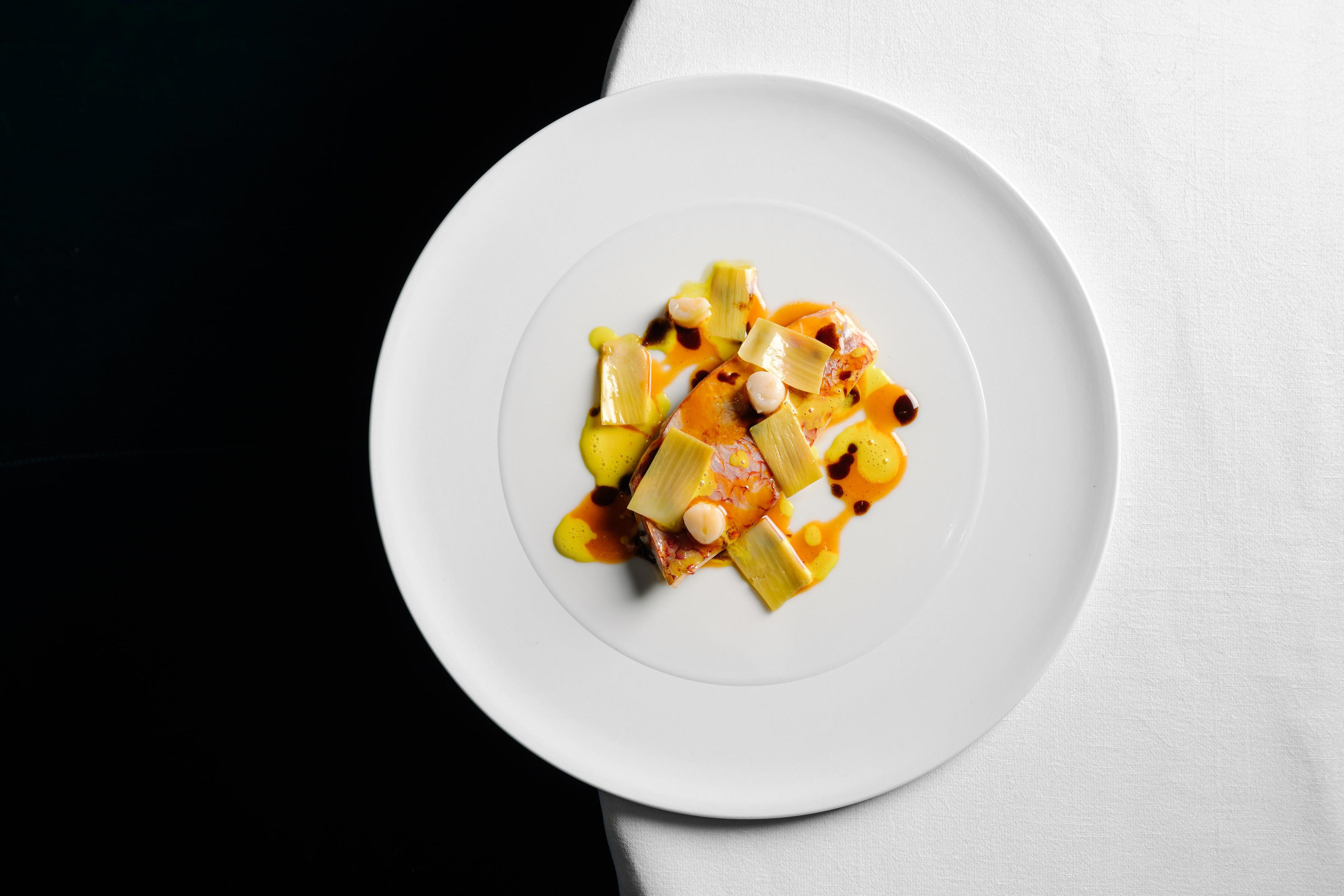
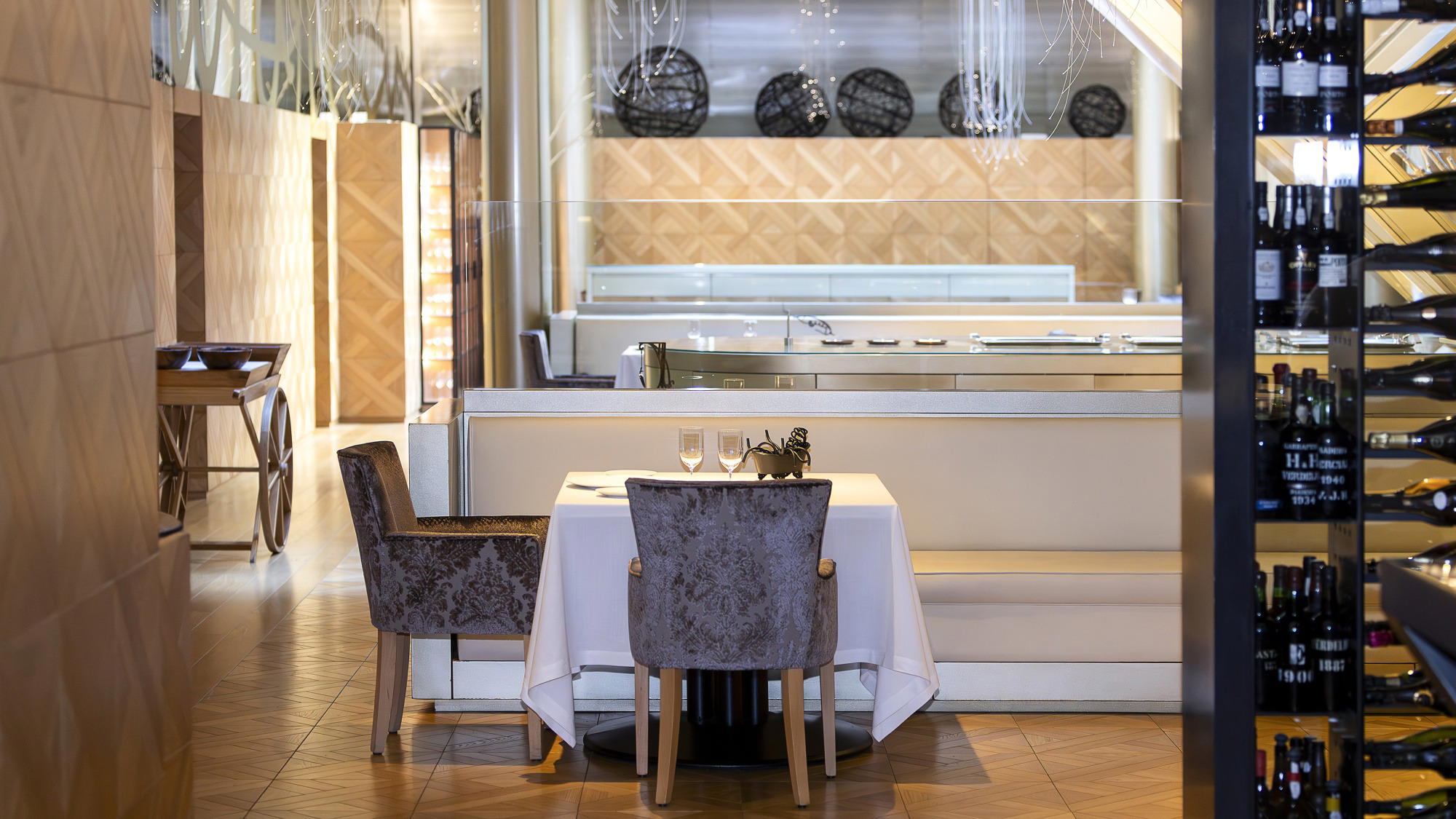
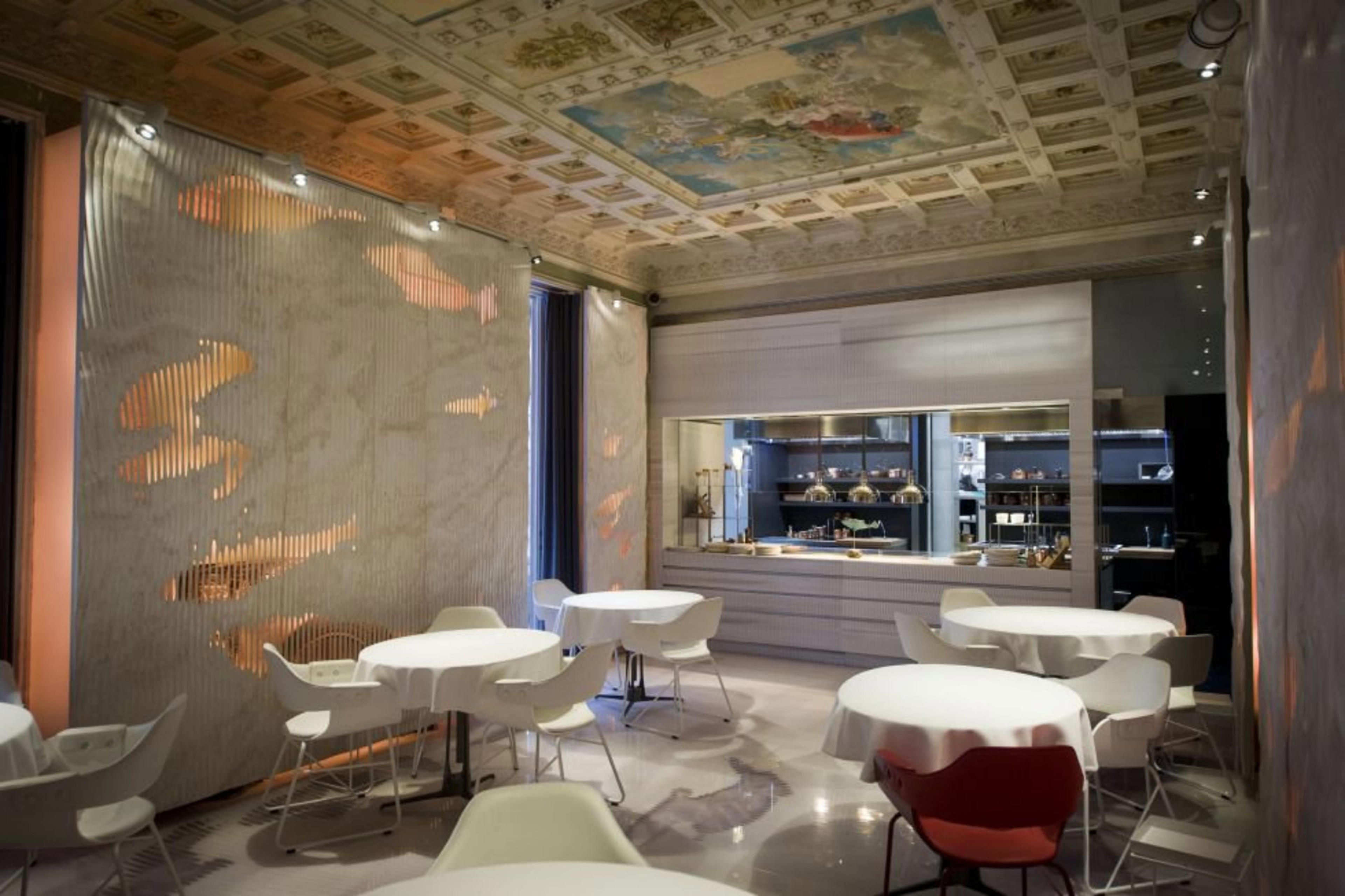
Bars in Barcelona
Browse all →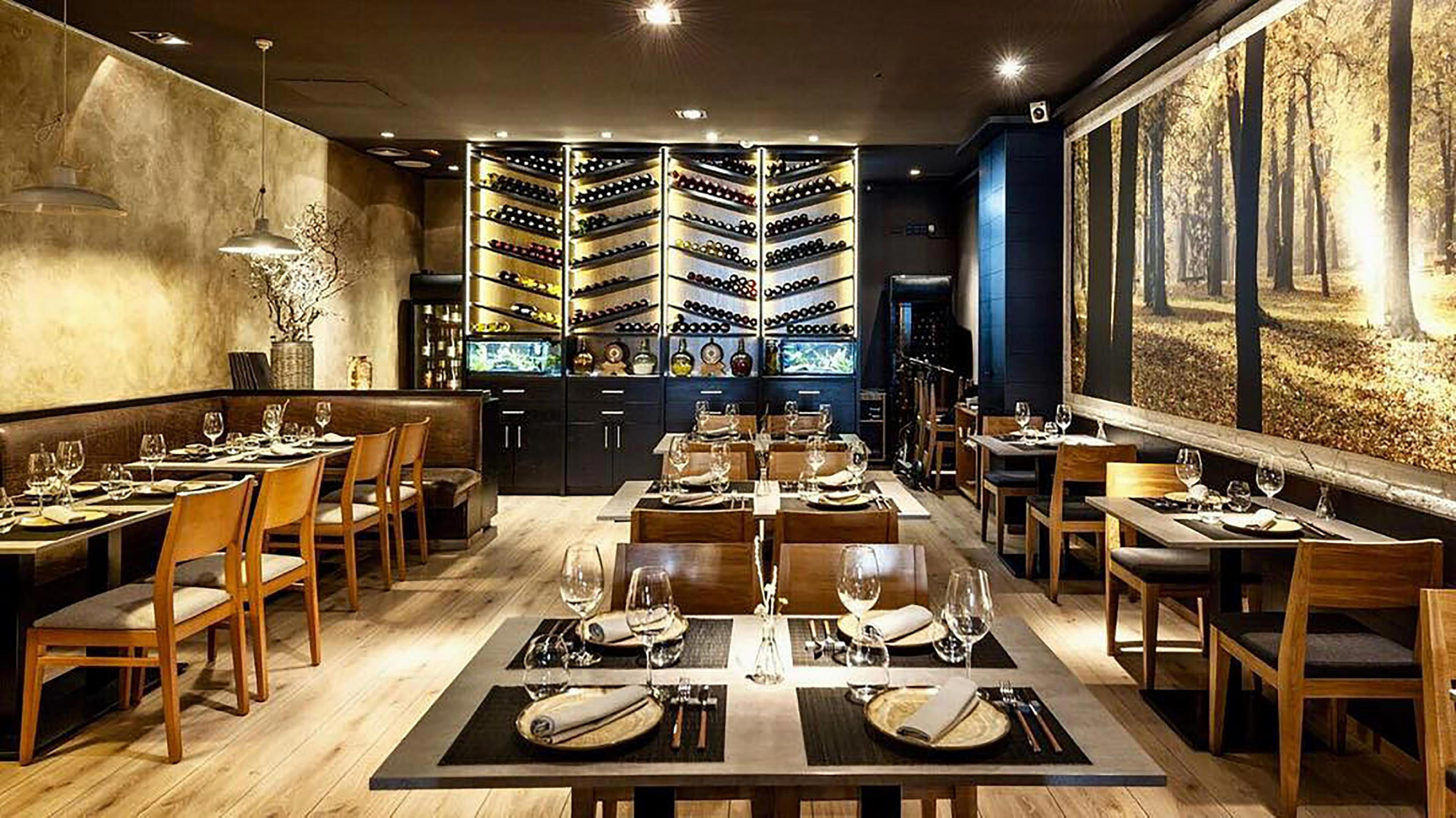
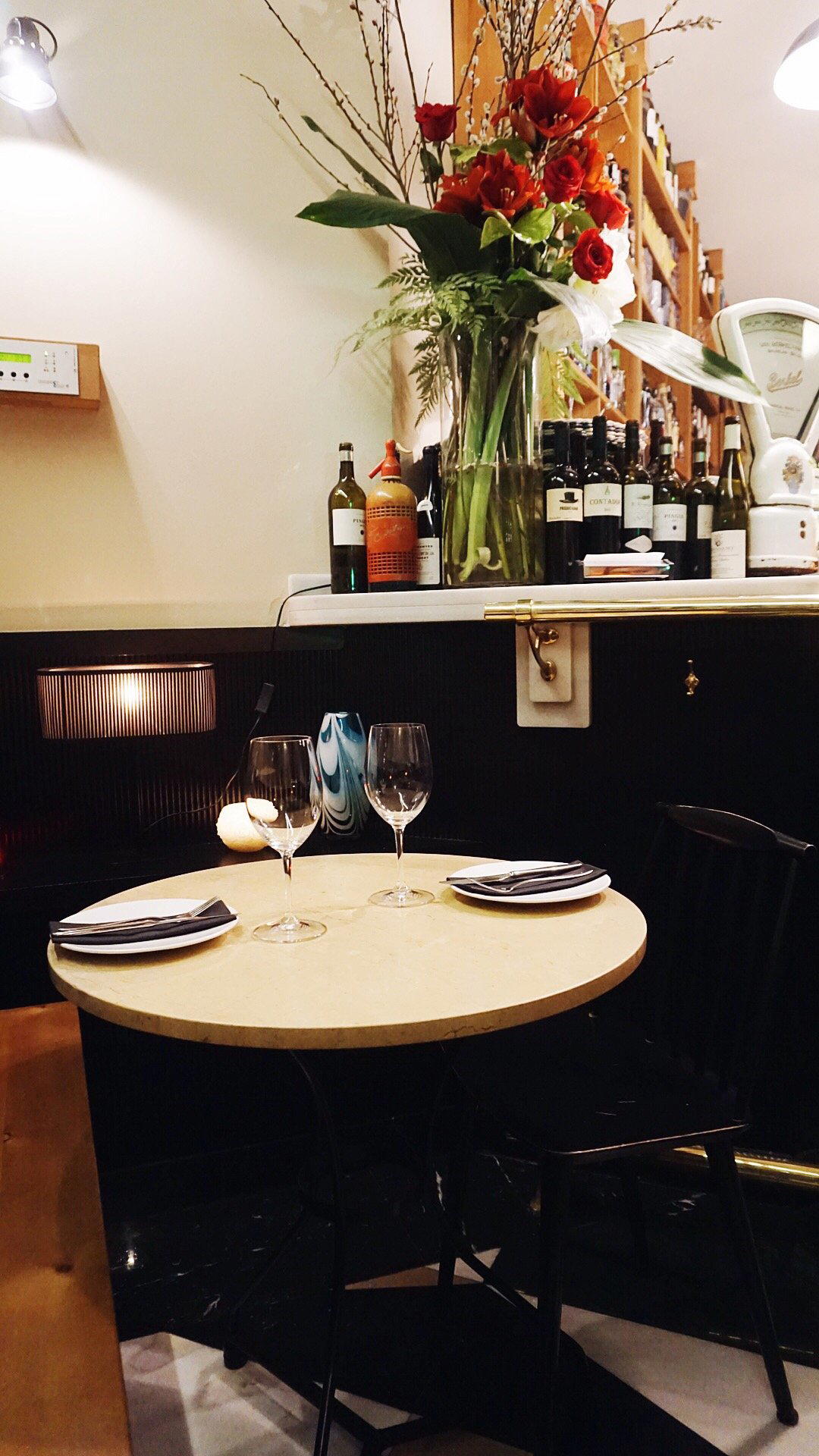
Hotels in Barcelona
Browse all →
At a Glance
- Elegant
- Modern
- Cozy
- Date Night
- Casual Hangout
- Open Kitchen
- Terrace
Current opening hours
- Monday
- 12:30 PM–12 AM
- Tuesday
- 12:30 PM–12 AM
- Wednesday
- 12:30 PM–12 AM
- Thursday
- 12:30 PM–12 AM
- Friday
- 12:30 PM–12:30 AM
- Saturday
- 12:30 PM–12:30 AM
- Sunday
- 12:30 PM–12 AM
Hours can change for holidays and private events. Last verified .
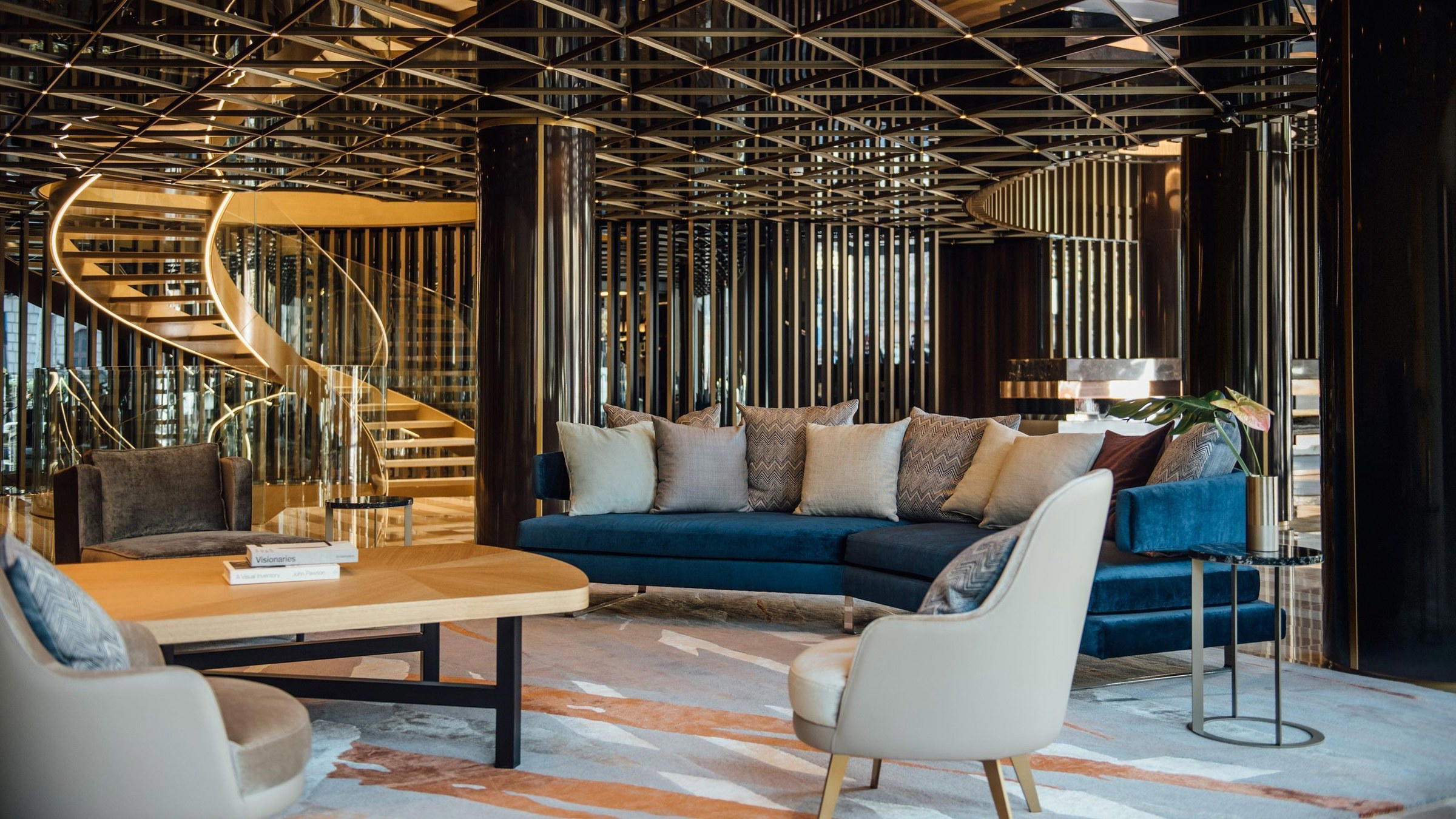
Bright, stylish, and cheerful interior reflecting Sicilian colors and textures, with terrace seating inside and outside.