Miura Udon

Tabelog 100 #39
Our verdict
Miura Udon belongs to Fujiyoshida’s hard-chew udon culture, a local noodle tradition shaped by wheat, cabbage, miso, and working-town appetite rather than restaurant ceremony. Its selection for Tabelog 100 Udon EAST 2024 places a plainspoken regional shop inside a national conversation about craft, consistency, and everyday value.

Pearl is the En Primeur Club membership app, where members save venues, book tables and use the concierge.
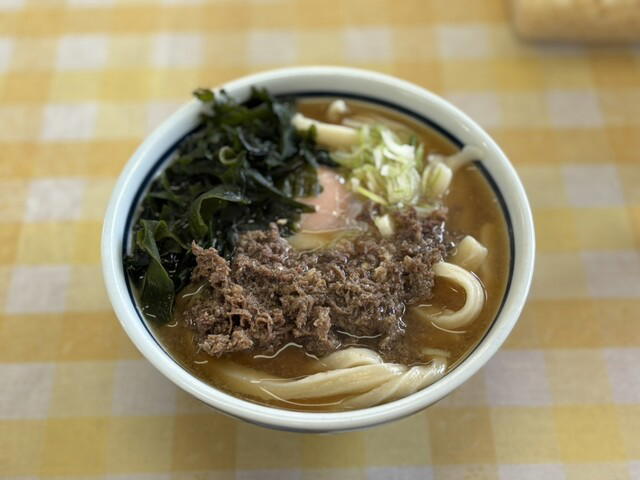
The menu
What to order
- Meat udon (niku udon)
- Nikutsukimi udon
Approach Fujiyoshida udon expecting restraint, not theatre: practical rooms, direct service, and a rhythm for eating rather than lingering. The city’s noodle culture sits under Mount Fuji but avoids postcard softness. Yoshida udon means firm wheat noodles, direct seasoning, and eating quickly, cheaply, and often. Miura Udon fits that grammar: a straightforward local shop where the room tells diners what matters before the bowl does.
The tradition is inseparable from place. Fujiyoshida prizes chew, density, and grain over the silkier textures of Sanuki udon or polished urban noodle shops. The meal belongs to a wider Yoshida udon vocabulary in which texture and regional seasoning matter more than display. These details place the experience closer to local sustenance than chef-led cuisine. The question is not invention, but how convincingly the kitchen holds a local line.
Fujiyoshida's wheat-driven udon tradition is the real subject
In Japan’s noodle hierarchy, ramen draws international queues and soba earns reverence for buckwheat craft, but Yoshida udon follows another code. Its appeal is structural: firm wheat noodles, compact menu logic, and a format for families, workers, and visitors who know regional food can be plain without being simple. The city’s udon houses form a local network, not a luxury circuit, judged by texture, broth discipline, and whether the bowl tastes rooted in Fujiyoshida rather than adapted for outsiders.
Miura Udon’s strongest credential is selection for Tabelog 100 Udon EAST 2024. That matters because udon is crowded across eastern Japan, and a Fujiyoshida shop in this bracket is measured against specialist noodle houses beyond Yamanashi. Its Tabelog score of 3.68 is not a universal verdict, but signals a local-format kitchen has moved beyond neighbourhood loyalty into broader diner attention.
Comparisons inside Fujiyoshida matter more than comparisons with Tokyo tasting counters. Sakurai Udon and Teuchi Udon Musashi share the same low-cost regional lane, where distinctions are textural and operational rather than decorative. Menkyo Kaiden reinforces the point: this is a city where udon is not a side category but a primary dining identity. Miura Udon belongs to that compact competitive set, not the tourist-restaurant economy around Fuji views.
Ingredient logic over chef narrative
The ingredient story starts with wheat, not biography. Noodles must carry weight: enough chew to anchor the bowl and enough character to feel local in spirit, even when service moves fast. Sourcing and preparation matter differently here than in premium kaiseki. The value is not rare produce or imported luxury goods, but correct handling of everyday staples so seasoning and noodle density land with local force.
That logic explains why the format resists embellishment. Fujiyoshida udon grew as practical food, and better shops focus on proportion: noodle to broth, chew to tenderness, seasoning to grain. Miura Udon is categorized as udon and regional cuisine, a plain pairing that signals the kitchen is not just selling wheat noodles; it participates in a local pattern visitors often misread when seeking refinement in the wrong places.
The room supports the reading. A straightforward local format makes the meal communal without ceremony. The setup suits a local meal better than a rarefied reservation ritual. The proposition keeps emphasis on accessibility and a shared regional style. For travellers, the experience reads as everyday Fujiyoshida rather than staged regional cuisine.
There is continuity behind the shop, but it does not need a founder myth to explain its appeal. Miura Udon’s local weight comes through the bowl and the way it sits inside Fujiyoshida’s udon culture. Regional food traditions survive through repetition, neighbourhood habits, and practical service as much as named chefs.
How to place it in a Fujiyoshida eating day
Miura Udon is a compact meal decision, not a long-meal destination. It works well inside a Fujiyoshida itinerary built around the town rather than a single reservation. Visitors using the city as a Mount Fuji base should treat udon as part of the local schedule: arrive ready for a short, direct meal and expect a format closer to everyday local dining than a mediated service script.
Price culture is part of the read. The listed price band is - JPY 999, aligning the shop with low-cost local eating rather than luxury dining. That economy is central to the appeal: Fujiyoshida’s udon circuit serves residents and visitors through a direct, practical style, with value measured in texture, pace, and a bowl that feels native to the city.
For planning, keep city guides separate from the meal decision. Our full Fujiyoshida restaurants guide helps map the local udon field, while our full Fujiyoshida hotels guide, our full Fujiyoshida bars guide, our full Fujiyoshida wineries guide, and our full Fujiyoshida experiences guide separate a noodle stop from the rest of the trip. Travellers building a wider Japan food route can compare how regional specificity shifts across categories by looking at other dining in Japan and beyond without confusing those broader references with Fujiyoshida’s compact udon culture.
The editorial case is narrow and strong: this is a regional udon shop whose value lies in local texture, not spectacle. Go for Fujiyoshida’s wheat culture, the everyday cadence, and a bowl that belongs to daily town life. Tabelog 100 Udon EAST recognition gives outside validation, but the deeper reason to care is simpler: few dishes explain Fujiyoshida as efficiently as its udon.
Frequently asked questions
Is Miura Udon suitable for children?
Miura Udon is best understood as a casual Fujiyoshida udon stop, with a low listed price band of - JPY 999. Check the venue's official channels for the latest details.
Is Miura Udon formal or casual?
Casual. Miura Udon sits in everyday Fujiyoshida udon territory rather than formal dining, with the emphasis on a direct regional meal rather than ceremony.
Is Miura Udon more mid-range or high-end?
Pricing at Miura Udon is listed as - JPY 999.
What are the operating hours at Miura Udon?
Check Miura Udon's official channels for current operating hours before visiting.
Fast Comparison
Comparable venues by cuisine and price in the same metro.
| Venue | Cuisine | Price | Awards | Notes |
|---|---|---|---|---|
| Miura UdonThis venue (the venue you are viewing) | Traditional Yoshida Udon Shop | $1–10 | Tabelog 100 #39 | Not listed |
| 大鵬 | Traditional Japanese Hoto Noodles | $10–20 | Not listed | 富士吉田市 |
| Teuchi Udon Musashi | Traditional Yoshida-style handmade udon | $1–10 | Tabelog 100 #41 | Kamiyoshida |
| Sakurai Udon | Traditional Yoshida Udon | $1–10 | Tabelog 100 #21 | Shimoyoshida / Gekkoji area |
| Arry 8Bites | Japanese Small Bites | Not listed | Not listed | Tokyo |
| Maki no Udon (牧のうどん 空港店) | Traditional Fukuoka Kamaage Udon | $1–10 | Not listed | Hakata |
Recognition history
Dated appearances from independent guides and award organizations, with the underlying list record or original source where available.
Tabelog 100 #39 · No. 39
Tabelog · Tabelog 100 - Udon - EAST - 2024
Continue exploring
More in Fujiyoshida
Restaurants in Fujiyoshida
All restaurants in Fujiyoshida →
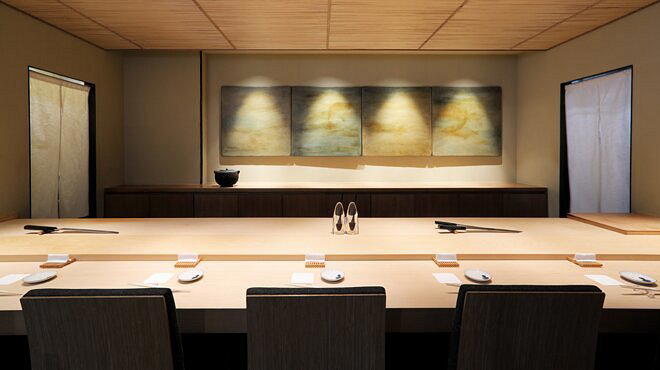
Bars in Fujiyoshida
Browse all →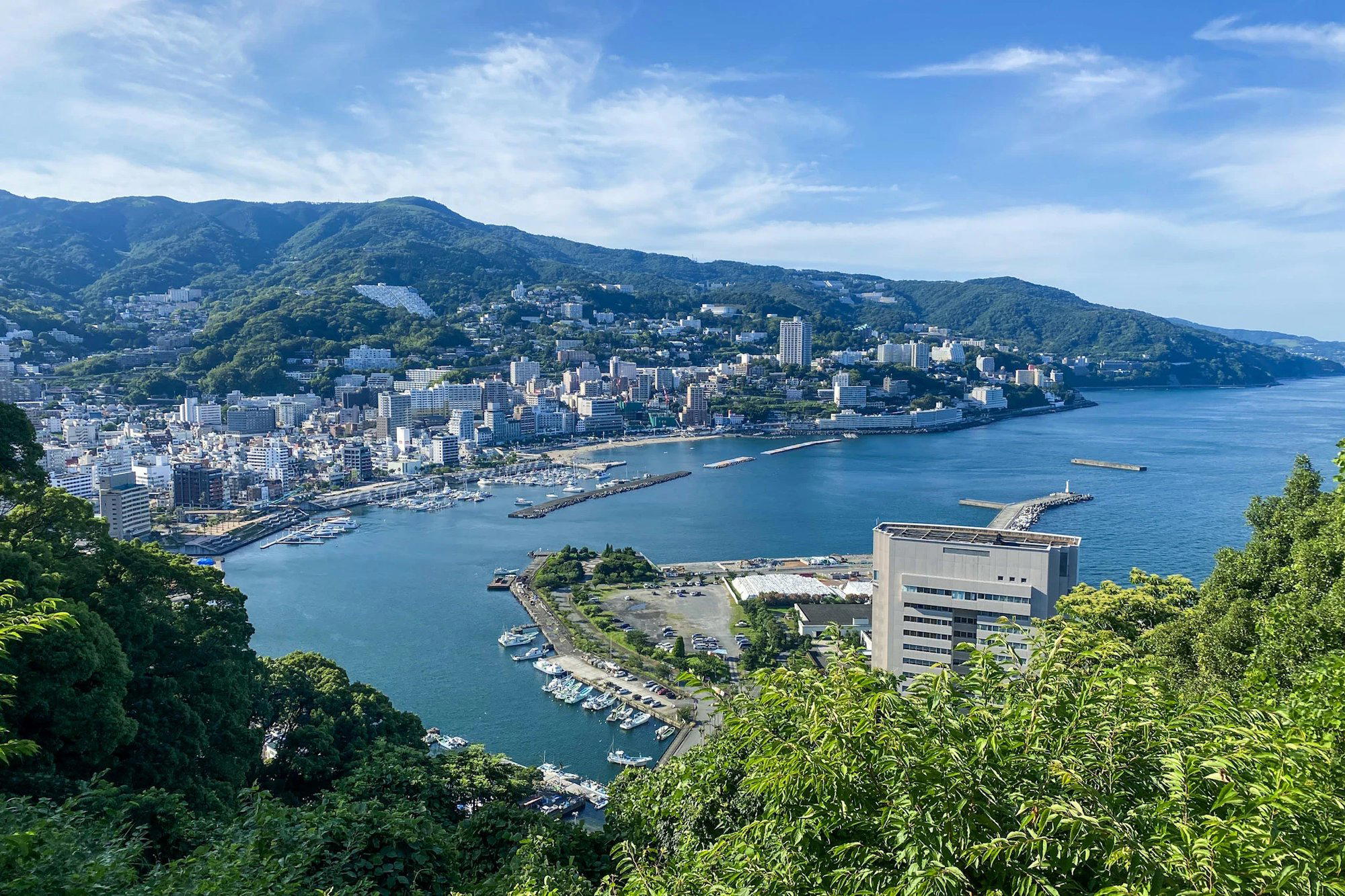
Hotels in Fujiyoshida
Browse all →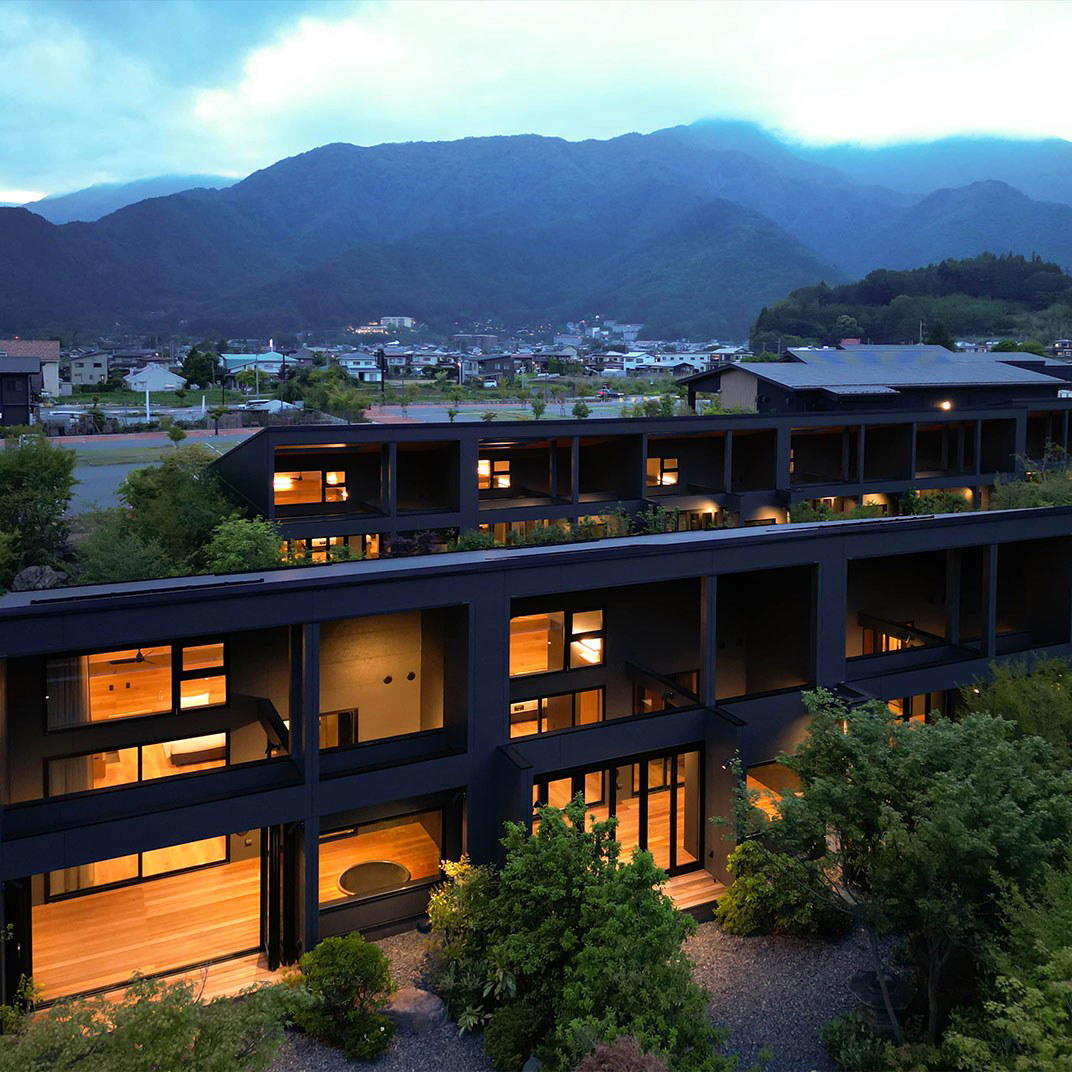

Wineries in Fujiyoshida
Browse all →
Details
- Classic
- Cozy
- Solo
- Family
- Casual Hangout
- Group Dining
- Standalone
- A La Carte
Current opening hours
- Monday
- 10 AM–2 PM
- Tuesday
- 10 AM–2 PM
- Wednesday
- Closed
- Thursday
- 10 AM–2 PM
- Friday
- 10 AM–2 PM
- Saturday
- 10 AM–2 PM
- Sunday
- 10 AM–2 PM
Hours can change for holidays and private events. Hours as of .
Simple and no‑frills with a local, canteen‑like feel where families, workers, and travelers share tables in a bright, casual room focused entirely on quickly served bowls of udon.