
Mitorikura 三酉藏 occupies the lower ground level of OCT Park in Shenzhen's Qiaohu district, running robatayaki grills alongside authentic Taiwanese snacks until midnight. The format sits within a broader wave of late-night Japanese-Taiwanese hybrid dining that has found a steady foothold in China's southern cities. A practical choice when the evening runs long and the appetite remains.
Pearl is the En Primeur Club membership app — saves, bookings, and concierge access live there. Same editors, same standards.
- Address
- 侨香路OCTPARK华侨城欢乐时光LG层LG—41B号 Shenzhen
- Phone
- +86 18041090662
 Saves & bookings on Pearl
Fire, Smoke, and the Late Night: Robatayaki in Shenzhen's OCT District
Mitorikura 三酉藏 is a Japanese izakaya with robatayaki and Taiwanese snacks in Shenzhen, at OCT Park on Qiao Xiang Road. Walk into the lower ground level of OCT Park on Qiao Xiang Road after nine in the evening and the sensory register shifts immediately. The grill is the room's organizing principle here, charcoal heat, thin smoke, the low percussion of skewers being arranged on a wood-fired hearth. Robatayaki, the Japanese tradition of cooking over an open fireside, has no flashy preamble; the food and the fire are the performance. Mitorikura 三酉藏 operates in this format, and within Shenzhen's dining circuit it occupies a specific lane: late-night, grill-forward, with Taiwanese snack culture running alongside the Japanese framework.
The Cultural Architecture of Robatayaki
Robatayaki traces its practical origins to the fishing villages of northern Japan, where communal cooking over an open hearth was a function of warmth and efficiency as much as cuisine. The format migrated into urban izakaya culture across the twentieth century, acquiring a social dimension that sets it apart from the precision-service model of kaiseki or omakase. An izakaya is built around duration, you arrive, you order incrementally, you stay. The food arrives in rounds rather than courses, and the pacing belongs to the diner rather than the kitchen.
What Mitorikura adds to that framework is a Taiwanese register, which reflects a longer cultural exchange between Taiwan and Japan that runs through everything from street food vocabulary to drinking culture. Taiwanese snacks, scallion pancakes, braised small bites, skewered items that echo the night market logic of Shilin or Raohe, share the izakaya's rhythm of incremental ordering and communal eating. In a city like Shenzhen, where mainland Chinese, Taiwanese, and Hong Kong dining influences converge with unusual density, this hybrid makes contextual sense rather than reading as a novelty pairing.
For a comparison point across the region, the kind of serious izakaya culture that has developed in mainland China's tier-one cities draws on a similar appetite for informal Japanese formats conducted at a higher quality register than standard chain operations. Venues like Xin Rong Ji (Xinyuan South Road) in Beijing and 102 House in Shanghai point to how Chinese dining audiences have absorbed and reframed Japanese and regional influences within a mainland context. Mitorikura operates at a different register, less fine-dining, more late-night, but it sits within that same broader accommodation of cross-cultural format.
OCT Park and the Neighbourhood Logic
The OCT (Overseas Chinese Town) district has long been one of Shenzhen's more culturally layered precincts. What began as an entertainment and real estate development has accumulated genuine density over time: galleries, creative studios, restaurants, and late-night venues cluster in a way that few other Shenzhen neighbourhoods replicate. OCT Park specifically attracts a post-work and post-cultural-event crowd, people who have already been somewhere and are looking for somewhere to continue, which maps directly onto the izakaya proposition of arriving late and staying later.
The midnight closing time is not incidental. In a city that runs as late as Shenzhen does, a venue that operates until midnight occupies a different competitive position than one that closes at ten. For dining after a show, a gallery opening, or a long business dinner that has moved into social mode, the late kitchen is the operative fact. Shenzhen's broader dining scene, which you can survey through our full Shenzhen restaurants guide, runs a wide range of formats and close times, but reliable late-night quality at the grill level is a narrower category.
Where Mitorikura Sits in Shenzhen's Dining Range
Shenzhen's restaurant offering in 2024 spans from Michelin-level Chinese contemporary, represented by venues like Ensue at the Hotel, through mid-range creative formats at places like AVANT and Fumée, down to the more casual neighbourhood registers occupied by CHI CHING CHIU CHOI and China Lodge. Mitorikura sits closer to the latter category in terms of formality, but the robatayaki format carries its own quality floor: charcoal-grilled food demands fresh product and controlled heat, and the kitchen's credibility rests on that basic discipline rather than on ceremony.
Across the Pearl River Delta, the contrast with Macau's formal dining tier, exemplified by Chef Tam's Seasons in Macau, underlines how different the categories are. Mitorikura is not competing in the fine-dining register, nor attempting to. Its comparable set is informal Japanese and Taiwanese grill venues operating late in Chinese cities, and within that set the combination of format coherence and extended hours is the competitive argument.
Planning a Visit
Mitorikura 三酉藏 is located at LG-41B on the lower ground level of OCT Park (华侨城欢乐时光), accessed from Qiao Xiang Road (侨香路) in the Overseas Chinese Town district. The venue runs until midnight, making it one of the more practical late-evening options in the precinct. Given the informal nature of the format and the neighbourhood's evening foot traffic, arrival without a reservation is feasible earlier in the week, though weekend evenings in OCT draw substantial crowds and some advance planning is advisable.
For other dimensions of Shenzhen after dark, Shenzhen bars guide covers the city's drinking circuit, and Shenzhen hotels guide includes properties across the OCT area. If broader cultural programming is part of the itinerary, Shenzhen experiences guide maps the city's more specialist formats.
Price Lens
Comparable venues nearby, for context on price, style, and recognition.
| Venue | Cuisine | Price | Notes |
|---|---|---|---|
| Mitorikura 三酉藏This venue — the venue you are viewing | Not listed | $$$$ | Not listed |
| SUSHI SHIZUKA (SHENZHEN) | Not listed | $$$$ | Bao'an District, High-end Japanese Omakase Sushi |
| Sei ku | Shenzhen Bay, Refined Japanese Omakase | $$$$ | Not listed |
| Sansheng AFFINITÉ | Not listed | $$$$ | / 海上世界 / Shekou, Modern French Fine Dining |
| La Tablée | OCT, Japanese-French Fusion | $$$$ | Not listed |
| Snshiyi | Futian, Modern Cantonese Dim Sum | $$ | Not listed |
Recognition history
Dated appearances from independent guides and award organizations, with the underlying list record or original source where available.
Star Wine List
Star Wine List
At a Glance
- Lively
- Trendy
- Business Dinner
- Group Dining
- Casual Hangout
- Open Kitchen
- Sake Program
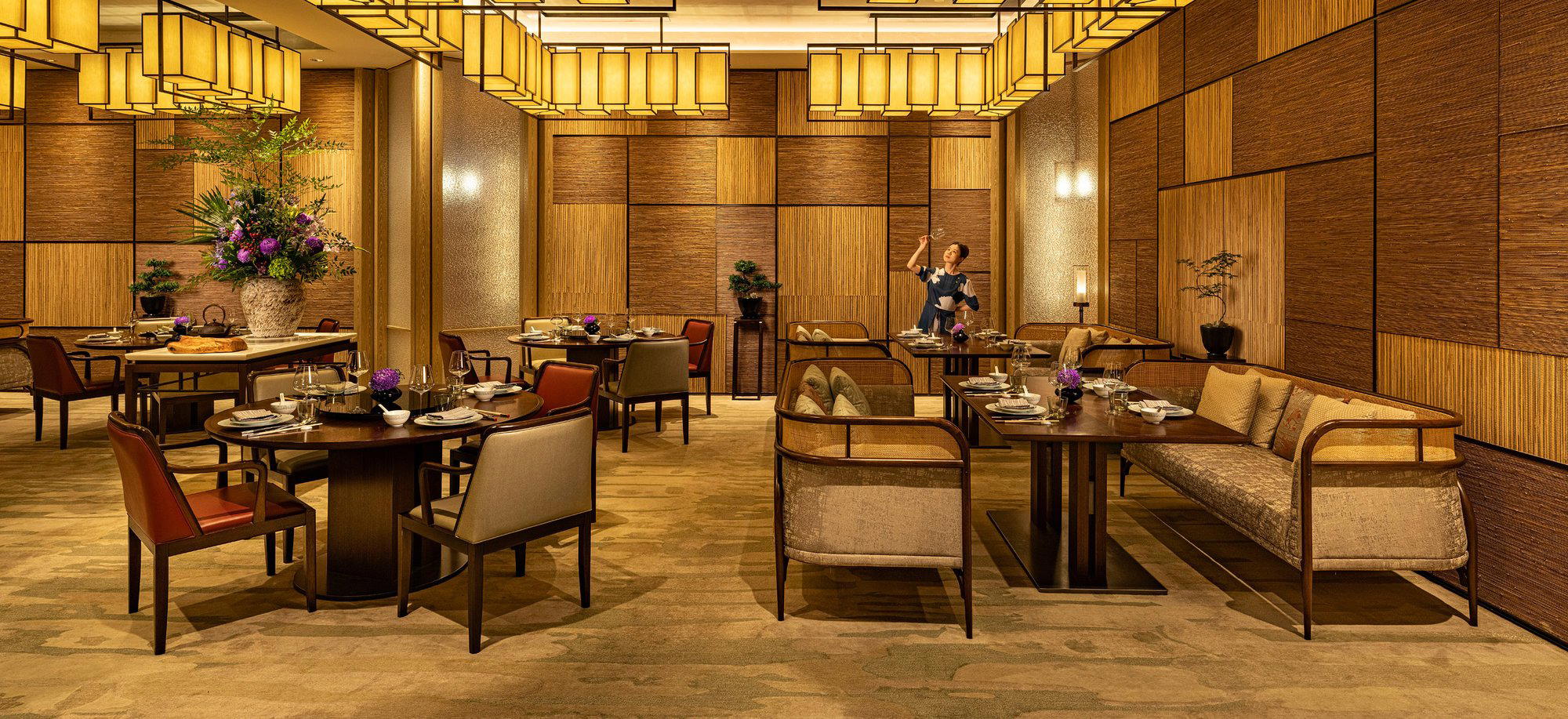
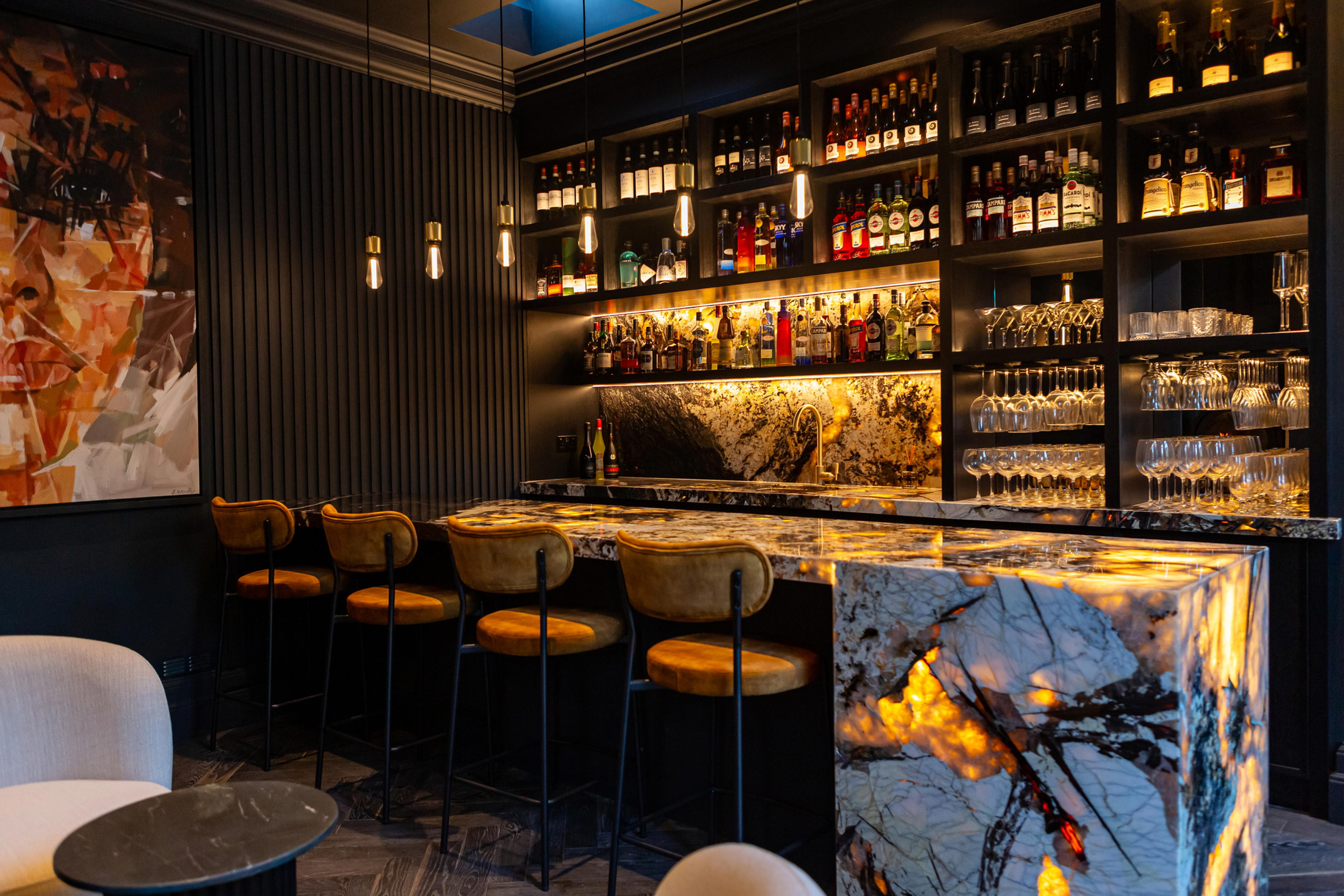
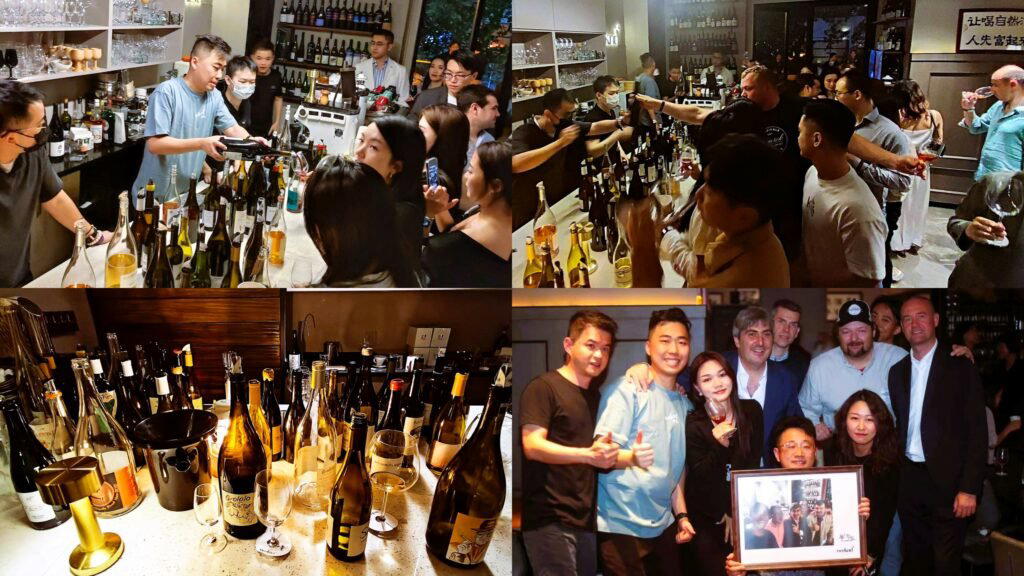
Lively and lively atmosphere well-suited for business dinners or friend gatherings with great food and wine.