
Sansheng AFFINITÉ sits in Shenzhen’s Black Pearl-recognised dining tier, where sourcing discipline matters as much as polish. With a 2026 one-diamond listing, it belongs to the city’s serious restaurant conversation rather than the casual special-occasion circuit, and the draw is the way ingredient quality anchors the experience in a fast-moving city.

Pearl is the En Primeur Club membership app — saves, bookings, and concierge access live there. Same editors, same standards.
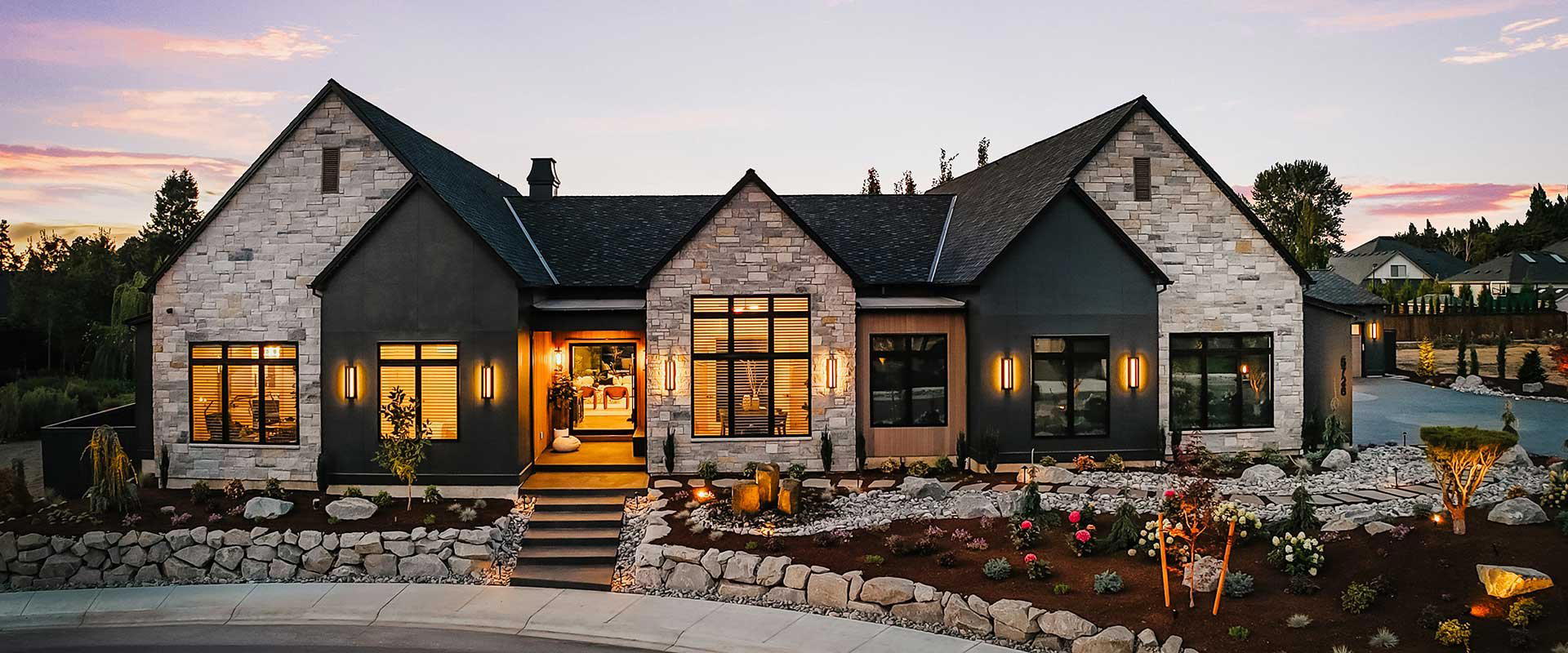
Shenzhen dining rarely announces itself with the old-city theatre of Beijing or the lane-house intimacy of Shanghai. Its stronger restaurants tend to feel newer, sharper and more transactional at first glance: polished rooms, controlled pacing, ingredients chosen for clarity rather than nostalgia. Sansheng AFFINITÉ belongs to that register. The relevant question is not whether the room performs luxury, but whether the cooking can make provenance feel consequential in a city built on speed.
That is where the restaurant’s Black Restaurant Guide 2026 one-diamond recognition matters. In China’s premium dining culture, Black functions as a local-language signal for restaurants operating above the ordinary celebration meal, especially in cities where Michelin coverage and international guide attention do not tell the full story. For Shenzhen, the accolade places Sansheng AFFINITÉ inside a narrower bracket of restaurants judged on consistency, service rhythm and ingredient handling, not just design spend.
Ingredient-led Shenzhen dining, without the heritage costume
Shenzhen’s restaurant identity is different from older Chinese dining capitals because the city has no single inherited culinary orthodoxy to defend. Cantonese technique is close at hand, Chaozhou and Hakka references move easily through the region, and the city’s wealth has created demand for tasting-menu precision, imported produce and private-room discretion. The stronger kitchens here are judged by how intelligently they source and frame ingredients, rather than by how loudly they claim tradition.
Sansheng AFFINITÉ is useful through that lens because its public recognition points to a restaurant competing on refinement within a local premium framework. The name suggests a Francophone idea of affinity, but the smarter reading is broader: a restaurant in Shenzhen has to make ingredients converse across regional expectation, international technique and a clientele accustomed to choice. That sourcing question is not decorative. In this tier, seafood quality, seasonal vegetables, broths, sauces and temperature control become the difference between expense and seriousness.
The absence of a loudly public chef narrative also says something about the category. Shenzhen’s affluent dining rooms often sell certainty: calm service, a controlled room, a menu that does not require the guest to decode a founder’s mythology. That can make the scene feel less romantic than Chengdu or Hangzhou, but it also rewards restaurants that deliver clean execution without theatre. For a wider view of how the city’s restaurant field is developing, Our full Shenzhen restaurants guide is the better starting point than any single address.
What the Black signal tells you in 2026
A one-diamond Black listing is not a casual badge. It marks a restaurant that has entered the guide’s quality conversation, while leaving room above it for the more rarefied two- and three-diamond tier. For diners, that distinction is practical: expect a restaurant aiming at polish and ingredient confidence, not necessarily the ceremony or tariff of the highest national bracket. In Shenzhen, that middle-premium space is increasingly important because the city’s diners move between business meals, family occasions and tasting-led formats with little patience for weak execution.
That makes the restaurant a Shenzhen restaurant to read as part of a broader shift: premium Chinese dining is becoming less dependent on banquet scale and more dependent on sourcing credibility. The better meals in this category are built around restraint, clean sequencing and product quality. The weaker ones confuse expensive inputs with taste. A Black one-diamond listing does not answer every question, but it does give the restaurant a verifiable place in the 2026 conversation.
Readers mapping Shenzhen beyond dinner should keep the city’s wider hospitality pattern in view. Hotels, bars, wineries and cultural experiences are increasingly part of the same premium itinerary rather than separate planning silos; Our full Shenzhen hotels guide, Our full Shenzhen bars guide, Our full Shenzhen wineries guide and Our full Shenzhen experiences guide help place the restaurant in that larger city rhythm.
How to think about the meal
The right expectation is a serious Shenzhen dining room where sourcing and composure carry the weight. This is not the city’s street-food argument, nor a nostalgia play for travellers chasing an old Cantonese dining room. It is better understood as part of Shenzhen’s contemporary premium class: restaurants that borrow the discipline of fine dining, respond to South China’s ingredient culture and serve guests who measure value through precision rather than abundance.
For diners building a China-wide restaurant itinerary, the contrast with other cities matters. Chengdu’s dining energy pulls toward spice, fermentation and regional force; Hangzhou often turns on freshwater delicacy and Jiangnan restraint; Beijing can still frame a meal through roast, banquet and capital-city ceremony. Shenzhen is younger and more fluid. That fluidity is the point. The restaurant’s relevance lies in how it reflects a city where ingredient sourcing has become a marker of confidence.
For further restaurant planning across China and beyond, EP Club’s city pages and venue notes can be useful reference points: 90 Seconds, AVANT, Bazaar, CHI CHING CHIU CHOI, China Lodge, #8 in Chengdu, 100 Century Avenue Cantonese in Shanghai, 167 Shan Hai Li in Fuzhou, 1913 in Hangzhou, 1927 Dong Yuan Si Chu in Xiamen, 1949 - Duck de Chine in Beijing, Jōdo Saké Bar in Los Angeles and Onigiri Time in Pasadena.
How It Compares
Comparable venues nearby, for context on price, style, and recognition.
| Venue | Cuisine | Price | Notes |
|---|---|---|---|
| Sansheng AFFINITÉThis venue — the venue you are viewing | Modern French Fine Dining | $$$$ | Not listed |
| GreenSide | Modern Cantonese | $$$$ | Qianhai |
| Sei ku | Refined Japanese Omakase | $$$$ | Shenzhen Bay |
| AVANT | Avant-Garde Global Fusion | $$$$ | Overseas Chinese Town |
| Gem Garden | Modern Chaoshan Cuisine | $$$ | Futian |
| Palettoæ大å©é¤å | Authentic Italian Trattoria | $$$ | Futian |
Recognition history
Dated appearances from independent guides and award organizations, with the underlying list record or original source where available.
Black Pearl 1 Diamond
Black Pearl
At a Glance
- Elegant
- Intimate
- Modern
- Sophisticated
- Romantic
- Special Occasion
- Date Night
- Business Dinner
- Celebration
- Group Dining
- Standalone
- Design Destination
- Extensive Wine List
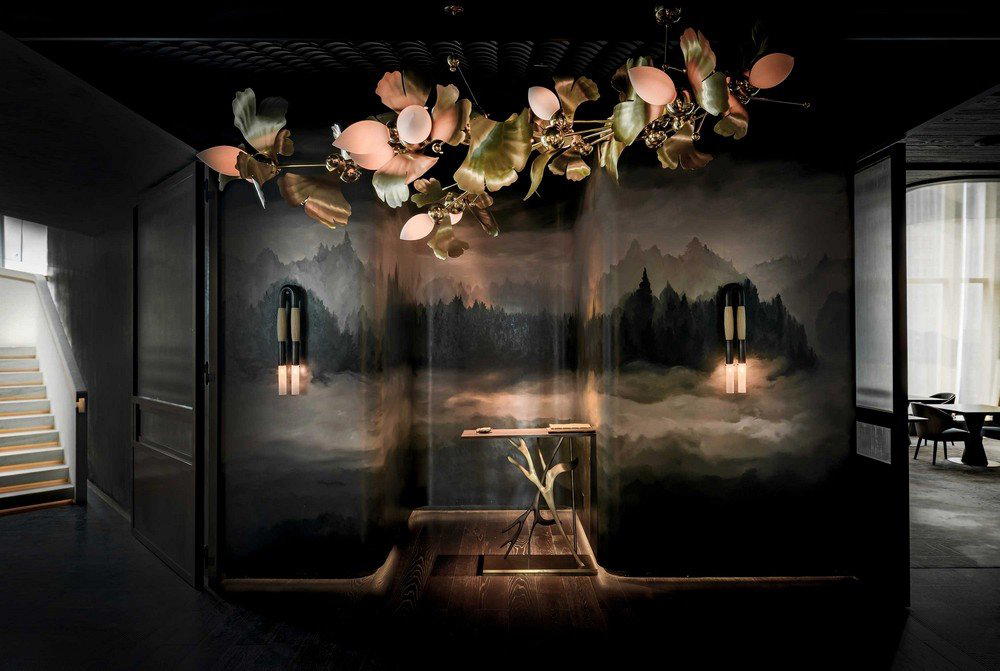
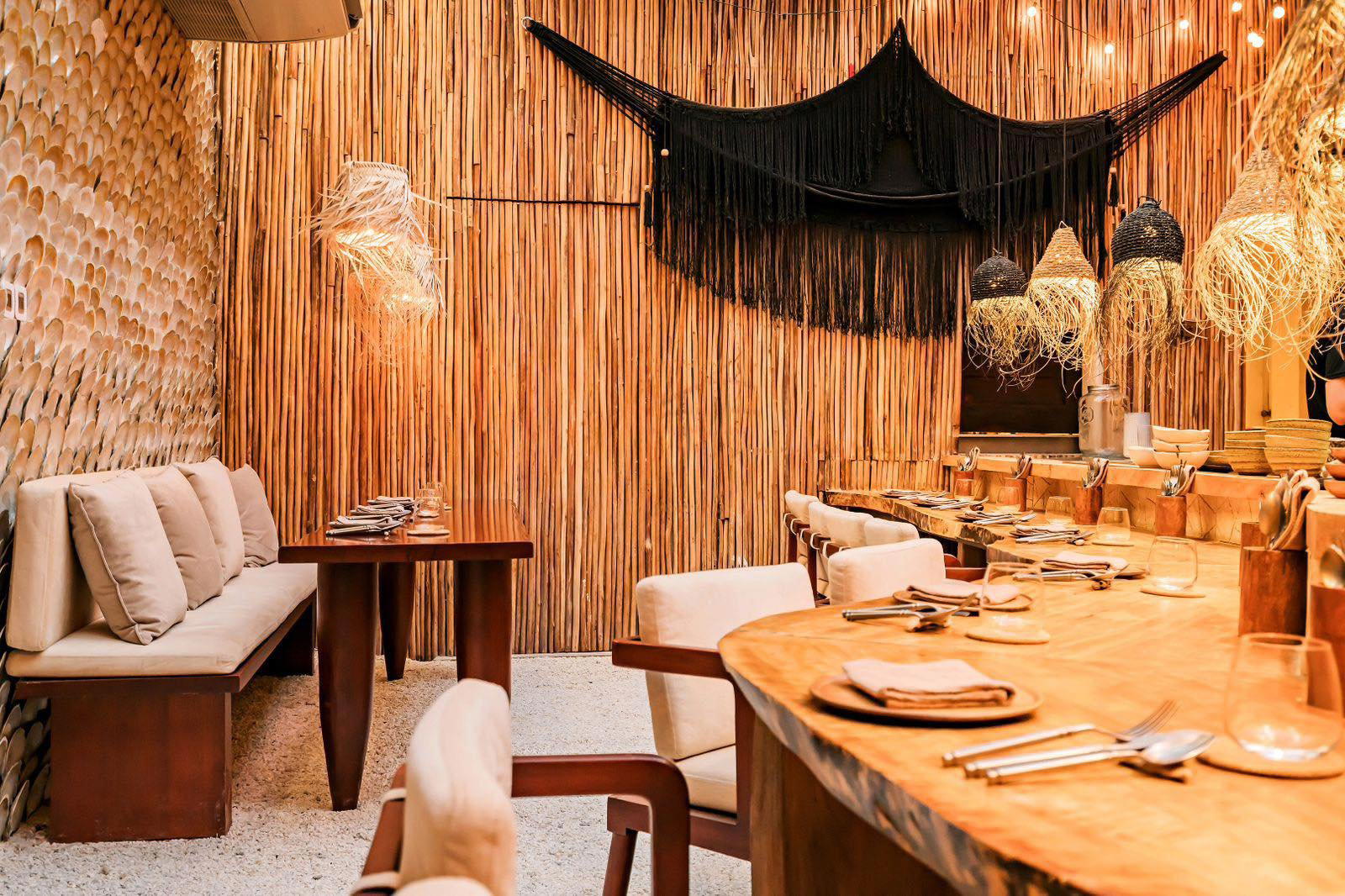
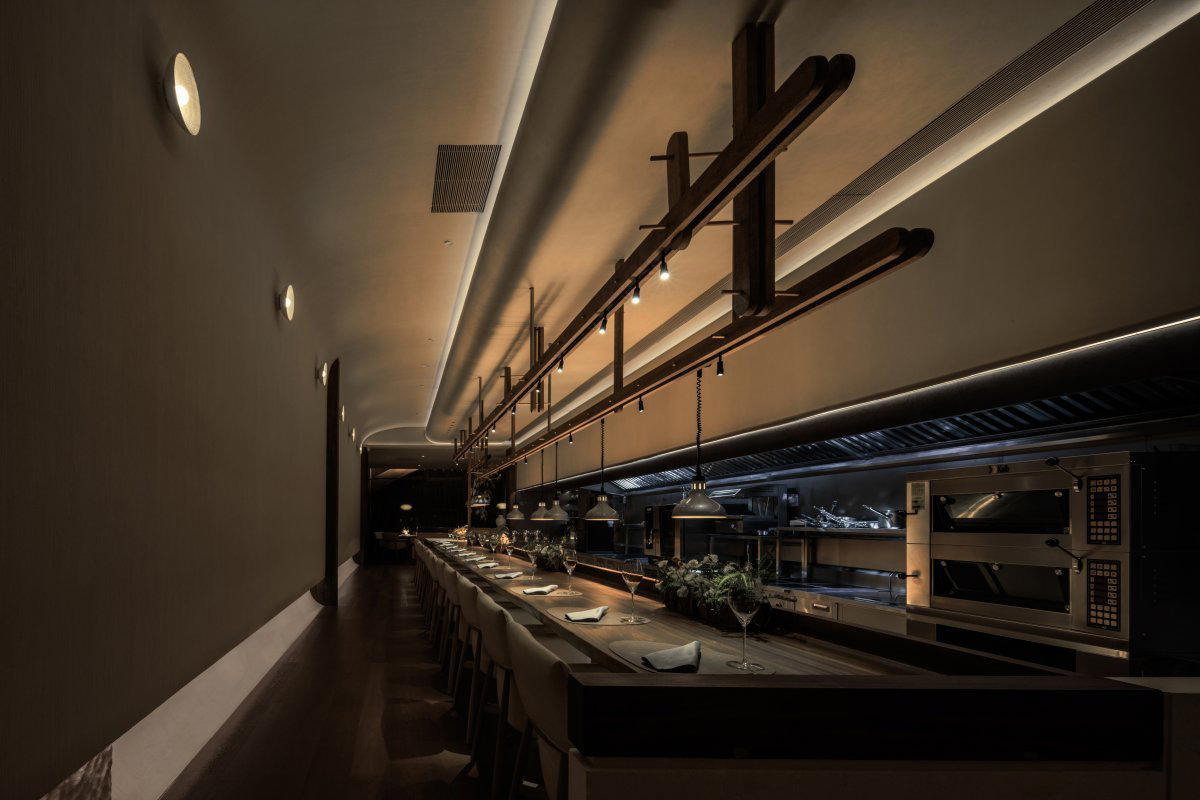
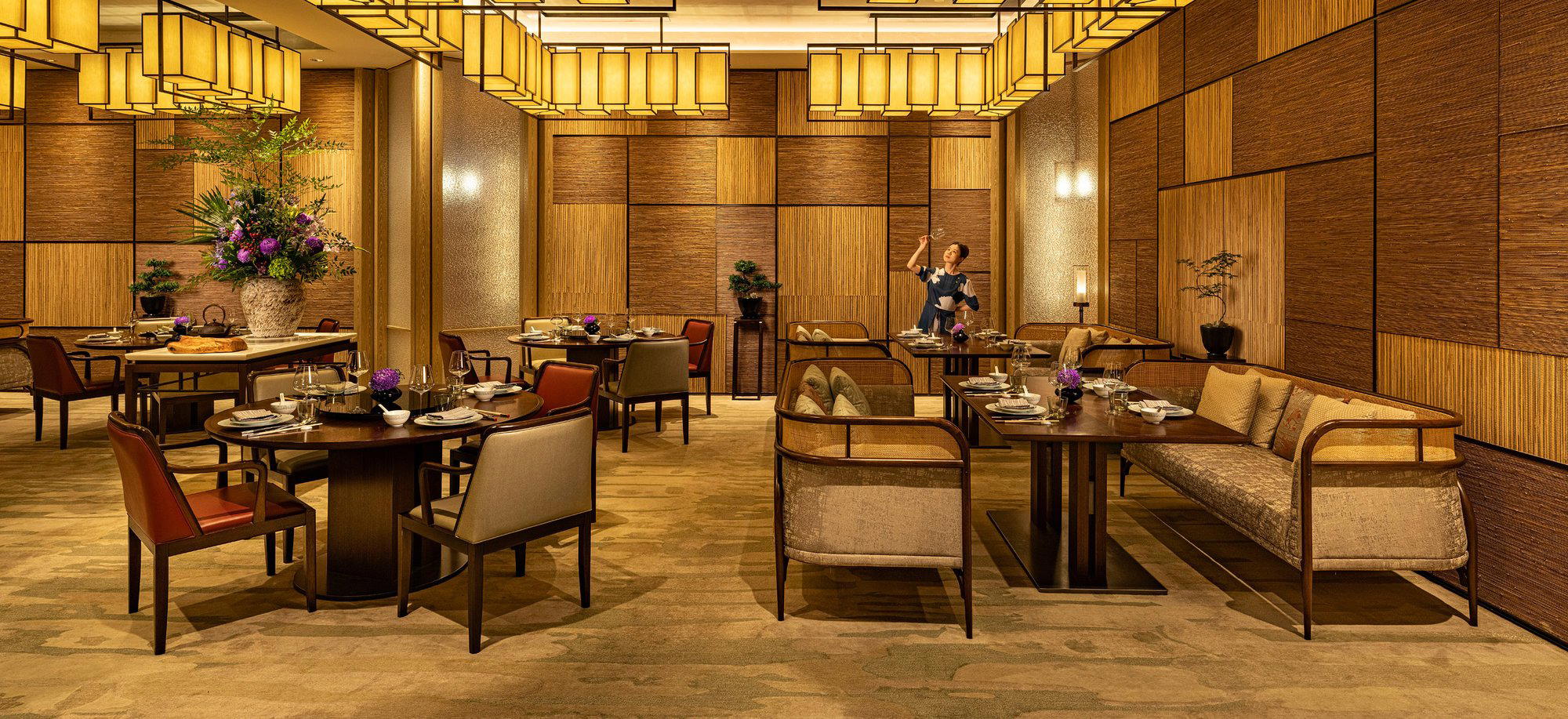
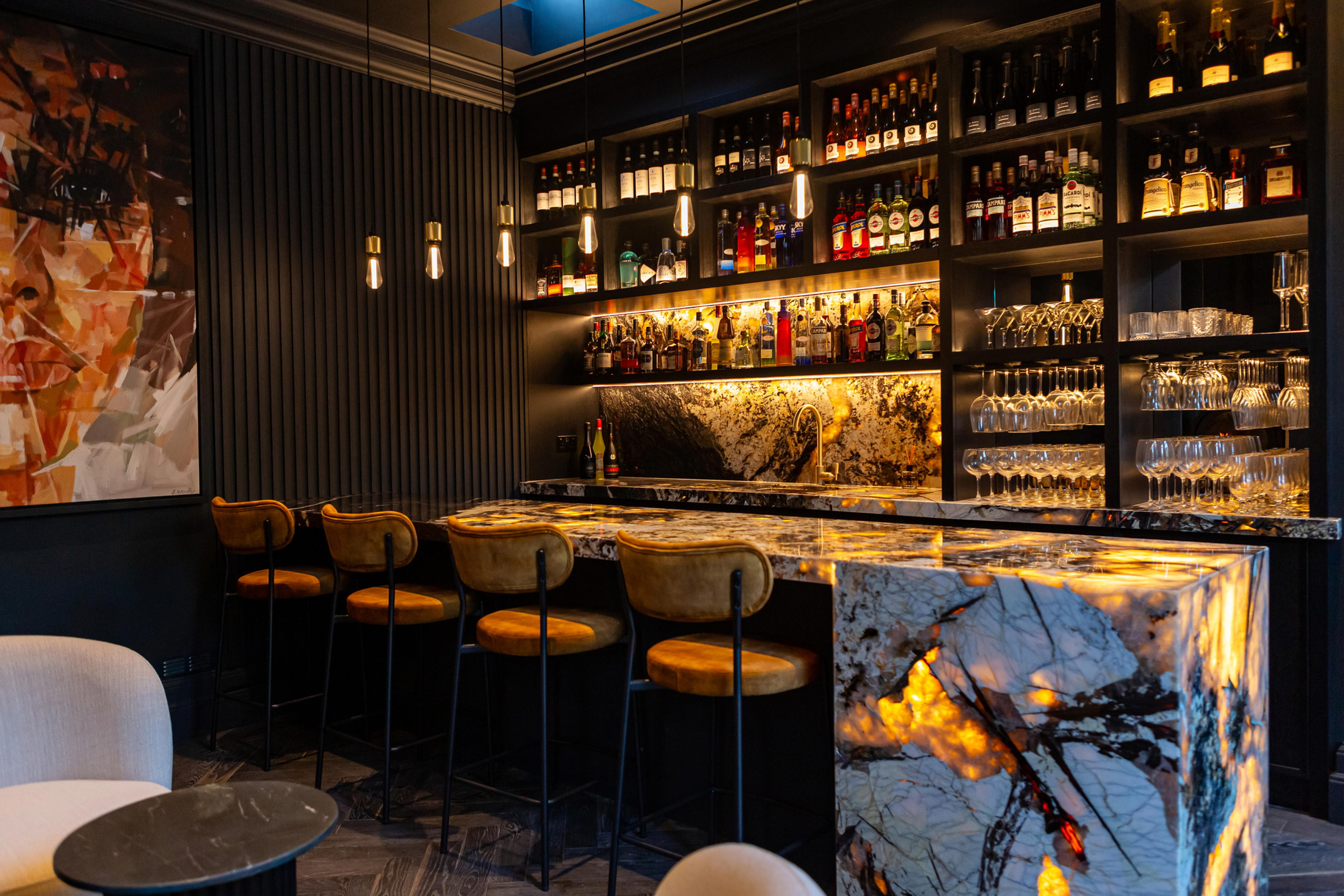
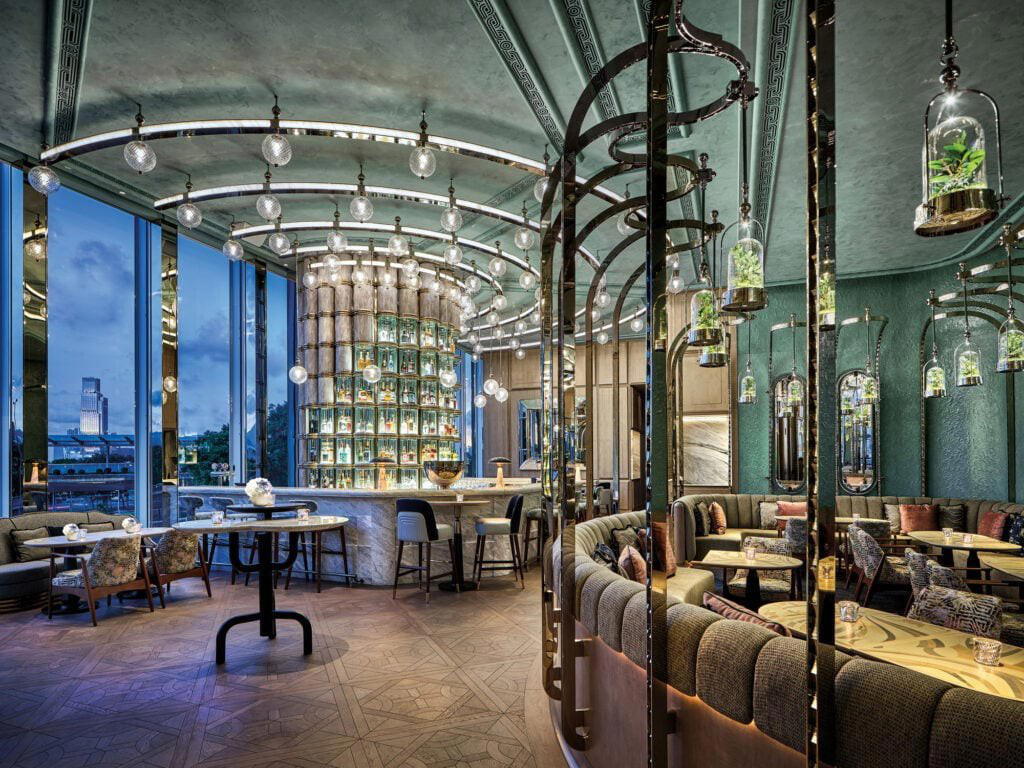
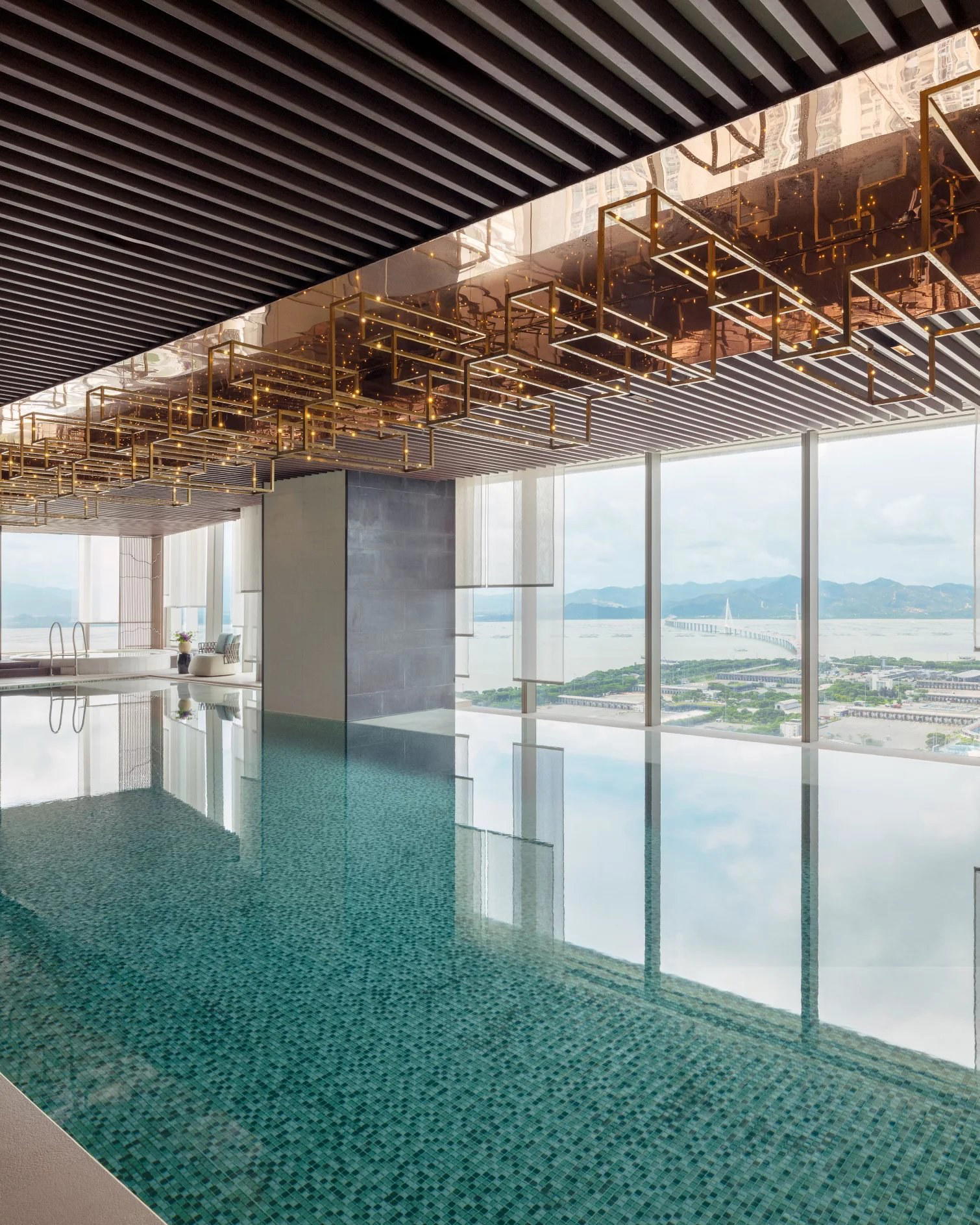
An intimate, elegant fine-dining room with modern design, soft lighting, and a calm atmosphere suited to long multi-course tasting menus rather than casual, noisy dining.