
Black Pearl 1 Diamond
Our verdict
Snshiyi holds a Black Pearl 1 Diamond (2025), placing it among Shenzhen's recognised fine-dining addresses. The restaurant sits within a city whose premium dining tier has expanded rapidly alongside its tech-driven economic growth, offering a meal structured around careful progression rather than spectacle.

Pearl is the En Primeur Club membership app, where members save venues, book tables and use the concierge.
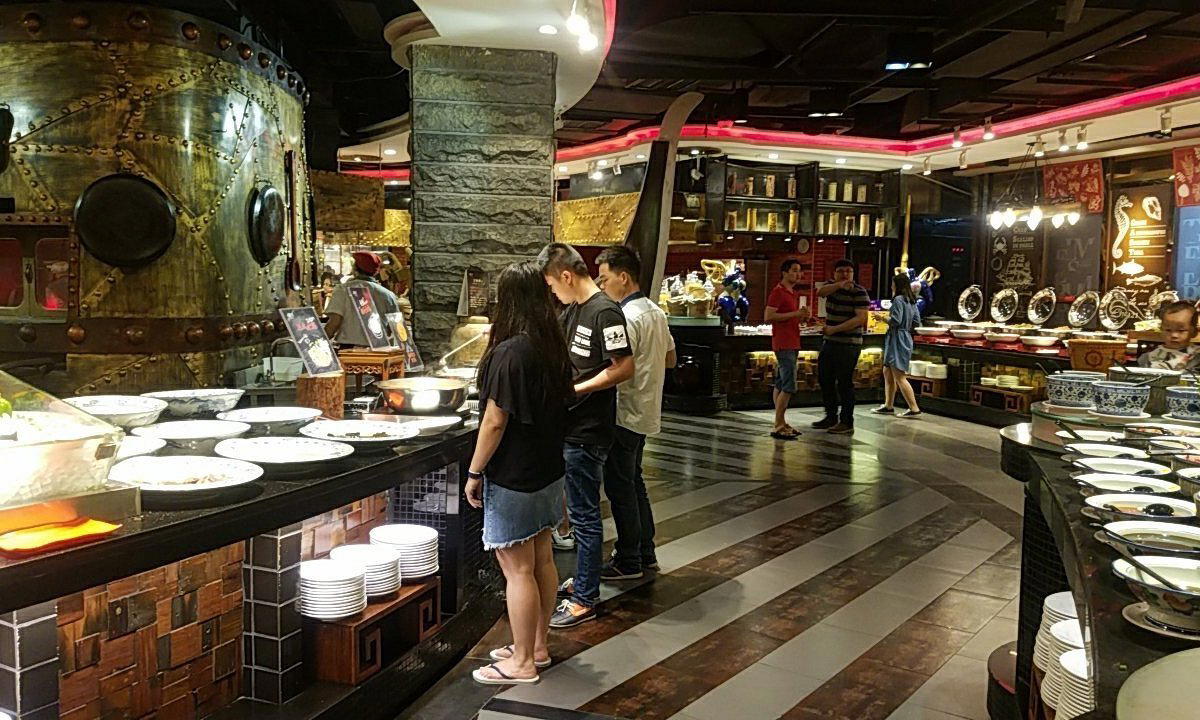
The menu
What to order
- Shrimp dumplings with truffle
- Wagyu beef cheung fun
Where Shenzhen's Fine-Dining Tier Has Arrived
Shenzhen's ascent as a serious dining city has followed a different trajectory than Shanghai or Beijing. Where those cities built their premium restaurant cultures over decades, Shenzhen compressed the process, moving from a manufacturing frontier to a city with Black Pearl-recognised tables within a single generation. That compression shows in the ambition of the restaurants themselves: the expectation at the leading end is not to catch up with older cities but to compete directly with them. Snshiyi's 2025 Black Pearl 1 Diamond award is one marker of that shift, placing the restaurant inside a credentialled peer group that now extends from Guangzhou to the Pearl River Delta at large.
The Black Pearl Restaurant Guide, operated by Meituan, has become the most closely watched awards benchmark in mainland Chinese fine dining, carrying the institutional weight that Michelin holds in European and Japanese contexts. A 1 Diamond designation in the 2025 edition signals that Snshiyi has been evaluated against a national field and found to meet the criteria for premium, consistent dining. For the Shenzhen market specifically, that distinction matters: the city now has enough credentialled tables that a single award no longer guarantees a reservation, but it does place a venue inside the shortlist that knowledgeable diners consult first.
The Architecture of the Meal
In the segment of Chinese fine dining that pursues awards recognition, the format increasingly favours a sequenced tasting structure over à la carte freedom. This is not incidental. The tasting progression allows a kitchen to demonstrate range, control, and narrative over the course of a sitting, which is precisely what guide evaluators reward. Restaurants in this tier across the Pearl River Delta region, from Imperial Treasure Fine Chinese Cuisine in Guangzhou to Chef Tam's Seasons in Macau, have all built their reputations on the strength of a complete meal rather than individual dishes in isolation.
At venues earning Black Pearl recognition in Shenzhen, the progression typically moves through a logic of contrast and accumulation: lighter preparations early, textural complexity in the middle courses, and a closing sequence that returns to restraint rather than excess. This arc is deliberate. It reflects an understanding, common across the refined Chinese dining category, that the most technically demanding work often happens in the opening courses, where the kitchen establishes its precision before the diner's palate tires. The meal's middle section tends to carry the most ingredient-forward statements, and the close is where a kitchen earns the second visit.
Shenzhen's credentialled dining room neighbours reinforce this structural pattern. Ensue has built its reputation on innovative sequencing that treats each course as a discrete argument. AVANT and Fumée operate in the same premium register, each with a distinct editorial logic to how a meal unfolds. CHI CHING CHIU CHOI and China Lodge anchor the Chinese fine-dining spectrum in the city. These venues collectively define a competitive set in which sequence, pacing, and internal coherence of the meal are as evaluated as any single plate.
Shenzhen in the Wider Chinese Fine-Dining Conversation
The Pearl River Delta's premium dining circuit now connects Shenzhen, Guangzhou, and Macau into a coherent regional scene, with diners increasingly treating the three cities as a single extended table rather than separate destinations. This mirrors the pattern visible across China's other major dining corridors: the Yangtze Delta, where 102 House in Shanghai and Ru Yuan in Hangzhou anchor a two-city circuit, or the network reaching from Xin Rong Ji in Beijing to Xin Rong Ji in Chengdu.
What makes Shenzhen's position interesting is its relative youth. The city lacks the deep culinary history of Chengdu or the cosmopolitan layering of Shanghai, which means its fine-dining tier has been built almost entirely within the last fifteen years. The result is a restaurant culture less anchored to regional tradition and more willing to draw on a wider range of references, from Cantonese precision to international structural formats. Internationally, the sequenced fine-dining format that Shenzhen's leading tables deploy has parallels in highly technical Western kitchens: Le Bernardin in New York City and Atomix in New York City both demonstrate how a rigorously controlled progression can become the primary critical argument for a restaurant, regardless of the cuisine's geographic origin.
Planning a Visit
Shenzhen's premium dining tier operates with the booking rhythms you'd expect from a city where top-end reservations are demand-constrained. Black Pearl-recognised addresses in the city typically require advance planning, and given the limited public information currently available on Snshiyi's specific booking channels, the most reliable approach is to treat it as you would any credentialled table in this category: check the restaurant's official platforms or major Chinese dining aggregators, and plan at minimum a week ahead, more during the Lunar New Year period and Golden Week in October when premium reservations across the Pearl River Delta tighten considerably. For context on the broader dining options available alongside Snshiyi, our full Shenzhen restaurants guide covers the current field across categories and price tiers.
If your visit extends beyond a single meal, Shenzhen's hospitality infrastructure has grown in step with its dining ambitions. Our full Shenzhen hotels guide maps the accommodation options, while the Shenzhen bars guide covers the cocktail and drinks scene that has developed in parallel with the restaurant tier. The city's wine culture is addressed in our Shenzhen wineries guide, and for non-dining programming, the Shenzhen experiences guide provides a broader itinerary framework.
Frequently asked questions
What's Snshiyi known for in terms of accolades?
Snshiyi has received recognition including: Black Pearl 1 Diamond (2025).
What's the best thing to order at Snshiyi?
Snshiyi's Black Pearl 1 Diamond recognition in 2025 places it within the tier of Shenzhen restaurants built around sequenced, composed cooking rather than à la carte selection. The kitchen's focus appears to be on a structured tasting format, which is where Black Pearl-recognised venues at this level in the Pearl River Delta tend to concentrate their culinary output.
Do they take walk-ins at Snshiyi?
At the Black Pearl 1 Diamond level in Shenzhen, walk-in availability is generally limited: demand-constrained venues in this tier operate on advance reservations, often booked days or weeks out. Snshiyi's specific booking policy has not been publicly confirmed, so contacting the restaurant directly before visiting is advisable.
What do critics highlight about Snshiyi?
The Black Pearl Diamond Guide, which awarded Snshiyi its 1 Diamond designation in 2025, is the principal critical recognition on record.
Do they accommodate allergies at Snshiyi?
No confirmed allergy or dietary accommodation policy for Snshiyi is publicly available. For tasting-format restaurants at the Black Pearl 1 Diamond level in Shenzhen, communicating dietary requirements at the time of reservation is standard practice. Reaching out directly through the venue's booking channel before your visit is the most reliable approach.
How does Snshiyi's Black Pearl rating compare to other Shenzhen restaurants?
The Black Pearl Diamond Guide's 2025 edition awarded Snshiyi a 1 Diamond designation, which places it among a select group of formally recognised fine-dining addresses in Shenzhen. The city's Black Pearl-listed venues remain fewer in number than those in Guangzhou or Shanghai, meaning a 1 Diamond listing carries meaningful weight within the local dining hierarchy. For visitors cross-referencing the Pearl River Delta circuit, Snshiyi sits at the serious end of Shenzhen's current award-tracked restaurant set.
Peers You’d Cross-Shop
Comparable venues nearby, for context on price, style, and recognition.
| Venue | Cuisine | Price | Awards | Notes |
|---|---|---|---|---|
| SnshiyiThis venue (the venue you are viewing) | Modern Cantonese Dim Sum | $30–50 | Black Pearl 1 Diamond | Not listed |
| Xiangjiao 湘椒 | Hunan Bistro | $10–20 | Star Wine List | Futian |
| CHI CHING CHIU CHOI | Teochew Cuisine | $50–100 | Black Pearl 1 Diamond | OCT Loft |
| Rose Palace | Refined Chaoshan Cuisine | Not listed | Black Pearl 1 Diamond | Futian |
| Qi Wu | Fast Food Chinese | Not listed | Black Pearl 1 Diamond | Dongmen |
| GreenSide | Modern Cantonese | Not listed | Black Pearl 1 Diamond | Qianhai |
Recognition history
Dated appearances from independent guides and award organizations, with the underlying list record or original source where available.
Black Pearl 1 Diamond
Black Pearl
Continue exploring
More in Shenzhen
Restaurants in Shenzhen
All restaurants in Shenzhen →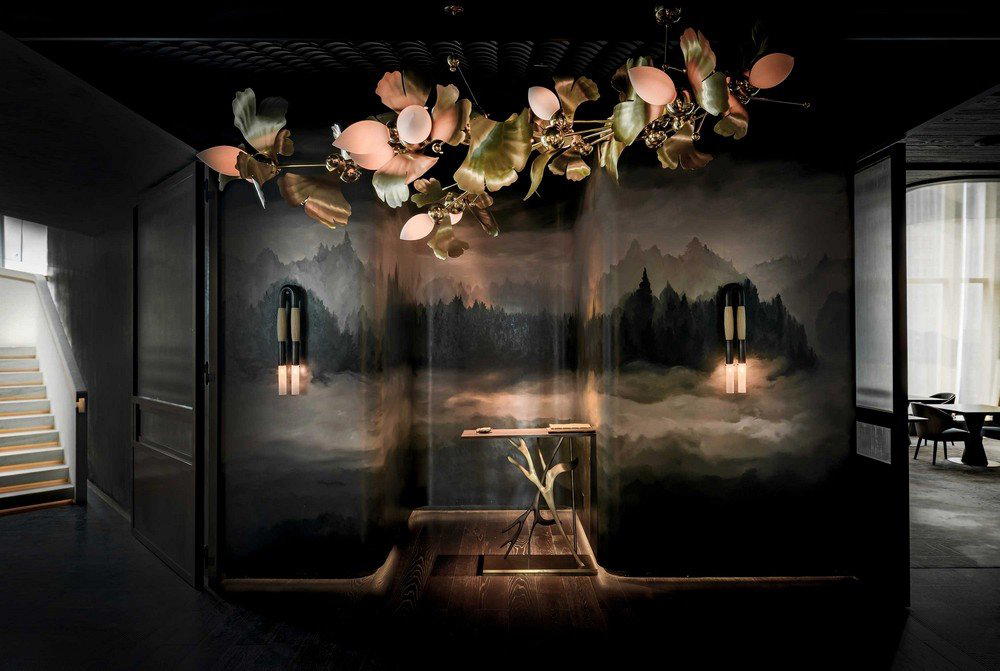
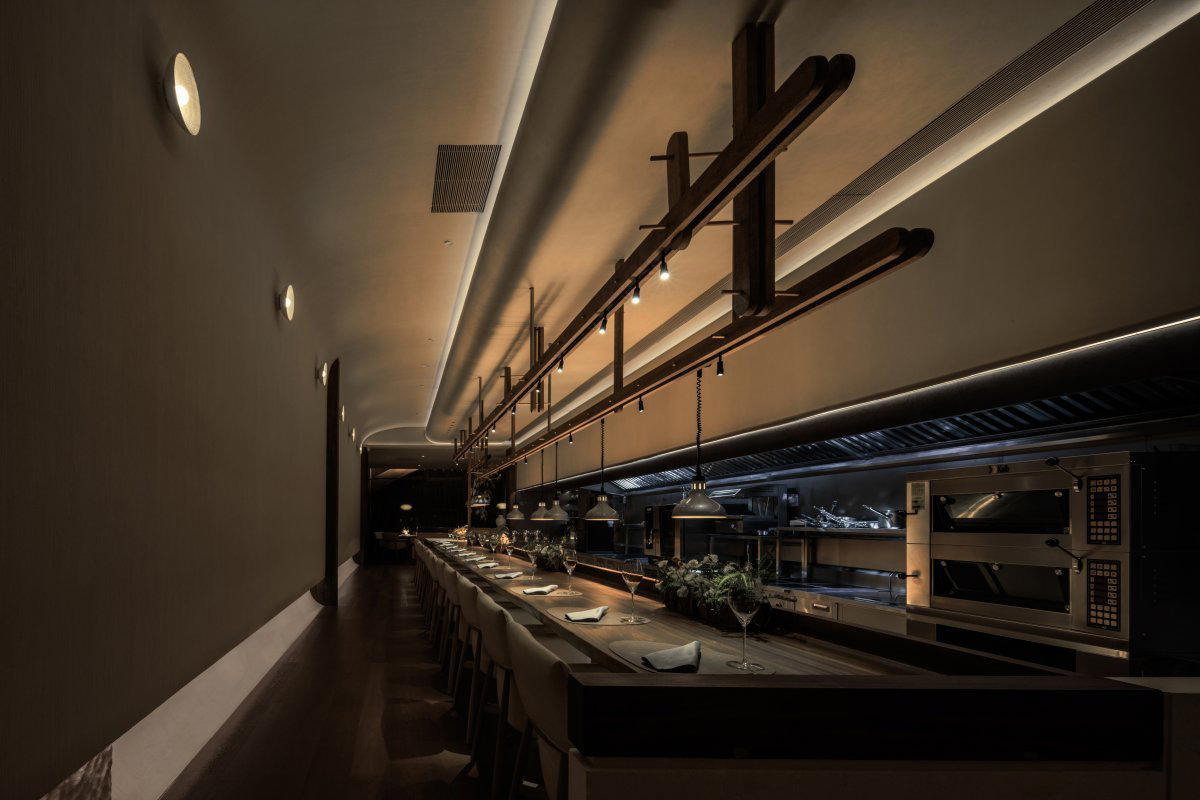
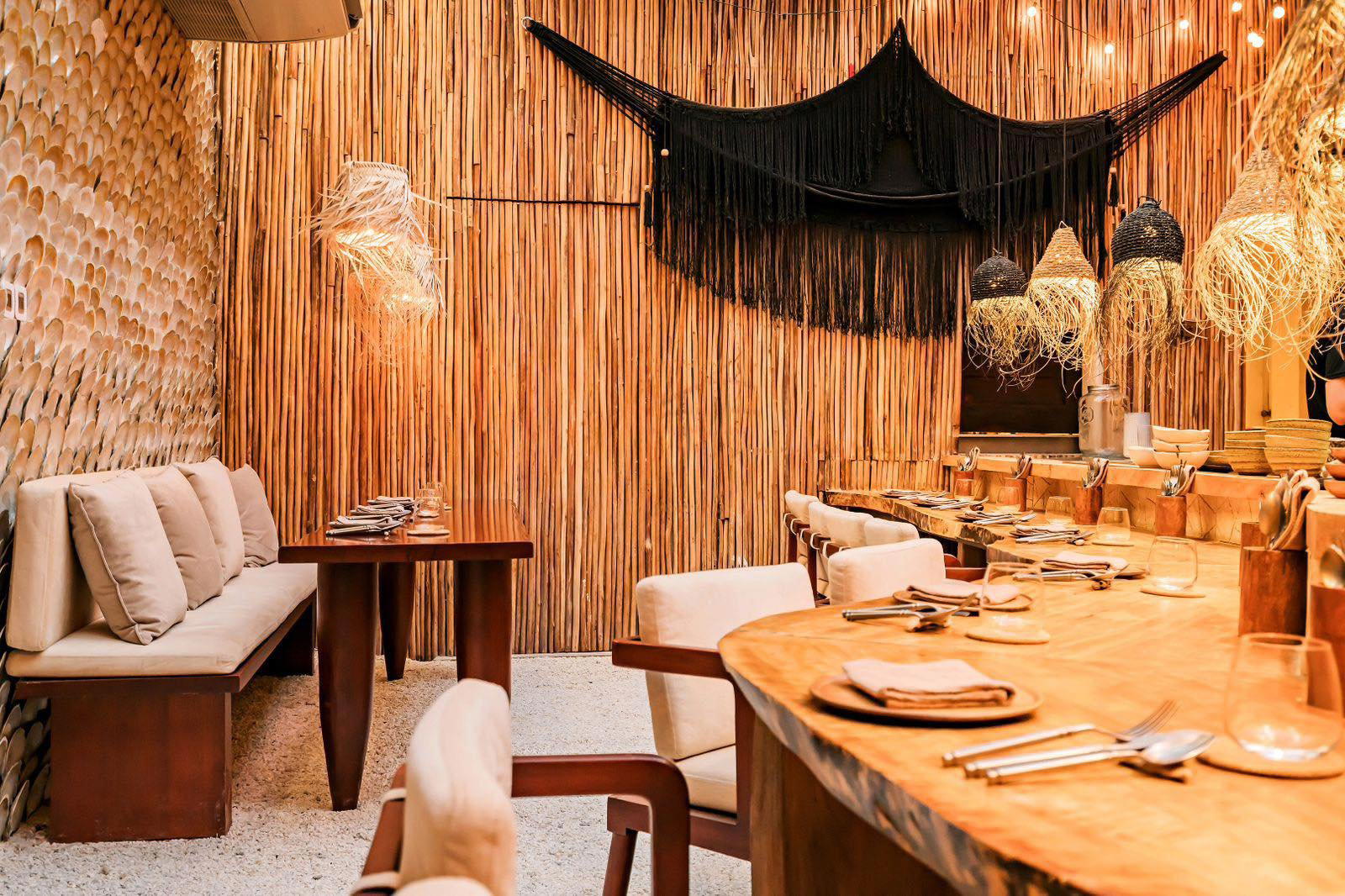
Bars in Shenzhen
All bars in Shenzhen →
Details
- Modern
- Trendy
- Date Night
- Business Dinner
- Group Dining
- Open Kitchen
- Craft Cocktails
- A La Carte
- Small Plates
- Craft Cocktails
- Vegetarian Friendly
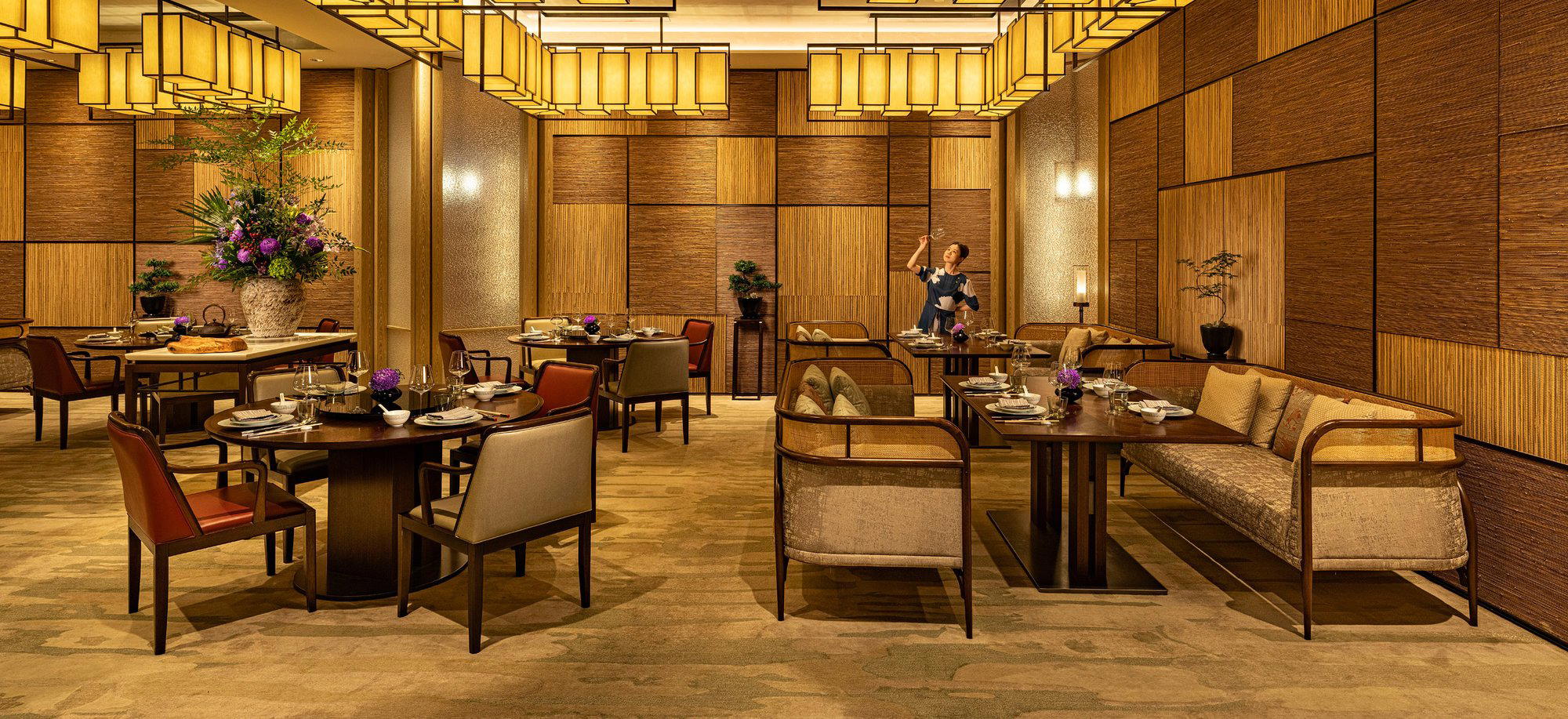
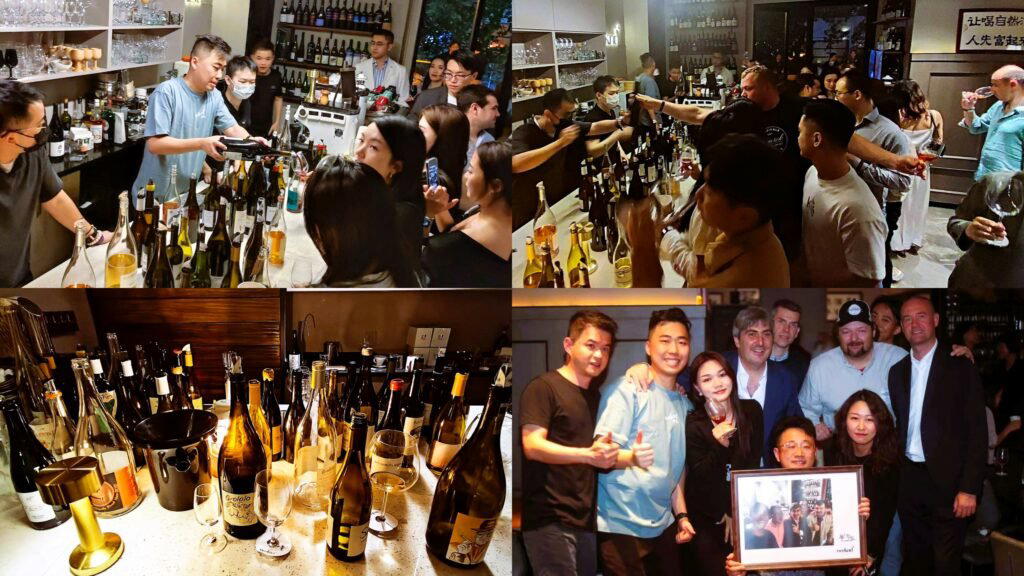
Contemporary dining room with soft ambient lighting, sleek decor, and an energetic yet refined atmosphere.