







Ensue - Shangri La Hotel places Shenzhen’s Chinese contemporary dining in a sharper frame: high-heat Chinese technique, French kitchen discipline, and a wine program with repeated Star Wine List recognition. The restaurant’s award trail includes Black Pearl 1 Diamond in 2025, Asia’s 50 Best Restaurants ranking at #85 in 2025, and La Liste scores across 2025 and 2026.
Pearl is the En Primeur Club membership app — saves, bookings, and concierge access live there. Same editors, same standards.
- Address
- 40F, Futian Shangri-La Hotel, 4088 Yitian Rd, Futian District, Shenzhen, Guangdong, 518048, China
- Phone
- +86 755-8393 9235
- Website
- ensue-sz.com
- Directions
- Get directions
 Saves & bookings on Pearl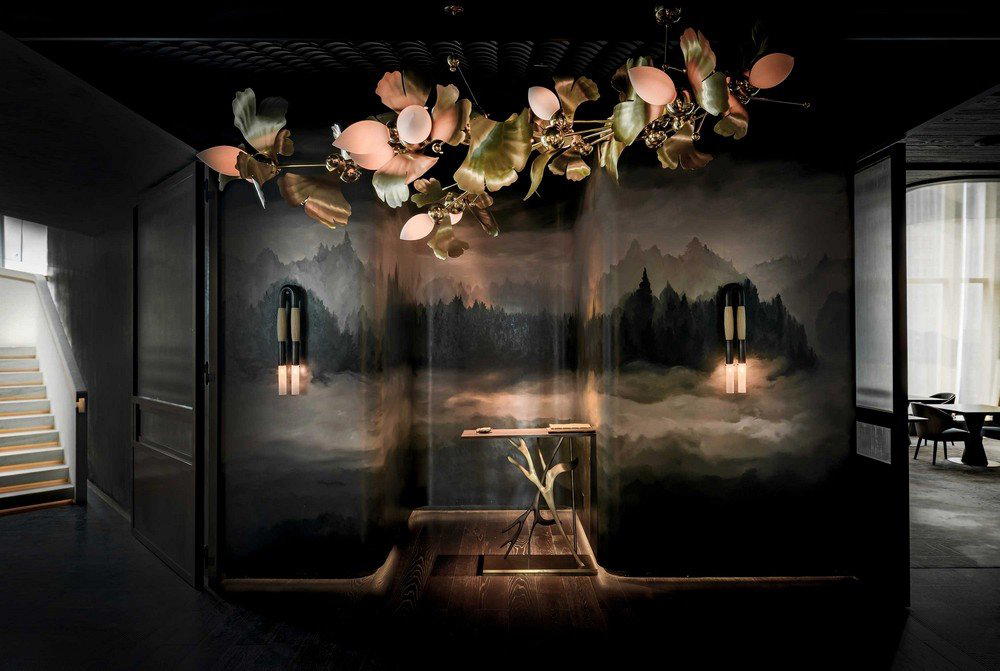
Ensue - Shangri La Hotel is a Chinese Contemporary restaurant in Shenzhen. The verified profile is concise: Jeff Wu is the chef associated with the venue, the dress code is formal, and the restaurant has Star Wine List recognition for 2026.
That limited set of confirmed facts is enough to frame the dining decision without inventing details. Ensue - Shangri La Hotel sits in Shenzhen’s restaurant conversation as a formal Chinese Contemporary address rather than a casual stop. Beyond that, specific claims about dishes, pricing, seating, service format, or a detailed beverage program should be treated cautiously unless confirmed directly by the restaurant.
Chinese contemporary dining, judged by heat rather than ornament
Chinese Contemporary is the verified cuisine here, and the category is broad. It can include modern technique, polished presentation, and references to regional Chinese ingredients or methods, but no specific menu format or signature dish is verified for this listing.
Ensue is described in verified recognition notes as the first Chinese venture by three-Michelin-starred chef Christopher Kostow, combining traditional French culinary techniques with local Chinese ingredients. Jeff Wu is the chef associated with Ensue - Shangri La Hotel. Those facts establish the restaurant’s broad culinary direction, while leaving the details of the current menu to be confirmed at booking.
The confirmed recognition is Star Wine List in 2026.
For readers comparing formal Chinese dining in and around the guide, other relevant listings include FOO, Four Seasons Pavilion · Rùn, Fumée, Hong Kong Cuisine, and Taozui Guan. The useful comparison is not a claim that they share the same format, but that Shenzhen offers several ways to approach polished Chinese dining.
Why the wine recognition changes the meal's center of gravity
Star Wine List recognition in 2026 is the confirmed drinks-related accolade for Ensue - Shangri La Hotel. That recognition can matter to diners who care about how wine is considered in a formal restaurant setting, but the page does not verify cellar size, pairings, producers, or a specific wine-service style.
For that reason, the safest editorial reading is restrained: wine recognition is part of the restaurant’s public profile, while the exact shape of the beverage experience should be checked directly with the venue. Diners with strong preferences should ask in advance rather than assume a particular pairing format or bottle range.
Within Shenzhen, Ensue - Shangri La Hotel can be read as a formal Chinese Contemporary option with confirmed wine-list recognition. Other dining in the city may emphasize different strengths, from classic Chinese cooking to more contemporary settings, but comparisons should be made on current confirmed details rather than unverified rankings or menu claims.
The Shenzhen decision: formal Chinese Contemporary dining
The practical reading is simple. Ensue - Shangri La Hotel is a formal Chinese Contemporary restaurant in Shenzhen associated with chef Jeff Wu. It is best approached with the formal dress code in mind.
Hours are verified as Monday to Friday from 11 AM to 10:30 PM, and Saturday to Sunday from 9 AM to 10:30 PM.
Ensue - Shangri La Hotel is worth reading within Shenzhen’s broader dining landscape as a Chinese Contemporary restaurant with a formal dress code, Jeff Wu attached as chef, and Star Wine List recognition in 2026. The strongest honest recommendation is to use the confirmed facts as a starting point and verify the current menu, price, and service details with the restaurant.
Comparison Snapshot
Comparable venues by cuisine and price in the same metro.
| Venue | Cuisine | Price | Awards |
|---|---|---|---|
| Ensue - Shangri La HotelThis venue — the venue you are viewing | Chinese Contemporary | Star Wine List (2026); Ensue is the first Chinese venture by three-Michelin-starred chef Christopher Kostow, offering a distinctive blend of traditional French culinary techniques and local Chinese ingredients. Located on the top floor of the Futian Shangri-La Hotel in Shenzhen, the restaurant provides dramatic views and aims to deliver a premier high-end dining experience in Southern China.; La Liste Top Restaurants (2026): 76pts; Chef: Jeff Wu document.addEventListener("DOMContentLoaded" function { var el = document.getElementById("Achievements_chefs"); if (el && el.parentNode) { el.parentNode.removeChild(el); } }); Opinionated About Dining Top Restaurants in Asia Ranked #117 (2025); La Liste Top Restaurants (2025): 78.5pts; Black Pearl 1 Diamond (2025); World's 50 Best Asia's Best Restaurants #85 (2025); Star Wine List (2024); Opinionated About Dining Top Restaurants in Asia Ranked #82 (2024); Star Wine List (2023); Opinionated About Dining Top Restaurants in Asia Ranked #44 (2023) | This venue |
| Hong Kong Cuisine | Chinese Contemporary | $$$ | Chinese Contemporary, $$$ |
| Four Seasons Pavilion · Rùn | Chinese Contemporary | ¥¥ | Chinese Contemporary, ¥¥ |
| Taozui Guan | Chinese Contemporary | ¥¥ | Chinese Contemporary, ¥¥ |
Recognition history
Dated appearances from independent guides and award organizations, with the underlying list record or original source where available.
Black Pearl 1 Diamond
Black Pearl
La Liste Top Restaurants
La Liste
Michelin 1 Star
Michelin
Opinionated About Dining Top Restaurants in Asia Highly Recommended
Opinionated About Dining
SCMP 100 Top Tables Restaurants
SCMP 100 Top Tables
Star Wine List
Star Wine List
World's 50 Best Asia's Best Restaurants #79
World's 50 Best
Black Pearl 1 Diamond
Black Pearl
La Liste Top Restaurants
La Liste
Opinionated About Dining Top Restaurants in Asia Ranked #117
Opinionated About Dining
The Best Chef One Knife
The Best Chef
World's 50 Best Asia's Best Restaurants #85
World's 50 Best
Opinionated About Dining Top Restaurants in Asia Ranked #82
Opinionated About Dining
Star Wine List
Star Wine List
Opinionated About Dining Top Restaurants in Asia Ranked #44
Opinionated About Dining
Star Wine List
Star Wine List
Continue exploring
More in Shenzhen
Restaurants in Shenzhen
Browse all →
At a Glance
- Elegant
- Sophisticated
- Modern
- Scenic
- Special Occasion
- Date Night
- Business Dinner
- Celebration
- Open Kitchen
- Panoramic View
- Private Dining
- Hotel Restaurant
- Design Destination
- Extensive Wine List
- Sommelier Led
- Farm To Table
- Local Sourcing
- Organic
- Skyline
Current opening hours
- Monday
- 11 AM–10:30 PM
- Tuesday
- 11 AM–10:30 PM
- Wednesday
- 11 AM–10:30 PM
- Thursday
- 11 AM–10:30 PM
- Friday
- 11 AM–10:30 PM
- Saturday
- 9 AM–10:30 PM
- Sunday
- 9 AM–10:30 PM
Hours can change for holidays and private events. Last verified .
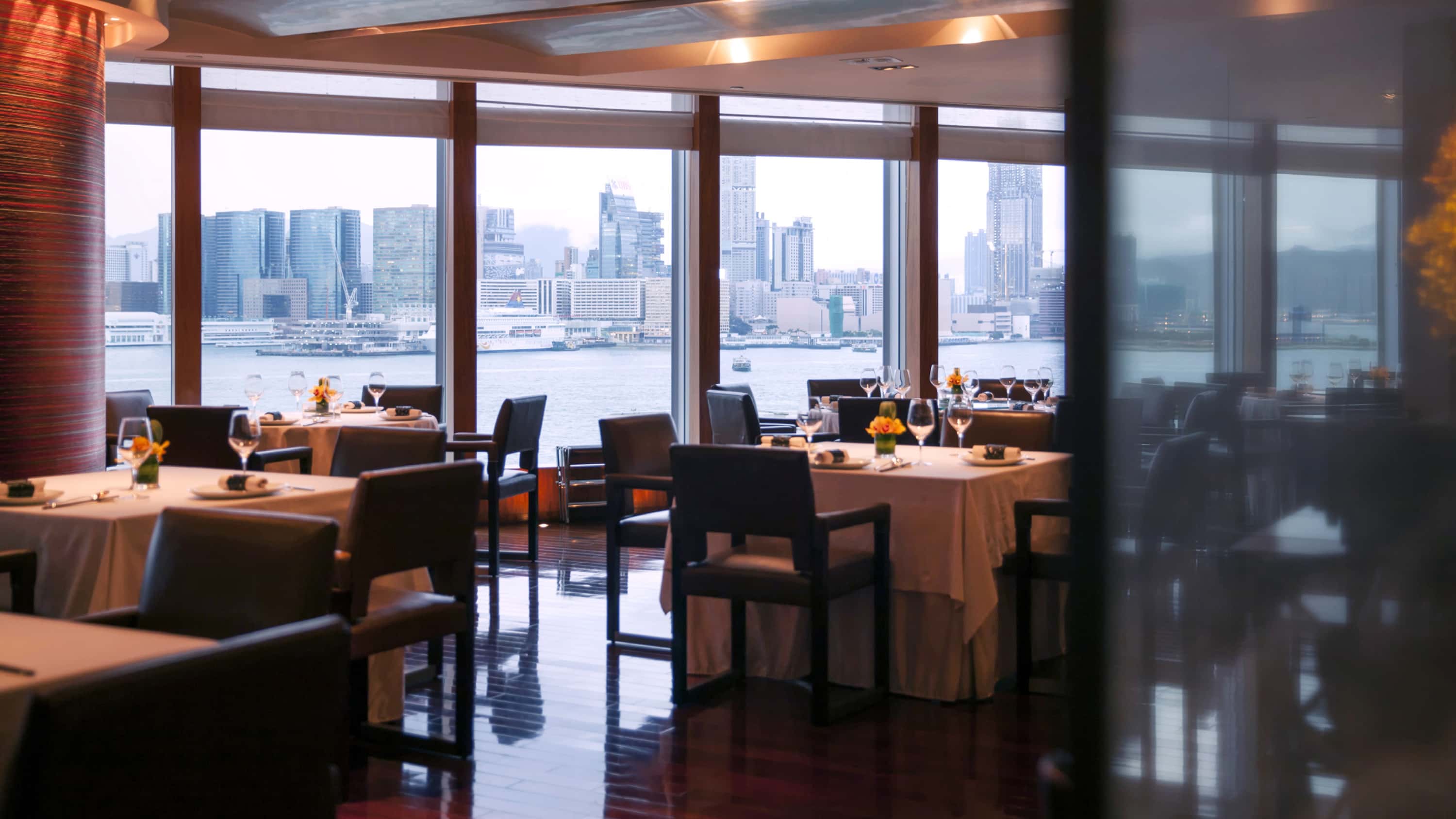
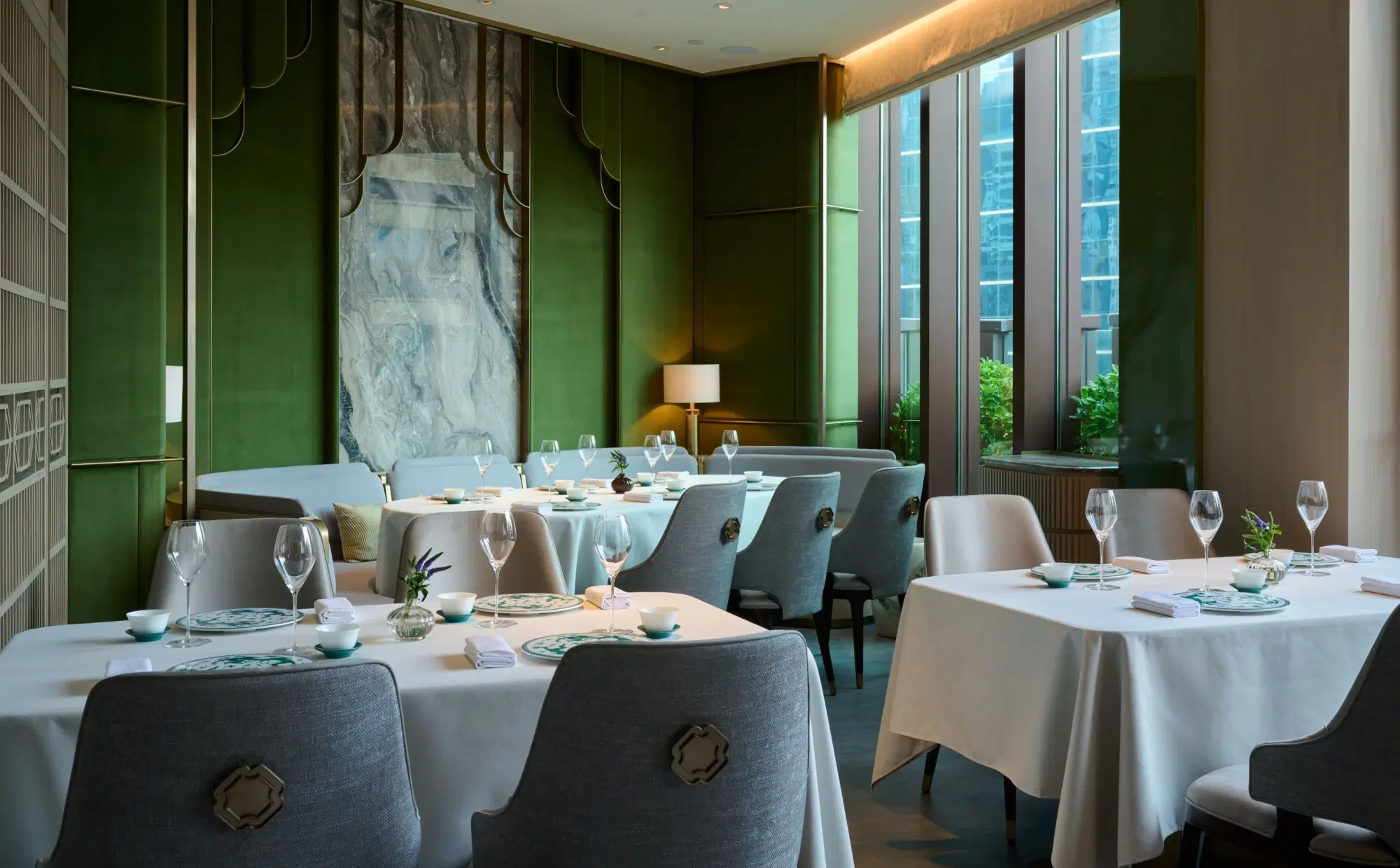
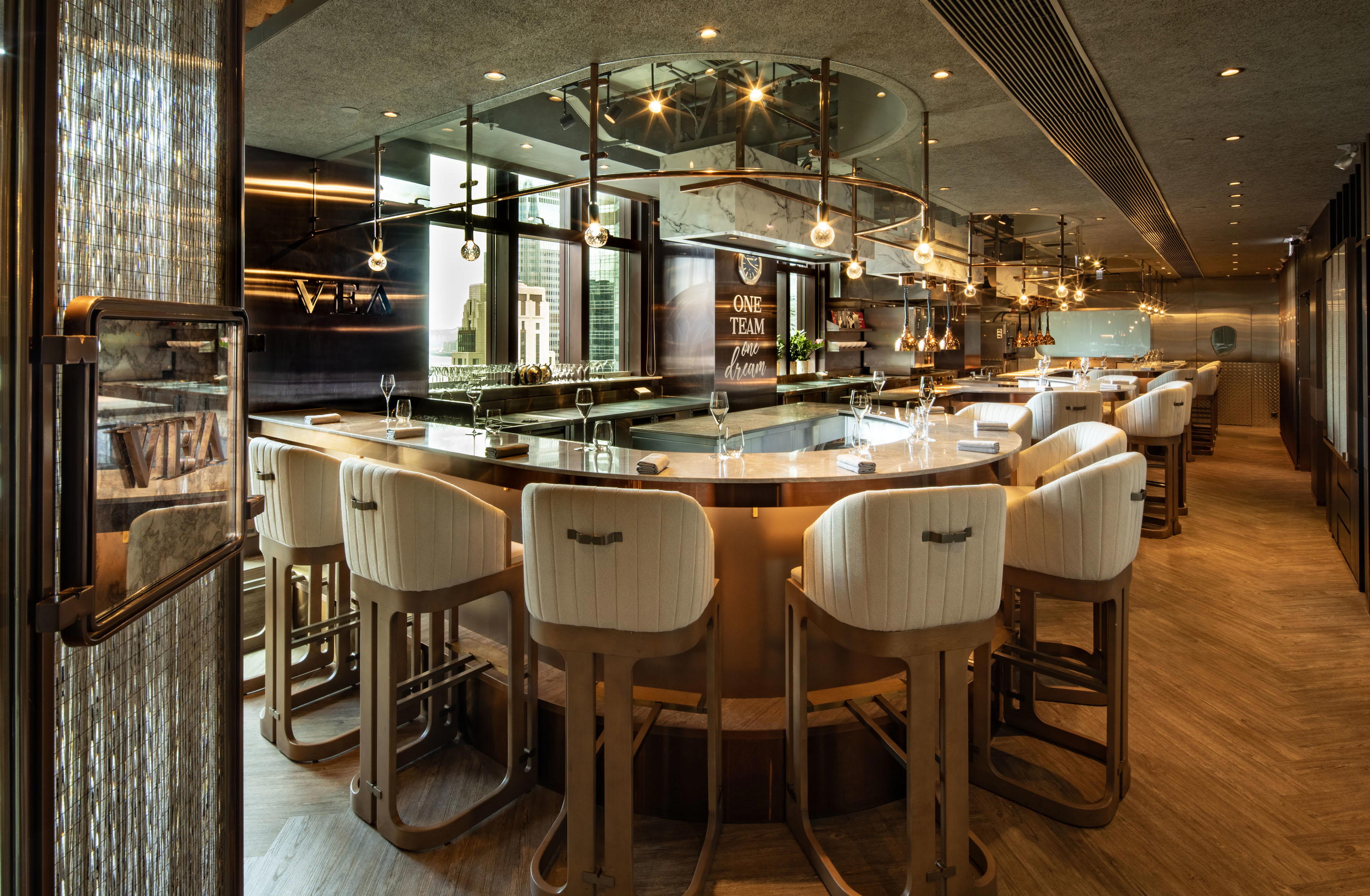
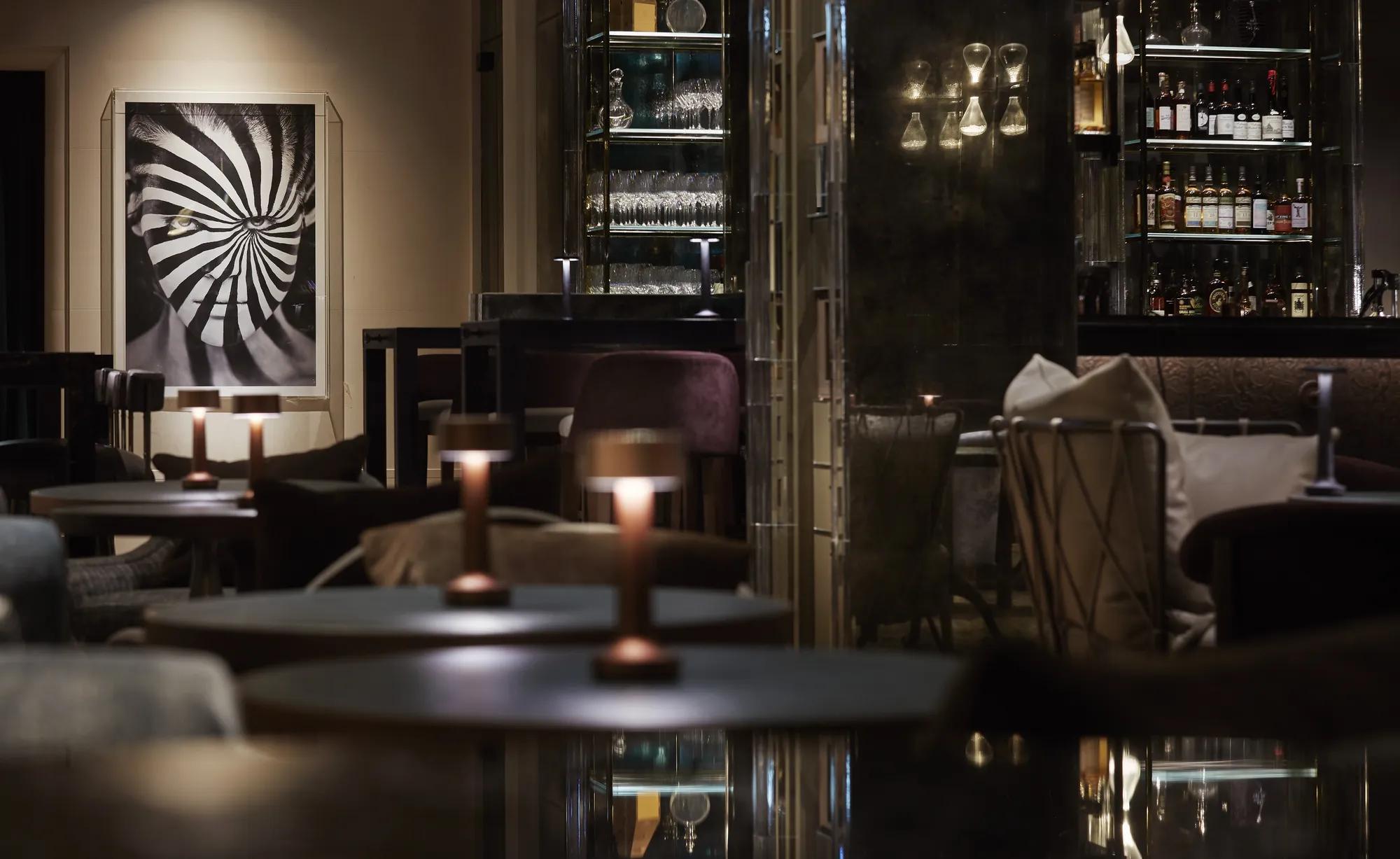
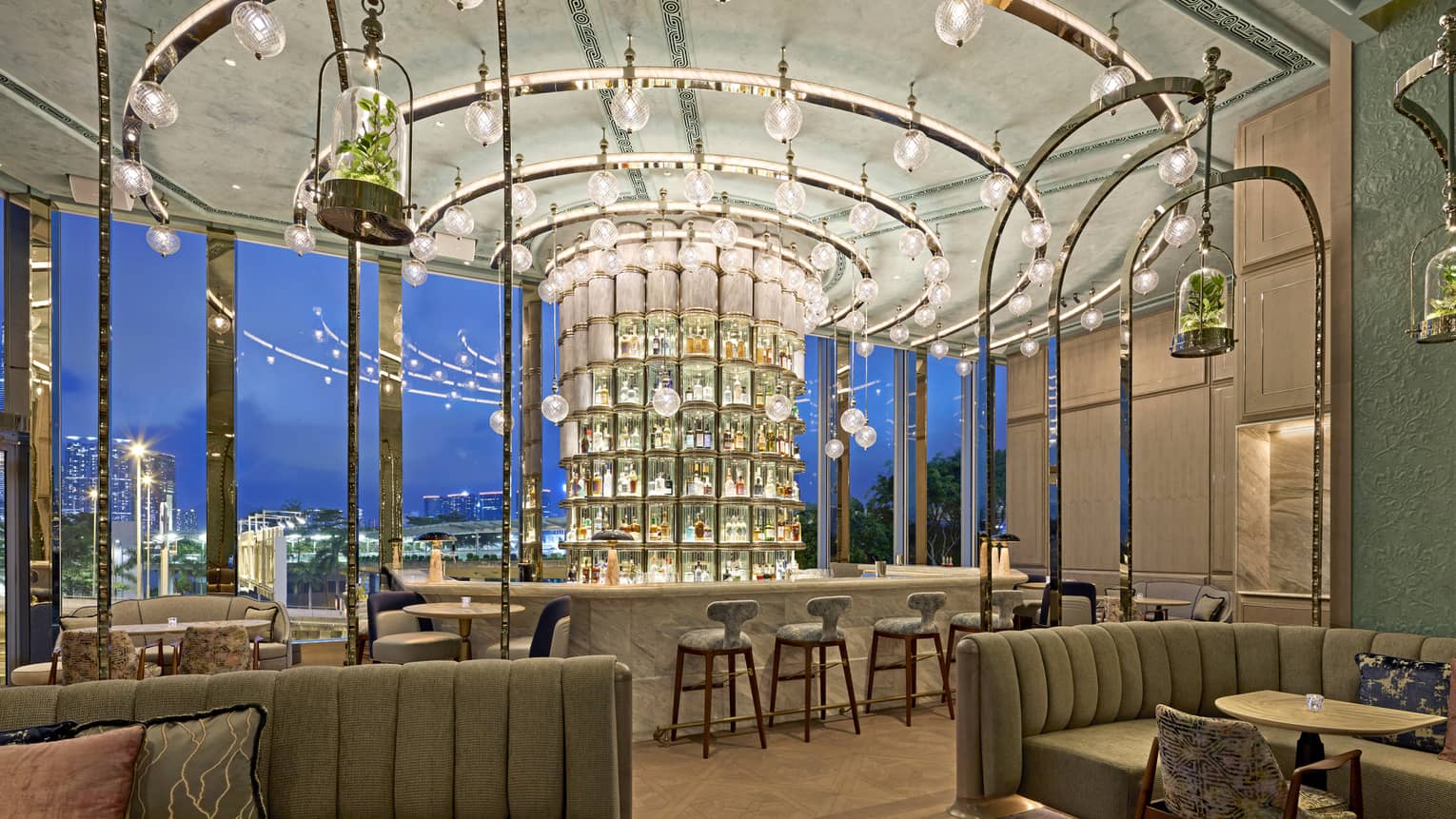
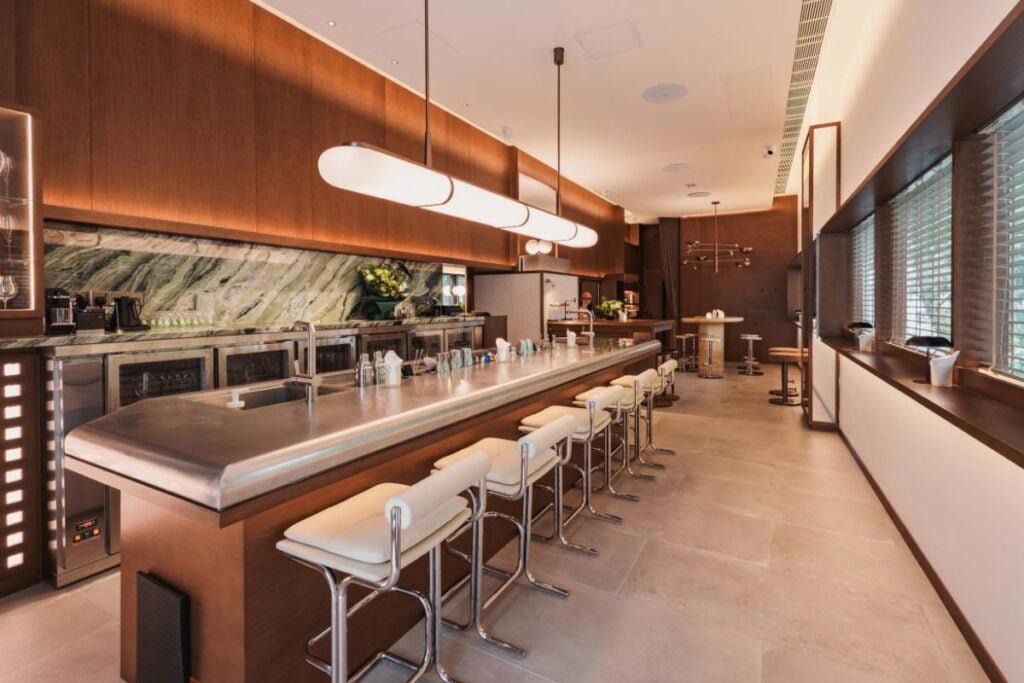
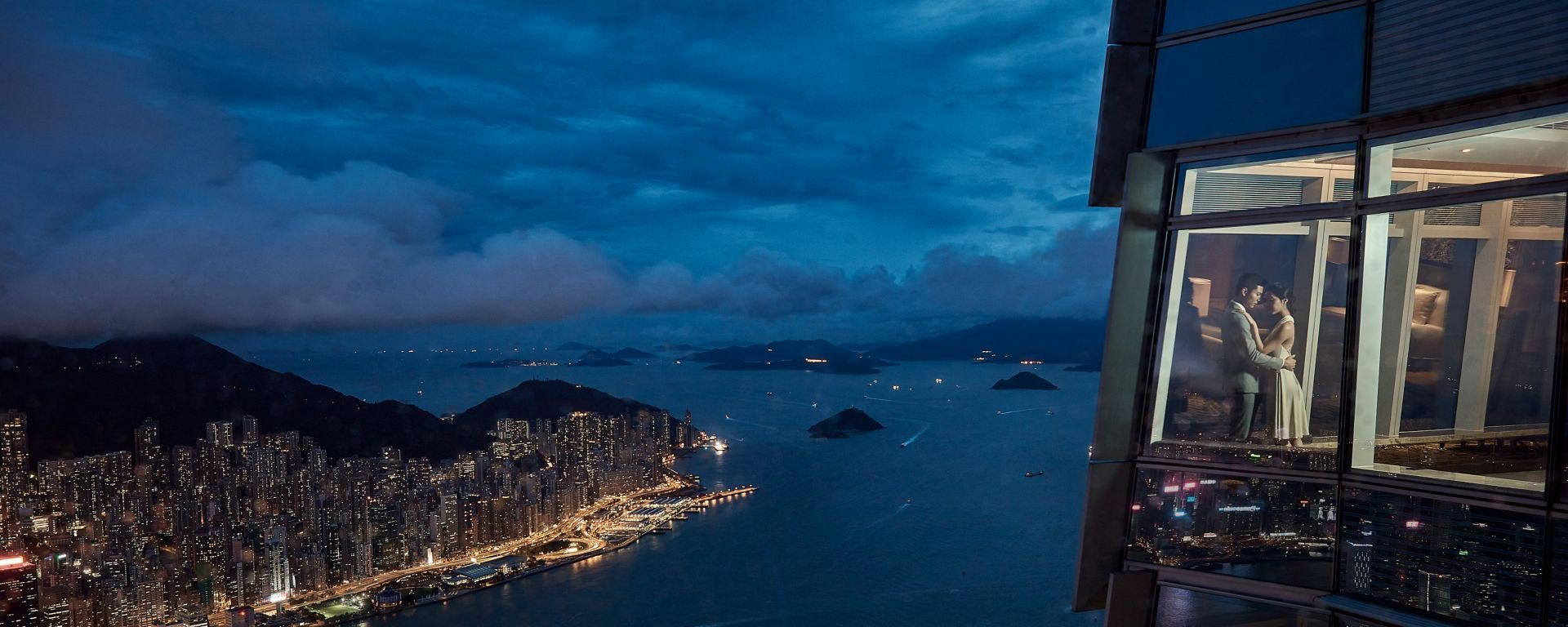
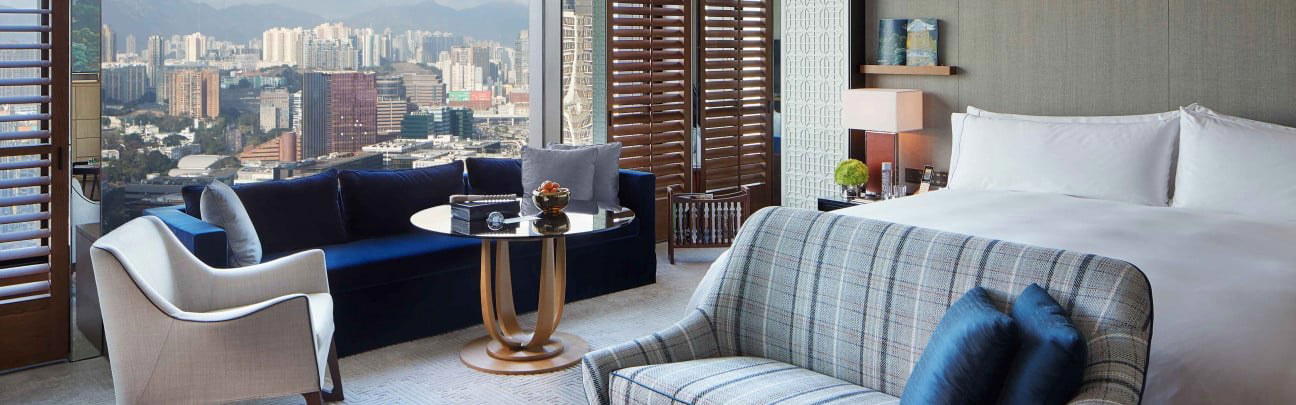
Understated elegance with wooden details and dark chic tones evoking California mountains at twilight; floor-to-ceiling windows showcase the city transitioning from daylight to evening lights.