
OTHEROOF Wine House occupies a seventh-floor address in Futian's older residential fabric, running coffee through the morning hours before pivoting to natural wine in the evening. It represents a distinct strain of Shenzhen drinking culture: low-key, neighbourhood-rooted, and built around producers working outside the conventional. The format rewards those willing to look past Shenzhen's more obvious bar destinations.
Pearl is the En Primeur Club membership app — saves, bookings, and concierge access live there. Same editors, same standards.
- Address
- 702 Yucheng Center Building No. 424, No.3 Bagua Road, Futian District Shenzhen, Guangdong Province, China 中国广东省深圳市福田区八卦三路424栋御城中心702
- Phone
- +86 13682549133
 Saves & bookings on Pearl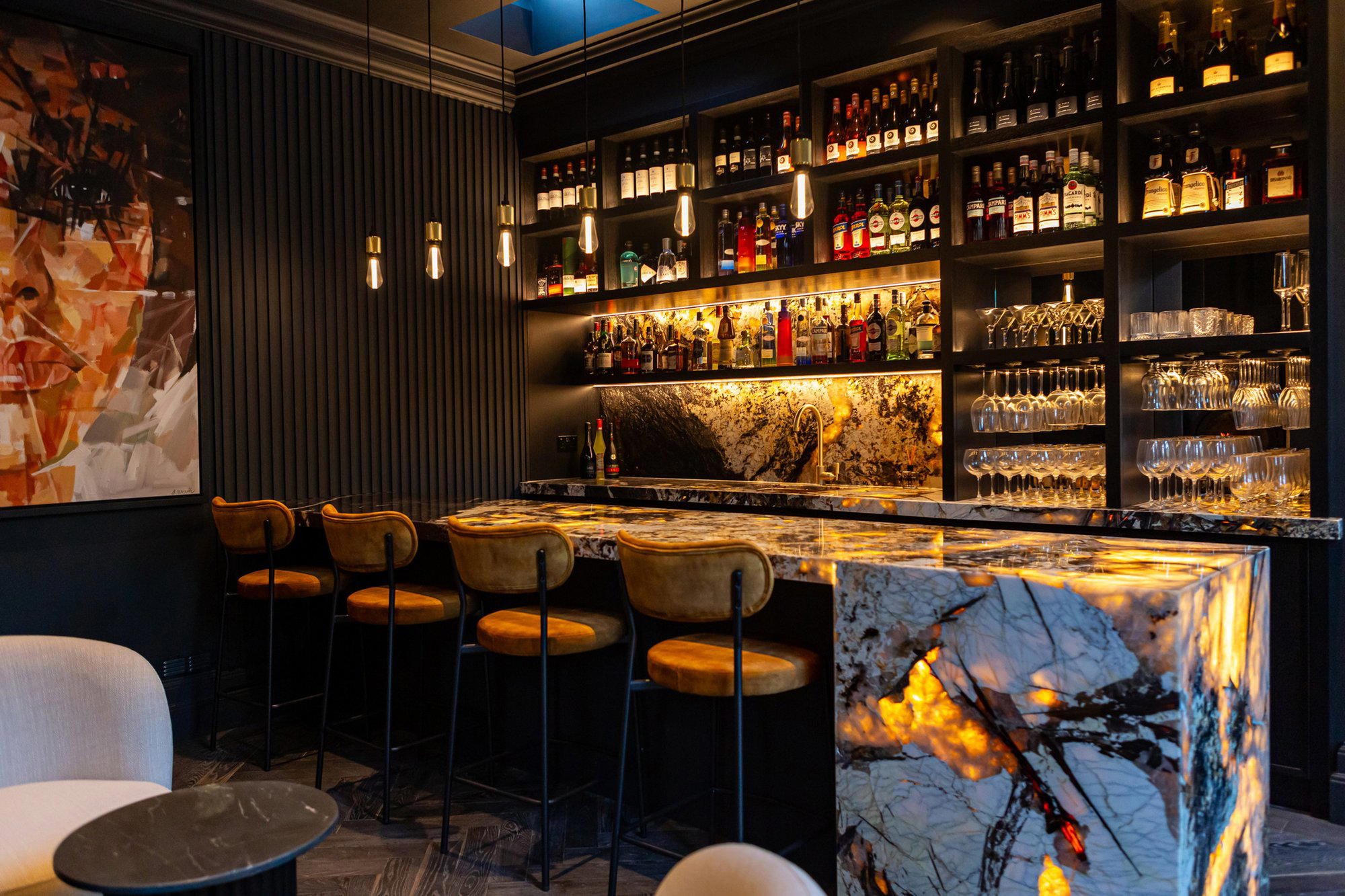
Where Futian's Older Streets Meet the Natural Wine Movement
Shenzhen's bar scene has grown in two directions simultaneously. One current runs through the polished towers of Nanshan and the convention-adjacent blocks of Futian's central grid, where venues like Obsidian Bar and weeknd* operate with the confidence of an international bar city. The other current moves more quietly through older residential pockets, in walk-up buildings and courtyard-adjacent addresses, where a different kind of operator has been setting up: smaller, slower, more interested in the producer than the performance. OTHEROOF Wine House belongs firmly to the second current.
The address tells you something before you arrive. Building No. 424 on Bagua Road sits within Futian's older residential fabric, a neighbourhood defined less by commercial flash than by the density of ordinary city life. Coming off the street and up to the seventh floor, the approach already separates visitors from the casual passerby. That self-selection is part of the venue's character. Places in China's natural wine circuit tend not to advertise loudly, and OTHEROOF follows that pattern.
The 'C in the Morning, A in the Evening' Format
One of the more common structural trends in Chinese independent hospitality over the past several years has been the dual-format venue: coffee during the day, alcohol after dark, typically under a single aesthetic identity. The shorthand in mainland China is 'C in the morning, A in the evening', café to alcohol bar, and it has become common enough in cities like Chengdu, Shanghai, and Guangzhou to count as its own recognised category. OTHEROOF runs this format, which carries specific implications for how the space functions and who uses it at different hours.
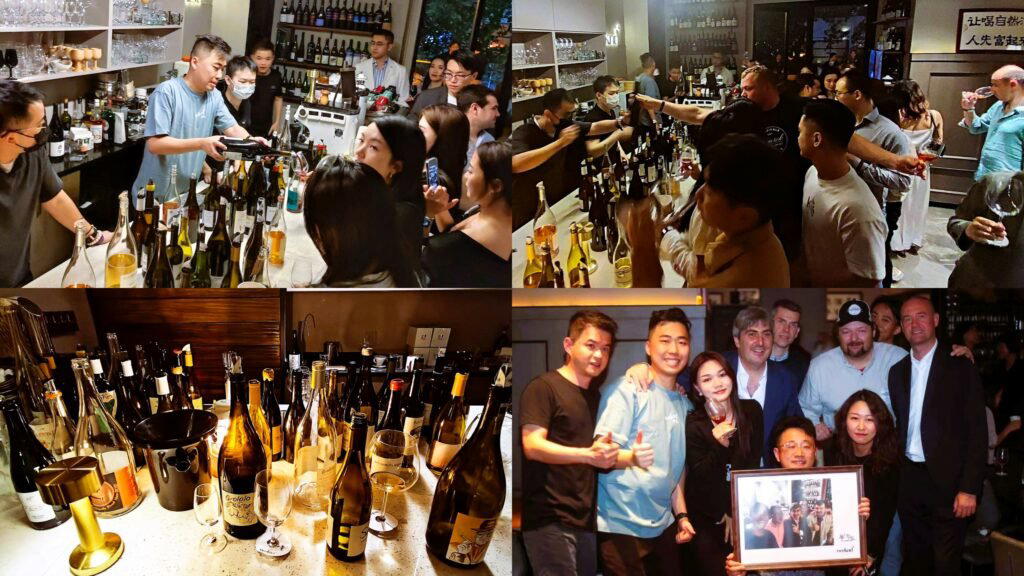
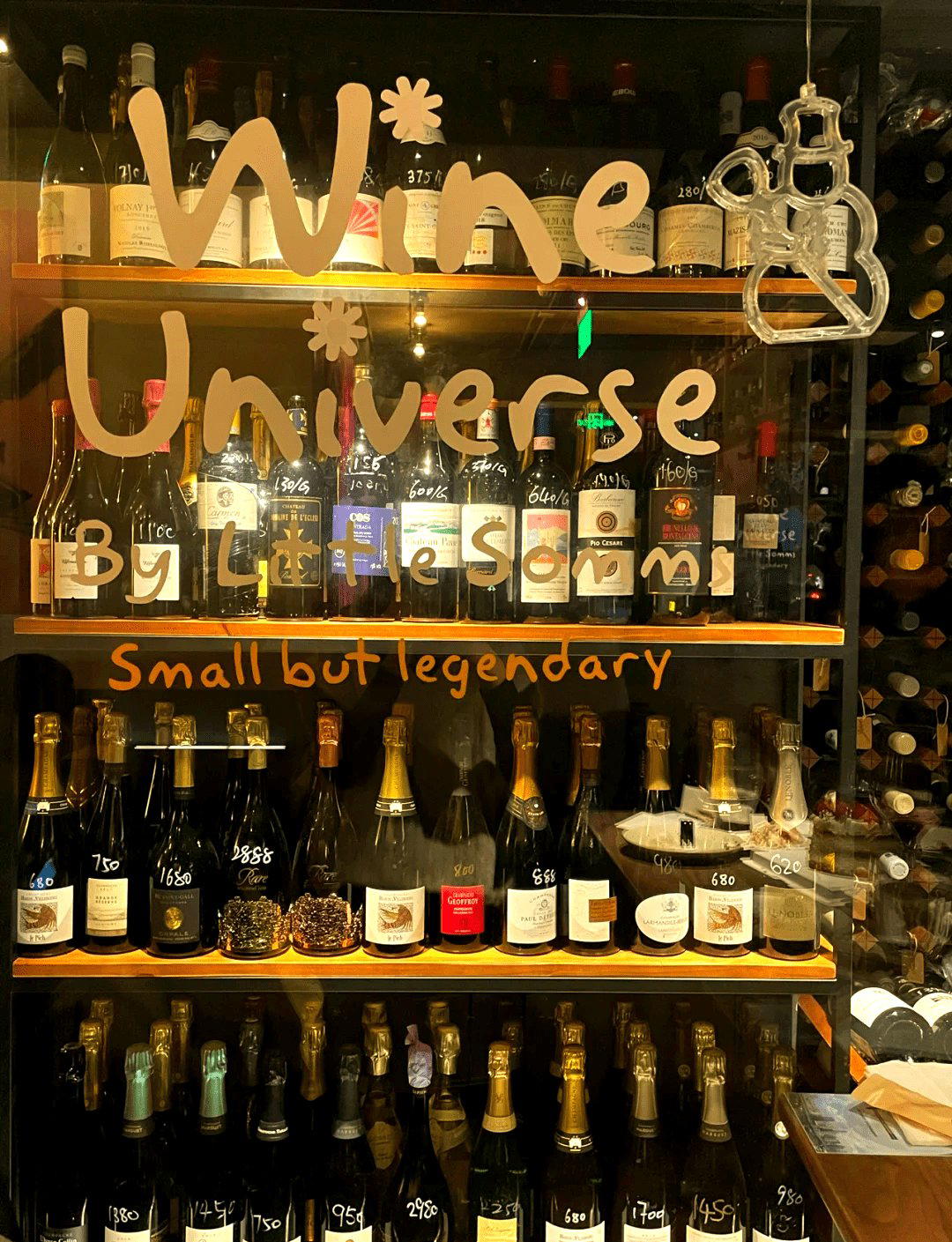
The model suits operators who want to build a neighbourhood audience across the full day rather than depending on the weekend-night spike that most bar businesses rely on. For regulars, it means the space becomes genuinely familiar territory, not a destination reserved for occasions. For the natural wine proposition specifically, a daytime coffee identity often attracts a crowd already oriented toward craft and provenance, making the evening transition feel continuous rather than jarring. Wine Universe Shenzhen takes a different approach to wine-focused drinking in the city; OTHEROOF's dual-format model places it in a more intimate, neighbourhood-first tier.
Natural Wine in a City Still Finding Its Register
China's natural wine culture has developed unevenly across cities. Shanghai has the deepest market, with a decade of import infrastructure, a resident expatriate population comfortable with orange wine and low-intervention producers, and bars that now hold their own against comparable venues in Paris or Tokyo. Outside Shanghai, the picture is patchier. Guangzhou has built a credible scene, as venues like Hope & Sesame in Guangzhou demonstrate through the city's broader cocktail and drinking culture. Beijing has its own register, with operators like Janes & Hooch in Beijing shaping expectations around craft.
Shenzhen is younger as a drinking city by most measures. Its population skews toward people who arrived in the past decade, many from other Chinese cities, and the drinking culture reflects that mix: eclectic, fast to adopt formats that have proven elsewhere, and less bound by historical convention than Beijing or Shanghai. For natural wine specifically, this means the audience is still forming. A venue like OTHEROOF occupies ground-floor territory in that formation, building a local understanding of what low-intervention wine means in practice, producer by producer, bottle by bottle.
The natural wine format also carries its own implicit programme. Where a conventional wine bar might arrange its list by region and variety, a natural wine focus tends to organise around producers, vineyards, and vintages with particular stories attached. The selection changes with availability rather than following a fixed list, which means the person pouring needs to be able to explain what is currently open and why it was chosen. That conversational dimension is part of what the format delivers.
Placing OTHEROOF in the Shenzhen Drinking Scene
Across China's tier-one bar cities, particularly compelling venues tend to be those where format, neighbourhood, and editorial point of view cohere. Coa (Shanghai) does this with its mezcal and agave programme. CMYK in Changsha has built a specific identity in a city not previously known for serious bar culture. FLAIR in Wuhan operates on similar logic in another emerging city. What these venues share is a willingness to commit to a particular point of view rather than hedge toward broad appeal.
OTHEROOF's commitment is to the natural wine format in a neighbourhood context, which is a narrower position than most bars in the city take. That narrowness is a deliberate editorial choice, not a limitation. Venues that hold a specific position in a city's drinking culture tend to build more loyal, knowledgeable regulars than those that try to accommodate everyone. By operating in an older Futian building rather than a purpose-built commercial complex, and by maintaining the coffee-to-wine arc through the day, OTHEROOF has staked out territory that the more polished end of the market does not occupy.
For those whose drinking interests extend beyond China, the natural wine bar format has developed distinct expressions in other markets. The Ritz-Carlton Bar & Lounge in Macau represents the hotel-luxury end of drinking in the region. Bar Leather Apron in Honolulu and Jeno Belgium Pub in Hsi An demonstrate how specialist drinking formats can find an audience in cities not traditionally associated with serious bar culture, the same dynamic OTHEROOF is working through in Shenzhen.
Planning a Visit
OTHEROOF Wine House is at Unit 702, Yucheng Center, Building No. 424, Bagua San Road, Futian District. The seventh-floor location means you are looking for the building rather than a ground-level shopfront. The venue runs the coffee-to-wine format, so the experience and the crowd will differ depending on whether you arrive in the morning or after dark. Given the size of the space implied by its neighbourhood setting, showing up early in the evening on weekdays is a lower-risk approach than arriving late on a Friday without prior contact.
Side-by-Side Snapshot
Comparable venues nearby, for context on price, style, and recognition.
| Venue | Cuisine | Price | Awards | Notes |
|---|---|---|---|---|
| OTHEROOF Wine HouseThis venue — the venue you are viewing | wine_bar | $$$ | Not listed | Not listed |
| weeknd* | wine_bar | $$ | Not listed | OCT Creative Garden / OCT Loft, Futian |
| Wine Universe Shenzhen | wine_bar | $$ | Not listed | Overseas Chinese Town |
| Onyx Lobby Lounge | hotel_bar | $$$$ | Not listed | Futian District |
| Obsidian Bar | cocktail_bar | $$$ | World's 50 Best #51 | Futian |
Recognition history
Dated appearances from independent guides and award organizations, with the underlying list record or original source where available.
Star Wine List
Star Wine List
At a Glance
- Cozy
- Romantic
- Date Night
- Rooftop
- Outdoor Terrace
- Natural Wine
- Skyline
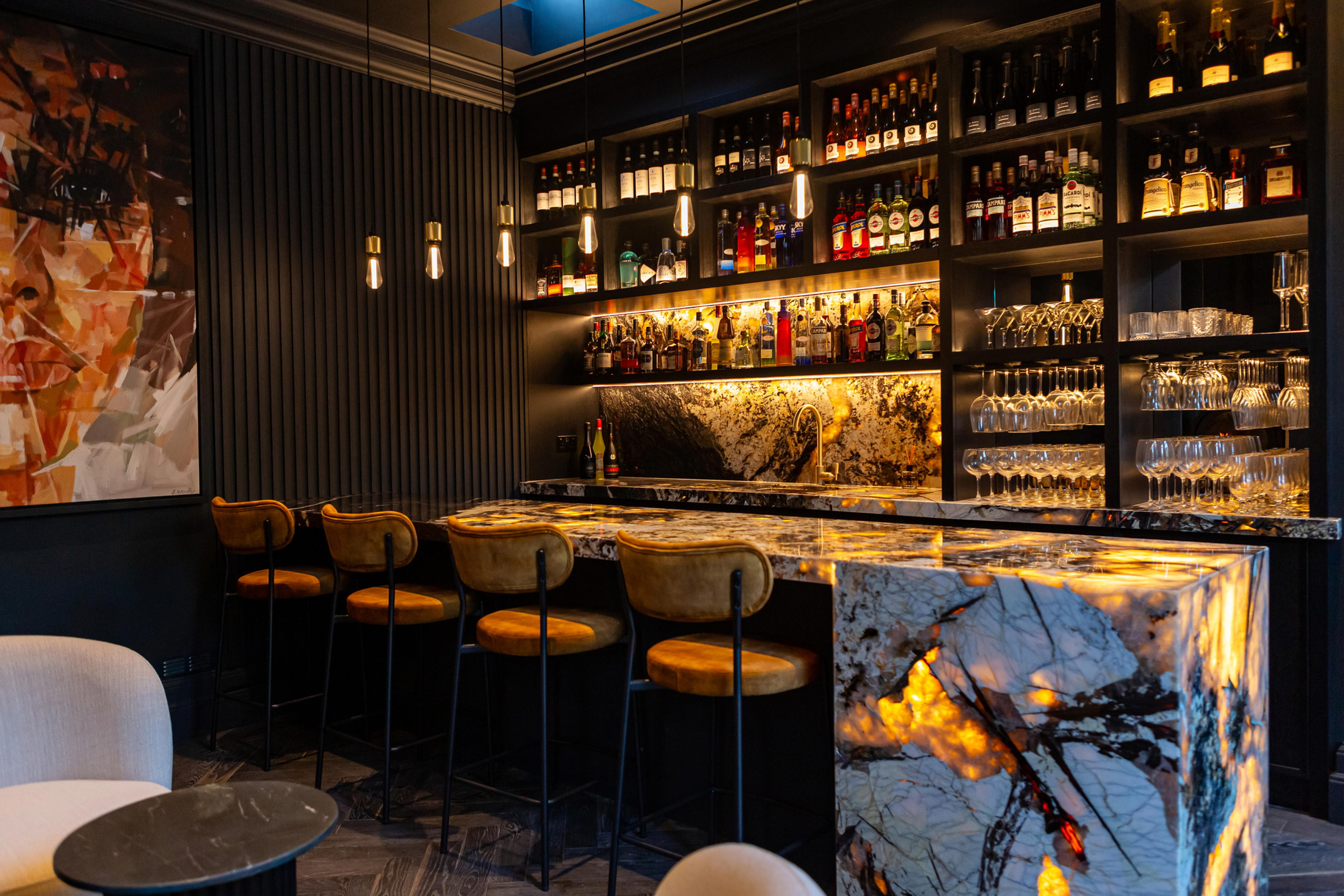
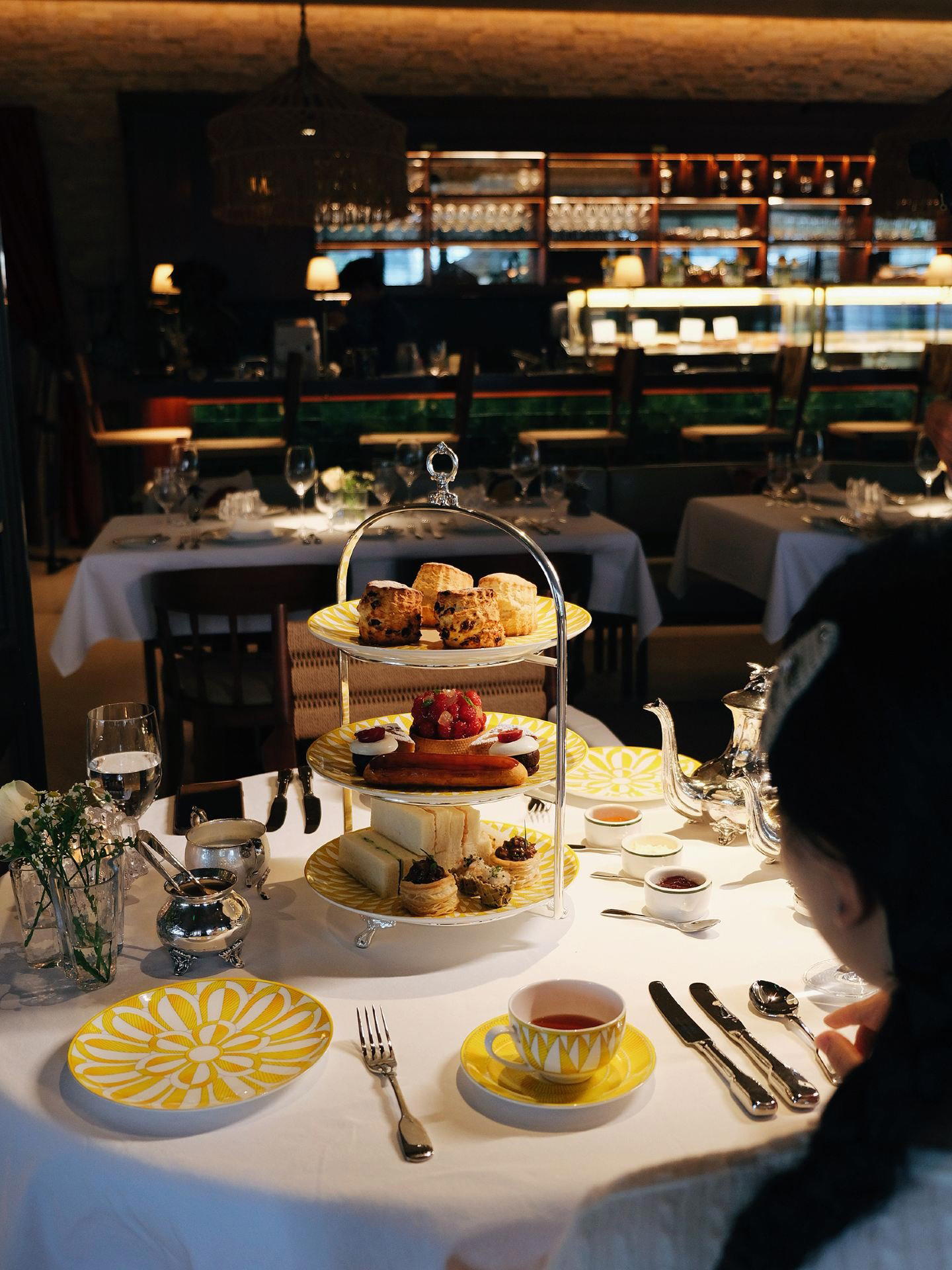
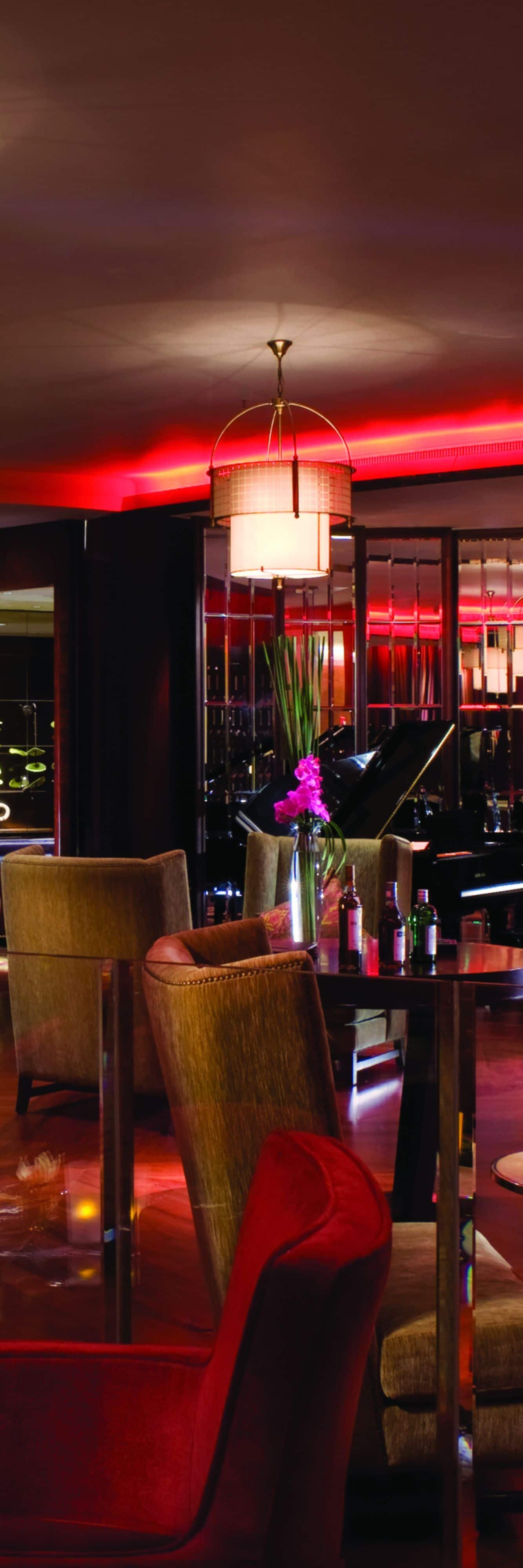
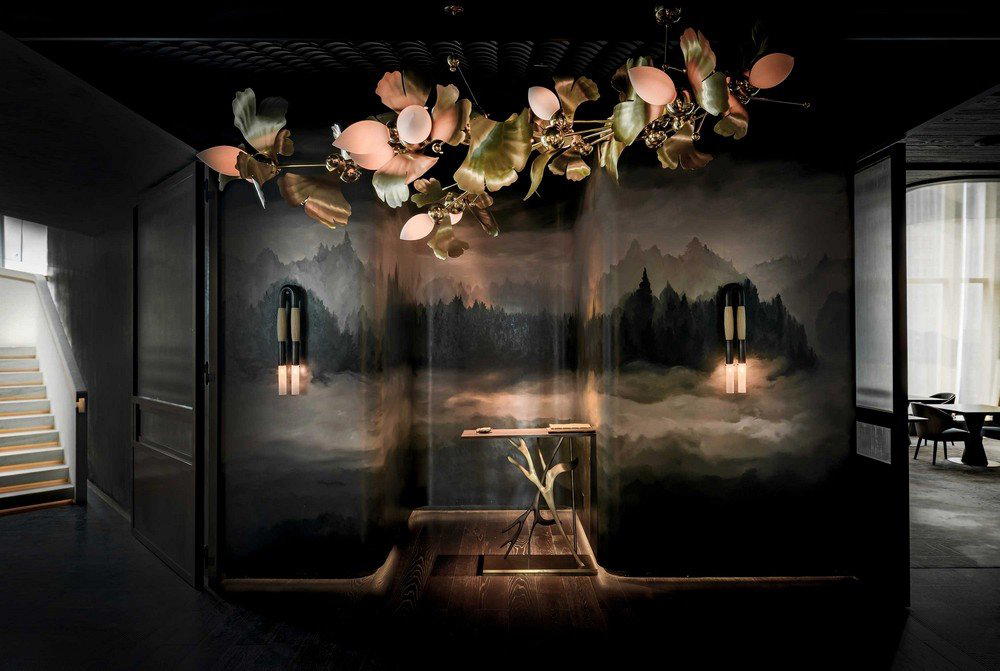
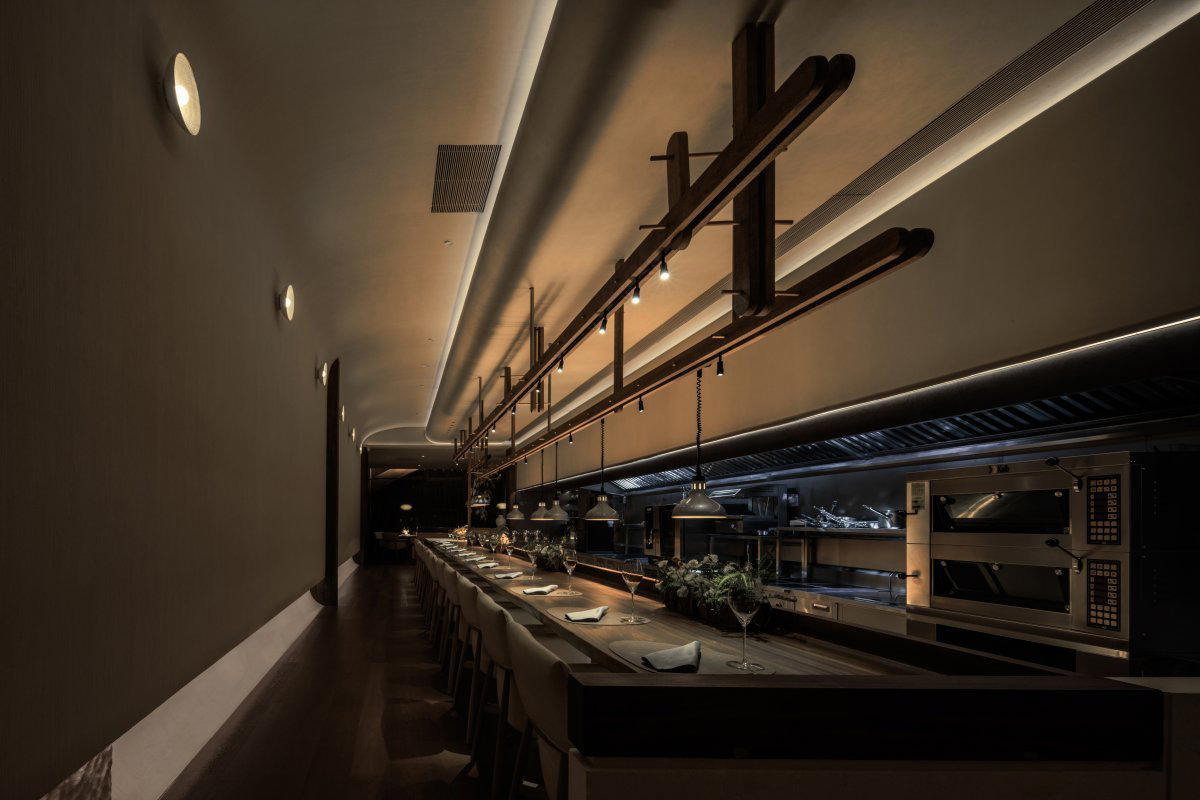
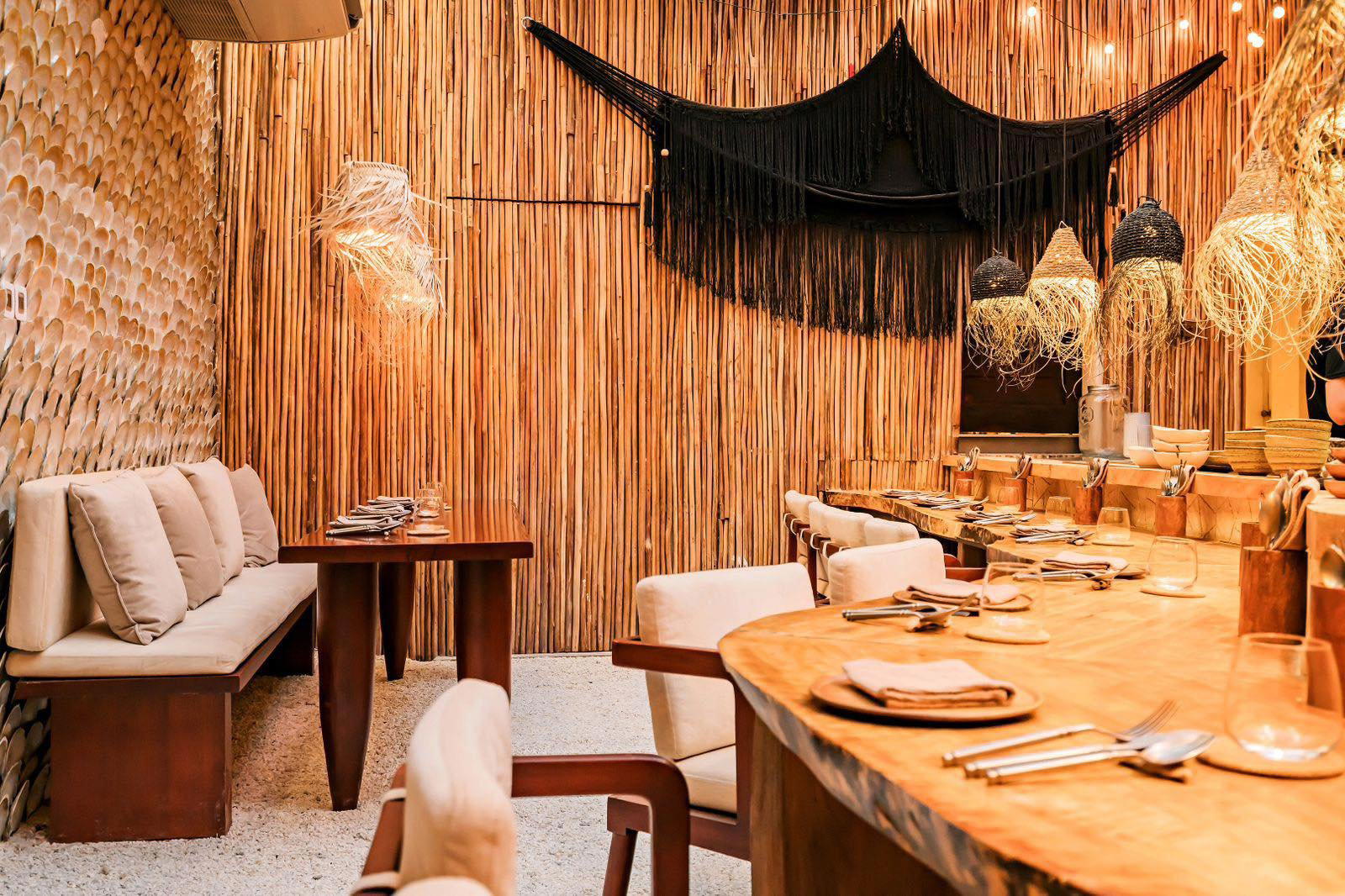
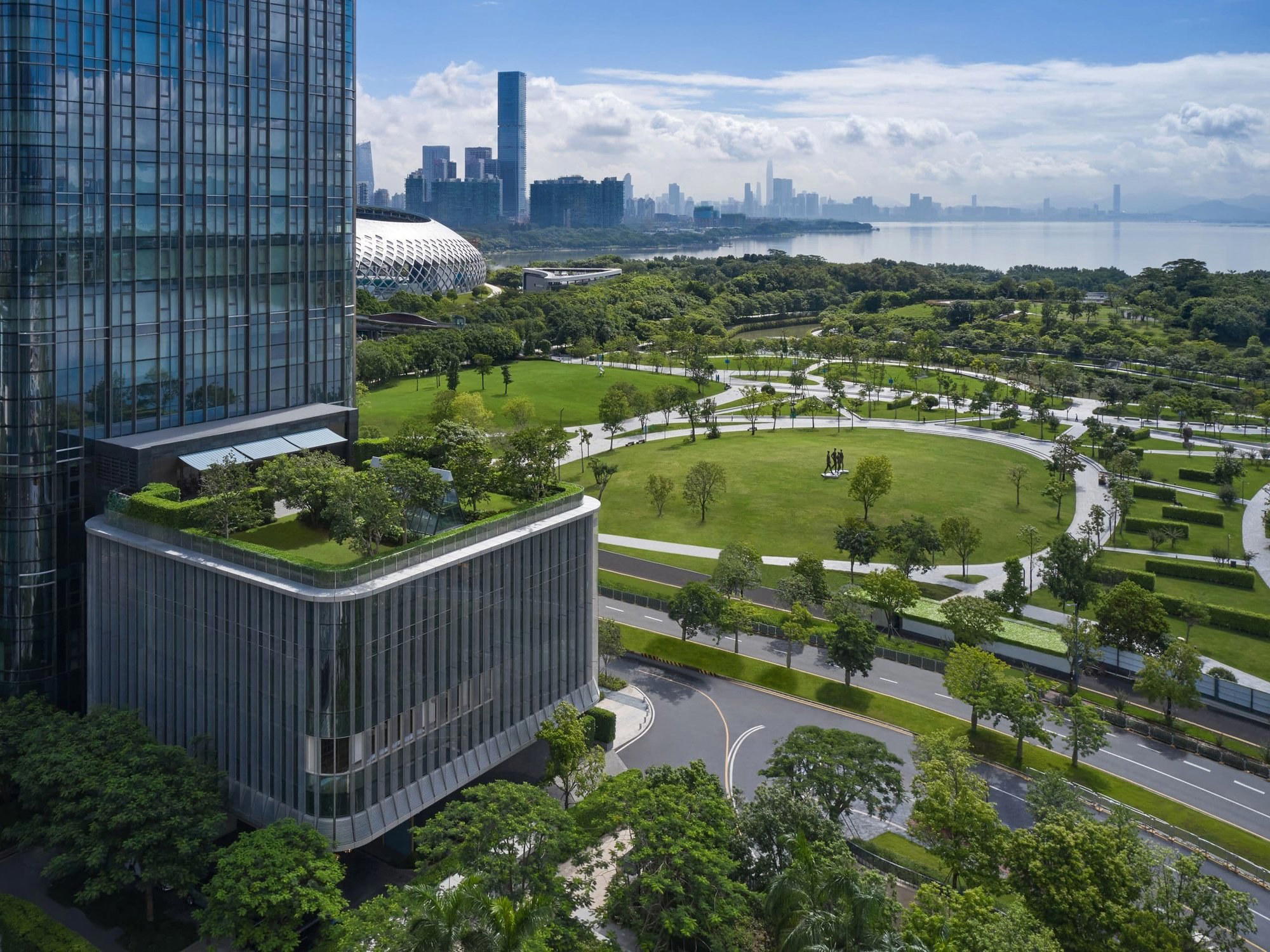
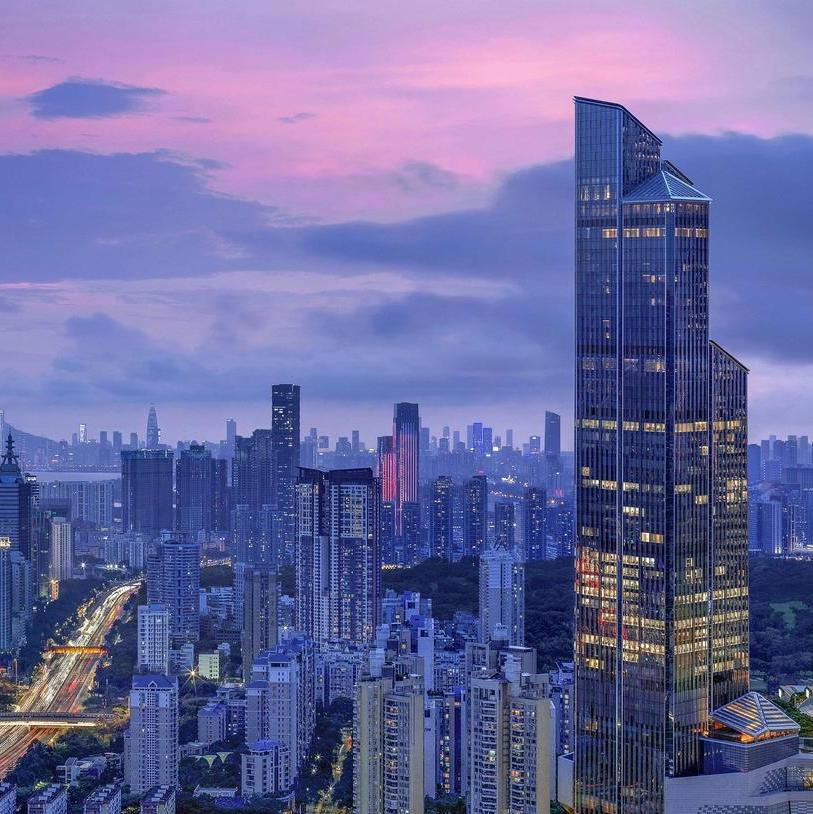
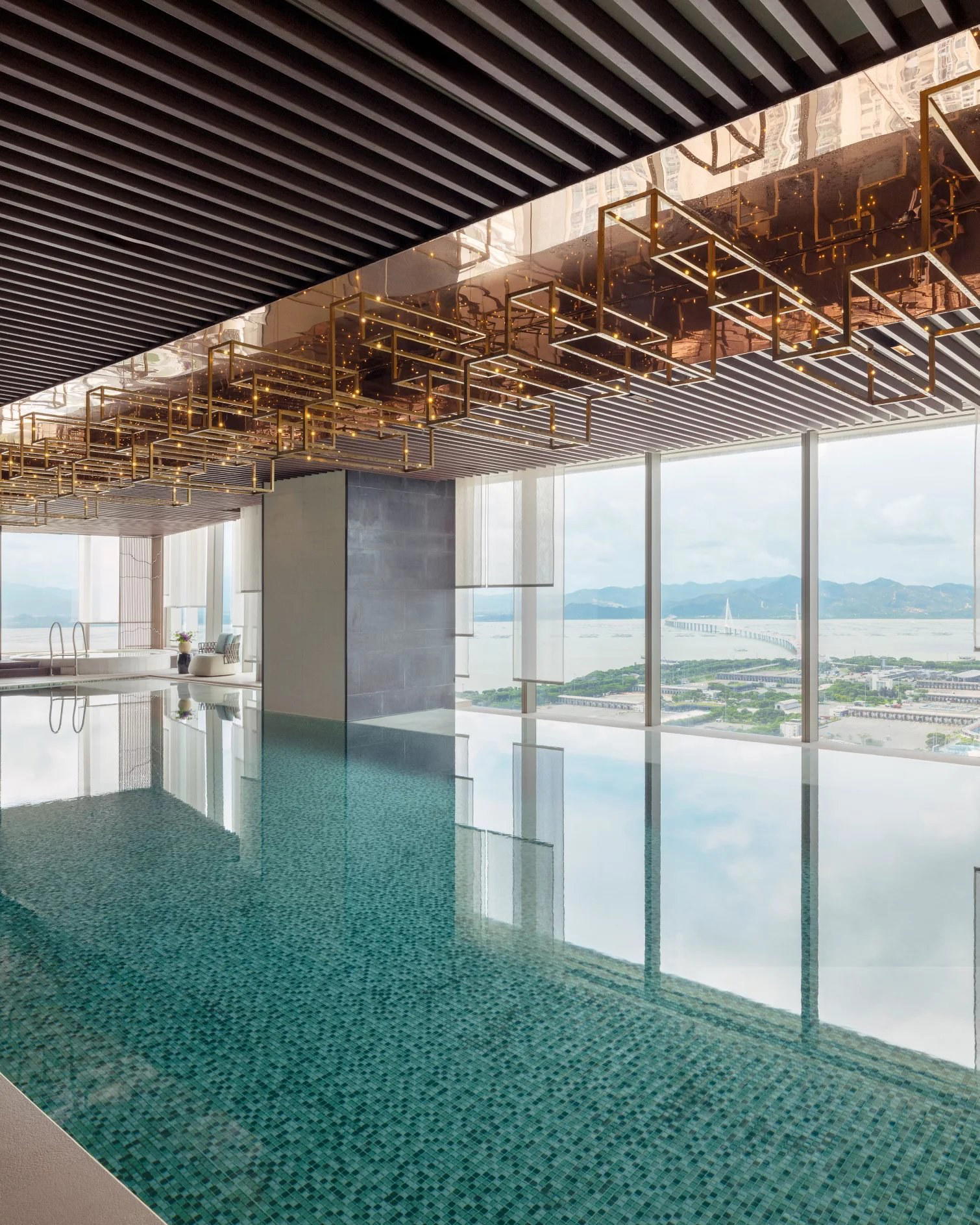
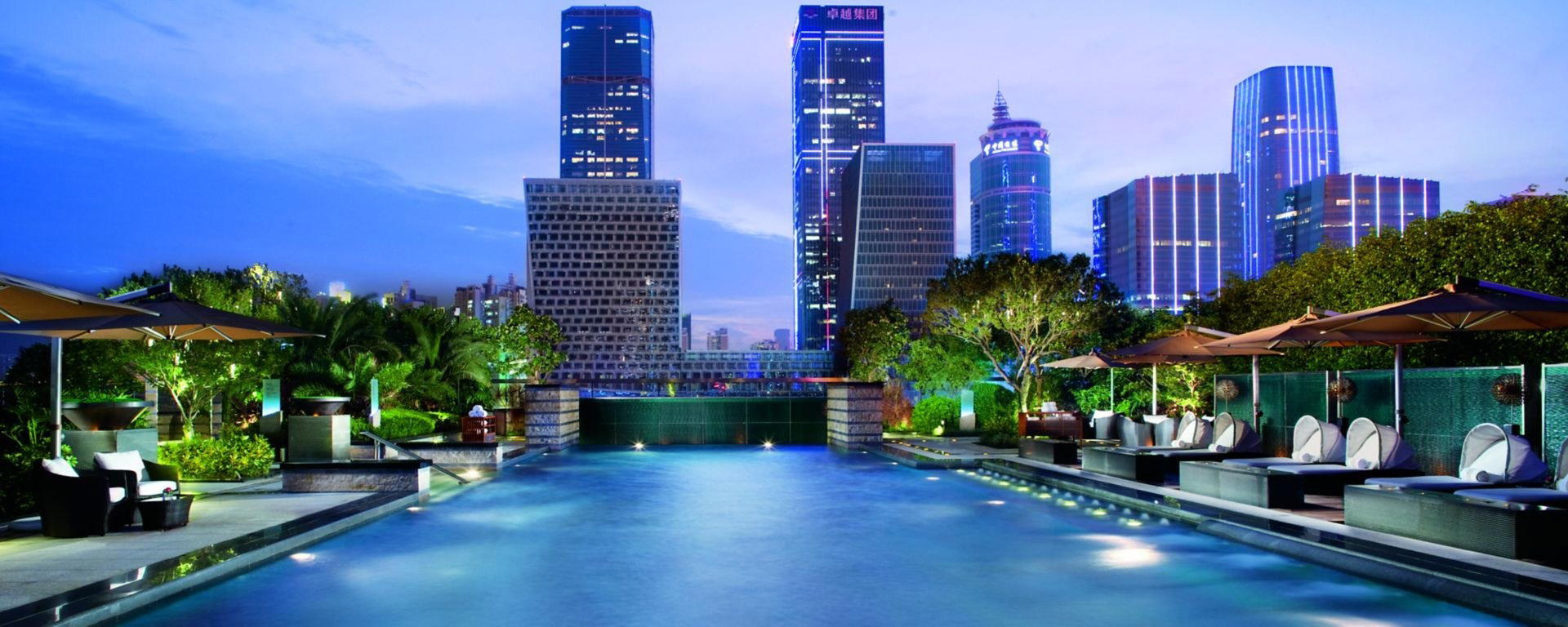
Simple but cosy interior with romantic rooftop ambiance.