Japanese Precision on the Atlantic Fringe The Sintra coast has a particular quality of light in the late afternoon, when the Atlantic mist lifts and the slopes above Colares turn a deep, bruised green. It is an unlikely setting for Japanese...
Pearl is the En Primeur Club membership app — saves, bookings, and concierge access live there. Same editors, same standards.
- Address
- Av. do Atlântico 189a, 2705-284 Colares, Portugal
- Phone
- +351961809362
- Website
- module.thefork.com
- Directions
- Get directions
 Saves & bookings on Pearl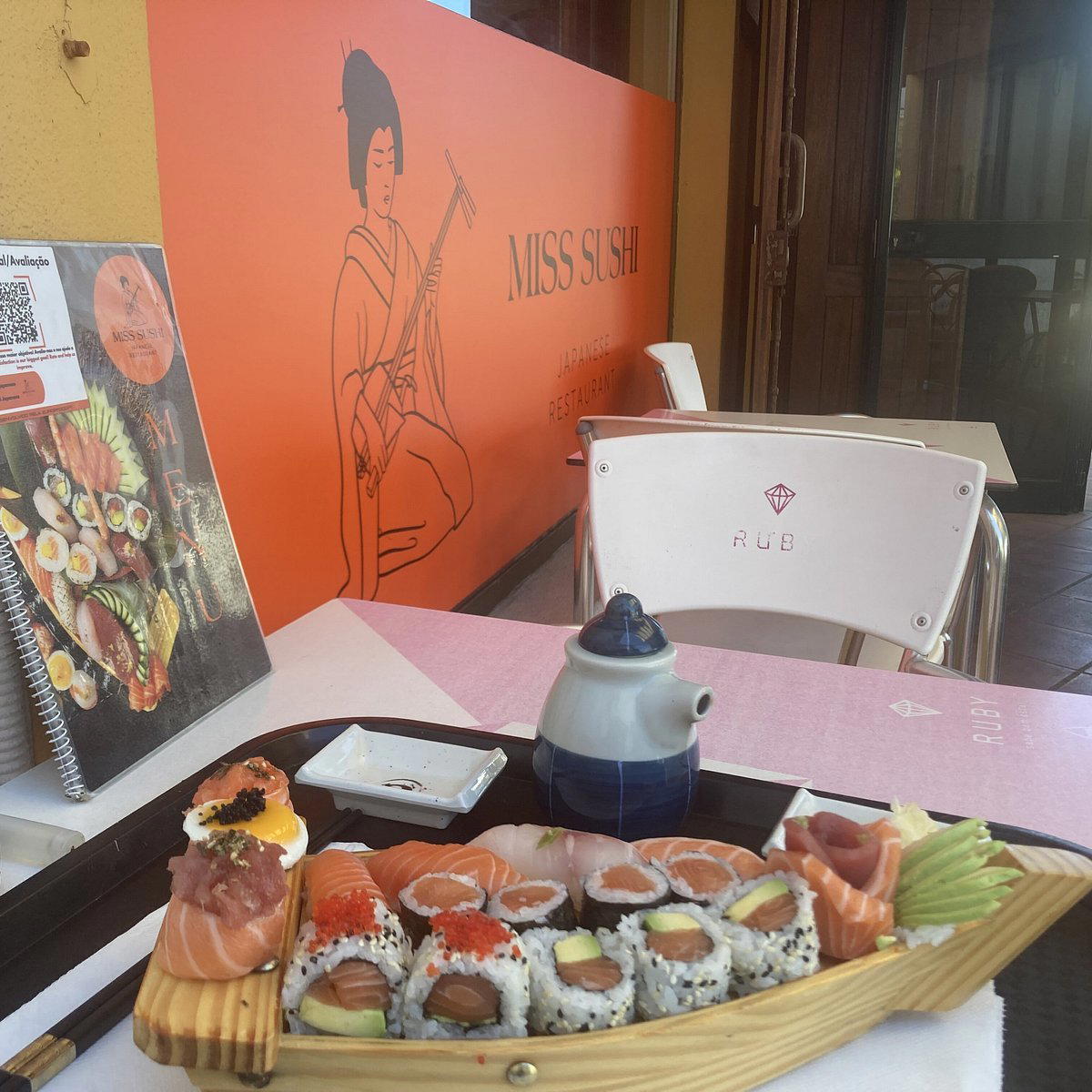
Japanese Precision on the Atlantic Fringe
The Sintra coast has a particular quality of light in the late afternoon, when the Atlantic mist lifts and the slopes above Colares turn a deep, bruised green. It is an unlikely setting for Japanese cuisine, yet that contrast is precisely what makes Miss Sushi Japanese, on Avenida do Atlântico, an interesting proposition. The coastal road that runs through Colares connects a series of small communities that have largely resisted the resort development pressure found further south toward Cascais, and the dining scene here reflects that: smaller, more independent, and less legible to visitors arriving from Lisbon without a specific destination in mind.
Japan's culinary tradition has always been inseparable from geography. The quality of fish depends on the sea it comes from, the temperature of the water, the fishing method, and the distance to the kitchen. Colares sits adjacent to some of the coldest Atlantic waters on Portugal's western coastline, fed by the Canary Current, which pushes down from the north and keeps sea temperatures lower here than in the Mediterranean or even the Algarve. Cold water produces denser, firmer fish with a cleaner flavour profile, which is the same logic that makes the north Atlantic relevant to restaurants doing serious fish work anywhere from coastal Galicia to the west coast of Scotland.
Why Atlantic Sourcing Matters for Japanese Technique
The relationship between Japanese culinary tradition and European Atlantic fish is not new. Restaurants applying Japanese technique to Iberian and Atlantic product have been building a distinct sub-genre for over a decade, most visibly in cities like San Sebastián and Lisbon. What drives that convergence is practical: Japanese fish preparation methods, particularly aging, curing, and temperature management, tend to amplify qualities in cold-water fish that simpler European preparations can miss. The fat content, the collagen structure, and the way the flesh responds to salt and acid all shift when handled with the kind of attention that Japanese technique demands.
Portugal's own fine dining establishments have been exploring this territory from a different direction. Belcanto in Lisbon and Casa de Chá da Boa Nova in Leça da Palmeira both work Portuguese seafood through a lens of technical precision, though within a European framework. Ocean in Porches operates in similar territory on the Algarve coast. What Japanese-influenced operations on the Portuguese coast offer is a different interpretive framework applied to the same underlying product. The fish sourced from Ericeira and Peniche markets, both within practical proximity of Colares, includes species that appear in Japanese cuisine either as direct imports or as close Atlantic analogues: seabass, sole, bream, cuttlefish, and when available, the kind of larger pelagic fish that forms the basis of serious omakase menus in Tokyo.
The Colares Position in Portugal's Dining Map
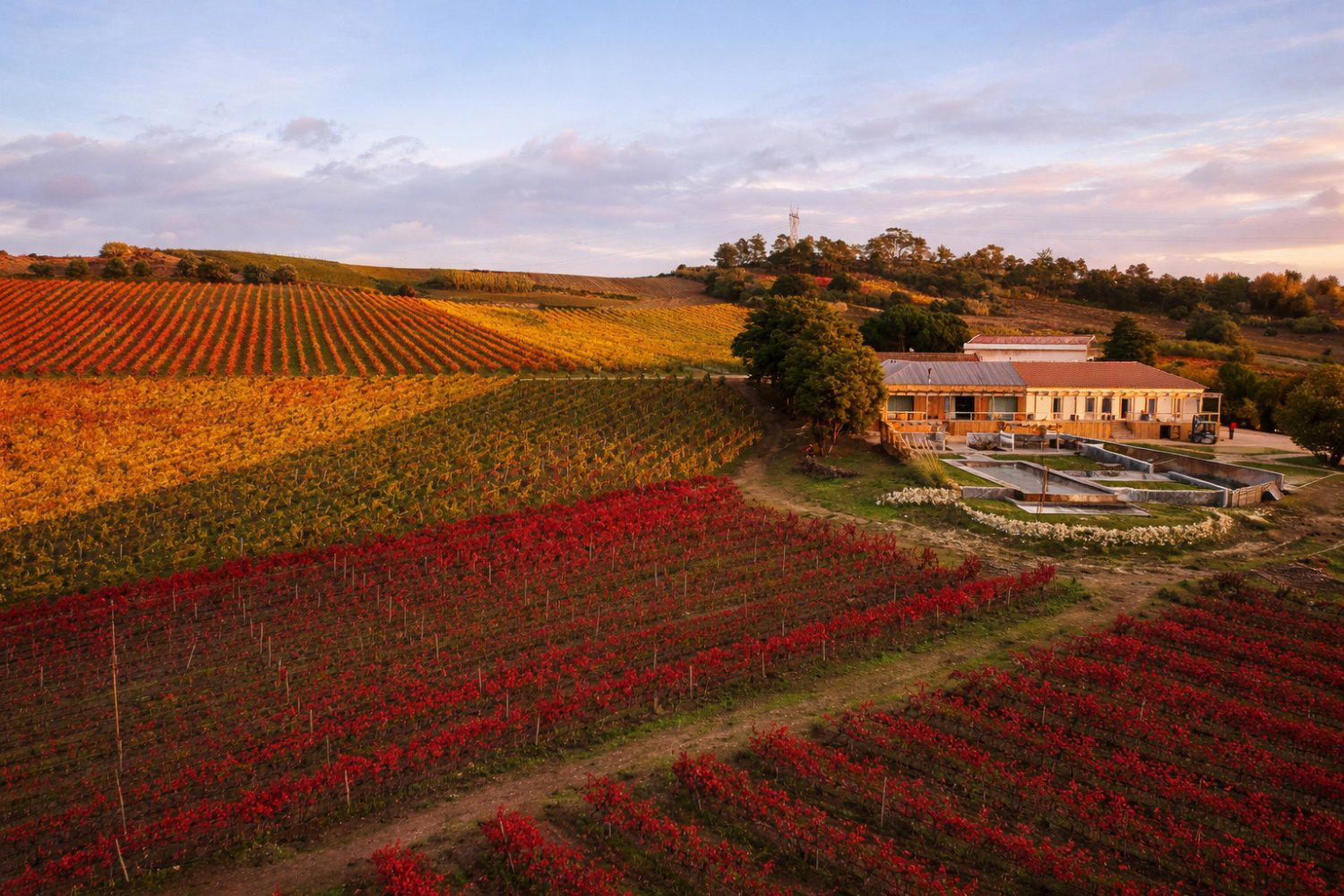
Colares occupies an interesting position in the Lisbon-region dining circuit. It sits roughly 40 kilometres west of central Lisbon, accessible by car along the A16 or via the slower coastal road through Sintra, and close enough to be a reasonable half-day or evening trip from the city. The village has its own established identity, most prominently through the Colares wine denomination, one of Portugal's oldest and most geographically specific, producing Ramisco-based reds from ungrafted vines in sandy soil that survived the phylloxera epidemic of the late 19th century. That viticultural history gives the area a certain credibility among food and wine travellers who are interested in specificity over convenience.
Against that backdrop, Japanese cuisine in this location sits in a niche that a handful of European coastal towns have demonstrated can work: a destination format that benefits from the quality of local product while operating in a culinary tradition that has its own global reference points. Visitors travelling specifically for dining in this part of Portugal tend to be tracking a relatively short list of addresses, anchored by Michelin-recognised properties like Fortaleza do Guincho in Cascais to the south. Miss Sushi Japanese sits in a different tier and appeals to a different decision, closer to a neighbourhood find than a destination in its own right, though the quality of the surrounding product gives it a higher ceiling than most comparable venues in suburban or rural settings elsewhere in Europe.
For context across Portugal's broader fine dining circuit, properties like Vila Joya in Albufeira, Antiqvvm in Porto, The Yeatman in Vila Nova de Gaia, Il Gallo d'Oro in Funchal, A Cozinha in Guimaraes, A Ver Tavira in Tavira, Al Sud in Lagos, Bon Bon in Lagoa, Gusto by Heinz Beck in Almancil, Herdade do Esporão in Reguengos de Monsaraz, and G Pousada in Bragança define a network of high-intent dining addresses spread across the country. Miss Sushi Japanese operates outside that formal recognition tier, which affects both booking dynamics and visitor expectations. No awards data is currently recorded for this address. For international reference points in Japanese-influenced cuisine operating at the technical extreme, Atomix in New York City and Le Bernardin in New York City illustrate what rigorous sourcing discipline combined with technical precision can produce at scale, though they represent a very different category of operation.
Planning a Visit
Miss Sushi Japanese is located at Avenida do Atlântico 189a in Colares, a short distance from the Sintra hills. The venue sits along the coastal road that connects Sintra town to the Praia Grande and Azenhas do Mar beaches, making it a practical stop for visitors already moving along that route. No phone or website is currently listed in available records, so the most reliable approach is to visit in person to confirm current hours and table availability, particularly outside the main summer season when coastal addresses in this part of Portugal can operate on reduced schedules. The Sintra railway line from Lisbon Rossio runs to Sintra station, from which the Colares area is reachable by local bus or taxi. Visitors combining this address with a broader Sintra day trip will find the logistics direct. Our full Colares restaurants guide covers additional addresses in the area for those building a longer itinerary.
How Miss sushi Japanese Colares compares with similar nearby venues.
| Venue | Cuisine | Price |
|---|---|---|
| Lab by Sergi Arola | Progressive Spanish, Creative | €€€€ |
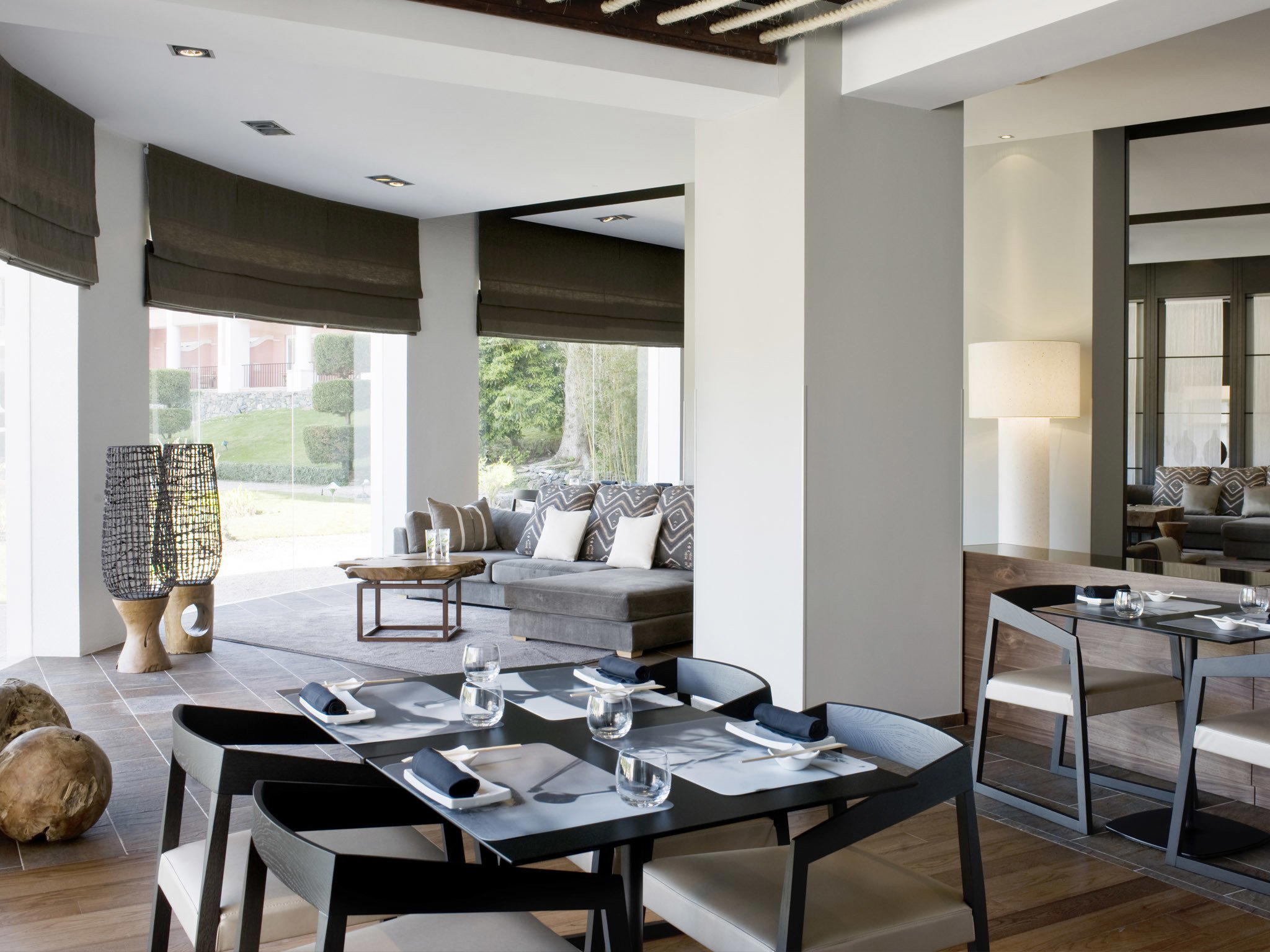
| Midori | Japanese | €€€€ |
Continue exploring
More in Colares
Restaurants in Colares
Browse all →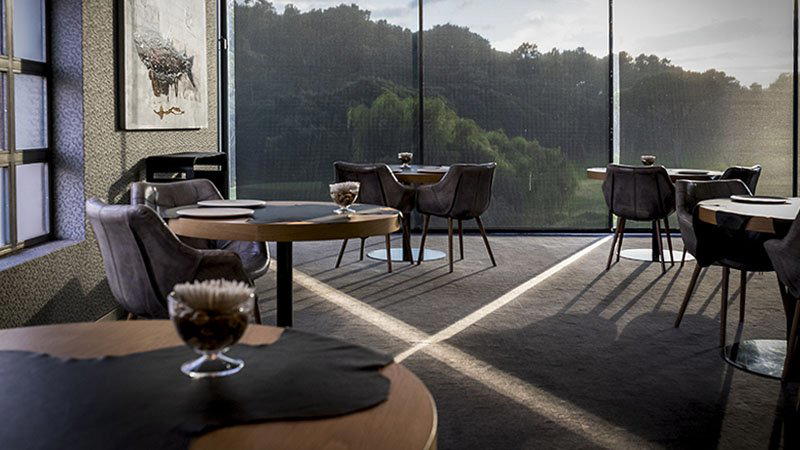
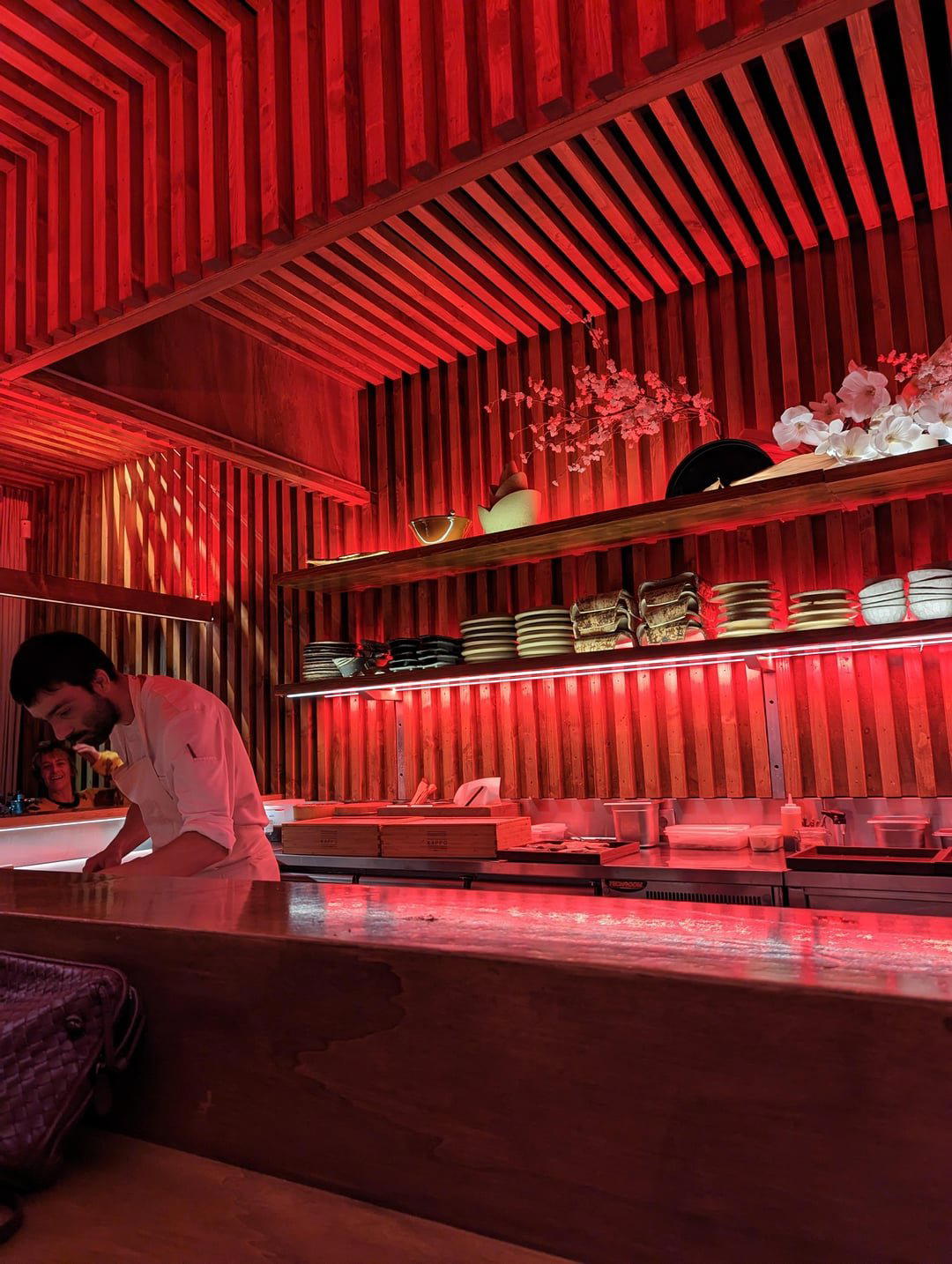
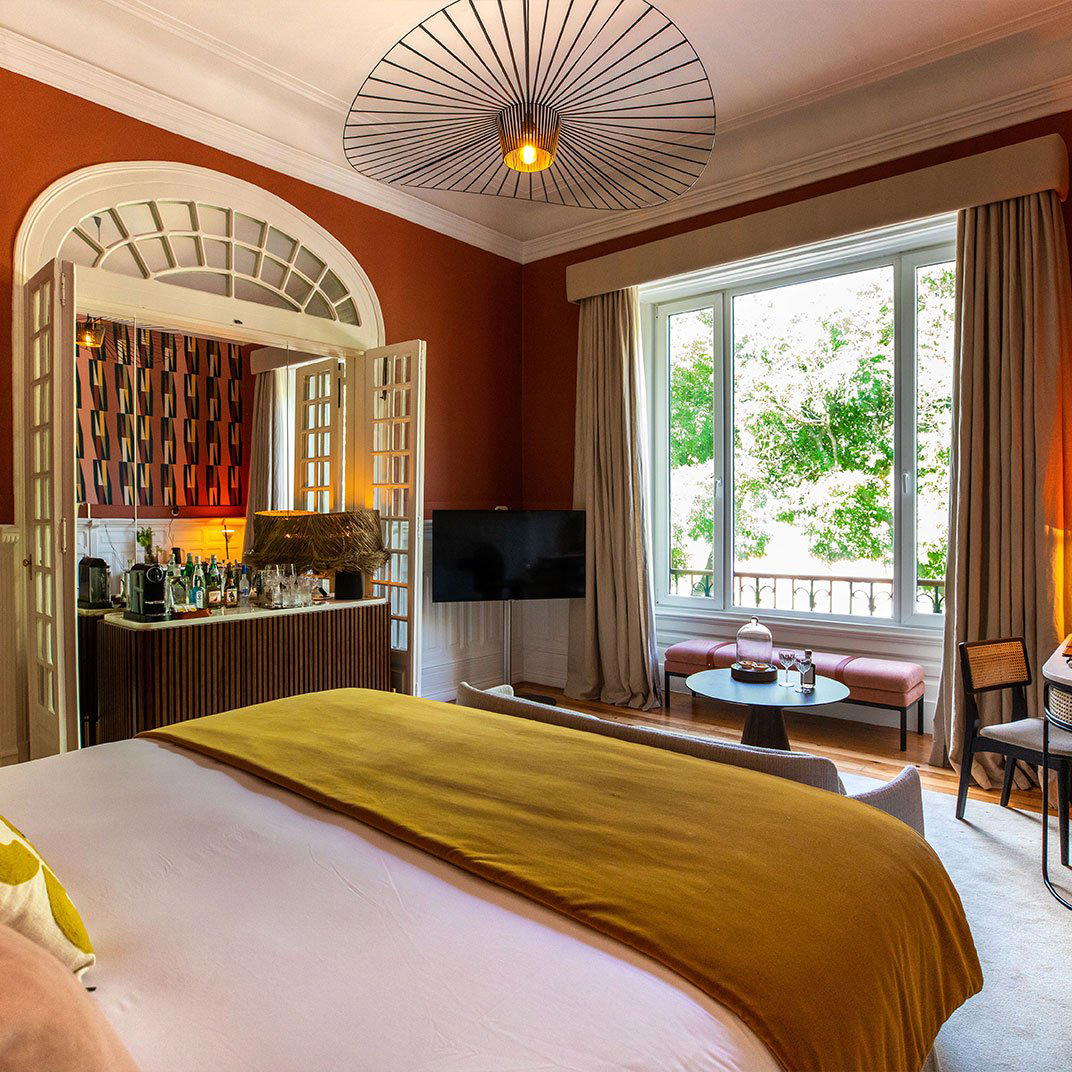
Bars in Colares
Browse all →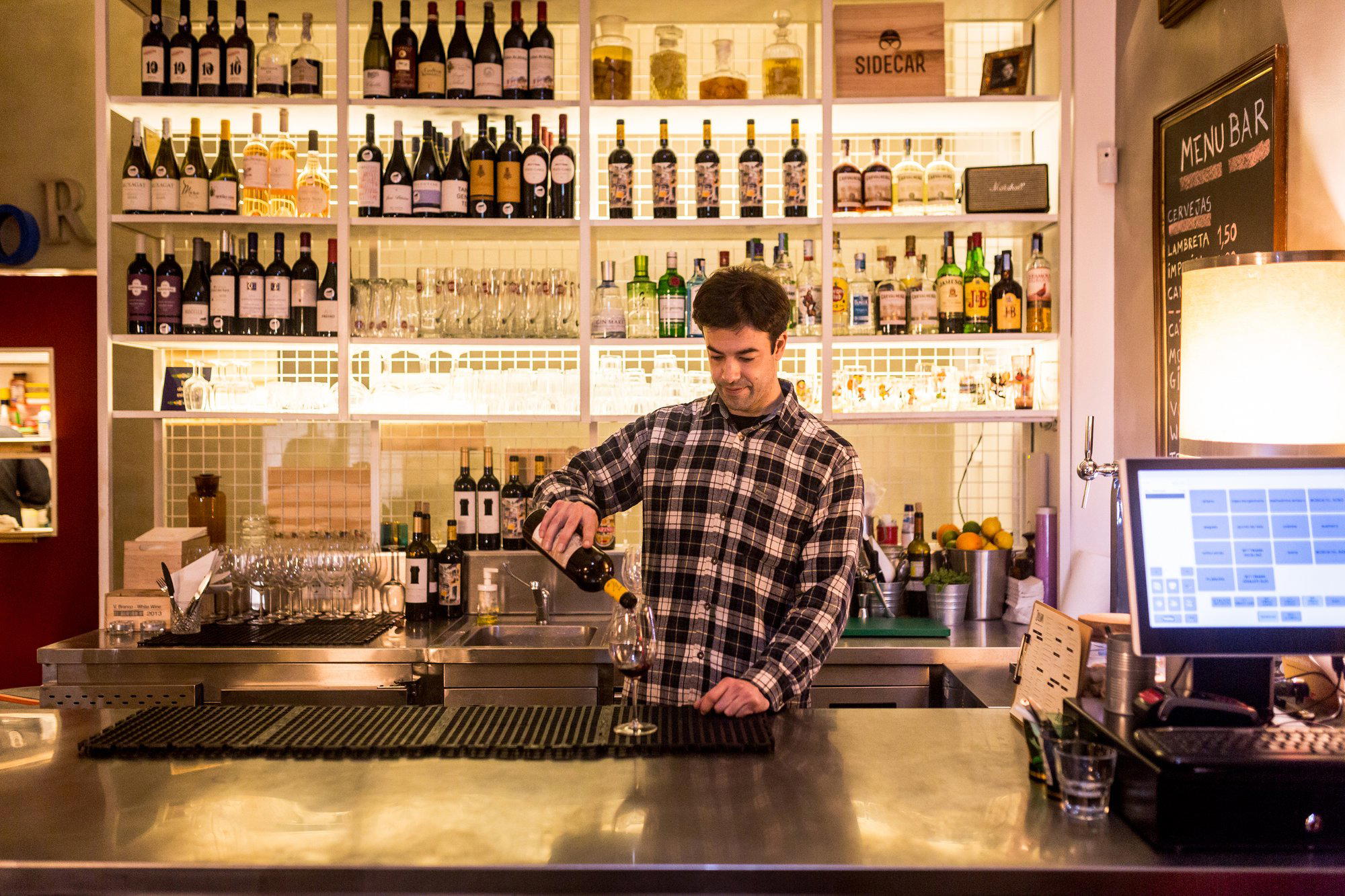
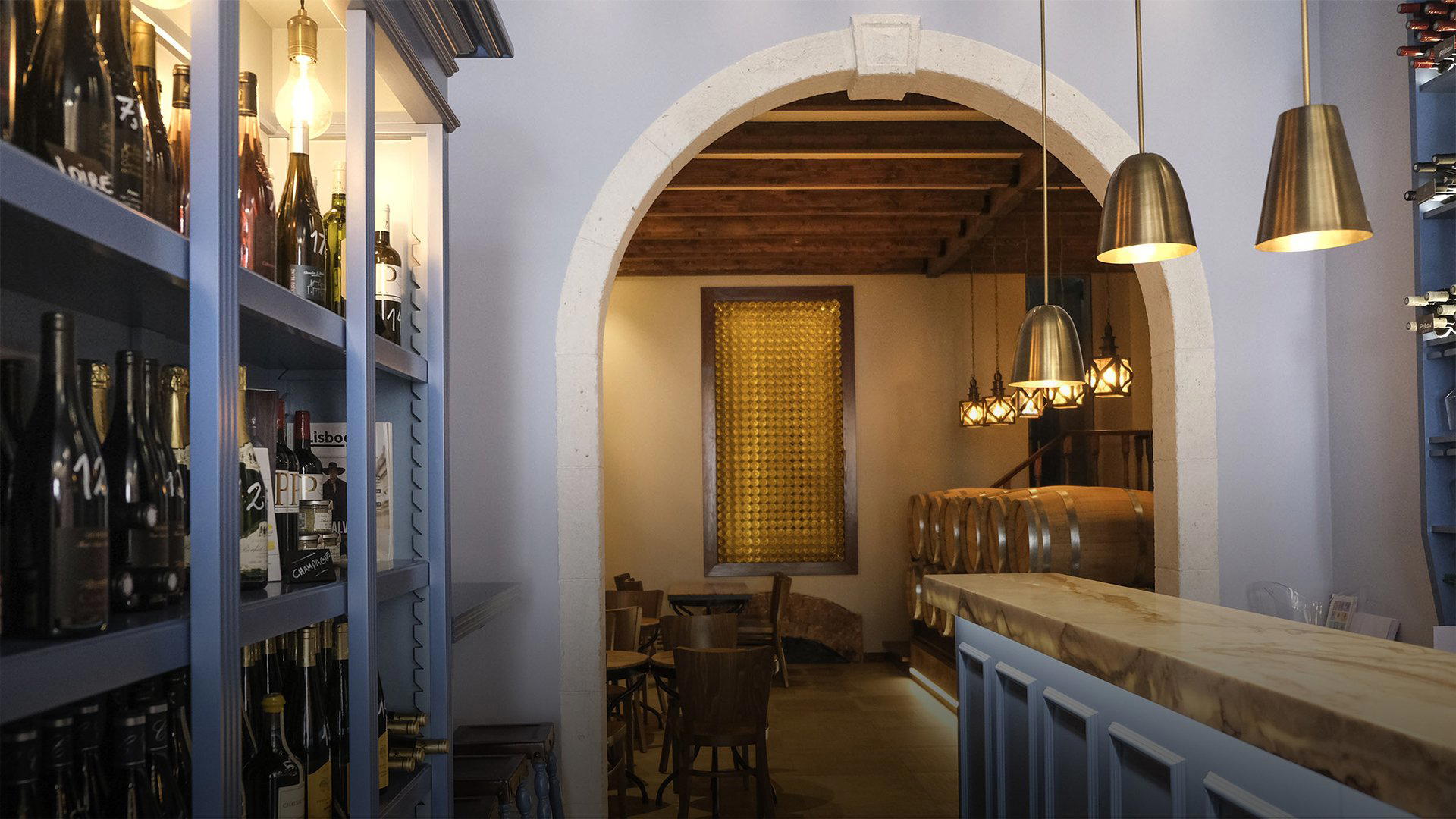
Hotels in Colares
Browse all →

At a Glance
- Modern
- Cozy
- Intimate
- Date Night
- Casual Hangout
- Solo
- Standalone
- Craft Cocktails
- Local Sourcing
- Mountain
Current opening hours
- Monday
- 11:30 AM–11 PM
- Tuesday
- 11:30 AM–11 PM
- Wednesday
- 11:30 AM–11 PM
- Thursday
- 11:30 AM–11 PM
- Friday
- 11:30 AM–11 PM
- Saturday
- 11:30 AM–11 PM
- Sunday
- 11:30 AM–11 PM
Hours can change for holidays and private events. Last verified .
Humble and cozy with an intimate feel; the focus is on the food and service rather than a flashy interior.
Know Before You Go
- Getting there
- Av. do Atlântico 189a, 2705-284 Colares, Portugal