Millwright's
Our verdict
Millwright's occupies a restored 18th-century gristmill in Simsbury, Connecticut, where the sourcing logic is as structural as the stonework: local farms and regional producers shape what arrives on the plate each season. The setting positions it as one of the Hartford area's most considered farm-to-table addresses, drawing diners who treat the drive from the city as part of the commitment.

Pearl is the En Primeur Club membership app, where members save venues, book tables and use the concierge.

The menu
What to order
- Tapioca Custard with clams and bacon
- Bella Bella Duck Breast
- Seared Scallops with sweet potato bisque
- Short Ribs
- Johnny Cakes
A Mill Building That Sets the Terms
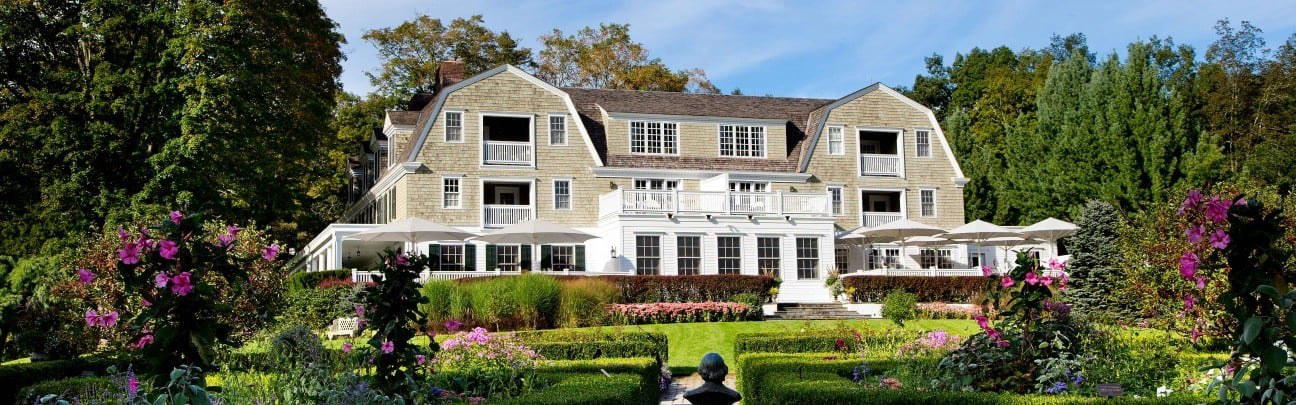
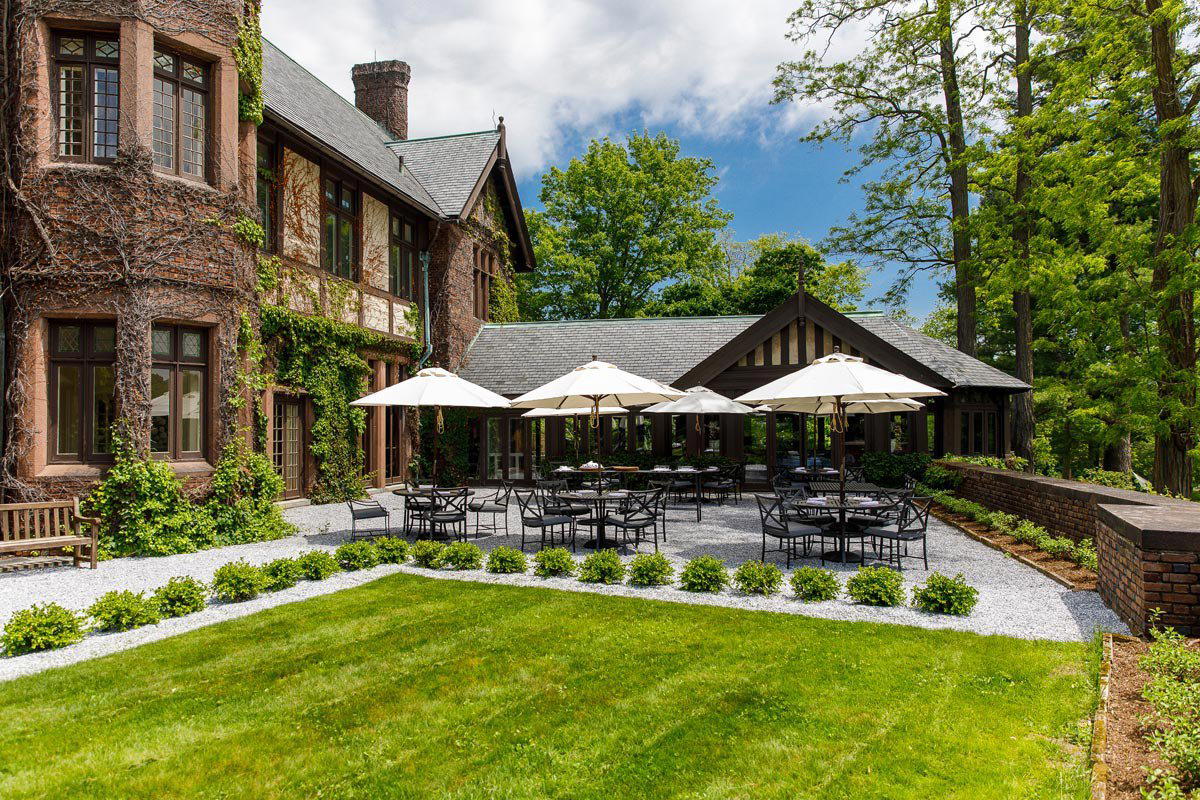
There is a particular category of New England dining room that earns its reputation not through spectacle but through material honesty: exposed timber, stone walls with centuries of weather embedded in them, candlelight that behaves differently against old wood than it does in a purpose-built interior. Millwright's, at 77 West St in Simsbury, Connecticut, occupies exactly this territory. The building was a working gristmill in the 1700s, and the architectural logic of that original purpose, the grinding, the storing, the channeling of river water, still organizes the space. Arriving here, you are reading a building before you ever read a menu.
That physical grounding matters because it is not decorative. Farm-to-table has become a marketing posture at many American restaurants, a seasonal insert slipped into a menu that otherwise operates on commodity supply chains. At restaurants where the sourcing relationship is genuine, the building and its surroundings tend to signal it first. Millwright's relationship with the Connecticut River Valley's agricultural output is the kind that earns its credibility through geography: the farms are close, the seasons are real, and the menu reflects both.
Sourcing as Structure, Not Garnish
The farm-to-table model, when practiced with discipline rather than as branding, changes how a kitchen operates at a fundamental level. Menus cannot be fixed months in advance when the underlying supply is subject to frost dates, drought, and harvest timing. The kitchen must be organized around adaptation, and the team's skill shows not in reproducing a set repertoire but in interpreting whatever the season delivers.
This is the model that places like Blue Hill at Stone Barns in Tarrytown and Single Thread Farm in Healdsburg have built entire identities around, and it is the model that distinguishes the more serious end of regional American dining from places that simply describe themselves as locally sourced. The difference is operational: a kitchen that actually cycles its menu with the agricultural calendar is running a harder, more expensive program than one that cites a farm name on a fixed menu.
Simsbury sits in the upper Hartford County agricultural belt, where Connecticut's short but productive growing season supports dairy operations, apple orchards, root vegetable farms, and market gardens running from late spring through the first hard frost. A restaurant in this position, if it is paying attention, has access to supply that city restaurants in Hartford or New Haven pay a premium to truck in. The proximity is an advantage, but only if the kitchen is structured to use it.
Where Millwright's Sits in the Regional Picture
Connecticut's fine dining geography clusters around New Haven, Hartford, and the shoreline, with a thinner tier of destination restaurants spread through the suburbs and smaller towns. Simsbury itself is a well-resourced Farmington Valley community whose restaurant scene runs toward the comfortable rather than the exploratory. Millwright's occupies the upper end of that local tier while also drawing from the broader Hartford metro area, where diners willing to make a 30-minute drive find a different kind of dining proposition than what the city center offers.
The comparison set is instructive. Nationally, the restaurants that have built the most durable reputations around regional sourcing and seasonal menus, places like The French Laundry in Napa, Lazy Bear in San Francisco, or Bacchanalia in Atlanta, share a commitment to place-specificity that goes beyond menu language. Millwright's operates at a different scale and price tier than those rooms, but the underlying sourcing philosophy runs in the same direction. That positions it closer to Frasca Food & Wine in Boulder or Brutø in Denver than to the metropolitan tasting-menu circuit represented by Alinea in Chicago or Atomix in New York City.
For context on the wider American fine dining spectrum, the full range runs from technically precise seafood programs like Le Bernardin in New York City and Providence in Los Angeles to ingredient-forward regional kitchens, with stops along the way at long-established institutions like Emeril's in New Orleans, the precision of The Inn at Little Washington, and more contemporary addresses like Causa in Washington, D.C., ITAMAE in Miami, Addison in San Diego, and 8 1/2 Otto e Mezzo Bombana in Hong Kong. Millwright's inhabits a quieter but genuinely committed corner of that spectrum.
Planning a Visit
Simsbury is accessible from Hartford in under 30 minutes by car, and from the greater Springfield area in roughly 45 minutes. The mill location on West Street places the restaurant along the Farmington River corridor, which means the surrounding landscape reinforces the sourcing story even before you enter. Because the kitchen operates on a seasonal model, the experience shifts meaningfully between spring, summer, and fall visits; the autumn months, when Connecticut's apple and root vegetable harvests peak, tend to produce the most layered menus. Reservations are advisable, particularly on weekends and during the harvest season. For broader context on dining in the area, see our full Simsbury restaurants guide.
Frequently asked questions
Is Millwright's a family-friendly restaurant?
Millwright's operates at a register that skews toward adult dining, with a restored mill setting on West St in Simsbury that emphasizes seasonal, farm-sourced cooking over casual formats. Families with older children who are comfortable in a composed dining environment will find it workable, but it is not a space designed around younger guests. Those with young children may want to check current seating arrangements before booking.
Is Millwright's formal or casual?
The mill building itself sets the tone: exposed timber and industrial heritage create a room that reads as relaxed in texture but deliberate in execution. Millwright's sits in that middle register common to serious New England destination restaurants, not a jacket-required room, but not a drop-in casual spot either. Given its position as one of the few destination-caliber addresses in the Simsbury area, dressing with some intention is the sensible call.
Does Millwright's make a good destination from Hartford or Springfield for a special occasion dinner?
Simsbury sits under 30 minutes from Hartford by car and roughly 45 minutes from the greater Springfield area, which makes Millwright's a practical choice for a deliberate evening out rather than a significant detour. The restored mill location on West St provides a physical setting that most urban dining rooms in the region cannot replicate, the building itself is part of the case for the drive. For occasions where environment matters as much as the plate, that combination of accessible distance and distinctive architecture gives Millwright's a clear place in the regional picture.
What should I eat at Millwright's?
Because the kitchen structures its menu around local farm sourcing rather than a fixed signature, what to order depends directly on when you visit, dishes shift as the regional growing season does. The approach means produce and proteins reflect what Connecticut and the surrounding New England region are yielding at that moment, so the most straightforward strategy is to follow the server's current recommendations rather than arriving with a fixed agenda. Dishes rooted in the mill's regional context tend to be where the kitchen is most focused.
Comparable Venues
Comparable venues nearby, for context on price, style, and recognition.
| Venue | Cuisine | Price | Awards | Notes |
|---|---|---|---|---|
| Millwright'sThis venue (the venue you are viewing) | Inspired New England Farm-to-Table | $50–100 | Not listed | Not listed |
| BONDA Restaurant | Modern American Bistro | $50–100 | Not listed | Greenfield Hill |
| Rebeccas | Modern American | $300–500 | Not listed | Glenville |
| ZINC | Contemporary American with Global Influences | $30–50 | Wine Spectator Award of Excellence | Downtown New Haven |
| Match | Seasonal New American with Global Influences | $50–100 | Not listed | South Norwalk (SoNo) |
| Arethusa al tavolo | New England American Farm-to-Table | $50–100 | Wine Spectator Award of Excellence | Bantam |
Continue exploring
More in Simsbury
Restaurants in Simsbury
All restaurants in Simsbury →


Details
- Romantic
- Scenic
- Elegant
- Sophisticated
- Intimate
- Date Night
- Special Occasion
- Celebration
- Business Dinner
- Private Event
- Waterfront
- Private Dining
- Historic Building
- Standalone
- Craft Cocktails
- Beer Program
- Farm To Table
- Local Sourcing
- Organic
- Waterfront
- A La Carte
- Tasting Menu
- Prix Fixe
- Craft Cocktails
- Wine
- Vegetarian Friendly
- Vegan Options
- Gluten Free Options
Current opening hours
- Monday
- Closed
- Tuesday
- 5–8 PM
- Wednesday
- 5–8 PM
- Thursday
- 5–8 PM
- Friday
- 5–9 PM
- Saturday
- 4–9 PM
- Sunday
- 11 AM–1:30 PM, 5–8 PM
Hours can change for holidays and private events. Hours as of .
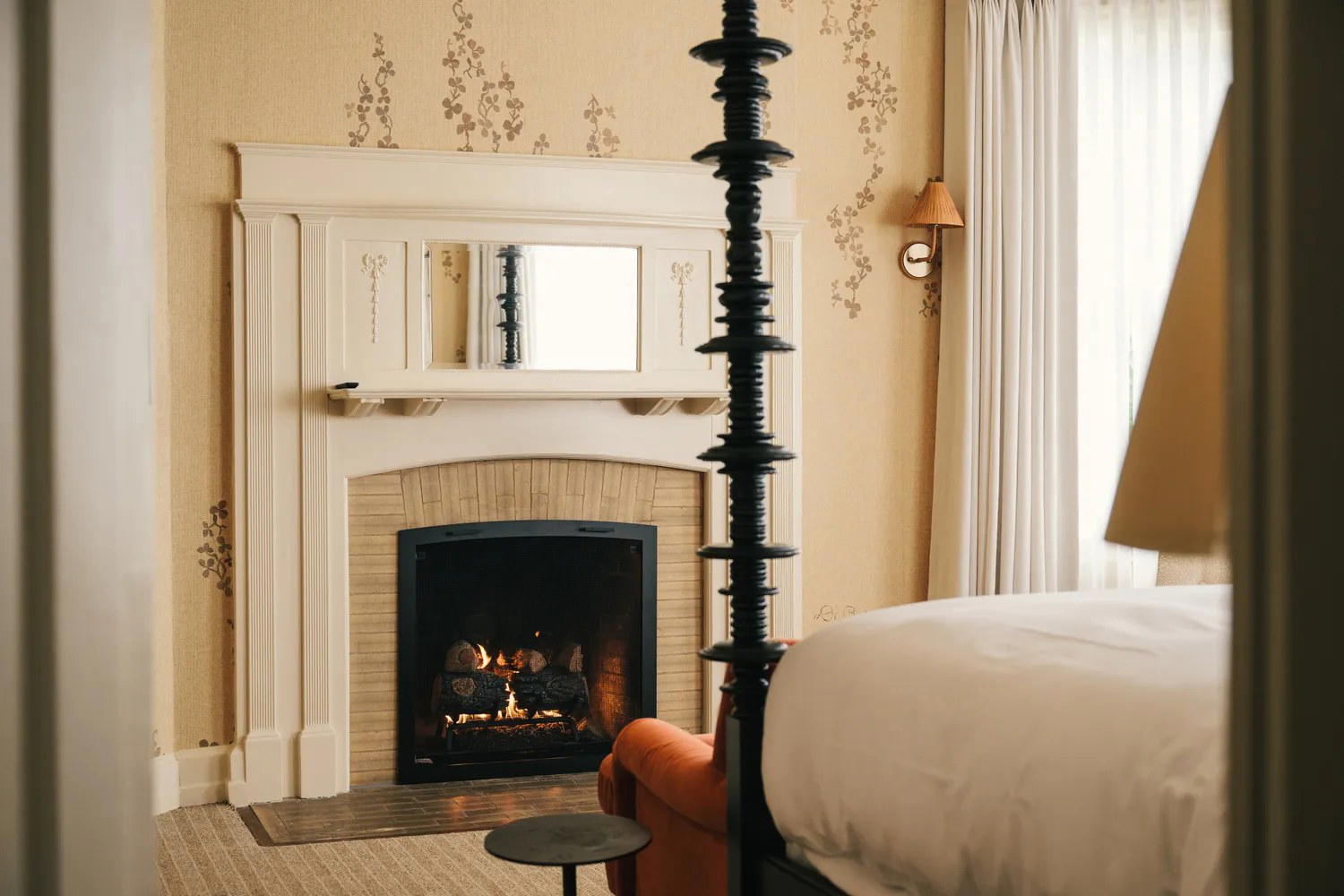
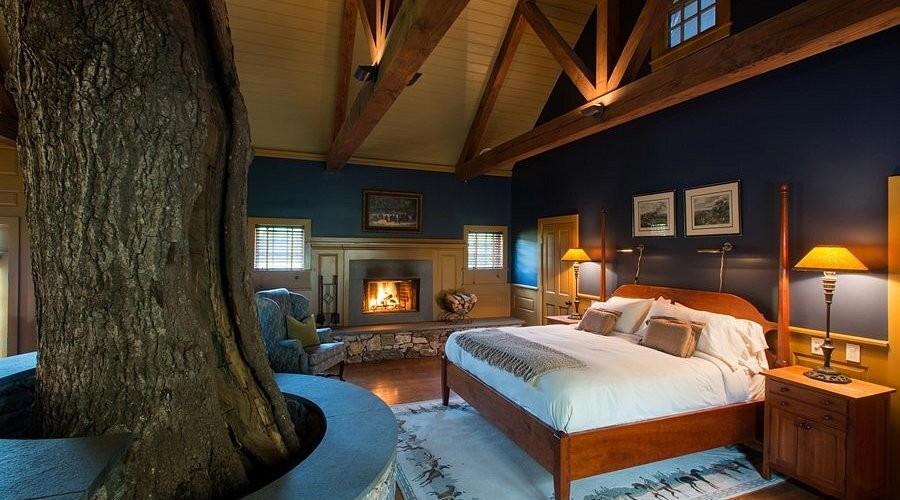
Sophisticated and refined with warm, intimate lighting; the bridge dining area provides a contemplative pause with waterfall views; multiple dining spaces including formal dining room and tavern create varied atmospheres.