Belden House & Mews



1 Michelin Key · Mr & Mrs Smith Seal of Approval · Travel + Leisure It List Hotels
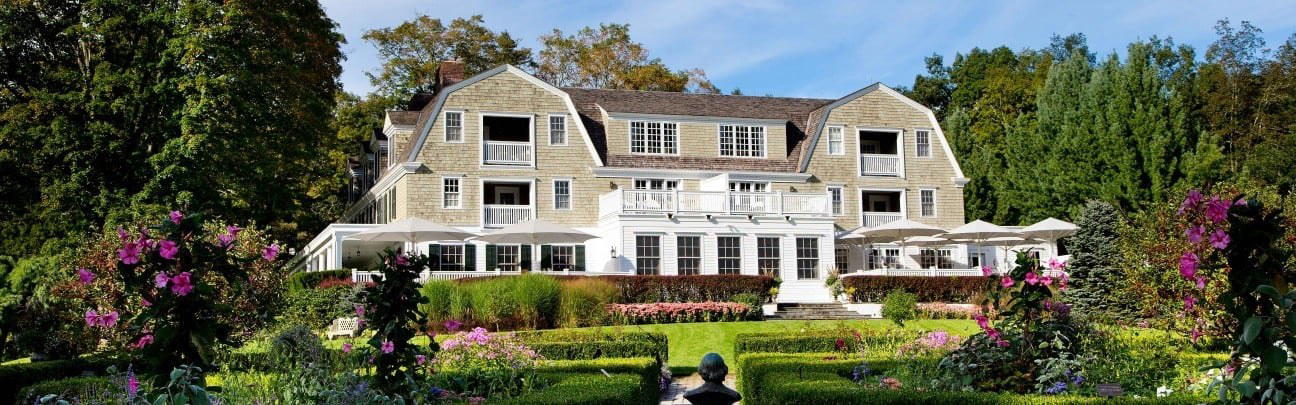
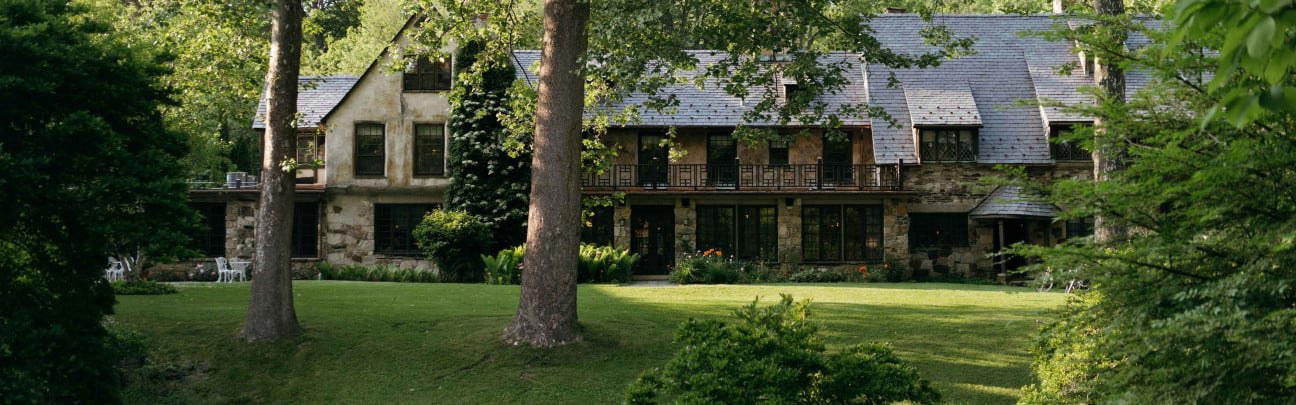
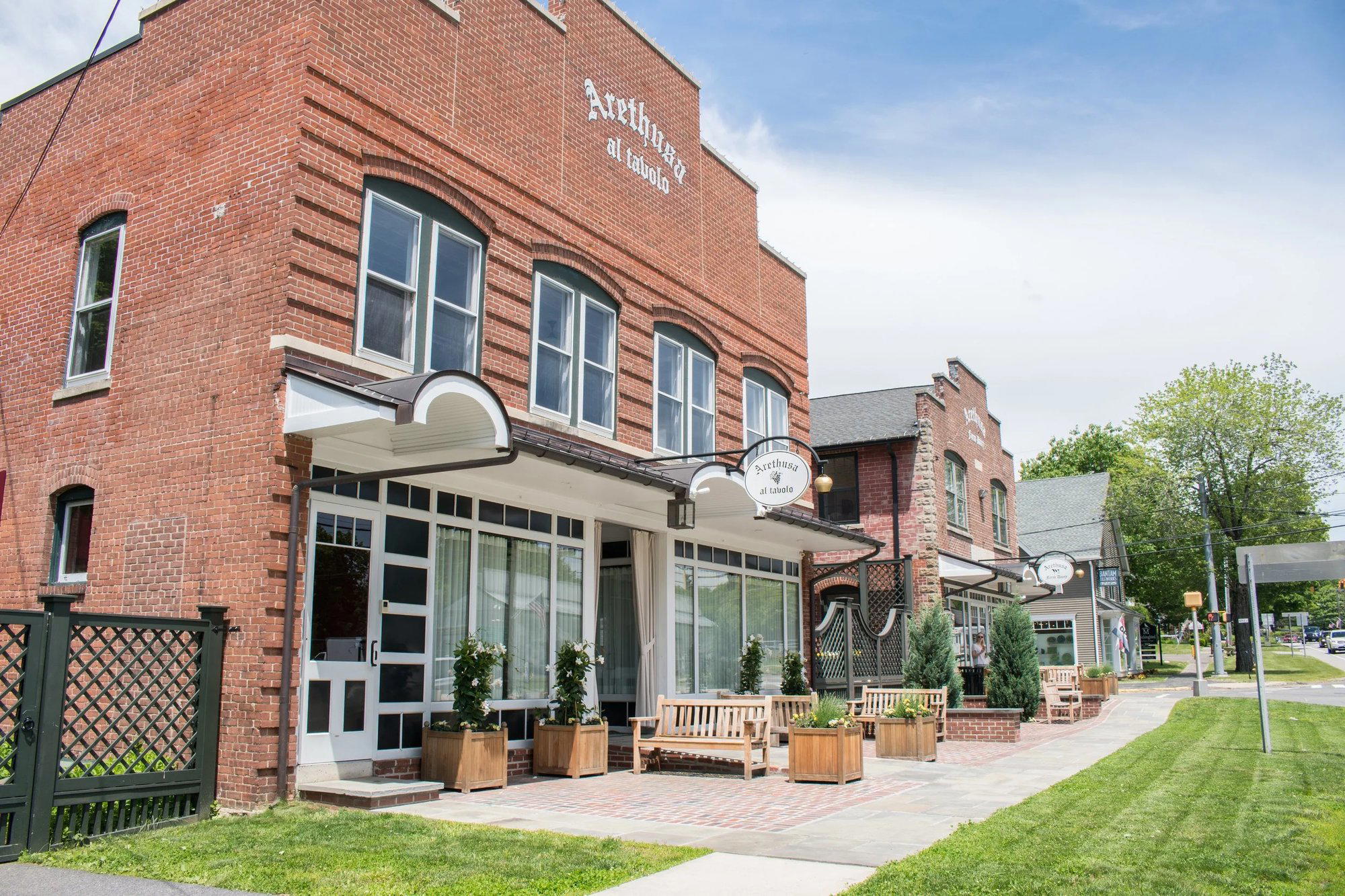
Belden House & Mews returns full-scale hospitality to the center of Litchfield, Connecticut, more than a century after the town's original grand hotel burned down. The 1888 main house, redesigned by Anthony Champalimaud, retains Victorian staircases and original fireplaces alongside considered updates, while a 1959 mews behind it holds 31 light-filled rooms with garden access and custom furniture. Pricing is available on request.

Pearl is the En Primeur Club membership app, where members save venues, book tables and use the concierge.
A Landmark Rebuilt: Litchfield's Return to Grand Hospitality
There is a particular kind of civic loss that small American towns carry quietly: the grand hotel that burned, flooded, or simply closed, leaving a gap in the town's social fabric that decades of motels and B&Bs; never quite fill. Litchfield, Connecticut, has lived with that gap since its original centerpiece hotel was lost to fire. Belden House & Mews is a direct answer to that absence, occupying a 1888 building on North Street and reestablishing the kind of full-service hotel presence the town hasn't had in more than a century.
That history matters because it frames how the property sits in Litchfield's architecture and social geography. This is not a boutique conversion seeking to appear residential, nor a resort property positioned at the town's edge. Belden House is on the main street, close to the village green, and it carries the deliberate weight of a building that was always meant to serve the public life of the town around it. For travelers who find that most New England inns function as private retreats from a town rather than participants in it, the distinction is meaningful.
The Champalimaud Approach: Preservation as Design Strategy
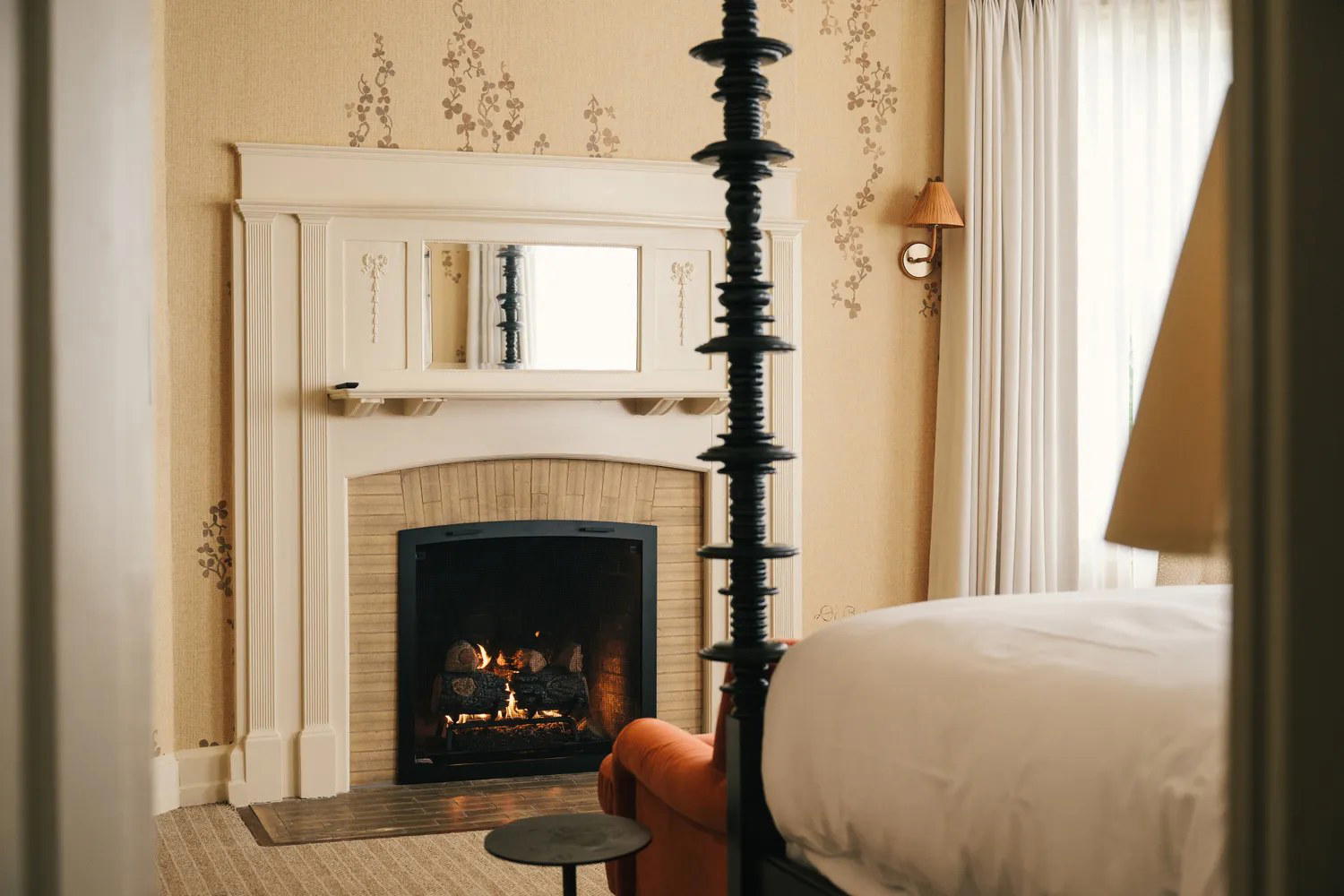
Anthony Champalimaud Design, the New York-based studio behind the interiors, operates in a specific tier of hospitality projects where the brief is restoration rather than transformation. Their portfolio includes properties where the architecture demands to be read first and designed around second. At Belden House, that has meant working with what the 1888 structure offers: Victorian staircases that anchor the main house's vertical movement, original fireplaces that give each primary room a fixed point of character, and the proportions of a building designed before hospitality became a formulaic category.
The design approach here belongs to a broader shift in American hotel interiors, one that has moved away from brand-imposed uniformity toward what might be called architectural deference. Where properties like Chicago Athletic Association in Chicago or Raffles Boston have each negotiated their own relationship between historic structure and contemporary function, Belden House works at a more intimate scale, one where individual details, the weight of a stair rail, the tile surround of a fireplace, register more directly because the rooms themselves are fewer and the corridors quieter.
The result is a house that reads as designed without announcing its design. Champalimaud's updates are described as subtle, a word that in this context signals restraint rather than timidity. The building's character is preserved because the intervention has been calibrated not to override it.
The Mews: A Different Register
Behind the main Victorian house sits a 1959 mews structure that holds all 31 of the property's guest rooms. The architectural conversation between a building from 1888 and one from 1959 is not a trivial detail; it defines how the property functions spatially. The mews is lighter in structure, its rooms described as light-filled and garden-facing, with custom furniture that suggests a less formal register than the main house's period character.
This kind of two-building property, where the historic structure provides the public face and a later addition provides the sleeping accommodation, appears in various forms across New England hospitality. What tends to determine whether the arrangement succeeds is how well the connecting logic works: whether guests move between the atmospheres of the two buildings with a sense of coherence or of incongruity. At Belden House, garden access from the mews rooms creates a third spatial register, one that is neither the formal Victorian interiors of the main house nor the mid-century quietness of the mews corridors, but outdoor Litchfield, which has its own considerable appeal.
For context on what this scale of property offers relative to larger design-forward American hotels, it is worth noting how the 31-room count positions Belden House. Properties like Troutbeck in Amenia, across the state line in New York, have established that small-count, architecturally-led properties in the Northeast can operate at a premium without the scale of resort infrastructure. Belden House occupies similar territory geographically and conceptually, though Litchfield's town-center location gives it a different social character than a rural estate.
Litchfield and the Northwest Corner
Litchfield sits in Connecticut's northwest corner, a region that has drawn New York-adjacent travelers for decades without ever becoming the kind of destination that crowds its own appeal out of existence. The town's historic district contains one of the best-preserved collections of late 18th and early 19th century architecture in New England, and the village green around which civic life organizes itself remains largely intact as a walkable public space.
For travelers who find the Berkshires now saturated or the Hudson Valley increasingly dense with weekend traffic, the northwest corner offers a quieter alternative at comparable driving distance from Manhattan. Belden House, positioned on North Street within walking distance of the green, is well-placed to function as a base for that kind of regional exploration. Our full Litchfield restaurants guide covers the dining options worth knowing in and around the town.
The property sits in a different category from the destination resorts of the American West, properties like Amangiri in Canyon Point or Post Ranch Inn in Big Sur, where the landscape is the primary draw and the hotel architecture responds to that landscape. Belden House's draw is civic and architectural, rooted in a specific New England town rather than a natural setting. Travelers calibrating between these categories should weight that difference accordingly.
Planning a Stay
Pricing at Belden House & Mews is available on request, which places it in the tier of properties that price against a guest profile rather than a published rate card. This approach is increasingly common among smaller, design-led American properties that want to manage occupancy quality alongside revenue. For travelers accustomed to this format from properties like Blackberry Farm in Walland or SingleThread Farm Inn in Healdsburg, the process is familiar: direct contact with the property to confirm availability and current rates. The address is 31 North Street, Litchfield, CT 06759.
For travelers building a broader Northeast itinerary, Belden House connects naturally with other design-conscious properties in the region. The Fifth Avenue Hotel in New York City and Aman New York represent the urban end of that circuit for travelers arriving from or departing to the city. Further afield, Four Seasons at The Surf Club in Surfside and Bernardus Lodge & Spa in Carmel Valley represent the kind of full-service resort alternative for travelers whose itinerary allows for greater distance.
A Quick Peer Check
Comparable venues nearby, for context on price, style, and recognition.
| Venue | Cuisine | Price | Awards | Notes |
|---|---|---|---|---|
| Belden House & MewsThis venue (the venue you are viewing) | Splendidly restored 3-acre estate blending historic mansion and modernist addition in Litchfield's historic center. | Not listed | 1 Michelin Key · Mr & Mrs Smith Seal of Approval | Not listed |
| The Abner Hotel | Historic boutique hotel in renovated courthouse | Not listed | Michelin Selected · Mr & Mrs Smith Seal of Approval | Litchfield |
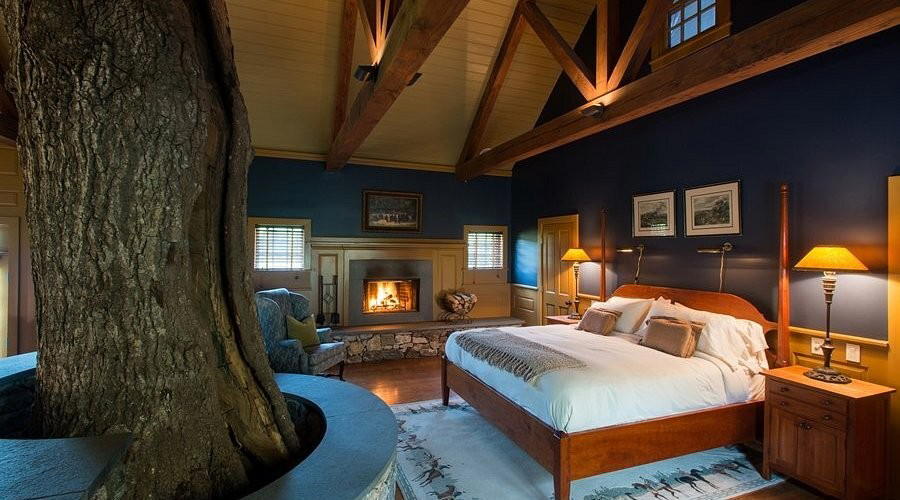
| Winvian | European-inspired luxury countryside retreat with eclectic, individually-designed cottages blending rustic charm with five-star amenities. | $500–750 | La Liste Top Hotels · Star Wine List | Litchfield Hills |
| The Blake Hotel | Modern boutique with New England charm and local luxury. | $200–300 | Michelin Selected | Downtown |
| Graduate by Hilton New Haven | Trendy boutique hotel with playful Ivy League college nostalgia in a renovated historic building. | Not listed | Michelin Selected | Downtown New Haven |
| Delamar Southport | residential-style boutique with Victorian architecture | Not listed | World Travel Awards | Southport |
Recognition history
Dated appearances from independent guides and award organizations, with the underlying list record or original source where available.
Michelin 1 Key
Michelin
Mr & Mrs Smith Seal of Approval
Mr & Mrs Smith
Travel + Leisure It List Hotels
Travel + Leisure
Full recognition history (4 entries)
Michelin 1 Key
Michelin
Continue exploring
More in Litchfield
Hotels in Litchfield
All hotels in Litchfield →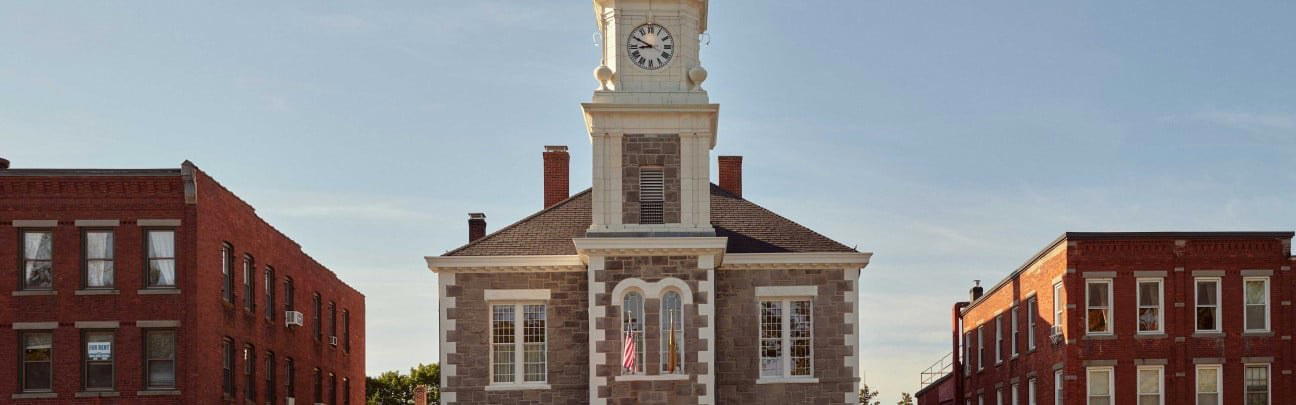
Bars in Litchfield
All bars in Litchfield →
Restaurants in Litchfield
All restaurants in Litchfield →
Wineries in Litchfield
Browse all →
Details
- Elegant
- Sophisticated
- Cozy
- Intimate
- Scenic
- Romantic Getaway
- Anniversary
- Weekend Escape
- Historic Building
- Terrace
- Panoramic View
- Pool
- Spa
- Sauna
- Fitness Center
- Room Service
- Concierge
- Butler Service
- Wi Fi
- Restaurant
- Garden
- Mountain
- Wheelchair Accessible
- Step Free Entrance
Layered elegant environments with ornate moldings, working fireplaces, and serene modernist spaces featuring grasscloth walls and bold textiles.