Arugula
Arugula on Farmington Avenue occupies a corner of West Hartford's dining scene where ingredient sourcing shapes every decision on the plate. The restaurant draws comparisons to farm-to-table programs in larger American cities, operating at a scale where local relationships and seasonal discipline can be maintained with precision. It sits among the stronger options in a corridor that includes Restaurant Bricco and Barcelona Wine Bar West Hartford.
Pearl is the En Primeur Club membership app — saves, bookings, and concierge access live there. Same editors, same standards.
- Address
- 953 Farmington Ave, West Hartford, CT 06107
- Phone
- +18605614888
- Website
- arugula-bistro.com
- Directions
- Get directions
 Saves & bookings on Pearl
Farmington Avenue and the Sourcing-Driven Table
West Hartford's Farmington Avenue has developed a dining identity that sits closer to the better-resourced suburbs of Boston or New York than to the chain-heavy corridors that dominate much of Connecticut. The stretch between West Hartford Center and the surrounding blocks contains a concentration of independent restaurants, each staking out a distinct position. Among them, Arugula at 953 Farmington Ave operates in a register that prioritizes ingredient origin. That framing matters because it places the restaurant in a specific competitive set: not the crowd-pleasing Italian format of Restaurant Bricco, not the Iberian wine-and-small-plates model of Barcelona Wine Bar West Hartford, but rather the category of American restaurants where the sourcing story is the organizing logic of the menu.
Across the United States, this format has bifurcated sharply. At the leading end, restaurants like Blue Hill at Stone Barns in Tarrytown and Single Thread Farm in Healdsburg have built vertically integrated sourcing programs, with the farm functioning as both supplier and conceptual anchor. Further down in scale, the same impulse appears in neighborhood restaurants that maintain direct relationships with regional producers without the institutional infrastructure. Arugula operates closer to this second tier, where the sourcing commitment is real but expressed through the menu rather than through an owned agricultural apparatus.
What Ingredient-Led Cooking Looks Like at This Scale
The farm-to-table framework, which became something of a marketing shorthand through the 2010s, has separated into two distinct streams. One stream uses it as positioning language without substantive change to purchasing or preparation. The other builds menus around what is actually available from specific suppliers at specific moments in the growing season, which forces a different kind of kitchen discipline: shorter menus, more frequent changes, and a reliance on technique rather than imported luxury ingredients to generate interest. The restaurants in the second stream tend to read differently on the plate. Dishes are organized around a lead ingredient rather than a protein-centric framework. Accompaniments are chosen to express the lead ingredient rather than to provide textural contrast as a formality.
American restaurants that have taken this approach most seriously, including Smyth in Chicago and Lazy Bear in San Francisco, have demonstrated that sourcing specificity and fine dining ambition are not in tension. Connecticut's agricultural calendar, which runs through a genuine four-season cycle, provides the kind of variability that makes this approach sustainable rather than monotonous: spring alliums and early greens give way to peak-summer tomatoes and corn, then to root vegetables and brassicas through the fall and winter. A restaurant built around this calendar has natural momentum.
The West Hartford Context
West Hartford's dining scene has enough depth that a sourcing-led independent restaurant can find an audience without competing directly against the town's more casual formats. Coracora and Luna Pizza address different needs at different price points, and Avert Brasserie occupies a French-leaning position. That spread means Arugula does not have to be everything to everyone, which is the condition under which ingredient-led cooking tends to work well. When a restaurant tries to hold a sourcing-first identity while also covering every occasion type and demographic, the sourcing logic usually gets compromised in favor of consistency and volume.
The Farmington Avenue address also matters logistically. The corridor is walkable from West Hartford Center and accessible by car from Hartford proper, which gives the restaurant a draw beyond the immediate neighborhood. For a full picture of the dining options in the area, the EP Club West Hartford restaurants guide maps the scene across cuisine types and price points.
How Arugula Positions Against National Sourcing-Led Programs
The most ambitious sourcing-led restaurants in the United States have moved well beyond seasonal menus into programs that verge on the agricultural. The French Laundry in Napa maintains a dedicated garden. Addison in San Diego has built regional sourcing into its tasting menu format. The Inn at Little Washington draws from the Rappahannock region's farms and producers. These programs require capital and operational scale that a neighborhood restaurant on Farmington Avenue does not have, but the underlying logic, that what arrives on the plate is traceable, seasonal, and chosen for quality rather than convenience, can apply at any size. The question for a restaurant like Arugula is whether the sourcing commitment holds when it is inconvenient, which is the only moment when the commitment actually means anything.
For comparison, restaurants like Le Bernardin in New York City, Providence in Los Angeles, and Atomix in New York City each use sourcing as a foundational argument, but at price points and with production values that operate in a different category entirely. The European analog, restaurants like Atelier Moessmer Norbert Niederkofler in Brunico, which has built an entire philosophy around Alpine ingredient provenance, shows how far sourcing-led cooking can go when it becomes the total organizing principle. Arugula does not make that kind of claim, and the honest version of ingredient-led cooking at a neighborhood scale is no less legitimate for operating with more modest infrastructure.
Closer in concept is Emeril's in New Orleans, which helped define what American ingredient-forward cooking could look like outside the major coastal food cities. The precedent that regional restaurants can build serious sourcing programs without being located in New York, Los Angeles, or San Francisco is now well established, and West Hartford, given its proximity to Connecticut and Massachusetts farms, is a reasonable place to make that argument.
Planning a Visit
Arugula sits at 953 Farmington Ave, West Hartford, CT 06107, in a part of the avenue that is navigable on foot from the town center. Ingredient-led restaurants at this scale often run smaller menus and may have limited seating, which makes advance planning more useful than it would be at a higher-volume format.
In Context: Similar Options
| Venue | Cuisine |
|---|---|
| ArugulaThis venue — the venue you are viewing | This venue |
Continue exploring
More in West Hartford
Restaurants in West Hartford
Browse all →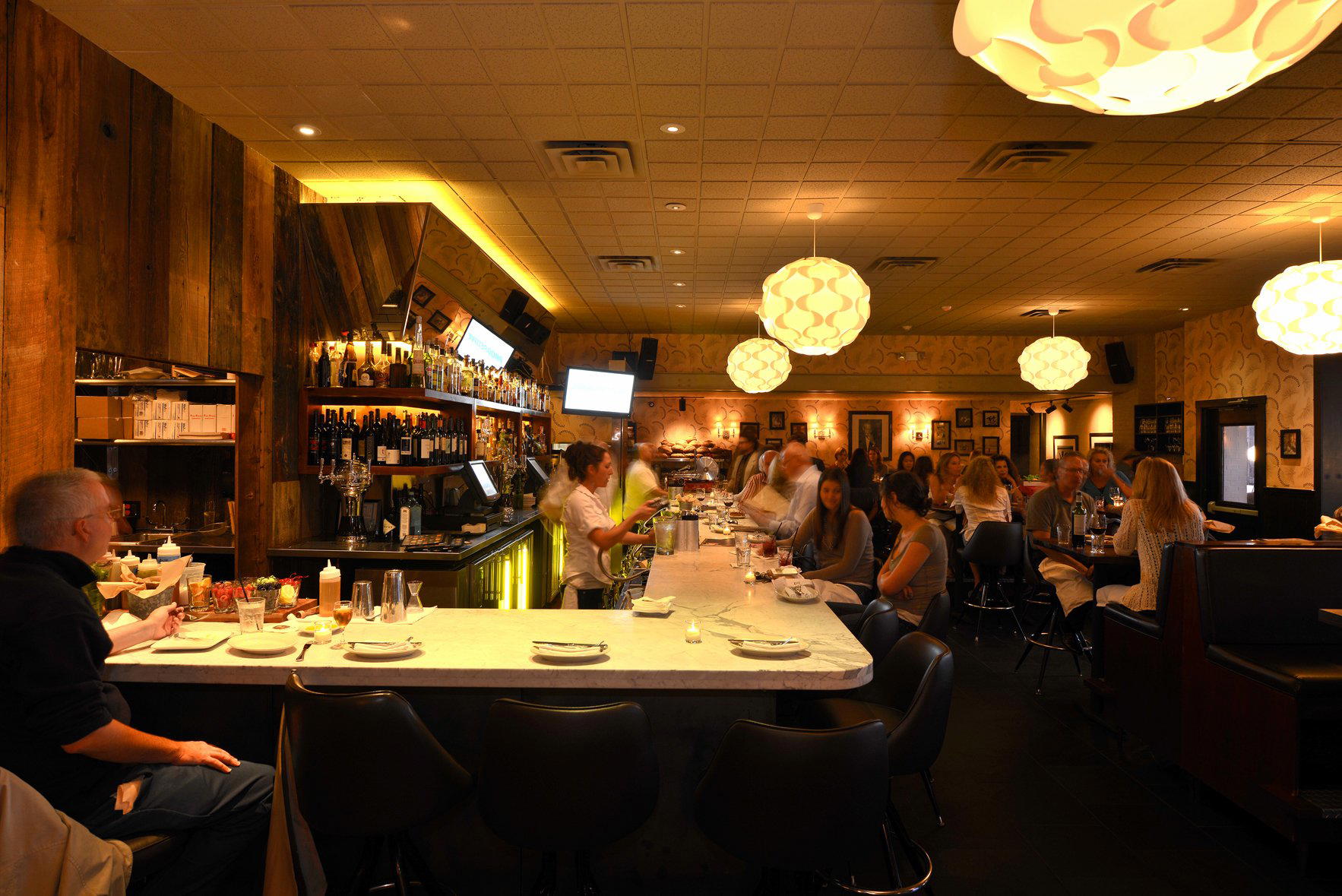

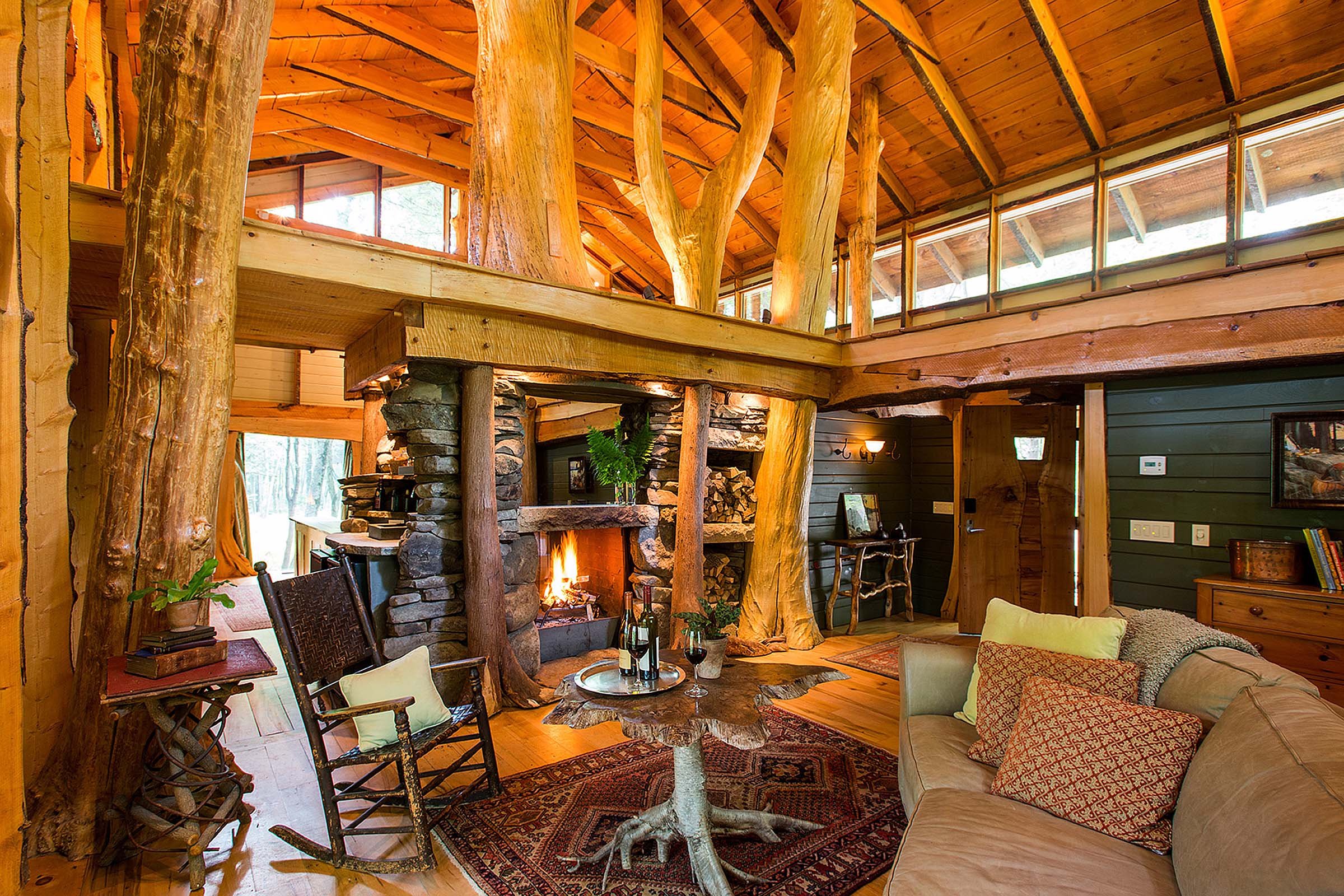
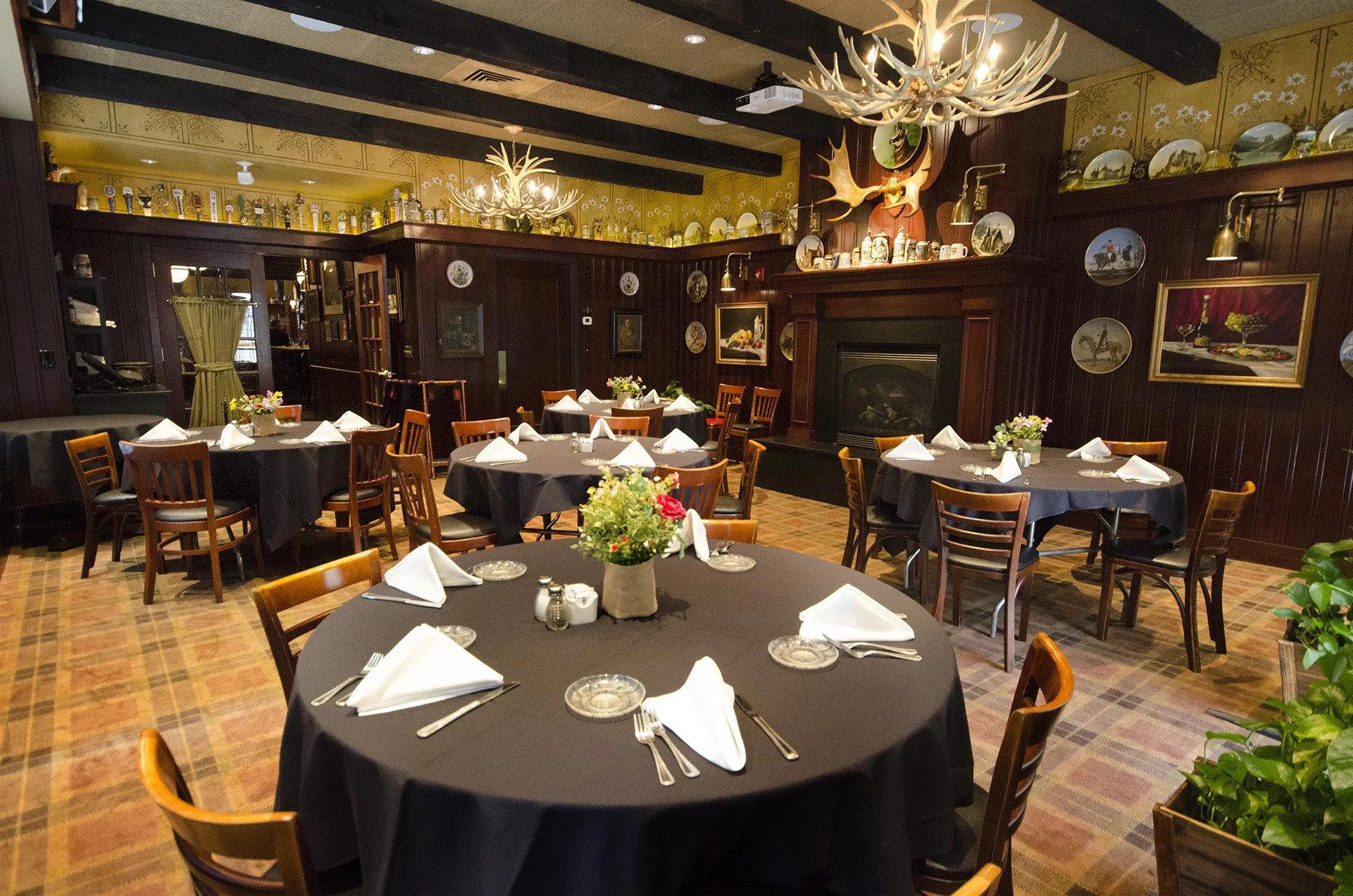
Bars in West Hartford
Browse all →

At a Glance
- Cozy
- Intimate
- Romantic
- Date Night
- Special Occasion
- Private Event
- Open Kitchen
- Private Dining
- Extensive Wine List
Current opening hours
- Monday
- Closed
- Tuesday
- 4–9 PM
- Wednesday
- 4–9 PM
- Thursday
- 4–9 PM
- Friday
- 4–10 PM
- Saturday
- 4–10 PM
- Sunday
- Closed
Hours can change for holidays and private events. Last verified .
Cozy, warm, low-light atmosphere with white tablecloths, open kitchen, and a relaxed, welcoming neighborhood vibe.
Know Before You Go
- Getting there
- 953 Farmington Ave, West Hartford, CT 06107