Mikuriya


Mikuriya occupies a converted suite inside The Dolder Grand, where up to eight diners sit at a counter and watch Chef Atsushi Hiraoka work through an omakase menu that draws on locally sourced Swiss ingredients alongside Japanese technique. It holds a Michelin Plate (2025) and represents one of the most format-specific Japanese dining experiences available in Zurich's luxury tier.
Pearl is the En Primeur Club membership app — saves, bookings, and concierge access live there. Same editors, same standards.
- Address
- Kurhausstrasse 65, 8032 Zürich, Switzerland
- Phone
- +41 44 456 60 00
- Website
- thedoldergrand.com
- Directions
- Get directions
 Saves & bookings on Pearl
A Suite Repurposed, a Counter at Its Centre
There is a particular discipline in Japanese counter dining that hotel restaurants elsewhere rarely attempt with conviction. The format demands proximity, silence, and the kind of unhurried attention that large dining rooms actively resist. At Mikuriya, inside The Dolder Grand on the Zürichberg above the city, the decision to convert a hotel suite rather than carve out a conventional restaurant space reflects exactly that discipline. The room seats eight at the counter. The design is minimalist. Guests are received at the hotel's main front desk and escorted up, which effectively frames the experience as a private appointment rather than a restaurant reservation. Service begins at 7pm, one sitting.
That architectural choice matters more than it might first appear. European omakase has often struggled with context: a counter squeezed into a street-level space surrounded by the noise and visual clutter of a commercial block rarely produces the cognitive shift that makes the format work. The converted suite removes those distractions. When you sit down at Mikuriya, the physical setting has already done much of the work of slowing you down.
Omakase in a City That Rarely Commits to the Format
Zurich's fine dining identity runs primarily through European and Swiss-European traditions. The city has produced Michelin-decorated addresses in Swiss contemporary cooking, with The Restaurant and The Counter representing the creative European tier at the four-symbol price point, while IGNIV Zürich by Andreas Caminada occupies the sharing-format end of the premium bracket. Japanese dining at this level is a narrower category in Switzerland altogether, and the omakase counter format with a capacity of eight is narrower still. Across Switzerland, serious Japanese tasting menus tend to appear in Geneva or Zurich, and even within those cities the format commands a small subset of the Michelin-recognised pool.
Mikuriya holds a Michelin Plate recognition for 2025, which in Michelin's own framing signals a restaurant using quality ingredients and prepared with care. It is a distinct designation from a star, but at an eight-seat counter in a luxury hotel suite, the significance lies less in the award tier than in the structural rarity: there are very few places in Switzerland where this particular format exists at all. For comparison, the wider Swiss fine dining field includes addresses like Schloss Schauenstein in Fürstenau, Hotel de Ville Crissier, and Memories in Bad Ragaz, all of which sit in a European fine dining tradition. Mikuriya operates in a different register entirely.
The Case for Simplicity: What Omakase Actually Demands
The editorial angle assigned to Japanese contemporary dining is often the wrong one. Commentary tends to reach for theatrics: precision, elaboration, rarity of ingredient. But the most demanding strand of Japanese cooking has always been the opposite. The principle governing a well-run omakase counter is closer to the logic of a great bowl of ramen than it is to a European tasting menu: the chef's skill is exposed by reduction, not addition. Every unnecessary element removed leaves the technique more visible. There is nowhere to hide behind sauce work, plating complexity, or tableside drama.
At Mikuriya, the counter format enforces that exposure directly. Eight guests watch Chef Atsushi Hiraoka work at close range across the full arc of the menu. The discipline required is not in the number of courses but in the consistency of each movement, each cut, each temperature decision. Locally sourced Swiss ingredients appear alongside Japanese framework, which introduces a productive tension: Swiss produce has its own seasonal logic and textural character, and integrating it without disrupting the internal coherence of an omakase progression requires judgment that no amount of premium imported ingredient can substitute for.
Sake is noted as the accompanying drink of choice, which is the appropriate pairing approach for this format. The absence of a wine-led pairing structure is itself an editorial statement: the menu is anchored in Japanese logic, and the beverage follows that anchor rather than accommodating the European default.
The Dolder Grand Context
The Dolder Grand is one of Zurich's most recognised luxury hotel addresses, a property with an art collection and a position on the Zürichberg that places it above the city centre rather than within it. Mikuriya's placement inside this hotel means the experience arrives with the hotel's full infrastructure around it: arrival, escort, and the physical quality of a converted suite. For visitors using Zurich as a base for wider Swiss exploration, the hotel's position connects naturally to the broader network of fine dining across the country. Addresses like Cheval Blanc by Peter Knogl in Basel, 7132 Silver in Vals, and Colonnade in Lucerne all sit within day-trip or overnight distance.
Within Zurich itself, the hotel neighbourhood sits apart from the Altstadt restaurant concentration. Guests who want to explore the city's wider dining options, from Widder in the old town through to Eden Kitchen and Bar, are working from a different spatial logic than those who stay central. Mikuriya is not a drop-in dinner; it is a planned evening, and the hotel context reinforces that framing.
For those interested in how the Japanese contemporary format operates elsewhere in the region, The Japanese Restaurant in Andermatt offers a useful point of reference within Switzerland, while Eika in Taipei shows how the format translates in its home context. Our Zurich experiences guide, bars guide, and wineries guide cover the broader city picture for those building a multi-day programme.
Planning a Visit
The logistical profile of Mikuriya is tight by design. The single nightly sitting starts at 7pm. With a maximum of eight seats, availability is limited and advance booking is advisable, particularly for weekends. Guests check in through The Dolder Grand's front desk rather than entering a restaurant directly, so arriving with the same margin you would for a hotel dinner is the right approach rather than street-restaurant timing. The price point sits at the four-symbol level, consistent with the omakase format and hotel context. Hours, booking method, and current menu pricing are best confirmed directly through The Dolder Grand. See our full Zurich restaurants guide for the wider city context.
What do regulars order at Mikuriya?
The format removes that question from the equation. Omakase means the chef decides: there is no à la carte selection, and the progression of courses is Hiraoka's call rather than the diner's. What returning guests tend to develop is familiarity with the seasonal shift in the menu and with the way locally sourced Swiss ingredients recur or change across visits. The counter format means repeat guests also build direct familiarity with the chef's working rhythm, which is part of what makes omakase a format that rewards return visits rather than one-off occasions. Given the eight-seat limit and single sitting, those who have been before are likely booking again before a first visit has even concluded.
At-a-Glance Comparison
A compact comparison to help you place this venue among nearby peers.
| Venue | Cuisine | Price | Awards |
|---|---|---|---|
| MikuriyaThis venue — the venue you are viewing | Japanese Contemporary | €€€€ | Not listed |
| IGNIV Zürich by Andreas Caminada | Sharing | €€€€ | Michelin 2 Star |
| KLE | Vegan | €€€ | Michelin 1 Star |
| Kronenhalle | Swiss, Traditional Cuisine | €€€ | World's 50 Best |
| The Counter | Creative | €€€€ | Michelin 2 Star |
| Eden Kitchen & Bar | Italian | €€€€ | Michelin 1 Star |
Recognition history
Dated appearances from independent guides and award organizations, with the underlying list record or original source where available.
Falstaff Restaurant - 94 Falstaff Points
Falstaff
Michelin Plate
Michelin
Michelin Plate
Michelin
Continue exploring
More in Zürich
Restaurants in Zürich
Browse all →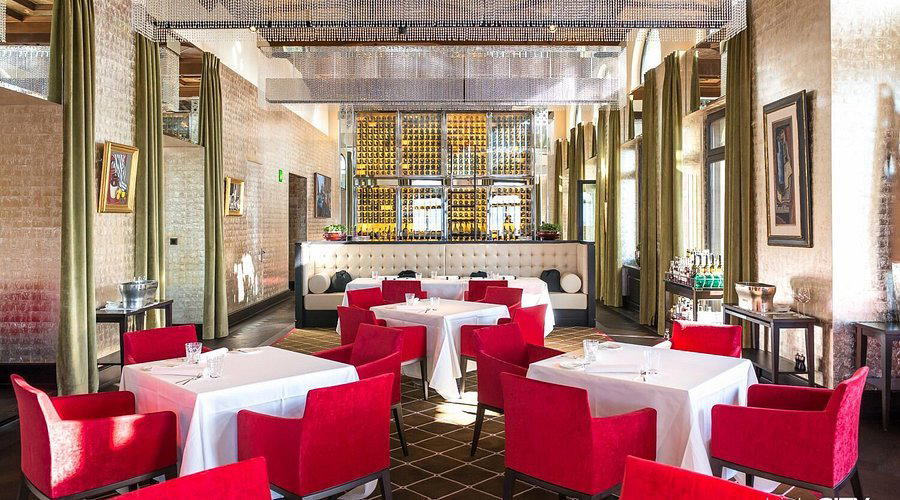
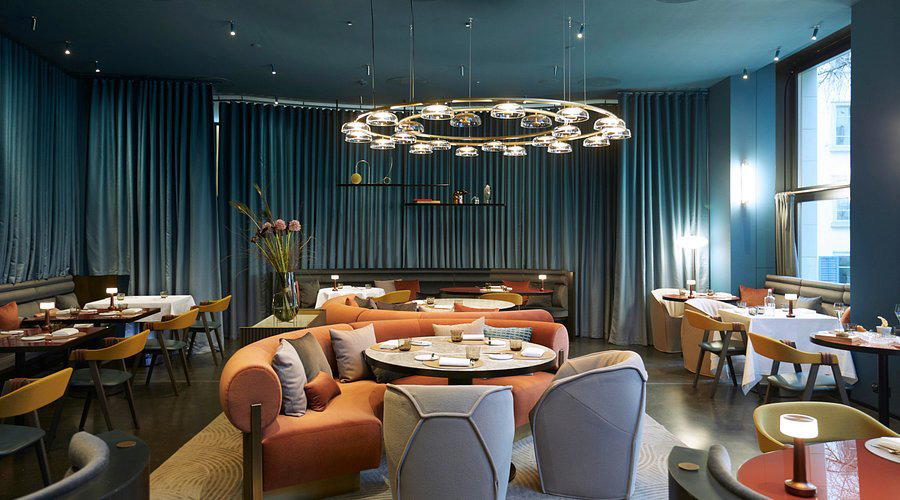
Bars in Zürich
Browse all →
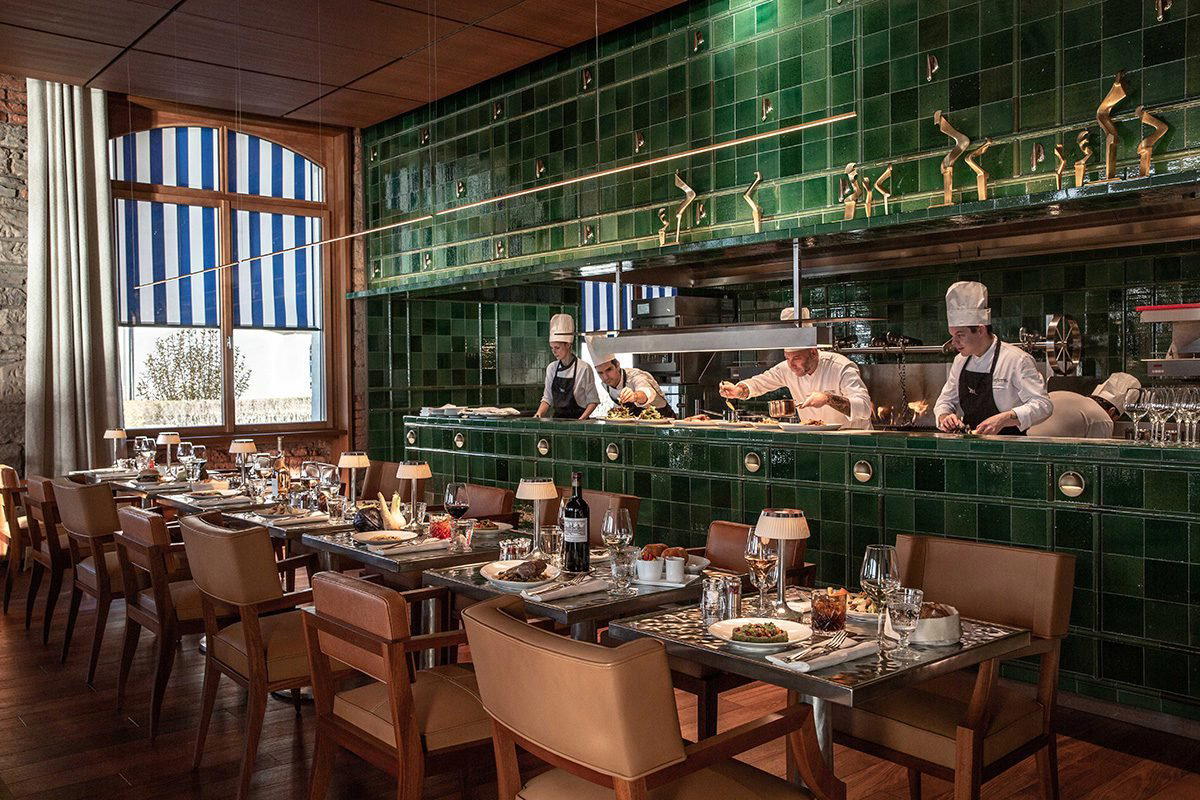
Hotels in Zürich
Browse all →

At a Glance
- Intimate
- Elegant
- Minimalist
- Sophisticated
- Special Occasion
- Date Night
- Celebration
- Chefs Counter
- Open Kitchen
- Hotel Restaurant
- Private Dining
- Sake Program
- Sommelier Led
- Local Sourcing
Current opening hours
- Monday
- Closed
- Tuesday
- Closed
- Wednesday
- 6:30–11 PM
- Thursday
- 6:30–11 PM
- Friday
- 6:30–11 PM
- Saturday
- 6:30–11 PM
- Sunday
- Closed
Hours can change for holidays and private events. Last verified .
Minimalist and elegant interior with intimate counter seating, discreet and refined atmosphere reminiscent of Tokyo, soft lighting with focus on the chef's precise movements and artistry.
Know Before You Go
- Getting there
- Kurhausstrasse 65, 8032 Zürich, Switzerland